
EvidenceBased Approaches to Achieving Family Harmony

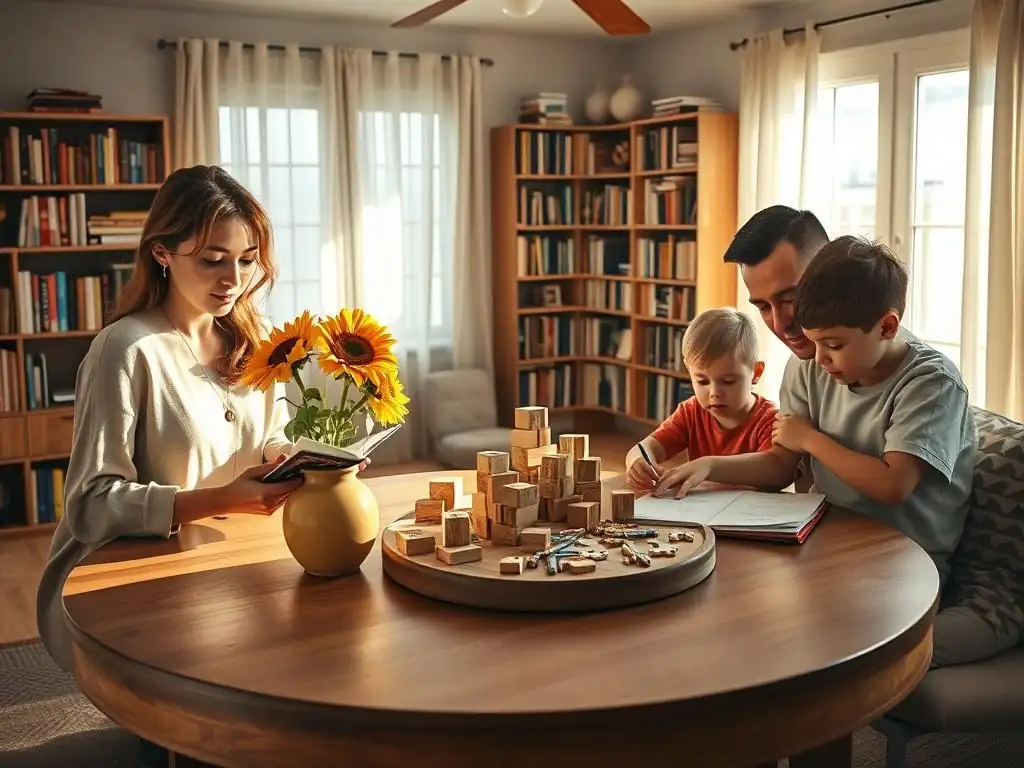
Welcome to Mind Care Guide, a space dedicated to nurturing your mental well-being.
Feeling the strain of family life? You're not alone. Dive into our comprehensive guide exploring Family Harmony Mental Wellness Strategies and discover evidence-based techniques that can help you build stronger, more supportive relationships. Ready to unlock a more peaceful and fulfilling family dynamic? Let's begin.
Evidence-Based Approaches to Achieving Family Harmony: A Mental Health Guide
- Introduction: Understanding Family Harmony and Mental Wellness
- Identifying the Root Causes of Family Conflict
- Evidence-Based Strategies for Fostering Family Harmony
- Implementing Family Harmony Strategies: A Step-by-Step Guide
- Maintaining Long-Term Family Harmony: Sustainable Practices
- Conclusion: Investing in Family Harmony for Lasting Mental Wellness
-
Frequently Asked Questions
- How does focusing on family harmony contribute to overall mental wellness?
- What are some evidence-based strategies that can be used to improve family harmony?
- How can I address conflict within my family to promote greater mental wellness for everyone?
- What role does individual self-care play in achieving family harmony and improved mental well-being?
- Where can I find additional resources and support for implementing family harmony mental wellness strategies?
- Final Reflection: Weaving the Threads of Family Harmony
- Unleash Your Family's Harmony: Start Building a Stronger Bond Today!
Introduction: Understanding Family Harmony and Mental Wellness
Defining Family Harmony: A Foundation for Mental Well-being
Family harmony isn't merely the absence of conflict; it's a dynamic state characterized by mutual respect, open communication, emotional support, and a sense of belonging among family members. It involves navigating disagreements constructively, celebrating successes together, and providing a safe and nurturing environment where individuals can thrive. This harmonious environment acts as a critical buffer against life's stressors, significantly impacting the mental well-being of everyone within the family unit.
Achieving family harmony requires intentional effort and the adoption of positive interaction patterns. It's about building strong relationships based on trust and understanding, allowing family members to feel heard, valued, and secure. When a family functions harmoniously, it fosters resilience, promotes healthy development, and provides a stable foundation for tackling challenges, directly supporting individual and collective mental wellness.
The Link Between Family Discord and Mental Health Challenges
Persistent family conflict and disharmony are strongly correlated with various mental health difficulties across all age groups. Children and adolescents exposed to chronic family tension may experience increased rates of anxiety disorders, depression, behavioral issues, and academic problems. Studies have indicated that exposure to high levels of family conflict can increase a child's risk of developing mental health conditions by 2 to 3 times compared to those in more harmonious environments.
For adults, unresolved family conflict can contribute to chronic stress, impacting physical health as well as leading to or exacerbating conditions like depression, anxiety, and substance use disorders. The emotional toll of constant disagreements, lack of support, or strained relationships within the family can erode an individual's sense of self-worth and security. Addressing family discord using effective strategies is therefore crucial for preventing and mitigating mental health challenges.
Why Evidence-Based Strategies Matter for Family Harmony
Relying on evidence-based strategies for improving family harmony ensures that the approaches taken are supported by research and proven effective in real-world settings. Unlike relying on intuition or untested advice, these methods have been studied for their impact on communication, conflict resolution, and relationship building. For instance, therapeutic approaches like Family Systems Therapy or Cognitive Behavioral Therapy (CBT), when applied to family dynamics, have demonstrated significant improvements in reducing conflict and enhancing connection in numerous clinical trials.
Implementing evidence-based family harmony mental wellness strategies provides families with reliable tools and techniques grounded in psychological principles. This not only increases the likelihood of successful outcomes but also offers a framework for understanding why certain behaviors and communication patterns are beneficial. Families equipped with these proven methods are better prepared to navigate challenges, build stronger bonds, and cultivate a supportive environment conducive to mental wellness for all members.
Identifying the Root Causes of Family Conflict
Common Triggers of Family Disharmony
Family disharmony often stems from a variety of common triggers that disrupt peace and understanding. These can range from seemingly minor daily frustrations to significant life events. Financial pressures are a frequent source of conflict, with disagreements over spending, saving, or debt causing tension in potentially 40-50% of families facing economic hardship. Differing parenting styles are another major trigger, leading to disputes between partners and confusion for children.
Other prevalent triggers include communication breakdowns, where misunderstandings, lack of active listening, or hurtful language become commonplace. Major life transitions, such as moving, job loss, divorce, or the arrival of a new baby, also introduce stress that can exacerbate existing tensions. Sibling rivalry, conflicts with extended family, and disagreements over household responsibilities are further examples of everyday issues that can escalate into significant family disharmony if not addressed constructively.
Exploring Psychological Factors in Family Conflict
Psychological factors play a significant role in the dynamics of family conflict, often underlying the overt triggers. Unresolved personal issues, such as past trauma, unmanaged mental health conditions (like depression or anxiety), or personality disorders, can manifest as irritability, withdrawal, or aggressive behavior within the family context. For instance, an individual struggling with anxiety might exhibit controlling behaviors, leading to friction, while someone with depression might withdraw, causing feelings of abandonment in others.
Attachment styles formed in early childhood also influence how individuals relate to family members in adulthood. Insecure attachment styles (anxious, avoidant, or disorganized) can lead to difficulties in emotional regulation, trust issues, and patterns of conflict avoidance or escalation. Understanding these underlying psychological factors is crucial for developing effective family harmony mental wellness strategies, as addressing the root cause is often more effective than merely treating the symptoms of conflict.
The Impact of External Stressors on Family Relationships
External stressors, often outside the family's direct control, can significantly strain relationships and contribute to disharmony. Economic recessions, job insecurity, health crises (like chronic illness or pandemics), and even major societal events can increase stress levels within the household. For example, the stress and uncertainty experienced during the COVID-19 pandemic led to reported increases in family conflict for many households globally, with some studies indicating a rise in domestic disputes by 20-30% in certain regions during lockdown periods.
These external pressures can deplete family members' emotional resources, making them more susceptible to irritability, less patient, and less able to handle minor disagreements constructively. The added burden can also disrupt routines, reduce quality time, and create new sources of anxiety or resentment. Recognizing the impact of these external factors is a vital step in developing empathy and implementing supportive family harmony mental wellness strategies to help the family unit weather the storm together.
Evidence-Based Strategies for Fostering Family Harmony

Communication Skills Training
Effective communication is the bedrock of healthy family relationships. Training in specific communication skills provides families with practical tools to express needs, feelings, and concerns clearly and respectfully.
Active Listening Techniques
Active listening involves fully concentrating on, understanding, responding to, and remembering what is being said. This goes beyond simply hearing words; it requires paying attention to non-verbal cues and providing feedback to show comprehension. Techniques include making eye contact, nodding, paraphrasing what the speaker said ("So, if I understand correctly, you're feeling frustrated because..."), and asking clarifying questions. Practicing active listening can significantly reduce misunderstandings and make family members feel truly heard and validated.
Studies on marital and family communication training consistently show that mastering active listening correlates with decreased conflict intensity and increased relationship satisfaction. For instance, a parent actively listening to a teenager's concerns about school, without immediately offering solutions or judgment, can foster trust and openness, preventing minor issues from escalating into major arguments.
Assertive Communication
Assertive communication is the ability to express one's own needs, feelings, and opinions in a way that is honest and direct, while still respecting the rights and feelings of others. It stands in contrast to aggressive communication (demanding, blaming) and passive communication (avoiding issues, suppressing feelings). Using "I" statements is a core component of assertive communication, such as "I feel worried when you come home late without calling" instead of "You always make me worry."
Learning assertive communication empowers family members to address issues directly and respectfully. Research indicates that families where members use assertive communication experience lower levels of hostility and higher levels of problem-solving success. Teaching children and adults how to be assertive helps prevent resentment from building up and encourages open dialogue about difficult topics, contributing significantly to family harmony mental wellness strategies.
Non-Violent Communication (NVC) Principles
Non-Violent Communication (NVC), developed by Marshall Rosenberg, is a powerful framework for compassionate communication. It focuses on expressing observations, feelings, needs, and requests without blame or judgment. The four key components are:
- Observation: Stating what you observe factually, without evaluation (e.g., "I see dirty dishes in the sink").
- Feeling: Expressing your feeling related to the observation (e.g., "I feel overwhelmed").
- Need: Identifying the underlying need that is not being met (e.g., "because I need support and order in the house").
- Request: Making a clear, specific, actionable request (e.g., "Would you be willing to help me clean up the kitchen before dinner? ").
Training in NVC has been shown to transform conflict dynamics by shifting the focus from blame to understanding underlying needs. Families who adopt NVC principles report improved empathy, reduced defensiveness, and more constructive resolution of disagreements. This approach is highly effective in fostering deeper connection and understanding, crucial elements for achieving family harmony and supporting mental wellness.
Conflict Resolution Techniques
Conflict is inevitable in any close relationship, but the way it is handled determines whether it damages or strengthens bonds. Evidence-based conflict resolution techniques provide structured methods for navigating disagreements constructively.
Mediation and Negotiation Strategies
Mediation involves a neutral third party helping disputing parties find a mutually acceptable solution. While often associated with divorce or legal matters, principles of mediation can be adapted for family use, sometimes with a family therapist acting as a mediator. Negotiation strategies within a family context involve members working together to find a compromise that addresses everyone's core needs, rather than one person winning and the other losing.
Effective negotiation in families often involves brainstorming multiple solutions, considering the impact of each option on all members, and being willing to compromise. Studies on families who have undergone mediation or received training in negotiation skills show improved ability to reach agreements on difficult issues like finances, parenting decisions, or household rules, leading to reduced recurring conflict and enhanced family harmony mental wellness strategies.
Collaborative Problem-Solving
Collaborative problem-solving is a technique where family members work together as a team to identify a problem, brainstorm solutions, evaluate options, and agree on a plan of action. This approach shifts the focus from assigning blame to finding a shared solution that works for the family unit. It requires open communication, active listening, and a willingness to understand different perspectives.
A common model involves:
- Defining the problem together.
- Generating multiple possible solutions (without judgment).
- Evaluating the pros and cons of each solution.
- Choosing the solution that best meets everyone's needs.
- Implementing the solution.
- Reviewing the outcome and adjusting if necessary.
Families who regularly use collaborative problem-solving tend to experience lower levels of power struggles and higher levels of cooperation. This method empowers family members, including children, to feel a sense of agency and contribution in resolving issues, strengthening bonds and fostering a sense of unity essential for family harmony.
Understanding Conflict Styles
Individuals often have preferred ways of responding to conflict, known as conflict styles. Common styles include:
- Competing: High concern for self, low concern for others (win-lose).
- Avoiding: Low concern for self, low concern for others (withdraw).
- Accommodating: Low concern for self, high concern for others (yield).
- Compromising: Moderate concern for self and others (split the difference).
- Collaborating: High concern for self and others (win-win).
Understanding one's own conflict style and the styles of other family members can provide valuable insight into recurring conflict patterns. For example, a clash might arise between a 'competing' parent and an 'avoiding' teenager. Recognizing these patterns allows families to consciously choose more constructive styles, particularly collaboration, which is most effective for building long-term harmony and addressing underlying needs.
Strengthening Family Bonds Through Positive Interactions
While conflict resolution is vital, proactively building positive connections is equally important for family harmony. Focusing on shared positive experiences creates a reservoir of goodwill that can buffer against times of stress and disagreement.
Quality Time Activities
Spending dedicated, quality time together without distractions like screens or work is fundamental to strengthening family bonds. This doesn't necessarily mean expensive outings; it can be as simple as eating dinner together, playing board games, going for a walk, or having a family movie night. The key is shared presence and interaction.
Research consistently shows that families who prioritize regular quality time report stronger relationships and higher levels of happiness. Even just 15-20 minutes of focused interaction per day can make a significant difference. These shared positive experiences build a sense of connection, create shared memories, and reinforce the feeling of belonging, which are vital components of family harmony mental wellness strategies.
Expressing Appreciation and Affection
Regularly expressing verbal and physical affection and appreciation is a powerful way to nurture family relationships. Simple gestures like hugs, saying "I love you," leaving encouraging notes, or acknowledging someone's effort ("Thank you for helping with the dishes, I really appreciate it") reinforce positive feelings and make family members feel valued.
Studies show that expressing gratitude and affection increases positive emotions and strengthens social bonds. In families, a climate of appreciation reduces resentment and fosters a supportive atmosphere. Making it a conscious practice to notice and acknowledge the good things family members do, rather than focusing only on problems, builds a positive emotional bank account that supports long-term family harmony.
Establishing Family Traditions and Rituals
Family traditions and rituals, whether they are daily routines like bedtime stories, weekly events like Sunday brunch, or annual celebrations like holiday customs, provide structure, predictability, and a sense of shared identity. These rituals create anchors in family life, offering comfort and continuity.
Engaging in shared rituals reinforces family values, passes down cultural heritage, and provides regular opportunities for connection. Research indicates that families with strong traditions often exhibit greater resilience in the face of challenges and report higher levels of closeness and cohesion. These shared experiences contribute significantly to the emotional fabric of the family, fostering a deep sense of belonging crucial for family harmony.
Cognitive Behavioral Therapy (CBT)
Cognitive Behavioral Therapy (CBT) is a therapeutic approach that focuses on identifying and changing negative thought patterns and behaviors. While often used for individuals, its principles can be highly effective when applied to family dynamics to address issues contributing to conflict.
Identifying and Challenging Negative Thought Patterns
Many family conflicts are fueled by negative or distorted thought patterns, such as making assumptions ("They did that just to annoy me"), catastrophizing ("This argument means our family is falling apart"), or all-or-nothing thinking ("If it's not perfect, it's a failure"). CBT teaches individuals to recognize these unhelpful thoughts.
Once identified, these thoughts can be challenged by examining the evidence for and against them and considering alternative, more balanced perspectives. For example, instead of thinking "My spouse never helps," one might challenge this by recalling specific instances of help and reframe the thought to "My spouse helps with some tasks, but I need more support with others." This shift in thinking can dramatically change emotional responses and behavioral reactions within the family.
Applying CBT Techniques to Manage Anger and Frustration
Anger and frustration are common emotions in family conflict. CBT provides techniques to manage these feelings more effectively. This includes recognizing the triggers for anger, identifying the thoughts that fuel it (e.g., "This isn't fair," "They shouldn't act like that"), and learning alternative coping strategies.
Techniques might involve cognitive restructuring (changing angry thoughts), relaxation exercises (deep breathing, progressive muscle relaxation), and problem-solving skills to address the situation causing frustration rather than reacting impulsively. Learning to pause, evaluate thoughts, and choose a calm response helps de-escalate conflicts and allows for more constructive conversations, supporting family harmony mental wellness strategies.
Improving Emotional Regulation Skills
Emotional regulation is the ability to manage and respond to an emotional experience appropriately. In families, poor emotional regulation can lead to explosive arguments, withdrawal, or passive aggression. CBT helps individuals develop better skills for understanding, accepting, and modifying their emotional responses.
This involves techniques such as mindfulness to increase awareness of emotions without judgment, identifying the intensity of feelings, and learning healthy ways to express emotions and cope with distress. When family members are better able to regulate their own emotions, they are less likely to be reactive during disagreements, creating a calmer and more predictable family environment conducive to harmony.
Mindfulness and Stress Reduction Techniques
Stress is a significant contributor to family tension. Integrating mindfulness and stress reduction techniques into family life can help members manage individual and collective stress, promoting patience, presence, and peace.
Practicing Mindfulness Together
Mindfulness involves paying attention to the present moment without judgment. Families can practice mindfulness together through simple activities like mindful eating (paying attention to the taste and texture of food), short guided meditations, or mindful walks. These shared practices can create moments of calm connection and increase awareness of one's own state and the states of others.
Engaging in mindfulness as a family can reduce reactivity during stressful situations and improve emotional regulation. It encourages a sense of shared presence and can make family members more attuned to each other's needs and feelings. Even five minutes of shared mindful breathing can shift the family atmosphere from chaotic to calm, supporting essential family harmony mental wellness strategies.
Stress Management Strategies
Teaching and practicing individual and collective stress management techniques are crucial for maintaining family harmony. Individual strategies might include exercise, hobbies, spending time in nature, or personal relaxation techniques. Family-level strategies could involve ensuring adequate rest, planning leisure time, or openly discussing stressors.
When family members have healthy ways to manage their personal stress, they are less likely to displace that stress onto family interactions. Creating a family culture that acknowledges stress and encourages healthy coping mechanisms builds resilience. For instance, a family might agree to a "quiet hour" each evening where everyone engages in a relaxing activity of their choice, reducing overall household tension.
Creating a Supportive Family Environment
Ultimately, mindfulness and stress reduction contribute to creating a supportive family environment where members feel safe to express vulnerability and seek help. A supportive environment is characterized by empathy, acceptance, and a willingness to share burdens.
This involves actively listening when someone is stressed, offering practical help, and validating feelings without trying to "fix" them immediately. Fostering this environment requires conscious effort from all members to prioritize emotional well-being and mutual support, laying a strong foundation for sustained family harmony.
Implementing Family Harmony Strategies: A Step-by-Step Guide

Putting evidence-based strategies into practice requires a thoughtful and structured approach. Simply knowing about the strategies isn't enough; families need a plan to implement them effectively.
Assessing Your Family's Needs and Challenges
The first step in implementing family harmony mental wellness strategies is to honestly assess your family's specific situation.
- [ ] Gather family members willing to participate.
- [ ] Identify the primary sources of conflict (e.g., communication issues, specific recurring disagreements, external stressors).
- [ ] Discuss current strengths and weaknesses in family interactions.
- [ ] Consider individual needs and challenges that might impact family dynamics (e.g., a child's learning difficulty, a parent's demanding job).
- [ ] Use open-ended questions like "What makes you feel unheard in our family?" or "What times do you feel most connected?"
This assessment helps tailor the chosen strategies to the family's unique context. For example, a family struggling with sibling rivalry might prioritize conflict resolution techniques specific to peer mediation, while a family facing financial stress might focus more on communication about budgeting and mutual support.
Setting Realistic Goals
Based on the assessment, set specific, measurable, achievable, relevant, and time-bound (SMART) goals for improving family harmony. Avoid vague aspirations like "We want to fight less."
- [ ] Example Goal 1: "We will hold a family meeting every Sunday evening for 30 minutes to discuss the week ahead and any concerns, starting next week." (Focus: Communication)
- [ ] Example Goal 2: "When conflict arises between siblings, we will use the collaborative problem-solving steps learned in therapy for at least half of the disagreements this month." (Focus: Conflict Resolution)
- [ ] Example Goal 3: "Each family member will express one specific appreciation for another member daily for the next two weeks." (Focus: Positive Interaction)
Setting realistic goals prevents overwhelm and provides clear targets. Celebrating small successes along the way is crucial for maintaining motivation and reinforcing positive changes.
Creating a Family Action Plan
Develop a concrete plan outlining how the family will work towards the set goals. This involves deciding which specific techniques will be used and when.
- [ ] Assign specific roles or responsibilities if applicable (e.g., who will facilitate the family meeting? ).
- [ ] Schedule regular times for practicing new skills (e.g., setting aside 10 minutes daily for active listening practice, scheduling weekly quality time).
- [ ] Identify resources needed (e.g., a book on NVC, worksheets for collaborative problem-solving, a list of family-friendly activities).
- [ ] Plan for reviewing progress and making adjustments (e.g., dedicating time in monthly family meetings to discuss how the strategies are working).
- [ ] Create a visual reminder of the plan or goals, perhaps posted in a common area.
A written action plan increases accountability and ensures that the strategies move from theory to practice. It serves as a roadmap for the family's journey towards greater harmony.
Seeking Professional Help: Family Therapy and Counseling
For many families, implementing these strategies effectively requires the guidance and support of a trained professional. Family therapy or counseling provides a safe space to explore complex issues, learn new skills, and practice them with expert feedback.
Family therapists are trained in evidence-based modalities like Structural Family Therapy, Strategic Family Therapy, or Emotionally Focused Therapy (EFT), which are specifically designed to address relational patterns and improve family functioning. Approximately 70-80% of families who engage in family therapy report improvements in relationships and functioning. A therapist can help identify deeply ingrained patterns contributing to conflict, mediate difficult conversations, and teach customized family harmony mental wellness strategies tailored to the family's unique dynamics. Seeking professional help is not a sign of failure but a proactive and often necessary step towards lasting positive change.
Maintaining Long-Term Family Harmony: Sustainable Practices
Achieving family harmony is an ongoing process, not a destination. Maintaining it requires consistent effort and the integration of positive practices into the family's daily life.
Regularly Evaluating Communication and Conflict Resolution Strategies
Just as individual skills need practice, family dynamics benefit from regular review and refinement. Periodically assess how well the chosen communication and conflict resolution strategies are working.
Are family members feeling heard during discussions? Are conflicts being resolved constructively, or are old patterns resurfacing? A brief check-in during a family meeting once a month or quarter can provide valuable insights. Be open to feedback and willing to adjust the strategies. For instance, if active listening feels forced, explore different phrasing techniques or try incorporating mindfulness before difficult conversations. Continuous evaluation ensures that the family's approach remains effective and responsive to evolving needs.
Adapting to Changes and Challenges
Family life is dynamic, and challenges will inevitably arise – children grow, relationships change, external pressures shift. Maintaining harmony means being adaptable and resilient in the face of these changes.
This involves applying the learned family harmony mental wellness strategies to new situations. For example, navigating a teenager's increasing independence requires adapting communication styles from directive to more collaborative. Dealing with a job loss might necessitate new ways of managing stress and supporting each other financially and emotionally. Families that can openly discuss changes, acknowledge the difficulties they present, and collectively find ways to adapt are better equipped to maintain their harmony through life's transitions.
Fostering a Culture of Empathy and Understanding
At the heart of sustainable family harmony is a culture where empathy and understanding are prioritized. This means making a conscious effort to see situations from another family member's perspective, even when disagreeing.
Encourage family members to ask questions like, "How might they be feeling?" or "What needs might be unmet for them?" Practicing empathy builds compassion and reduces defensiveness during conflict. It involves validating feelings ("I understand why you'd feel frustrated in that situation") even if you don't agree with the actions. Fostering a culture of empathy and understanding requires leading by example and consistently reinforcing the value of compassion in all interactions.
Conclusion: Investing in Family Harmony for Lasting Mental Wellness
The Importance of Prioritizing Family Relationships
Prioritizing family relationships is one of the most significant investments individuals can make in their overall mental wellness. A harmonious family unit provides a sense of security, belonging, and unconditional support that is unparalleled. It serves as a vital protective factor against stress, loneliness, and mental health challenges throughout the lifespan. Research consistently highlights the robust correlation between strong family connections and positive mental health outcomes, including lower rates of depression and anxiety and higher levels of life satisfaction.
Actively working towards family harmony, using evidence-based approaches, is not a luxury but a necessity for the well-being of every family member. It requires dedication, patience, and a willingness to learn and grow together. The skills developed through this process, such as effective communication, conflict resolution, and emotional regulation, benefit individuals in all areas of life, extending beyond the family context.
Resources for Continued Learning and Support
Embarking on the journey towards enhanced family harmony and mental wellness is supported by numerous resources. Books on communication skills like Non-Violent Communication, parenting guides based on positive discipline, and resources from reputable mental health organizations offer valuable insights and techniques. Websites dedicated to family psychology and mental health provide articles, tips, and tools.
For more intensive support, family therapy and counseling remain powerful resources. Therapists specializing in family systems can provide tailored guidance and facilitate breakthroughs. Community centers and non-profit organizations often offer workshops or group sessions on parenting skills, communication, and conflict resolution. Embracing a commitment to continuous learning and utilizing available support systems empowers families to build and sustain a harmonious environment where every member can flourish mentally and emotionally.
Frequently Asked Questions
How does focusing on family harmony contribute to overall mental wellness?
Family harmony significantly impacts mental wellness by fostering a supportive environment and reducing stress and conflict. This positive atmosphere contributes to feelings of security and belonging, crucial for mental well-being.
What are some evidence-based strategies that can be used to improve family harmony?
Evidence-based strategies often include improving communication skills, practicing active listening, and establishing clear boundaries and expectations. These techniques promote understanding and reduce misunderstandings.
How can I address conflict within my family to promote greater mental wellness for everyone?
Addressing conflict involves open and honest communication, focusing on finding solutions collaboratively, and avoiding blame. Seeking professional help from a therapist or counselor can also be beneficial.
What role does individual self-care play in achieving family harmony and improved mental well-being?
Individual self-care is crucial as it allows each family member to manage their own stress levels and emotional well-being. This reduces the likelihood of negative emotions impacting family dynamics.
Where can I find additional resources and support for implementing family harmony mental wellness strategies?
Resources can be found on the Mind Care Guide website, offering information and support. Consider also seeking guidance from mental health professionals or family therapists. These resources can provide tailored advice and support.
Final Reflection: Weaving the Threads of Family Harmony
The pursuit of family harmony is not a fleeting trend; it's a fundamental human need, deeply intertwined with our mental and emotional well-being. Evidence increasingly shows that strong, supportive family relationships are a powerful buffer against stress, anxiety, and depression, contributing significantly to a healthier and happier life. This is especially crucial in today's fast-paced, often isolating world.
The strategies discussed throughout this article – from fostering open communication and practicing active listening to prioritizing quality time and cultivating empathy – are not merely suggestions; they are the building blocks of a resilient and loving family unit. These are skills that require consistent effort and conscious practice, but the rewards are immeasurable. As the renowned psychologist, Carl Rogers, wisely stated: The curious paradox is that when I accept myself just as I am, then I can change.
This applies equally to individuals and families; embracing our imperfections and working collaboratively towards growth is key to achieving lasting harmony.
Now, consider your own family dynamics. What small changes can you implement today to foster a more supportive and understanding environment? Perhaps it's scheduling a regular family game night, actively listening without interruption during a conversation, or simply expressing your appreciation more often. The journey towards family harmony is a continuous process, but with mindful effort and a commitment to growth, you can create a haven of love, support, and well-being for yourself and your loved ones. Embrace the challenge, and watch the positive ripples spread throughout your family and beyond.
Unleash Your Family's Harmony: Start Building a Stronger Bond Today!
Thanks for taking the time to explore evidence-based strategies for achieving family harmony! You've now gained valuable insights into creating a more connected and supportive family environment. Ready to put this knowledge into action?
- Prioritize one small, positive change this week. Focus on a single area from the article – maybe it’s dedicating 15 minutes of undivided attention to each child, or having a family meeting to discuss expectations. Small steps lead to big results!
- Share this article with a friend or family member who might also benefit from these practical strategies. Let's build a supportive community dedicated to stronger family bonds.
- Consider journaling your family interactions for a week. Reflect on what went well, what could be improved, and track your progress toward a more harmonious home. This self-reflection is key.
What small step will you take today to cultivate more harmony in your family?