
From Distraction to Presence: Enhancing Your Body Scan Practice


Welcome to Mind Care Guide, a sanctuary for your mental well-being.
Feeling disconnected from yourself? It's more common than you think. This is where presence begins. Our latest guide delves into powerful body scan mindfulness techniques, offering a pathway to grounding and inner peace. Curious how simple awareness can transform your relationship with your body and mind? Let's explore together...
From Distraction to Presence: Enhancing Your Body Scan Practice
- Understanding Body Scan Meditation and Mindfulness
- Common Distractions During Body Scan and How to Overcome Them
- Deepening Your Body Scan Practice: Advanced Techniques
- Body Scan Variations and Adaptations for Specific Needs
- Creating a Consistent Body Scan Practice Routine
- Troubleshooting Your Body Scan: Addressing Common Challenges
- Measuring Your Progress: Tracking Mindfulness and Body Awareness
- Resources for Continued Learning and Support
-
Frequently Asked Questions
- What exactly are body scan mindfulness techniques, and how do they contribute to mental well-being?
- How can consistently practicing body scan mindfulness techniques address various mental health challenges, as highlighted on Mind Care Guide?
- What are some common distractions or obstacles people encounter when starting a body scan practice, and how can they be overcome?
- How often and for how long should someone engage in body scan mindfulness techniques to experience noticeable benefits?
- Where can I find more detailed information and resources about body scan mindfulness techniques and other mental health support options, similar to what Mind Care Guide offers?
- Final Reflection: Cultivating Presence Through the Body Scan
- Unlock Deeper Presence: Take Your Body Scan to the Next Level
Understanding Body Scan Meditation and Mindfulness
What is Body Scan Mindfulness Meditation?
Body scan mindfulness meditation is a foundational practice within the broader field of mindfulness. It involves systematically bringing gentle, non-judgmental attention to different regions of the body, from the toes to the crown of the head.
The primary goal is not to relax or change anything, but simply to notice whatever sensations are present in each area – warmth, coolness, tingling, pressure, absence of sensation – and to cultivate a deeper connection with the physical self in the present moment. This technique helps individuals become more aware of their physical state, recognizing where tension might be held or how emotions manifest physically.
This specific type of body scan mindfulness technique serves as an anchor, grounding awareness away from swirling thoughts or future worries and into the immediate reality of the body. It's often the first formal meditation practice taught in mindfulness-based stress reduction (MBSR) programs, developed by Jon Kabat-Zinn. The practice can range from a few minutes to a longer session, typically 20-45 minutes, allowing ample time to explore the body's landscape with curiosity and kindness. Regular engagement with this practice helps to build the capacity for sustained attention and non-reactivity towards physical and mental experiences.
The Core Principles of Body Scan Practice
At its heart, the body scan practice is built upon the principles of mindfulness: intentional attention, non-judgment, and acceptance. Intentional attention means deliberately choosing to place awareness on the body. Non-judgment involves observing sensations, thoughts, or feelings without labeling them as good or bad, pleasant or unpleasant; they are simply noticed as they are. Acceptance is about allowing whatever arises to be present without trying to push it away or cling to it, cultivating a gentle spaciousness around experience.
Another core principle is presence. The body scan encourages dwelling fully in the here and now, using the body as the primary object of awareness. This contrasts with the mind's usual tendency to dwell on the past or future.
While thoughts will inevitably arise – a natural function of the mind – the practice is to notice them without getting carried away and gently guide attention back to the physical sensations in the body. This repeated redirection is the core exercise, strengthening the 'muscle' of attention and fostering a sense of being rooted in the present moment through the physical form.
Benefits of Regular Body Scan Meditation for Stress Reduction
Consistent practice of body scan mindfulness techniques has been shown to have significant benefits for stress reduction. By tuning into physical sensations, individuals can become more aware of the early signs of stress or tension in their bodies – perhaps clenched jaws, tightened shoulders, or a knot in the stomach – before these sensations escalate into overwhelming feelings. This increased awareness provides an opportunity to respond differently, perhaps by taking a mindful breath or consciously relaxing the area, rather than reacting habitually.
Research and anecdotal evidence from mindfulness programs consistently highlight improvements in managing stress. For instance, participants in MBSR programs often report a noticeable decrease in perceived stress levels, sometimes by as much as 30-40% over an eight-week course. The body scan contributes to this by helping individuals develop a greater capacity to tolerate uncomfortable physical sensations associated with stress and anxiety, reframing them from threats into simply passing experiences that can be observed with curiosity. This shift in relationship to physical discomfort is a powerful tool for building resilience against daily stressors.
Common Distractions During Body Scan and How to Overcome Them
Identifying Common Distractions in Body Scan Meditation
Even with the best intentions, distractions are a natural part of the body scan experience. Recognizing what typically pulls your attention away is the first step in working with them mindfully. These distractions can broadly fall into a few categories, originating from within the body itself, the busy mind, or the emotional landscape. Expecting distractions is helpful; they aren't a sign of failure but an opportunity to practice gentle redirection, a core element of body scan mindfulness techniques.
Understanding that distractions are universal can alleviate self-criticism. Whether you're a beginner or have practiced for years, the mind will wander. Acknowledging this reality with kindness rather than frustration is crucial for building a sustainable practice. It's estimated that the mind wanders for a significant portion of our waking hours, so it's perfectly normal for this to happen during meditation. The key is learning how to notice when it happens and how to guide attention back skillfully.
Physical Discomfort and Sensations
Physical discomfort is a very common distraction during body scan meditation. This can range from mild itching or pressure points, especially if lying or sitting in an unfamiliar position, to more significant chronic pain. As you bring attention to a specific area, you might suddenly become intensely aware of an ache or tension you hadn't fully noticed before. This heightened awareness can sometimes lead to a strong urge to move or shift position, or even to stop the practice altogether.
Working with physical discomfort in the body scan involves acknowledging the sensation without immediately trying to fix it. Can you notice the qualities of the sensation – is it throbbing, sharp, dull, burning? Can you soften around it, breathing into the area with kindness? The goal is not to eliminate the pain or discomfort, but to change your relationship to it, observing it with curiosity rather than aversion. Often, simply bringing mindful attention to a sensation can shift its intensity or quality.
Wandering Thoughts and Mental Chatter
Perhaps the most pervasive distraction during body scan mindfulness techniques is the wandering mind. Thoughts about the past, plans for the future, to-do lists, judgments about the practice itself ("Am I doing this right? "), or random unrelated ideas can flood awareness. This constant stream of mental chatter can feel overwhelming and make it seem impossible to stay focused on the body. It's easy to get lost in thought trains, sometimes for minutes at a time, before realizing attention has drifted.
It's important to remember that thinking is what minds do. The practice isn't about stopping thinking, but about noticing thoughts as mental events. When you realize your mind has wandered, the practice is simply to acknowledge the thought (perhaps silently noting "thinking") and gently, without self-reproach, guide your attention back to the specific body part you were scanning or to the breath as an anchor. Each time you do this, you are strengthening your capacity for focus and present-moment awareness.
Emotional Turbulence During the Scan
Less frequently discussed but equally important are the emotional distractions that can arise during a body scan. As you bring attention to different areas of the body, you might become aware of emotions held physically – perhaps tightness in the chest associated with anxiety, a knot in the stomach related to fear, or a heavy feeling in the shoulders linked to sadness. Sometimes, intense emotions or memories can surface unexpectedly as you explore the body.
When emotions arise, the invitation is to approach them with the same gentle curiosity as physical sensations. Can you notice where you feel the emotion in your body? What are the physical qualities of that feeling? Again, the aim is not to analyze or get swept away by the narrative around the emotion, but simply to observe its physical manifestation in the present moment. If the emotion feels overwhelming, it's okay to gently broaden your awareness to include the breath or the sense of the whole body, or even to pause the practice and offer yourself some kindness.
Practical Techniques to Manage Distractions
Successfully navigating distractions during body scan mindfulness techniques is about developing skillful responses rather than wishing they wouldn't happen. These techniques are not about forceful control but about gentle guidance and cultivating a different relationship with your inner experience. Patience and self-compassion are key; there's no "perfect" body scan, only the practice of returning.
Finding a technique that resonates with you can make a significant difference. Some people find it helpful to mentally label the distraction ("thinking," "itching"), while others prefer a more subtle redirection. Experimenting with different approaches during your practice sessions allows you to discover what feels most supportive for you in the moment. Remember, every time you notice a distraction and gently return your attention, you are successfully practicing mindfulness.
Anchoring to the Breath: A Mindfulness Tool
The breath is a powerful and ever-present anchor that can be used to manage distractions during a body scan. When you notice your mind has wandered, or you become fixated on a physical discomfort or emotion, you can gently shift your attention to the sensation of your breath for a few cycles. Notice the feeling of the air entering and leaving your nostrils, the rise and fall of your chest or abdomen, or any other prominent sensation of breathing.
After grounding yourself with the breath, you can then gently guide your attention back to the body part you were scanning before the distraction occurred. This brief pause with the breath acts as a reset button, helping to interrupt the distraction and reconnect you with the present moment before resuming the systematic scan. It's a simple yet effective technique that leverages the body's natural rhythm to bring you back to the practice of body scan mindfulness techniques.
Gentle Redirection: Acknowledging and Releasing Thoughts
When the mind is particularly busy with thoughts, the technique of gentle redirection involves acknowledging the thought without engaging with its content. Think of thoughts like clouds passing in the sky; you can see them, note their presence, but you don't need to jump on board and ride them away. A simple internal note, like "thinking," can help create a little space between you and the thought itself.
Once you've noted the thought, the practice is to consciously and kindly release your focus on it and guide your attention back to the body. There's no need to analyze why the thought arose or to judge yourself for having it. The act of noticing and returning is the practice. This gentle, non-forceful redirection is fundamental to body scan mindfulness techniques, reinforcing the principle of non-judgment and building resilience to mental distractions.
Cultivating Acceptance: Working with Difficult Sensations
Cultivating acceptance is perhaps the most challenging yet rewarding technique for managing difficult physical sensations or intense emotions during the body scan. Instead of resisting or wishing away discomfort, acceptance involves acknowledging its presence with an attitude of openness and kindness. This doesn't mean you like the sensation or that you aren't allowed to seek medical help if needed, but that for the duration of the practice, you are willing to allow it to be there as part of your present experience.
You can explore the sensation with curiosity: Where exactly is it located? What are its boundaries? Does it have a temperature, a texture, a shape? Breathing into the area of discomfort with the intention of softening or creating space can also be helpful. This approach, central to body scan mindfulness techniques, shifts the focus from fighting the sensation to observing it mindfully, often reducing the secondary suffering caused by resistance or aversion.
Deepening Your Body Scan Practice: Advanced Techniques
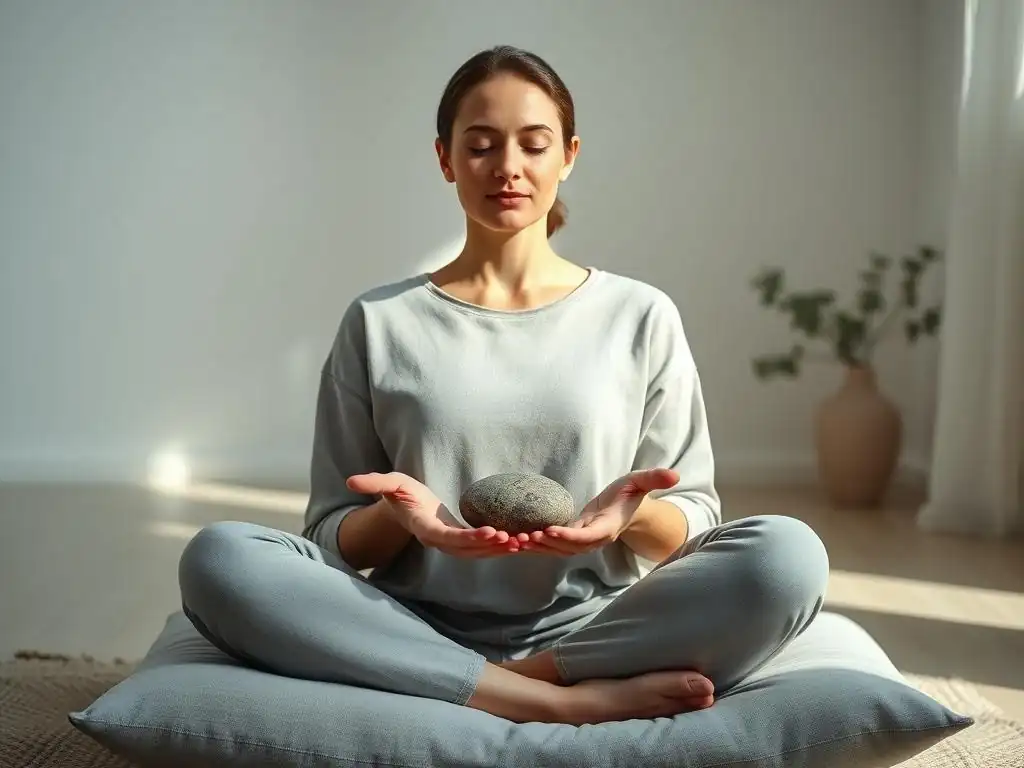
Once you become comfortable with the basic body scan mindfulness techniques, you can explore ways to deepen the practice and cultivate more subtle levels of awareness. These advanced techniques aren't necessarily more difficult, but they invite a greater degree of focus, patience, and openness to unfolding experience. They build upon the foundation of gentle attention and non-judgment established in the initial stages.
Deepening the practice often involves extending the time spent in the scan, refining the quality of attention, and becoming more attuned to the interplay between body, mind, and emotions. These advanced approaches can unlock richer insights into your inner landscape and further integrate the principles of mindfulness into your moment-to-moment experience, moving towards a more profound sense of presence and embodiment.
Lengthening the Scan: Exploring Subtle Sensations
A common way to deepen your body scan practice is to lengthen the time you spend on each body part or the overall duration of the scan. While a beginner might move relatively quickly through the body, spending 30-60 seconds per area, a more experienced practitioner might linger for several minutes on a single region, such as the hands or feet. This extended attention allows for the exploration of increasingly subtle sensations that might be missed during a quicker pass.
As you slow down, you might begin to notice faint tingling, vibrations, pulsing, or subtle shifts in temperature or energy flow within the body part. This level of detailed awareness can be fascinating and further anchors consciousness in the physical present. Lengthening the scan fosters patience and persistence, qualities that extend beyond meditation into daily life, enhancing your overall capacity for sustained attention on any task or experience.
Integrating Breath Awareness More Deeply
While the breath is often used as an anchor during the body scan, a deeper integration involves noticing the breath within each body part as you scan it. Instead of just moving attention from head to toe, you might focus on the chest and notice how the breath slightly expands and contracts that area, or bring attention to the abdomen and feel the subtle rise and fall with each inhale and exhale. You could even try to notice if there are subtle sensations related to the breath in areas like the shoulders or even the legs.
This technique weaves the primary anchor (breath) more intimately with the object of attention (body parts), creating a richer tapestry of present-moment awareness. It highlights the interconnectedness of the body and the breath and can make the scan feel more dynamic and alive. Integrating breath awareness more deeply enhances the grounding aspect of body scan mindfulness techniques and can be particularly helpful when dealing with restlessness or a busy mind.
Working with Emotions: Allowing and Observing
Moving beyond just noticing the physical manifestation of emotions, deepening your practice can involve intentionally bringing mindful awareness to emotions themselves as they arise during the body scan. This means acknowledging the feeling (e.g., "sadness," "frustration") and then exploring its physical sensations with an attitude of acceptance and curiosity, without getting caught up in the story behind it.
For example, if you notice tightness in your throat and chest that you recognize as anxiety, you might gently bring your full attention to that area. What are the precise physical qualities of this anxiety in your body right now? Is it sharp or dull? Is it constant or does it pulse? Can you breathe with it, allowing it to be present without trying to change it? This practice, central to emotional intelligence, helps to de-identify from difficult feelings, realizing they are temporary states that can be observed and tolerated, rather than overwhelming aspects of self.
Body Scan Variations and Adaptations for Specific Needs
The traditional lying-down body scan is just one way to practice. The core principles of bringing mindful attention to physical sensations can be adapted to suit various needs, circumstances, and physical limitations. These variations make body scan mindfulness techniques accessible to a wider range of people and allow the practice to be tailored for specific therapeutic goals, such as improving sleep or managing chronic pain.
Adapting the practice ensures that individuals can find a way to connect with their bodies mindfully, regardless of their physical condition or environment. Whether sitting in a chair, preparing for sleep, or navigating physical discomfort, the essence of the body scan – present-moment, non-judgmental awareness of physical sensation – remains the same, offering a flexible tool for enhancing well-being.
Body Scan for Sleep Improvement
Many people struggle with sleep, often due to a racing mind or physical tension carried from the day. A modified body scan, typically performed lying down in bed, can be a highly effective body scan mindfulness technique for promoting relaxation and easing the transition into sleep. The goal shifts slightly from pure awareness to using awareness to gently release tension and quiet the mind.
Instead of moving through the body with analytical focus, the sleep-focused body scan encourages a softer, more diffused attention. As you scan each area, the intention is to notice sensations and then, perhaps with an exhale, consciously invite that area to soften and release any held tension. If thoughts arise, they are simply noted and allowed to drift away like clouds, with attention gently returned to the physical sensations in the body. This process helps to calm the nervous system and prepare the body and mind for rest.
Body Scan Meditation for Chronic Pain Management
Chronic pain can be debilitating, and the natural tendency is to resist or fight against the painful sensations. Body scan mindfulness techniques offer a powerful alternative approach: learning to relate to pain differently. While it doesn't eliminate the pain, practicing a body scan focused on pain management can significantly reduce the suffering associated with it, which includes the fear, anxiety, and frustration that often accompany chronic discomfort.
In this adaptation, individuals are guided to approach the area of pain with curiosity and acceptance, rather than aversion. They might explore the edges of the painful area, noticing where the sensation changes or gives way to neutral sensation. They learn to distinguish between the raw physical sensation and the thoughts and emotions layered on top of it. Studies, such as those conducted in chronic pain clinics using MBSR, have shown that this mindful approach can lead to reduced pain intensity, decreased pain-related distress, and improved functional capacity in many individuals.
Seated Body Scan for Limited Mobility
For individuals with limited mobility, or those who find lying down uncomfortable or impractical, the body scan can be easily adapted to a seated position. The principles and process remain the same: bringing systematic, gentle attention to each part of the body, starting from the feet and moving upwards. The only difference is the posture and perhaps the specific sensations noticed, which might include the feeling of the chair beneath the body or the weight of the arms resting in the lap.
A seated body scan is also an excellent option for integrating the practice into a workday or when traveling. It requires no special equipment or space beyond a comfortable chair. This adaptation underscores the flexibility of body scan mindfulness techniques, demonstrating that the core practice of embodied awareness is accessible in virtually any upright posture, making it a versatile tool for cultivating presence throughout the day.
Creating a Consistent Body Scan Practice Routine
Establishing a consistent routine is key to reaping the full benefits of body scan mindfulness techniques. Like any skill, mindfulness and body awareness are strengthened through regular practice. It's often more effective to practice for shorter periods consistently than for long periods sporadically. Building a routine requires setting realistic expectations, finding a suitable time and place, and exploring ways to integrate the practice into your daily life.
Consistency helps to train the mind and body to settle more readily into the practice over time. While initial sessions might feel challenging, with frequent distractions, regular engagement gradually makes it easier to drop into a state of mindful awareness. Aiming for a routine, even if it's just 10-15 minutes most days, provides the necessary repetition for the benefits of body scan mindfulness techniques to unfold.
Setting Realistic Goals and Expectations
When starting or aiming for consistency with body scan mindfulness techniques, it's crucial to set realistic goals. Don't expect to eliminate all distractions or achieve profound states of relaxation immediately. A more helpful goal is simply to show up for the practice regularly, whatever that looks like for you – maybe three times a week for 15 minutes. Acknowledge that some sessions will feel easier than others, and some days it might feel like all you did was notice how busy your mind was.
Managing expectations also involves understanding that the benefits accumulate over time. You might not notice significant changes after just one or two sessions. However, after several weeks of regular practice, you may begin to observe subtle shifts in how you relate to stress, discomfort, or your own thoughts. Celebrate showing up and practicing, regardless of how the session "felt"; the consistency itself is the achievement.
Finding the Right Time and Space
Identifying a dedicated time and space for your body scan practice can significantly support consistency. For many, the morning before the day's demands begin, or the evening as a way to wind down, works well. However, the "right" time is entirely personal and depends on your schedule and energy levels. Experiment to find a time when you are least likely to be interrupted and feel reasonably alert.
Equally important is finding a space where you can practice undisturbed. This doesn't need to be a dedicated meditation room; a quiet corner of a bedroom, a comfortable spot in the living room, or even a parked car can suffice. Ensure the space is reasonably quiet, has a comfortable surface (floor or chair) for practicing, and is free from immediate distractions like phones or screens. Creating this consistent physical environment helps signal to your mind and body that it's time to transition into the practice of body scan mindfulness techniques.
Integrating Body Scan into Daily Life: Mini-Scans
While formal, longer body scans are beneficial, the principles can also be integrated into daily life through shorter, informal practices known as "mini-scans." These involve bringing mindful awareness to physical sensations for just a few moments throughout the day. For example, you could take 30 seconds to notice the feeling of your feet on the ground while standing in line, the sensation of water on your hands while washing up, or the feeling of your body resting in your chair while working.
These mini-scans are powerful body scan mindfulness techniques because they train you to access present-moment awareness outside of a formal meditation setting. They help bridge the gap between your dedicated practice time and your everyday experiences, making mindfulness a more continuous way of being. Integrating these brief moments of embodied awareness can help you stay grounded, reduce stress in the moment, and become more attuned to your body's signals throughout the day.
Troubleshooting Your Body Scan: Addressing Common Challenges

Even with a consistent routine, you might encounter challenges during your body scan practice. Difficulty focusing, feeling bored or restless, or experiencing overwhelm are common hurdles. Recognizing these as normal parts of the process, rather than signs of failure, is important. Learning how to skillfully navigate these challenges strengthens your practice and deepens your understanding of body scan mindfulness techniques.
Addressing these issues often involves making small adjustments to your approach, bringing curiosity to the challenge itself, and practicing self-compassion. There's no one-size-fits-all solution, so being willing to experiment and be patient with yourself is key. Each challenge overcome provides an opportunity for growth and a deeper appreciation of the nuanced nature of mindful awareness.
Difficulty Focusing: Refining Your Technique
If you consistently find your mind wandering excessively and feel unable to bring attention back to the body, it might be helpful to refine your technique. Perhaps you are trying too hard to concentrate, which can create tension. Remember that the practice is about gentle awareness, not intense focus. Try softening your gaze (if eyes are open) or relaxing your facial muscles.
Another approach when difficulty focusing arises during body scan mindfulness techniques is to simplify the object of attention. Instead of trying to feel subtle sensations, focus on more prominent ones, like the feeling of contact points with the surface you're on, or the simple sensation of the breath. You could also try a shorter practice session to build your capacity for focus gradually. Remember, noticing the wandering is the practice; the gentle return is the success.
Feeling Bored or Restless: Injecting Variety
Feeling bored or restless during a body scan is a common experience, often stemming from the mind's preference for novelty and stimulation. If you find yourself consistently feeling this way, it might be a sign to inject some variety into your practice. While consistency is important, rigidity can be detrimental.
Try different variations of body scan mindfulness techniques: a seated scan, a standing scan, or even a walking body scan (focusing on the sensations in the feet and legs as you move). You could also experiment with different guided meditations if you typically practice in silence, or try silent practice if you usually use guides. Varying the duration or the time of day you practice might also help. Approach the boredom or restlessness itself with curiosity during the scan – where do you feel it in your body? What are its physical qualities?
Experiencing Overwhelm: Slowing Down the Pace
Sometimes, particularly when dealing with strong emotions, intense physical sensations, or past trauma, the body scan can feel overwhelming. Becoming acutely aware of what's happening in the body can sometimes trigger anxiety or difficult feelings. If this happens, it's important to respond with kindness and adjust the practice.
Slowing down the pace is a crucial adjustment when feeling overwhelmed by body scan mindfulness techniques. Instead of moving quickly through the body, pause and focus on a neutral area, like the hands or feet, or simply rest your awareness on the breath. You can also broaden your attention to include the sense of the entire body as a whole, rather than focusing on specific, potentially challenging areas.
If needed, it is always okay to gently stop the formal practice and offer yourself compassion, perhaps placing a hand on your heart or simply resting until the feeling subsides. If overwhelm persists, consider seeking guidance from a qualified mindfulness teacher or therapist.
Measuring Your Progress: Tracking Mindfulness and Body Awareness
Progress in body scan mindfulness techniques isn't typically measured by how "empty" your mind is or how relaxed you feel during a session. Instead, progress is seen in the subtle shifts in your relationship with your experiences, both during and outside of practice. Tracking these changes can provide valuable insight and motivation to continue cultivating body awareness and presence.
Focusing on these qualitative shifts rather than quantitative metrics aligns with the non-judgmental spirit of mindfulness. It's about noticing how your capacity for awareness grows, how your reactions to challenges might soften, and how you develop a more integrated sense of yourself through embodied presence. These forms of progress reflect a deeper integration of body scan mindfulness techniques into your life.
Journaling Your Body Scan Experiences
Keeping a journal about your body scan practice can be a powerful way to track subtle progress and gain insight into your inner landscape. After a session, you might jot down notes about what you noticed – specific sensations that were prominent, emotions that arose, patterns of thought, or moments of ease or difficulty. There's no right or wrong way to journal; simply recording your observations can be illuminating.
Over time, reviewing your journal entries can reveal patterns you might not have noticed otherwise. You might see how certain times of day affect your practice, how different emotions manifest physically, or how your ability to stay with difficult sensations is gradually increasing. Journaling provides a concrete record of your journey with body scan mindfulness techniques and helps solidify lessons learned during practice.
Noticing Subtle Shifts in Body Awareness
One of the primary indicators of progress in body scan mindfulness techniques is an increased ability to notice subtle physical sensations throughout your day, not just during formal practice. This could be recognizing tension building in your shoulders while working on a difficult task, becoming aware of your posture shifting when you feel stressed, or noticing the physical warmth in your chest when you feel happy.
This heightened body awareness allows you to catch stress signals earlier and respond more mindfully before they become overwhelming. It fosters a greater sense of being "at home" in your body and connected to its signals. These subtle shifts in awareness are significant steps in integrating the benefits of the body scan into everyday life, demonstrating that the practice is cultivating a more continuous state of embodied presence.
Recognizing Improvements in Emotional Regulation
Regular practice of body scan mindfulness techniques often leads to improvements in emotional regulation. By becoming more attuned to how emotions manifest physically, you can learn to recognize them as bodily sensations rather than getting immediately swept away by the associated thoughts and narratives. This creates a crucial pause, or space, between the feeling arising and your reaction to it.
For example, you might still feel anger, but instead of immediately reacting impulsively, you might notice the heat in your face or the tightness in your fists and recognize "this is anger." This allows you to choose a more skillful response rather than being driven solely by the emotion. Many individuals report feeling less reactive and more able to navigate challenging emotions with greater ease and stability after consistent practice of body scan mindfulness techniques.
Resources for Continued Learning and Support
Embarking on or deepening your journey with body scan mindfulness techniques is a continuous process of learning and exploration. Fortunately, there are many valuable resources available to support your practice, whether you prefer guided meditations, books, or connecting with others. These resources can provide guidance, inspiration, and a sense of community as you cultivate greater presence and body awareness.
Exploring different resources allows you to find what resonates most with you and your learning style. Engaging with various teachers or perspectives can also enrich your understanding of the practice and its potential applications in your life. Continued learning is a sign of commitment to personal growth and well-being through body scan mindfulness techniques.
Guided Body Scan Meditations on Insight Timer
Insight Timer is a popular free meditation app that offers a vast library of guided meditations, including numerous body scan meditations led by different teachers from around the world. The variety allows you to find voices and styles that you find soothing and effective. You can filter by duration, teacher, or even specific focus (like sleep or pain).
Using guided body scan meditations can be particularly helpful when starting out, as the instructions keep you on track and gently guide your attention through the body. Even experienced practitioners often use guided meditations to add variety or when they feel their own focus is wavering. The sheer volume of options on platforms like Insight Timer makes accessing quality body scan mindfulness techniques highly convenient.
Books on Mindfulness by Jon Kabat-Zinn
Jon Kabat-Zinn, the founder of MBSR, has authored several seminal books on mindfulness that delve into the principles and practices, including the body scan. Works like "Full Catastrophe Living" and "Wherever You Go, There You Are" provide comprehensive explanations of mindfulness, its scientific basis, and detailed instructions for practices like the body scan.
Reading these books can deepen your theoretical understanding of why body scan mindfulness techniques are effective and provide context for your personal experiences during practice. Kabat-Zinn's writing is both informative and deeply empathetic, offering wisdom and encouragement for navigating the challenges and embracing the benefits of mindfulness. These texts serve as foundational resources for anyone serious about integrating mindfulness into their lives.
Local Mindfulness Meditation Groups
Participating in a local mindfulness meditation group or attending a course (like MBSR or MBCT - Mindfulness-Based Cognitive Therapy) can provide invaluable support for your body scan practice. Practicing in a group setting can be motivating, and having access to a qualified teacher allows you to ask questions, receive personalized guidance, and learn from the experiences of others.
Group settings offer a sense of community and shared purpose, which can be particularly helpful when encountering difficulties in your practice. Teachers can offer specific tips for working with distractions, difficult emotions, or physical discomfort within the context of body scan mindfulness techniques. Connecting with others on a similar path reinforces commitment and provides a supportive environment for growth.
Frequently Asked Questions
What exactly are body scan mindfulness techniques, and how do they contribute to mental well-being?
Body scans are a mindfulness practice where you systematically bring awareness to different parts of your body. This cultivates a stronger connection with your physical sensations and promotes relaxation and stress reduction.
How can consistently practicing body scan mindfulness techniques address various mental health challenges, as highlighted on Mind Care Guide?
Regular practice can help manage anxiety and stress by grounding you in the present moment. It also promotes self-awareness and can aid in emotional regulation, addressing challenges such as depression and chronic pain.
What are some common distractions or obstacles people encounter when starting a body scan practice, and how can they be overcome?
Common obstacles include a wandering mind and physical discomfort. Overcoming these involves gently redirecting your attention back to your body and adjusting your posture for greater comfort.
How often and for how long should someone engage in body scan mindfulness techniques to experience noticeable benefits?
While there's no fixed rule, starting with short sessions (5-10 minutes) daily is recommended. Consistent practice, even for brief periods, yields the greatest long-term benefits for mental well-being.
Where can I find more detailed information and resources about body scan mindfulness techniques and other mental health support options, similar to what Mind Care Guide offers?
Numerous apps, websites, and mental health professionals offer guided body scans. Resources like Mind Care Guide provide comprehensive information, support, and links to other helpful resources for various mental health challenges.
Final Reflection: Cultivating Presence Through the Body Scan
The ability to cultivate presence, to truly inhabit our bodies and minds, is more crucial now than ever before in our relentlessly distracting world. The constant barrage of notifications, information, and demands leaves many feeling fragmented and disconnected, a state antithetical to both well-being and genuine connection. Mastering body scan mindfulness techniques, as explored in this article, offers a powerful antidote to this pervasive sense of overwhelm.
The impact of consistent body scan practice extends far beyond the immediate feeling of relaxation. It fosters a deeper understanding of our internal landscape, allowing us to identify and address physical tension, emotional blockages, and even subtle shifts in our energy levels. This increased self-awareness is transformative, influencing not only our individual well-being but also our relationships and our capacity for empathy. As Jon Kabat-Zinn eloquently stated, Mindfulness means paying attention in a particular way: on purpose, in the present moment, and non-judgmentally.
This simple yet profound definition encapsulates the essence of the body scan and its potential to reshape our experience of life.
Now, consider how you can integrate these techniques into your daily routine. Perhaps start with just five minutes each morning, focusing on the sensations in your body. Don't judge what you find; simply observe. Gradually increase the duration as you feel comfortable. This isn't about achieving perfection; it's about cultivating a consistent practice of presence, a practice that will enrich your life in countless ways. Embrace the journey, and allow the body scan to become your anchor in the storm of modern life.
Unlock Deeper Presence: Take Your Body Scan to the Next Level
Thanks for taking the time to explore the power of body scanning with us! We hope you've gained valuable insights into enhancing your mindfulness practice. Ready to deepen your connection with yourself?
- Prioritize a daily body scan: Even 5 minutes a day can make a significant difference in reducing stress and increasing self-awareness. Try setting a reminder on your phone!
- Share your experience: Discuss your practice with a friend or family member. Sharing your journey can help solidify your commitment and deepen your understanding.
- Experiment with different techniques: Explore guided meditations or adjust your focus to different parts of your body. Find what resonates with you and maximizes your experience.
What unique aspect of your body scan practice are you most excited to explore further?