
Text, Talk, or Chat: Exploring Different Mental Health Crisis Services


Welcome to Mind Care Guide, a safe space dedicated to nurturing your mental well-being.
Feeling overwhelmed and unsure where to turn? You're not alone. Many find solace and support in connecting with others during difficult times. Dive into our article and discover the benefits and options available with crisis support chat services, exploring how these accessible resources can offer a lifeline when you need it most. Let's explore these options together and find the best fit for you.
Text, Talk, or Chat: Exploring Different Mental Health Crisis Services
- Understanding Mental Health Crisis Support Options
- Text-Based Crisis Support: Instant Messaging for Immediate Help
- Telephone Crisis Support: The Power of Voice in Times of Need
- Comparing Crisis Text and Talk Services: Which is Right for You?
- Utilizing Crisis Text Lines Effectively
- Text and Talk: Integrated Approaches to Crisis Management
- Finding Additional Mental Health Resources Beyond Crisis Support
-
Frequently Asked Questions
- What are crisis support chat services, and how do they differ from other forms of mental health support?
- When should I consider using a crisis support chat service instead of calling a hotline?
- Are crisis support chat services anonymous and confidential?
- What type of support can I expect to receive from a crisis support chat service?
- How can I find a reputable and reliable crisis support chat service?
- Final Reflection: Navigating the Digital Landscape of Mental Health Support
- Unlock Your Support Network: Find the Right Crisis Help
Understanding Mental Health Crisis Support Options
The Importance of Accessible Crisis Intervention
Mental health crises can be overwhelming and isolating experiences. During these critical moments, having immediate access to support can be life-saving. Accessible crisis intervention services provide a vital lifeline, offering a safe space for individuals to express their distress without fear of judgment and receive immediate emotional support and guidance. The availability of these services 24/7 ensures that help is just a phone call, text, or chat away, regardless of the time or location.
Studies and real-world data consistently show the impact of timely intervention. For instance, organizations providing crisis support chat services and hotlines report handling millions of interactions annually, demonstrating the sheer volume of need. The National Suicide Prevention Lifeline alone received over 3.6 million calls, chats, and texts in 2020. This high demand underscores how crucial it is for individuals experiencing a mental health crisis to know their options and be able to connect with trained professionals or volunteers quickly and efficiently.
Mental Health Resources: A Guide to Support and Well-being
Navigating the landscape of mental health resources can feel daunting, especially when in distress. Beyond immediate crisis support, a comprehensive guide to mental well-being involves understanding the various layers of help available. This includes not only emergency services like crisis hotlines and crisis support chat services but also longer-term support systems such as therapy, support groups, and mental health apps.
A tiered approach to mental health resources allows individuals to find the right level of care for their specific needs. For someone experiencing acute suicidal ideation, a crisis hotline or text line is the immediate priority. For someone managing ongoing anxiety or depression, connecting with a therapist or joining a peer support group might be more appropriate. Understanding this spectrum empowers individuals to build a personal support network tailored to their journey toward recovery and well-being.
Text-Based Crisis Support: Instant Messaging for Immediate Help
Crisis Text Lines: A Modern Approach to Mental Health
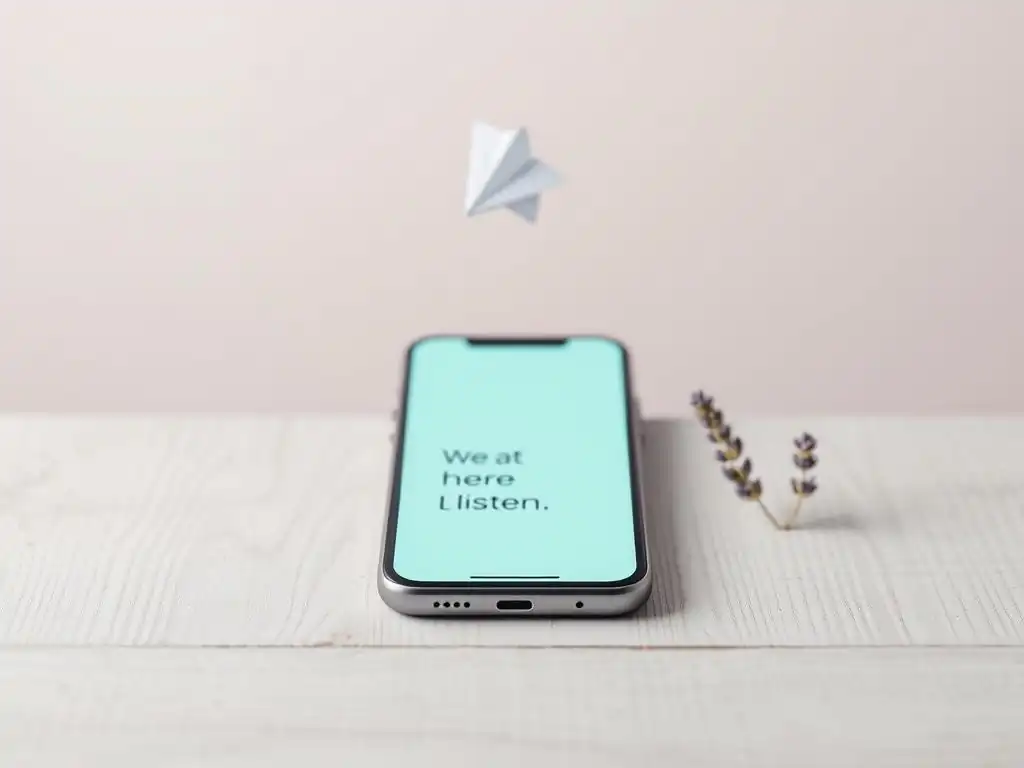
Crisis text lines represent a significant evolution in mental health crisis intervention, leveraging familiar technology to reach individuals who may be more comfortable communicating via text. These services allow someone in distress to send a simple keyword to a designated number, initiating a confidential conversation with a trained crisis counselor. This method removes potential barriers like the fear of speaking aloud or the need for privacy in a public space.
The growth of crisis text lines has been substantial. Crisis Text Line, a prominent service, has processed over 150 million messages since its inception, connecting texters with help across various crises, from suicidal ideation to abuse and anxiety. This demonstrates the immense reach and impact of text-based crisis support chat services, particularly among younger demographics who are often digital natives and prefer texting as a primary mode of communication.
Benefits of Using a Crisis Text Line
Using a crisis text line offers several distinct advantages. Anonymity is a key benefit; texters do not need to share their name or identifying information unless they choose to. This can reduce the stigma associated with seeking help and make it easier for individuals to open up about sensitive issues. The asynchronous nature of text allows texters to compose their thoughts carefully and counselors to provide considered responses.
Furthermore, text-based crisis support chat services are often ideal for individuals who are non-verbal, hard of hearing, or in situations where speaking on the phone is unsafe or impossible. Someone experiencing a panic attack might find texting less physiologically demanding than talking. Similarly, a person in an abusive environment can often text for help more discreetly than making a phone call. These practical benefits make text lines an indispensable part of the crisis support ecosystem.
Finding a Reliable Crisis Texting Service
Identifying a reliable crisis texting service is crucial for ensuring effective support during a mental health crisis. Reputable services are typically available 24/7, free of charge, and staffed by trained crisis counselors or volunteers supervised by licensed mental health professionals. They should have clear privacy policies and procedures for handling active rescues if a texter is at imminent risk of harm.
Searching online for "crisis text line" or "text mental health help" can yield results for national and regional services. Some well-known examples include Crisis Text Line (text HOME to 741741 in the US, 686868 in Canada, or 85258 in the UK) and the Trevor Project (text START to 678-678) for LGBTQ youth. It's beneficial to save the number of a trusted crisis support chat service in your phone before a crisis occurs, making it readily accessible when needed.
Telephone Crisis Support: The Power of Voice in Times of Need

Crisis Hotlines: Connecting with Trained Professionals
Crisis hotlines have been a cornerstone of mental health crisis intervention for decades. They provide immediate, confidential, and free support over the phone, connecting individuals in distress directly with trained crisis counselors. The human voice can be incredibly comforting during a crisis, offering a sense of connection and empathy that text might not fully convey.
Hotlines are staffed by individuals trained to listen actively, de-escalate intense emotions, assess risk, and help callers develop safety plans. They are equipped to handle a wide range of crises, from suicidal thoughts and feelings of hopelessness to anxiety, depression, and substance use issues. The ability to have a real-time, back-and-forth conversation allows counselors to quickly build rapport and understand the nuances of a caller's situation. For example, the National Suicide Prevention Lifeline (now 988) connects callers to local crisis centers, offering a personalized layer of support.
What to Expect When Calling a Mental Health Hotline
When you call a mental health hotline, you can expect to be connected with a trained crisis counselor or volunteer. They will typically start by asking how you are doing and what led you to call. You are in control of how much information you share. The counselor will listen without judgment, offering emotional support and validation for your feelings.
The conversation will be confidential, although there are limits to confidentiality, such as when there is imminent risk of harm to yourself or others, or in cases involving child abuse or elder abuse. The counselor may work with you to explore your feelings, identify coping strategies, and develop a safety plan if necessary. They may also provide information about local resources for ongoing support. The goal is to help you feel less overwhelmed and more connected, guiding you through the immediate crisis.
When a Phone Call is the Best Option for Crisis Intervention
A phone call might be the most effective method for crisis intervention in several situations. If you are experiencing intense emotions, such as panic, rage, or overwhelming despair, speaking with someone directly can help ground you and facilitate de-escalation more quickly than text might. The counselor's tone of voice and empathy can provide immediate comfort and reassurance.
Furthermore, if you are in a situation where you need immediate assistance or assessment of risk, a phone call allows for a more dynamic exchange of information. Counselors can ask clarifying questions in real-time and respond instantly to your needs. For individuals who prefer verbal communication or feel isolated, hearing a compassionate voice on the other end of the line can make a profound difference. While crisis support chat services are invaluable, the immediacy and personal connection of a voice call remain essential for many.
Comparing Crisis Text and Talk Services: Which is Right for You?
Anonymity and Privacy Considerations in Crisis Support
Both text and talk-based crisis services offer a high degree of anonymity and privacy, which are critical for encouraging individuals to seek help. With text lines and crisis support chat services, you typically do not need to provide any identifying information to begin a conversation. Your phone number might be visible to the service provider, but it is generally kept confidential and used only in specific circumstances, like initiating an active rescue if your life is in danger.
Similarly, phone hotlines are confidential. Your conversation with the counselor is private. As mentioned, there are limits to confidentiality, primarily concerning imminent harm or mandated reporting situations. However, within these boundaries, you can speak freely without fear that your identity or the content of your conversation will be shared. The choice between text and talk often comes down to which method makes you feel more secure and comfortable sharing personal information during a vulnerable time.
Response Time and Availability of Different Services
The response time for crisis services can vary depending on the method and the volume of incoming requests. Both text lines and hotlines aim to connect you with a counselor as quickly as possible, ideally within minutes. However, during peak times or major crises, there might be a waiting period.
Anecdotal evidence and service reports suggest that while hotlines strive for immediate connection, text lines might sometimes have a slightly longer initial wait time due to the nature of managing multiple text conversations simultaneously. However, this is often offset by the continuous availability and ability to text from anywhere. Most reputable crisis support chat services and hotlines operate 24/7, 365 days a year, ensuring help is available whenever a crisis strikes. Checking the typical response time or queue status, if provided by the service, can help manage expectations.
Personal Preferences: Choosing the Best Method for Support
Ultimately, the choice between text and talk crisis support depends heavily on personal preference and the specifics of your situation.
- Consider your comfort level with each communication method:
- Are you more articulate when writing or speaking?
- Do you find texting less intimidating than talking on the phone?
- Do you need the immediate comfort of hearing a human voice?
- Evaluate your environment:
- Are you in a place where you can speak freely without being overheard?
- Is texting a safer or more discreet option?
- Think about the nature of your crisis:
- Is it easier to express complex feelings through verbal conversation?
- Is the situation one where quick, concise text messages are sufficient?
Many people find it helpful to have the numbers or keywords for both a crisis hotline and a crisis support chat service saved, allowing them to choose the most suitable option when a crisis arises.
Utilizing Crisis Text Lines Effectively
Preparing for a Crisis Text Conversation
While you can text a crisis line at any moment of distress without preparation, taking a moment to gather your thoughts can make the conversation more effective. If possible, think about:
- What you are feeling right now.
- What happened that led you to text.
- What kind of help you are hoping to receive (e.g., someone to listen, help with coping, information about resources).
Having a general idea of what you want to communicate can help the counselor understand your situation faster. However, don't feel pressured to have everything perfectly articulated. It's okay to just start by saying "I need help" or "I'm having a crisis." The trained counselor will guide the conversation.
What to Expect During a Crisis Text Conversation
When you text a crisis line, you'll typically receive an automated message first, followed by a connection to a live crisis counselor. The counselor will introduce themselves and invite you to share what's going on. They will use active listening techniques through text, validating your feelings and asking questions to understand your situation better.
The conversation is interactive; you'll text back and forth. The counselor may help you identify your feelings, explore coping mechanisms, and work with you to develop a plan to feel safer or calmer in the moment. They are trained to handle intense emotions and difficult topics. The conversation continues for as long as you need, or until you feel you are in a safer place emotionally. You can end the conversation at any time.
Following Up After a Crisis Text Conversation
A crisis text conversation is often focused on de-escalating the immediate crisis. While incredibly helpful in the moment, it may not solve underlying issues. Following up with additional support is often recommended. This could involve:
- Scheduling an appointment with a therapist or counselor.
- Connecting with a local mental health service provider.
- Reaching out to a trusted friend, family member, or support group.
- Utilizing mental health apps or online resources for ongoing coping strategies.
Some crisis text services may offer to follow up or provide information on how to connect with further resources. Taking steps for ongoing support after utilizing crisis support chat services is a proactive way to build resilience and work towards long-term well-being.
Text and Talk: Integrated Approaches to Crisis Management
Combining Different Crisis Support Methods
For some individuals, utilizing both text and talk crisis support methods can be the most effective approach to managing a mental health crisis. These methods are not mutually exclusive and can complement each other. For instance, someone might initiate contact via text when feeling overwhelmed and unable to speak, using the crisis support chat service to gain initial support and de-escalate intense emotions.
Once they feel slightly calmer or are in a safer environment, they might transition to a phone call with a crisis hotline to discuss their situation in more depth or access specific local resources that are easier to convey verbally. This hybrid approach allows individuals to leverage the unique benefits of each method based on their evolving needs and circumstances during the crisis.
Using Text for Initial Contact and Phone for Deeper Conversation
A practical application of combining methods is using text for the initial outreach. When a crisis hits suddenly, sending a quick text to a crisis support chat service might be faster and require less effort than dialing a number and speaking. This provides immediate connection and validation, signaling that help is available.
After the initial text exchange helps stabilize the situation, a phone call can facilitate a deeper conversation. Talking allows for more nuanced emotional expression and allows the counselor to pick up on vocal cues. Complex safety planning or discussing difficult trauma might feel more natural or effective through verbal communication. Using text as a bridge to a phone call maximizes accessibility while ensuring comprehensive support.
The Role of Technology in Expanding Access to Mental Health Care
Technology, including text lines and crisis support chat services, has revolutionized access to mental health care, particularly during crises. It removes geographical barriers, making support available to individuals in rural areas or those who cannot easily travel. It also lowers the barrier to entry for many, especially young people or those hesitant to seek traditional help due to stigma.
Beyond crisis support, technology enables telehealth, mental wellness apps, online therapy platforms, and virtual support groups. These tools expand the reach of mental health resources significantly. While technology cannot replace all forms of in-person care, its role in providing immediate, accessible, and varied support options is undeniable and continues to grow, making mental well-being resources available to more people than ever before.
Finding Additional Mental Health Resources Beyond Crisis Support
Connecting with Therapists and Support Groups
While crisis services provide essential immediate help, long-term mental well-being often involves connecting with ongoing support. Therapists, counselors, and psychologists offer professional guidance in understanding and managing mental health conditions, developing coping strategies, and working through past experiences. Finding a licensed professional who is a good fit is a critical step for sustained improvement.
Support groups, whether in-person or online, provide a different but equally valuable form of help. Peer support allows individuals to connect with others who have similar experiences, reducing feelings of isolation and providing a sense of community and shared understanding. Organizations like the National Alliance on Mental Illness (NAMI) and the Depression and Bipolar Support Alliance (DBSA) offer directories and resources for finding local support groups.
Exploring Mental Health Apps and Online Communities
In the digital age, mental health apps and online communities have become increasingly popular resources. Apps offer tools for tracking mood, practicing mindfulness and meditation, guided journaling, and accessing therapeutic exercises. While not a substitute for professional help in a crisis, they can be valuable for daily well-being management and preventing future crises.
Online mental health communities and forums provide platforms for peer support and sharing experiences. Websites like Reddit have large subcommunities dedicated to various mental health topics where people offer support and share information. It's important to approach online communities with caution, verifying information and remembering that they are not a substitute for professional medical advice or immediate crisis support chat services or hotlines.
Building a Comprehensive Mental Wellness Plan
Creating a personal comprehensive mental wellness plan is key to navigating challenges and maintaining long-term health. This plan should be proactive and include various strategies and resources you can turn to.
Consider incorporating:
- Regular self-care practices (e.g., exercise, healthy eating, sufficient sleep).
- Stress management techniques (e.g., mindfulness, hobbies).
- A list of trusted friends or family members you can reach out to.
- Contact information for your therapist or counselor.
- The phone number for a crisis hotline (like 988).
- The keyword and number for a crisis support chat service.
- Information on local mental health resources.
- Strategies for recognizing early warning signs of distress.
Having a plan in place before you need it can make a significant difference in managing difficult times effectively and promoting overall resilience.
Frequently Asked Questions
What are crisis support chat services, and how do they differ from other forms of mental health support?
Crisis support chat services offer immediate, confidential support via text or online chat. Unlike therapy, they focus on de-escalation and providing resources in acute crisis situations, rather than long-term treatment.
When should I consider using a crisis support chat service instead of calling a hotline?
Consider using a chat service if you're more comfortable typing than speaking, or if you're in a situation where vocalizing your distress is unsafe or impossible. It's a good option for immediate, discreet support.
Are crisis support chat services anonymous and confidential?
Yes, generally crisis support chat services prioritize anonymity and confidentiality. However, they may be obligated to break confidentiality if you're at immediate risk of harming yourself or others, as mandated by law.
What type of support can I expect to receive from a crisis support chat service?
You can expect empathetic listening, emotional support, and resource referrals to mental health professionals or other relevant services. They can help you develop a safety plan and de-escalate your distress.
How can I find a reputable and reliable crisis support chat service?
Look for services that are accredited by reputable organizations and staffed by trained professionals or volunteers. Mind Care Guide offers a list of vetted resources to help you find safe and effective support options.
The accessibility of mental health crisis support has never been more crucial, yet the sheer variety of options—from text lines to chatbots to in-person services—can feel overwhelming. This exploration of different crisis support chat services highlights the urgent need for clear, accessible information to guide individuals in their time of need. The digital age offers incredible potential for reaching those who might otherwise struggle to access help, but it also presents challenges in ensuring quality, safety, and effective intervention.
The evolution of mental health support, from primarily in-person models to the increasingly prevalent digital platforms, reflects a significant societal shift. This shift underscores the growing recognition of mental health as a vital aspect of overall well-being. However, the digital realm also presents unique complexities. The internet can be a powerful tool for connection, but it can also be a source of isolation and anxiety,
a sentiment echoed by many experts in the field. We must strive to harness the power of technology while mitigating its potential downsides, ensuring that digital platforms are truly supportive and beneficial for those seeking help.
Consider the implications of this exploration. Which form of support resonates most with you? What are the strengths and weaknesses of each approach? Take a moment to reflect on your own experiences and consider how you might better support yourself and others in times of crisis. Perhaps you'll find yourself more inclined to utilize a specific service, or perhaps you'll be inspired to advocate for improved access to mental health resources in your community. The journey towards better mental health support is a collective one, and your engagement is vital.
Unlock Your Support Network: Find the Right Crisis Help
Thanks for taking the time to explore the different mental health crisis services available. We hope this guide helped you understand the various options and their potential benefits. Now it's time to take the next step towards building a strong support system.
- Identify your preferred communication style: Do you feel more comfortable texting, talking on the phone, or chatting online? Knowing this will help you find the right crisis service for you. This is your most important step!
- Bookmark helpful resources: Save the contact information for at least two crisis services you learned about today for easy access if needed.
- Share this article with someone who might benefit: Passing on valuable information could make a real difference in someone's life.
What other methods of crisis support do you think would be beneficial, and why? Let's discuss in the comments below!