
Designing Your Environment for Less Screen Time

Welcome to Mind Care Guide, a sanctuary for your mental well-being.
Are you finding yourself endlessly scrolling, feeling drained by the digital world? We understand. In today's hyper-connected age, it's easy to lose track of time and energy. But what if you could subtly shift your surroundings to naturally reduce your screen time? Our latest article, "Designing Your Environment for Less Screen Time," explores practical and empathetic ways to reclaim your focus and rediscover the joy of the offline world. Curious to learn how simple changes in your space can make a profound difference in your mental health? Let's begin.
Designing Your Environment for Less Screen Time: A Mind Care Guide
- Introduction: Reclaiming Your Time - The Power of Environment Design for Reduced Screen Usage
- Understanding the Problem: Why Screen Time Dominates Our Lives
- The Solution: Creating a Screen-Free Oasis - Practical Strategies
- Implementing Your Design: A Step-by-Step Guide to a Screen-Conscious Environment
- Maintaining Your Screen-Reduced Environment: Long-Term Strategies
- Benefits of Reduced Screen Time Through Environmental Design
- Conclusion: Taking Control of Your Digital Life Through Intentional Design
-
Frequently Asked Questions
- How can I modify my physical environment to reduce screen time?
- What are some specific examples of alternative activities I can incorporate into my environment to replace screen time?
- How can I leverage nature in my environment to minimize screen usage?
- How does clutter impact my ability to reduce screen time, and what can I do about it?
- What role does technology play in designing my environment for less screen time?
- Final Reflection: Reclaiming Your Life, One Environment at a Time
- Reclaim Your Time: Design a Screen-Free Sanctuary
Introduction: Reclaiming Your Time - The Power of Environment Design for Reduced Screen Usage
In our increasingly digital world, screens have become ubiquitous, weaving themselves into the fabric of our daily lives. From smartphones and tablets to computers and televisions, these devices offer unparalleled access to information, connection, and entertainment. However, the constant pull of the screen can often lead to excessive usage, impacting our mental well-being, productivity, relationships, and even physical health. Many of us recognize the need to reduce screen time but struggle to implement lasting change in the face of persuasive technology and ingrained habits.
This guide explores a powerful, often overlooked strategy for managing digital consumption: designing your physical environment. By intentionally shaping the spaces where we live and work, we can create an environment that supports our goal to reduce screen time, making healthier choices easier and more natural. This approach goes beyond willpower alone, leveraging environmental psychology to gently nudge us towards offline activities and away from the constant digital hum. Learning how to effectively reduce screen time environment design can be a transformative step towards a more balanced and fulfilling life.
Understanding the Problem: Why Screen Time Dominates Our Lives
Excessive screen time isn't just a lack of discipline; it's a complex issue driven by psychological triggers and environmental cues. Our devices are designed to be addictive, employing sophisticated algorithms and interfaces that keep us engaged. Understanding these underlying factors is the first step in developing effective strategies to reduce screen time environment design. It requires an honest look at why we reach for our screens and how our surroundings facilitate that behavior.
The constant availability and instant gratification offered by screens create powerful habit loops. We receive a notification (cue), check the phone (routine), and get a small hit of dopamine (reward). This cycle is easily triggered and reinforced throughout the day, making it difficult to break free without conscious effort and strategic intervention. Recognizing the environmental nudges that facilitate this behavior is crucial for designing a space that counteracts these impulses.
The Allure of the Screen: Psychological Factors at Play
The psychological grip of screens is undeniable, rooted in fundamental human needs and vulnerabilities. Notifications, for instance, tap into our innate curiosity and desire for social connection, triggering a mild stress response until checked. Studies suggest that the variable reward schedule of social media likes or email responses activates the brain's reward pathways similarly to gambling, making it highly addictive. This intermittent reinforcement keeps us coming back, hoping for that next positive interaction or piece of information.
Furthermore, screens offer an easy escape from boredom, discomfort, or difficult tasks. When faced with a moment of downtime or a challenging problem, the immediate distraction provided by scrolling or watching videos is often the path of least resistance. This reliance on screens as a coping mechanism prevents us from developing healthier ways to process emotions or engage with the world around us. Understanding these psychological hooks is vital when considering how to reduce screen time environment design.
Environmental Triggers: How Our Surroundings Encourage Screen Use
Our physical environment plays a significant, often unconscious, role in dictating our screen time habits. Simply having a device within easy reach dramatically increases the likelihood of using it. Consider the common setup: a phone on the bedside table, a laptop open on the coffee table, a TV as the focal point of the living room. These arrangements make screen engagement the default activity. The visual presence of a screen acts as a constant reminder and invitation to connect digitally.
Beyond mere presence, the lack of appealing alternatives in our environment also pushes us towards screens. If your living room lacks comfortable seating for reading, accessible craft supplies, or engaging board games, the path of least resistance leads directly to the remote or smartphone. Our surroundings can either facilitate desired behaviors (like reading or conversation) or undesired ones (like endless scrolling). Effective reduce screen time environment design involves consciously altering these environmental cues.
Assessing Your Current Screen Time Habits and Environment
Taking an honest inventory of your current habits and how your environment supports them is a critical first step. For a week, try tracking how much time you spend on various devices. Many smartphones and operating systems now offer built-in tracking features that provide surprisingly accurate data – some users report averaging 3-4 hours daily on their phone alone, separate from computer or TV use. Note when and where you tend to use screens the most. Is it immediately upon waking? While eating meals? During downtime in the evening?
Simultaneously, observe your physical space. Where are your devices stored when not in use? What non-screen activities are easily accessible? Is your favorite chair positioned perfectly for watching TV, or is it equally comfortable for reading? Identify the "hot spots" for screen use in your home and consider what environmental factors might be encouraging that behavior. This assessment provides the necessary insights to inform your reduce screen time environment design efforts effectively.
The Solution: Creating a Screen-Free Oasis - Practical Strategies
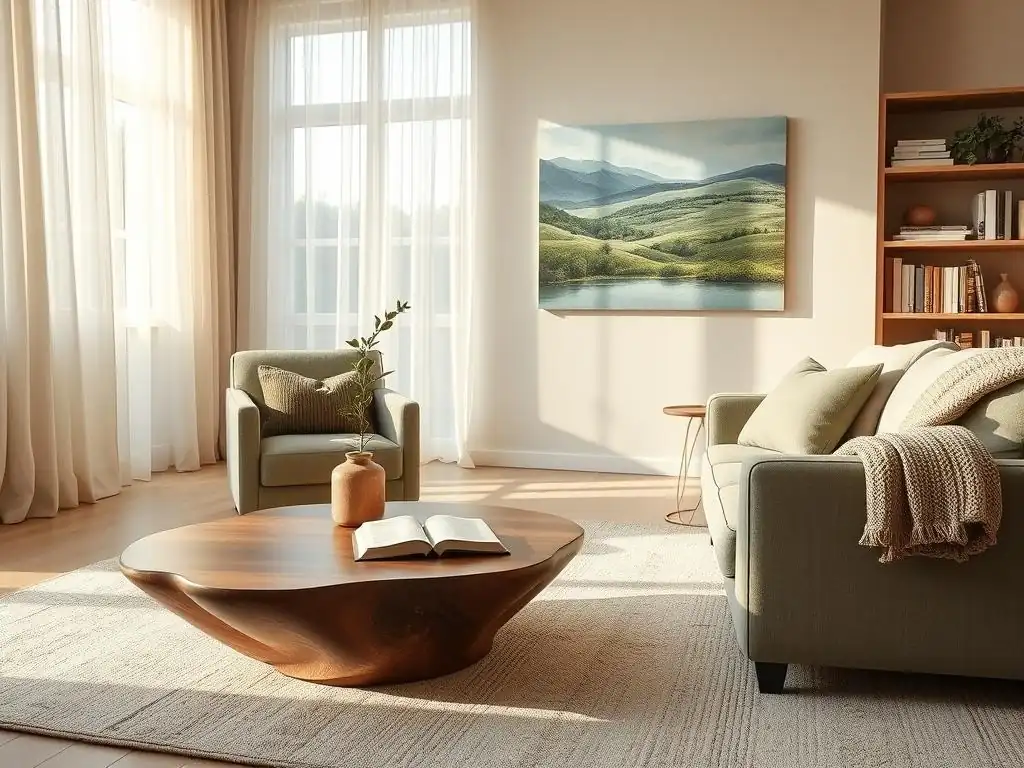
Transforming your environment is a powerful way to reduce screen time by making offline activities more appealing and accessible than digital ones. This isn't about deprivation, but about thoughtfully designing spaces that support your well-being and encourage engagement with the physical world and the people in it. By implementing intentional changes, you can shift from a default of screen use to a default of screen-free engagement.
The strategies outlined below offer practical ways to reshape your surroundings. They range from designating specific areas as tech-free zones to optimizing the placement of devices and incorporating physical cues that promote mindfulness around technology use. Implementing these environmental design principles can significantly impact your ability to reduce screen time and cultivate healthier habits.
Strategy 1: Designating Screen-Free Zones in Your Home
Creating specific areas where screens are simply not allowed is one of the most direct ways to reduce screen time environment design. These zones serve as physical boundaries, making it clear when and where digital devices are off-limits. This strategy helps break the habit of constant connectivity and encourages alternative activities within these designated spaces.
Think about the areas where you most want to foster connection, rest, or focused activity. By declaring these areas screen-free, you set a powerful intention and make it easier to resist the urge to check notifications or browse online. This simple environmental rule can significantly alter behavior patterns within these specific locations.
The Bedroom as a Sanctuary: Eliminating Screens for Better Sleep
The bedroom is arguably the most crucial space to make screen-free. The blue light emitted by screens suppresses melatonin production, the hormone that regulates sleep, making it harder to fall asleep and reducing sleep quality. Many sleep experts recommend removing all electronic devices, especially phones and tablets, from the bedroom entirely.
Instead of scrolling before bed, fill your bedroom environment with items that promote rest and relaxation: books, a journal, or a comfortable chair for quiet reflection. Charge your phone in another room overnight. This simple environmental change can dramatically improve sleep hygiene and reduce the temptation for late-night screen use, significantly contributing to your efforts to reduce screen time environment design for better rest.
The Dining Room: Fostering Connection and Mindful Eating
The dining table should be a place for connection and mindful consumption, not scrolling or watching TV. Making the dining room or area a screen-free zone encourages conversation among family members or housemates and allows you to focus on the food you're eating. This fosters stronger relationships and promotes healthier eating habits.
Leaving phones in another room or in a designated basket outside the dining area creates a clear environmental boundary. This physical separation makes it less convenient to reach for a device, encouraging everyone present to engage with each other instead. Families who implement this often report more meaningful interactions and a greater sense of togetherness during meals.
Creating a Tech-Free Living Room: Encouraging Alternative Activities
While a completely screen-free living room might be challenging for some, designating specific times or areas within it as tech-free is a powerful step. For instance, you could decide that from 7 PM onwards, the main living area is a screen-free zone, encouraging family games, reading, or conversation.
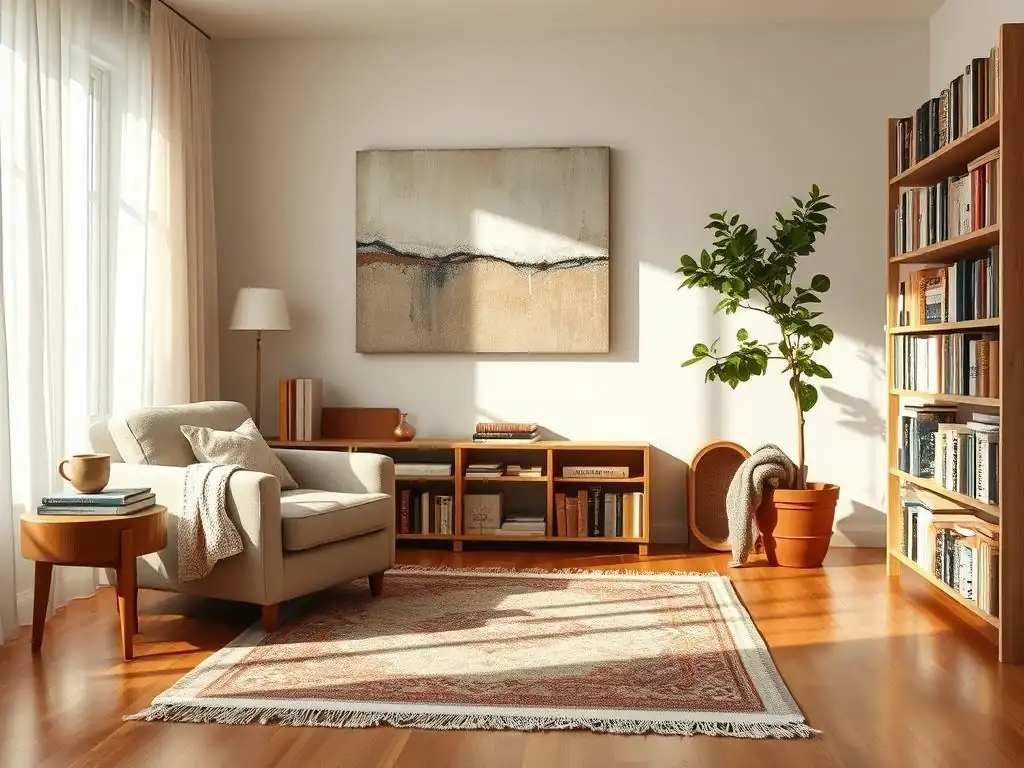
Alternatively, design a specific corner or section of the living room as a comfortable reading nook or a dedicated space for hobbies like knitting or puzzles. Ensure this area is inviting and well-lit, making it a more appealing option than defaulting to the television or computer. This intentional reduce screen time environment design within a shared space provides clear alternatives to digital entertainment.
Strategy 2: Optimizing Your Physical Space to Minimize Screen Temptation
Beyond designating zones, the physical arrangement and contents of your environment can subtly but effectively steer your behavior. The principle here is to make screen access slightly less convenient while making desired non-screen activities more convenient and appealing. This involves thoughtful placement of devices and the strategic introduction of alternative forms of entertainment.
By altering the visual landscape and accessibility of items in your home, you create environmental nudges that support your goal to reduce screen time. This is about making the physical environment work for you, rather than against you, in your quest for a more balanced digital life.
Out of Sight, Out of Mind: Strategic Placement of Devices
A simple yet highly effective environmental strategy is to keep your devices out of immediate sight and reach. Instead of leaving your phone on your desk or in your pocket constantly, try putting it in a drawer, a bag, or a designated charging station away from your main activity area.
Similarly, if you work from home, close your laptop when you're not actively using it for work. Store tablets or gaming consoles in cabinets rather than leaving them displayed. This physical barrier, however small, creates a moment of pause before engaging with a screen, providing an opportunity to choose a different activity. This contributes directly to reduce screen time environment design by reducing passive exposure and temptation.
Alternative Entertainment Options: Books, Games, and Hobbies
Ensure that non-screen forms of entertainment are easily accessible and visible in your environment. Stock your coffee table with interesting books or magazines. Keep board games or card decks readily available in the living room. Have art supplies, musical instruments, or craft materials in a convenient location.
The easier it is to pick up a book or start a puzzle than it is to turn on the TV or open an app, the more likely you are to choose the offline option. This requires intentionally filling your space with appealing alternatives that compete with the allure of the screen. This is a key component of effective reduce screen time environment design – providing compelling offline choices.
Comfortable and Inviting Non-Screen Activity Zones: Cozy Reading Nooks, Art Stations
Make your designated non-screen activity areas as comfortable and inviting as possible. If you want to read more, create a cozy reading nook with comfortable seating, good lighting, and perhaps a soft blanket. If you want to draw or paint, set up a dedicated art station with all your supplies neatly organized and ready to go.
These inviting spaces serve as physical anchors for screen-free activities. They signal that this is a place for a specific, enjoyable offline pursuit, making it more tempting to engage in that activity rather than defaulting to a screen. Investing in making these areas comfortable reinforces your commitment to reduce screen time environment design.
Strategy 3: Leveraging Technology to Limit Screen Time
While the goal is to reduce screen time, technology itself can be a tool in this process. Many apps and device settings are designed to help users monitor and limit their usage. Integrating these technological aids into your strategy complements your environmental design efforts.
These tools can act as digital boundaries, enforcing the limits you set for yourself and providing insights into your usage patterns. Using technology mindfully to manage technology use is a smart approach in modern reduce screen time environment design.
App and Website Blockers: Setting Boundaries and Restrictions
Numerous apps and browser extensions are available that allow you to block access to distracting websites or apps for specific periods. Examples include Freedom, Cold Turkey, or the built-in 'Focus' features on many operating systems. You can set schedules to automatically block access during work hours, family time, or before bed.
These blockers create a digital barrier, making it impossible or inconvenient to access time-consuming platforms like social media or news sites. This reduces the reliance on willpower alone and uses technology to enforce the boundaries you've decided are necessary for a healthier relationship with your devices.
Greyscale Mode: Reducing the Visual Appeal of Your Screen
Many smartphones have an accessibility setting that allows you to switch the screen display to greyscale. This simple change drastically reduces the vibrant colors that make apps and notifications so visually appealing and attention-grabbing.
By making the screen less stimulating, greyscale mode can diminish the unconscious pull to pick up your phone and browse. It makes the digital world look less exciting, subtly encouraging you to seek stimulation from your physical environment instead. This is a clever, tech-based tactic in reduce screen time environment design.
Digital Minimalism: Curating Your Apps and Notifications
Reducing the sheer number of apps on your devices, especially those that send frequent notifications, can significantly decrease the triggers for screen time. Regularly delete apps you don't use, turn off non-essential notifications, and unsubscribe from unnecessary email lists.
A decluttered digital space is less overwhelming and less likely to constantly demand your attention. By curating what is allowed to ping you, you reduce the number of times your environment (via your device) interrupts your real-world activities. This intentional digital reduce screen time environment design makes your devices less intrusive.
Strategy 4: Cultivating Mindful Tech Habits Through Environmental Cues
Integrating physical reminders and cues into your environment can help cultivate more mindful interactions with technology. These cues serve as prompts to pause, reflect, and make intentional choices about screen use rather than falling into automatic habits.
These environmental nudges reinforce your goal to reduce screen time environment design and help you stay conscious of your intentions throughout the day. They act as gentle reminders to disconnect and engage with the physical world.
Visual Reminders: Posters and Notes Encouraging Offline Activities
Place small, visually appealing reminders in strategic locations. This could be a note on your desk saying "Is this necessary?" before opening a new tab, a poster in the living room listing enjoyable screen-free activities, or a sign by your front door reminding you to leave your phone behind for a walk.
These visual cues act as prompts to interrupt automatic behaviors and encourage reflection. They serve as environmental anchors for your intention to reduce screen time and engage in alternative activities.
Time-Based Cues: Using Timers and Alarms to Signal Screen Breaks
Use physical timers or alarms on a non-phone device to signal the end of a screen session or the beginning of a screen-free period. For example, set a kitchen timer for 25 minutes while working on a task, committing to step away from the screen when it rings.
Setting an alarm on a smart speaker or a physical alarm clock can signal the start of your screen-free evening in the living room. These time-based environmental cues provide structure and help you adhere to self-imposed limits, supporting your reduce screen time environment design efforts.
Reward Systems: Incentivizing Screen-Free Time
Create a personal or family reward system tied to achieving screen-free goals. This could be a simple chart where you track screen-free hours and earn points towards a desired activity or treat that is not screen-based (e.g., a trip to the park, a new book, a special meal).
Visible tracking charts or physical tokens in your environment serve as positive reinforcement and motivation. They make the benefits of reduced screen time tangible and gamify the process, making it more engaging and sustainable.
Implementing Your Design: A Step-by-Step Guide to a Screen-Conscious Environment
Transitioning to a screen-conscious environment is a process that requires intentional planning and gradual implementation. It's not about making drastic changes overnight, but about thoughtfully integrating new habits and environmental cues into your daily life. This step-by-step approach ensures that the changes are manageable and sustainable.
Follow these steps to effectively implement your reduce screen time environment design and create spaces that support your well-being and digital balance. Remember to be patient with yourself and celebrate small victories along the way.
Step 1: Evaluate Your Current Environment and Screen Time Patterns
Start by completing the assessment discussed earlier. Track your screen time for a few days and observe your environment. Identify the peak times and locations of screen use, and note what environmental factors seem to encourage it.
- [ ] Track screen time for 3-5 days.
- [ ] Note locations where screen time is highest (e.g., bedroom, living room, kitchen).
- [ ] Identify environmental triggers (e.g., phone on bedside table, TV always on).
- [ ] Assess availability/appeal of non-screen alternatives in those locations.
Step 2: Prioritize Screen-Free Zones and Activities
Based on your evaluation, decide which areas of your home are most critical to make screen-free or screen-reduced. Prioritize based on where screen time is most detrimental (like the bedroom) or where you most want to foster connection (like the dining area).
- [ ] Choose 1-2 key areas to designate as screen-free zones (e.g., bedroom, dining table).
- [ ] Identify specific non-screen activities you want to encourage in these zones (e.g., reading, conversation, board games).
- [ ] Brainstorm necessary items/arrangements to facilitate these activities.
Step 3: Implement Environmental Changes Gradually
Begin making the physical changes to your environment based on your priorities. Start with the easiest or most impactful changes first. This could be as simple as moving your phone charger out of the bedroom or placing a basket by the door for phones.
- [ ] Move devices out of designated screen-free zones.
- [ ] Place non-screen alternatives (books, games) in easily accessible locations.
- [ ] Set up a comfortable nook for a screen-free activity.
- [ ] Implement one digital tool (e.g., turn on greyscale mode or install a blocker).
Step 4: Track Your Progress and Adjust as Needed
Monitor how the changes impact your screen time and overall well-being. Use screen time tracking features to see if your usage decreases in the targeted areas or times. Pay attention to how you feel – do you feel more rested, present, or productive? Be prepared to tweak your design. What works for one person or space might need adjustment for another.
- [ ] Continue tracking screen time to monitor changes.
- [ ] Reflect on how the environmental changes feel and whether they are effective.
- [ ] Identify any new challenges or triggers that arise.
- [ ] Adjust environmental design or strategies based on your experience.
Maintaining Your Screen-Reduced Environment: Long-Term Strategies
Creating a screen-conscious environment is not a one-time fix, but an ongoing practice. Life changes, habits can creep back, and new technologies emerge. Maintaining your reduce screen time environment design requires consistent effort and adaptability.
Building long-term success involves regular evaluation, seeking support from others, and continually reinforcing healthy, non-digital habits. These strategies help ensure that your intentional environment design remains effective in supporting a balanced digital life.
Consistent Reinforcement: Regularly Evaluate and Adjust Your Design
Schedule regular check-ins (perhaps monthly or quarterly) to re-evaluate your screen time habits and the effectiveness of your environmental design. Are screens creeping back into screen-free zones? Are your non-screen activity areas still appealing?
Based on this evaluation, make necessary adjustments. This might involve moving devices again, refreshing your collection of books or games, or trying a new digital blocking tool. Consistent maintenance prevents backsliding and keeps your environment aligned with your goals.
Involving Others: Enlisting Support from Family and Friends
If you live with others, involve them in the process of designing and maintaining a screen-conscious environment. Discuss the benefits of reduced screen time for everyone and collaborate on creating screen-free zones and activities.
Having shared goals and mutual support makes it easier to stick to the plan. Family members can remind each other of the screen-free rules or participate in alternative activities together, reinforcing the positive environmental changes.
Building Healthy Habits: Connecting with Non-Digital Activities
Ultimately, reducing screen time is easier when you have fulfilling non-digital activities to fill the void. Continuously explore new hobbies, spend time outdoors, connect with friends in person, or volunteer in your community.
Actively investing time and energy in these real-world activities makes them more appealing than passive screen consumption. Your environment design should facilitate these habits by making the necessary items and spaces readily available and inviting.
Benefits of Reduced Screen Time Through Environmental Design
Successfully implementing reduce screen time environment design yields a wide range of benefits that positively impact mental, physical, and social well-being. These benefits reinforce the value of intentional environmental changes.
Experiencing these positive outcomes provides powerful motivation to maintain a screen-conscious environment and continue cultivating a balanced relationship with technology.
Improved Mental Well-being: Reduced Anxiety and Depression
Excessive screen time, particularly on social media, is linked to increased feelings of anxiety, depression, and social comparison. By reducing exposure through environmental design, you create more space for quiet reflection, mindfulness, and engaging in activities known to boost mood and reduce stress, like exercise or creative pursuits. Many people report feeling calmer and less overwhelmed when they aren't constantly bombarded by digital stimuli.
Spending less time passively consuming content and more time actively engaging with your environment or other people can significantly improve your mental state. It allows your mind to rest from constant stimulation and reduces the pressure to constantly compare your life to curated online portrayals.
Enhanced Sleep Quality: A More Restful Night's Sleep
As mentioned, screens, especially before bed, disrupt natural sleep cycles. Removing devices from the bedroom through environmental design creates a sanctuary for rest. This leads to falling asleep faster, experiencing deeper sleep, and feeling more rested upon waking.
Improved sleep quality has cascading positive effects on mood, cognitive function, and overall health. A screen-free bedroom is a fundamental aspect of reduce screen time environment design for better sleep hygiene.
Increased Productivity and Focus: Achieving More in Less Time
Constant notifications and easy access to distractions like social media fragment attention and hinder deep work. By designing your workspace or home environment to minimize screen temptation during focused tasks, you can significantly boost productivity.
Having devices out of sight or using blocking tools creates an environment conducive to concentration. This allows you to complete tasks more efficiently, freeing up time for other activities and reducing the feeling of being constantly busy but unproductive.
Stronger Relationships: Deeper Connections with Loved Ones
Screen time often displaces quality time spent with family and friends. Designating screen-free zones like the dining table or living room encourages face-to-face interaction and meaningful conversation.
Putting away devices during social gatherings or family time signals that you are present and value the people you are with. This intentional environmental choice fosters stronger bonds and deeper connections that digital interactions often cannot replicate.
Conclusion: Taking Control of Your Digital Life Through Intentional Design
In a world saturated with screens, taking deliberate steps to manage our digital consumption is essential for maintaining mental well-being and living a fulfilling life. While willpower is important, relying solely on it can be exhausting. This is where the power of reduce screen time environment design truly shines. By intentionally shaping our physical spaces, we create a supportive framework that makes healthier choices easier and more automatic.
From designating screen-free sanctuaries like the bedroom and dining room to strategically placing devices out of sight and filling our homes with appealing non-digital alternatives, environmental design provides practical, tangible ways to reduce the constant pull of the screen. It's about creating an environment that encourages connection, rest, creativity, and presence, nudging us towards a more balanced relationship with technology.
The Importance of a Balanced Digital Life
Finding a balance between leveraging the benefits of technology and protecting ourselves from its potential downsides is key. A balanced digital life isn't necessarily screen-free, but rather one where technology serves us, instead of controlling us. Designing your environment is a powerful strategy to achieve this balance, allowing you to enjoy technology when it's beneficial while easily disconnecting when it's not.
It empowers you to reclaim your time, attention, and energy, redirecting them towards activities and relationships that truly nourish your mind and spirit. Implementing reduce screen time environment design is an investment in your own well-being and a step towards living more intentionally in the physical world.
Resources for Further Support in Managing Screen Time and Mental Well-being
For those seeking additional help, numerous resources are available. Many mental health professionals specialize in digital well-being and technology addiction. There are also support groups, online communities, and educational materials dedicated to helping individuals and families navigate the challenges of excessive screen time and its impact on mental health. Exploring these avenues can provide further strategies and encouragement on your journey towards a more balanced digital life.
Frequently Asked Questions
How can I modify my physical environment to reduce screen time?
You can designate screen-free zones within your home, like the bedroom or dining room. Also, consider relocating charging stations to less-frequented areas to discourage impulsive use. Finally, optimize lighting to reduce eye strain from screens, encouraging alternative activities.
What are some specific examples of alternative activities I can incorporate into my environment to replace screen time?
Introduce hobbies by keeping books, art supplies, or musical instruments visible and accessible. Create a comfortable reading nook or a dedicated space for exercise. This will make non-screen activities more inviting.
How can I leverage nature in my environment to minimize screen usage?
Bring the outdoors in by adding plants and natural light to your home. Ensure easy access to outdoor spaces like gardens or patios. This encourages spending time away from screens and connecting with nature.
How does clutter impact my ability to reduce screen time, and what can I do about it?
Clutter can increase stress and overwhelm, leading to impulsive screen use as a coping mechanism. Decluttering and organizing your space can create a more calming atmosphere. This reduces the urge to escape into the digital world.
What role does technology play in designing my environment for less screen time?
Ironically, technology can help! Use apps to track screen time and set usage limits. Employ smart home features to schedule breaks or create screen-free routines. Remember to use technology mindfully as a tool for control, not the other way around.
Final Reflection: Reclaiming Your Life, One Environment at a Time
The relentless pull of screens dominates modern life, but our environments needn't be passive victims. We've explored how thoughtfully designed spaces can actively combat digital distraction and foster a healthier relationship with technology. This isn't about technology abstinence; it's about conscious curation of our surroundings to support our well-being.
The impact of this shift extends far beyond individual screen time reduction. It's about reclaiming our attention, fostering deeper connections with the physical world, and ultimately, rediscovering the joy in unplugged moments. The real voyage of discovery consists not in seeking new landscapes, but in having new eyes.
– Marcel Proust. This quote resonates deeply because redesigning our environment isn't just about rearranging furniture; it's about cultivating a new perspective on how we interact with our surroundings and the technology within them. It's about seeing the potential for a more balanced and fulfilling life.
Now, consider your own space. What small changes can you implement today to nudge yourself towards less screen time? Perhaps it's moving your phone charging station out of your bedroom, creating a dedicated "digital detox" zone, or simply adding more natural light and plants to your workspace. Start small, be consistent, and watch as your environment becomes a powerful ally in your journey towards a more balanced and present life. The power to reshape your relationship with technology lies within your own hands – and your thoughtfully designed environment.
Reclaim Your Time: Design a Screen-Free Sanctuary
Thanks for taking the time to explore ways to reduce screen time and create a healthier relationship with technology. We hope you found valuable insights to improve your well-being! Now it's time to put that knowledge into action.
- Prioritize one screen-free zone: Identify one area in your home—perhaps your bedroom or a cozy reading nook—and completely dedicate it to screen-free activities. This is your sanctuary.
- Experiment with a digital detox timer: Set aside just 30 minutes each day, completely device-free. Use this time for a mindful activity, like reading, journaling, or spending time in nature.
- Share your screen-free journey: Tell us (or a friend!) about your experiences creating a screen-free sanctuary. What challenges did you face, and what successes did you celebrate?
So, what small change will you make today to create a more balanced digital life?