
Visualization Techniques to Nail Your Next Speech or Ace Your Exam


Welcome to Mind Care Guide.
Feeling overwhelmed by exam anxiety? You're not alone. We understand the pressure and stress that come with facing a big test or presentation. But what if you could harness the power of your own mind to conquer those nerves and achieve peak performance? This week, we delve into the transformative potential of visualization for exam anxiety, offering practical techniques and insights that can help you not just cope, but thrive. Discover how to mentally rehearse success and unlock your inner confidence. Ready to take control? Let's explore!
Visualization Techniques for Performance Enhancement
Visualization is a powerful mental tool that involves creating vivid mental images of achieving a desired outcome. It's a technique used across various fields, from sports to business, and is increasingly recognized for its potential in managing anxiety related to performance, such as public speaking or taking exams. By mentally rehearsing success, individuals can build confidence, reduce stress, and improve focus, paving the way for peak performance when it matters most.
- Understanding Performance Anxiety
- Visualization for Test Anxiety
- Visualization for Presentations
- Benefits of Visualization
- Real-World Applications of Visualization
- Integrating Visualization into Daily Practice
-
Frequently Asked Questions
- What exactly is visualization, and how does it relate to exam anxiety?
- How often should I practice visualization techniques before an exam to see results?
- Are there different types of visualization techniques, and which one is best for exam anxiety?
- What if I find it difficult to create vivid mental images or my mind wanders during visualization?
- Can visualization completely eliminate exam anxiety, or is it just a coping mechanism?
- Final Reflection: Unlocking Potential Through the Power of Visualization
- Unleash Your Inner Confidence: Visualize Success!
Understanding Performance Anxiety
Performance anxiety is a common form of anxiety triggered by the prospect of performing a task in front of others or under pressure, like taking a test. It can manifest physically through symptoms like sweating, trembling, rapid heartbeat, and mentally through negative self-talk, fear of failure, and difficulty concentrating. Understanding its roots and impact is the first step toward managing it effectively.
Defining Performance Anxiety in High-Pressure Situations
Performance anxiety is essentially a specific type of social phobia or situational anxiety that arises in contexts where an individual feels evaluated. This can include speaking in front of a group, participating in a job interview, competing in a sport, or, very commonly, taking an important exam. The pressure to perform well can trigger the body's fight-or-flight response, even if the perceived threat isn't physical.
For students, this often translates into test anxiety, a significant barrier to academic success. Research indicates that test anxiety affects a substantial portion of the student population; estimates suggest that moderate to high levels of test anxiety impact between 10% and 40% of students. This can lead to lower scores than the student's actual knowledge would suggest, simply because the anxiety interferes with recall and cognitive function during the exam.
The Impact of Mental Imagery on Anxiety Reduction
Mental imagery, or visualization, works by engaging the same neural pathways in the brain that are activated during actual experience. When you vividly imagine a calm, successful performance, your brain processes it similarly to having actually experienced that success. This can help to rewire negative associations with high-pressure situations, replacing feelings of dread with confidence and control.
Studies have shown that visualization techniques can significantly reduce physiological symptoms of anxiety. For example, a meta-analysis looking at the effect of imagery on anxiety found consistent reductions in self-reported anxiety levels across various populations. By mentally simulating positive outcomes, individuals can lower cortisol levels, reduce heart rate, and calm the nervous system, creating a more favorable state for performance. This is particularly relevant for visualization for exam anxiety, where calming the physical response is crucial for clear thinking.
Aligning Visualization with Realistic Expectations
While visualization is a powerful tool, it's crucial to ground the practice in reality. Visualization is not a magic bullet that replaces preparation; rather, it enhances the impact of preparation. Imagining success on an exam without having studied is unlikely to yield positive results. The technique works best when combined with diligent effort and realistic understanding of the challenge.
Setting realistic expectations involves acknowledging that some level of nervousness is normal and even beneficial, as it can sharpen focus. Effective visualization for exam anxiety involves imagining coping well with potential minor setbacks or challenges, rather than solely focusing on a flawless, perhaps unrealistic, scenario. It's about visualizing your best possible prepared self handling the situation effectively, not imagining effortless perfection. This approach fosters resilience and practical confidence.
Visualization for Test Anxiety
Test anxiety can severely hinder a student's ability to demonstrate their knowledge. Implementing targeted visualization techniques can help students manage the stress and improve their performance on exams. This involves preparing both the mind and the environment for success through mental rehearsal.
Pre-Test Preparation: Optimizing the Environment for Visualization
Effective visualization for exam anxiety begins well before the test day. Part of the preparation involves creating a conducive environment for the visualization practice itself. This means finding a quiet, comfortable space where you can sit or lie down without distractions for 10-15 minutes daily. The consistency of the practice environment can help signal to your brain that it's time to focus on mental rehearsal.
Beyond the immediate visualization space, optimizing your general study environment and routine contributes indirectly to the effectiveness of visualization. Ensuring you have a dedicated study area, maintaining a consistent sleep schedule, and incorporating short breaks all reduce overall stress levels, making it easier to enter a relaxed state conducive to vivid mental imagery. This holistic approach enhances the potential benefits of visualization for exam anxiety.
Visualization Techniques for Test Performance
Several specific visualization techniques can be applied to improve test performance and manage anxiety. These methods focus on mentally rehearsing the entire test experience, from arriving at the location to successfully completing the exam. The key is to make the mental rehearsal as detailed and sensory-rich as possible.
Creating a Calm Test Environment Through Mental Rehearsal
One core technique involves mentally creating a calm and controlled test environment. Close your eyes and imagine walking into the test room feeling prepared and relaxed. Visualize finding your seat, organizing your materials (pens, calculator, water), and feeling a sense of quiet confidence as others settle around you. Mentally rehearse taking a few deep breaths to center yourself before the test begins.
This mental walk-through helps demystify the physical setting and reduces the element of the unknown, which can be a significant anxiety trigger. By repeatedly imagining yourself feeling calm and in control in that specific environment, you build a positive mental association with the test setting itself. This is a fundamental step in utilizing visualization for exam anxiety effectively.
Focusing on Positive Performance and Recall
Next, shift your focus to the actual process of taking the test. Visualize yourself reading the questions clearly, understanding them, and accessing the information you've studied with ease. Imagine your hand moving confidently as you write answers or select choices. See yourself working through the test steadily, managing your time effectively, and feeling a sense of accomplishment as you complete each section.
Crucially, visualize yourself recalling information accurately and efficiently. Imagine the facts, formulas, or concepts you need appearing clearly in your mind. Focus on the feeling of knowing the answer and the satisfaction of putting it down correctly. This positive mental rehearsal reinforces your confidence in your knowledge and ability to recall it under pressure, directly combating the memory blocks often associated with test anxiety. This positive mental imagery is central to successful visualization for exam anxiety.
Engaging Multiple Senses in the Visualization Process
To make the visualization as powerful as possible, engage multiple senses. Don't just see yourself taking the test; feel the texture of the paper or the pen in your hand, hear the quiet ambient sounds of the test room (or the silence), and maybe even smell the faint scent of paper or room air freshener. Feel the sensation of calm breathing, the steady beat of your heart, and the confidence in your posture.
The more sensory details you include, the more real the mental experience feels to your brain. This depth of engagement strengthens the neural pathways associated with the positive experience you are creating. Practicing this multi-sensory mental rehearsal regularly makes it a more accessible and potent tool when you actually encounter the test situation, significantly boosting the effectiveness of visualization for exam anxiety.
Addressing Challenges in Test Visualization
While visualization is beneficial, it's not always easy, especially when dealing with persistent anxiety. Challenges like intrusive negative thoughts or difficulty maintaining consistency can arise. Recognizing and addressing these obstacles is key to making the technique work.
Managing Doubts and Negative Thoughts
One of the most common challenges in visualization for exam anxiety is the intrusion of negative thoughts or doubts ("What if I forget everything? ", "What if I fail?"). When these thoughts appear, acknowledge them without judgment. Don't try to suppress them forcefully, as this can make them stronger. Instead, gently redirect your focus back to your positive visualization. Think of negative thoughts as temporary distractions, like clouds passing in the sky.
You can also use a technique called "thought stopping" or "thought replacement," though gentle redirection is often more sustainable. Alternatively, try visualizing yourself acknowledging the negative thought and then calmly letting it go, perhaps imagining it floating away like a balloon. Then, deliberately bring your attention back to the positive mental image of successful performance. Consistent practice makes it easier to manage these interruptions over time.
Maintaining a Consistent Visualization Schedule
Like any skill, visualization improves with practice. However, finding the time and motivation to maintain a consistent schedule, especially amidst busy study periods, can be difficult. Aim for a short, dedicated practice session daily, perhaps 10-15 minutes. Consistency is more important than duration; a short daily session is more effective than one long session per week.
Integrate visualization into your existing routine. Maybe practice it right after waking up, during your commute, or before going to bed. Use reminders if necessary. Think of it not as an optional add-on, but as an essential part of your test preparation strategy, just like reviewing notes or doing practice questions. Committing to this regular practice significantly enhances the long-term benefits of visualization for exam anxiety.
Visualization for Presentations
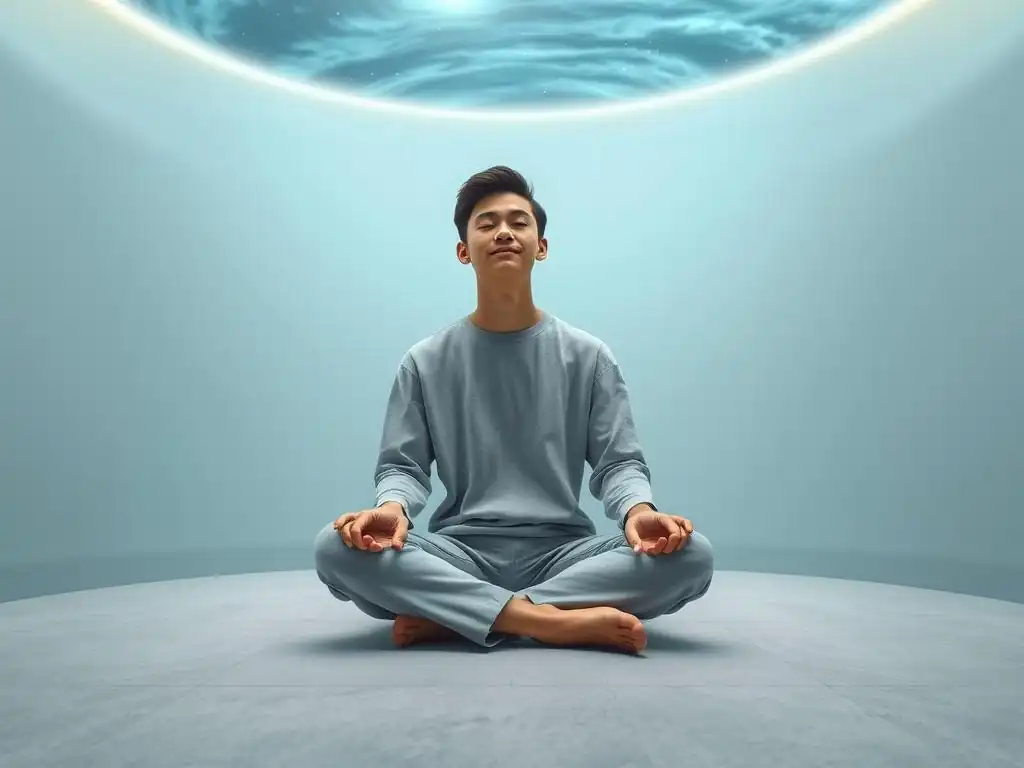
Delivering a presentation can be just as anxiety-inducing as taking an exam. Visualization techniques can be adapted to help individuals feel more confident and prepared when speaking in front of an audience, leading to a smoother and more impactful delivery.
Integrating Visualization into Presentation Preparation
Just as with exam preparation, visualization for presentations should be integrated early into the process. Once you have your content structured and your key points outlined, begin to mentally rehearse the delivery. This isn't just about memorizing lines; it's about practicing the experience of giving the presentation.
Start by visualizing the preparation process itself going smoothly – researching effectively, organizing your thoughts clearly, and creating compelling slides (if applicable). Then, move on to visualizing the practice sessions, imagining yourself rehearsing confidently and fluidly. Integrating visualization at these early stages helps build confidence in your material and your ability to handle it.
Visualizing a Successful Presentation Delivery
The core of presentation visualization is mentally rehearsing the actual event. This involves vividly imagining yourself standing in front of the audience, feeling confident and prepared. Go through the entire presentation in your mind, from the moment you are introduced to the final closing remarks and Q&A.
Imagining Positive Audience Engagement
Visualize the audience being attentive and engaged. Imagine seeing positive body language – people nodding, making eye contact, and appearing interested. Picture yourself connecting with different individuals in the audience. If you anticipate questions, visualize yourself answering them calmly and knowledgeably, and the questioner being satisfied with your response.
Focus on the feeling of positive rapport between you and the audience. This mental image helps counteract the fear of judgment or disinterest, replacing it with a sense of connection and positive reception.
Mentally Rehearsing Delivery and Timing
Visualize yourself speaking clearly and confidently, at a comfortable pace. Imagine your voice projecting well and your body language being open and relaxed. Mentally rehearse transitioning between points smoothly and managing your time effectively. If you are using slides or props, visualize yourself interacting with them seamlessly.
Go through the key sections of your presentation, perhaps focusing on challenging transitions or critical points. This mental run-through helps solidify the flow and timing, making the actual delivery feel more familiar and less daunting.
Visualizing Solutions to Potential Technical Difficulties
Performance anxiety for presentations often includes worrying about things going wrong – microphones failing, slides not working, or other technical glitches. Proactive visualization can include mentally rehearsing how you would calmly and competently handle such issues.
Imagine the projector bulb going out, and visualize yourself smoothly transitioning to speaking without slides, perhaps engaging the audience with a story or asking a question while the issue is resolved. Picture a microphone cutting out, and visualize yourself moving closer to the audience or projecting your voice effectively until it's fixed. This mental preparation for potential problems builds resilience and reduces the fear of the unexpected.
Tips for Effective Presentation Visualization
Maximizing the benefits of visualization for presentations involves specific practices that enhance the vividness and impact of your mental rehearsal.
Creating a Focused Visualization Environment
Find a quiet space where you won't be interrupted. Sit or stand in a posture that feels confident, perhaps similar to how you'll stand during the actual presentation. Close your eyes and take a few deep breaths to relax. Eliminate distractions like phone notifications. The more focused you are, the more immersive and effective your visualization will be.
Consider practicing in the actual presentation space beforehand if possible. Mentally rehearsing in the physical location can make the visualization even more realistic and powerful when the time comes to perform.
Combining Visualization with Relaxation Techniques
Pairing visualization with relaxation techniques like deep breathing or progressive muscle relaxation can significantly enhance its effectiveness. Start your visualization session with a few minutes of deep breathing to calm your nervous system. Once you feel more relaxed, begin your mental rehearsal of the presentation.
This combination helps you enter a state conducive to positive imagery and anchors the feeling of calm to the act of visualizing your presentation. Over time, simply beginning the visualization process can trigger a relaxation response.
Benefits of Visualization
Beyond managing anxiety related to specific events like exams or presentations, regular visualization practice offers a range of benefits that contribute to overall mental well-being and performance enhancement in many areas of life.
Reducing Stress and Anxiety Through Mental Imagery
As discussed earlier, visualization directly impacts the body's stress response. By repeatedly imagining calm and successful scenarios, you train your brain and body to react differently to perceived threats. This consistent exposure to positive mental imagery helps lower baseline anxiety levels, making you less reactive to stressful situations in general.
This is particularly valuable for individuals prone to generalized anxiety or chronic stress. Incorporating regular, positive visualization into a daily routine can serve as a proactive stress management tool, building a reservoir of calm and confidence that extends beyond specific performance situations. The sustained practice of visualization for exam anxiety, for example, can spill over into reduced anxiety in other academic tasks.
Enhancing Focus and Concentration
Visualization requires focused attention on a specific mental image or sequence. Regular practice strengthens your ability to concentrate and maintain focus, skills that are invaluable during exams, presentations, or any task requiring sustained mental effort. By mentally rehearsing a task, you also clarify the steps involved, reducing cognitive load and making it easier to stay on track.
This improved focus can translate into better study habits, increased productivity, and a greater ability to resist distractions. When you have a clear mental picture of your goal and the process to achieve it, your mind is less likely to wander.
Improving Self-Confidence and Performance
Perhaps the most significant benefit of visualization is the boost in self-confidence it provides. By mentally experiencing success repeatedly, you build a strong belief in your ability to perform well. This self-efficacy is a critical predictor of actual performance. When you believe you can succeed, you are more likely to approach challenges with a positive mindset and persevere through difficulties.
This enhanced self-confidence directly impacts performance. Whether it's tackling a difficult exam question, responding to a challenging audience question, or executing a complex task, the belief in your ability, reinforced by visualization, makes you more likely to perform at your best. This is the ultimate goal of using visualization for exam anxiety and presentation fears – not just feeling better, but actually performing better.
Real-World Applications of Visualization

Visualization is not just a theoretical concept; it's a technique widely used by high performers across various disciplines. Examining real-world examples illustrates its practical power.
Case Study 1: Visualization for Improved Athletic Performance
Visualization is a cornerstone of sports psychology. Athletes across disciplines use it to mentally rehearse their performance, refine techniques, and build confidence. A classic example is Olympic athletes who spend hours mentally practicing their routines or races. Swimmers might visualize each stroke and turn, gymnasts might visualize every movement of their routine, and skiers might visualize navigating a challenging course.
For instance, studies on track and field athletes have shown that combining physical practice with mental rehearsal can lead to greater performance improvements than physical practice alone. One study involving basketball players found that those who combined physical shooting practice with visualization improved their free-throw percentage significantly. While specific athlete data varies, the principle remains consistent: mentally practicing the desired performance enhances actual execution. This demonstrates the power of mental imagery in high-pressure performance scenarios, similar to how visualization for exam anxiety works.
Case Study 2: Visualization for Surgical Performance Enhancement
Visualization is also increasingly used in high-stakes professions like surgery. Surgeons often mentally walk through complex procedures before entering the operating room. They visualize each step, potential challenges, and how they would respond. This mental rehearsal helps solidify the surgical plan, improve decision-making speed, and reduce anxiety.
For example, a study published in the American Journal of Surgery highlighted the use of mental imagery by surgical residents to improve their skills. Residents who incorporated regular visualization of surgical procedures reported increased confidence and felt better prepared. While precise performance metrics can be complex to isolate solely to visualization, the anecdotal and preliminary research suggests it contributes positively to preparedness and reduces the cognitive load during demanding procedures, much like visualization for exam anxiety reduces cognitive interference during tests.
Integrating Visualization into Daily Practice
Making visualization a consistent part of your routine is key to reaping its full benefits. It's not a one-time fix but a skill that strengthens with regular use. Integrating it with other positive habits can enhance its impact.
Establishing a Consistent Visualization Routine
Choose a specific time each day for your visualization practice. This could be in the morning to set a positive tone for the day, during a lunch break to refocus, or in the evening to prepare for the next day. Start with just 5-10 minutes and gradually increase the duration as you become more comfortable.
Consistency is more important than length. Practicing for a short period daily is far more effective than occasional long sessions. Use cues to remind yourself – perhaps linking it to another habit like brushing your teeth or having your morning coffee. This regular commitment builds the mental pathways needed for effective visualization.
Combining Visualization with Mindfulness and Goal Setting
Visualization works powerfully when combined with other mental techniques. Mindfulness practice, which focuses on present moment awareness, can help you become more aware of your thoughts and feelings during visualization, making it easier to redirect negative thoughts. Mindfulness also helps cultivate a sense of calm that is conducive to effective imagery.
Combining visualization with specific, measurable goal setting provides a clear target for your mental rehearsals. Instead of vaguely visualizing success, visualize yourself achieving a specific goal, like completing 80% of the exam questions confidently within the first hour or delivering your presentation within the allotted time frame. This focused visualization makes the practice more purposeful and effective, whether it's for general life goals or specific targets like managing visualization for exam anxiety for an upcoming test.
Resources for Advanced Visualization Techniques
For those looking to deepen their practice, numerous resources offer guidance on advanced visualization techniques. Books, online courses, guided meditations, and working with a sports psychologist or therapist specializing in performance can provide structured approaches.
These resources often cover techniques like guided imagery scripts tailored to specific goals (like test-taking or public speaking), methods for overcoming visualization blocks, and strategies for integrating visualization with other psychological tools. Exploring these resources can help you refine your visualization skills and apply them more effectively to achieve your performance goals and manage anxiety.
Frequently Asked Questions
What exactly is visualization, and how does it relate to exam anxiety?
Visualization is a mental technique involving creating vivid mental images of desired outcomes. For exam anxiety, it helps by reducing stress and fostering a sense of control and confidence.
How often should I practice visualization techniques before an exam to see results?
Consistency is key! Aim for daily practice, even for just 5-10 minutes, leading up to the exam. The more you practice, the more effective visualization becomes at managing anxiety.
Are there different types of visualization techniques, and which one is best for exam anxiety?
Yes, there are! Many find outcome visualization (imagining success) and process visualization (visualizing steps to success) effective. Experiment to see which resonates best with you and your specific anxieties.
What if I find it difficult to create vivid mental images or my mind wanders during visualization?
That's perfectly normal, especially at first! Start with simple scenarios and focus on engaging all your senses. Guided visualizations and mindfulness exercises can also help improve focus.
Can visualization completely eliminate exam anxiety, or is it just a coping mechanism?
Visualization is a powerful coping mechanism that can significantly reduce anxiety levels and improve performance. While it may not completely eliminate anxiety, it empowers you to manage it effectively and approach exams with confidence.
Final Reflection: Unlocking Potential Through the Power of Visualization
The ability to visualize success isn't just a motivational trick; it's a powerful cognitive tool with tangible effects on performance. In a world increasingly demanding peak performance, mastering visualization techniques offers a competitive edge, whether you're facing a high-stakes exam or delivering a crucial presentation. This isn't about wishful thinking; it's about harnessing the brain's incredible capacity to rehearse and prepare for challenges at a neurological level.
The impact of visualization extends far beyond the immediate context of an exam or speech. It cultivates a mindset of confidence and self-efficacy, influencing not only academic or professional achievements but also overall well-being. The consistent practice of mental rehearsal builds resilience and reduces anxiety, fostering a healthier relationship with stress. As Eleanor Roosevelt wisely stated, The future belongs to those who believe in the beauty of their dreams.
This belief, nurtured through visualization, empowers us to actively shape our future, rather than passively accepting whatever comes our way.
Now, consider how you can integrate these techniques into your own life. What challenges are you facing that could benefit from the power of visualization? Perhaps it's a daunting project at work, a personal goal you've been putting off, or simply navigating a stressful situation with more grace.
Take a moment to visualize your success in these areas; feel the confidence, see the positive outcome, and believe in your ability to achieve it. The journey to mastering visualization is a personal one, but the rewards – increased confidence, reduced anxiety, and ultimately, a greater sense of control over your life – are well worth the effort.
Unleash Your Inner Confidence: Visualize Success!
Thanks for taking the time to explore the power of visualization! We hope you gained valuable insights into how this technique can transform your performance. Now it's time to put those insights into action.
- Prioritize one area: Choose either your upcoming speech or exam and dedicate 15 minutes daily to visualizing a successful outcome. Focus on the details – your voice, your confidence, the feeling of accomplishment.
- Share your experience: Tell a friend or family member about your visualization practice and how it makes you feel. Their support can boost your confidence!
- Track your progress: Keep a journal documenting your daily visualization sessions and note any shifts in your mindset or feelings of confidence.
What specific aspect of your speech or exam will you focus on visualizing first? Let us know in the comments!