
Decoding Your Body's Stress Signals with Wearable Tech


Welcome to Mind Care Guide, a space dedicated to nurturing your mental well-being.
Feeling overwhelmed by stress and unsure how to regain control? You're not alone. We understand the challenges of modern life, and that's why we've created this resource.
Dive into our latest article, "Decoding Your Body's Stress Signals with Wearable Tech," where we explore innovative wearable tech stress management tips. Discover how these devices can help you understand your body's unique stress responses and unlock personalized strategies for a calmer, more balanced you. Are you ready to take control of your stress levels? Let's explore!
Decoding Your Body's Stress Signals with Wearable Tech
- Understanding Stress and Its Impact on Your Body
- Wearable Tech for Stress Management: An Overview
- Best Wearable Stress Trackers: Comparing Features and Accuracy
- Wearable Tech Stress Management: Real-World Applications and Case Studies
- Choosing the Right Wearable for Your Stress Management Needs: A Buying Guide
- Maximizing the Benefits of Wearable Tech Stress Management
- Beyond Wearable Tech: Holistic Stress Management Strategies
- Conclusion: Empowering Your Mental Well-being with Wearable Tech
-
Frequently Asked Questions
- How can wearable tech help me understand my stress levels?
- What types of wearable tech are most effective for stress management?
- What are some practical ways to use wearable tech for stress management?
- Is the data from wearable tech always accurate and reliable for stress management?
- Where can I find more resources and support for managing stress and mental well-being?
- Final Reflection: The Wearable Revolution in Stress Management
- Unleash Your Inner Calm: Take Control of Your Stress
Understanding Stress and Its Impact on Your Body
Chronic stress is more than just feeling overwhelmed; it's a persistent state of activation in the body's stress response system, the hypothalamic-pituitary-adrenal (HPA) axis. When this system is constantly engaged, it can lead to significant physical and mental health problems over time. The continuous release of stress hormones like cortisol can disrupt nearly all of your body's processes, increasing the risk of serious conditions.
Research consistently shows that prolonged exposure to stress hormones is linked to a higher incidence of cardiovascular issues, including high blood pressure and heart disease. For example, some studies suggest that chronic job stress can increase the risk of a heart attack by as much as 40%. Beyond the heart, chronic stress weakens the immune system, making individuals more susceptible to infections, and contributes to digestive problems like irritable bowel syndrome.
Mentally, it significantly elevates the risk of developing anxiety disorders, depression, and can impair cognitive functions such as memory and concentration. Understanding these dangers underscores the critical need for effective stress management strategies.
Recognizing Your Body's Stress Signals
Your body communicates its stress levels through a variety of physical, emotional, and behavioral signals. Learning to recognize these signs early is a fundamental step in managing stress effectively. These signals are highly individual, but common physical manifestations include headaches, muscle tension (especially in the neck and shoulders), fatigue, digestive upset, and difficulty sleeping. Some people might notice changes in appetite or increased susceptibility to colds.
Emotionally, stress can manifest as irritability, feeling overwhelmed, difficulty relaxing, anxiety, or even panic attacks. Behaviorally, you might withdraw from social activities, procrastinate, rely on unhealthy coping mechanisms like excessive eating or substance use, or experience restlessness and an inability to focus. Paying close attention to these cues – perhaps through journaling or using technology that tracks physiological changes – can provide valuable insights into your personal stress patterns and help you implement timely wearable tech stress management tips.
Wearable Tech for Stress Management: An Overview
How Wearable Stress Trackers Work
Wearable stress trackers operate by continuously monitoring various physiological metrics that are known to be influenced by stress. The most common metric is heart rate variability (HRV), which measures the variation in time between consecutive heartbeats. A higher HRV is generally associated with a relaxed state, while a lower HRV can indicate stress or fatigue. Devices use optical sensors (photoplethysmography or PPG) to detect blood flow changes in the wrist, from which heart rate and HRV are calculated.
Beyond HRV, some advanced wearables incorporate electrodermal activity (EDA) sensors, which measure tiny electrical changes on the skin's surface caused by sweat gland activity. Increased sweating, even at a sub-perceptible level, is a common physiological response to stress. By correlating changes in HRV, heart rate, EDA, sleep patterns, and activity levels, these devices use algorithms to provide a composite "stress score" or indicate periods of elevated stress throughout the day. This allows users to gain objective data about their body's stress response, complementing subjective feelings and providing valuable wearable tech stress management tips.
Benefits of Using Wearable Tech for Stress Monitoring
Utilizing wearable technology offers several distinct advantages for stress monitoring and management. Firstly, it provides objective, continuous data on physiological stress indicators that you might not otherwise be aware of. This data can help you identify patterns, understand what situations or times of day trigger a stress response, and see how your body recovers. For instance, seeing a consistently low HRV after a specific meeting might highlight a significant stressor.
Secondly, many wearables offer real-time feedback and nudges. They might alert you when your stress levels are detected as high and suggest taking a moment to breathe or engage in a short mindfulness exercise. This immediate prompting can help you intervene before stress escalates significantly. Furthermore, the historical data collected allows you to track the effectiveness of different stress management techniques you try, offering tangible evidence of what works for you. This objective insight is a powerful tool for implementing effective wearable tech stress management tips into your daily routine.
Best Wearable Stress Trackers: Comparing Features and Accuracy
Fitbit Sense 2: Feature-Rich Stress Management Solution
The Fitbit Sense 2 stands out as a dedicated health smartwatch with a strong focus on stress management. It builds upon its predecessor by integrating a continuous electrodermal activity (cEDA) sensor directly into the watch face, allowing for real-time stress detection throughout the day without requiring manual scans. This constant monitoring provides a more complete picture of your body's stress responses as they happen.
In addition to cEDA, the Sense 2 tracks heart rate variability (HRV) during sleep and provides daily Readiness Scores that factor in activity, sleep, and HRV to indicate how prepared your body is for stress or exertion. It also offers guided breathing exercises directly on the device and integrates with the Fitbit app's extensive mindfulness content (though some require a subscription). The combination of continuous cEDA, HRV, and sleep data makes it a robust tool for identifying stress patterns and applying relevant wearable tech stress management tips.
Key Features of Fitbit Sense 2: EDA Scan, HRV, and Sleep Tracking
The Fitbit Sense 2's headline feature for stress is its continuous EDA sensor (cEDA). Unlike previous versions or other devices requiring a manual scan, the cEDA sensor on the Sense 2 works automatically in the background, alerting you if it detects signs of stress or excitement based on changes in your electrodermal activity. This proactive approach helps users become aware of their stress levels in the moment.
Beyond EDA, the Sense 2 provides detailed sleep tracking, measuring sleep stages (light, deep, REM), sleep duration, and sleep quality. It also tracks Heart Rate Variability (HRV) during sleep, offering insights into your autonomic nervous system's balance, a key indicator of stress and recovery. The device integrates all these metrics into daily scores like the Stress Management Score and Daily Readiness Score, providing a holistic view of your physical and mental state to inform your wearable tech stress management tips.
Accuracy and Reliability of Fitbit Sense 2
The accuracy of wearable stress tracking, including on the Fitbit Sense 2, is a complex topic. While the underlying physiological measurements like heart rate are generally considered reliable for optical sensors on the wrist (often within a few percentage points of clinical devices under ideal conditions), the interpretation of these metrics into a "stress score" is based on proprietary algorithms. The cEDA sensor is designed to detect changes in sweat gland activity, which is a validated physiological response to stress.
User reports and reviews generally indicate that the Sense 2's stress detection aligns with their subjective feelings of stress, particularly for identifying periods of heightened tension. However, it's important to remember that these scores are interpretations and should not be considered a medical diagnosis. The reliability comes from consistently tracking trends over time and correlating the device's data with your personal experiences and known stressors. Using the Sense 2's data as a prompt for self-reflection and applying wearable tech stress management tips is where its true value lies.
Pricing and Subscription Options for Fitbit Sense 2
The Fitbit Sense 2 typically launches at a price point in the mid-range for smartwatches, often around $250-$300 USD, though prices can fluctuate based on retailers and promotions. This upfront cost covers the device itself.
However, to unlock the full potential of the Sense 2's health and stress management features, Fitbit strongly encourages users to subscribe to Fitbit Premium. While basic activity tracking and some data are available without a subscription, Premium provides access to more detailed insights, historical data beyond a few days, personalized wellness reports, guided programs (including mindfulness and stress reduction content), and the Daily Readiness Score breakdown.
The subscription costs approximately $10 USD per month or $80 USD per year. Access to these premium features can significantly enhance the application of wearable tech stress management tips derived from the device's data.
Garmin Vivosmart 5: Simplicity and Affordability in Stress Tracking
The Garmin Vivosmart 5 is a more minimalist fitness tracker compared to full smartwatches like the Sense 2 or Apple Watch, but it still includes robust stress tracking capabilities. Its smaller, band-style design makes it comfortable for continuous wear, including during sleep. This device focuses on delivering essential health metrics in a simple, easy-to-understand format, appealing to users who want core tracking without the complexity of a full smartwatch.
Garmin's stress tracking relies heavily on Heart Rate Variability (HRV) data, measured continuously throughout the day and night. The Vivosmart 5 presents this data as a numerical stress score (from 0 to 100) and a graph showing stress levels over time in the Garmin Connect app. When high stress is detected, the device can prompt the user to perform a guided breathing exercise directly on the band. Its focus on HRV and activity makes it a straightforward tool for basic wearable tech stress management tips.
Key Features of Garmin Vivosmart 5: Focus on Heart Rate and Activity Level
The primary stress-related feature on the Garmin Vivosmart 5 is its all-day stress tracking, powered by Heart Rate Variability (HRV). The device continuously monitors your HRV and uses Garmin's proprietary algorithm to generate a stress score. This score is displayed on the band and in the Garmin Connect app, showing periods of rest versus periods of stress throughout the day. The app also provides a "Body Battery" metric, which estimates your energy reserves based on stress, rest, and activity.
In addition to stress and Body Battery, the Vivosmart 5 tracks essential metrics like steps, distance, calories burned, heart rate, sleep stages, and Pulse Ox (blood oxygen saturation). While it lacks advanced sensors like EDA, its continuous HRV monitoring and integration with activity data provide a solid foundation for understanding physiological stress responses and applying wearable tech stress management tips based on daily patterns.
Accuracy and Reliability of Garmin Vivosmart 5
Garmin's HRV-based stress tracking is generally considered reliable for identifying periods of elevated stress and recovery based on autonomic nervous system activity. As with other wearables, the accuracy of the raw heart rate data from the optical sensor is generally good for resting and non-strenuous activity, though it can be less precise during intense exercise compared to chest straps.
The reliability of the stress score itself depends on the accuracy of the HRV measurement and the effectiveness of Garmin's algorithm. User feedback often indicates that the stress scores correlate well with their subjective feelings and known stressors, such as stressful work meetings or periods of poor sleep. The strength of the Vivosmart 5 lies in its consistent tracking and the clear presentation of stress patterns over time, providing useful data for implementing wearable tech stress management tips and observing their impact.
Pricing and Subscription Options for Garmin Vivosmart 5
The Garmin Vivosmart 5 is positioned as an affordable entry into health tracking, typically priced around $150 USD. This makes it one of the more budget-friendly options among devices offering continuous stress tracking.
Importantly, Garmin does not require a subscription for full access to your data and features. All the stress tracking data, Body Battery insights, activity logs, and sleep analysis are available within the free Garmin Connect app. This lack of a subscription model is a significant advantage for users who want ongoing access to their historical data and insights without recurring costs, making it a cost-effective choice for basic wearable tech stress management tips and tracking.
Apple Watch Series 9: Advanced Stress Analysis and Biofeedback
The Apple Watch Series 9, as a full-featured smartwatch, offers a comprehensive suite of health monitoring tools that contribute to stress management. While it doesn't have a dedicated "stress score" in the same way as Fitbit or Garmin, it provides valuable metrics and integrates deeply with mental wellness features, making it a powerful tool for stress awareness and intervention. Its strength lies in the combination of advanced sensors and its extensive app ecosystem.
The Series 9 tracks Heart Rate Variability (HRV) and resting heart rate, key indicators influenced by stress. It also includes an ECG app for detecting signs of atrial fibrillation, a blood oxygen sensor, and detailed sleep tracking. Crucially, it integrates deeply with Apple's Mindfulness app, which offers guided meditations and reflection prompts. The device's ability to provide notifications based on high or low heart rate alerts can also indirectly signal potential stress responses, supporting wearable tech stress management tips.
Key Features of Apple Watch Series 9: ECG, Blood Oxygen, and Mindfulness App Integration
The Apple Watch Series 9's health features relevant to stress management are multifaceted. It continuously monitors heart rate and calculates resting heart rate and Heart Rate Variability (HRV), which are visible in the Health app on the paired iPhone. While HRV is primarily tracked during sleep or specific focus modes, it provides valuable long-term trend data related to stress and recovery.
Beyond basic heart metrics, the Series 9 includes an ECG app capable of generating an electrocardiogram similar to a single-lead ECG, and a blood oxygen sensor (though these are not specifically stress indicators, they contribute to overall health monitoring). Its tight integration with the watchOS operating system allows seamless use of the built-in Mindfulness app, offering guided breathing exercises (called 'Reflect') and mindful minutes tracking. Furthermore, the vast App Store provides access to numerous third-party meditation, mindfulness, and stress-tracking applications that can leverage the watch's sensor data, enhancing its utility for wearable tech stress management tips.
Accuracy and Reliability of Apple Watch Series 9
The Apple Watch Series 9 is generally considered highly accurate for wrist-based heart rate monitoring during rest and moderate activity. Its HRV measurements, typically taken during sleep or specific states, are also considered reliable for tracking trends over time. The ECG feature has received regulatory clearances in many regions for detecting signs of AFib, demonstrating a level of clinical validation for certain functions.
While the Apple Watch doesn't provide a single, simple "stress score," the reliability comes from the accuracy of its individual health metrics (HRV, resting heart rate, sleep data) and the platform's ability to integrate with apps that interpret this data or provide biofeedback. The watch reliably prompts users for mindfulness sessions and tracks completion. Users generally find the data consistent and useful for observing patterns related to stress, especially when combined with subjective self-assessment and specific wearable tech stress management tips.
Pricing and Subscription Options for Apple Watch Series 9
The Apple Watch Series 9 is positioned at the higher end of the wearable market, with typical starting prices around $399 USD for the GPS model and higher for cellular versions and larger sizes. This represents a significant investment compared to dedicated fitness trackers.
Apple does not require a separate subscription for the core functionality of the watch or access to your health data in the Health app. Features like HRV tracking, resting heart rate, sleep analysis, ECG, blood oxygen, and the built-in Mindfulness app are included with the purchase price. While there are many third-party apps available for stress management (some of which may require their own subscriptions), the fundamental health tracking and mindfulness tools are accessible without recurring fees, offering substantial value for applying wearable tech stress management tips.
Wearable Tech Stress Management: Real-World Applications and Case Studies
Case Study 1: Using Fitbit Sense 2 to Manage Workplace Stress
Sarah, a marketing manager in her early 30s, often felt overwhelmed by tight deadlines and competing priorities at work. She experienced frequent headaches and difficulty winding down in the evenings. Sarah started wearing a Fitbit Sense 2 to better understand her body's response to her workday. She used the continuous EDA tracking to identify specific times during the day when her stress levels spiked – often during unexpected meetings or when receiving critical feedback.
Over three months, Sarah noticed a consistent pattern: her stress levels were highest between 2 PM and 4 PM. Using this insight from her wearable tech stress management tool, she began scheduling short breaks during this period, incorporating the Sense 2's guided breathing exercises. She also used the daily Stress Management Score to see how her evening wind-down routine impacted her recovery.
Tracking her sleep and HRV data helped her realize that late-night work often led to poor sleep quality and higher stress scores the following day. By making small adjustments based on the Sense 2's data, such as leaving work promptly and practicing mindfulness before bed, Sarah reported a noticeable reduction in her headaches and felt more in control of her workday stress.
Case Study 2: Utilizing Garmin Vivosmart 5 for Improved Sleep and Reduced Anxiety
David, a university student in his early 20s, struggled with anxiety, particularly around exams. He also had trouble sleeping, which he suspected was linked to his stress. David chose a Garmin Vivosmart 5 for its comfortable design and continuous stress/Body Battery tracking. He wore it constantly, paying close attention to his daily stress score and how it fluctuated with academic pressures and social activities.
David used the Vivosmart 5's stress graph to see how late-night study sessions impacted his stress levels and Body Battery the next morning. He observed that evenings spent relaxing with friends resulted in lower stress scores and a higher Body Battery reading, indicating better recovery. When the Vivosmart 5 alerted him to high stress during the day, he used the guided breathing exercises provided on the band.
After two months of tracking, David noticed that prioritizing sleep and taking short breathing breaks when prompted by the device led to more stable stress levels and a significant improvement in his perceived anxiety and sleep quality. The objective data from his wearable tech stress management device motivated him to stick to healthier habits.
Case Study 3: Employing Apple Watch Series 9 with Mindfulness Apps for Daily Stress Relief
Maria, a busy freelance graphic designer in her 40s, found it hard to dedicate time to stress-reducing activities amidst a demanding schedule. She owned an Apple Watch Series 9 and decided to leverage its capabilities for stress management. Maria started using the Mindfulness app's 'Reflect' feature daily and downloaded a third-party app that integrated with the watch to track mindful minutes and provide guided meditations.
Maria used her Apple Watch to set reminders for short mindfulness sessions throughout the day. She also monitored her resting heart rate and HRV trends in the Health app, correlating them with her feelings of stress and her consistency in practicing mindfulness.
She found that on days she completed her mindfulness sessions, her resting heart rate was often lower, and her HRV showed better recovery patterns overnight. The ability to quickly launch a breathing exercise or meditation from her wrist using her wearable tech stress management tool made it easier to integrate these practices into her busy day, leading to a greater sense of calm and reduced overall stress levels.
Choosing the Right Wearable for Your Stress Management Needs: A Buying Guide
Factors to Consider: Accuracy, Comfort, Battery Life, and Data Privacy
Selecting the right wearable tech stress management device involves weighing several factors to ensure it meets your individual needs and preferences. Accuracy is paramount; while no wrist-based sensor is perfect, look for devices from reputable brands known for reliable heart rate and HRV tracking. Comfort is also crucial, as you'll likely wear the device day and night for continuous monitoring. Consider the band material, size, and weight.
Battery life is another critical consideration. Devices that require daily charging may not be suitable for continuous sleep or overnight HRV tracking. Some trackers offer several days or even weeks of battery life. Finally, understand the device's data privacy policy. Where is your health data stored? How is it used? Ensure you are comfortable with the company's practices regarding your sensitive information. These factors are key when evaluating wearable tech stress management tips and tools.
- [ ] Assess required accuracy (basic trends vs. highly granular data).
- [ ] Evaluate comfort for 24/7 wear, including sleep.
- [ ] Check battery life expectations based on usage.
- [ ] Review the manufacturer's data privacy policy.
Matching Wearable Features to Your Specific Stress Triggers
Different wearables offer varying feature sets, and choosing the right one depends on what aspects of stress you want to track and manage. If your stress manifests physically with symptoms like muscle tension or headaches, a device with continuous EDA monitoring might be particularly insightful for identifying physiological responses in real-time. If your stress significantly impacts your sleep or energy levels, focusing on devices with advanced sleep tracking, HRV analysis during sleep, and metrics like Body Battery (Garmin) or Daily Readiness (Fitbit) would be beneficial.
If you primarily want prompts to take breaks or integrate mindfulness, look for devices with on-device guided breathing exercises or strong integration with mindfulness apps, like the Apple Watch or Fitbit Sense 2. Consider what kind of data visualization is most helpful to you – some apps provide simple scores, while others offer detailed graphs and historical trends. Matching features to your specific stress profile will help you make the most of wearable tech stress management tips.
Integrating Wearable Data with Mindfulness Practices and Therapy
The data provided by wearable tech stress management devices is most powerful when used in conjunction with other stress management techniques. The device can alert you to high-stress moments, prompting you to engage in a mindfulness exercise, deep breathing, or a short walk. Tracking your stress levels over time can help you see if practices like meditation, yoga, or regular exercise are effectively lowering your baseline stress or improving your recovery.
If you are working with a therapist or counselor to manage stress or anxiety, the objective data from your wearable can be a valuable tool in your sessions. Sharing trends in your stress score, HRV, or sleep patterns can provide your therapist with concrete information to complement your self-reported experiences. This data can help identify triggers, assess the effectiveness of coping strategies, and set realistic goals for improving your mental well-being using wearable tech stress management tips informed by personal data.
Maximizing the Benefits of Wearable Tech Stress Management
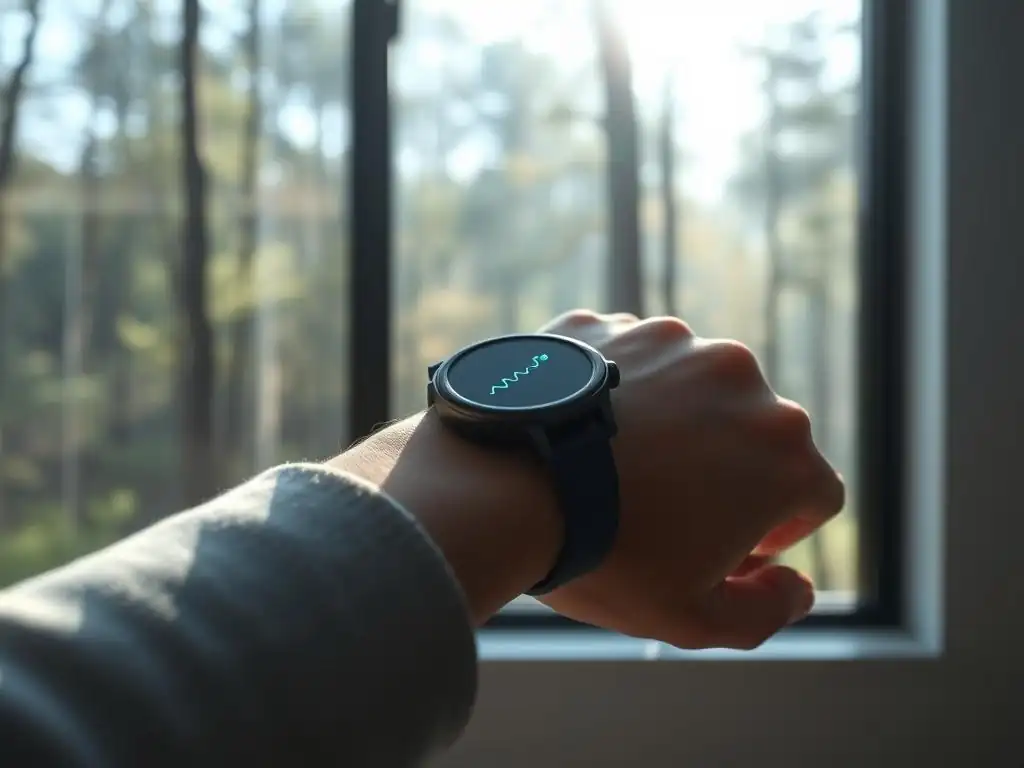
Combining Wearable Data with Journaling and Self-Reflection
While wearable tech provides objective physiological data, combining it with subjective journaling and self-reflection creates a more complete picture of your stress experience. When your wearable indicates a period of high stress or low HRV, take a moment to note what you were doing, thinking, or feeling at that exact time. What was the situation? Who were you with? What thoughts were running through your mind?
Over time, cross-referencing your wearable data with your journal entries can reveal powerful correlations between external events, internal states, and your body's physiological response. This practice helps you move beyond just seeing a number or a graph to truly understanding your personal stress triggers and patterns. This deeper insight is crucial for developing effective wearable tech stress management tips tailored specifically to you.
Your wearable device collects a wealth of data about your body's physiological state, including indicators related to stress. This information can be incredibly useful to your therapist, doctor, or other healthcare provider, particularly if you are seeking help for stress-related symptoms, anxiety, or sleep issues. Before sharing, check your device's app to see how data can be exported or viewed historically.
Discussing trends in your resting heart rate, HRV, sleep quality, or daily stress scores with your healthcare provider can provide them with objective data points that support your self-reported symptoms. For example, consistently low HRV might indicate chronic stress or poor recovery. This data can aid in diagnosis, help track the effectiveness of treatments (like therapy or lifestyle changes), and inform more personalized advice and wearable tech stress management tips from a professional perspective. Always discuss with your provider what data is relevant and how best to share it while maintaining your privacy.
Setting Realistic Goals and Tracking Progress
Using wearable tech for stress management is a journey, not a quick fix. It's important to set realistic goals for what you hope to achieve. Perhaps your initial goal is simply to become more aware of when you feel stressed by paying attention to device alerts or daily scores. Or maybe you aim to improve your overnight recovery by increasing your average HRV over a month.
Track your progress towards these goals using the historical data provided by your wearable's app. Did implementing a new evening routine improve your sleep score or HRV? Did taking short breaks when prompted by the device lead to fewer high-stress spikes during the workday? Celebrating small improvements can be motivating. Remember that stress fluctuates, and the data will show variations. Focus on long-term trends and use the insights to refine your wearable tech stress management tips and strategies over time.
Beyond Wearable Tech: Holistic Stress Management Strategies
The Importance of Mindfulness and Meditation
While wearable tech can track stress and prompt mindfulness, the practices themselves are powerful stress management tools independent of technology. Mindfulness involves paying attention to the present moment without judgment. Meditation is a structured practice often used to cultivate mindfulness or achieve a state of calm focus. Regular practice has been shown to reduce stress hormones, lower blood pressure, and alter brain structures associated with stress and anxiety.
Integrating mindfulness and meditation into your routine, even for just a few minutes a day, can significantly impact your ability to cope with stress. Whether guided by an app (potentially integrated with your wearable) or practiced independently, these techniques teach you to observe stress without being consumed by it, building resilience over time. They are fundamental elements of effective wearable tech stress management tips and overall well-being.
The Role of Exercise and Healthy Diet
Physical activity is a well-documented stress reliever. Exercise helps reduce stress hormones like cortisol and adrenaline and stimulates the production of endorphins, natural mood boosters. Regular aerobic exercise, strength training, or even gentle activities like yoga or walking can significantly improve your ability to manage stress. Your wearable can help track your activity levels and even measure the impact of exercise on your recovery metrics like HRV.
Similarly, a healthy diet plays a crucial role. Nutritious foods provide the body with the fuel it needs to function optimally and cope with stress. Avoiding excessive caffeine, sugar, and processed foods can prevent energy crashes and mood swings that can exacerbate stress. Staying hydrated is also essential. Combining data from your wearable tech stress management device (tracking activity, sleep, sometimes even hydration/nutrition inputs) with conscious choices about exercise and diet creates a powerful, holistic approach.
Building a Strong Support System
Humans are social beings, and strong social connections are vital for managing stress. Having a support system – friends, family, partners, or support groups – provides emotional comfort, practical help, and a sense of belonging. Talking about your stressors with someone you trust can help lighten the burden and gain new perspectives.
Engaging in social activities, spending time with loved ones, and seeking support when needed are fundamental stress management strategies that complement any technological tools. While your wearable can monitor your physiological state, it cannot replace the human connection and emotional support that are essential for resilience and mental well-being. Effective wearable tech stress management tips should always be viewed as part of a broader strategy that includes healthy relationships and seeking help when needed.
Conclusion: Empowering Your Mental Well-being with Wearable Tech
Understanding and managing stress is a critical component of overall mental well-being. Wearable technology offers a powerful set of tools to help you decode your body's unique stress signals. By providing objective data on metrics like Heart Rate Variability, electrodermal activity, and sleep patterns, devices like the Fitbit Sense 2, Garmin Vivosmart 5, and Apple Watch Series 9 empower you with insights into how your body responds to daily challenges and periods of rest.
While no wearable is a magic bullet, the ability to continuously monitor physiological indicators and receive real-time feedback can significantly enhance your self-awareness. Integrating this data with journaling, mindfulness practices, exercise, healthy eating, and seeking support creates a holistic approach to stress management. By leveraging wearable tech stress management tips and the data they provide, you can gain greater control over your stress response, build resilience, and take proactive steps towards a healthier, more balanced life. These devices serve as valuable partners on your journey to better mental well-being.
Frequently Asked Questions
How can wearable tech help me understand my stress levels?
Wearable tech devices often track physiological indicators like heart rate variability and sleep patterns. Analyzing these metrics can provide insights into your body's response to stress and identify potential triggers.
What types of wearable tech are most effective for stress management?
Devices that monitor heart rate variability (HRV), sleep quality, and activity levels are generally considered effective. Look for devices with biofeedback features or integrations with stress management apps.
What are some practical ways to use wearable tech for stress management?
Use the data to identify stressful periods and implement relaxation techniques. Schedule breaks when your heart rate increases, or prioritize sleep after periods of high-stress readings.
Is the data from wearable tech always accurate and reliable for stress management?
While helpful, wearable tech data shouldn't be considered a definitive diagnosis. It's best used as a tool for self-awareness and in conjunction with professional guidance.
Where can I find more resources and support for managing stress and mental well-being?
Mind Care Guide offers a comprehensive guide with information, support, and resources for various mental health challenges. Consider seeking advice from a qualified mental health professional for personalized strategies.
Final Reflection: The Wearable Revolution in Stress Management
The ability to monitor and manage stress is no longer a luxury; it's a necessity in our fast-paced, hyper-connected world. The insights provided by wearable technology are transforming how we understand and address our individual stress responses, paving the way for a more proactive and personalized approach to well-being. This isn't just about tracking data; it's about empowering individuals to take control of their mental and physical health.
The impact of wearable tech on stress management extends far beyond the individual level. It's fostering a cultural shift, moving away from a stigma surrounding mental health towards a more open and accepting dialogue. We are witnessing a growing awareness of the interconnectedness between physical and mental well-being, fueled by the readily available data these devices provide. The greatest wealth is health,
a proverb often repeated, now finds a new resonance in the quantifiable data offered by wearable technology, allowing us to better understand and protect this invaluable asset.
Consider the information presented in this article. Think about your own stress levels and how you currently manage them. What steps can you take today to incorporate some of the strategies discussed, utilizing the power of wearable technology or even simpler self-monitoring techniques? Start small, be consistent, and remember that prioritizing your well-being is not selfish; it's essential for a fulfilling and productive life. Your journey to a healthier, less stressed you begins now.
Unleash Your Inner Calm: Take Control of Your Stress
Thanks for diving deep into the world of stress management with us! You’ve now armed yourself with valuable insights into how wearable tech can help you understand and address your body's stress responses. Ready to put this knowledge into action?
- Prioritize your well-being: Start tracking your stress levels using a wearable device – even a few days of data can reveal surprising patterns.
- Share your insights: Discuss your findings with a friend, family member, or even your doctor. Opening up about your stress levels can be surprisingly empowering!
- Explore mindfulness practices: Complement your tech insights with techniques like meditation or deep breathing exercises. These can amplify the positive effects of understanding your stress patterns.
What small step will you take today to better understand and manage your stress levels?