
Bleeding, Purging, and Baths: Physical Treatments for Medieval Mental Ailments

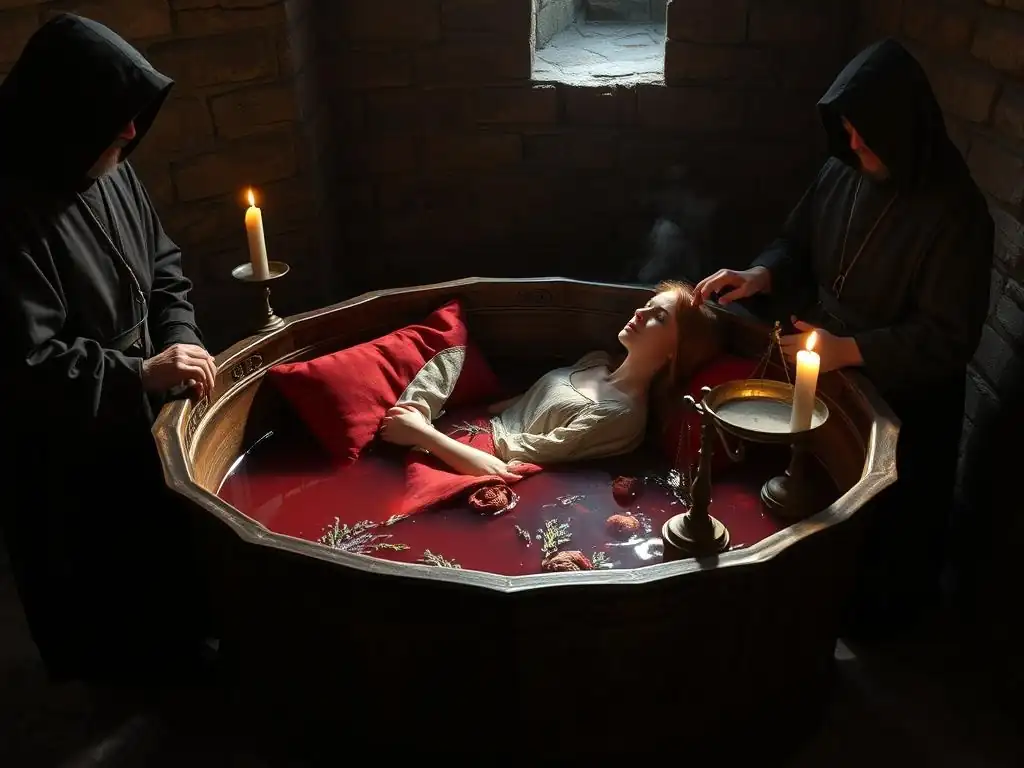
Welcome to Mind Care Guide, a space dedicated to understanding and nurturing your mental well-being. Ever wondered how our ancestors grappled with the complexities of the mind? Delve into the fascinating and often unsettling history of mental health as we explore Medieval purging mental health treatments in our latest article. Prepare to be surprised, perhaps even shocked, by the lengths to which people went in search of mental clarity... and what we can learn from their struggles.
Bleeding, Purging, and Baths: Physical Treatments for Medieval Mental Ailments
- Introduction: Understanding Medieval Approaches to Mental Well-being
- Medieval Purging Mental Health Treatments: Cleansing the Body and Mind
- Bloodletting for Mental Disorders: A Detailed Look
- Therapeutic Baths in Medieval Mental Healthcare
- The Use of Herbal Remedies in Medieval Mental Health Practices
- Comparing and Contrasting Medieval Physical Treatments
- Criticisms and Limitations of Medieval Mental Health Treatments
- The Legacy of Medieval Practices in Modern Mental Healthcare
- Conclusion: Reflecting on Medieval Approaches to Mental Well-being
-
Frequently Asked Questions
- What were some common physical treatments for mental health in the Medieval period?
- Why did medieval physicians believe bleeding and purging could help with mental illness?
- Were there different types of baths used in medieval mental health treatments?
- How effective were these medieval treatments for mental health conditions?
- Where can I learn more about modern mental health treatments that are safer and more effective?
- Final Reflection: The Lingering Shadow of Medieval Mental Health Practices
- Unveil the Medieval Mind: Explore Ancient Healing Practices
Introduction: Understanding Medieval Approaches to Mental Well-being
The Medieval Mind: A Holistic View of Mental and Physical Health
In the medieval period, the understanding of health, including mental well-being, was deeply rooted in a holistic view that saw the body and mind as intrinsically connected. Influenced heavily by the medical theories of ancient Greek physicians like Hippocrates and Galen, medieval practitioners believed that health was a state of balance among the body's four humors: blood, phlegm, yellow bile, and black bile.
Each humor was associated with specific qualities (hot/cold, wet/dry) and linked to particular organs and temperaments. Mental states, therefore, were not seen as isolated phenomena but as direct reflections of the body's internal physical harmony or, more often, its imbalance.
This humoral theory dictated that physical treatments were the primary means to address mental ailments. If a person suffered from melancholy (associated with excess black bile), mania (excess yellow bile), or other forms of mental disturbance, the medieval physician's first impulse was to restore humoral equilibrium through physical interventions.
Diet, exercise, environmental factors, and, crucially, physical treatments like bleeding, purging, and therapeutic baths were all part of a comprehensive approach aimed at correcting the underlying bodily imbalance believed to be causing the mental distress. The goal was to treat the whole person, acknowledging the complex interplay between their physical state, emotional disposition, and even spiritual condition.
Medieval Understanding of Mental Ailments: Beyond Supernatural Explanations
While medieval society certainly acknowledged the possibility of supernatural influences on the mind, such as demonic possession or divine punishment, medieval physicians operating within the learned medical tradition primarily sought natural, physical explanations for mental ailments. Conditions we might now recognize as depression, bipolar disorder, or psychosis were categorized and understood through the lens of humoral pathology. Melancholy, for instance, was often attributed to an excess or corruption of black bile, leading to symptoms like sadness, fear, and sluggishness. Mania was linked to an excess of yellow bile or overheated blood, manifesting as agitation, sleeplessness, and irrational behavior.
This focus on humoral imbalances meant that mental illness was viewed as a disease of the body, treatable through physical means. Medical texts from the era, such as those by Constantinus Africanus or the widely influential Articella, detailed diagnostic methods based on observing physical symptoms, pulse, urine, and complexion to determine which humor was in excess or deficient. Treatment regimens were then prescribed to correct these imbalances. While spiritual care might be sought alongside medical treatment, the physician's role was distinctly focused on the physical body and its humors as the key to restoring mental function.
Medieval Purging Mental Health Treatments: Cleansing the Body and Mind
The Theory Behind Medieval Purging Practices for Mental Illness
At the heart of medieval purging mental health treatments was the belief that mental ailments stemmed from a buildup of noxious or excessive humors within the body. According to humoral theory, these corrupted humors could congest organs, obstruct vital pathways, or simply overwhelm the system, leading to physical illness and, importantly, mental disturbance. Purging, in its various forms, was designed to expel these problematic substances from the body, thereby cleansing the system and restoring the desired humoral balance.
The rationale was straightforward: if melancholy was caused by excess black bile, inducing a bowel movement believed to expel this bile would alleviate the symptoms. If mania was due to overheated blood or yellow bile, bleeding or vomiting could remove the excess.
This approach was not unique to mental health but was a cornerstone of medieval medicine for a wide range of physical ailments. However, for mental conditions, the purging was specifically targeted based on the physician's diagnosis of the underlying humoral cause, aiming to literally cleanse the body of the material thought to be clouding the mind or driving irrational behavior.
Common Purging Methods Used in the Middle Ages
Medieval practitioners employed several methods for purging the body, each designed to encourage the expulsion of humors through different routes. These included the use of emetics to induce vomiting, purgatives to stimulate bowel movements, and bloodletting to remove blood. The choice of method and the specific substances used were guided by the physician's assessment of the patient's humoral state and the nature of their mental ailment.
These medieval purging mental health treatments were often aggressive, reflecting the urgency felt in addressing severe mental distress and the limited understanding of gentle physiological interventions. While some methods might seem harsh by modern standards, they were considered standard, rational medical practice aimed at providing relief by removing the perceived cause of suffering. Patients undergoing these treatments would expect significant physical reactions as part of the healing process.
Emetics and Purgatives: Inducing Vomiting and Bowel Movements
Emetics were substances given to induce vomiting, believed to expel excess phlegm or yellow bile from the upper body. Common emetics included potent herbs like white hellebore ( Veratrum album) or black hellebore ( Helleborus niger), often prepared as a decoction or powder. These substances were known for their strong and often violent effects, causing significant vomiting. They might be used for conditions like phrenitis (inflammation of the brain, often associated with fever and delirium) or certain forms of mania.
Purgatives, or laxatives, were used to stimulate the bowels and were thought to expel black bile or other humors through defecation. Herbs like senna ( Senna alexandrina), rhubarb ( Rheum officinale), and scammony ( Convolvulus scammonia) were frequently used. These could be administered as pills, powders, or mixed into food or drink. For melancholy, specifically linked to black bile, strong purgatives were a standard treatment. The goal was a thorough evacuation, sometimes lasting for hours, to rid the body of the offending humor.
Bloodletting: A Widely Practiced Medieval Treatment
Bloodletting, or phlebotomy, was perhaps the most ubiquitous medical procedure in the Middle Ages, applied for an astonishing array of conditions, including mental disorders. It was considered a form of purging, specifically aimed at reducing excess blood (sanguine humor) or draining corrupted blood thought to be causing illness. The belief was that removing blood could cool an overheated system (beneficial for mania) or relieve congestion.
This practice was so common that it was performed not just by physicians but also by surgeons and barbers. It was integrated into seasonal health regimens for preventative purposes as well as being a therapeutic intervention for acute or chronic ailments. For mental health, bloodletting was particularly favored for agitated states, where excess blood was thought to contribute to feverishness and irrationality, but it could also be used paradoxically for melancholy if the cause was believed to be thick, stagnant blood.
Bloodletting for Mental Disorders: A Detailed Look
The Rationale Behind Bloodletting in Medieval Medicine
The core rationale for bloodletting in medieval medicine, including its application to mental disorders, was rooted in the concept of plethora – an excess of blood. An individual deemed plethoric was believed to be prone to illness because their system was overloaded. For mental conditions, plethora could manifest as excessive heat, agitation, or pressure on the brain. Removing a quantity of blood was intended to reduce this internal pressure, cool the body, and restore balance.
Furthermore, medieval physicians believed that specific veins were connected to particular organs or parts of the body. Drawing blood from a vein near the head, for example, might be prescribed for headaches or conditions affecting the mind. For mania, bleeding from veins in the arms or legs was common, intended to draw blood away from the head. For melancholy, if attributed to thick blood, bleeding might be attempted to make the remaining blood thinner and more fluid, though this was less common than purging with laxatives for this specific humor.
Different Bloodletting Techniques: Venesection and Cupping
The most common method of bloodletting was venesection, which involved making an incision in a vein, typically in the arm (such as the median cubital vein), but also in the neck, legs, or even under the tongue depending on the perceived ailment. Instruments used included lancets or fleams. The amount of blood to be removed was often estimated based on the patient's age, strength, and the severity of the condition, though precise measurements were lacking. A typical bleeding might involve removing perhaps a pint or two of blood, though amounts varied widely.
Another technique was cupping. Dry cupping involved placing heated cups (often made of glass, horn, or metal) on the skin. As the air inside cooled, it created suction, pulling the skin and underlying tissues upwards. This was believed to draw humors to the surface. Wet cupping combined this suction with scarification – making small cuts or pricks on the skin before applying the cup – to draw blood. Cupping was considered less drastic than venesection and might be used for localized issues or as a gentler form of purging.
Risks and Complications Associated with Bloodletting
Despite its widespread use, bloodletting carried significant risks, especially considering the lack of understanding of sterile practices and blood volume. Infection was a constant threat, as instruments were not sterilized in the modern sense. Wounds could easily become infected, leading to sepsis and death. Excessive bleeding was also a major danger, particularly for weakened or elderly patients; removing too much blood could lead to severe weakness, shock, or fatality. Historical accounts occasionally mention patients dying shortly after extensive bloodletting.
Other complications included fainting during the procedure, scarring at the site of the incision, and accidental damage to nearby nerves, arteries, or tendons, leading to pain, numbness, or loss of function. While medieval physicians were skilled within their framework, the fundamental lack of knowledge regarding germ theory and the body's circulatory system meant that a common treatment could easily become a source of further harm, sometimes exacerbating the patient's already fragile state.
Therapeutic Baths in Medieval Mental Healthcare
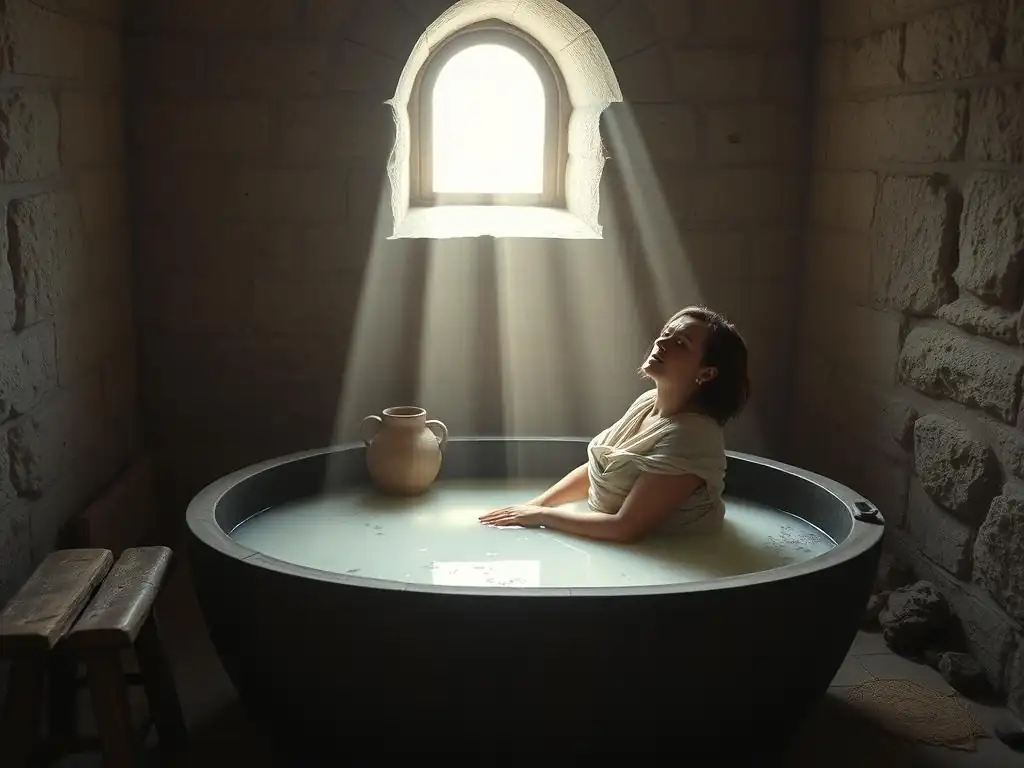
The Role of Baths in Restoring Humoral Balance
Therapeutic baths represented a gentler, less invasive approach to restoring humoral balance compared to the aggressive methods of bleeding and purging. Baths were believed to work by influencing the body's temperature and moisture levels, two key qualities associated with the humors. Warm baths, for example, were thought to warm and moisten the body, opening the pores and encouraging the expulsion of excess humors through sweat. They could also soothe agitation and relax muscles.
Conversely, cooler baths might be used to cool an overheated system, potentially beneficial for manic states associated with excess heat and yellow bile. The temperature and duration of the bath, as well as any additives, were carefully considered parts of the therapeutic regimen. Baths were seen not just as cleansing the external body but as influencing the internal humoral state, helping the body naturally rebalance itself without the violent expulsion associated with emetics or bloodletting.
Types of Baths Used: Herbal Infusions and Mineral Waters
Medieval therapeutic baths often incorporated various additives to enhance their perceived healing properties. Herbal infusions were common; specific herbs were chosen based on their known or believed effects. For instance, herbs with sedative properties, such as poppy or mandrake leaves, might be added to warm baths to calm agitated patients or promote sleep for those suffering from insomnia linked to mental distress. Herbs considered 'warming' or 'drying' could be used in other contexts.
Mineral waters from natural springs were also highly valued for their therapeutic qualities. Different springs were known for their unique mineral compositions (e.g., sulfur, iron) and were visited for specific ailments. Taking the waters, either by drinking or bathing, was a recognized medical practice. Baths in sulfur springs, for example, were sometimes recommended for various skin conditions but also potentially for their perceived purifying effects that could extend to humoral imbalances affecting the mind.
The Ritual and Environment of Medieval Therapeutic Baths
Taking a therapeutic bath in the Middle Ages was often more than just a quick dip; it could be part of a more elaborate ritualistic process. Baths were frequently prescribed alongside dietary changes, rest, and other lifestyle modifications. The environment in which the bath was taken could also be considered important. While simple home baths existed, public or private bathhouses, sometimes associated with monasteries or hospitals, offered more controlled and potentially soothing environments.
These facilities might provide warm water, attendants, and a quiet atmosphere conducive to relaxation. The act of bathing itself, especially when combined with massage or the application of oils, could be seen as both physically and mentally cleansing. While less dramatic than purging or bleeding, the therapeutic bath offered a gentler, more comforting approach that aimed to restore equilibrium through relaxation, cleansing, and the absorption of beneficial properties from water and additives.
The Use of Herbal Remedies in Medieval Mental Health Practices
Specific Herbs Used for Purging and Cleansing
Herbal remedies were fundamental to medieval medicine, serving a dual purpose in mental health practices: as potent agents for purging and cleansing the body of perceived noxious humors, and as gentler treatments aimed at alleviating symptoms or strengthening the mind. As discussed, herbs like hellebore (both black and white varieties) were primary emetics, used to induce vomiting and expel phlegm or yellow bile associated with mania or phrenitis. The dosage was critical but often imprecise, making these treatments potentially dangerous.
Purgative herbs like senna, rhubarb, scammony, and colocynth ( Citrullus colocynthis) were widely used to stimulate bowel movements, primarily targeting excess black bile believed to cause melancholy. These herbs were often combined or mixed with other substances to make them more palatable or to modify their effects. For example, a physician might prescribe a decoction of rhubarb and senna taken over several days to ensure a thorough cleansing of the digestive tract, aiming to literally purge the humors causing the mental distress.
Other Herb-Based Treatments for Mental Ailments
Beyond purging, a vast array of other herbs were employed in medieval mental health practices for their perceived effects on the nervous system and mood. Herbs known for their sedative or narcotic properties were used to calm agitated patients, relieve anxiety, and promote sleep. Poppy ( Papaver somniferum), lettuce ( Lactuca sativa), and mandrake ( Mandragora officinarum) fall into this category. Mandrake, in particular, was used for its potent sedative effects, sometimes dangerously so, to manage severe mania or sleeplessness.
Other herbs were thought to strengthen the brain or improve cognitive function. Rosemary ( Rosmarinus officinalis) was believed to improve memory and clarity of thought. Borage ( Borago officinalis) was associated with lifting the spirits and was sometimes used for melancholy. These non-purging herbal treatments aimed to soothe, strengthen, or rebalance the body's internal state in less drastic ways than bleeding or aggressive purging, often forming part of a broader therapeutic plan that included diet and rest.
Comparing and Contrasting Medieval Physical Treatments
Bleeding vs. Purging: Which Treatment Was Preferred?
Both bleeding and purging were mainstays of medieval purging mental health treatments and medicine in general, but the preference often depended on the specific humoral imbalance diagnosed and the individual patient's constitution. Bleeding was frequently the go-to treatment for conditions associated with plethora or excess heat and blood, such as acute mania or phrenitis. It was seen as a rapid way to reduce pressure and cool the system.
Purging with emetics or laxatives, on the other hand, was more specifically targeted at expelling other humors, particularly black bile for melancholy or phlegm from the head. While both methods aimed at expulsion, bleeding removed blood directly from the circulatory system, whereas purging focused on the digestive tract and bodily orifices. A physician might use both methods sequentially or in combination, depending on the complexity of the perceived imbalance and the patient's reaction to the initial treatment. Neither method was inherently preferred universally; their application was dictated by the diagnostic framework of humoral theory.
The Effectiveness of Baths Compared to Other Methods
Compared to the often dramatic and physically taxing processes of bleeding and purging, therapeutic baths were a gentler intervention. They were less likely to cause immediate, severe side effects like excessive weakness or violent vomiting. Their effectiveness was likely more subtle, potentially offering relief through relaxation, improved hygiene, and the placebo effect, rather than a direct removal of humors.
While baths were considered beneficial for restoring balance, they were probably not viewed as powerful enough on their own to treat severe humoral excesses thought to cause acute mental illness. They were more likely used as a supportive treatment, a way to soothe agitated patients, promote sleep, or maintain overall health and balance. In essence, baths aimed at gradual restoration and comfort, whereas bleeding and purging were aggressive interventions designed for rapid expulsion of perceived harmful substances.
Criticisms and Limitations of Medieval Mental Health Treatments
The Lack of Scientific Understanding
A primary limitation of medieval purging mental health treatments, and medieval medicine broadly, was the fundamental lack of scientific understanding regarding anatomy, physiology, pathology, and germ theory. Treatments were based on theoretical frameworks like humoral theory, which, while internally consistent, did not accurately reflect the body's true workings. Physicians could observe symptoms but could not see or understand the underlying biological or neurological processes causing mental illness.
This meant treatments were often based on educated guesswork within a flawed model. The concept of humors accumulating and needing expulsion led to practices like bloodletting and aggressive purging, which could weaken an already ill patient. Without knowledge of microorganisms, procedures like venesection were performed without sterilization, leading to infections that were often fatal. The lack of precise dosage understanding for herbal purgatives also meant patients were at risk of poisoning or severe dehydration.
Ethical Considerations of Bleeding and Purging
From a modern perspective, the ethical considerations surrounding medieval purging mental health treatments are significant. These treatments were often invasive, painful, and potentially dangerous. Patients, particularly those suffering from severe mental disturbances, may not have been able to give informed consent in any meaningful way. The power dynamic between the physician (or barber-surgeon) and the patient was absolute, and treatments could be applied forcefully.
While medieval practitioners likely believed they were acting in the patient's best interest based on their medical knowledge, the treatments could inflict considerable suffering and even hasten death rather than providing a cure. The lack of alternatives meant that patients had little recourse but to submit to these procedures. This highlights the vast difference in medical ethics and patient autonomy between the medieval period and contemporary healthcare practices.
The Legacy of Medieval Practices in Modern Mental Healthcare
Lessons Learned from Historical Approaches
Studying medieval purging mental health treatments offers valuable lessons, primarily highlighting the importance of evidence-based practice and scientific understanding in medicine. The history of these treatments serves as a stark reminder of the dangers of interventions based on flawed theoretical models, no matter how rational they seem within their own context. It underscores the necessity of rigorous research, clinical trials, and a deep understanding of the body's actual mechanisms before applying treatments.
While specific medieval practices like routine bloodletting for mental illness have been rightly abandoned, the historical context reminds us that medical understanding is constantly evolving. It teaches humility and the need for continuous questioning and research. Furthermore, the medieval emphasis on the body-mind connection, though understood through the lens of humors, resonates distantly with modern holistic approaches that consider the interplay of physical health, psychological factors, and lifestyle in mental well-being.
The Evolution of Mental Health Treatment
The evolution of mental health treatment from medieval purging mental health treatments to modern practices represents a paradigm shift of immense proportions. Instead of targeting hypothetical humors with aggressive physical expulsions, modern treatments are based on a growing understanding of neurobiology, genetics, psychology, and social factors. We have moved towards targeted pharmacotherapies that affect neurotransmitters, evidence-based psychotherapies like CBT and DBT, and advanced techniques like neurostimulation.
Modern care emphasizes personalized treatment plans, patient autonomy, and a multidisciplinary approach involving psychiatrists, psychologists, social workers, and other professionals. While challenges remain, the trajectory is one of increasing scientific rigor, efficacy, and a commitment to more humane and less invasive interventions. The journey from bleeding and purging to talk therapy and targeted medication reflects centuries of learning, discovery, and a fundamental shift in how we perceive and address the complexities of the human mind.
Conclusion: Reflecting on Medieval Approaches to Mental Well-being
Acknowledging the Historical Context
Examining medieval purging mental health treatments requires acknowledging the historical context in which they existed. Practices like bleeding, purging with potent herbs, and therapeutic baths were not acts of cruelty but were considered rational, standard medical interventions based on the prevailing scientific understanding of the time – humoral theory. Physicians genuinely believed they were restoring balance and removing the physical cause of mental suffering.
These methods represented the best available tools and knowledge in an era without germ theory, neuroscience, or sophisticated pharmacology. While they often caused significant discomfort and carried serious risks, they were the primary means by which medieval practitioners attempted to alleviate the distress of mental illness. Understanding this context is crucial to appreciating the efforts made in the past, even as we recognize the severe limitations and dangers of these approaches from a modern perspective.
The Importance of Understanding the Past
Studying the history of mental health treatment, including medieval purging mental health treatments, is vital for several reasons. It provides perspective on the long and often difficult journey towards more effective and humane care. It highlights the progress made through scientific discovery and challenges us to continue seeking better ways to understand and treat mental illness.
Ultimately, the history of medieval approaches reminds us of the enduring human need to address mental suffering and the continuous effort across centuries to find ways to heal the mind. By understanding where we came from, we can better appreciate the present and continue to strive for a future where mental healthcare is accessible, effective, and grounded in compassion and sound scientific principles.
Frequently Asked Questions
What were some common physical treatments for mental health in the Medieval period?
Medieval physical treatments often involved practices like bleeding, purging (induced vomiting or diarrhea), and the use of baths with varying temperatures and ingredients. These were believed to rebalance the body's humors.
Why did medieval physicians believe bleeding and purging could help with mental illness?
The prevailing theory was the imbalance of humors (blood, phlegm, yellow bile, and black bile). Bleeding and purging were thought to remove excess humors, thus restoring mental equilibrium.
Were there different types of baths used in medieval mental health treatments?
Yes, baths were used with varying temperatures and additives. Some were hot baths to relax and induce sweating, while others were cold baths to shock the system. Herbs and other ingredients were often added to influence the humors.
How effective were these medieval treatments for mental health conditions?
The effectiveness is highly questionable by modern standards. While some might have provided temporary relief through placebo effect or relaxation, many were ineffective and potentially harmful.
Where can I learn more about modern mental health treatments that are safer and more effective?
Mind Care Guide offers a comprehensive guide to mental well-being, including information on evidence-based therapies, support resources, and strategies for managing various mental health challenges, a stark contrast to medieval practices.
Final Reflection: The Lingering Shadow of Medieval Mental Health Practices
The brutal physical treatments once considered cures for mental illness serve as a stark reminder of how far we've come in understanding the complexities of the human mind, yet also how easily misconceptions can persist. The methods detailed in this article – bleeding, purging, and therapeutic bathing – highlight a profound disconnect between the perceived causes of mental distress and the actual biological and psychological realities. While these practices seem barbaric by modern standards, understanding their historical context allows us to appreciate the evolution of mental healthcare and the ongoing struggle to provide effective and humane treatment.
The enduring legacy of these practices is not merely historical; it underscores the ongoing need for critical examination of mental health approaches. The stigma surrounding mental illness, even today, echoes the fear and misunderstanding that fueled these extreme methods. The history of madness is not simply a history of illness, but a history of how societies have responded to those deemed mad.
This quote perfectly encapsulates the importance of understanding the societal factors that shape our perceptions of mental health and illness, past and present. The persistence of harmful misconceptions, even in a world with advanced medical knowledge, demands continued vigilance and education.
Consider the implications of this historical perspective on your own understanding of mental health. What biases or assumptions might you hold that could hinder effective treatment or understanding? Take a moment to reflect on the progress made in mental healthcare and the ongoing challenges we face. Let the stark contrast between medieval practices and modern approaches inspire you to advocate for compassionate and evidence-based care for all those struggling with mental illness. By learning from the past, we can build a future where mental health is understood, respected, and effectively treated.
Unveil the Medieval Mind: Explore Ancient Healing Practices
Thanks for delving into the fascinating world of medieval mental health treatments! You've gained valuable insight into the physical approaches used to address mental illness centuries ago. Now, let's build on that knowledge:
- Dive deeper: Research a specific medieval treatment mentioned in the article and explore its historical context further. Consider searching for primary source material – you might be surprised by what you find!
- Share your thoughts: What surprised you most about these historical practices? Did anything resonate with modern approaches? Leave a comment below and share your insights with others.
- Spark a discussion: Compare and contrast the medieval approach to mental health with modern techniques. What parallels or differences do you observe?
What other historical medical practices would you like to learn about?