
Finding Hope and Strength When Building Resilience After Trauma

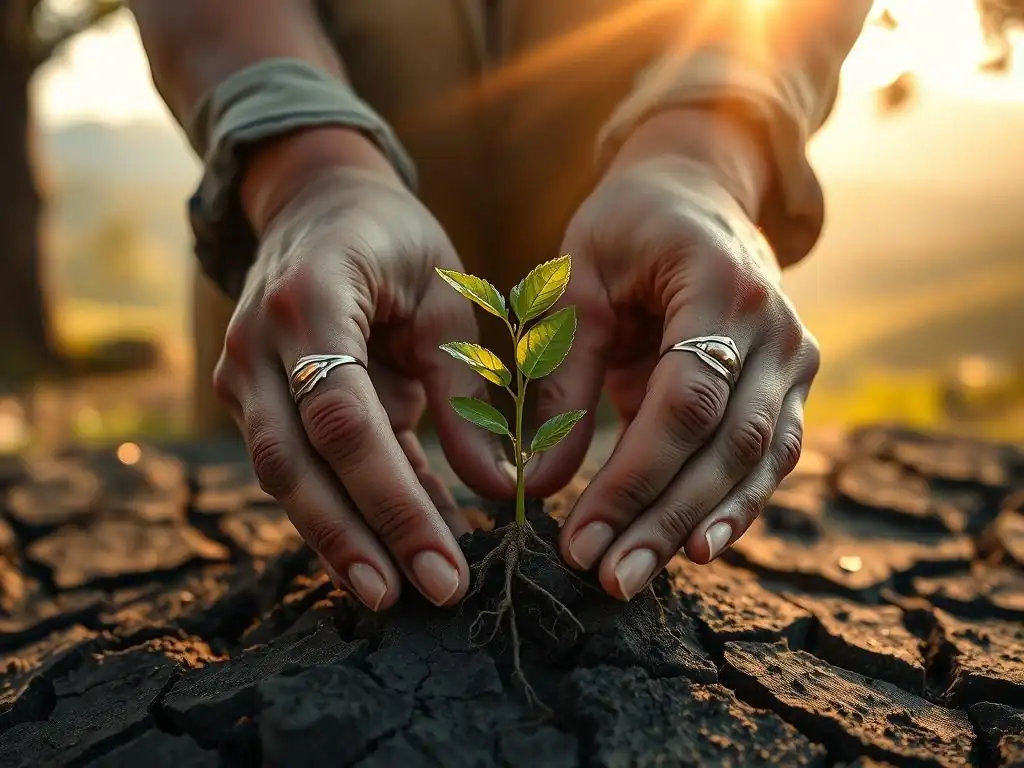
Welcome to Mind Care Guide, a safe space dedicated to your mental well-being.
Feeling overwhelmed after experiencing trauma? You're not alone. This article dives into how trauma resilience building strategies help you navigate the path towards healing and recovery. Discover practical tools and insightful perspectives that empower you to reclaim your strength and build a more resilient future. Eager to learn how? Let's begin.
Finding Hope and Strength: Building Resilience After Trauma
- Understanding Trauma and Its Impact on Mental Well-being
- The Importance of Resilience in Trauma Recovery
- Trauma Resilience Building Strategies: A Practical Guide
- Finding Hope and Meaning After Trauma
- Resources for Trauma Resilience and Mental Health Support
- Conclusion: Embracing Resilience and Moving Forward After Trauma
-
Frequently Asked Questions
- How can I start building resilience after experiencing trauma?
- What are some practical strategies for managing traumatic memories?
- How long does it typically take to build trauma resilience?
- What role does social support play in building resilience?
- Are there any specific resources Mind Care Guide offers for trauma survivors?
- Final Reflection: Cultivating Resilience: A Journey of Hope and Strength
- Unlock Your Resilience: Take the Next Step
Understanding Trauma and Its Impact on Mental Well-being
Defining Trauma: Beyond Common Misconceptions
Trauma is often misunderstood, frequently associated only with battlefield experiences or major disasters. However, trauma encompasses any experience that overwhelms an individual's capacity to cope, leaving them feeling helpless, threatened, or unsafe. This can include single events like accidents or assaults, but also prolonged experiences such as chronic neglect, abuse, or living in an unstable environment. The defining factor is not the event itself, but its impact on the individual's psychological and emotional state, often disrupting their sense of safety and control.
It's crucial to recognize that trauma is a deeply personal experience. What is traumatic for one person may not be for another. Common misconceptions include believing that one "should be over it" by now or that only physical harm constitutes trauma. Psychological and emotional trauma, stemming from events like betrayal, loss, or humiliation, can be just as debilitating. Understanding this broader definition is the first step in acknowledging the need for effective trauma resilience building strategies help individuals navigate these profound challenges.
The Psychological Effects of Trauma: A Deep Dive
The psychological aftermath of trauma can be complex and far-reaching. It frequently disrupts the nervous system, leading to states of hyperarousal (feeling constantly on edge, easily startled) or hypoarousal (feeling numb, disconnected). Memories related to the trauma may be fragmented or intrusive, leading to flashbacks, nightmares, or intense distress when exposed to reminders. These effects can significantly impair daily functioning, relationships, and overall quality of life.
Beyond the more commonly known symptoms like those associated with PTSD, trauma can also manifest as chronic anxiety, depression, difficulty regulating emotions, challenges with trust and intimacy, and a pervasive sense of shame or guilt. Research indicates that individuals with a history of trauma have a higher likelihood of developing various mental health conditions.
For instance, studies suggest that approximately 60% of men and 50% of women will experience at least one trauma in their lifetime, and a significant percentage of these individuals will develop trauma-related symptoms, highlighting the widespread need for understanding and implementing trauma resilience building strategies help foster recovery.
Recognizing the Signs and Symptoms of Post-Traumatic Stress
Post-Traumatic Stress Disorder (PTSD) is a specific set of symptoms that can develop after experiencing trauma. While not everyone who experiences trauma develops PTSD, recognizing its signs is vital for seeking appropriate support.
These symptoms typically fall into four main clusters: intrusion (re-experiencing the trauma through flashbacks, nightmares, or intrusive thoughts), avoidance (staying away from places, people, or activities that are reminders of the trauma, or avoiding thoughts/feelings about it), negative alterations in cognition and mood (difficulty remembering aspects of the trauma, negative beliefs about oneself or the world, persistent negative emotions, diminished interest in activities, feeling detached), and alterations in arousal and reactivity (irritability, angry outbursts, reckless behavior, hypervigilance, exaggerated startle response, difficulty concentrating or sleeping).
These symptoms usually persist for more than a month and cause significant distress or impairment in social, occupational, or other important areas of functioning. For example, someone might avoid driving after a car accident, struggle to concentrate at work due to intrusive thoughts, or experience intense anxiety in crowded places that resemble the trauma setting. Recognizing these patterns is a critical step towards acknowledging the impact of trauma and exploring how trauma resilience building strategies help mitigate these effects and support healing.
The Importance of Resilience in Trauma Recovery
What is Resilience? Bouncing Back After Adversity
Resilience is often described as the capacity to recover quickly from difficulties; toughness. However, it's more than just "bouncing back." Resilience involves adapting well in the face of adversity, trauma, tragedy, threats, or significant sources of stress. It's not about avoiding pain or distress, but about navigating through it, learning, and growing from the experience. Resilience isn't an innate trait that some people have and others don't; it's a process and a set of skills that can be learned and developed over time, particularly important for building trauma resilience.
Think of resilience not as being impervious to damage, but like a tree bending in the wind rather than breaking. It involves a combination of internal factors (like self-efficacy, optimism, emotional regulation skills) and external factors (like supportive relationships, resources, and community). Developing resilience after trauma doesn't erase the past, but it strengthens your ability to cope with its effects and build a meaningful future. Effective trauma resilience building strategies help cultivate these internal and external resources.
Why Trauma Resilience Building Strategies Help: Key Benefits
Implementing trauma resilience building strategies helps individuals in numerous ways throughout their recovery journey. Firstly, they empower survivors by shifting the focus from being a victim of circumstances to being an active agent in their healing. This sense of agency is crucial for regaining control lost during the traumatic experience. These strategies provide practical tools to manage overwhelming emotions, intrusive thoughts, and physical symptoms associated with trauma, such as anxiety and hypervigilance.
Furthermore, building trauma resilience strategies helps improve overall mental and emotional well-being. By fostering healthy coping mechanisms, strengthening support networks, and cultivating self-compassion, individuals can reduce the severity and frequency of trauma-related symptoms. This leads to improved daily functioning, better relationships, and a greater capacity to experience joy and meaning in life. For instance, consistent practice of mindfulness techniques, a core resilience strategy, has been shown in studies to reduce activity in the amygdala, the brain's fear center, thereby decreasing reactivity to triggers.
The Role of Resilience in Healing from Psychological Trauma
Resilience plays a fundamental role in the complex process of healing from psychological trauma. It provides the internal scaffolding necessary to confront difficult memories and emotions in a safe and manageable way, often within a therapeutic context. Without a degree of resilience, facing the pain of the past can feel overwhelming and potentially re-traumatizing. By building resilience, individuals develop the capacity to tolerate distress and process traumatic experiences rather than being consumed by them.
Moreover, resilience is key to integrating the trauma into one's life narrative in a way that allows for post-traumatic growth. It helps individuals find meaning in their experiences, recognize their own strength, and develop a greater appreciation for life. It allows survivors to move from a state of merely surviving to actively thriving, building a future defined not by the trauma itself, but by their capacity to overcome and grow. This is the ultimate goal of trauma resilience building strategies help facilitate this profound transformation.
Trauma Resilience Building Strategies: A Practical Guide

1. Cultivating Self-Awareness and Emotional Regulation
Identifying Your Triggers and Emotional Responses
Understanding what triggers your trauma responses is a foundational step in building resilience. Triggers can be anything from a sound, smell, place, person, or even a specific feeling or thought that reminds you, consciously or unconsciously, of the traumatic event. For example, someone who experienced a car accident might be triggered by the smell of gasoline, the sound of screeching tires, or feeling trapped in traffic.
- [ ] Make a list of potential triggers you've identified.
- [ ] Note the specific emotional and physical responses you have to each trigger (e.g., panic, anger, dissociation, heart racing, muscle tension).
- [ ] Pay attention throughout the day to what situations or sensations precede difficult emotional states.
Identifying triggers allows you to anticipate and prepare for potential challenges. Once you recognize a trigger, you can use learned coping mechanisms to manage the response rather than being overwhelmed by it. This process of conscious identification and understanding is a key component of effective trauma resilience building strategies help you regain a sense of control over your reactions.
Practicing Mindfulness and Grounding Techniques for Trauma
Mindfulness involves paying attention to the present moment without judgment. For trauma survivors, this can be challenging initially, as the present moment may feel unsafe or bring up difficult sensations. However, practiced gently, mindfulness helps anchor you to the here and now, reducing the pull of intrusive thoughts about the past or anxieties about the future. Grounding techniques are specific mindfulness practices designed to bring you back to your body and the present environment when you feel overwhelmed or dissociated.
Examples of grounding techniques include:
- 5-4-3-2-1 method: Identify 5 things you can see, 4 things you can touch, 3 things you can hear, 2 things you can smell, and 1 thing you can taste.
- Deep breathing: Focus on the sensation of your breath entering and leaving your body.
- Body scan: Gently bring awareness to different parts of your body.
Regular practice of these techniques can help regulate the nervous system, reduce hyperarousal, and increase your capacity to tolerate difficult emotions. Integrating mindfulness and grounding into your routine is one of the most powerful trauma resilience building strategies help you stay present and manage distress.
Journaling for Emotional Processing and Self-Discovery
Journaling provides a safe, private space to explore your thoughts, feelings, and experiences related to trauma. Writing can help you externalize difficult emotions, process fragmented memories, and gain perspective on your healing journey. There's no right or wrong way to journal; you can free-write about whatever comes to mind, use prompts related to your trauma or feelings, or focus on gratitude and positive experiences to balance the difficult content.
Consider writing about:
- Your feelings in the moment.
- Memories related to the trauma (if you feel ready and safe to do so, perhaps with guidance from a therapist).
- Your progress in using coping strategies.
- Thoughts about your triggers and responses.
- Hopes and goals for the future.
Journaling can illuminate patterns in your thinking and behavior, increase self-awareness, and serve as a tangible record of your resilience and growth over time. This practice is a valuable tool among trauma resilience building strategies help you make sense of your experiences and connect with your inner world.
2. Building a Strong Support System
The Power of Connection: Finding Supportive Relationships
Trauma often leads to feelings of isolation and difficulty trusting others. However, human connection is a vital component of healing and building resilience. Nurturing relationships with people who are empathetic, trustworthy, and validating provides a sense of safety and belonging. These relationships can offer emotional support, practical help, and a reminder that you are not alone in your struggles.
Focus on connecting with individuals who:
- Listen without judgment.
- Respect your pace of recovery.
- Offer practical help when needed.
- Encourage healthy coping mechanisms.
- Celebrate your progress.
It's important to note that quality often matters more than quantity when it comes to support. Even one or two strong, supportive relationships can make a significant difference in your ability to cope and heal. Actively seeking and nurturing these connections is a key part of trauma resilience building strategies help anchor you during challenging times.
Joining Support Groups for Trauma Survivors
Support groups offer a unique form of connection: shared experience. Being in a group with other trauma survivors can reduce feelings of isolation and shame, validate your experiences, and provide a sense of community. Hearing others share their stories and coping strategies can be incredibly empowering and offer new perspectives on your own journey.
Support groups can be:
- In-person or online.
- General trauma support or specific to certain types of trauma (e.g., sexual assault, combat veterans, domestic violence).
- Led by peers or facilitated by a mental health professional.
While support groups are not a substitute for individual therapy, they offer complementary benefits. They provide a safe space to practice vulnerability, build social skills that may have been impacted by trauma, and reinforce the understanding that healing is possible. Participating in such groups is one of the most effective trauma resilience building strategies help foster a sense of belonging and mutual aid.
Seeking Professional Help: Therapy and Counseling Options
For many trauma survivors, professional help is essential for healing. Therapists specializing in trauma can provide evidence-based treatments specifically designed to process traumatic memories and build coping skills. Therapies like Trauma-Focused Cognitive Behavioral Therapy (TF-CBT), Eye Movement Desensitization and Reprocessing (EMDR), and Somatic Experiencing (SE) have demonstrated significant effectiveness in reducing PTSD symptoms and helping individuals build resilience.
A therapist can help you:
- Develop a safety plan.
- Learn effective coping mechanisms.
- Process traumatic memories in a safe environment.
- Challenge negative beliefs formed after trauma.
- Build self-compassion and self-efficacy.
Choosing the right therapist is a personal decision, and it's okay to meet with a few before finding someone you feel comfortable with. Professional guidance is a cornerstone of trauma resilience building strategies help navigate the complexities of recovery and lay the groundwork for long-term well-being.
3. Developing Coping Mechanisms for Stress and Anxiety
Relaxation Techniques for Trauma: Deep Breathing and Meditation
Trauma often leaves the nervous system in a state of chronic activation, leading to persistent stress and anxiety. Relaxation techniques are crucial for calming the nervous system and bringing the body out of "fight, flight, or freeze" mode. Simple practices like deep diaphragmatic breathing can immediately lower heart rate and blood pressure, signaling to the brain that you are safe.
Other effective relaxation techniques include:
- Progressive Muscle Relaxation: Tensing and releasing different muscle groups in the body.
- Guided Imagery: Using visualizations to create a sense of calm and peace.
- Body Scan Meditation: Bringing non-judgmental awareness to physical sensations.
Incorporating these practices regularly, even for just a few minutes each day, can significantly reduce baseline stress levels and improve your ability to manage acute anxiety when it arises. Mastering these techniques is a practical application of trauma resilience building strategies help regulate your physiological response to stress.
Engaging in Physical Activity for Stress Reduction
Physical activity is a powerful antidote to stress and anxiety, particularly for trauma survivors. Exercise helps release endorphins, which have mood-boosting effects. It can also help discharge pent-up energy and tension stored in the body as a result of trauma. Engaging in physical activity can also provide a sense of empowerment and control over your body, which can be especially healing if the trauma involved physical harm or violation.
Activities can range from gentle to vigorous:
- Walking or hiking in nature.
- Yoga or Tai Chi (often specifically recommended for trauma due to their focus on body awareness and gentle movement).
- Running or swimming.
- Dancing or martial arts.
Finding an activity you enjoy and can stick with is key. Aim for consistency, even if it's just short bursts of movement. Physical activity is a tangible way that trauma resilience building strategies help improve both physical and mental health.
Creative Outlets: Art, Music, and Writing as Coping Tools
Creative expression offers a non-verbal way to process emotions and experiences that may be difficult to articulate. Engaging in activities like painting, drawing, sculpting, playing a musical instrument, singing, or creative writing (poetry, fiction) can help externalize feelings, provide a sense of flow and distraction from distressing thoughts, and offer a means of self-soothing.
Benefits of creative outlets include:
- Emotional release.
- Improved mood.
- Increased self-expression.
- Enhanced self-discovery.
- A sense of accomplishment.
You don't need to be an artist or musician to benefit; the process is more important than the product. Allowing yourself the freedom to create without judgment is a powerful act of self-care and a valuable addition to trauma resilience building strategies help foster emotional healing.
4. Fostering Self-Compassion and Acceptance
Challenging Negative Self-Talk After Trauma
Trauma often leaves survivors with deeply ingrained negative beliefs about themselves (e.g., "I am unlovable," "It was my fault," "I am broken"). These beliefs manifest as harsh self-criticism and negative self-talk, which can severely hinder healing. Challenging these thoughts involves recognizing them, questioning their validity, and replacing them with more realistic and compassionate perspectives.
Steps to challenge negative self-talk:
- Identify the negative thought (e.g., "I'm weak because I can't just get over this").
- Ask yourself: Is this thought 100% true? What evidence supports it? What evidence contradicts it?
- Reframe the thought: Replace it with a more balanced or compassionate statement (e.g., "I am a survivor, and healing takes time and effort. Feeling overwhelmed sometimes is a normal part of the process").
This process requires conscious effort and practice, but it is fundamental to dismantling the internal barriers to recovery. Actively working to challenge negative self-talk is a core practice within trauma resilience building strategies help rebuild a positive self-image.
Practicing Self-Kindness and Forgiveness
Self-compassion involves treating yourself with the same kindness, understanding, and acceptance you would offer a friend who is suffering. It means acknowledging your pain without judgment and recognizing that imperfection and difficulty are part of the shared human experience. Forgiveness, in the context of self-compassion, often involves forgiving yourself for things you believe you did or didn't do during or after the trauma, or for not healing as quickly as you think you should.
Ways to practice self-kindness:
- Speak to yourself gently, especially when you're struggling.
- Allow yourself to rest when you're tired.
- Engage in activities that nourish you.
- Remind yourself that you are doing your best.
Self-compassion is not about self-pity or letting yourself off the hook; it's about creating a nurturing inner environment that supports healing. Cultivating self-kindness and forgiveness are essential trauma resilience building strategies help counter the shame and guilt that often accompany trauma.
Accepting Imperfection and Focusing on Progress
The journey of healing from trauma is rarely linear. There will be good days and bad days, steps forward and occasional setbacks. Striving for perfection in recovery is unrealistic and can lead to frustration and self-criticism. Acceptance involves acknowledging where you are in your journey, with all its challenges and imperfections, without wishing things were different.
Focusing on progress means recognizing and celebrating the small steps forward, rather than dwelling on how far you still have to go or comparing yourself to others. Did you manage to use a coping skill when triggered? Did you reach out to a friend? Did you get out of bed today when it felt impossible? These are victories worth acknowledging.
- [ ] At the end of each day or week, list 1-3 things you did that represent progress, no matter how small.
- [ ] Remind yourself that healing is a process, not a destination.
- [ ] Practice patience with yourself.
Embracing imperfection and celebrating progress are vital mindsets that effective trauma resilience building strategies help cultivate, fostering a sense of hope and momentum in recovery.
5. Establishing Healthy Boundaries and Self-Care Practices
Learning to Say No and Prioritize Your Needs
Trauma can sometimes make it difficult to assert your needs and boundaries. You might feel obligated to please others, fear conflict, or feel unworthy of having your needs met. However, setting healthy boundaries is crucial for protecting your energy, emotional well-being, and recovery space. Learning to say "no" to requests or commitments that feel overwhelming or detrimental to your healing is an act of self-preservation.
Setting boundaries involves:
- Identifying your limits (what you are and are not comfortable with).
- Communicating your limits clearly and respectfully.
- Enforcing your boundaries, even if it feels difficult.
- Prioritizing activities and relationships that support your well-being.
This is not selfish; it is necessary for maintaining your mental and emotional health, especially while navigating trauma recovery. Establishing clear boundaries is a fundamental element of trauma resilience building strategies help create a safe environment for healing.
Creating a Self-Care Routine: Nourishing Your Mind, Body, and Soul
Self-care is not a luxury; it is a necessity, particularly for trauma survivors whose resources have been depleted. A self-care routine involves intentionally scheduling time for activities that replenish your energy and nourish different aspects of your being – your mind, body, and soul. This routine should be personalized and flexible, adapting to your needs on any given day.
Examples of self-care activities:
- Mind: Reading, learning a new skill, doing puzzles, taking breaks from news/social media.
- Body: Healthy eating, getting enough sleep, exercise, taking baths, gentle stretching.
- Soul: Spending time in nature, practicing spirituality or meditation, engaging in hobbies, spending time with loved ones, volunteering.
Consistency is more important than intensity. Even short periods of dedicated self-care can make a significant difference. Integrating a consistent self-care routine is one of the most practical trauma resilience building strategies help sustain your energy and capacity for healing.
Setting Boundaries to Protect Your Emotional Well-being
Beyond saying "no," setting boundaries also involves protecting your emotional space from interactions or environments that are harmful or triggering. This might mean limiting contact with individuals who are not supportive, avoiding certain social situations, or stepping away from conversations that feel unsafe or invalidating.
Protecting your emotional boundaries could involve:
- Deciding what topics you are willing to discuss with certain people.
- Limiting exposure to media that triggers trauma responses.
- Giving yourself permission to leave a situation that feels overwhelming.
- Noticing when you feel drained or unsafe in an interaction and taking steps to disengage or protect yourself.
Your emotional well-being is precious, and you have the right to protect it. Learning to identify and enforce these personal boundaries is a crucial step in reclaiming agency and is a vital part of trauma resilience building strategies help maintain emotional stability during recovery.
Finding Hope and Meaning After Trauma

Reclaiming Your Narrative: Creating a New Story of Resilience
Trauma can feel like an identity-defining event, trapping survivors in a narrative of victimhood. Reclaiming your narrative involves recognizing that while the trauma is a part of your history, it does not define your entire being or your future. It's about integrating the experience into a larger life story that includes your strengths, your capacity for healing, and your growth.
This process often involves:
- Acknowledging the reality and impact of the trauma.
- Identifying your survival instincts and strengths during and after the trauma.
- Recognizing lessons learned or changes that have occurred (even difficult ones).
- Focusing on your resilience and capacity to overcome.
- Envisioning a future beyond the trauma.
Working with a therapist can be particularly helpful in exploring and reshaping your narrative. By consciously focusing on your resilience, you shift from a story of being broken to a story of being a survivor and thriver. This act of redefining your story is a powerful outcome of utilizing trauma resilience building strategies help empower your recovery.
Setting Goals and Pursuing Meaningful Activities
Trauma can strip away a sense of purpose and future. Setting new goals and engaging in meaningful activities is a powerful way to reinvest in life and create a future worth living. Goals don't have to be monumental; they can be small, achievable steps that align with your values and interests.
Consider setting goals related to:
- Hobbies you enjoy or want to explore.
- Learning new skills.
- Connecting with others.
- Contributing to your community.
- Improving your health and well-being.
Engaging in activities that bring you joy, purpose, and a sense of accomplishment helps counteract the negative impacts of trauma and rebuild a sense of identity separate from the traumatic experience. Actively pursuing meaning is a forward-looking component of trauma resilience building strategies help you build a fulfilling life post-trauma.
Celebrating Small Victories and Progress
As mentioned earlier, healing is a journey with ups and downs. It is essential to acknowledge and celebrate your progress, no matter how small it seems. Focusing only on the challenges or the distance left to go can be discouraging. Celebrating victories reinforces positive behaviors, boosts morale, and provides tangible evidence of your strength and resilience.
Victories could include:
- Successfully using a coping skill during a difficult moment.
- Attending a therapy session or support group meeting.
- Setting a boundary.
- Engaging in self-care.
- Handling a triggering situation with more ease than before.
- Simply getting through a challenging day.
Take a moment to pause, acknowledge your effort, and celebrate these steps forward. This positive reinforcement is a vital aspect of maintaining motivation and recognizing the effectiveness of your trauma resilience building strategies help you see how far you've come.
Resources for Trauma Resilience and Mental Health Support
Online Resources and Support Groups
The digital age offers numerous avenues for finding information and connection. Reputable websites from mental health organizations often provide articles, guides, and self-assessment tools related to trauma and recovery. Many organizations also host online support groups or forums where survivors can connect anonymously or with pseudonyms.
Examples of valuable online resources might include websites dedicated to specific types of trauma (e.g., national centers for PTSD) or general mental health organizations that offer educational materials and directories of services. While these resources can be incredibly helpful, it's important to ensure they are credible and to remember that online support is not a substitute for professional therapy if you need it. Exploring these resources is a proactive step in finding trauma resilience building strategies help broaden your support network and knowledge base.
Mental Health Professionals and Therapists Specializing in Trauma
Finding a qualified mental health professional is one of the most impactful steps you can take in your recovery. Therapists with specialized training in trauma-informed care understand the unique needs of survivors and utilize evidence-based approaches. Look for practitioners who list trauma, PTSD, or specific trauma therapies (like EMDR, TF-CBT, Somatic Experiencing) in their areas of expertise.
You can find therapists through:
- Referrals from your doctor.
- Online directories of mental health professionals.
- Contacting local mental health organizations or clinics.
- Checking with your insurance provider for in-network specialists.
Don't hesitate to ask potential therapists about their experience and approach to working with trauma. Finding a good fit is crucial for a successful therapeutic relationship, which is a cornerstone for implementing effective trauma resilience building strategies help process and heal from past experiences.
Books and Articles on Trauma Recovery and Resilience
Reading books and articles written by experts, researchers, and other survivors can provide valuable insights, validation, and practical tools for healing. Many excellent resources delve into the neuroscience of trauma, explain common symptoms, and offer guidance on specific coping strategies. Hearing the perspectives of others who have walked a similar path can also be incredibly inspiring and reduce feelings of isolation.
Look for books that:
- Are written by reputable mental health professionals or researchers in the field of trauma.
- Offer practical, actionable strategies.
- Resonate with your personal experience (or offer a new perspective you are open to exploring).
- Are recommended by therapists or trusted organizations.
Reading is a form of self-education and empowerment, equipping you with knowledge and different perspectives on your healing journey. These resources complement professional help and personal practice, offering further depth to your understanding and application of trauma resilience building strategies help navigate the path towards recovery.
Conclusion: Embracing Resilience and Moving Forward After Trauma
The Journey of Healing is a Marathon, Not a Sprint
Healing from trauma is a process that takes time, patience, and persistent effort. There is no quick fix, and expecting immediate or linear recovery can lead to frustration. It's crucial to approach your healing journey with the understanding that it is a marathon, with periods of progress and periods where things might feel challenging. Be kind to yourself on difficult days and acknowledge that setbacks are a normal part of the process, not a sign of failure.
Focus on building sustainable habits and finding support systems that can sustain you over the long haul. Celebrate milestones along the way, but also be prepared for moments when old feelings or symptoms resurface. These moments don't negate your progress; they are opportunities to practice the skills you are building and reinforce your resilience. Recognizing the long-term nature of recovery is key to applying trauma resilience building strategies help maintain momentum and hope.
One of the most isolating aspects of trauma is the feeling that no one understands what you've been through. However, trauma, in its various forms, is a widespread human experience. Connecting with other survivors, whether in support groups, online forums, or through shared stories, can be incredibly validating and empowering. Hearing about others' struggles and triumphs can provide hope and practical insights.
Remember that millions of people worldwide are on their own healing journeys from trauma. While your specific experience is unique, the emotions, challenges, and capacity for resilience are shared. Finding strength in this shared humanity and connecting with others who understand is a powerful antidote to shame and isolation. Leaning into this community is a vital component of trauma resilience building strategies help foster connection and mutual support.
Building Trauma Resilience Strategies Help You Thrive
Ultimately, the goal of building resilience after trauma is not just to survive, but to thrive. It's about reclaiming your life, finding meaning and joy, and building a future defined by your strength and capacity for growth, not by the trauma itself. The trauma resilience building strategies help outlined in this guide – cultivating self-awareness, building support, developing coping skills, fostering self-compassion, and setting boundaries – are tools that empower you on this path.
Embracing resilience is an active choice and an ongoing practice. It involves courage, vulnerability, and a commitment to your own well-being. By consistently applying these strategies, you are not erasing the past, but building a stronger, more capable self who can navigate life's challenges with greater confidence and hope. Trauma resilience building strategies help pave the way for a life of meaning, connection, and thriving after adversity.
Frequently Asked Questions
How can I start building resilience after experiencing trauma?
Begin by focusing on self-care and establishing a support system. Connecting with others and prioritizing your physical and emotional health are crucial first steps.
What are some practical strategies for managing traumatic memories?
Techniques like mindfulness, grounding exercises, and therapy can help. It's important to process memories at your own pace and seek professional guidance if needed.
How long does it typically take to build trauma resilience?
There's no set timeline; it's a highly individual journey. Factors like the severity of the trauma and access to support influence the healing process.
Strong social connections provide a sense of belonging and security. Sharing experiences with trusted individuals can reduce feelings of isolation and promote healing.
Are there any specific resources Mind Care Guide offers for trauma survivors?
Yes, we offer articles, guided meditations, and a directory of mental health professionals. Our website aims to provide comprehensive support for those navigating trauma recovery.
Final Reflection: Cultivating Resilience: A Journey of Hope and Strength
The ability to build resilience after trauma is not merely a desirable trait; it's a fundamental necessity for navigating the complexities of life. The strategies explored in this article—from self-compassion and mindfulness to seeking support and setting healthy boundaries—are not just theoretical concepts; they are practical tools readily available to anyone facing the aftermath of adversity. Understanding and implementing these strategies can significantly impact one's ability to heal, grow, and thrive.
The journey toward resilience is deeply personal, a testament to the human spirit's incredible capacity for adaptation and growth. Witnessing the strength and courage displayed by individuals who have overcome trauma is profoundly inspiring. The oak sleeps in the acorn; the bird waits in the egg; and in the highest vision of the soul a waking angel stirs. Dreams are the seedlings of realities.
This quote beautifully captures the potential for growth and transformation that lies within each of us, even in the face of unimaginable hardship. The ongoing conversation surrounding trauma and resilience is crucial for fostering understanding, empathy, and ultimately, a more supportive and compassionate world.
Now, consider your own life. What steps can you take today to nurture your own resilience? Perhaps it's setting aside time for self-care, reaching out to a trusted friend or professional, or simply acknowledging the strength you already possess. Remember, building resilience is a continuous process, a journey of self-discovery and empowerment. Embrace the challenges, learn from setbacks, and celebrate your progress along the way. You have the power within you to not only survive but to truly thrive.
Unlock Your Resilience: Take the Next Step
Thanks for taking the time to explore the path to resilience after trauma. We hope you found valuable insights and tools to begin your healing journey. Now, let's put that knowledge into action!
- Prioritize self-care today: Identify one small act of self-compassion you can do right now – a warm bath, a mindful breathing exercise, or simply a moment of quiet reflection.
- Share your story (if you feel comfortable doing so): Connecting with others who understand can be incredibly powerful. Consider joining a support group or confiding in a trusted friend or family member.
- Explore additional resources: Discover further support and information by exploring other articles on Mind Care Guide. There is more to learn.
What small step towards resilience will you take today, and how will you nurture your strength in the face of challenge?