
A Guided Journey: Exploring Body Scan Meditation Techniques

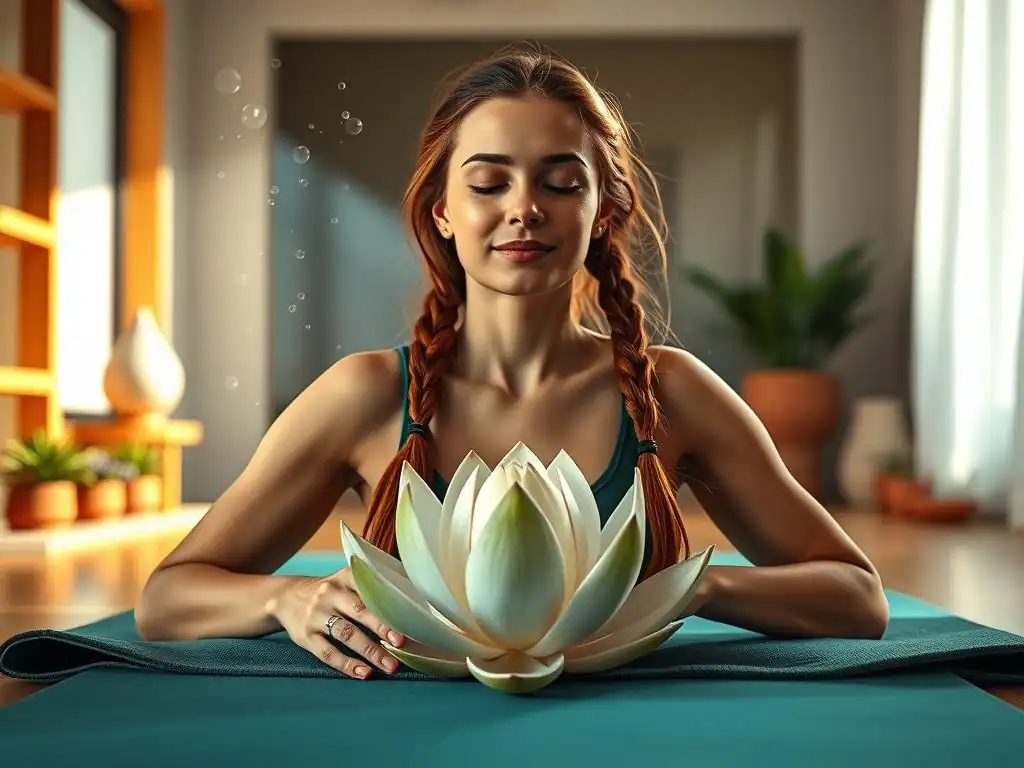
Welcome to Mind Care Guide, a sanctuary for your mental well-being.
Feeling overwhelmed by anxiety? You're not alone. We understand the weight it carries. This article delves into the transformative power of body scan meditation anxiety relief, offering a practical, guided journey to help you reconnect with your body and calm your mind. Are you ready to discover a simple, yet profound technique that can unlock inner peace? Let's begin...
Body Scan Meditation: Techniques for Anxiety & Stress Reduction
- Understanding Body Scan Meditation
- Preparing for Your Meditation Session
- Step-by-Step Guide
- Body Scan Techniques for Anxiety & Stress Relief
- Troubleshooting Common Challenges
- Integrating Meditation into Your Routine
- Advanced Practices
- Resources
- Body Scan Meditation: A Path to Inner Peace
-
Frequently Asked Questions
- What exactly is body scan meditation, and how does it relate to anxiety relief?
- How does body scan meditation specifically help with anxiety?
- How often should I practice body scan meditation to experience noticeable anxiety relief?
- Are there any potential downsides or risks associated with body scan meditation?
- Can body scan meditation be used in conjunction with other anxiety treatments, such as therapy or medication?
- Final Reflection: Finding Stillness Amidst the Storm
- Unlock Your Inner Calm: Start Your Body Scan Meditation Journey
Understanding Body Scan Meditation
What is Body Scan Meditation?
Body scan meditation is a mindfulness practice that involves systematically bringing your attention to different parts of your body, noticing physical sensations without judgment. It's a foundational technique often taught in mindfulness-based stress reduction (MBSR) programs. The core idea is to anchor awareness in the present moment through the felt experience of the body, shifting focus away from anxious thoughts or worries. This deliberate process helps cultivate a deeper connection with your physical self and can reveal areas of tension or discomfort that you might carry unconsciously throughout the day.
Unlike some meditation forms that focus solely on breath or chanting, the body scan encourages a detailed exploration of your entire physical form, from head to toe. This practice can be done lying down, seated, or even standing, making it adaptable to various situations.
By simply observing sensations – warmth, coolness, tingling, pressure, absence of sensation – you learn to accept your present physical state without needing to change it. This non-judgmental awareness is key to unlocking the potential of body scan meditation for anxiety relief, as it teaches you to observe difficult feelings or sensations without being overwhelmed by them.
The Science Behind Body Scan Meditation
Research into mindfulness practices, including body scan meditation, indicates tangible effects on brain function and physiology. Studies suggest that regular meditation can lead to changes in brain structure, such as increased gray matter density in areas associated with learning, memory, emotion regulation, and empathy, like the hippocampus and prefrontal cortex. Simultaneously, there may be a decrease in gray matter in the amygdala, the brain's fear center, which is often overactive in individuals experiencing anxiety. This suggests a potential neurological basis for how body scan meditation can help reduce anxiety symptoms.
Beyond structural changes, body scan meditation has been shown to influence the body's stress response system. Practicing this technique can help lower levels of stress hormones like cortisol. For instance, some studies have reported significant reductions in perceived stress and cortisol levels in participants after completing mindfulness programs that include body scan meditation. By calming the nervous system, the body scan helps shift the body out of the "fight or flight" response, which is often heightened in anxiety, into a more relaxed state. This physiological shift contributes directly to body scan meditation anxiety relief.
Benefits of Body Scan Meditation
The benefits of incorporating body scan meditation into your routine are wide-ranging, particularly for mental well-being. A primary advantage is its effectiveness in reducing stress and anxiety. By grounding you in the present moment and helping you become aware of physical tension, the practice provides a tool to interrupt the cycle of anxious thoughts and physical manifestations of stress. Many individuals report feeling calmer and more centered after a body scan session.
Furthermore, body scan meditation can significantly improve sleep quality. Often, racing thoughts and physical restlessness contribute to insomnia or poor sleep. By directing attention to physical sensations and promoting relaxation, the body scan can help quiet the mind and prepare the body for rest. It also enhances body awareness, allowing you to recognize early signs of tension or stress before they escalate. This heightened sensitivity can empower you to take proactive steps towards managing stress and can be a powerful component of body scan meditation anxiety relief strategies.
Preparing for Your Meditation Session
Creating a Comfortable Space
Finding a quiet and comfortable space is essential for a successful body scan meditation session. This doesn't require a dedicated meditation room; it simply means choosing a location where you are unlikely to be disturbed for the duration of your practice. Ensure the temperature is comfortable and that you have support for your body, especially if you plan to lie down. A yoga mat, a blanket, or a comfortable chair can be helpful. The goal is to minimize physical distractions so you can focus your attention inward.
Consider dimming the lights or using natural light to create a soothing atmosphere. While complete silence isn't necessary, try to choose a time and place where ambient noise is minimal. If noise is unavoidable, you can use earplugs or gentle, non-distracting background sounds if they aid your focus, though traditionally, the practice encourages simply noticing sounds as they arise without judgment. The physical environment plays a significant role in helping your mind and body settle, making it easier to engage fully in the practice and experience the benefits of body scan meditation for anxiety relief.
Setting Your Intention
Before beginning your body scan meditation, it can be helpful to set a simple intention for the practice. This isn't about having expectations or goals for how the meditation should feel, but rather a gentle reminder of why you are practicing. Your intention might be to cultivate awareness, to practice non-judgment, to simply be present with whatever arises, or specifically to find body scan meditation anxiety relief. Keeping this intention in mind can help guide your focus if your mind wanders.
Setting an intention helps frame the practice as a deliberate act of self-care and mindfulness. It serves as a compass, gently redirecting you back to the present moment if you become distracted. For example, if your intention is to practice non-judgment, when you notice your mind criticizing sensations or wandering, you can gently remind yourself of your intention and return to the practice with kindness. This simple step adds purpose to your session and can deepen the overall experience and its effectiveness.
Guided vs. Unguided Meditation
When starting out, many people find guided body scan meditations particularly helpful. A guide, whether a live instructor or a recording, provides prompts and instructions, directing your attention sequentially through different parts of the body. This structure can make it easier to stay focused and understand the flow of the practice, especially when learning the technique. Guided meditations are widely available through various platforms and can be an excellent starting point for beginners seeking body scan meditation anxiety relief.
As you become more familiar with the technique, you might choose to practice unguided meditation. In unguided practice, you rely on your own internal sense of the body and your memory of the scanning process to move through the different body parts. This allows for greater flexibility in pacing and can foster a deeper sense of self-reliance in your practice. Some individuals find that unguided sessions allow for a more personal and intuitive exploration of their physical sensations. Both guided and unguided approaches are valid and can be effective depending on your experience level and preference.
Step-by-Step Guide
Finding a Relaxed Position
Begin by finding a comfortable position where you can remain relatively still for the duration of the practice. Lying down on your back is a common and often recommended posture, perhaps on a yoga mat or comfortable surface. Allow your arms to rest gently by your sides, palms facing up or down, whichever feels most natural. Let your legs extend out, feet falling slightly outward. The goal is to feel supported and at ease, minimizing physical strain.
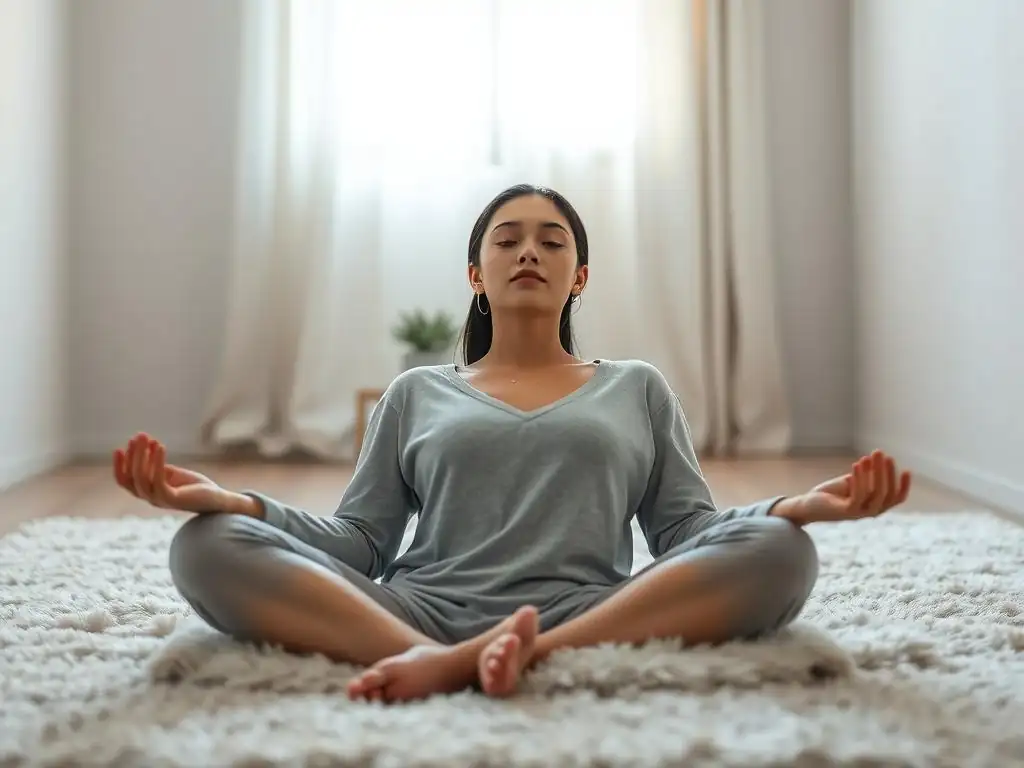
If lying down isn't comfortable or possible, you can practice seated in a chair or on a cushion on the floor. If seated, ensure your spine is relatively upright but not rigid. Your feet can be flat on the floor or legs crossed. Rest your hands comfortably in your lap or on your knees. In any position, gently close your eyes if that feels safe and comfortable, or soften your gaze. Take a moment to adjust your posture until you feel a sense of stability and ease.
Bringing Awareness to Your Breath
Once settled in your chosen position, gently bring your attention to your breath. There's no need to change your breathing in any way; simply notice the natural rhythm of the inhale and exhale. Feel the sensation of the breath entering and leaving your body. You might notice the breath at your nostrils, in your chest, or in your abdomen. Choose one point where the sensation of breathing is most prominent and rest your attention there for a few moments.
This initial focus on the breath serves as an anchor, helping to ground you in the present moment before beginning the systematic scan of the body. It allows you to transition from external distractions to internal awareness. If your mind wanders, which it likely will, simply notice the thought without judgment and gently guide your attention back to the sensation of the breath. This practice of returning is fundamental to mindfulness and strengthens your ability to focus, which is helpful for body scan meditation anxiety relief.
Systematically Scanning Your Body
Now, begin the systematic process of scanning your body, bringing your attention to one area at a time. Start at your feet, perhaps the toes of your left foot. Simply notice any sensations present in that area. Then, slowly move your awareness to the sole of the left foot, the heel, the ankle, and up the lower leg to the knee. Continue this process, moving up the left thigh to the hip. Then, shift your attention to the right foot and repeat the process, moving up the right leg to the hip.
After scanning the legs and hips, move your awareness to your torso. Bring attention to your lower back, abdomen, upper back, chest, and shoulders. Notice any sensations in these areas. Finally, move your attention to your arms, starting with your hands (fingers, palms, wrists) and moving up to the forearms, elbows, upper arms, and shoulders. Conclude by scanning your neck, throat, jaw, face, and the top of your head. Move slowly and deliberately, giving each area a moment of focused attention.
Acknowledging Sensations

As you scan each part of your body, the core practice is to simply acknowledge whatever sensations are present without trying to change them or judge them as good or bad. You might notice warmth, coolness, tingling, pressure, throbbing, itching, or perhaps no sensation at all. The practice is not about feeling specific things, but about developing the capacity to notice what is actually there in the present moment. If you encounter areas of discomfort or tension, simply observe these sensations with curiosity and kindness.
The key is non-reactivity. When you notice a sensation, acknowledge it – "Ah, there is pressure in my shoulder" – and then gently release your attention from it and move to the next body part. This process teaches you to observe physical discomfort or even emotional tension held in the body (which often manifests physically) without getting caught up in stories or judgments about it. This skill is particularly valuable for body scan meditation anxiety relief, as anxiety often involves intense physical sensations that can feel overwhelming. By practicing simply observing them, you learn they are temporary and manageable.
Expanding Awareness
Once you have systematically scanned your entire body from head to toe, take a moment to expand your awareness to include the body as a whole. Notice the sense of the body resting where it is, perhaps feeling the weight of your body supported by the surface beneath you. Become aware of the overall feeling of your physical form as a complete entity.
In this phase, you might also gently bring your attention back to your breath, noticing the gentle rise and fall of your chest or abdomen as the breath moves through the whole body. This expanded awareness allows you to integrate the individual sensations you noticed into a sense of the body as a unified whole. It can foster a feeling of presence and groundedness.
Returning to Your Day
As your body scan meditation session comes to a close, gently begin to bring your awareness back to the external environment. You can start by noticing the sounds around you. Wiggle your fingers and toes, and perhaps gently stretch your limbs if that feels good. Take a deeper breath or two.
When you feel ready, slowly open your eyes. Take a moment to notice how your body feels after the practice and carry this sense of awareness with you as you transition back into your daily activities. The goal is not just to feel relaxed during the meditation but to bring a greater sense of presence and awareness to your everyday life, using the skills learned during the body scan to help manage stress and support body scan meditation anxiety relief throughout the day.
Body Scan Techniques for Anxiety & Stress Relief
Focused Attention Body Scan
The standard body scan described above is a form of focused attention meditation. It involves deliberately directing and maintaining your attention on specific parts of the body in a sequential manner. This technique is excellent for training focus and developing present-moment awareness. For anxiety relief, this focused attention helps interrupt the cycle of worry that often pulls the mind into the past or future. By grounding attention firmly in the present physical experience, the intensity of anxious thoughts can diminish.
This technique is particularly effective when you feel overwhelmed by thoughts. The structured process of moving attention from one body part to the next provides a clear task for the mind, redirecting its energy away from anxious rumination. Practicing this regularly strengthens your ability to choose where to place your attention, a crucial skill for managing anxiety. Even a short, focused scan of a few minutes can provide significant body scan meditation anxiety relief by anchoring you in the immediate physical reality.
Progressive Muscle Relaxation Body Scan
Combining elements of progressive muscle relaxation (PMR) with the body scan can be a powerful approach for releasing physical tension often associated with anxiety. Instead of just noticing sensations, this technique involves intentionally tensing a group of muscles for a few seconds (perhaps 5-10 seconds) and then consciously releasing the tension, noticing the resulting feeling of relaxation. You move through the body systematically, just like in a traditional body scan, but add the tensing and releasing step for each muscle group.
For example, you might start with your feet: curl your toes tightly, hold, and then release, noticing the sensation of release. Then move to your calves, thighs, etc. This active process helps you become acutely aware of the difference between tension and relaxation, making it easier to identify and consciously release held tension in your body throughout the day. This combination technique can be particularly effective for body scan meditation anxiety relief when physical symptoms like muscle tightness are prominent.
Mindful Breathing Body Scan
Integrating a stronger focus on the breath throughout the body scan can deepen the practice and enhance its calming effects. Instead of just noticing the breath at the beginning, you might be encouraged to notice how the breath influences different parts of your body as you scan them. For instance, as you bring awareness to your abdomen, notice how it gently rises and falls with each breath. As you scan your chest, feel the expansion and contraction.
This technique combines the grounding power of breath awareness with the expansive awareness of the body scan. It emphasizes the connection between breath, body, and present moment. By continuously linking the breath to the physical sensations you are noticing, you reinforce the anchor of the present moment, making it even more effective for calming the nervous system and providing body scan meditation anxiety relief.
Body Scan for Sleep
Many people struggle with sleep due to anxiety and stress. A body scan specifically tailored for sleep can be a gentle way to prepare the mind and body for rest. This practice is often done while lying in bed just before sleep. The pace is typically slower and the tone more soothing. The intention is not necessarily to achieve a deep state of relaxation immediately, but rather to gently release the thoughts and tensions of the day and cultivate a state of calm awareness conducive to falling asleep.
When using the body scan for sleep, if you find yourself drifting off, that's perfectly fine – it means the practice is working. The focus is less on staying alert and completing the full scan and more on using the process as a soothing ritual to transition from wakefulness to sleep. This can be a very effective body scan meditation anxiety relief technique when anxiety is interfering with your ability to fall or stay asleep.
Troubleshooting Common Challenges
Dealing with Discomfort
It's not uncommon to encounter physical discomfort or even emotional distress during a body scan meditation, especially when first starting. You might become aware of aches, pains, or areas of significant tension you weren't previously conscious of. When discomfort arises, the practice is to approach it with curiosity and non-judgment rather than resistance or aversion. Can you simply notice the sensation without labeling it as "bad" or wishing it would go away?
Try breathing into the area of discomfort, not with the intention of making it disappear, but simply to bring gentle awareness and space to it. Imagine the breath flowing into and around the sensation. If the discomfort becomes too intense, it is always okay to gently shift your position or adjust your posture. Remember that mindfulness is about skillful engagement, not enduring pain. Acknowledging discomfort without getting lost in the story about it is a powerful aspect of body scan meditation anxiety relief.
Managing Wandering Thoughts
A frequently encountered challenge in meditation is the wandering mind. As you try to focus on your body, your mind will inevitably get caught up in thoughts about the past, future, to-do lists, or judgments about the practice itself. This is a perfectly normal part of the process; the mind is wired to think. The practice isn't about stopping thoughts, but about noticing when your mind has wandered and gently guiding your attention back to your body scan.
Each time you notice your mind has drifted and you gently bring it back to the sensation in your body, you are strengthening the 'muscle' of attention. Treat each instance of wandering as an opportunity to practice patience and self-compassion. There's no need to be frustrated. Simply acknowledge, "My mind is thinking," and with kindness, redirect your focus to the current area of the body scan. This consistent practice of returning is fundamental to developing focus and reducing the power of anxious rumination, contributing significantly to body scan meditation anxiety relief.
Overcoming Resistance
Sometimes, you might experience resistance to the practice itself. This could manifest as feeling bored, impatient, restless, or thinking that the body scan isn't working or isn't for you. Resistance is another form of mind wandering or judgment. When you notice resistance, try to apply the same principles of non-judgmental awareness. Can you simply acknowledge the feeling of resistance without getting caught up in it?
Explore the sensation of resistance in your body. Where do you feel it? What does it physically feel like? By bringing mindful awareness to the resistance itself, you can often lessen its grip. Remember your intention for practicing – perhaps body scan meditation anxiety relief – and gently recommit to the process, even if it feels challenging in that moment. Consistency, even when facing resistance, is key to integrating the practice and reaping its benefits.
Integrating Meditation into Your Routine
Short Exercises for Quick Relief
Even a few minutes of body scan meditation can offer quick relief from stress and anxiety. You don't need to dedicate 30 or 40 minutes each time. A short, focused scan of just 3-5 minutes can be done almost anywhere – at your desk, on a bus, or before a meeting. Simply take a moment to close your eyes (or soften your gaze) and quickly scan through your body, noticing the most prominent sensations from head to toe, or focusing on a specific area like your hands or feet to anchor yourself.
These short bursts of mindfulness can interrupt stress responses in real-time. For instance, if you feel a wave of anxiety before a presentation, a quick minute-long scan focusing on your feet on the ground can immediately bring you back to the present moment and ground your awareness. Practicing short body scans regularly throughout the day builds mindful habits and provides immediate body scan meditation anxiety relief whenever needed.
Longer Practices for Relaxation
While short exercises are great for quick relief, dedicating time for longer body scan sessions (20-45 minutes) allows for a deeper dive into the practice and can cultivate profound states of relaxation. Longer sessions provide ample time to move slowly and deliberately through each body part, noticing subtle sensations and fully allowing the body to settle. These extended practices are ideal for integrating into a morning or evening routine when you have more uninterrupted time.
Committing to longer sessions, perhaps a few times a week, can build a stronger foundation of mindfulness and resilience. They allow the nervous system to truly downregulate and can lead to more significant reductions in overall stress levels. Regular longer practices reinforce the skills needed for body scan meditation anxiety relief, making it easier to access states of calm even during challenging times.
Using Meditation for Stress Management
Body scan meditation is not just a technique for moments of crisis but a powerful tool for ongoing stress management. By regularly practicing, you increase your overall body awareness and sensitivity to the early signs of stress and anxiety in your physical form. This allows you to recognize tension building before it becomes overwhelming, giving you the opportunity to intervene with mindful techniques or other coping strategies.
Integrating body scan meditation into your lifestyle means using it preventatively, not just reactively. It helps you build a greater capacity to tolerate difficult sensations and emotions, reducing their power over you. Over time, consistent practice can fundamentally alter your relationship with stress and anxiety, offering a sustainable path towards greater peace and resilience through body scan meditation anxiety relief.
Advanced Practices
Meditation with Visualization
Once comfortable with the basic body scan, some practitioners explore combining it with gentle visualization. Instead of just noticing physical sensations, you might introduce imagery, such as imagining a warm light or soothing color moving through the body as you scan, dissolving tension as it goes. Or you might visualize the breath flowing into and around areas of discomfort.
This adds another layer to the practice, engaging the mind in a slightly different way. It can be particularly helpful for individuals who respond well to visual cues. However, it's important that the visualization supports the core intention of non-judgmental awareness, rather than becoming an attempt to force relaxation or chase specific feelings. Used mindfully, visualization can enhance the sense of ease and contribute to body scan meditation anxiety relief.
Meditation and Emotional Awareness
As you become more attuned to physical sensations through the body scan, you may start to notice the connection between physical feelings and emotions. Anxiety, for instance, often manifests as tightness in the chest, butterflies in the stomach, or tension in the shoulders. The body scan provides a safe space to notice where emotions are held in the body.
The advanced practice involves extending the non-judgmental awareness from physical sensations to emotional states. When you notice a physical sensation associated with an emotion, can you simply acknowledge the emotion without getting swept away by it? For example, if you feel tightness in your chest (sensation) and recognize it as fear (emotion), the practice is to simply note, "There is tightness, and there is fear," without adding layers of story or judgment. This capacity to observe emotions with presence is a significant step in using body scan meditation for anxiety relief and emotional regulation.
Deepening Your Connection
Consistent and dedicated body scan practice can lead to a profound deepening of your connection with yourself. You develop a greater sense of being 'at home' in your own body, which can be incredibly grounding, especially when feeling anxious or disconnected. This deepening connection involves not just noticing sensations but cultivating a sense of acceptance and kindness towards whatever arises in your physical and emotional experience.
Over time, the body scan becomes less of a technique and more of a way of being – a continuous thread of mindful awareness integrated into daily life. This deep connection fosters resilience, self-compassion, and a greater capacity to navigate life's challenges with presence and ease. It represents the full potential of body scan meditation anxiety relief as a path to inner peace and well-being.
Resources
Recommended Apps
- Various meditation apps offer guided body scan meditations ranging in length and style.
- Look for apps that allow you to choose session duration and potentially offer different voices or background sounds (though silence is also an option).
- Many apps provide introductory courses that walk you through the body scan step-by-step.
Books and Articles
- Numerous books on mindfulness and meditation include detailed instructions for practicing the body scan.
- Look for works by pioneers in mindfulness-based stress reduction (MBSR) or mindfulness-based cognitive therapy (MBCT).
- Academic articles and popular health websites often discuss the benefits of body scan meditation for anxiety relief, citing research findings.
[Link to other articles on Mindfulness]
Body Scan Meditation: A Path to Inner Peace
Frequently Asked Questions
What exactly is body scan meditation, and how does it relate to anxiety relief?
Body scan meditation is a mindfulness practice that involves systematically focusing your attention on different parts of your body. This technique can promote anxiety relief by bringing awareness to the present moment and reducing racing thoughts.
How does body scan meditation specifically help with anxiety?
It helps by shifting your focus from anxious thoughts to bodily sensations, breaking the cycle of worry. This increased awareness can also help you identify and manage the physical symptoms of anxiety.
How often should I practice body scan meditation to experience noticeable anxiety relief?
While individual results vary, practicing regularly, even for just 10-15 minutes a day, can lead to significant reductions in anxiety. Consistency is key for developing mindfulness skills.
Are there any potential downsides or risks associated with body scan meditation?
For some, initially focusing on bodily sensations might trigger uncomfortable feelings or emotions. Starting with shorter sessions and seeking guidance from a mental health professional is advisable if this occurs.
Can body scan meditation be used in conjunction with other anxiety treatments, such as therapy or medication?
Yes, body scan meditation is often used as a complementary therapy alongside other treatments. It can enhance the effectiveness of therapy and help individuals better manage their anxiety symptoms.
Final Reflection: Finding Stillness Amidst the Storm
The pervasive anxiety of modern life demands effective coping mechanisms, and the simple yet profound practice of body scan meditation offers a powerful antidote. Its ability to ground us in the present moment, to quiet the relentless chatter of the mind, and to cultivate a deeper awareness of our physical sensations is more relevant now than ever before. In a world obsessed with constant productivity and external validation, the inner peace cultivated through body scan meditation offers a much-needed refuge.
The journey of self-discovery through body scan meditation is not just a temporary fix; it's a transformative process that reshapes our relationship with our bodies and minds. It's a practice that gently encourages us to listen to the whispers of our internal landscape, often overlooked in the clamor of daily life. This mindful attention, this act of simply being present with our sensations, can unravel layers of tension and anxiety we may not even realize we're carrying. The body keeps the score,
as Bessel van der Kolk so eloquently puts it, and body scan meditation offers a pathway to understanding and healing the stories etched within our physical selves.
Now, consider how you might integrate this practice into your own life. Perhaps start with just five minutes a day, focusing on the breath and the subtle sensations in your body. Don't judge, don't strive for perfection; simply observe. Allow this practice to become a sanctuary, a space where you can reconnect with yourself, release tension, and cultivate a deeper sense of calm and self-awareness. The journey towards anxiety relief begins with a single, mindful breath. Embrace the stillness, and let it guide you.
Unlock Your Inner Calm: Start Your Body Scan Meditation Journey
Thanks for taking the time to explore the world of body scan meditation with Mind Care Guide! We hope you found valuable insights into this powerful relaxation technique. Now it's time to put your newfound knowledge into practice.
Here's how you can continue your journey:
- Begin your first body scan meditation today. Find a quiet space, get comfortable, and follow the steps outlined in the article. Even 5 minutes can make a difference!
- Share your experience. Let us know in the comments below how your first meditation went – what did you notice? What surprised you?
- Explore different guided meditations. Search online for variations on the body scan technique to find what resonates best with you. Experiment with different voices and styles.
Ready to experience the transformative power of regular body scan meditation? What small step will you take today to cultivate more mindfulness and calm in your life?