
Practical Mindfulness Strategies for Depression and Cooccurring Anxiety


Welcome to Mind Care Guide, a space dedicated to nurturing your mental well-being.
Feeling overwhelmed by the weight of depression and anxiety? You're not alone. Discover how mindfulness can be a powerful ally in navigating these challenges in our article, "Practical Mindfulness Strategies for Depression and Cooccurring Anxiety." Uncover simple yet effective techniques to reclaim your inner peace and build resilience. Curious to learn how to cultivate a calmer, more centered you? Let's begin.
Practical Mindfulness Strategies for Depression and Co-occurring Anxiety
- Understanding the Connection: Depression, Anxiety, and Mindfulness
- Core Mindfulness Practices for Alleviating Depression and Anxiety
- Practical Mindfulness Techniques for Daily Life
- Integrating Mindfulness into Your Daily Routine
- Mindfulness for Specific Symptoms of Depression and Anxiety
- Advanced Mindfulness Techniques for Deeper Healing
- Resources and Support for Mindfulness and Mental Health
- Mindfulness and Medication: A Complementary Approach
- The Long-Term Benefits of Mindfulness for Depression and Anxiety
-
Frequently Asked Questions
- What is mindfulness and how can it help with depression and anxiety?
- Are there specific mindfulness exercises recommended for managing depression and co-occurring anxiety?
- How often should I practice mindfulness to experience benefits for depression and anxiety?
- Can mindfulness replace traditional treatments like therapy or medication for depression and anxiety?
- Where can I find more resources and support for practicing mindfulness for depression and anxiety?
- Final Reflection: Cultivating Inner Peace in a Turbulent World
- Unleash Your Inner Calm: Practical Steps to Manage Anxiety and Depression
Understanding the Connection: Depression, Anxiety, and Mindfulness
The Interplay of Depression and Anxiety
Depression and anxiety disorders frequently occur together, creating a complex challenge for individuals. It's estimated that approximately 60% of people with depression also experience an anxiety disorder, and vice versa. This co-occurrence can exacerbate symptoms, making both conditions more severe and treatment more complicated. For instance, someone might experience the low energy and pervasive sadness characteristic of depression, while simultaneously battling the excessive worry, restlessness, and panic attacks associated with anxiety. This overlap means that treatments focusing on only one condition may not be fully effective in addressing the individual's overall distress.
The symptoms of depression and anxiety can feed into each other in a vicious cycle. Excessive worry about the future (anxiety) can lead to feelings of hopelessness and worthlessness (depression), while the fatigue and lack of motivation from depression can increase social isolation, triggering social anxiety. This intricate relationship highlights the need for comprehensive approaches that can address the shared underlying mechanisms or offer tools to manage the combined symptom load. Understanding this connection is the first step in finding effective coping strategies.
How Mindfulness Can Help Manage Co-occurring Disorders
Mindfulness offers a promising path for managing the intertwined challenges of depression and co-occurring anxiety. At its core, mindfulness is about paying attention to the present moment without judgment. This simple practice can be profoundly helpful because both depression and anxiety often pull us away from the present – depression dwelling on the past or future hopelessness, and anxiety fixating on future worries. By gently bringing awareness back to the here and now, mindfulness helps interrupt the cycle of rumination (common in depression) and catastrophic thinking (common in anxiety).
Practicing mindfulness for depression anxiety involves cultivating a non-reactive observation of thoughts, feelings, and bodily sensations. Instead of getting swept away by a wave of anxious worry or sinking into a pit of depressive despair, mindfulness teaches you to notice these states as temporary phenomena.
Research, including studies published in journals like JAMA Psychiatry, has shown that mindfulness-based interventions can significantly reduce symptoms in individuals with both conditions. For example, a study might find that participants engaging in a mindfulness program report a 30% reduction in anxiety scores and a 40% reduction in depressive symptoms over an 8-week period compared to control groups.
The Science Behind Mindfulness for Mental Health
The effectiveness of mindfulness for depression anxiety is supported by a growing body of scientific evidence exploring its impact on the brain and body. Neuroimaging studies using fMRI (functional magnetic resonance imaging) have demonstrated that regular mindfulness practice can lead to structural and functional changes in areas of the brain associated with emotion regulation, self-awareness, and stress response. For instance, studies often show increased gray matter density in the hippocampus (involved in memory and emotion) and areas of the prefrontal cortex (executive function and attention), while showing decreased activity in the amygdala (the brain's fear center).
Furthermore, mindfulness practice has been shown to impact the body's stress response system, particularly the hypothalamic-pituitary-adrenal (HPA) axis. Chronic stress, often associated with both depression and anxiety, can lead to elevated levels of cortisol, a stress hormone. Studies have indicated that individuals who regularly practice mindfulness tend to have lower cortisol levels and a more balanced HPA axis response.
This physiological buffering effect contributes to reduced feelings of stress and anxiety, and can help mitigate the physical symptoms often accompanying depression, such as fatigue and sleep disturbances. This scientific understanding reinforces why mindfulness for depression anxiety is becoming a widely recommended approach.
Core Mindfulness Practices for Alleviating Depression and Anxiety
Mindful Breathing Exercises for Anxiety Reduction
Mindful breathing is one of the most accessible and immediate mindfulness techniques, particularly effective for managing acute anxiety. When anxiety strikes, breathing often becomes rapid and shallow. By focusing attention on the breath – the sensation of air entering and leaving the nostrils or the rise and fall of the abdomen – you create an anchor to the present moment. This simple act interrupts the spiral of anxious thoughts and activates the body's parasympathetic nervous system, promoting relaxation.
A basic mindful breathing exercise might involve sitting comfortably, closing your eyes, and simply observing your breath for a few minutes. Notice its rhythm, depth, and temperature without trying to change it. If your mind wanders to worries about the future or regrets about the past, gently acknowledge those thoughts without judgment and guide your attention back to the breath.
Regular practice, even for just 5-10 minutes daily, can train your nervous system to respond differently to stress, making it a powerful tool for reducing the intensity and frequency of anxiety symptoms. Many people report feeling calmer within moments of starting this practice.
Body Scan Meditation for Depression and Body Awareness
The body scan meditation is a foundational mindfulness practice that involves systematically bringing awareness to different parts of the body. This technique is particularly helpful for depression, which can sometimes lead to feeling disconnected from one's physical self, or anxiety, which can manifest as physical tension and discomfort. The body scan encourages you to notice sensations – warmth, coolness, tingling, tension, absence of sensation – without trying to change them or judge them as good or bad.
Starting typically from the toes and moving up to the head, you simply observe what is present in each area. This practice helps cultivate a greater connection with your physical body, which can be grounding when experiencing the emotional turmoil of depression or anxiety. It also teaches you to tolerate uncomfortable physical sensations that might arise from anxiety (like a racing heart) or depression (like lethargy) without immediately reacting to them.
Regular body scans can improve interoceptive awareness – the ability to sense the internal state of your body – which is often impaired in individuals with anxiety and depression. Studies have shown that consistent body scan practice can lead to decreased self-reported pain and improved mood over several weeks.
Cultivating Present Moment Awareness to Combat Rumination
Rumination – the repetitive, negative thinking about past events or future worries – is a hallmark symptom of both depression and anxiety. It keeps individuals stuck in a cycle of distress, preventing them from engaging with their current life. Cultivating present moment awareness directly counters this tendency by training the mind to focus on what is happening right now, rather than getting lost in thoughts about what was or what might be.
This can be practiced informally throughout the day. While washing dishes, simply notice the temperature of the water, the feel of the soap, the sight of the bubbles. While walking, feel your feet on the ground, notice the sights and sounds around you.
When you catch your mind dwelling on worries or regrets, gently redirect your attention to one of your senses – what do you hear, see, smell, taste, or feel right now? This isn't about suppressing thoughts, but about choosing where to place your attention. By repeatedly bringing your awareness back to the present, you weaken the habit of rumination and strengthen your capacity to engage with the world around you, which is crucial for alleviating the grip of depression and anxiety.
Practical Mindfulness Techniques for Daily Life
Mindful Walking: A Simple Exercise for Mood Enhancement
Mindful walking combines the physical benefits of exercise with the mental benefits of mindfulness, offering a powerful tool for mood enhancement, especially for those dealing with depression and co-occurring anxiety. Unlike walking purely for exercise or destination, mindful walking involves paying deliberate attention to the experience of walking itself. This can be done indoors or outdoors, for just a few minutes or longer periods.
As you walk, bring your awareness to the sensations in your body: the feeling of your feet touching the ground, the movement of your legs, the swing of your arms. Notice your breath and how it changes with your pace. Pay attention to the environment around you – the colors, sounds, smells, the feeling of the air on your skin – without getting lost in thought about them.
If your mind starts to wander to worries or negative self-talk, gently acknowledge it and bring your focus back to the physical sensations of walking or the sensory input from your surroundings. Even a 15-minute mindful walk can help clear your head, reduce tension, and shift your perspective, making it a practical strategy for integrating mindfulness for depression anxiety into a busy day.
Mindful Eating: Reducing Emotional Eating and Anxiety
Mindful eating is a technique that involves paying full attention to the experience of eating, engaging all your senses. This practice can be particularly helpful for individuals who use food to cope with difficult emotions, a common pattern in both depression and anxiety. By slowing down and becoming more aware of why, what, and how you are eating, you can break the cycle of mindless or emotional eating.
Before eating, take a moment to pause. Notice your hunger levels – are you physically hungry or seeking comfort? As you eat, pay attention to the appearance, smell, texture, and taste of the food. Chew slowly and savor each bite.
Notice the physical sensations of fullness. This practice helps you become more attuned to your body's signals and can prevent overeating driven by anxiety or emotional distress. It also provides a moment of focused presence in your day, offering a brief respite from racing thoughts. Regular mindful eating can lead to a healthier relationship with food and a reduction in anxiety related to eating habits or body image.
Mindful communication involves bringing awareness and presence to your interactions with others. For individuals struggling with social anxiety or the withdrawal often associated with depression, improving communication can significantly enhance relationships and reduce distress. Instead of getting caught up in internal worries about how you are perceived or dwelling on past awkward encounters, mindful communication encourages you to truly listen and respond with presence.
When engaging in conversation, practice actively listening by focusing fully on what the other person is saying, rather than formulating your response or getting distracted by your own thoughts. Pay attention to their tone of voice and body language. When it's your turn to speak, express yourself authentically while being mindful of the impact of your words.
This practice reduces the likelihood of misunderstandings and conflict, fostering deeper connections. By focusing on the present interaction rather than future social fears, mindful communication can gradually reduce social anxiety and improve overall relationship satisfaction, providing valuable support when navigating mindfulness for depression anxiety in social contexts.
Integrating Mindfulness into Your Daily Routine
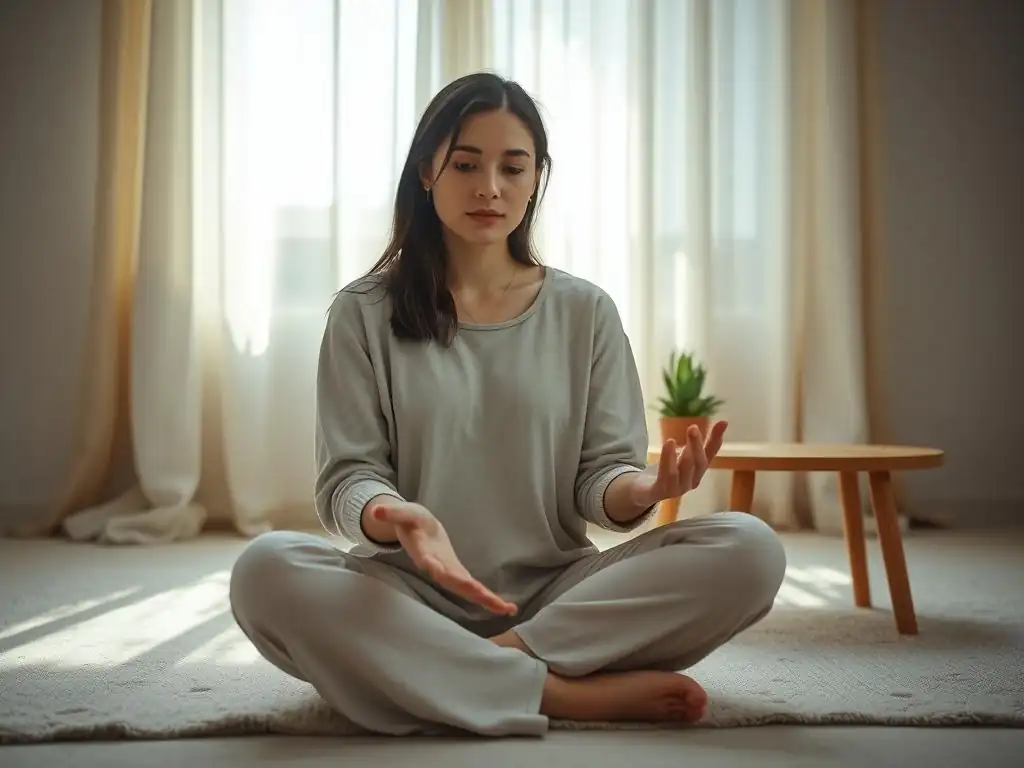
Creating a Mindfulness Schedule
Integrating mindfulness into a daily routine doesn't necessarily require large blocks of time; consistency is key. Start small, perhaps with just 5-10 minutes each day dedicated to a formal practice like mindful breathing or a body scan. Choose a time that works best for you – maybe first thing in the morning, during a lunch break, or before bed. Think of it like scheduling any other important appointment.
Beyond formal practice, look for opportunities to incorporate informal mindfulness throughout your day. This could involve mindful walking during your commute, mindful eating at meals, or taking a few mindful breaths before responding to an email. Creating a simple schedule might look like this:
- 7:00 AM: 10 minutes mindful breathing
- 12:30 PM: Mindful eating during lunch
- 3:00 PM: 5 minutes mindful stretching or walking
- 9:00 PM: 10 minutes body scan before sleep
This structured approach helps build the habit, making mindfulness for depression anxiety a regular part of your life rather than just an occasional activity. Be flexible and kind to yourself; if you miss a session, simply start again tomorrow.
Overcoming Challenges to Mindfulness Practice
Starting and maintaining a mindfulness practice, especially when dealing with depression and anxiety, can present challenges. Common obstacles include finding the time, feeling like your mind is too busy, feeling discouraged if you don't immediately feel better, or believing you're "doing it wrong." It's important to approach these challenges with patience and self-compassion, central tenets of mindfulness itself.
If time is an issue, start with very short practices (1-3 minutes). If your mind feels too busy, remember that the goal isn't to empty your mind, but to notice where your mind goes and gently bring it back. This noticing is the practice. If you don't feel better right away, recognize that mindfulness is a skill that develops over time; immediate dramatic results are rare.
Feeling like you're doing it wrong is also common; there's no single "right" way, only the practice of paying attention. Joining a mindfulness group or working with an instructor can provide support and guidance in navigating these common difficulties. Persistence, even through setbacks, is part of cultivating mindfulness for depression anxiety.
Using Anchors to Maintain Mindfulness Throughout the Day
Anchors are simple, readily available points of focus that you can use to bring yourself back to the present moment throughout your day. They serve as gentle reminders to pause and practice informal mindfulness, helping to counteract the tendency to get lost in anxious thoughts or depressive rumination. Your breath is a primary anchor, always available.
Other anchors can include physical sensations (the feeling of your clothes on your skin, your feet on the floor), sounds (the hum of the refrigerator, distant traffic), or visual cues (the color of the sky, a plant on your desk). You can designate specific activities as anchors, such as washing your hands, opening a door, or waiting in line. For example, every time you wash your hands, you might commit to mindfully feeling the water and soap.
These brief moments of present awareness, scattered throughout the day, reinforce your formal practice and help you maintain a state of mindfulness for depression anxiety even amidst daily stressors. They are like mini-meditations that require no extra time or special equipment.
Mindfulness for Specific Symptoms of Depression and Anxiety
Addressing Negative Thoughts with Mindfulness
Negative thought patterns are a core feature of both depression and anxiety. These thoughts often feel overwhelming and true, leading to increased distress. Mindfulness doesn't aim to eliminate negative thoughts, but rather to change your relationship with them. Instead of getting caught up in the content of the thought, mindfulness teaches you to observe the thought itself as a mental event.
When a negative thought arises (e.g., "I'm a failure," or "Something terrible is going to happen"), you can learn to notice it and label it as "thinking." For instance, you might internally say, "Ah, there is the thought 'I'm a failure.'" This simple act of labeling creates distance between you and the thought; you are the observer, not the thought itself.
Techniques like "leaves on a stream" visualization, where you imagine placing each thought on a leaf and watching it float away, can also be helpful. By practicing non-judgmental observation, the power of negative thoughts diminishes over time, making them less likely to trigger intense emotional reactions and helping manage mindfulness for depression anxiety more effectively.
Managing Sleep Disturbances with Mindfulness Meditation
Sleep disturbances, including difficulty falling asleep, staying asleep, or non-restorative sleep, are very common symptoms of both depression and anxiety. A racing mind filled with worries or depressive thoughts can make it nearly impossible to relax enough to sleep. Mindfulness meditation offers techniques specifically aimed at calming the mind and body before bed.
A common practice is a guided sleep meditation or a simple body scan performed while lying in bed. Instead of trying to force yourself to sleep (which often backfires), the practice involves bringing gentle awareness to your breath or body sensations. When thoughts arise, you simply notice them without engaging, and return your attention to your chosen anchor.
This helps to disengage from the day's worries and the pressure to fall asleep. Research has shown that regular mindfulness practice can improve sleep quality and reduce insomnia symptoms. For example, a study might find that participants practicing mindfulness meditation before bed experience a significant reduction in the time it takes to fall asleep and an increase in total sleep time over several weeks.
Using Mindfulness to Cope with Feelings of Hopelessness
Feelings of hopelessness are a significant symptom of depression and can also be present in severe anxiety. Mindfulness can help cope with these difficult feelings not by making them disappear, but by allowing you to experience them without being completely consumed by them. It teaches you to acknowledge the feeling ("Here is the feeling of hopelessness") without identifying as hopeless ("I am hopeless").
When faced with hopelessness, mindfulness encourages you to ground yourself in the present moment, even if that moment feels difficult. Focusing on simple sensory details – the feel of the chair beneath you, the sounds in the room – can provide an anchor when your mind is predicting a bleak future. Practices like mindful self-compassion can also be vital here, offering kindness and understanding towards yourself during a time of pain, rather than adding self-criticism to the burden of hopelessness.
By gently observing the feeling without judgment and staying connected to the present, you create space for the feeling to shift, even slightly, and prevent it from becoming a fixed state. This mindful approach supports resilience when facing the challenges of mindfulness for depression anxiety.
Advanced Mindfulness Techniques for Deeper Healing
Loving-Kindness Meditation for Self-Compassion
Loving-Kindness Meditation, also known as Metta meditation, is a practice that cultivates feelings of warmth, compassion, and kindness towards oneself and others. This is particularly powerful for individuals with depression and anxiety, who often struggle with harsh self-criticism and feelings of isolation. The practice typically involves silently repeating phrases wishing well-being, peace, and happiness, first towards oneself, then towards loved ones, neutral persons, difficult persons, and finally towards all beings.
Starting with oneself is crucial: "May I be free from suffering. May I be happy. May I be peaceful." This can feel challenging if you're experiencing self-loathing, but the practice is about intention rather than feeling it instantly.
By consistently directing kind wishes inwards, you gradually chip away at negative self-talk and build a foundation of self-compassion. Research indicates that regular Metta practice can increase positive emotions and reduce symptoms of depression and anxiety. For example, one study found that participants who practiced loving-kindness meditation for several weeks showed increased positive emotions and improved social connection, directly countering the negative focus common in these conditions.
Acceptance and Commitment Therapy (ACT) and Mindfulness
Acceptance and Commitment Therapy (ACT) is a type of psychotherapy that heavily incorporates mindfulness principles. It helps individuals develop psychological flexibility, which is the ability to be present, open up, and do what matters. ACT posits that suffering often arises from trying to control or eliminate unwanted thoughts and feelings (like those associated with depression and anxiety), and instead teaches acceptance of these internal experiences.
Mindfulness in ACT is used as a tool to foster this acceptance. Techniques focus on observing thoughts and feelings without judgment, practicing defusion (seeing thoughts as just thoughts, not absolute truths), and connecting with the present moment. ACT also emphasizes clarifying personal values and taking committed action towards living a life aligned with those values, even in the presence of difficult emotions.
Studies have shown ACT to be effective for treating depression and anxiety, often yielding comparable results to traditional cognitive behavioral therapy. For example, a meta-analysis might show that ACT interventions result in a symptom reduction of 30-40% in clinical populations, highlighting the power of combining mindfulness with value-driven action.
Insight Meditation (Vipassanā) for Self-Awareness
Insight Meditation, or Vipassanā, is a traditional form of mindfulness practice aimed at developing deep insight into the nature of reality, particularly the impermanence of all phenomena, including thoughts and feelings. While it can be a deeper spiritual practice, its core principles of observing mental and physical states with bare attention are highly relevant for cultivating self-awareness when dealing with depression and anxiety.
Vipassanā involves sustained, focused attention on the breath or body, coupled with a broader awareness of whatever arises in the mind or body – thoughts, emotions, sensations. The practice encourages you to see these phenomena as transient, arising and passing away, rather than solid, permanent aspects of yourself. This insight can be particularly liberating when grappling with persistent negative moods or anxious thoughts; you learn that while these states are painful, they are not permanent.
Regular Vipassanā practice can foster a greater sense of equanimity and detachment from difficult internal experiences, promoting deeper healing and resilience when applying mindfulness for depression anxiety. It requires dedication but can lead to profound shifts in perspective.
Resources and Support for Mindfulness and Mental Health

Mindfulness Apps and Guided Meditations
In today's digital age, numerous resources are available to support your mindfulness practice, making it more accessible than ever. Mindfulness apps and online platforms offer guided meditations ranging from a few minutes to longer sessions, catering to beginners and experienced practitioners alike. Many apps include programs specifically designed for stress, anxiety, sleep, and depression.
These resources can be incredibly helpful for establishing a regular practice, providing structure and guidance, especially when you're feeling overwhelmed by depression or anxiety. They offer a low-barrier entry point to exploring different types of mindfulness meditations, such as body scans, loving-kindness, or mindful breathing. While apps should not replace professional help for severe symptoms, they serve as valuable tools for learning and practicing mindfulness for depression anxiety in a convenient format. Many offer free basic content, while subscriptions unlock larger libraries.
Finding a Qualified Mindfulness Instructor
While apps and books are excellent starting points, learning mindfulness from a qualified instructor can offer deeper understanding, personalized guidance, and the opportunity to practice in a supportive group setting. A qualified instructor can teach you the nuances of different techniques, help you navigate challenges that arise in your practice, and ensure you are practicing safely, especially if you have a history of trauma or severe mental health conditions.
Look for instructors who have undergone rigorous training in mindfulness-based interventions like Mindfulness-Based Stress Reduction (MBSR) or Mindfulness-Based Cognitive Therapy (MBCT). MBCT, in particular, was specifically developed to help prevent relapse in individuals with recurrent depression and has strong empirical support. Practicing with an instructor can provide valuable feedback and a sense of community, which is often beneficial when dealing with the isolation that can accompany depression and anxiety. Many mental health clinics and community centers offer mindfulness programs led by trained professionals.
Support Groups and Mental Health Professionals
Mindfulness is a powerful tool, but it is often most effective when used as part of a broader support system, especially when managing significant depression and co-occurring anxiety. Support groups offer a space to connect with others facing similar challenges, reducing feelings of isolation and providing mutual encouragement. Sharing experiences and strategies in a supportive environment can be incredibly validating and empowering.
Additionally, working with a mental health professional, such as a therapist, counselor, or psychiatrist, is crucial for comprehensive care. Therapies like Cognitive Behavioral Therapy (CBT), Dialectical Behavior Therapy (DBT), and Acceptance and Commitment Therapy (ACT) often incorporate mindfulness techniques and can help address the underlying issues contributing to depression and anxiety. Medication may also be a necessary part of treatment for some individuals. Integrating mindfulness practices with professional guidance ensures you receive well-rounded care tailored to your specific needs, maximizing the benefits of mindfulness for depression anxiety management.
Mindfulness and Medication: A Complementary Approach
Integrating Mindfulness with Psychotherapy
Mindfulness practices can significantly enhance the effectiveness of various forms of psychotherapy used to treat depression and anxiety. Therapies like CBT often teach skills to identify and challenge negative thought patterns. Mindfulness complements this by helping individuals become more aware of their thoughts in the first place, observing them without immediate judgment, making it easier to apply cognitive restructuring techniques learned in therapy.
In therapies like DBT, mindfulness is one of the core skills taught, helping individuals regulate intense emotions and tolerate distress. By integrating mindfulness learned in therapy sessions into daily life, individuals can build greater emotional resilience. Similarly, as discussed earlier, ACT is deeply rooted in mindfulness.
When someone practices mindfulness alongside therapy, they develop a greater capacity to be present with difficult emotions and thoughts that arise during sessions, process therapeutic insights more effectively, and practice new coping skills outside of the therapy room. This synergistic approach leverages the strengths of both modalities to provide more robust support for managing mindfulness for depression anxiety.
How Mindfulness Can Enhance the Effectiveness of Medication
For many individuals, medication is a necessary and effective component of managing moderate to severe depression and anxiety. Mindfulness practice is not intended to replace prescribed medication but can work alongside it as a complementary strategy. Medication helps regulate chemical imbalances in the brain, which can alleviate severe symptoms and create a foundation from which individuals can more effectively engage in therapeutic practices like mindfulness.
Mindfulness can enhance the effects of medication by helping individuals become more attuned to their internal state. This increased awareness can make it easier to notice subtle shifts in mood or anxiety levels, allowing for better communication with prescribing doctors about the medication's effectiveness and potential side effects.
Furthermore, by reducing overall stress levels and improving coping skills, mindfulness can potentially mitigate some symptoms that medication alone might not fully address, such as rumination or difficulty tolerating uncertainty. It provides an active tool for well-being that complements the passive effects of medication, supporting a more holistic approach to managing mindfulness for depression anxiety.
Communicating with Your Doctor About Mindfulness
If you are considering incorporating mindfulness into your treatment plan for depression and anxiety, it is essential to discuss it with your doctor or mental health professional. They can help you understand how mindfulness might fit into your existing treatment, whether it's psychotherapy, medication, or a combination. Your doctor can also advise on whether mindfulness is appropriate for your specific condition and symptom severity.
Be open about your interest in mindfulness for depression anxiety and any practices you are exploring. Ask for their recommendations on resources or qualified instructors. They can also help you monitor your symptoms as you integrate mindfulness, ensuring that it is contributing positively to your well-being and not inadvertently causing distress (which can sometimes happen if mindfulness is practiced rigidly or without appropriate guidance, especially with severe trauma). Collaboration between you and your healthcare team ensures that all aspects of your mental health are being addressed in a safe and integrated manner.
The Long-Term Benefits of Mindfulness for Depression and Anxiety
Building Resilience Through Mindfulness
One of the most significant long-term benefits of a consistent mindfulness practice is the development of increased psychological resilience. Resilience is the ability to bounce back from adversity, cope with stress, and adapt in the face of life's challenges. While depression and anxiety can erode this capacity, mindfulness helps rebuild it by changing how you relate to difficult thoughts, feelings, and sensations.
Through regular practice, you learn that discomfort is temporary and that you have the capacity to weather emotional storms without being completely overwhelmed. You develop a greater ability to observe difficult internal states without immediately reacting or being consumed by them. This non-reactive awareness allows you to choose how to respond to stressors rather than being automatically triggered. Building this inner strength through mindfulness for depression anxiety equips you with a powerful tool to navigate future difficulties with greater ease and stability.
Preventing Relapse with Ongoing Mindfulness Practice
Mindfulness-Based Cognitive Therapy (MBCT) was specifically developed and empirically tested for its efficacy in preventing relapse in individuals with recurrent depression. Research has shown that MBCT can reduce the risk of depressive relapse by nearly 50% in individuals who have had three or more previous episodes, a finding comparable to or exceeding the effectiveness of maintenance antidepressant medication for some populations.
The core mechanism is teaching individuals to become aware of the early warning signs of depression or anxiety (such as shifts in mood, energy levels, or thought patterns) and to respond to them mindfully rather than falling back into habitual ruminative patterns.
Similarly, ongoing mindfulness practice helps individuals recognize the subtle onset of anxiety symptoms and apply learned coping strategies early on. By staying connected to the present moment and maintaining awareness of internal states, individuals are less likely to get caught in the downward spiral of negative thinking or escalating worry that can lead to a full relapse. Consistent engagement with mindfulness for depression anxiety after initial treatment helps maintain the gains achieved and provides a proactive strategy for long-term well-being.
Embracing a Mindful Life for Lasting Well-being
Ultimately, integrating mindfulness for depression anxiety is about more than just managing symptoms; it's about embracing a mindful way of life that supports lasting well-being. This involves weaving moments of presence and non-judgmental awareness into the fabric of your daily existence, not just during formal meditation sessions. It's about approaching yourself and your experiences with kindness, curiosity, and acceptance.
Living mindfully means cultivating a greater appreciation for the simple moments in life, fostering stronger connections with others, and responding to challenges with greater wisdom and compassion. It's a continuous practice, not a destination, offering a path towards greater peace, resilience, and a richer experience of life, even alongside the ongoing journey of managing depression and anxiety. By committing to mindfulness, you are investing in your long-term mental and emotional health.
Frequently Asked Questions
What is mindfulness and how can it help with depression and anxiety?
Mindfulness is a present-moment awareness practice. It can help with depression and anxiety by reducing negative thought patterns and promoting emotional regulation.
Are there specific mindfulness exercises recommended for managing depression and co-occurring anxiety?
Yes, practices like mindful breathing, body scans, and mindful walking are often recommended. These techniques help to ground you in the present.
How often should I practice mindfulness to experience benefits for depression and anxiety?
Consistency is key; even 10-15 minutes daily can lead to noticeable improvements. Aim for regular practice to build mental resilience.
Can mindfulness replace traditional treatments like therapy or medication for depression and anxiety?
Mindfulness is often most effective when used in conjunction with traditional treatments. It's a valuable tool, but not necessarily a replacement for professional help.
Where can I find more resources and support for practicing mindfulness for depression and anxiety?
Mind Care Guide offers further information and resources. Look for guided meditations and local mindfulness groups for additional support.
Final Reflection: Cultivating Inner Peace in a Turbulent World
The pervasive nature of depression and anxiety in our modern world demands accessible and effective coping mechanisms, and mindfulness offers a powerful pathway to healing and resilience. The strategies explored in this article—from mindful breathing exercises to cultivating self-compassion—are not mere fleeting trends, but essential tools for navigating the complexities of mental health challenges. They represent a shift towards proactive self-care, empowering individuals to take control of their well-being.
The journey towards mental wellness is deeply personal, and the impact of mindfulness extends far beyond symptom reduction. It fosters a profound connection with oneself, allowing for a greater understanding of emotional patterns and triggers. This self-awareness is transformative, leading to increased self-acceptance and a more compassionate relationship with one's inner experience. As Jon Kabat-Zinn eloquently stated, Mindfulness means paying attention in a particular way: on purpose, in the present moment, and nonjudgmentally.
This simple yet profound definition encapsulates the core of the practice and its enduring power to reshape our relationship with our thoughts and feelings.
You now hold the key to unlocking a more peaceful and fulfilling life. Don't hesitate to integrate these mindfulness techniques into your daily routine. Start small, be patient with yourself, and celebrate every step forward. Remember, the journey towards mental wellness is a marathon, not a sprint. Embrace the process, nurture your inner strength, and discover the transformative power of mindful living. Your well-being is worth the effort.
Unleash Your Inner Calm: Practical Steps to Manage Anxiety and Depression
Thanks for taking the time to explore practical mindfulness strategies for managing depression and anxiety. We hope you found valuable insights to help you on your journey to well-being. Now, it's time to put these powerful techniques into action!
- Prioritize one mindfulness practice: Choose one technique from the article (deep breathing, mindful walking, or body scan) and commit to practicing it for just 5 minutes daily this week. This small step can make a significant difference.
- Share your experience: Tell a friend or family member about your experience with mindfulness. Sharing your journey can strengthen your commitment and provide mutual support.
- Explore guided meditations: Consider searching for free guided meditations online tailored to anxiety and depression reduction. This can add extra structure to your practice.
Ready to cultivate a calmer, more peaceful you? What small step will you take today to incorporate mindfulness into your daily life?