
Using Distraction: Immediate Coping Techniques for Crisis


Welcome to Mind Care Guide, a safe space to explore your mental well-being.
Feeling overwhelmed by a sudden rush of anxiety? You're not alone. Many experience the intense fear and discomfort of panic attacks. This article delves into practical and immediate strategies for Dealing with panic attacks quickly. Learn how using distraction techniques can provide a vital lifeline during a crisis and empower you to regain control. Ready to discover simple yet effective coping mechanisms? Let's begin.
Using Distraction: Immediate Coping Techniques for Crisis | Mind Care Guide
- Introduction: The Power of Distraction in Crisis Management
- What is Distraction as a Coping Mechanism?
- Practical Distraction Techniques for Dealing with Panic Attacks Quickly
- Distraction for Managing Specific Crisis Situations
- Creating a Personalized Distraction Plan
- The Importance of Combining Distraction with Other Coping Strategies
- Conclusion: Empowering Yourself with Distraction Techniques
-
Frequently Asked Questions
- How can distraction techniques help during a panic attack?
- What are some examples of effective distraction methods for panic attacks?
- How quickly can distraction techniques alleviate a panic attack?
- Are there any potential downsides to relying solely on distraction during panic attacks?
- Where can I find more resources and support for managing panic attacks?
- Final Reflection: Finding Calm in the Storm
- Take Control: Your Next Steps to Calm
Introduction: The Power of Distraction in Crisis Management
Distraction techniques offer a valuable lifeline when facing overwhelming moments of crisis, providing immediate, accessible tools to regain a sense of control. These methods are not intended as long-term solutions for underlying mental health conditions but serve as crucial first aid during intense emotional or psychological distress. Learning how to effectively use distraction can significantly mitigate the immediate impact of a crisis, creating space to think more clearly and access further support.
The ability to quickly shift focus away from distressing thoughts or sensations is a fundamental skill in crisis intervention. Whether you are dealing with panic attacks quickly, managing intense anxiety spikes, or navigating moments of suicidal ideation, having a repertoire of distraction techniques ready can make a critical difference. This guide explores various methods, explains why they work, and helps you build your own personalized strategy for immediate relief.
Understanding the Role of Distraction Techniques in Crisis Situations
In the throes of a crisis, such as a severe panic attack or overwhelming intrusive thoughts, the mind can become fixated on negative loops, amplifying distress. Distraction techniques act as a temporary circuit breaker, diverting attention from the internal chaos to external stimuli or neutral internal processes. This shift provides a brief but vital respite, preventing escalation and allowing the individual to move from a state of high reactivity to one where they can potentially engage in more complex coping or problem-solving.
Consider a situation where someone feels a panic attack starting. Their focus might narrow onto physical symptoms like a racing heart or difficulty breathing, which in turn fuels more fear. A distraction technique, like focusing intensely on five things they can see, immediately forces the brain to process visual information instead of solely internal sensations. This simple shift can disrupt the feedback loop of fear and physical symptoms, offering a moment of relief and potentially preventing the attack from reaching its peak intensity.
Why Distraction Works: Breaking the Cycle of Negative Thoughts
Distraction is effective because the human brain has limited capacity for intense focus. By deliberately directing attention towards a non-threatening activity or stimulus, you occupy cognitive resources that would otherwise be consumed by anxious rumination or distressing thoughts. This isn't about avoidance in a harmful sense, but rather a strategic, temporary redirection when direct confrontation with the distress is overwhelming or impossible in the moment.
The brain's prefrontal cortex, responsible for executive functions like planning and decision-making, can become less effective under extreme stress. Simultaneously, areas associated with fear, like the amygdala, become highly active. Distraction techniques engage different parts of the brain, helping to reduce the dominance of the fear response. For example, engaging in a complex mental task like solving a math problem activates logical processing areas, drawing energy away from the emotional centers driving panic or despair. This shift provides a crucial window for the acute distress to subside slightly.
What is Distraction as a Coping Mechanism?
Distraction, in the context of mental health coping, refers to the intentional act of shifting one's attention away from distressing thoughts, feelings, or sensations towards something neutral or positive. It is a short-term strategy used to manage overwhelming emotional states or intrusive thoughts that feel unbearable in the moment. Unlike long-term therapeutic approaches that process difficult emotions, distraction provides immediate relief by interrupting the cycle of distress.
Think of it as hitting the pause button on overwhelming feelings. When you are dealing with panic attacks quickly, the goal isn't to ignore the underlying causes but to manage the acute episode safely and effectively. Distraction gives you that necessary pause, preventing the situation from spiraling out of control and allowing you to regain composure before deciding on the next steps, such as reaching out for support or employing other coping skills.
Defining Distraction in the Context of Mental Health
Within mental health, distraction is a coping skill taught in various therapeutic modalities, including Dialectical Behavior Therapy (DBT). It is categorized as a distress tolerance skill, meaning it helps individuals get through difficult situations without making them worse, particularly when they feel unable to change the situation immediately. It is explicitly not about suppressing emotions indefinitely or avoiding necessary processing, but rather managing intensity in the short term.
For someone experiencing intense emotional pain or intrusive thoughts, focusing on the distress can be like staring directly at a blinding light – it's overwhelming and potentially harmful. Distraction allows you to look away for a moment, giving your eyes (or mind) a rest. This temporary break lowers the emotional temperature, making it possible to function, communicate, or simply wait until the intensity naturally decreases to a manageable level.
Types of Distraction Techniques for Immediate Relief
Distraction techniques can be broadly categorized into several types, each engaging different senses or cognitive processes. Understanding these categories helps in building a varied toolkit suitable for different situations and preferences. The key is to find what works best for you when you need to cope with sudden, intense distress.
Common categories include:
- Mental Distraction: Engaging your mind with tasks like counting, puzzles, or recalling facts.
- Physical Distraction: Using your body through exercise, sensory input, or physical tasks.
- Environmental Distraction: Changing your location or focusing on external surroundings.
- Social Distraction: Engaging with others, although this can be difficult during acute crisis.
A well-rounded approach involves having options from each category, as what works in one situation (e.g., at home) might not be feasible in another (e.g., on a crowded bus). The goal is to have quick, accessible tools ready when you are dealing with panic attacks quickly or facing other urgent emotional distress.
Practical Distraction Techniques for Dealing with Panic Attacks Quickly

When a panic attack strikes, speed and simplicity are key. Having a few go-to techniques ready can make all the difference in managing the acute symptoms rapidly. These techniques are designed to be used in the moment, wherever you are.
Learning to implement these strategies effectively requires practice, not just during a crisis, but also when you are feeling calm. This helps them become second nature, making them easier to access when your mind is under stress.
Mental Distraction Strategies: Focusing Your Mind Elsewhere
Mental distraction involves engaging your cognitive processes in a way that occupies the mental space usually consumed by anxiety or panic. These techniques are often discreet and can be used almost anywhere.
The effectiveness of mental distraction lies in its ability to redirect the brain's processing power. Instead of running through fearful scenarios, your mind is occupied with a neutral or slightly challenging task, which can lower physiological arousal associated with panic.
Guided Imagery for Panic Attacks: A Step-by-Step Guide
Guided imagery involves creating a vivid mental picture of a calm, peaceful place or situation. This technique requires you to actively engage your senses within your imagination, which draws attention away from distressing internal states. It's a powerful tool for dealing with panic attacks quickly by transporting your mind elsewhere.
To use guided imagery:
- Close your eyes if possible, or soften your gaze.
- Imagine a place where you feel completely safe, calm, and relaxed. This could be a beach, a forest, a cozy room, or anywhere you find peace.
- Engage all your senses in this imagined place. What do you see? (e.g., the color of the sky, trees, water). What do you hear? (e.g., waves, birdsong, gentle breeze). What do you feel? (e.g., warmth of the sun, soft grass, cool air). What do you smell? (e.g., salt air, pine needles, flowers).
- Focus on the details. The more vivid and detailed your imagery, the more effective it will be at occupying your mind.
- Breathe deeply and evenly as you focus on the peaceful scene. Stay in this place mentally until the intensity of the panic begins to subside.
Counting and Math Games for Immediate Anxiety Relief
Simple numerical tasks can be surprisingly effective mental distractions. They require just enough focus to interrupt anxious thought patterns without being overly stressful. This is a highly portable and discreet method for managing sudden anxiety or panic.
Try these simple counting or math exercises:
- Count backward from 100 by 3s (100, 97, 94...).
- Count forward or backward by 7s.
- Count the number of objects of a specific color you can see around you.
- Mentally calculate the cost of a few items if you were shopping.
- Recite multiplication tables.
The key is to choose a task that requires just enough concentration to keep your mind engaged. For some, counting by 1s might be too easy, while complex calculus is too difficult under stress. Find the level that works for you in the moment you are dealing with panic attacks quickly.
Reciting Poems or Song Lyrics to Calm Down
Recalling and reciting familiar text, such as a favorite poem, song lyrics, or even a script from a movie, can serve as an effective mental distraction. This technique uses verbal memory and internal recitation to occupy cognitive space.
Choose something you know well, so you don't have to struggle to remember it under stress. You can recite it internally or whisper it if you are in a private space. Focusing on the words, rhythm, and meaning can draw your attention away from distressing thoughts and physical sensations.
Physical Distraction Methods: Engaging Your Body
Physical distraction involves using your body or engaging your senses to shift focus. These techniques can be particularly helpful when you feel overwhelmed by physical symptoms of anxiety or panic.
Engaging the body can help ground you in the present moment and disrupt the cycle of physical tension and fear that often accompanies panic or intense anxiety.
Grounding Exercises: Connecting to the Present Moment
Grounding techniques are a powerful form of physical distraction that helps you reconnect with the present reality when you feel detached, overwhelmed, or caught in distressing thoughts. They use your senses to anchor you to your immediate surroundings.
A common grounding technique is the "5-4-3-2-1" method:
- 5: Acknowledge five things you can see. Look around and notice shapes, colors, or details you hadn't seen before.
- 4: Acknowledge four things you can touch or feel. Notice the texture of your clothes, the chair beneath you, or the temperature of the air.
- 3: Acknowledge three things you can hear. Listen for sounds near and far, like traffic, conversation, or your own breathing.
- 2: Acknowledge two things you can smell. Notice scents in the air, like perfume, food, or fresh air.
- 1: Acknowledge one thing you can taste. This could be a lingering taste from food or drink, or simply the taste in your mouth.
This exercise forces your attention onto external, real-world stimuli, pulling your focus away from internal panic. It's an excellent technique for dealing with panic attacks quickly in almost any setting.
Progressive Muscle Relaxation (PMR) for Tension Release
PMR is a technique where you systematically tense and then relax different muscle groups in your body. This process not only physically releases tension, which is often heightened during anxiety, but also serves as a mental distraction by directing your focus to bodily sensations.
To practice PMR:
- Find a comfortable position.
- Start with one muscle group, like your hands. Clench your fists tightly for about 5-10 seconds.
- Notice the tension.
- Then, release the tension completely and quickly. Let your hands go limp.
- Notice the feeling of relaxation in that muscle group for 10-20 seconds before moving to the next.
- Work your way through different muscle groups (arms, shoulders, face, neck, back, stomach, legs, feet).
While a full PMR session takes time, even focusing on tensing and releasing just one or two muscle groups (like shoulders and hands) can provide a quick physical distraction and release during acute distress, helping in dealing with panic attacks quickly.
Using Sensory Input: Aromatherapy, Textures, and Sounds
Engaging your senses with specific, calming inputs can be a powerful way to distract from internal distress. This could involve smell, touch, or sound.
Examples of sensory distraction:
- Smell: Keep a small bottle of essential oil (like lavender or peppermint) or a scented object (like a sachet or fragrant lotion). Inhale deeply and focus on the scent.
- Touch: Carry a smooth stone, a piece of interesting fabric, or a stress ball. Focus on the texture, temperature, and feel of the object in your hand. Splash cold water on your face or hold an ice pack.
- Sound: Listen intently to the sounds around you, identifying as many as possible. Carry headphones and listen to calming music, a podcast, or an audiobook.
These sensory anchors provide immediate, tangible points of focus that compete with the overwhelming sensations of panic or anxiety. Choosing a strong, pleasant scent or an interesting texture can quickly pull your attention outward.
Environmental Distraction: Changing Your Surroundings
Sometimes, simply changing your physical environment can provide a necessary shift in focus and perspective, offering immediate relief from intense distress.
Even small changes in your surroundings can break the cycle of negative thoughts and sensations associated with a crisis moment.
Stepping Outside: The Benefits of Fresh Air and Nature
If possible and safe, moving to an outdoor environment can be incredibly grounding and distracting. The change in air quality, temperature, and the presence of natural elements can help shift your state.
Taking a few moments to stand outside, breathe fresh air, and observe your surroundings – the sky, trees, sounds of nature – provides a natural form of environmental and sensory distraction. Even just looking out a window can help provide a slight shift in focus when dealing with panic attacks quickly.
Engaging in a New Activity: Shifting Your Focus
Switching to a completely different activity can be a very effective distraction. This requires you to actively engage your mind and body in something new, pulling you away from the crisis state.
Examples include:
- Doing a chore (washing dishes, folding laundry).
- Working on a hobby (drawing, knitting a few rows).
- Playing a quick game on your phone.
- Reading a book or magazine for a few minutes.
- Watching a short, engaging video.
The key is to choose an activity that requires enough attention to occupy your mind but isn't so complex that it causes frustration when you're already distressed.
Listening to Music: Soothing and Uplifting Sounds
Music has a powerful effect on mood and cognition. Listening to music, whether calming or upbeat, can be an effective environmental (or personal) distraction.
Creating a playlist specifically for moments of distress can be helpful. Choose music that is soothing, uplifting, or simply engaging enough to capture your attention. Focus on the melody, lyrics, or rhythm rather than letting your mind wander back to the crisis.
Distraction for Managing Specific Crisis Situations
While the principles of distraction remain similar, the specific techniques chosen and how they are applied can be tailored to the type of crisis being experienced.
Understanding how distraction fits into the context of different challenges can make it a more effective tool in your coping arsenal.
Distraction Techniques for Overcoming Intense Anxiety
When intense anxiety strikes, it often manifests as racing thoughts, physical tension, and a sense of impending doom. Distraction helps by interrupting these patterns. Techniques that engage logical thinking (like counting or puzzles) or sensory input (like holding ice or focusing on a strong scent) can be particularly effective for dealing with panic attacks quickly and managing generalized anxiety spikes.
For example, if you are overwhelmed by "what if" scenarios, shifting your focus to a detailed observation of your surroundings (a grounding technique) forces your brain to process concrete, real-world information instead of abstract fears. Similarly, engaging in a simple, repetitive task like sorting objects or doodling can occupy the part of your brain that fuels anxious rumination.
Distraction Strategies for Combating Suicidal Thoughts
Suicidal thoughts are incredibly distressing and require immediate attention and professional support. Distraction in this context is a temporary safety strategy to get through moments of intense urge, creating enough space to reach out for help or implement other safety plan steps. It is never a substitute for seeking professional mental health care.
When experiencing suicidal urges, distraction techniques should be strong and engaging. Highly immersive activities like watching a captivating movie, listening to loud music, calling a friend or hotline, or engaging in intense physical activity (if safe) can help occupy the mind during peak distress. The goal is to get through the moment until the intensity subsides enough to connect with support resources like a crisis hotline or emergency services.
Using Distraction to Cope with Trauma Triggers
Trauma triggers can instantly transport an individual back to a traumatic experience, leading to intense emotional and physical reactions. Distraction is a key skill in managing these overwhelming moments, helping the individual stay grounded in the present rather than being fully re-immersed in the past.
Grounding techniques (like 5-4-3-2-1) are especially useful for trauma triggers as they anchor the individual to the safety of the present moment. Sensory distractions, such as holding something cold, smelling a specific scent, or focusing on a calming sound, can also help pull the individual out of the triggered state. The aim is to interrupt the flashback or intense emotional response and re-orient to current reality.
Creating a Personalized Distraction Plan
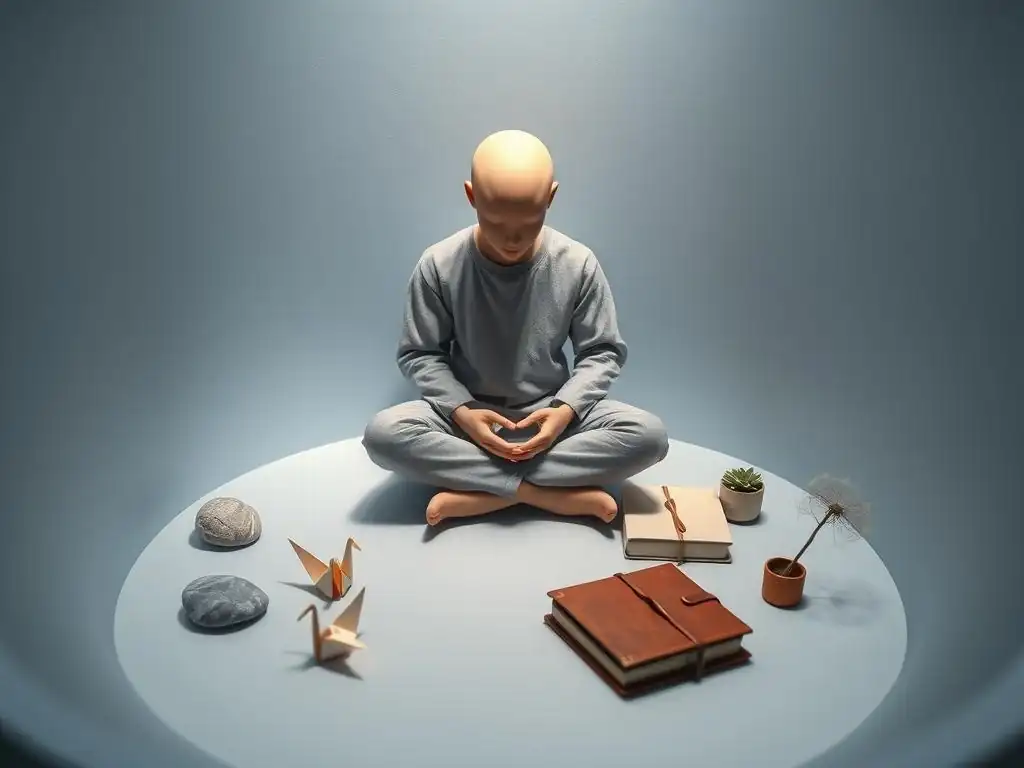
Having a plan in place before a crisis occurs is crucial. Building a personalized distraction strategy means identifying techniques that work best for you and preparing the necessary resources.
A well-thought-out plan makes it much easier to access and use distraction effectively when you are under stress, such as when dealing with panic attacks quickly.
Identifying Your Go-To Distraction Activities
Reflect on activities that naturally capture your attention and help you feel calmer or simply shift your focus when you're mildly stressed. These are good candidates for your crisis distraction toolkit.
Experiment with different types of distraction when you are calm. Try a few mental exercises, sensory techniques, and physical activities. Note which ones feel most effective, easiest to implement, and most accessible in various situations (e.g., at home, at work, in public). Aim for a variety so you have options regardless of where you are or what triggered the distress.
Building a Crisis Toolkit with Distraction Resources
Assemble a physical or digital "toolkit" containing items or information that support your chosen distraction techniques. This makes them readily available when you need them most.
Your toolkit might include:
- A list of your favorite grounding techniques.
- A small object with an interesting texture or a pleasant scent (e.g., smooth stone, small bottle of essential oil).
- Headphones and a pre-made playlist of calming or engaging music/podcasts.
- A small notebook and pen for doodling or writing.
- A list of simple mental tasks or math problems.
- A printed copy of a favorite poem or lyrics.
Keep this toolkit accessible, whether it's a small bag, a designated drawer, or a folder on your phone. Knowing exactly where your resources are reduces decision fatigue and makes it easier to initiate a technique when you are dealing with panic attacks quickly.
Practicing Distraction Techniques Regularly
Like any skill, distraction techniques become more effective with practice. Regularly using these methods, even when you are not in crisis, helps train your brain to utilize them automatically when needed.
Dedicate a few minutes each day or week to practice one or two techniques. Use them during moments of mild stress or boredom. This builds familiarity and confidence, making it much easier to deploy them under the intense pressure of a panic attack or other crisis. Regular practice ensures that when you need to cope with sudden, overwhelming feelings, these tools are sharp and ready.
The Importance of Combining Distraction with Other Coping Strategies
While distraction is a powerful immediate coping technique, it is most effective when used as part of a broader mental health strategy. It is a bridge, not the destination.
Relying solely on distraction without addressing underlying issues or developing other coping skills can lead to avoidance in the long term, which may hinder recovery.
Recognizing the Limits of Distraction: When to Seek Professional Help
Distraction is a short-term fix for acute distress. It does not resolve the root causes of anxiety, panic attacks, depression, or suicidal thoughts. If you find yourself needing distraction constantly, if your crises are increasing in frequency or intensity, or if you are experiencing suicidal ideation, it is crucial to seek professional help immediately.
Distraction provides temporary relief and safety, creating space to reach out to a therapist, counselor, psychiatrist, or crisis hotline. It should be used in conjunction with seeking professional support, not as a replacement for it. If distraction techniques are not sufficient to manage your distress or keep you safe, reach out to a mental health professional or emergency services without delay.
Integrating Distraction with Long-Term Mental Health Treatment
Distraction techniques are often taught within therapeutic frameworks like Cognitive Behavioral Therapy (CBT) or Dialectical Behavior Therapy (DBT) as part of a comprehensive skill set. Therapists can help you identify which distraction methods are most appropriate for your specific challenges and teach you how to use them effectively alongside other coping skills.
Working with a therapist allows you to understand the triggers and patterns behind your distress, develop strategies for processing difficult emotions, and build resilience. Distraction becomes one tool among many – used strategically for immediate relief while other therapies address deeper issues. For example, someone learning to challenge anxious thoughts in CBT might use distraction to manage overwhelming anxiety spikes that prevent them from practicing thought challenging.
Building a Comprehensive Crisis Management Plan
Distraction is a vital component of a comprehensive crisis management or safety plan. A complete plan includes identifying triggers, listing coping skills (including distraction), identifying support people to contact, and outlining steps for seeking professional help or emergency services.
Your personalized crisis plan should clearly list your preferred distraction techniques and when/how to use them. It should also include contact information for your therapist, doctor, trusted friends or family, and local crisis hotlines or emergency numbers. Having this plan written down and accessible ensures that when you are in distress, such as dealing with panic attacks quickly, you know exactly what steps to take, including deploying your distraction skills, and who to call for support.
Conclusion: Empowering Yourself with Distraction Techniques
Learning and practicing distraction techniques provides you with immediate, accessible tools to navigate moments of intense distress and crisis. While not a cure, these strategies offer crucial temporary relief, helping you regain a sense of control when you feel overwhelmed by anxiety, panic, or difficult thoughts.
By building a personalized distraction toolkit and integrating these methods into a broader coping and crisis management plan, you empower yourself to face challenging moments with greater resilience. Remember, distraction is a bridge to safety and further support – a vital skill in your journey towards mental well-being.
Frequently Asked Questions
How can distraction techniques help during a panic attack?
Distraction techniques can help by shifting your focus away from the panic symptoms and intense fear, allowing you to regain a sense of control. They provide a temporary mental escape.
What are some examples of effective distraction methods for panic attacks?
Effective methods include focusing on sensory experiences (like holding ice), engaging in mental games (like counting backwards), or concentrating on a specific task (like organizing a drawer).
How quickly can distraction techniques alleviate a panic attack?
While effectiveness varies, distraction can offer immediate relief within minutes, disrupting the panic cycle. However, it's not a long-term solution for addressing the underlying causes.
Are there any potential downsides to relying solely on distraction during panic attacks?
Over-reliance on distraction can prevent you from addressing the root causes of your anxiety. It's crucial to combine it with longer-term strategies, like therapy, for lasting well-being.
Where can I find more resources and support for managing panic attacks?
Mind Care Guide offers a comprehensive guide to mental well-being, including information, support, and resources for various mental health challenges, helping you develop a personalized coping plan.
Final Reflection: Finding Calm in the Storm
The immediate need for effective coping mechanisms in the face of panic is undeniable, and the strategies outlined in this article offer a lifeline during moments of intense distress. The prevalence of anxiety and panic disorders in our increasingly fast-paced world underscores the critical importance of readily available, practical techniques. Learning to navigate these overwhelming feelings is not a sign of weakness, but a testament to our resilience and commitment to mental well-being.
The exploration of distraction techniques as a first-line defense against panic attacks has been profoundly impactful, not only in my understanding of anxiety management but also in witnessing their effectiveness in others. The power of shifting focus, even momentarily, can be transformative. As the poet Mary Oliver so eloquently stated: Pay attention. Be astonished. Tell about it.
This simple act of shifting attention, of focusing on something other than the overwhelming sensations of a panic attack, embodies the essence of these techniques – a conscious choice to redirect our internal landscape.
You now possess a toolkit of immediate coping strategies. Remember, these techniques are not a cure-all, but valuable tools to navigate difficult moments. Practice these techniques regularly, even when you're not experiencing a panic attack, to build resilience and familiarity. This proactive approach will empower you to face future challenges with greater confidence and control. Take the time to discover which techniques resonate most with you, and integrate them into your daily life as a form of self-care. Your mental well-being is worth the investment.
Take Control: Your Next Steps to Calm
Thanks for taking the time to learn about immediate coping techniques during a crisis. We hope you gained valuable tools to navigate challenging moments. Now, let's put that knowledge into action!
- Practice one new technique today: Choose a single coping strategy from the article—deep breathing, grounding, or positive self-talk—and dedicate just 5 minutes to practicing it. Notice the difference it makes.
- Share your experience: Let us know in the comments which technique resonated most with you, and how you plan to integrate it into your daily life. Sharing can help others too!
- Explore further: Consider researching additional resources on crisis management and self-care strategies to build your resilience over time.
What small step will you take right now to cultivate more calm in your life?