
Beyond the Usual: Intriguing Gift Ideas for Loved Ones Managing PTSD


Welcome to Mind Care Guide, a space dedicated to nurturing mental well-being.
Struggling to find the right way to show your love and support for someone navigating the complexities of PTSD? You're not alone. Discover thoughtful and meaningful PTSD gift ideas for loved ones in our latest article – gifts that go beyond the ordinary and truly resonate with their journey to healing. Intrigued? Let's explore how you can offer genuine comfort and encouragement.
Beyond the Usual: Thoughtful Gift Ideas for Individuals Managing Trauma
- Understanding Trauma and Thoughtful Gift-Giving
- Thoughtful Gift Ideas to Support Healing and Recovery
- Considerations Before Giving: Tailoring Gifts to Individual Needs
- Conclusion: Giving the Gift of Hope and Healing for Individuals Managing Trauma
-
Frequently Asked Questions
- What are some thoughtful gift ideas for someone managing PTSD that go beyond typical presents?
- Why is it important to choose gifts carefully for someone with PTSD?
- Are there any specific types of gifts that should be avoided for someone with PTSD?
- How can I choose a gift that demonstrates understanding and support for my loved one's PTSD?
- Where can I find additional resources and support for understanding and managing PTSD?
- Final Reflection: Finding Comfort and Connection Through Thoughtful Gifting
- Unleash the Power of Thoughtful Giving: Support Your Loved One's Journey
Understanding Trauma and Thoughtful Gift-Giving
The Impact of Trauma on Daily Life: A Brief Overview
Trauma, particularly complex trauma or Post-Traumatic Stress Disorder (PTSD), can profoundly disrupt an individual's daily functioning, affecting everything from sleep patterns and relationships to emotional regulation and sense of safety. Symptoms like hypervigilance can make simple outings feel overwhelming, while avoidance behaviors might limit engagement in social activities or hobbies. Flashbacks or intrusive thoughts can occur unexpectedly, pulling the person back into the traumatic experience, making it difficult to stay present and grounded.
The constant state of alert can lead to chronic fatigue, irritability, and difficulty concentrating, impacting work, studies, and everyday tasks. It's estimated that a significant portion of the population will experience a potentially traumatic event in their lifetime, and for many, these experiences can lead to persistent challenges in navigating the world.
Beyond the more widely recognized symptoms, trauma can also manifest as a pervasive sense of detachment, difficulty experiencing positive emotions, and a negative self-image. Individuals managing trauma may struggle with trust, making close relationships challenging, or experience physical symptoms like headaches or digestive issues exacerbated by chronic stress.
The energy required to simply get through the day while managing triggers and intense emotions can be immense, leaving little capacity for other activities. Understanding this complex interplay of psychological and physical symptoms is crucial when considering how best to offer support, including exploring sensitive and helpful PTSD gift ideas for loved ones.
Why Consider Thoughtful Gifts for Individuals with Trauma?
While gifts can never replace professional support or the hard work of healing, a thoughtful present serves as a tangible expression of care, understanding, and acceptance. For someone navigating the isolating experience of trauma or PTSD, receiving a gift that acknowledges their struggles without being prescriptive or minimizing can be incredibly validating. It signals that they are seen, their difficulties are recognized, and they are not alone. Such gifts focus on comfort, safety, self-care, or gentle engagement, aiming to provide small moments of ease or positive connection in what can be a challenging daily existence.
Choosing thoughtful PTSD gift ideas for loved ones demonstrates empathy and a willingness to learn about their specific needs and sensitivities. It moves beyond generic gestures to offer something genuinely supportive of their well-being and recovery journey. These gifts can provide tools or experiences that help manage specific symptoms, promote relaxation, encourage healthy coping mechanisms, or simply offer a moment of peace and respite. The act of giving, when done with sensitivity and understanding, strengthens the bond and reminds the recipient that they are valued, fostering a sense of security and belonging that is often fractured by trauma.
Ethical Considerations When Choosing Gifts for Trauma Support
Selecting gifts for someone managing trauma requires careful consideration to ensure the gesture is supportive rather than potentially harmful or triggering. The primary ethical consideration is to avoid anything that could inadvertently remind the person of their trauma or exacerbate their symptoms. This means steering clear of gifts that might involve sudden loud noises, specific smells associated with the trauma, overwhelming crowds, or anything that could compromise their sense of safety or control.
It's also crucial not to choose gifts that imply the person needs to be "fixed" or that healing is a simple, quick process. The gift should support their journey, not pressure them to be "better."
Another key ethical point is respecting the individual's autonomy and current capacity. An experience gift, while potentially beneficial, might be overwhelming depending on where they are in their recovery. Similarly, a gift intended to encourage a new hobby might feel like a burden if they are struggling with energy or motivation.
It is often best to choose gifts that offer comfort, self-care, or flexible options that the person can engage with on their own terms, when they feel ready and able. Open, gentle communication (if appropriate and comfortable for the recipient) can help guide your choices, ensuring your thoughtful PTSD gift ideas for loved ones are truly aligned with their needs and preferences.
Thoughtful Gift Ideas to Support Healing and Recovery

Sensory Comfort Gifts: Easing Anxiety and Promoting Relaxation
For individuals whose nervous systems are often on high alert due to trauma, gifts that provide sensory comfort can be profoundly helpful in easing anxiety and promoting a sense of calm and safety. These gifts engage the senses in soothing ways, helping to counteract the heightened state of arousal often experienced with PTSD. The goal is to create a sense of groundedness and relaxation, making daily life feel less overwhelming and more manageable.
Sensory comfort items can range from tactile objects that provide soothing pressure or interesting textures to items that offer calming auditory or olfactory experiences. They are designed to help regulate the nervous system, which can become dysregulated after trauma. By providing gentle, predictable sensory input, these gifts can help reduce feelings of panic, hypervigilance, and restlessness, offering practical tools that can be used in moments of distress or as part of a daily self-care routine.
Weighted Blankets: The Calming Embrace for Trauma-Related Anxiety
Weighted blankets utilize deep pressure stimulation, a therapeutic technique that applies gentle pressure across the body. This type of stimulation is thought to increase the release of neurotransmitters like serotonin and dopamine, which have calming effects, while potentially reducing cortisol, the stress hormone. For someone experiencing the hyperarousal and anxiety associated with trauma or PTSD, the even, comforting weight can mimic a gentle hug or swaddling, providing a sense of security and promoting relaxation.
Research, though still developing, suggests that weighted blankets may help improve sleep quality and reduce anxiety levels. Anecdotal evidence from individuals managing trauma often highlights the feeling of being grounded and safe when using a weighted blanket, making it easier to relax and fall asleep, or to simply feel calmer during the day. When considering PTSD gift ideas for loved ones, a weighted blanket is a popular and often effective choice, offering a tangible source of comfort and a tool for self-soothing during difficult moments.
Aromatherapy Diffusers with Calming Essential Oils: A Soothing Sensory Experience
Aromatherapy involves using natural plant extracts, or essential oils, to promote well-being. Certain scents are known for their calming and stress-reducing properties, making them potentially beneficial for individuals managing trauma-related anxiety. An aromatherapy diffuser disperses these scents into the air, creating a soothing atmosphere in a personal space like a bedroom or living area.
Essential oils commonly used for relaxation include lavender, chamomile, bergamot, and frankincense. These scents can help signal the brain and nervous system to relax, potentially reducing heart rate and blood pressure associated with anxiety. For someone whose environment can feel overwhelming, having a designated "safe space" enhanced by calming aromas can provide a significant sense of peace and control. When selecting PTSD gift ideas for loved ones, pairing a diffuser with a selection of high-quality, calming essential oils offers a sensory retreat they can access anytime.
Noise-Cancelling Headphones: Creating a Safe and Quiet Space
Individuals with trauma may experience heightened sensitivity to noise and auditory stimuli, leading to sensory overload and increased anxiety or hypervigilance, sometimes referred to as "startle response." Loud or sudden noises can be particularly triggering. Noise-cancelling headphones work by actively reducing ambient sound, creating a quieter personal environment.
These headphones can be invaluable for managing overwhelming situations, whether in a busy public space, during travel, or even within their own home if external noise is a stressor. They provide a sense of control over the auditory environment, allowing the individual to reduce sensory input when needed, thereby lowering anxiety and preventing potential triggers. As practical PTSD gift ideas for loved ones, high-quality noise-cancelling headphones offer a portable tool for creating a personal bubble of calm in a noisy world.
Mindful Activity Gifts: Encouraging Engagement and Grounding
Engaging in mindful activities can help individuals managing trauma to stay present, reduce rumination on past events, and develop coping skills. Gifts in this category encourage gentle engagement, focus, and self-awareness without being overly demanding or stimulating. They provide outlets for expression and tools for grounding oneself in the present moment, which is often a challenge when dealing with intrusive thoughts or flashbacks.
These activities are not about achieving a perfect outcome but about the process itself – the focus required, the gentle movement, the creative expression. They offer a distraction from distressing thoughts while simultaneously building skills related to self-regulation and emotional processing. Including these types of mindful activities among PTSD gift ideas for loved ones can provide constructive ways to spend time and practice being present.
Adult Coloring Books and Art Supplies: Creative Outlets for Emotional Expression
Adult coloring books have gained popularity as a form of stress relief. The act of coloring requires focus, which can help redirect attention away from anxious thoughts or worries and ground the individual in the present task. It's a low-pressure creative activity that doesn't require artistic skill, making it accessible to almost anyone. The repetitive motion and focus on color and form can be meditative and calming.
Beyond coloring books, a set of quality art supplies like drawing pencils, paints, or sculpting clay can offer a more open-ended avenue for emotional expression. Art therapy is a recognized therapeutic approach for trauma, providing a non-verbal way to process difficult emotions and experiences. While these supplies aren't a substitute for therapy, they can provide a personal outlet for creative expression and emotional release. Offering adult coloring books and art supplies as PTSD gift ideas for loved ones provides a gentle invitation to engage in a calming, creative practice.
Guided Meditation Apps and Subscriptions: Cultivating Inner Peace and Resilience
Meditation and mindfulness practices are widely recommended for managing stress, anxiety, and the symptoms of PTSD. Guided meditation apps and subscriptions offer accessible ways to learn and practice these techniques from the comfort of one's own home. They provide structured sessions of varying lengths, focusing on different aspects like breathing, body scans, or cultivating compassion.
Regular meditation practice has been shown in studies to potentially alter brain structures related to stress and emotional regulation, such as reducing the size of the amygdala (involved in fear response) and increasing connectivity in areas related to attention and self-awareness. Even short daily sessions, perhaps 10-15 minutes, can help cultivate a sense of inner peace, increase resilience to stress, and improve the ability to stay grounded when difficult emotions arise.
A subscription to a reputable guided meditation app can be a practical and empowering choice among PTSD gift ideas for loved ones, offering a tool for building a personal mindfulness practice.
Journaling Prompts for Trauma Recovery: Processing Experiences and Building Self-Awareness
Journaling is a powerful tool for processing thoughts and emotions, gaining perspective, and building self-awareness. For individuals managing trauma, writing can provide a safe space to explore feelings, identify triggers, and track progress in their recovery journey. Journaling prompts specifically designed for trauma recovery can provide structure and guidance, helping the individual to explore challenging topics in a safe and contained way.
These prompts might focus on themes like identifying strengths, exploring coping mechanisms, practicing gratitude, or gently reflecting on emotions without judgment. The act of putting thoughts and feelings onto paper can externalize them, making them feel less overwhelming and providing a sense of control. Giving a beautiful journal paired with a book of thoughtful journaling prompts can be a supportive and practical option for PTSD gift ideas for loved ones, encouraging a practice that fosters introspection and healing.
Experience Gifts: Creating Positive Memories and Fostering Connection
Experience gifts, when chosen carefully and with sensitivity to the individual's comfort level and potential triggers, can provide opportunities for creating positive new memories, fostering connection, and engaging gently with the world outside their immediate stress. The key is to select experiences that are calming, low-pressure, and align with their interests, focusing on activities that promote relaxation or gentle engagement rather than excitement or intensity.
These gifts should prioritize safety, comfort, and the ability to leave if needed. They offer a chance to break routines that might be dominated by avoidance or anxiety and replace them with moments of joy, learning, or peaceful connection. Thoughtful experience-based PTSD gift ideas for loved ones can provide valuable opportunities for positive engagement and contribute to building a sense of a hopeful future.
Tickets to a Relaxing Nature Retreat: Reconnecting with the Natural World
Spending time in nature has been shown to reduce stress, improve mood, and promote mental well-being. A weekend retreat focused on relaxation in a natural setting, such as a cabin by a lake or a quiet lodge in the mountains, could offer a profound escape from daily stressors. The focus should be on tranquility, fresh air, and gentle activities like walking or observing wildlife, rather than strenuous hikes or crowded tourist spots.
The restorative power of nature, sometimes referred to as "forest bathing" or ecotherapy, can help individuals feel more grounded and peaceful. Providing an opportunity to disconnect from urban stimuli and reconnect with the calming rhythms of the natural world can be a potent antidote to the hypervigilance and anxiety associated with trauma. Such a retreat, offered as one of the more significant PTSD gift ideas for loved ones, should ideally be flexible in timing and allow for solitude or companionship as preferred by the recipient.
Cooking Classes Focused on Mindful Eating: Nourishing the Body and Mind
Learning to cook new, healthy meals can be a rewarding and grounding activity. A cooking class focused on mindful eating or preparing nourishing, comforting foods can offer a positive sensory experience and a sense of accomplishment. Mindful eating involves paying attention to the sensory experience of food – the smell, texture, taste – and eating with awareness, which can help individuals connect with their bodies and the present moment.
This type of class provides structure and social interaction (if comfortable), while focusing on a practical skill that supports physical health. It can also be a creative outlet. Choosing a class that is small, relaxed, and focuses on simple, enjoyable recipes would be ideal. Offering a cooking class as one of the PTSD gift ideas for loved ones provides a gentle way to engage in a social activity, learn a new skill, and focus on nourishing oneself in a positive way.
Membership to a Yoga or Tai Chi Studio: Promoting Physical and Emotional Well-being
Mind-body practices like yoga and Tai Chi are increasingly recognized for their benefits in trauma recovery. These practices combine gentle physical movement with breathwork and mindfulness, helping individuals reconnect with their bodies in a safe and controlled environment. Trauma can often lead to feeling disconnected from the body or viewing it as a source of danger; practices like yoga can help rebuild a sense of safety and ownership.
Membership to a studio that offers trauma-informed classes, if available, would be ideal, but even general beginner or gentle classes in a supportive environment can be beneficial. Regular practice can help reduce tension, improve flexibility, increase body awareness, and regulate the nervous system. Providing a membership as one of the PTSD gift ideas for loved ones encourages engagement in a practice known to support both physical and emotional healing.
Practical Gifts: Supporting Daily Functioning and Independence
Trauma can make even basic daily tasks feel overwhelming. Symptoms like fatigue, difficulty concentrating, or avoidance can impact an individual's ability to manage household chores, errands, or maintain healthy habits. Practical gifts that ease these burdens or support daily functioning can significantly reduce stress and free up mental and emotional energy.
These gifts focus on making everyday life a little easier and less stressful. They acknowledge that managing symptoms takes a lot of energy and provide support where it's needed most. Practical PTSD gift ideas for loved ones demonstrate a deep understanding of the challenges they face and offer tangible help that can make a real difference in their day-to-day lives, promoting a sense of independence and reducing feelings of being overwhelmed.
Subscription Box for Healthy Snacks: Providing Convenient and Nutritious Options
Maintaining regular, healthy eating habits can be difficult when managing stress and fatigue. A subscription box delivering healthy, pre-portioned snacks provides convenient access to nutritious food without the need for shopping or extensive preparation. This can be especially helpful during moments of high anxiety or low energy when preparing a full meal feels impossible.
Choosing a box focused on whole foods, balanced options, and perhaps comforting or grounding flavors can provide easy access to fuel throughout the day. It removes a potential barrier to healthy eating and ensures that even when energy is low, nutritious options are readily available. As one of the practical PTSD gift ideas for loved ones, a healthy snack box subscription offers ongoing support for physical well-being, which is intrinsically linked to mental health.
Smart Home Devices for Enhanced Security and Control: Promoting a Sense of Safety
For individuals whose trauma has impacted their sense of safety and security, smart home devices can offer practical tools to alleviate some anxieties. Devices like smart locks, video doorbells, or indoor security cameras can provide a greater sense of control over their personal space and who enters it. Being able to see who is at the door without opening it, or remotely checking the security of their home, can significantly reduce hypervigilance related to their living environment.
While it's crucial these are introduced sensitively and not in a way that increases paranoia, for many, the ability to enhance their home security and have immediate access to information about their surroundings provides a tangible reduction in anxiety. These tools empower the individual by giving them more control and information, which can be particularly grounding for someone whose trauma involved feeling helpless or unsafe. Smart home devices can be considered among the more practical PTSD gift ideas for loved ones, directly addressing concerns about safety and control.
Gift Certificate for Professional Cleaning Services: Reducing Stress and Maintaining a Clean Environment
Maintaining a clean and orderly living space can be challenging when dealing with fatigue, lack of motivation, or difficulty concentrating, all common symptoms of trauma. A cluttered or dirty environment can also contribute to feelings of stress and overwhelm. A gift certificate for professional cleaning services can provide much-needed relief from this burden.
This gift directly addresses a practical need, freeing up the individual's limited energy for self-care, therapy, or simply resting. Having a clean and peaceful living space can significantly improve mood and reduce anxiety. It's a gift of time, energy, and a calm environment, demonstrating a deep understanding of the practical difficulties faced by someone managing trauma. Offering cleaning services as one of the practical PTSD gift ideas for loved ones is a compassionate way to support their daily functioning and overall well-being.
Considerations Before Giving: Tailoring Gifts to Individual Needs
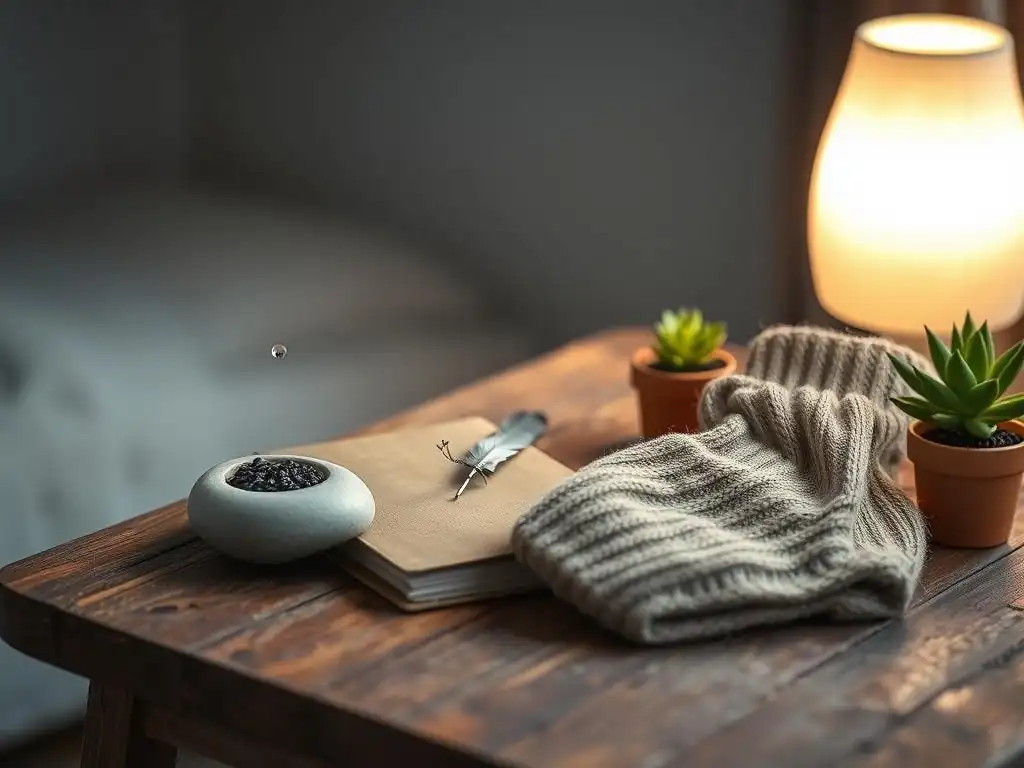
Choosing the right gift for a loved one managing trauma requires more than just picking an item from a list; it requires careful consideration of their unique experiences, triggers, and current state of recovery. What might be helpful for one person could be triggering or overwhelming for another. The most thoughtful gift is one that is tailored specifically to the individual's needs and preferences.
Before making a purchase, take time to reflect on what you know about the person. Are they sensitive to certain sounds or smells? Do they prefer spending time alone or with a few trusted people? What activities genuinely bring them comfort or peace? Considering these factors will help you select a gift that is truly supportive and well-received, ensuring your thoughtful PTSD gift ideas for loved ones land with the intended positive impact.
Understanding Individual Triggers and Preferences
Every individual's experience of trauma and their journey through recovery is unique. Their triggers – the sights, sounds, smells, or situations that can bring back traumatic memories or intense emotional responses – are highly personal. What might seem innocuous to one person could be deeply distressing to another. For example, a gift involving loud music might be calming for some but terrifying for someone whose trauma involved explosions or violence.
Similarly, preferences regarding social interaction, sensory input, and activities vary widely. Some individuals might find comfort in soft, tactile objects, while others prefer visual or auditory stimulation. Some may benefit from social activities, while others need solitude to recharge. Gaining an understanding of these individual nuances, perhaps through gentle observation or conversations with trusted individuals (if the recipient is comfortable with this), is paramount in selecting appropriate and sensitive PTSD gift ideas for loved ones.
Communicating Openly with the Recipient
While the element of surprise can be nice, for someone managing trauma, surprises can sometimes be unsettling. In many cases, it may be more thoughtful to communicate openly with your loved one about potential gift ideas, or at least gauge their current needs and comfort levels beforehand.
This doesn't mean asking them exactly what they want, but perhaps saying something like, "I'd love to get you something that helps you relax," and seeing how they respond, or mentioning a few categories of gifts you're considering (e.g., "Would something for comfort or something for a quiet activity be more helpful right now? ").
This open communication respects their autonomy and allows them to voice any potential concerns or preferences, ensuring the gift is truly wanted and useful. It also reinforces that the gift is about supporting them and their well-being, not about fulfilling your own expectations. This approach is especially important when considering experience-based or more significant PTSD gift ideas for loved ones, ensuring they feel safe and comfortable with the prospect.
The Importance of Offering Support and Understanding
Ultimately, the most valuable gift you can offer someone managing trauma is your consistent support, patience, and understanding. Material gifts, no matter how thoughtful, are secondary to the presence of a caring and non-judgmental ally. Being available to listen (without pressure to talk), offering practical help when needed, and simply accepting them where they are in their journey are gestures of support that have a lasting impact.
Your understanding of what they are going through, your patience with potential setbacks or difficult days, and your willingness to adapt plans or expectations based on their needs demonstrate genuine care. While exploring thoughtful PTSD gift ideas for loved ones, remember that these items or experiences are tools to support their healing, but your relationship and unwavering support are the true foundations of help and hope.
Conclusion: Giving the Gift of Hope and Healing for Individuals Managing Trauma
Finding the right way to show care for a loved one managing trauma can feel challenging, but by approaching it with empathy, understanding, and a focus on their specific needs, you can choose gifts that are truly supportive. Moving beyond conventional presents, thoughtful PTSD gift ideas for loved ones center on comfort, safety, self-care, gentle engagement, and practical support. These gifts serve as tangible reminders that they are cared for, seen, and supported in their journey towards healing and recovery.
Whether it's a weighted blanket offering a sense of calm, a guided meditation app providing tools for grounding, or a gift certificate for practical help, each item can contribute to easing the burden of daily life with trauma symptoms. By considering individual triggers, preferences, and communicating openly, you can select gifts that are not only helpful but also deeply respectful of their personal path.
Remember: The Most Important Gift is Your Support
While the ideas presented here offer tangible ways to show you care, the most profound gift you can give is your unwavering presence, patience, and understanding. Healing from trauma is a complex and non-linear process, and having a supportive network is crucial. Your willingness to learn, listen, and simply be there, offering acceptance without judgment, is invaluable. The thoughtful PTSD gift ideas for loved ones are enhancements to this fundamental support, not replacements for it. Your empathy and consistent care are the true sources of hope and healing.
Resources for Trauma Support and Treatment
For individuals managing trauma, professional support is often a vital part of the healing process. Resources such as trauma-informed therapy (like Trauma-Focused Cognitive Behavioral Therapy or Eye Movement Desensitization and Reprocessing), support groups, and specialized treatment programs can provide the necessary tools and guidance for recovery. Encouraging and supporting a loved one in accessing these resources, without pressure, can be another way to offer significant help. While gifts can provide comfort and practical aid, professional support addresses the root causes and complex impacts of trauma.
Frequently Asked Questions
What are some thoughtful gift ideas for someone managing PTSD that go beyond typical presents?
Instead of focusing on "stuff," consider gifts that promote relaxation and self-care, such as weighted blankets or mindfulness journals. These provide comfort and support during difficult times.
Why is it important to choose gifts carefully for someone with PTSD?
Certain gifts could be triggering or overwhelming for individuals with PTSD. Careful consideration ensures the gift is beneficial, supportive, and promotes healing, not distress.
Are there any specific types of gifts that should be avoided for someone with PTSD?
Avoid loud, startling gifts like air horns or anything that mimics traumatic events. Also, refrain from giving experiences that might cause anxiety, such as crowded concerts without prior discussion.
How can I choose a gift that demonstrates understanding and support for my loved one's PTSD?
Focus on gifts that offer a sense of safety, security, and control. Items promoting mindfulness, relaxation, or creative expression are generally excellent choices.
Where can I find additional resources and support for understanding and managing PTSD?
Websites like the Mind Care Guide offer valuable information and resources on mental well-being, including comprehensive guides on PTSD and coping strategies. Additionally, mental health professionals can provide tailored support.
Final Reflection: Finding Comfort and Connection Through Thoughtful Gifting
The struggle with PTSD is a silent battle fought daily by millions, yet finding ways to offer meaningful support often feels overwhelming. Understanding the unique needs of someone navigating this complex condition requires more than just well-meaning gestures; it demands thoughtful consideration and a genuine desire to connect on a deeper level. This article aimed to provide a starting point, offering a curated selection of gifts that move beyond the typical, focusing instead on fostering healing, promoting self-care, and strengthening the bond between loved ones.
The impact of PTSD extends far beyond the individual; it ripples through families and communities, shaping relationships and influencing societal perspectives. The journey of recovery is often long and arduous, requiring unwavering support and understanding. It's crucial to remember that the best gifts aren't always material; sometimes, the most valuable offering is simply the gift of presence, a listening ear, and a compassionate heart. The greatest gift you can give someone is your time, because when you give your time, you are giving a portion of your life that you will never get back.
– Unknown. This sentiment rings especially true when supporting a loved one grappling with PTSD.
Now, consider your own relationships. Think about the individuals in your life who might be silently battling their own invisible wounds. What small act of kindness, what thoughtful gift, could you offer to show your support and strengthen your connection? Perhaps it's a quiet evening spent together, a carefully chosen book, or simply a heartfelt conversation. The act of giving, when infused with genuine care and understanding, becomes a powerful tool for healing and connection, reminding us of the enduring strength of human empathy and the transformative power of love.
Unleash the Power of Thoughtful Giving: Support Your Loved One's Journey
Thank you for taking the time to explore unique ways to support your loved ones managing PTSD. We hope this article provided you with insightful ideas that go beyond the ordinary. Now, let's turn those ideas into action!
- Craft a personalized care package: This is your chance to show you truly understand their needs. Include items that promote relaxation, self-care, and connection, reflecting the specific challenges they face. This is your primary action for making a profound impact.
- Share this article with others: Spread awareness and empower others to offer meaningful support to those navigating PTSD. Let's build a supportive community together.
- Explore additional resources: Discover more tools and techniques by exploring Mind Care Guide's other articles on PTSD support and coping mechanisms.
What small act of kindness will you take today to make a difference in someone's life?