
Bipolar Disorder: A Complex Mix of Genetic Vulnerability and Environmental Stressors


Welcome to Mind Care Guide, a sanctuary for understanding and nurturing your mental well-being.
Feeling lost in the complexities of bipolar disorder? Many struggle to understand how genetic predispositions intertwine with life's challenges. This article dives deep into the nuanced interplay of bipolar disorder genetic environmental factors, exploring how your unique biology and experiences can shape your mental health. Are you ready to unravel the mysteries and empower yourself with knowledge? Let's begin.
Bipolar Disorder: A Complex Mix of Genetic Vulnerability and Environmental Stressors
- Understanding Bipolar Disorder: The Interplay of Nature and Nurture
- Genetic Predisposition to Bipolar Disorder: Unraveling the Heritability
- Environmental Stressors and Bipolar Disorder: Triggering and Shaping the Illness
- Gene-Environment Interactions in Bipolar Disorder: A Dynamic Relationship
- Implications for Treatment and Prevention of Bipolar Disorder
- Future Directions in Bipolar Disorder Research: Bridging the Gap Between Genes and Environment
-
Frequently Asked Questions
- What role do genetics play in the development of bipolar disorder?
- How do environmental factors contribute to the onset of bipolar disorder?
- Are there specific genes identified as directly causing bipolar disorder?
- Can lifestyle changes help manage bipolar disorder even if there's a genetic predisposition?
- If I have a family history of bipolar disorder, am I destined to develop it?
- Final Reflection: Unraveling the Complex Tapestry of Bipolar Disorder
- Unlock Your Understanding of Bipolar Disorder
Understanding Bipolar Disorder: The Interplay of Nature and Nurture
Defining Bipolar Disorder: Beyond Mood Swings
Bipolar disorder is a chronic mental health condition characterized by significant shifts in mood, energy, activity levels, and the ability to carry out day-to-day tasks. These shifts are more severe than the typical ups and downs most people experience. The condition involves distinct periods of elevated or irritable mood (mania or hypomania) and periods of depressed mood. Mania can manifest as feeling overly joyful, energetic, or irritable, often leading to impulsive behavior, decreased need for sleep, and racing thoughts. Depressive episodes involve feelings of sadness, hopelessness, loss of interest, fatigue, and difficulty concentrating.
It's crucial to understand that bipolar disorder is not simply about having mood swings. The mood changes are extreme and often debilitating, impacting relationships, work, and overall functioning. Diagnosis is based on specific criteria outlined in diagnostic manuals like the DSM-5, requiring the presence of at least one manic or hypomanic episode. The severity and pattern of episodes can vary widely among individuals, highlighting the complexity of the disorder and the need for a nuanced understanding of its underlying causes, including the interplay of bipolar disorder genetic environmental factors.
The Importance of Investigating Genetic and Environmental Factors in Bipolar Disorder
Research into the origins of bipolar disorder consistently points towards a complex interaction between an individual's genetic makeup and their experiences in the environment. Understanding the specific contributions of genetics and environment, and how they interact, is fundamental for several reasons. Firstly, it helps de-stigmatize the condition by framing it as a neurobiological illness influenced by measurable factors, rather than a personal failing. Secondly, identifying specific genetic vulnerabilities and environmental triggers can lead to more accurate risk assessment and potentially prediction, although this remains challenging.
Furthermore, a deeper understanding of the genetic and environmental factors influencing bipolar disorder is essential for developing more effective prevention strategies and targeted treatments. If we can identify individuals who are genetically predisposed and exposed to specific environmental risks, interventions could be tailored to mitigate those risks or build resilience. This knowledge also informs the development of novel therapies that might target specific biological pathways influenced by these factors. Investigating bipolar disorder genetic environmental factors is therefore not just an academic exercise but a vital step towards improving the lives of those affected.
Genetic Predisposition to Bipolar Disorder: Unraveling the Heritability
Identifying Specific Genes Associated with Bipolar Disorder Risk
The heritability of bipolar disorder is estimated to be quite high, often cited in the range of 70% to 80%. This means that a significant portion of the risk for developing the disorder is influenced by genetic factors passed down through families. While no single "bipolar gene" exists, numerous genes, each with a small effect, contribute to an individual's overall genetic vulnerability. Identifying these specific genes is a major focus of research, primarily using large-scale genetic studies.
Early studies often focused on specific candidate genes thought to be involved in mood regulation or neurotransmission. More recently, genome-wide association studies (GWAS) have become the primary tool, scanning the entire genome for common genetic variations (SNPs) associated with the disorder.
These studies have identified several genetic loci consistently linked to bipolar disorder risk, such as variants near the genes CACNA1C (involved in calcium channel function) and ANK3 (involved in voltage-gated sodium channels). Understanding these specific genetic contributions is key to unraveling the biological underpinnings of the disorder, though the precise mechanisms by which these gene variants increase risk are still being investigated.
Genome-Wide Association Studies (GWAS) and Bipolar Disorder
Genome-Wide Association Studies (GWAS) represent a powerful approach to identifying genetic variations associated with complex disorders like bipolar disorder. These studies compare the DNA of thousands of individuals with bipolar disorder to the DNA of thousands of control individuals, looking for tiny differences (single nucleotide polymorphisms or SNPs) that occur more frequently in the affected group. By analyzing millions of SNPs across the entire genome, GWAS can pinpoint specific chromosomal regions that harbor genes influencing risk.
Through large international collaborations involving tens of thousands of participants, GWAS have significantly advanced our understanding of the genetic landscape of bipolar disorder. These studies have replicated findings for previously suspected genes and identified novel risk loci. For instance, significant associations have been found with genes involved in ion channel function ( CACNA1C, ANK3), synaptic function, and immune response.
While each identified SNP typically confers only a small increase in risk individually, the cumulative effect of multiple such variants contributes substantially to an individual's overall genetic predisposition to bipolar disorder. These findings underscore the polygenic nature of the illness, where many genes contribute to the risk.
Candidate Gene Studies: Exploring Specific Genetic Variants
Prior to the widespread use of GWAS, much of the genetic research on bipolar disorder focused on "candidate gene" studies. This approach involves selecting specific genes hypothesized to play a role in the disorder based on their known biological function, such as genes involved in neurotransmitter pathways (like dopamine, serotonin, or glutamate) or circadian rhythms, and then testing for associations between variations in these genes and bipolar disorder. For example, genes encoding receptors or transporters for these neurotransmitters were frequently investigated.
While some candidate gene studies reported associations, many findings were inconsistent across different studies, often due to smaller sample sizes and methodological differences. However, some candidate genes initially identified through this approach, such as those related to calcium signaling or circadian clock genes, have later been supported by larger-scale GWAS. Although less common as a primary discovery tool now, candidate gene studies still play a role in functional genomics, helping researchers understand how the genetic variants identified by GWAS might impact brain function and contribute to the symptoms of bipolar disorder.
Genetic Overlap with Other Mental Health Conditions
Intriguing research has revealed significant genetic overlap between bipolar disorder and other psychiatric conditions, suggesting shared underlying biological pathways. This overlap helps explain why individuals or families might have a history of multiple mental health challenges. Understanding these shared genetic vulnerabilities is crucial for developing comprehensive models of mental illness and potentially informing diagnosis and treatment strategies.
Studies using genetic data have shown that certain genetic variants associated with an increased risk for bipolar disorder are also associated with an increased risk for other conditions. This genetic sharing is particularly notable with schizophrenia and major depressive disorder, but also extends to conditions like autism spectrum disorder and attention-deficit/hyperactivity disorder (ADHD). This indicates that while each disorder has unique diagnostic features, they may share common roots in the brain's development and function, influenced by overlapping genetic factors.
The Genetic Connection Between Bipolar Disorder and Schizophrenia
One of the most significant findings in psychiatric genetics is the substantial overlap between the genetic risk factors for bipolar disorder and schizophrenia. While clinically distinct, these two conditions share genetic vulnerabilities, particularly in genes involved in calcium signaling, synaptic function, and neuronal development. Large-scale genetic studies have identified many specific genetic loci that increase the risk for both disorders.
For instance, variants in the CACNA1C gene, a well-established risk factor for bipolar disorder, have also been consistently linked to schizophrenia risk. Similarly, genetic variants in the ANK3 gene show overlap. This shared genetic architecture suggests that there might be a spectrum of psychotic and mood disorders, with bipolar disorder and schizophrenia representing different points along this continuum, influenced by a common pool of risk genes. This understanding has implications for how we view the relationship between these conditions and potential treatment targets.
Shared Genetic Vulnerabilities with Major Depressive Disorder
There is also considerable genetic overlap between bipolar disorder and major depressive disorder (MDD). Given that bipolar disorder involves depressive episodes, this overlap is perhaps less surprising than that with schizophrenia. However, the nature of the overlap is complex; some genetic factors might predispose specifically to bipolar disorder (particularly the manic component), while others are shared risk factors for depression, regardless of whether it occurs in the context of MDD or bipolar disorder.
Studies comparing the genetic profiles of individuals with bipolar disorder, MDD, and controls have identified shared genetic risk loci, particularly those involved in mood regulation and stress response pathways. This shared genetic vulnerability contributes to the difficulty in sometimes distinguishing between severe MDD and bipolar disorder type II, which involves hypomanic episodes. Recognizing this genetic overlap reinforces the idea that mood disorders, including bipolar disorder, are influenced by a complex interplay of shared and unique genetic factors.
Epigenetics and Bipolar Disorder: How Genes Are Modified
Beyond the DNA sequence itself, epigenetic mechanisms play a critical role in regulating gene expression. Epigenetics refers to changes in gene activity that do not involve alterations to the underlying DNA sequence but can be inherited or influenced by environmental factors. These modifications, such as DNA methylation, histone modifications, and non-coding RNAs, can switch genes on or off, or modulate their activity levels, thereby influencing protein production and cellular function.
Research into bipolar disorder is increasingly exploring the role of epigenetic modifications in the brain. Studies have found differences in epigenetic marks in post-mortem brain tissue and peripheral blood samples from individuals with bipolar disorder compared to controls. These differences have been observed in genes implicated in stress response, neurodevelopment, and immune function.
Environmental factors, particularly early life stress, are known to induce lasting epigenetic changes, providing a potential molecular link between environmental experiences and altered gene expression that could contribute to the development or progression of bipolar disorder. This highlights how bipolar disorder genetic environmental factors work together on a molecular level.
Environmental Stressors and Bipolar Disorder: Triggering and Shaping the Illness

Early Life Adversity: The Impact of Trauma and Stress on Bipolar Development
While genetic predisposition provides a vulnerability, environmental factors, particularly adverse experiences early in life, are powerful contributors to the development of bipolar disorder. Childhood trauma, such as abuse or neglect, is a significant risk factor. Studies have shown that individuals with bipolar disorder report higher rates of childhood adversity compared to the general population or those with other mental health conditions. This early stress can alter brain development and stress response systems, increasing susceptibility later in life.
Research suggests that experiencing severe childhood trauma can increase the risk of developing bipolar disorder by a factor of two to five times. For example, one study found that individuals with bipolar disorder who reported a history of childhood abuse had an earlier age of onset for their illness and experienced more severe symptoms and rapid cycling. These findings emphasize that the impact of environmental stressors like early adversity is not merely a trigger for episodes in adulthood but can fundamentally shape the trajectory of the illness from its inception, interacting with genetic vulnerabilities.
Childhood Abuse and Neglect as Risk Factors
Childhood abuse (physical, sexual, or emotional) and neglect are consistently identified as potent environmental risk factors for a range of mental health issues, including bipolar disorder. The developing brain is particularly sensitive to stress and trauma, and chronic exposure to adverse environments can disrupt the normal development of crucial brain circuits involved in mood regulation, stress response (like the HPA axis), and emotional processing.
Longitudinal studies tracking individuals from childhood into adulthood have provided compelling evidence for this link. For instance, individuals who experienced severe childhood maltreatment are significantly more likely to be diagnosed with bipolar disorder later in life, even after accounting for genetic predisposition. This suggests that trauma is not merely an association but a causal risk factor that can interact with underlying genetic vulnerability to increase the likelihood of developing bipolar disorder. Addressing the impact of childhood trauma is therefore a critical component in both understanding and potentially preventing or mitigating the severity of bipolar disorder.
The Role of Attachment and Social Support
Beyond overt abuse or neglect, the quality of early attachment relationships and the availability of social support play a crucial role in buffering against or exacerbating the impact of environmental stressors. Secure attachment relationships with primary caregivers provide a foundation of safety and predictability, which can help regulate a child's stress response system and foster healthy emotional development.
Conversely, insecure or disrupted attachment patterns, often a consequence of neglect or inconsistent caregiving, can leave individuals more vulnerable to stress later in life. A lack of adequate social support in childhood and adolescence can also amplify the negative effects of other environmental adversities. The presence of strong, supportive relationships throughout life acts as a protective factor against the development of mental health conditions, including bipolar disorder, by providing emotional regulation and resilience resources. This underscores the importance of the social environment as a key component interacting with bipolar disorder genetic environmental factors.
Stressful Life Events: Precipitating Bipolar Episodes
While early life adversity can increase long-term vulnerability, acute stressful life events are often implicated as triggers for individual mood episodes (manic, hypomanic, or depressive) in individuals who are already predisposed to bipolar disorder. Major life changes, both negative and sometimes positive (like getting married or starting a new job, if highly disruptive), can precipitate an episode.
Common stressful events that can trigger episodes include relationship breakdowns, loss of a loved one, significant financial problems, or major work-related stress. For example, a study found that approximately 50-70% of first episodes of bipolar disorder are preceded by a major stressful life event. Subsequent episodes may become less strongly linked to external stressors over time for some individuals, but stress often continues to play a role. Managing stress and developing coping strategies are therefore vital components of managing bipolar disorder.
Relationship Problems and Bipolar Disorder
Interpersonal relationships are a common source of stress, and difficulties in relationships are frequently reported before the onset of mood episodes in individuals with bipolar disorder. Conflicts, breakups, or loss of a significant relationship can be powerful triggers for both depressive and manic episodes. The emotional intensity and instability often associated with bipolar disorder can, in turn, strain relationships, creating a challenging cycle.
For instance, studies using daily mood tracking have shown that interpersonal stress is often tightly correlated with fluctuations in mood and increased risk of symptom onset in individuals with bipolar disorder. Therapies specifically designed to address interpersonal rhythm and social interactions, such as Interpersonal and Social Rhythm Therapy (IPSRT), have shown efficacy, highlighting the significant role that relationship-related stress plays in the course of the illness.
Financial Stress and Its Effects on Mood Regulation
Financial stress is another significant environmental factor that can impact mood regulation and trigger episodes in individuals with bipolar disorder. Worries about debt, unemployment, or inability to meet financial obligations create chronic stress, which can disrupt sleep patterns, increase anxiety, and negatively affect overall well-being – all factors that can destabilize mood in someone with bipolar disorder.
The impulsive spending or poor financial judgment that can occur during manic episodes can also lead to significant financial problems, creating a vicious cycle where the illness contributes to the stressor, which then exacerbates the illness. Research indicates that financial difficulties are a common stressor reported by individuals experiencing bipolar episodes. Addressing financial stability and providing resources for managing finances can be an important part of a comprehensive treatment plan.
Substance Use and Bipolar Disorder: A Dangerous Combination
Substance use is highly prevalent among individuals with bipolar disorder, with estimates suggesting that around 40-60% of people with the condition will also experience a substance use disorder at some point in their lives. This co-occurrence is not coincidental; substance use can significantly worsen the course of bipolar disorder, trigger episodes, and interfere with treatment effectiveness. It represents a significant environmental factor that interacts negatively with the underlying vulnerability.
Alcohol, cannabis, stimulants, and other drugs can directly impact brain chemistry and mood regulation pathways that are already dysregulated in bipolar disorder. Using substances can destabilize mood, precipitate manic or depressive episodes, increase the frequency and severity of episodes, and raise the risk of hospitalization and suicide. The interaction between substance use and bipolar disorder is complex and bidirectional, with substance use sometimes being an attempt to self-medicate uncomfortable mood states, which ultimately worsens the condition.
The Impact of Alcohol and Drugs on Bipolar Symptoms
Alcohol and various drugs have distinct effects on mood that can be particularly problematic for someone with bipolar disorder. Alcohol, a depressant, can deepen depressive episodes and worsen suicidal ideation. Stimulants like cocaine or methamphetamine can trigger or exacerbate manic episodes, leading to more severe symptoms, impulsivity, and psychosis. Even substances often perceived as less harmful, like cannabis, have been linked to an increased risk of manic episodes and psychosis in vulnerable individuals.
Using substances also disrupts sleep patterns, which are critical for mood stability in bipolar disorder. Lack of sleep can easily trigger manic episodes. Furthermore, substance use can interfere with the effectiveness of prescribed mood-stabilizing medications and make it harder for individuals to adhere to their treatment plan. This makes addressing substance use a critical priority in the treatment of bipolar disorder.
Self-Medication and the Cycle of Addiction
Many individuals with bipolar disorder report using alcohol or drugs in an attempt to cope with or numb the intense and often distressing mood states associated with the illness. For example, someone experiencing the irritability and racing thoughts of hypomania might use alcohol to try and slow down, while someone in a depressive episode might use stimulants to try and boost their energy or mood.
While this self-medication might provide temporary relief, it ultimately perpetuates a cycle of instability and addiction. The substance use worsens the underlying bipolar symptoms and creates a new problem – dependence or addiction – which adds another layer of complexity to managing the condition. Breaking this cycle requires integrated treatment that addresses both the bipolar disorder and the substance use disorder simultaneously, recognizing how these bipolar disorder genetic environmental factors converge.
Inflammation and the Gut Microbiome: Emerging Environmental Factors
Emerging research is highlighting less traditional environmental factors that may play a role in bipolar disorder, including chronic inflammation and the composition of the gut microbiome. While these might seem distant from typical stressors, they represent biological responses to environmental exposures (like diet, infections, or stress) that can influence brain function and mood.
Chronic low-grade inflammation has been observed in individuals with bipolar disorder, particularly during mood episodes. The gut microbiome, the vast community of bacteria and other microorganisms in the digestive tract, communicates with the brain through various pathways (the gut-brain axis) and can influence mood and behavior. Disruptions in the gut microbiome composition have been linked to various mental health conditions, and research is exploring its potential role in bipolar disorder, adding new dimensions to understanding bipolar disorder genetic environmental factors.
The Role of Inflammation in Bipolar Pathophysiology
Inflammation is the body's natural response to injury or infection, but chronic or dysregulated inflammation can be harmful. Studies have consistently found elevated levels of inflammatory markers, such as cytokines (e.g., IL-6, TNF-alpha), in individuals with bipolar disorder, especially during depressive and manic episodes. While the exact relationship is still being elucidated, inflammation is thought to impact neurotransmitter systems, neurogenesis (the creation of new brain cells), and synaptic function – all processes implicated in bipolar disorder.
Chronic stress and unhealthy lifestyle factors (like poor diet, lack of sleep, sedentary lifestyle) can contribute to chronic inflammation, potentially linking environmental influences to the biological changes seen in bipolar disorder. Understanding the role of inflammation could open doors for novel therapeutic strategies targeting inflammatory pathways to help stabilize mood.
The Gut-Brain Axis and Mood Regulation
The gut-brain axis is a complex communication network linking the central nervous system with the enteric nervous system (in the gut). The trillions of microorganisms residing in the gut, collectively known as the gut microbiome, can influence brain function and behavior through various mechanisms, including producing neurotransmitters (like serotonin), short-chain fatty acids, and modulating the immune system and inflammation.
Preliminary research suggests that the composition and diversity of the gut microbiome may differ in individuals with bipolar disorder compared to healthy controls. These differences could potentially impact mood regulation and stress response. While research in this area is still in its early stages, it offers an exciting new avenue for understanding how environmental factors, such as diet and lifestyle which influence the microbiome, might interact with genetic predisposition to influence the risk and course of bipolar disorder.
Gene-Environment Interactions in Bipolar Disorder: A Dynamic Relationship
How Genetic Vulnerability Interacts with Environmental Stressors
The most compelling model for understanding the etiology of bipolar disorder involves the concept of gene-environment interaction (GxE). This perspective posits that neither genes nor environment act in isolation; instead, an individual's genetic predisposition influences how sensitive they are to environmental stressors, and certain environmental exposures may only increase risk in individuals with a specific genetic vulnerability. This dynamic relationship is central to the complexity of bipolar disorder genetic environmental factors.
For example, an individual might carry several genetic variants that moderately increase their risk for bipolar disorder. However, they may only develop the condition if they are exposed to significant environmental stressors, such as severe childhood trauma or chronic stress in adulthood. Conversely, someone with a very high genetic load might develop the disorder even with relatively mild environmental challenges. This interactive model helps explain why not everyone with a family history develops the illness and why not everyone exposed to trauma does either.
The Diathesis-Stress Model of Bipolar Disorder
The Diathesis-Stress Model is a widely accepted framework for understanding how gene-environment interactions contribute to mental health conditions, including bipolar disorder. The "diathesis" refers to the underlying vulnerability or predisposition, which is largely genetic in the context of bipolar disorder. The "stress" refers to environmental challenges or stressors.
According to this model, an individual with a high genetic diathesis requires less environmental stress to trigger the onset of bipolar disorder or precipitate an episode, compared to someone with a lower genetic diathesis. Conversely, individuals with a low genetic vulnerability might withstand significant environmental stress without developing the condition. The model highlights that the illness emerges from the combination of predisposition and stress, not from either factor alone. This model provides a powerful lens through which to view the complex interplay of bipolar disorder genetic environmental factors.
Gene-Environment Correlation: Passive, Evocative, and Active
Beyond interaction, there is also gene-environment correlation (rGE), where an individual's genetic makeup influences the environments they are exposed to. There are three main types of rGE:
- Passive rGE: Occurs when individuals inherit both their genes and their environment from their parents. For example, parents with a genetic predisposition for bipolar disorder might create a less stable or more stressful home environment, which their genetically vulnerable child is then exposed to.
- Evocative rGE: Occurs when an individual's genetic traits evoke specific responses from the environment. For instance, a child with a genetic predisposition towards irritability (potentially linked to bipolar risk) might elicit more negative reactions from peers or adults, leading to increased social stress.
- Active rGE: Occurs when individuals with certain genetic predispositions actively seek out or select specific environments. For example, someone with a genetic vulnerability to impulsivity or sensation-seeking (traits sometimes associated with mania) might be more likely to engage in risky behaviors or associate with peer groups involved in substance use, thereby increasing their exposure to environmental triggers.
Understanding these different ways genes and environment are correlated, in addition to how they interact, further illuminates the complex developmental pathways leading to bipolar disorder.
Implications for Treatment and Prevention of Bipolar Disorder
Personalized Medicine: Tailoring Treatment Based on Genetic and Environmental Profiles
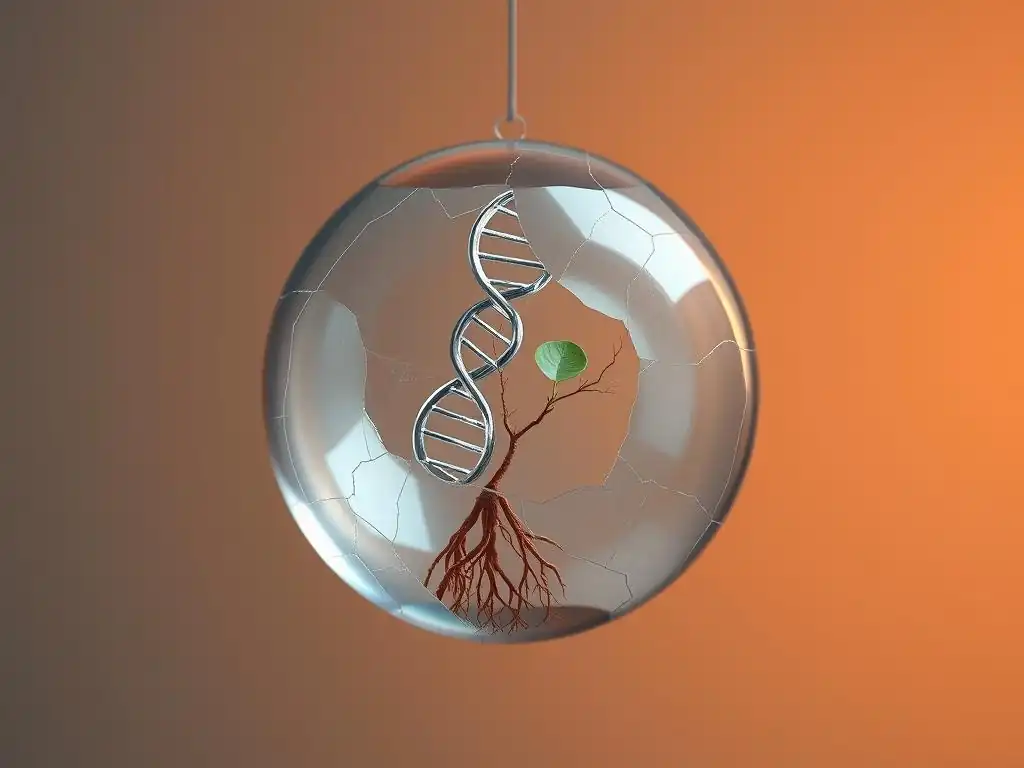
A deeper understanding of bipolar disorder genetic environmental factors holds significant promise for advancing personalized medicine approaches. If specific genetic profiles are found to predict response to certain medications (pharmacogenomics) or indicate increased risk for particular side effects, treatment could be tailored more effectively from the outset. While pharmacogenomic testing for psychiatric medications is available, its clinical utility for bipolar disorder is still being refined.
Beyond genetics, assessing an individual's environmental risk factors, such as history of trauma, current stress levels, and social support network, is already a standard part of comprehensive care. Integrating this environmental information with genetic insights could lead to more precise risk stratification and guide therapeutic interventions. For example, an individual with high genetic vulnerability and a history of severe childhood trauma might benefit particularly from trauma-informed therapy in addition to standard pharmacological treatment. Tailoring interventions based on an individual's unique blend of genetic and environmental influences is the future of treating bipolar disorder.
Early Intervention Strategies: Targeting At-Risk Individuals
Identifying individuals at high risk for developing bipolar disorder, based on a combination of family history (genetic risk) and exposure to significant environmental stressors (like early trauma), opens possibilities for early intervention. While predicting who will develop the disorder is not yet precise, focusing on at-risk populations allows for proactive strategies.
These strategies could include psychoeducation for families with a history of bipolar disorder, teaching stress management techniques to vulnerable adolescents, and providing early access to mental health support for those exposed to significant adversity. For example, programs focused on building resilience and coping skills in young people with a family history of mood disorders could potentially delay onset or reduce severity. Early intervention is a critical area where understanding bipolar disorder genetic environmental factors can translate into practical benefits.
Reducing Environmental Stressors: Promoting Resilience and Well-being
Given the significant role of environmental stressors in triggering and shaping bipolar disorder, interventions aimed at reducing exposure to stress and building resilience are crucial. This involves a multi-faceted approach addressing various aspects of an individual's life.
Strategies include:
- Developing effective stress management techniques (e.g., mindfulness, exercise).
- Improving sleep hygiene and regulating daily routines (social rhythm).
- Building and maintaining a strong social support network.
- Addressing co-occurring conditions like substance use disorders.
- Providing support to mitigate the impact of financial or relationship problems.
- Addressing the long-term effects of early life trauma through therapy.
Focusing on these modifiable environmental factors empowers individuals and clinicians to actively work towards preventing episodes and promoting long-term stability and well-being, complementing pharmacological treatments and acknowledging the influence of bipolar disorder genetic environmental factors.
Future Directions in Bipolar Disorder Research: Bridging the Gap Between Genes and Environment
Advancements in Genetic Sequencing and Data Analysis
The cost of genetic sequencing has plummeted in recent years, making it feasible to conduct whole-genome sequencing on large populations. Future research will leverage these advancements to identify rare genetic variants that might have larger effects on risk, which are missed by current GWAS focused on common variants. Analyzing the complex interactions between multiple genes (polygenic risk scores) will become more sophisticated, providing a more comprehensive picture of an individual's genetic vulnerability.
Furthermore, advancements in computational methods and artificial intelligence will improve the ability to integrate vast amounts of genetic data with environmental and clinical data. This will allow researchers to uncover more subtle and complex gene-environment interactions and correlations that are not apparent using traditional statistical methods. These technological leaps are essential for fully mapping the intricate landscape of bipolar disorder genetic environmental factors.
Longitudinal Studies: Tracking the Development of Bipolar Disorder Over Time
Longitudinal studies, which follow individuals over many years, are critical for understanding how genetic predisposition and environmental exposures interact throughout the lifespan to influence the development and course of bipolar disorder. These studies can track individuals from childhood or adolescence, assessing their genetic risk, exposure to various environmental stressors (trauma, stress, substance use), and the emergence and progression of symptoms.
By collecting data at multiple time points, researchers can identify critical windows of vulnerability, determine which specific environmental events are most impactful at different developmental stages, and observe how the illness trajectory is shaped by the ongoing interplay between genes and environment. Such studies provide invaluable insights that cross-sectional studies cannot, helping to build a dynamic model of bipolar disorder.
The Promise of New Therapeutic Targets
As our understanding of the specific biological pathways influenced by genetic variants and environmental factors grows, so does the potential for identifying novel therapeutic targets. For example, if specific genes involved in calcium signaling are consistently implicated, future medications might be developed to modulate these pathways more precisely than current treatments. Similarly, understanding the role of inflammation or the gut microbiome could lead to therapies that target these systems.
Furthermore, identifying critical periods of gene-environment interaction could inform the timing and type of preventive interventions. The ongoing research into the complex interplay of bipolar disorder genetic environmental factors is not just about understanding the causes but is fundamentally aimed at developing more effective, personalized, and preventative strategies to improve the lives of individuals affected by this challenging condition.
Frequently Asked Questions
What role do genetics play in the development of bipolar disorder?
Genetics contribute significantly, making some individuals more vulnerable to developing bipolar disorder. However, it's not solely determined by genes; environmental factors also play a crucial role. Inherited predispositions increase the risk, but don't guarantee the condition.
How do environmental factors contribute to the onset of bipolar disorder?
Environmental factors like stressful life events, trauma, and substance abuse can trigger episodes in individuals who are genetically predisposed. These stressors can overwhelm coping mechanisms and exacerbate the condition. They act as catalysts, not sole causes.
Are there specific genes identified as directly causing bipolar disorder?
No single gene directly causes bipolar disorder. Instead, research suggests a complex interplay of multiple genes that increase susceptibility. Identifying these specific genes is an ongoing area of research with no definitive answer yet.
Can lifestyle changes help manage bipolar disorder even if there's a genetic predisposition?
Yes, lifestyle changes can significantly impact the management of bipolar disorder. Regular sleep patterns, healthy diet, and stress reduction techniques can help stabilize mood and reduce the frequency and severity of episodes. These are important complementary therapies to medication.
If I have a family history of bipolar disorder, am I destined to develop it?
Having a family history increases your risk, but it doesn't mean you're destined to develop bipolar disorder. Genetic predisposition is only one piece of the puzzle. Proactive mental health care, healthy lifestyle choices, and awareness of symptoms can help mitigate the risk.
Final Reflection: Unraveling the Complex Tapestry of Bipolar Disorder
The interplay between genetic predisposition and environmental stressors in bipolar disorder isn't just a scientific puzzle; it's a crucial key to understanding, treating, and ultimately, preventing this debilitating illness. The research presented highlights the intricate dance between inherited vulnerabilities and life experiences, a dance that shapes the trajectory of an individual's life. This understanding is not merely academic; it's directly relevant to the development of more effective treatments and preventative strategies.
The impact of this complex interaction extends far beyond the individual, shaping our understanding of mental health within families and communities. The stigma surrounding bipolar disorder often stems from a lack of awareness about its multifaceted nature. By acknowledging both the genetic and environmental components, we can foster greater empathy and support for those affected. The greatest barrier to recovery is often not the illness itself, but the silence and stigma that surrounds it.
This quote underscores the importance of open dialogue and a compassionate approach to mental health challenges.
Consider the implications of this knowledge for your own life. Are you aware of your family history regarding mental health? How might understanding the environmental triggers – stress, trauma, substance abuse – help you or someone you know navigate the complexities of bipolar disorder? Take the time to learn more, to challenge the stigma, and to advocate for increased research and support. By embracing a holistic understanding of this condition, we can pave the way for a future where individuals living with bipolar disorder receive the care, compassion, and understanding they deserve.
Unlock Your Understanding of Bipolar Disorder
Thanks for taking the time to explore the complexities of bipolar disorder with us. We hope you gained valuable insights into the interplay of genetics and environment in this challenging condition. Now, let's take the next steps together:
- Join our supportive online forum: Connect with others navigating similar experiences and share your thoughts in a safe and understanding community. This is a chance to learn from others and offer mutual support.
- Share this article with someone who might benefit: Knowledge is power, and spreading awareness can make a real difference in someone's life.
- Research local support groups: Find resources and connections within your community to build a strong support network.
Ready to make a positive change in your life or the life of someone you care about? What specific step will you take today to deepen your understanding and support those affected by bipolar disorder?