
The Science of Calm: How Herbal Remedies Combat Stress

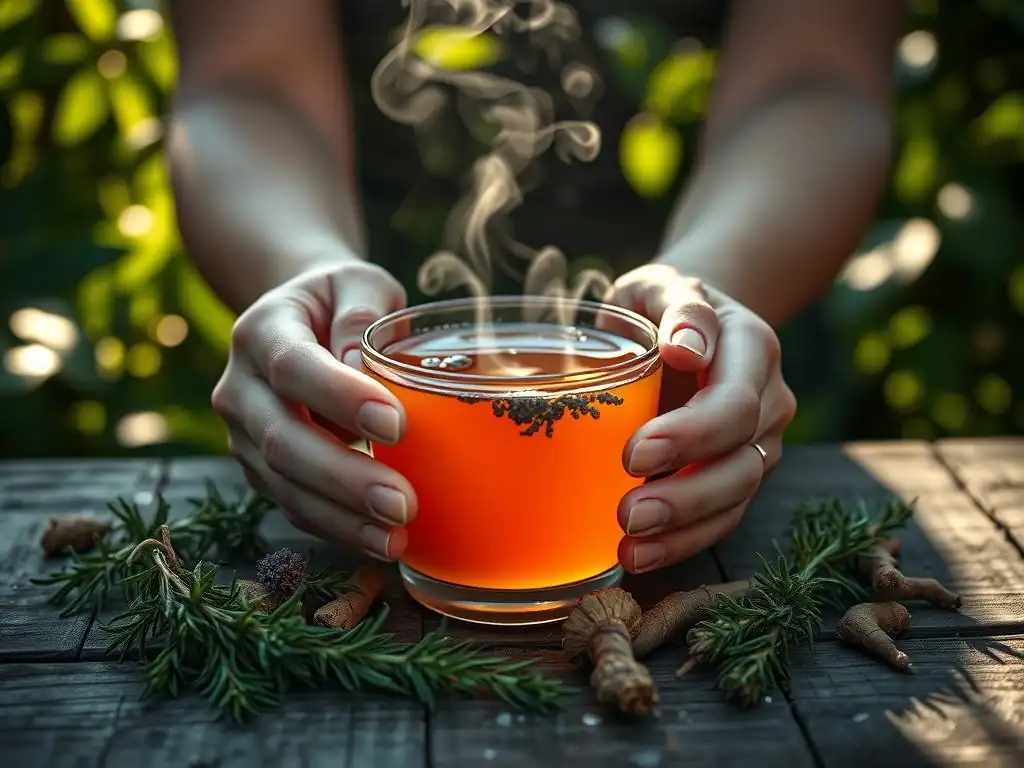
Welcome to Mind Care Guide, a sanctuary dedicated to nurturing your mental well-being. Feeling overwhelmed by stress and anxiety? You're not alone. Discover the ancient wisdom and modern science behind using herbal remedies reduce stress anxiety in our latest article. Could nature hold the key to unlocking inner peace? Let's explore together...
The Science of Calm: How Herbal Remedies Combat Stress
- Understanding Stress and Anxiety: A Mind Care Guide Perspective
- Herbal Remedies Reduce Stress Anxiety: Exploring Natural Solutions
- Best Herbal Remedies to Reduce Stress and Anxiety: A Deep Dive
- Integrating Herbal Remedies into Your Stress Management Plan
- Potential Side Effects and Interactions: Navigating Herbal Remedy Safety
- Maximizing the Benefits of Herbal Remedies for Stress Relief
- Beyond Herbal Remedies: Additional Strategies for Managing Stress and Anxiety
-
Frequently Asked Questions
- What are some popular herbal remedies that are believed to help reduce stress and anxiety?
- How do herbal remedies supposedly work to reduce stress and anxiety?
- Are herbal remedies a replacement for conventional medical treatments for stress and anxiety?
- What are the potential side effects or risks associated with using herbal remedies for stress and anxiety?
- Where can I find reliable information and resources about using herbal remedies safely and effectively?
- Final Reflection: Cultivating Inner Peace Through Nature's Pharmacy
- Unlock Your Inner Calm: Start Your Stress-Free Journey Today!
Understanding Stress and Anxiety: A Mind Care Guide Perspective
Stress and anxiety are common experiences in modern life, often intertwining to create significant challenges to mental and physical well-being. While stress is typically a response to external pressures, anxiety can persist even without an immediate trigger, characterized by excessive worry and apprehension. Navigating these states is crucial for maintaining a balanced and healthy life.
At Mind Care Guide, we understand that seeking effective ways to manage stress and anxiety is a priority for many. This guide explores how natural options, specifically herbal remedies, can play a role in promoting a sense of calm and resilience. Understanding the root causes and impacts of stress and anxiety is the first step towards finding effective solutions.
The Impact of Chronic Stress on Mental Well-being
Chronic stress, unlike acute stress which is a short-term response, is a state of prolonged activation of the body's stress response system. This persistent state can have profound negative effects on mental well-being. It is linked to an increased risk of developing anxiety disorders, depression, and can exacerbate existing mental health conditions. The constant state of alertness can lead to emotional exhaustion, irritability, and difficulty concentrating.
Physiologically, chronic stress keeps cortisol levels elevated. High cortisol over time can impair cognitive function, particularly memory and executive function, and disrupt sleep patterns. Mentally, individuals may experience feelings of being overwhelmed, helpless, or losing control. Studies indicate that prolonged stress can even alter brain structure and function in areas like the amygdala and prefrontal cortex, impacting emotional regulation and decision-making. Addressing chronic stress early is vital for protecting long-term mental health.
Anxiety's Grip: Recognizing the Symptoms
Anxiety manifests differently in individuals, but it commonly involves feelings of worry, nervousness, or unease about future events or uncertain outcomes. Recognizing the symptoms is key to seeking appropriate support. Common psychological symptoms include persistent worrying, feeling restless or on edge, difficulty concentrating, and irritability. These mental states can significantly interfere with daily activities, work, and relationships.
Physical symptoms often accompany anxiety, reflecting the body's 'fight or flight' response being activated unnecessarily. These can include a rapid heart rate, sweating, trembling, shortness of breath, muscle tension, headaches, and digestive issues like nausea or stomachaches. Some people might experience panic attacks, which are sudden episodes of intense fear accompanied by severe physical symptoms. Understanding that these physical sensations are often linked to anxiety can help demystify the experience and empower individuals to seek help.
Why Herbal Remedies Are a Natural Approach to Stress Reduction
Many people are seeking natural alternatives or complements to conventional stress management techniques and medications. Herbal remedies for stress and anxiety offer an appealing option due to their long history of traditional use and the perception of being gentler on the body. They represent a return to nature's pharmacy, utilizing plants known for their calming and adaptogenic properties.
The interest in how herbal remedies reduce stress anxiety stems from a desire for holistic well-being. Instead of solely targeting symptoms, some herbs are believed to work by supporting the body's natural ability to cope with stress, balancing the nervous system, or promoting relaxation. This approach resonates with those looking for non-pharmaceutical ways to improve their mental state and overall resilience against life's pressures.
Herbal Remedies Reduce Stress Anxiety: Exploring Natural Solutions
The growing body of research into botanicals has shed light on how specific plant compounds interact with the body's systems involved in stress response. Exploring these natural solutions provides valuable insight into the potential of herbal remedies for stress reduction.
How Herbal Remedies Work: The Science Behind Stress Relief
The mechanisms by which herbal remedies reduce stress anxiety are diverse and often complex, involving interactions with various neurochemical pathways. Some herbs, like Valerian or Passionflower, are thought to influence Gamma-aminobutyric acid (GABA) receptors in the brain. GABA is an inhibitory neurotransmitter that helps calm nervous activity. By potentially enhancing GABA's effects, these herbs can promote relaxation and reduce feelings of anxiousness.
Other herbs, particularly adaptogens like Ashwagandha, work differently. Adaptogens are believed to help the body adapt to stressors by modulating the hypothalamic-pituitary-adrenal (HPA) axis, which is the body's central stress response system. By helping to regulate cortisol production and other stress hormones, adaptogens can improve resilience to both physical and mental stress, leading to a more balanced mood and reduced anxiety over time. Research suggests adaptogens can help normalize physiological processes disrupted by stress.
Key Ingredients: Identifying Effective Herbal Compounds
Identifying the specific compounds within herbs that contribute to their stress-reducing effects is an active area of research. For example, in Ashwagandha ( Withania somnifera), the primary active compounds are believed to be withanolides. These steroids are thought to be responsible for many of the herb's adaptogenic and calming properties.
In Valerian ( Valeriana officinalis), compounds like valerenic acid and valerenal are considered key to its sedative effects, likely through their interaction with GABA receptors. Chamomile ( Matricaria recutita) contains an antioxidant called apigenin, which may bind to certain receptors in the brain that reduce anxiety and initiate sleep. Understanding these key ingredients helps in selecting effective herbal remedies to reduce stress anxiety and ensures the quality of supplements.
Safety and Effectiveness: What the Research Says
Research into the safety and effectiveness of herbal remedies for stress and anxiety varies widely depending on the herb. Some herbs, like Valerian and Chamomile, have a long history of traditional use and a moderate amount of clinical research supporting their use for mild to moderate anxiety and sleep disturbances. Studies often show modest but statistically significant effects compared to placebo for specific conditions.
However, it's important to note that the quality and rigor of studies can differ. While some clinical trials support the use of certain herbal remedies reduce stress anxiety, more large-scale, double-blind, placebo-controlled trials are often needed to confirm efficacy and long-term safety definitively. Regulatory oversight for herbal supplements is also less strict than for pharmaceuticals in many regions, making it crucial for consumers to be discerning about product quality and purity. Always consult research findings and healthcare providers.
Best Herbal Remedies to Reduce Stress and Anxiety: A Deep Dive
Numerous herbs have been traditionally used and scientifically investigated for their potential to alleviate stress and anxiety. This section explores some of the most popular and promising options, detailing their benefits, forms, and considerations.
Ashwagandha: The Ancient Adaptogen for Modern Stress
Ashwagandha ( Withania somnifera), also known as Indian Ginseng, is a cornerstone of Ayurvedic medicine with a history spanning thousands of years. It is classified as an adaptogen, meaning it helps the body resist stressors of all kinds, whether physical, chemical, or biological. Its growing popularity in the West is due to increasing evidence supporting its role in stress management and overall vitality.
Modern research corroborates Ashwagandha's traditional uses. Several studies have shown that Ashwagandha supplementation can significantly reduce cortisol levels in chronically stressed individuals. For instance, one study published in the Indian Journal of Psychological Medicine in 2012 reported a substantial reduction in stress levels and serum cortisol in participants taking Ashwagandha extract compared to a placebo group over 60 days. It is often considered one of the premier herbal remedies reduce stress anxiety symptoms by supporting the body's resilience.
Benefits of Ashwagandha for Anxiety and Stress Management
The primary benefits of Ashwagandha for mental well-being lie in its ability to modulate the stress response system. By helping to regulate cortisol, it can mitigate the negative effects of chronic stress, such as fatigue, irritability, and difficulty concentrating. Users often report feeling calmer, more centered, and better able to cope with daily pressures.
Beyond stress reduction, Ashwagandha has been studied for its potential anxiolytic (anxiety-reducing) effects. While not a replacement for conventional anxiety treatments, some clinical trials suggest it can help reduce symptoms of anxiety. For example, a systematic review and meta-analysis published in the Journal of Alternative and Complementary Medicine in 2014 found that Ashwagandha extract demonstrated significant reductions in anxiety scores in multiple studies. It may also support improved sleep quality, which is often disrupted by stress and anxiety.
Choosing a High-Quality Ashwagandha Supplement
The effectiveness of Ashwagandha supplements can vary significantly depending on the quality and standardization of the product. Look for supplements that specify the amount of withanolides they contain, as these are considered the main active compounds. A typical high-quality extract is standardized to contain at least 2.5% to 5% withanolides.
Consider the form of the supplement – capsules, powders, or liquid extracts are available. Capsules are convenient for precise dosing, while powders can be added to smoothies or drinks. Ensure the product is from a reputable manufacturer that follows good manufacturing practices (GMP) and ideally has third-party testing for purity and contaminants like heavy metals. Reading reviews and checking for certifications can also help in selecting effective herbal remedies reduce stress anxiety.
Real-World Results: Ashwagandha Success Stories
While individual results vary, many people report positive experiences using Ashwagandha to manage stress and anxiety. Users often describe a subtle but noticeable shift in their ability to handle stressful situations, reporting feeling less reactive and more grounded. Some report improved sleep quality and a general sense of increased well-being after several weeks of consistent use.
For example, someone dealing with work-related stress might find that after a month of taking a standardized Ashwagandha extract daily, they are less easily overwhelmed by deadlines and can maintain focus better. Another individual struggling with general anxiety might report feeling a reduction in persistent worrying and physical tension. These anecdotal accounts, supported by clinical findings, highlight Ashwagandha's potential as a valuable tool in a stress management strategy.
Lavender: Soothing the Mind with Aromatherapy and Supplements
Lavender ( Lavandula angustifolia) is perhaps one of the most widely recognized scents associated with relaxation and calm. Its use in aromatherapy for stress relief is ancient and global. However, lavender's benefits extend beyond its pleasant fragrance; it can also be taken internally as a supplement or tea for its anxiolytic properties.
The calming effects of lavender are attributed primarily to compounds like linalool and linalyl acetate. These compounds are thought to interact with the nervous system, potentially affecting neurotransmitters and calming overactive neural pathways. Whether inhaled or ingested, lavender offers a gentle, natural way to invite tranquility.
The Calming Power of Lavender Essential Oil
Aromatherapy using lavender essential oil is a popular method for immediate stress and anxiety relief. Inhaling the scent sends messages to the limbic system, the part of the brain that controls emotions. Research has shown that inhaling lavender oil can reduce heart rate and blood pressure, physiological indicators of stress.
Studies have demonstrated the effectiveness of lavender aromatherapy in various settings. For instance, nurses working in stressful environments reported reduced stress levels after inhaling lavender oil. Similarly, dental patients exposed to lavender scent experienced lower anxiety during procedures. A few drops in a diffuser, added to a bath, or applied topically (diluted with a carrier oil) can create a calming atmosphere and help ease feelings of tension and nervousness.
Lavender Capsules for Anxiety Relief
For more systemic effects, particularly for generalized anxiety, pharmaceutical-grade lavender oil taken orally in capsule form has been studied. A specific patented preparation of lavender oil, Silexan, has shown promise in clinical trials for reducing symptoms of generalized anxiety disorder (GAD).
Multiple studies have compared Silexan to placebo and even some conventional anxiety medications, finding it effective in reducing anxiety scores with a low incidence of side effects, notably without the sedative effects often associated with prescription anxiolytics. For example, a study published in European Neuropsychopharmacology in 2010 found Silexan to be as effective as lorazepam for reducing anxiety symptoms in patients with GAD over a 6-week period. This form of lavender offers a convenient and evidence-backed option among herbal remedies reduce stress anxiety.
Lavender Tea: A Relaxing Ritual for Stress Reduction
Drinking lavender tea is another gentle way to access the herb's calming properties. Made from the dried flower buds, lavender tea offers a soothing aroma and a mild, pleasant taste. While the concentration of active compounds might be lower than in standardized extracts or capsules, the ritual of preparing and sipping warm tea can itself be a calming practice.
Having a cup of lavender tea in the evening can help unwind before bed, potentially improving sleep quality often disturbed by stress. While less studied clinically than aromatherapy or oral capsules for anxiety treatment, lavender tea is a traditional remedy valued for its gentle relaxant effects. It's a simple addition to a daily routine that can contribute to overall stress management.
Chamomile: A Gentle Herb for Relaxation and Sleep
Chamomile ( Matricaria recutita), particularly German chamomile, is one of the most widely consumed herbal teas globally, primarily known for its gentle sedative and calming properties. It has been used for centuries as a mild tranquilizer and sleep inducer. Its accessibility and pleasant taste make it a popular choice for those seeking natural ways to relax.
The primary active compound in chamomile believed to contribute to its calming effects is apigenin, a flavonoid. Apigenin is thought to bind to benzodiazepine receptors in the brain, similar to some anti-anxiety medications, although with a much milder effect. This interaction may help reduce anxiety and promote sleepiness.
Chamomile Tea for Anxiety and Insomnia: A Bedtime Ritual
Chamomile tea is perhaps the most common way to use this herb for stress and anxiety. Drinking a warm cup of chamomile tea is a time-honored ritual for winding down and preparing for sleep. It is often recommended for mild anxiety and insomnia.
While large-scale clinical trials specifically on chamomile tea for anxiety are somewhat limited, studies on chamomile extract have shown positive results. For example, a study in the Journal of Clinical Psychopharmacology in 2009 found that chamomile extract significantly reduced moderate-to-severe generalized anxiety disorder (GAD) symptoms compared to placebo over an 8-week trial. The tea provides a lower dose but still offers the calming aroma and the comfort of a warm beverage, making it a valuable part of a relaxation routine.
Chamomile Supplements: Enhanced Calm
For potentially stronger effects than tea, chamomile is available in supplement forms such as capsules or tinctures, often standardized for their apigenin content. These forms allow for a more consistent and potentially higher dose of the active compounds.
Studies using chamomile extract supplements have provided more robust evidence for its anxiolytic effects. The 2009 GAD study mentioned above used a standardized extract, showing a measurable reduction in anxiety scores. While generally considered safe, particularly at doses found in teas and common supplements, it's important to follow dosage guidelines. Chamomile supplements offer a convenient option for those seeking more potent herbal remedies reduce stress anxiety than tea alone.
Combining Chamomile with Other Herbs for Synergistic Effects
Chamomile is often combined with other calming herbs to enhance its effects, particularly in formulations aimed at sleep or anxiety relief. Common partners include Valerian, Lemon Balm, and Passionflower. These combinations are based on the idea of synergistic effects, where the combined action of multiple herbs is greater than the sum of their individual effects.
For example, a tea blend containing chamomile and Valerian might be used to promote deeper sleep than either herb alone. Similarly, a supplement combining chamomile with Lemon Balm might aim to reduce anxiety while also lifting mood. When considering combined products, it's important to understand the properties of each herb and consult with a healthcare provider to ensure the combination is appropriate and safe for your specific needs and to avoid potential interactions.
Passionflower: A Natural Anxiolytic for Nervousness
Passionflower ( Passiflora incarnata) is a climbing vine native to the Americas, traditionally used by indigenous peoples as a sedative. In Europe, it was historically used for anxiety, insomnia, and nervousness. Its potential as a natural anxiolytic has led to its inclusion in many herbal stress and sleep formulations.
The calming effects of Passionflower are thought to be related to its interaction with GABA systems in the brain, similar to Valerian and benzodiazepines. Compounds like flavonoids (e.g., apigenin) and potentially alkaloids are believed to contribute to its activity. It is often considered for relieving mild to moderate anxiety, restlessness, and nervous tension.
Passionflower Extracts for Anxiety Symptoms
Standardized extracts of Passionflower are available in capsule or tincture form, offering a consistent dose of active compounds. Clinical studies have investigated Passionflower extract for its effects on anxiety.
One study published in the Journal of Clinical Pharmacy and Therapeutics in 2001 compared Passionflower extract to oxazepam, a benzodiazepine drug, for the treatment of generalized anxiety disorder. The study found that Passionflower extract was as effective as oxazepam in reducing anxiety symptoms over a four-week period, with the added benefit of causing less impairment of job performance than the drug. This suggests Passionflower can be an effective option among herbal remedies reduce stress anxiety, particularly for those seeking alternatives to conventional medications, though it's crucial to use it under professional guidance.
Passionflower Tea: A Soothing Alternative to Chamomile
Like Chamomile, Passionflower can be consumed as a tea made from the dried aerial parts of the plant. Passionflower tea has a somewhat unique, slightly grassy flavor and is used as a calming beverage to alleviate nervousness and promote relaxation before sleep.
While clinical evidence for the tea form is less robust than for standardized extracts, the traditional use and anecdotal reports support its calming properties. It can be a good alternative for individuals who find Chamomile less effective or prefer a different taste. Preparing Passionflower tea can be part of a relaxing evening routine to help unwind from the day's stresses.
Cautions and Considerations when Using Passionflower
While generally considered safe for most people when used appropriately, Passionflower can cause some side effects, including drowsiness, dizziness, and confusion, particularly at higher doses. Due to its potential sedative effects, it should be used with caution if operating heavy machinery or driving.
It is also important to be aware of potential interactions. Passionflower may enhance the effects of sedative medications, including benzodiazepines, barbiturates, and even other herbal sedatives like Valerian. It should not be combined with these substances without strict medical supervision. Pregnant or breastfeeding women and individuals with liver problems should avoid Passionflower. Always consult a healthcare provider before starting Passionflower, especially if taking other medications or having underlying health conditions.
Lemon Balm: Enhancing Mood and Cognitive Function
Lemon Balm ( Melissa officinalis) is a fragrant herb belonging to the mint family, known for its uplifting and calming properties. Traditionally, it has been used to reduce stress and anxiety, improve mood, and enhance cognitive function. Its pleasant citrusy scent and flavor make it a popular ingredient in teas and aromatherapy blends.
The active compounds in Lemon Balm include rosmarinic acid and other phenolic compounds, which are thought to be responsible for its effects. Research suggests that Lemon Balm may influence GABA levels and potentially affect neurotransmitters involved in mood and cognitive function, offering a dual benefit of reducing anxiety while potentially boosting alertness and memory.
Lemon Balm for Anxiety and Cognitive Enhancement
Studies have explored Lemon Balm's effects on both mood and cognitive performance. Research indicates that Lemon Balm can help reduce anxiety and improve calmness and alertness. For instance, a study published in Psychosomatic Medicine in 2004 found that participants who took Lemon Balm extract reported increased calmness and reduced alertness (a sign of relaxation) compared to placebo.
Another study, published in Pharmacology Biochemistry and Behavior in 2002, showed that Lemon Balm administration led to improvements in cognitive performance, specifically in memory and mathematical processing, while also reducing stress-induced negative mood. This combination of anxiolytic and cognitive-enhancing effects makes Lemon Balm unique among herbal remedies reduce stress anxiety, potentially offering benefits for individuals whose anxiety impacts focus and mental clarity.
Lemon Balm Tea: A Refreshing Stress Reliever
Lemon Balm tea is a delightful way to consume this herb. Made from the dried leaves, it has a light, refreshing lemon flavor. Drinking Lemon Balm tea can be a soothing experience, helping to ease tension and uplift the mood. It can be enjoyed hot or iced.
While the concentration of active compounds in tea might be lower than in extracts, the tea still provides the aromatic benefits and the gentle calming effect. It's a simple and pleasant addition to a daily routine for mild stress or low mood. Combining it with other calming herbs like Chamomile or Passionflower is also common.
Lemon Balm Supplements and Dosage
Lemon Balm supplements are available in capsules, tinctures, and extracts, allowing for more controlled dosing. Standardized extracts are often preferred to ensure a consistent level of active compounds. Dosage recommendations can vary depending on the form and the specific product, but typical doses used in studies range from 300 mg to 600 mg of extract daily for anxiety and cognitive effects.
When choosing a Lemon Balm supplement, look for products made from reputable sources. While generally considered safe, high doses might cause increased anxiety, nausea, or dizziness in some individuals. It can also potentially interact with thyroid medications or sedatives, so consultation with a healthcare provider is advisable before starting supplementation, especially if you have existing health conditions or take other medications.
Integrating Herbal Remedies into Your Stress Management Plan
Herbal remedies can be a valuable component of a comprehensive strategy for managing stress and anxiety, but they are most effective when integrated into a holistic approach. They are not usually a standalone cure but rather a support system for overall well-being.
Creating a Holistic Approach to Anxiety Relief
A holistic approach recognizes that stress and anxiety are influenced by multiple factors, including lifestyle, diet, physical health, and mental habits. Integrating herbal remedies means viewing them as one tool among many. This involves combining them with healthy lifestyle choices, stress-reducing activities, and potentially professional support.
For example, alongside taking Ashwagandha for resilience, one might also focus on improving sleep hygiene, incorporating regular exercise, and practicing mindfulness. This multi-pronged strategy addresses the various facets of anxiety, leading to more sustainable and significant improvements than relying solely on herbal remedies reduce stress anxiety. It's about building a foundation of health that supports mental well-being.
Combining Herbal Remedies with Mindfulness and Meditation
Mindfulness and meditation are powerful techniques for managing stress and anxiety by training the mind to focus on the present moment and observe thoughts without judgment. Combining these practices with herbal remedies can create a synergistic effect, enhancing the sense of calm and presence.
For instance, someone using Lavender aromatherapy might practice deep breathing exercises while inhaling the scent. Or, an individual taking Lemon Balm might follow it with a short meditation session to enhance focus and reduce mental clutter. This integration leverages the physiological support offered by herbs with the mental training provided by mindfulness, offering a more profound path to tranquility. It's about using herbal remedies to support the state of mind cultivated through practice.
The Importance of a Healthy Lifestyle for Stress Reduction
No amount of herbal remedies can fully counteract the effects of an unhealthy lifestyle. Prioritizing sleep, nutrition, and physical activity is fundamental to stress management. Lack of sleep increases irritability and anxiety, poor diet can affect mood and energy levels, and sedentary behavior can exacerbate stress responses.
Ensuring adequate sleep (typically 7-9 hours per night for adults), consuming a balanced diet rich in fruits, vegetables, and whole grains, and engaging in regular physical activity (even moderate exercise like walking) are crucial pillars of mental well-being. Incorporating herbal remedies reduce stress anxiety alongside these foundational habits amplifies their effectiveness and contributes to long-term resilience.
Consulting with a Healthcare Professional Before Starting Herbal Treatments
While herbal remedies are natural, they are not without potential risks, side effects, or interactions. It is essential to consult with a qualified healthcare professional, such as a doctor, naturopathic physician, or a pharmacist knowledgeable in herbal medicine, before starting any new herbal treatment, especially if you have existing health conditions, are pregnant or breastfeeding, or are taking any medications.
A healthcare provider can offer personalized advice based on your specific health profile, help you choose appropriate herbs and dosages, and monitor for potential interactions. They can also help determine if your symptoms require conventional medical treatment or therapy. Self-treating severe anxiety or chronic stress with herbal remedies alone is not recommended; professional guidance is key to safe and effective use.
Understanding the potential risks associated with herbal remedies is just as important as knowing their benefits. While often perceived as gentle, herbs contain potent compounds that can affect the body and interact with other substances.
Understanding Potential Side Effects
Even commonly used herbal remedies can cause side effects in some individuals. For example, Valerian can cause drowsiness, dizziness, or digestive upset in some people. Chamomile might cause allergic reactions, especially in individuals sensitive to plants in the daisy family (like ragweed or marigolds). Ashwagandha is generally well-tolerated but can cause digestive upset or drowsiness in some cases.
Side effects are often dose-dependent, meaning higher doses are more likely to cause adverse reactions. It's crucial to start with the lowest effective dose and follow recommended guidelines. If you experience unexpected or bothersome side effects, discontinue use and consult a healthcare professional. Paying attention to your body's response is vital when using herbal remedies reduce stress anxiety.
Herbal Remedy Interactions with Medications: A Guide
A significant concern with herbal remedies is their potential to interact with prescription and over-the-counter medications. These interactions can either decrease the effectiveness of the medication, increase its side effects, or even lead to dangerous health consequences.
For example, Valerian, Passionflower, and Chamomile can enhance the effects of sedative medications, including antidepressants, anti-anxiety drugs, and sleep aids, leading to excessive drowsiness. St. John's Wort, while sometimes used for mood, is notorious for interacting with a wide range of medications, including antidepressants, birth control pills, blood thinners, and drugs used after organ transplantation. Even seemingly innocuous herbs can have effects; Lemon Balm, for instance, might interact with thyroid medications. Always disclose all supplements you are taking to your healthcare provider and pharmacist to check for potential interactions.
Choosing Quality Herbal Supplements: Avoiding Counterfeits
The quality and purity of herbal supplements are not always strictly regulated, which can lead to products that are ineffective, contain contaminants, or do not contain the ingredients listed on the label. Choosing high-quality products from reputable sources is essential for safety and effectiveness.
Look for supplements that have been tested by independent third parties for purity, potency, and absence of contaminants like heavy metals or pesticides. Certifications from organizations like USP (United States Pharmacopeia), NSF International, or ConsumerLab.com can provide assurance of quality. Researching the manufacturer's reputation and manufacturing practices (GMP certified) is also important. Investing in quality products helps ensure that the herbal remedies reduce stress anxiety you are using are safe and deliver the intended benefits.
Maximizing the Benefits of Herbal Remedies for Stress Relief
To get the most out of using herbal remedies for stress and anxiety, consider how you use them, the duration of use, and how you track their impact on your well-being.
Dosage and Administration: A Practical Guide
Following the correct dosage and administration instructions is crucial for safety and effectiveness. Dosages can vary significantly depending on the herb, the form (tea, tincture, capsule, extract), the concentration of active compounds, and the individual's specific needs.
- Always read the product label carefully and follow the manufacturer's recommended dosage.
- For tinctures, count drops accurately.
- For teas, use the recommended amount of herb per cup and steep for the suggested time.
- Consider starting with a lower dose to see how your body responds before increasing, if necessary and recommended.
Consulting with a healthcare professional knowledgeable about herbal medicine can help you determine the optimal dosage for your situation, ensuring you use herbal remedies reduce stress anxiety effectively.
Long-Term Use: Safety and Effectiveness Considerations
The safety and effectiveness of long-term use of herbal remedies vary by herb. Some herbs, like Chamomile or Lemon Balm, are generally considered safe for regular, long-term use at typical doses. Others, like Valerian, are sometimes recommended for shorter periods or intermittent use to avoid potential tolerance or less-studied long-term effects.
Ashwagandha is often taken long-term for its adaptogenic effects, but some sources recommend taking breaks periodically. It's important to research the specific herb you are interested in and understand its long-term safety profile. Regular check-ins with a healthcare provider are advisable if using herbal remedies consistently over several months to monitor effects and ensure continued appropriateness.
Tracking Your Progress: Monitoring Your Anxiety Levels
When using herbal remedies to manage stress and anxiety, it can be helpful to track their effects. Anxiety levels can fluctuate, and subjective reports can be influenced by many factors. Keeping a journal or using a simple rating scale can help you objectively monitor your symptoms and notice any changes attributable to the herbal treatment.
- Task List:
- [ ] Note daily stress/anxiety levels (e.g., on a scale of 1-10).
- [ ] Record specific symptoms (e.g., worrying thoughts, physical tension, sleep quality).
- [ ] Note the dosage and time of day you take the herbal remedy.
- [ ] Record any side effects experienced.
- [ ] Note other factors that might influence mood (e.g., sleep, diet, exercise, significant events).
Reviewing these notes after a few weeks or months can provide insight into whether the herbal remedies reduce stress anxiety symptoms effectively for you and whether any adjustments are needed.
Beyond Herbal Remedies: Additional Strategies for Managing Stress and Anxiety
While herbal remedies offer valuable support, a comprehensive approach to managing stress and anxiety involves multiple strategies. Integrating other techniques can enhance resilience and promote overall mental well-being.
The Role of Therapy in Stress Management
Therapy, particularly cognitive-behavioral therapy (CBT) or mindfulness-based stress reduction (MBSR), is highly effective for managing stress and anxiety. Therapy provides tools and techniques to identify and challenge negative thought patterns, develop coping mechanisms, and learn relaxation techniques.
For individuals experiencing significant or persistent anxiety, therapy is often a first-line treatment and can be used in conjunction with other strategies, including herbal remedies, under the guidance of a mental health professional. Therapy helps address the underlying psychological factors contributing to stress and anxiety, offering long-term solutions.
Lifestyle Changes for Long-Term Mental Well-being
As mentioned earlier, lifestyle forms the foundation of mental health. Sustained improvements in stress and anxiety levels are often achieved through consistent healthy habits.
This includes:
- Prioritizing 7-9 hours of quality sleep nightly.
- Eating a balanced diet rich in nutrients.
- Engaging in regular physical activity.
- Limiting caffeine and alcohol intake, as these can exacerbate anxiety.
- Practicing relaxation techniques daily (e.g., deep breathing, yoga, meditation).
These lifestyle modifications create a resilient internal environment that supports the effectiveness of other interventions, including how herbal remedies reduce stress anxiety.
Building a Support System for Mental Health
Having a strong support system is crucial for navigating life's challenges, including stress and anxiety. Connecting with friends, family, or support groups provides emotional validation, reduces feelings of isolation, and offers practical help.
Sharing your experiences with trusted individuals can lighten the burden of anxiety. Support groups, whether online or in-person, offer a space to connect with others facing similar challenges, sharing coping strategies and encouragement. Building and nurturing these relationships is a vital component of a holistic mental health strategy, complementing the use of tools like herbal remedies reduce stress anxiety.
Frequently Asked Questions
What are some popular herbal remedies that are believed to help reduce stress and anxiety?
Some popular options include lavender, chamomile, and ashwagandha. These herbs are often used for their calming properties and potential to ease anxiety symptoms.
How do herbal remedies supposedly work to reduce stress and anxiety?
Many herbal remedies are thought to interact with the body's neurotransmitter systems, like GABA, which can promote relaxation and reduce feelings of anxiety. However, more research is often needed.
Are herbal remedies a replacement for conventional medical treatments for stress and anxiety?
No, herbal remedies should not be considered a replacement for conventional medical treatments. They can be used as a complementary approach, but always consult with a doctor first.
What are the potential side effects or risks associated with using herbal remedies for stress and anxiety?
Side effects can vary depending on the herb, but some common ones include drowsiness, digestive upset, and potential interactions with medications. Always be aware of potential allergies as well.
Where can I find reliable information and resources about using herbal remedies safely and effectively?
Websites like Mind Care Guide and other reputable sources can provide information. Consulting with a qualified healthcare professional or herbalist is always recommended for personalized advice.
Final Reflection: Cultivating Inner Peace Through Nature's Pharmacy
The pursuit of calm in our relentlessly fast-paced world is no longer a luxury, but a necessity. The science presented in this article demonstrates the powerful, often overlooked, role herbal remedies play in mitigating stress and anxiety, offering a natural pathway to a more balanced life. This is not just about fleeting relief; it's about building resilience and fostering a healthier relationship with our own well-being.
The impact of herbal remedies extends far beyond individual well-being; they represent a reconnection with ancient wisdom and a sustainable approach to mental health. These natural solutions challenge the often-overwhelming reliance on pharmaceutical interventions, offering a gentler, more holistic path to healing. As Hippocrates wisely stated, Let food be thy medicine and medicine be thy food.
This ancient principle underscores the inherent power of nature to nurture and restore our equilibrium, a truth increasingly relevant in our modern, often chemically-saturated environment.
Consider the information presented within these pages. Reflect on your own relationship with stress and anxiety. What small steps can you take today to incorporate the wisdom of herbal remedies into your daily life? Perhaps it's brewing a calming cup of chamomile tea before bed, incorporating lavender into your aromatherapy routine, or researching the benefits of adaptogenic herbs like ashwagandha. The journey to inner peace begins with a single, mindful step. Embrace the power of nature, and discover the calm that awaits you.
Unlock Your Inner Calm: Start Your Stress-Free Journey Today!
Thanks for taking the time to explore the science of calm with us! We hope you gained valuable insights into the power of herbal remedies for stress management. Now it's time to put this knowledge into action.
- Prioritize one calming herbal remedy: Choose from the options discussed – chamomile, lavender, or ashwagandha – and incorporate it into your daily routine. Start small, even just a cup of herbal tea before bed.
- Share your experience: Connect with others by discussing your journey with herbal remedies on our social media pages (Mind Care Guide, not an actual social media page). Let's build a supportive community focused on natural wellness!
- Explore further: Consider researching other stress-reducing techniques to complement your herbal approach. Deep breathing exercises, mindfulness meditation, and regular exercise can significantly enhance your well-being.
What small step will you take today to cultivate more calm in your life?