
Mindfulness & Meditation: Resources for Caregiver Stress Reduction

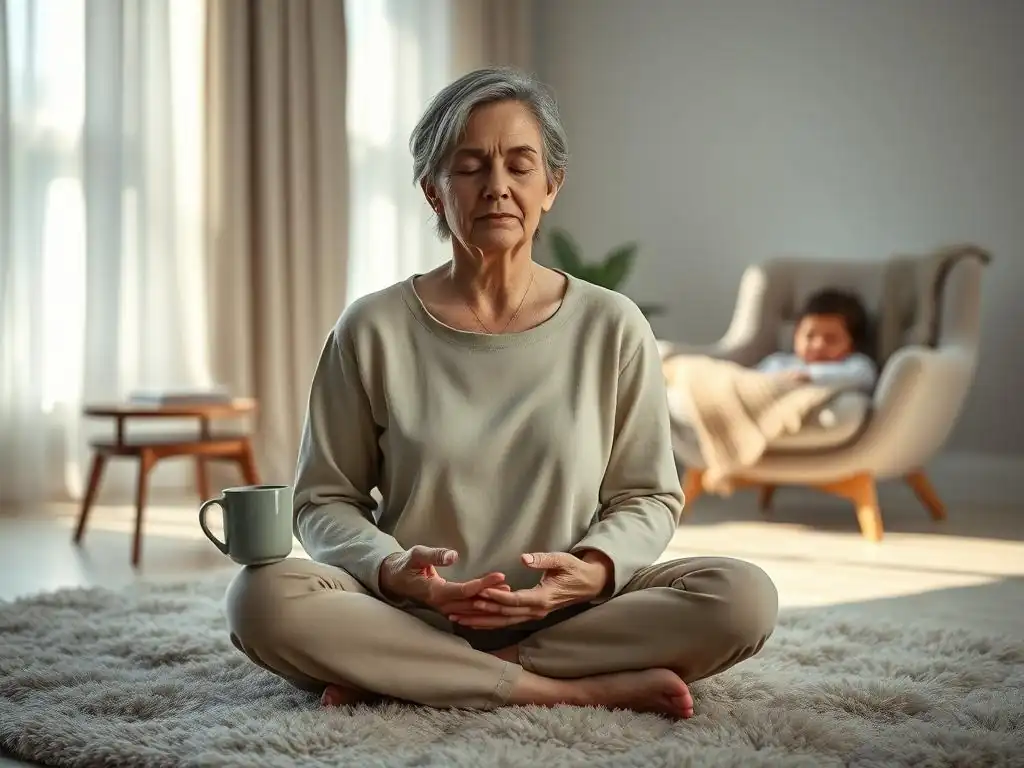
Welcome to Mind Care Guide, a space dedicated to nurturing your mental well-being.
Feeling overwhelmed as a caregiver? You're not alone. We understand the immense pressures and emotional toll it can take. This article delves into the power of caregiver stress mindfulness meditation – a vital tool for finding moments of peace and resilience amidst the demands of caregiving. Curious to discover how a few minutes of mindfulness can transform your experience and replenish your spirit? Let's explore together.
Mindfulness & Meditation: Resources for Caregiver Stress Reduction
- Understanding Caregiver Stress and the Need for Mindfulness
- Mindfulness Techniques for Caregivers: A Practical Guide
- Meditation Resources Tailored for Caregivers
- Integrating Mindfulness into Your Caregiving Routine
- Advanced Mindfulness Practices for Long-Term Caregiver Well-being
- Support Groups and Communities Focused on Caregiver Stress and Mindfulness
- Overcoming Common Challenges in Mindfulness Practice for Caregivers
- The Long-Term Benefits of Mindfulness and Meditation for Caregivers
-
Frequently Asked Questions
- What is caregiver stress and why is it important to address it?
- How can mindfulness meditation help reduce caregiver stress?
- What are some specific mindfulness meditation techniques suitable for caregivers experiencing stress?
- Where can caregivers find reliable resources and guided meditations for caregiver stress reduction?
- How often should caregivers practice mindfulness meditation to experience its benefits?
- Final Reflection: Finding Stillness in the Storm of Caregiving
- Unlock Your Inner Calm: Start Your Mindfulness Journey Today!
Understanding Caregiver Stress and the Need for Mindfulness
The Unique Challenges Faced by Caregivers
Caregiving is an act of profound love and dedication, yet it often comes with a unique set of challenges that can lead to significant stress. Family caregivers, who often balance care responsibilities with jobs, personal lives, and other commitments, face immense pressure. The demands can be constant, unpredictable, and emotionally draining, requiring physical labor, complex emotional support, and navigating challenging healthcare systems. Unlike many other roles, caregiving often lacks clear boundaries, breaks, or formal support structures, making it difficult for individuals to find time for self-care or respite.
Studies indicate that millions of adults in the United States provide unpaid care to a loved one, often spending many hours per week on caregiving tasks. For instance, estimates suggest that family caregivers spend an average of around 20 hours per week providing care, with a significant portion dedicating 40 hours or more.
This substantial time commitment, coupled with the emotional burden of witnessing a loved one's decline or managing complex health issues, creates a fertile ground for chronic stress. Financial strain, social isolation, and lack of adequate training or support further exacerbate these challenges, making effective stress reduction strategies, such as caregiver stress mindfulness meditation, not just beneficial but essential.
Recognizing the Signs of Caregiver Burnout
Caregiver burnout is a state of physical, emotional, and mental exhaustion that can occur when a person doesn't get the help they need and tries to do more than they can, or when they feel overwhelmed by their caregiving role. Recognizing the signs early is crucial for intervention and preventing more severe health consequences. Common indicators include withdrawal from friends and family, loss of interest in activities previously enjoyed, irritability, feelings of hopelessness, and changes in appetite or sleep patterns.
Physical signs of burnout can manifest as chronic fatigue, frequent headaches, or increased susceptibility to illness. Emotionally, caregivers might experience depression, anxiety, resentment towards the care recipient, or feelings of guilt. Acknowledging these signs without judgment is the first step towards seeking help and implementing strategies like caregiver stress mindfulness meditation. Ignoring these warning signals can lead to serious health problems for the caregiver, potentially impacting their ability to provide care effectively and sustainably.
How Mindfulness and Meditation Can Help Reduce Caregiver Stress
Mindfulness and meditation offer powerful tools for managing the pervasive stress experienced by caregivers. Mindfulness is the practice of paying attention to the present moment without judgment, observing thoughts, feelings, and bodily sensations as they arise. Meditation is a practice that cultivates this awareness, often through focused attention or open monitoring. By training the mind to stay present, caregivers can reduce rumination on past difficulties or anxieties about the future, which are significant contributors to stress.
Engaging in mindfulness and meditation helps caregivers develop greater emotional regulation and resilience. Regular practice can lower cortisol levels, the body's primary stress hormone, and reduce sympathetic nervous system activity associated with the "fight or flight" response. This physiological shift leads to a calmer state of being. Furthermore, these practices foster self-compassion, enabling caregivers to acknowledge their struggles and limitations with kindness rather than harsh self-criticism. This compassionate approach is vital for sustaining well-being amidst the demanding nature of caregiving, making caregiver stress mindfulness meditation a valuable component of self-care.
Mindfulness Techniques for Caregivers: A Practical Guide
Breath Awareness Meditation for Stress Relief
Breath awareness meditation is one of the most accessible entry points into mindfulness for caregivers, requiring no special equipment or environment. The core practice involves simply paying attention to the sensation of breathing – the rise and fall of the chest or abdomen, the feeling of air entering and leaving the nostrils. When the mind inevitably wanders, the practice is simply to notice where it went and gently guide attention back to the breath, without judgment.
This technique offers immediate benefits for stress reduction. By focusing on the physical sensation of breathing, caregivers can anchor themselves in the present moment, disrupting cycles of worried thoughts about their caregiving responsibilities or other stressors. Even just a few minutes of focused breathing can activate the body's relaxation response, slowing heart rate and calming the nervous system. Practicing breath awareness regularly, even for short periods throughout the day, can build resilience against chronic caregiver stress.
Body Scan Meditation for Caregiver Self-Care
The body scan meditation is a practice that involves systematically bringing mindful attention to different parts of the body, noticing physical sensations without trying to change them. Starting from the toes and slowly moving up to the head, the caregiver pays attention to areas of tension, relaxation, warmth, coolness, or any other sensations present. This practice helps caregivers reconnect with their physical selves, which can often be neglected amidst the demands of caregiving.
This technique is particularly beneficial for caregivers as it helps increase awareness of physical manifestations of stress and tension that they might otherwise ignore. By noticing where stress is held in the body (e.g., tight shoulders, clenched jaw), caregivers can consciously work on releasing that tension. The body scan also serves as a form of self-care, providing a dedicated time to simply be with one's own physical experience, fostering a greater sense of embodiment and self-awareness amidst the external focus of caregiving duties.
Mindful Walking: Finding Peace in Movement
Mindful walking integrates the practice of mindfulness into everyday movement. Instead of rushing from one task to the next, mindful walking involves paying deliberate attention to the physical sensations of walking – the lift and fall of the feet, the swing of the arms, the rhythm of the breath, and the contact of the feet with the ground. It can be practiced anywhere, whether walking down a hallway, around the block, or in a park.
This technique allows caregivers to infuse moments of their daily routine with mindfulness. Even a short walk can become an opportunity to step away from the mental load of caregiving and connect with the present moment through sensory experience. Focusing on the physical act of walking can help clear the mind, reduce anxiety, and provide a sense of grounding. It's a practical way to incorporate mindfulness into a busy schedule, offering a mobile form of caregiver stress mindfulness meditation.
Cultivating Gratitude as a Caregiver
While perhaps not a traditional meditation technique, cultivating gratitude is a powerful mindfulness practice that can significantly impact caregiver well-being. It involves intentionally focusing on and appreciating the positive aspects of life, no matter how small, even amidst challenging circumstances. This can be done through journaling, silently noting things one is grateful for, or sharing appreciation with others.
For caregivers, practicing gratitude can shift perspective away from the difficulties and towards moments of connection, small successes, or sources of support. While acknowledging the hardships is important, intentionally seeking out things to be grateful for can counteract feelings of negativity and resentment. Research suggests that gratitude practices can improve mood, reduce stress, and enhance overall life satisfaction, offering a simple yet profound way to build resilience against caregiver stress.
Meditation Resources Tailored for Caregivers

Guided Meditation Apps for Stress Reduction
Guided meditation apps have become incredibly popular resources, offering accessible ways for caregivers to engage in mindfulness and meditation practices on demand. These apps provide structured sessions led by experienced instructors, making it easy for beginners to get started and for experienced practitioners to find variety. They typically offer meditations of varying lengths, allowing caregivers to fit practice into even the shortest available windows of time.
Two prominent examples are Calm and Headspace. Calm is known for its extensive library of guided meditations, including sessions specifically focused on stress, anxiety, and sleep. It also offers "Sleep Stories" and calming music, which can be valuable for caregivers struggling with sleep disruption due to stress.
Headspace takes a more structured approach, often presenting mindfulness as a skill to be learned through progressive courses. It features guided meditations tailored to specific goals, such as focus, patience, or dealing with difficult emotions – all highly relevant to the caregiver experience. While features vary, both apps provide a convenient platform for caregivers seeking caregiver stress mindfulness meditation resources.
Calm: Features and Benefits
Calm is a widely used meditation app offering a broad range of content designed to promote relaxation, sleep, and stress reduction. Its key features include guided meditations on various topics like anxiety, stress, gratitude, and focus, available in different lengths (often from 3 to 25 minutes). The app also provides "Sleep Stories," which are soothing narratives designed to help users fall asleep, and calming music and nature sounds.
For caregivers, Calm's diverse library means they can find practices suited to their immediate needs, whether it's a quick 5-minute session during a break or a longer practice before sleep. The focus on sleep support is particularly beneficial, as sleep deprivation is a common issue among caregivers. The app's user-friendly interface and availability on mobile devices make it a convenient tool for integrating mindfulness into a busy, often unpredictable, caregiving schedule, directly supporting caregiver stress mindfulness meditation efforts.
Headspace: Features and Benefits
Headspace positions itself as a guide to mindfulness and meditation, often using animations and simple language to explain core concepts. Its content is structured into courses and single meditations covering a wide array of topics, including stress, anxiety, sleep, focus, and compassion. A key feature is its foundational "Basics" course, which introduces core mindfulness principles.
Headspace's structured approach can be helpful for caregivers who prefer a step-by-step method for learning mindfulness. The courses on specific emotions or situations, such as dealing with difficult conversations or managing impatience, are highly relevant to the challenges of caregiving. Like Calm, Headspace offers sessions of various lengths and is easily accessible via mobile devices, providing a flexible resource for caregivers looking to incorporate effective caregiver stress mindfulness meditation into their lives.
Online Mindfulness Courses for Caregivers
Beyond apps, more in-depth online courses offer comprehensive training in mindfulness and meditation techniques. These programs often mirror the structure of in-person classes, providing a deeper dive into the principles and practices. They can be particularly beneficial for caregivers seeking a more thorough understanding of mindfulness and its application to managing chronic stress and enhancing well-being.
These courses typically involve weekly sessions, guided practices, and sometimes include readings or reflective exercises. Participating in an online course allows caregivers to learn at their own pace and from the comfort of their homes, which is often necessary given their time constraints. While some courses require payment, many reputable organizations offer free or low-cost options, increasing accessibility for caregivers seeking structured learning in caregiver stress mindfulness meditation.
Palouse Mindfulness: Focus and Duration
Palouse Mindfulness offers a free, online version of the classic 8-week Mindfulness-Based Stress Reduction (MBSR) program, originally developed by Jon Kabat-Zinn. The program consists of weekly video sessions, guided meditations, and readings, covering topics such as mindful eating, gentle yoga, and mindful communication, in addition to core meditation practices.
This course is an excellent resource for caregivers as it provides a comprehensive, evidence-based curriculum for free. The 8-week structure allows for gradual learning and integration of practices into daily life. The focus on stress reduction is directly relevant to the caregiver experience. While it requires commitment over two months, the depth of training offered can lead to significant long-term benefits in managing caregiver stress through mindfulness.
UCLA Mindful Awareness Research Center: Focus and Duration
The UCLA Mindful Awareness Research Center (MARC) is another reputable source for mindfulness training, offering various programs and resources, including free guided meditations and paid online courses. Their focus is on making mindfulness accessible and integrating it into everyday life, often drawing on scientific research.
UCLA MARC provides guided meditations of varying lengths (often from 3 to 19 minutes) freely available online, making them a convenient starting point for caregivers. They also offer online courses that delve deeper into specific aspects of mindful awareness. The center's emphasis on research-backed practices lends credibility and assurance to caregivers seeking effective methods for reducing stress and improving well-being through mindfulness.
Books and Articles on Mindfulness for Caregivers
For caregivers who prefer reading or want supplementary information, numerous books and articles explore mindfulness and meditation in depth. These resources can provide theoretical background, practical guidance, and inspiring perspectives on applying mindfulness principles to challenging life circumstances, including the demands of caregiving. Reading can also be a quiet, reflective practice in itself.
Books offer the opportunity for a deeper exploration of mindfulness concepts than shorter articles or app sessions might provide. They can delve into the philosophy behind the practice, offer detailed instructions for various techniques, and share insights from practitioners. For caregivers, finding books that resonate with their experience can provide both practical tools and emotional support, reinforcing the value of caregiver stress mindfulness meditation.
"Wherever You Go, There You Are" by Jon Kabat-Zinn: Summary and Key Takeaways
Jon Kabat-Zinn, the founder of MBSR, is a pioneer in bringing mindfulness into mainstream healthcare and society. His book, "Wherever You Go, There You Are," is a classic introduction to mindfulness meditation, offering short, accessible chapters on various aspects of the practice. It emphasizes bringing mindfulness into everyday moments and cultivating presence.
Key takeaways for caregivers include the understanding that mindfulness is not about emptying the mind but about paying attention, moment by moment. The book provides practical tips for integrating mindfulness into activities like eating, walking, or dealing with difficult emotions. It gently encourages readers to embrace imperfection in practice and to approach themselves with kindness, principles highly relevant for managing the self-criticism and pressure often felt by caregivers.
"The Mindful Path to Self-Compassion" by Christopher Germer: Summary and Key Takeaways
Christopher Germer is a clinical psychologist and a leading expert in self-compassion. His book, "The Mindful Path to Self-Compassion," explores the interconnectedness of mindfulness and self-compassion and offers practical exercises for cultivating kindness towards oneself, especially during difficult times.
This book is particularly valuable for caregivers who often struggle with feelings of guilt, inadequacy, or resentment. Germer explains how mindfulness helps us become aware of our suffering, while self-compassion provides the emotional resources to respond to that suffering with kindness and understanding, rather than harsh judgment. Key takeaways include recognizing our shared humanity in suffering and practicing self-kindness instead of self-criticism, essential components for sustained caregiver well-being.
Integrating Mindfulness into Your Caregiving Routine
Scheduling Time for Mindfulness Practice
Finding time for self-care, including mindfulness practice, is one of the biggest hurdles for caregivers. Acknowledging this difficulty is the first step. Rather than aiming for long, perfect meditation sessions, caregivers can start by identifying small pockets of time – perhaps 5-10 minutes – that can be dedicated to practice. This might be first thing in the morning before the care recipient is awake, during a scheduled respite break, or even just before bed.
Scheduling this time, treating it like any other important appointment, can help ensure it happens. It might mean saying no to an extra task or asking for help to create that space. Consistency is often more important than duration; even brief, regular practice can build mindfulness skills and contribute significantly to reducing caregiver stress. Use a planner or phone calendar to block out these small windows specifically for caregiver stress mindfulness meditation.
Creating a Peaceful Environment for Meditation
While mindfulness can be practiced anywhere, creating a dedicated, peaceful environment, if possible, can enhance the meditation experience. This doesn't require a fancy meditation room, but rather a space where the caregiver feels relatively undisturbed and comfortable. It could be a quiet corner of a living room, a bedroom chair, or even a spot outdoors.
The key is to minimize distractions where possible. This might involve turning off phones, letting others in the household know you need a few minutes of quiet, or simply choosing a time when interruptions are less likely. While learning to be mindful amidst noise and activity is valuable, starting in a calm space can make it easier to focus and relax, supporting the development of a consistent caregiver stress mindfulness meditation practice.
Dealing with Interruptions During Meditation
Despite best efforts, interruptions are often an unavoidable part of a caregiver's life. It's important to approach interruptions during meditation with patience and self-compassion rather than frustration. The interruption itself can become an opportunity to practice mindfulness – noticing the feeling of annoyance or impatience, and then gently returning attention to the breath or practice once the interruption has been handled.
Consider interruptions as part of the practice, not failures of it. If the interruption requires your attention, tend to it mindfully, and then return to your practice if time allows. If the session is cut short, acknowledge that you practiced for the time you had. This flexible and accepting approach is crucial for caregivers, allowing them to integrate mindfulness into the reality of their demanding roles without adding another source of pressure.
Combining Mindfulness with Other Stress Reduction Techniques
Mindfulness and meditation are powerful on their own, but their benefits can be amplified when combined with other stress reduction techniques. Caregivers can explore integrating mindfulness with gentle physical activity, such as yoga or tai chi, which connect breath, movement, and present moment awareness. Engaging in creative activities mindfully, like drawing, knitting, or playing music, can also be a form of active meditation.
Furthermore, mindfulness can enhance the benefits of traditional stress management strategies like seeking social support, maintaining healthy sleep habits, and ensuring proper nutrition. For example, eating mindfully can make meals a more relaxing and nourishing experience. Approaching social interactions with mindfulness can improve communication and reduce conflict. By weaving mindfulness into various aspects of their lives, caregivers can build a more robust and holistic approach to managing stress and enhancing overall well-being.
Advanced Mindfulness Practices for Long-Term Caregiver Well-being
Loving-Kindness Meditation for Compassion and Self-Compassion
Loving-kindness meditation, also known as Metta meditation, is a practice focused on cultivating feelings of warmth, tenderness, and compassion towards oneself and others. It typically involves silently repeating phrases that express good wishes, first towards oneself, then towards loved ones, neutral persons, difficult persons, and finally towards all beings. Examples of phrases include: "May I be happy. May I be healthy. May I be safe. May I be free from suffering."
For caregivers, this practice is incredibly powerful for combating feelings of resentment, frustration, or emotional depletion. Cultivating self-compassion is particularly vital, helping caregivers acknowledge their own pain and limitations with kindness rather than harsh self-criticism. Extending loving-kindness to the care recipient, even when challenges arise, can transform difficult interactions and foster a sense of connection. Regular practice of Metta can nurture emotional resilience and cultivate a heart-centered approach to caregiving.
Insight Meditation for Deeper Self-Understanding
Insight meditation, or Vipassanā, is a practice aimed at developing deeper understanding and wisdom about the nature of reality, including the impermanence of experiences and the interconnectedness of phenomena. While breath awareness and body scans focus on calming the mind and grounding in the present, Insight meditation explores the arising and passing of thoughts, emotions, and sensations with curiosity and non-judgment.
For caregivers, Insight meditation can provide valuable perspective on the often-difficult emotions and situations they face. By observing thoughts and feelings as temporary events rather than fixed truths, caregivers can develop greater emotional detachment and avoid getting swept away by stress, anxiety, or sadness. This practice fosters a deeper understanding of suffering and resilience, contributing to long-term emotional well-being and the capacity to navigate the inherent challenges of caregiving with greater wisdom.
Mindfulness-Based Stress Reduction (MBSR) Programs for Caregivers
Mindfulness-Based Stress Reduction (MBSR) is an intensive, evidence-based program typically delivered over eight weeks. Developed by Jon Kabat-Zinn, it combines formal meditation practices (body scan, sitting meditation, mindful movement) with informal mindfulness practices and group discussion. The goal is to teach participants skills to manage stress, anxiety, pain, and illness by cultivating mindful awareness.
Participating in a full MBSR program can be a transformative experience for caregivers. The structured format, guided practices, and group support provide a comprehensive foundation in mindfulness. Research has shown MBSR to be effective in reducing stress, improving mood, and enhancing overall quality of life, outcomes highly relevant for caregivers facing chronic stress. While it requires a significant time commitment (typically 2.5 hours per week for sessions plus daily home practice), the long-term benefits for managing caregiver stress are substantial.
Support Groups and Communities Focused on Caregiver Stress and Mindfulness

Online Forums for Caregiver Support and Mindfulness Practice
Connecting with others who understand the unique challenges of caregiving can be incredibly validating and supportive. Online forums provide a platform for caregivers to share experiences, seek advice, and find emotional support from peers facing similar situations. Many online caregiver communities also discuss coping strategies, including the use of mindfulness and meditation.
These forums can be a valuable resource for caregivers interested in caregiver stress mindfulness meditation. They might find threads dedicated to mindfulness practices, recommendations for resources, or simply encouragement from others who are also trying to incorporate mindfulness into their lives. While not a substitute for formal instruction, peer support in an online setting offers accessibility and a sense of not being alone in the journey.
Local Support Groups for Caregivers Learning Mindfulness
Joining a local caregiver support group offers face-to-face connection and community. Some local groups may specifically incorporate mindfulness or meditation practices into their meetings, while others provide a general supportive environment where caregivers can share their experiences and challenges. Finding a group that aligns with one's needs can significantly reduce feelings of isolation and provide practical coping strategies.
Local groups offer the benefit of in-person interaction, which can be particularly comforting. They may invite guest speakers, including mindfulness instructors, or group members might share their own experiences with using mindfulness to manage stress. These groups provide a structured time and place for connection and learning, reinforcing the commitment to self-care practices like caregiver stress mindfulness meditation.
Finding a Mindfulness Teacher or Therapist Specializing in Caregiver Stress
For caregivers facing significant stress, anxiety, or depression, working with a qualified mindfulness teacher or therapist can provide personalized support and guidance. A mindfulness teacher can offer one-on-one instruction tailored to the caregiver's specific needs and challenges, helping them deepen their practice and integrate it effectively into their life.
A therapist specializing in caregiver stress can provide therapeutic support while also incorporating mindfulness techniques as part of the treatment plan. They can help caregivers process difficult emotions, develop coping strategies, and address underlying issues contributing to stress and burnout. Seeking professional guidance ensures that caregivers receive appropriate support for their mental and emotional well-being, complementing their efforts in caregiver stress mindfulness meditation.
Overcoming Common Challenges in Mindfulness Practice for Caregivers
Dealing with Racing Thoughts and Distractions
One of the most common challenges encountered when starting mindfulness or meditation is the busy, "racing" mind. Caregivers, in particular, often have minds full of to-do lists, worries about their care recipient, and personal anxieties. It's crucial to understand that having thoughts during meditation is normal; the goal is not to stop thinking, but to notice thoughts without judgment and gently return attention to the chosen anchor, such as the breath.
Approaching racing thoughts with patience and curiosity, rather than frustration, is key. Caregivers can acknowledge the thought ("Ah, there's a thought about tomorrow's appointment") and then consciously let it go, redirecting focus back to the present moment. Starting with very short practice sessions (e.g., 2-3 minutes) can make this easier. Consistency builds the "muscle" of attention, making it easier over time to navigate distractions and cultivate calm amidst mental chatter.
Managing Feelings of Guilt or Selfishness
Caregivers often experience feelings of guilt or believe that taking time for themselves, even for a few minutes of mindfulness, is selfish. This mindset is a significant barrier to self-care. It stems from a deep sense of responsibility and often a belief that their needs should come second to the care recipient's. These feelings are understandable but can lead to burnout if not addressed.
Mindfulness can help caregivers become aware of these feelings without getting consumed by them. Practicing self-compassion is vital here – recognizing that taking care of oneself is not selfish but necessary for sustainable, effective caregiving. Framing mindfulness practice not as a luxury but as a tool to build resilience and presence for both the caregiver and the care recipient can help reframe these feelings. Remind yourself: "I am practicing mindfulness so I can be a calmer, more patient caregiver."
Staying Motivated with Your Mindfulness Practice
Maintaining consistency with any new habit, including mindfulness practice, can be challenging, especially for busy caregivers facing fluctuating energy levels and unpredictable schedules. Loss of motivation can occur, particularly when immediate results aren't apparent or when the practice feels difficult.
To stay motivated, caregivers can try several strategies:
- Start small: Commit to just 5 minutes daily.
- Track progress: Note down when you practice to see your consistency.
- Join a community: Practicing with others or sharing experiences in a support group can provide encouragement.
- Remember your 'why': Reconnect with the reasons you started – reducing stress, finding peace, being more present.
- Be flexible: If a formal sit isn't possible, practice mindful walking or mindful dishwashing.
- Celebrate small successes: Acknowledge that you showed up, even if the practice felt challenging.
Consistency, even in small doses, is more impactful than infrequent, long sessions. Finding what works best within the constraints of a caregiver's life is key to maintaining a sustainable caregiver stress mindfulness meditation practice.
The Long-Term Benefits of Mindfulness and Meditation for Caregivers
Improved Mental and Emotional Well-being
Regular mindfulness and meditation practice can lead to significant long-term improvements in mental and emotional well-being for caregivers. By cultivating present moment awareness and non-judgment, caregivers can reduce levels of anxiety and depression, which are common among this population. They develop greater emotional regulation, becoming less reactive to stressful situations and more capable of responding with patience and clarity.
Furthermore, practices like loving-kindness meditation foster self-compassion, helping caregivers navigate the inevitable difficulties and imperfections of their role with greater kindness towards themselves. This reduces self-criticism and guilt, promoting a healthier self-image. Over time, consistent practice builds emotional resilience, enabling caregivers to face challenges with greater equanimity and maintain a more positive outlook despite demanding circumstances.
Enhanced Physical Health and Resilience
The mind-body connection is well-established, and the stress-reducing effects of mindfulness have tangible physical benefits. Chronic caregiver stress is linked to increased risk of various health problems, including cardiovascular issues, weakened immune function, and chronic pain. By reducing stress hormones like cortisol and calming the nervous system, mindfulness can mitigate these risks.
Regular meditation practice can lead to lower blood pressure, improved sleep quality, and reduced tension-related pain. It can also enhance the body's ability to cope with stress, building physical resilience. Caregivers who incorporate mindfulness into their routine are better equipped physically to handle the demands of their role, demonstrating the vital link between caregiver stress mindfulness meditation and physical well-being.
Stronger Relationships with Loved Ones and Care Recipients
Mindfulness cultivates presence, patience, and compassion – qualities that are essential for nurturing strong and healthy relationships, particularly within the challenging context of caregiving. By practicing mindful communication, caregivers can listen more attentively, respond thoughtfully rather than react impulsively, and connect more deeply with their care recipient and other family members.
Mindfulness also helps caregivers manage their own frustrations and emotions, preventing them from spilling over into interactions. Developing self-compassion enables caregivers to extend more patience and understanding towards others, including their care recipient, even when their behavior is challenging. This improved emotional regulation and presence can transform relationships, fostering greater connection, reducing conflict, and creating a more peaceful environment for both the caregiver and the person receiving care.
Frequently Asked Questions
What is caregiver stress and why is it important to address it?
Caregiver stress refers to the physical and emotional strain experienced by individuals providing care to others. It's crucial to address because it can lead to burnout, depression, and other health problems, negatively impacting both the caregiver and the person they are caring for.
How can mindfulness meditation help reduce caregiver stress?
Mindfulness meditation can help caregivers by reducing rumination and anxiety, promoting emotional regulation, and fostering a sense of present moment awareness. This allows caregivers to better manage the demands of their role.
What are some specific mindfulness meditation techniques suitable for caregivers experiencing stress?
Techniques like body scans, breath awareness meditation, and loving-kindness meditation are particularly helpful. These practices can be done in short bursts throughout the day to quickly reduce stress levels and improve focus.
Where can caregivers find reliable resources and guided meditations for caregiver stress reduction?
Websites like Mind Care Guide offer information, support, and guided meditations specifically tailored for caregivers. Look for resources that provide evidence-based practices and professional guidance in mental well-being.
How often should caregivers practice mindfulness meditation to experience its benefits?
Even short, regular practice (5-10 minutes daily) can significantly reduce stress. Consistency is key, so try to incorporate mindfulness meditation into your daily routine for sustained benefits on your mental well-being.
Final Reflection: Finding Stillness in the Storm of Caregiving
The relentless demands of caregiving often leave individuals feeling overwhelmed and depleted, a reality acutely relevant in today's society. The emotional toll, coupled with the physical strain, can lead to burnout and significantly impact both the caregiver's well-being and the quality of care provided. Mindfulness and meditation, however, offer a powerful antidote to this pervasive problem, providing a much-needed oasis of calm amidst the chaos.
The integration of mindfulness practices into the lives of caregivers is not merely a trend; it's a crucial step towards fostering resilience and promoting sustainable care. It's a shift in perspective, from viewing caregiving as a purely demanding task to recognizing it as a journey requiring self-compassion and mindful engagement. This journey, though challenging, is ultimately enriching. Self-care is not selfish. You cannot serve from an empty vessel.
This quote perfectly encapsulates the importance of prioritizing mental and emotional well-being for caregivers, allowing them to approach their responsibilities with renewed energy and empathy.
Consider the profound impact of even a few minutes of daily meditation. Imagine the difference it could make in your life – the reduced stress, the increased patience, the enhanced ability to connect with both yourself and the person you care for. You deserve this respite, this opportunity to replenish your inner resources. Start small, explore the resources mentioned in this article, and discover the transformative power of mindfulness and meditation in your own caregiving journey. Embrace the stillness, and let it guide you towards a more balanced and fulfilling life.
Unlock Your Inner Calm: Start Your Mindfulness Journey Today!
Thank you for taking the time to explore mindfulness and meditation techniques for caregiver stress reduction. We hope this article provided valuable insights and tools to help you navigate the challenges of caregiving. Now, it's time to put these practices into action!
- Prioritize your well-being: Begin a daily meditation practice, even if it's just for 5 minutes. Focus on your breath and observe your thoughts without judgment. This small step can make a huge difference in your overall stress levels.
- Share your experience: Connect with other caregivers and share your journey. Discuss your experiences and challenges, offering and receiving support within a community.
- Explore guided meditations: Experiment with different types of guided meditations specifically designed for stress reduction and improved emotional resilience. You might discover a technique you love!
Ready to prioritize your mental health and cultivate a sense of peace amidst the demands of caregiving? What simple mindfulness practice are you most excited to try first?