
How Genes Influence Your Brain's Response to Stressful Environments

Welcome to Mind Care Guide, a space dedicated to understanding and nurturing your mental well-being.
Ever wondered why some individuals seem to navigate stressful situations with ease, while others struggle? You're not alone. Dive into our comprehensive guide to explore the fascinating world of neuroscience and discover how genetic factors stress response play a crucial role in shaping your brain's reaction to challenging environments. Let's unravel the intricate connection between your genes and your resilience, empowering you with knowledge and strategies for a healthier, more balanced life.
How Genes Influence Your Brain's Response to Stressful Environments: A Mind Care Guide
- Understanding the Genetic Factors in Stress Response
- Key Genes Involved in Stress Response Regulation
- Gene-Environment Interactions: The Interplay of Nature and Nurture in Stress
- Identifying Genetic Predisposition to Stress-Related Mental Health Conditions
- Strategies for Enhancing Stress Resilience Based on Genetic Understanding
- Conclusion: Empowering Individuals Through Understanding Genetic Factors in Stress Response
-
Frequently Asked Questions
- How do genetic factors influence an individual's stress response?
- What role do genes play in the hypothalamic-pituitary-adrenal (HPA) axis, a key system in stress response?
- Can genetic predispositions to stress be modified or overcome?
- Are there specific genes that have been directly linked to an increased susceptibility to stress-related disorders?
- How does understanding the genetic basis of stress response contribute to personalized mental healthcare?
- Final Reflection: Unraveling the Genetic Threads of Stress Resilience
- Unlock Your Brain's Resilience: Take Control of Your Stress Response
Understanding the Genetic Factors in Stress Response
Introduction to the Neuroscience of Stress and Genetics
Stress is a ubiquitous part of the human experience, triggering a complex cascade of physiological and psychological responses mediated by the brain. The way an individual perceives and reacts to stress is not solely determined by external circumstances but is significantly shaped by their internal biological makeup, including their genetic profile.
The field of neuroscience has made remarkable strides in understanding the intricate pathways involved in stress processing, identifying key brain regions like the amygdala, hippocampus, and prefrontal cortex that are central to detecting threats, regulating emotional responses, and managing adaptation. How these regions function and communicate is profoundly influenced by the genes we inherit.
These inherited genetic factors stress response pathways, affecting everything from the sensitivity of our stress hormone systems to the efficiency of neurotransmitter signaling. While environmental factors, such as early life experiences and chronic stressors, play a critical role in shaping our stress resilience, genetics provides a fundamental blueprint that can either predispose us to vulnerability or enhance our capacity to cope. Exploring the interplay between our genes and the environment in the context of stress response is crucial for developing a comprehensive understanding of mental well-being and identifying personalized approaches to stress management.
The Role of Genes in Shaping Brain Structure and Function
Genes serve as the fundamental instructions for building and operating the human body, including the incredibly complex structure of the brain. During development, specific genes dictate the formation of neurons, their migration to appropriate locations, the establishment of synaptic connections, and the overall architecture of brain regions.
These genetic instructions influence brain size, the density of neural tissue in specific areas, and the intricate wiring patterns that determine how information is processed. For example, variations in genes involved in neurodevelopment can subtly alter the size or connectivity of key areas like the hippocampus, a region critical for memory and stress regulation.
Beyond structure, genes also control the brain's function by coding for proteins essential for neuronal activity. This includes neurotransmitter synthesis, transport, and receptor sensitivity (like serotonin, dopamine, and norepinephrine), ion channels that regulate electrical signaling, and enzymes involved in metabolic processes. The efficiency and balance of these systems are directly tied to genetic variations.
Consequently, subtle differences in our genetic code can lead to variations in how effectively our neurons communicate, how readily brain circuits are activated or inhibited, and ultimately, how our brain responds to challenges, including stressful stimuli. Understanding these genetic influences on brain structure and function is key to appreciating the biological basis of individual differences in stress reactivity.
Exploring the Connection: Genetics, Brain, and Stress
The connection between genetics, brain function, and stress response is a dynamic interplay where inherited predispositions influence how the brain is built and operates, which in turn affects how an individual perceives and reacts to stress. Genes don't determine destiny in a simple, one-to-one fashion, but rather contribute to a propensity or vulnerability.
For instance, certain genetic variants might make the amygdala, the brain's fear center, more reactive to potential threats, leading to a heightened initial stress response. Conversely, other variants might be associated with a more robust prefrontal cortex, enabling better top-down control over emotional reactions and faster recovery from stress.
Research has illuminated specific genetic factors stress response by examining how gene variants correlate with brain activity patterns during stressful tasks or with structural differences in stress-related brain regions. Studies using fMRI scans, for example, might show that individuals with a particular gene allele exhibit greater activation in the amygdala when shown fearful faces compared to those without the allele.
Similarly, genetic studies have linked specific gene variants to differences in gray matter volume in the hippocampus or altered connectivity between the amygdala and the prefrontal cortex. These findings underscore how genetic blueprints translate into observable differences in brain structure and function, providing a biological basis for variations in stress sensitivity and resilience across the population.
Key Genes Involved in Stress Response Regulation
The HPA Axis and Genetic Predisposition
Understanding the Hypothalamic-Pituitary-Adrenal (HPA) Axis
The Hypothalamic-Pituitary-Adrenal (HPA) axis is a central neuroendocrine system that orchestrates the body's response to stress. When a stressor is perceived, the hypothalamus releases corticotropin-releasing hormone (CRH), which signals the pituitary gland to release adrenocorticotropic hormone (ACTH). ACTH then travels to the adrenal glands, prompting the release of cortisol, the primary stress hormone.
Cortisol prepares the body for a "fight or flight" response by mobilizing energy resources and suppressing non-essential functions. Importantly, cortisol also feeds back to the brain, particularly the hippocampus and hypothalamus, to shut down the stress response once the threat has passed, a process known as negative feedback.
Proper functioning of the HPA axis, including the sensitivity of its components and the efficiency of negative feedback, is critical for adapting to stress and maintaining homeostasis. Dysregulation of the HPA axis, characterized by either an overactive or underactive response or impaired negative feedback, is implicated in various stress-related mental health conditions, including depression, anxiety disorders, and PTSD. The intricate balance of this system is influenced by a multitude of factors, including genetic factors stress response components and environmental exposures, particularly during critical developmental periods.
Genetic Variations Affecting HPA Axis Activity
Numerous genes are involved in the synthesis, transport, and signaling of hormones within the HPA axis, and variations in these genes can significantly impact its activity and regulation. For example, polymorphisms in genes encoding CRH receptors (like CRHR1) have been associated with altered sensitivity to CRH, potentially leading to a stronger or weaker initial stress response.
Variations in genes related to glucocorticoid receptors (like NR3C1), which bind cortisol and mediate its effects, can affect the efficiency of the negative feedback loop. Studies have shown that certain NR3C1 variants are associated with impaired feedback inhibition, resulting in prolonged cortisol elevation after stress.
Furthermore, genes involved in the metabolism of cortisol, such as those coding for enzymes like 11β-hydroxysteroid dehydrogenase ( HSD11B1 and HSD11B2), can influence the levels of active cortisol available to tissues, including the brain. Research suggests that specific genetic variants in these enzymes are linked to differences in cortisol levels and increased susceptibility to stress-related conditions. For instance, variations in HSD11B1 have been associated with altered cortisol metabolism in the brain and may influence vulnerability to depression. Collectively, these genetic variations contribute to individual differences in HPA axis reactivity and resilience to stress.
Serotonin Transporter Gene (SLC6A4) and Stress Vulnerability
Genetic Influence on Serotonin Levels and Stress Resilience
The serotonin transporter gene ( SLC6A4), also known as 5-HTT or SERT, plays a critical role in regulating serotonin levels in the brain by controlling the reuptake of serotonin from the synaptic cleft back into the neuron. Serotonin is a neurotransmitter heavily involved in mood regulation, emotional processing, and stress response. Variations in the promoter region of the SLC6A4 gene, particularly a polymorphism involving a repeat sequence (5-HTTLPR), are among the most studied genetic factors stress response and vulnerability to mental health conditions.
The 5-HTTLPR polymorphism exists in two main forms: a short (s) allele and a long (l) allele. The s allele is associated with reduced expression of the serotonin transporter compared to the l allele, leading to potentially higher levels of serotonin in the synapse but also possibly less efficient serotonin signaling over time.
Research, famously highlighted in studies examining gene-environment interaction, suggests that individuals carrying one or two copies of the s allele may have increased vulnerability to stress-related disorders, such as depression and anxiety, particularly when exposed to adverse life events. While initial findings were strong, subsequent large-scale studies have shown a more complex picture, indicating that the effect is likely subtle and highly dependent on specific environmental contexts and interactions with other genes.
BDNF Gene: Its Impact on Brain Plasticity and Stress Adaptation
Brain-Derived Neurotrophic Factor (BDNF) and Stress Recovery
Brain-Derived Neurotrophic Factor (BDNF) is a protein crucial for neuronal growth, survival, and plasticity – the brain's ability to adapt and reorganize its structure and function. BDNF plays a vital role in processes like learning, memory, and the formation of new connections between neurons. It is particularly important in brain regions involved in stress response, such as the hippocampus and prefrontal cortex.
Adequate levels of BDNF are associated with greater neuronal resilience and the capacity for recovery and adaptation following stressful experiences. Conversely, reduced BDNF levels have been linked to impaired neuroplasticity and increased vulnerability to the negative effects of stress.
A common genetic variation in the BDNF gene, known as the Val66Met polymorphism, affects the intracellular processing and secretion of BDNF. Individuals carrying the Met allele of this polymorphism produce a form of BDNF that is less efficiently transported and secreted from neurons compared to the Val allele. Studies have consistently shown that carriers of the Met allele tend to have reduced BDNF levels in certain brain regions, including the hippocampus.
This genetic variation has been associated with subtle impairments in cognitive functions like memory and executive function, which are often affected by chronic stress. Furthermore, the Met allele has been linked to increased susceptibility to stress-related disorders such as depression and anxiety, potentially due to reduced capacity for stress-induced neuroplastic changes and recovery.
Gene-Environment Interactions: The Interplay of Nature and Nurture in Stress
Epigenetics: How Environment Modifies Gene Expression in Response to Stress
The Impact of Early Life Stress on Gene Methylation
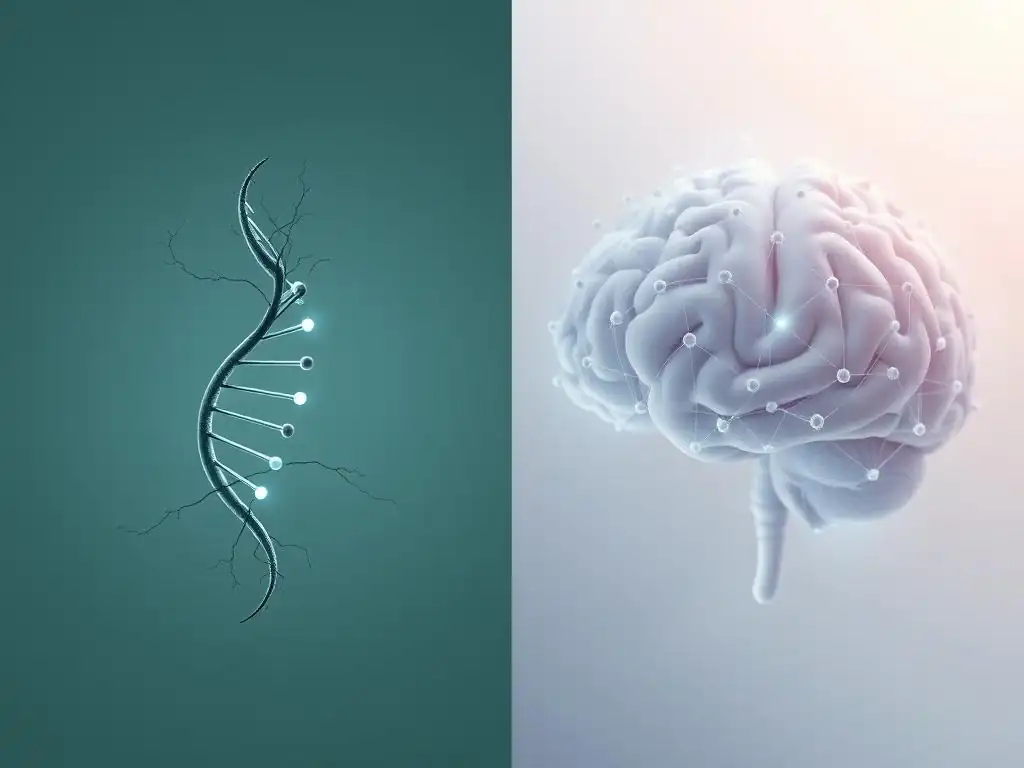
Epigenetics is a field of study that examines how environmental factors can alter gene expression without changing the underlying DNA sequence. Instead, epigenetic modifications involve chemical tags, such as methyl groups, attaching to DNA or associated proteins (histones), which can effectively turn genes "on" or "off" or influence the degree to which they are expressed. These epigenetic changes can be remarkably persistent and can even be passed down to subsequent cell divisions. In the context of stress, epigenetic mechanisms provide a crucial link between environmental experiences and long-term changes in brain function and behavior.
One well-studied epigenetic mechanism is DNA methylation, where methyl groups are added to cytosine bases in DNA. Early life stress, such as exposure to neglect, abuse, or maternal separation in animal models, has been shown to induce lasting changes in DNA methylation patterns in stress-responsive genes.
For instance, studies in rodents exposed to early maternal separation have demonstrated persistent methylation changes in the promoter region of the glucocorticoid receptor gene ( Nr3c1 in rodents, analogous to NR3C1 in humans) in the hippocampus. These epigenetic modifications lead to reduced expression of glucocorticoid receptors, impairing the negative feedback mechanism of the HPA axis and resulting in a hyperactive stress response later in life.
Similar patterns of altered methylation in stress-related genes have been observed in post-mortem brain tissue from individuals with a history of childhood adversity and stress-related mental health conditions, highlighting how environmental stress can leave a lasting epigenetic mark that influences genetic factors stress response throughout life.
The Role of Trauma and Adverse Childhood Experiences (ACEs)
Trauma and Adverse Childhood Experiences (ACEs), such as physical or emotional abuse, neglect, household dysfunction, or exposure to violence, represent significant environmental stressors that can profoundly impact development and long-term health. The developing brain and its stress response systems are particularly vulnerable to the effects of these early adversities. Exposure to ACEs is strongly associated with an increased risk of developing a wide range of physical and mental health problems later in life, including depression, anxiety disorders, PTSD, substance use disorders, and chronic diseases.
The mechanisms by which ACEs exert their lasting effects involve complex interactions between environmental input and biological systems, including epigenetic modifications and structural and functional changes in the brain. Chronic activation of the stress response during critical developmental windows can disrupt the normal maturation of brain regions like the prefrontal cortex and hippocampus, impairing their function.
Simultaneously, ACEs can induce epigenetic changes that alter the expression of genes involved in neurodevelopment, neurotransmission, and stress regulation, effectively programming the individual's stress response system for heightened reactivity or dysregulation. These enduring biological changes contribute significantly to the increased vulnerability observed in individuals with a history of trauma and ACEs, highlighting how severe environmental stress interacts with genetic factors stress response to shape long-term outcomes.
Gene-Environment Correlation: Examples of Specific Gene-Environment Correlations
Gene-environment correlation (rGE) describes situations where an individual's genetic predisposition influences their exposure to specific environments. This is distinct from gene-environment interaction (GxE), where a genetic predisposition modifies an individual's sensitivity to an environment. In rGE, certain genetic traits might make an individual more likely to seek out, create, or be exposed to particular environments, which in turn can affect their stress levels or mental health.
There are three main types of rGE:
- Passive rGE: Parents provide both genes and environment. For example, parents with a genetic predisposition for high anxiety might pass on those genes and create a more stressful, anxious home environment, increasing the child's exposure to stress.
- Evocative rGE: An individual's genetic traits evoke specific responses from others or the environment. For instance, a child with a genetic predisposition for high emotional reactivity might elicit more negative or stressful reactions from caregivers or peers, thereby increasing their exposure to interpersonal stress.
- Active rGE: An individual's genetic traits motivate them to select or create specific environments. An individual with a genetic inclination towards sensation-seeking might actively pursue risky or high-stress activities, thereby increasing their exposure to stressful situations.
Understanding these correlations is important because they illustrate how genetic factors stress response can indirectly influence mental well-being by shaping the very environments individuals inhabit and experience. For example, someone with a genetic vulnerability to impulsivity might be more likely to engage in behaviors that lead to stressful life events, creating a feedback loop where genetic predisposition increases stress exposure, potentially exacerbating their risk for stress-related conditions.
Genetic Testing for Stress Vulnerability: Current State and Limitations
Genetic testing for predicting individual vulnerability to stress-related mental health conditions is a rapidly evolving but currently limited field. While research has identified numerous genetic factors stress response pathways and associated them with increased risk for conditions like depression, anxiety, and PTSD, no single gene variant has a large enough effect size to reliably predict risk on its own. Most mental health conditions are polygenic, meaning they are influenced by the combined effect of many genes, each contributing a small amount of risk, interacting with complex environmental factors.
Currently, genetic tests marketed for assessing mental health risk often focus on a small panel of genes and provide probabilistic risk estimates. While these tests can identify carriers of specific alleles known to be associated with increased risk in research populations (like variants in SLC6A4 or BDNF), their predictive value for an individual is generally low to moderate.
Factors such as population-specific allele frequencies, the influence of unmeasured genetic variants, and the overwhelming impact of environmental factors and gene-environment interactions significantly limit the accuracy of these tests for predicting stress vulnerability or mental health outcomes. It's crucial to understand that a genetic test result indicating a higher risk variant does not guarantee that someone will develop a stress-related condition, nor does a low-risk result guarantee protection.
Assessing Individual Risk: Considerations for Genetic Testing and Counseling
Given the current limitations, assessing individual risk for stress-related mental health conditions based on genetic factors stress response requires careful consideration and is best approached within the context of comprehensive clinical evaluation. Genetic testing, if pursued, should be undertaken with realistic expectations about its predictive power. It should not be viewed as a diagnostic tool but potentially as one piece of information among many.
Genetic counseling is strongly recommended before and after any genetic testing for mental health risk. A genetic counselor can explain the complexities of polygenic inheritance, the specific genes included in the test, the meaning of the results in a probabilistic sense, and the test's limitations. They can help individuals understand that genetic risk is modifiable by environmental factors and lifestyle choices.
Counseling also addresses the potential psychological impact of receiving risk information and discusses privacy concerns. Ultimately, assessing individual risk involves integrating genetic information with personal and family history of mental health, exposure to stressful life events, lifestyle factors, and current psychological state.
Polygenic risk scores (PRSs) represent a more sophisticated approach to quantifying genetic risk for complex traits and disorders, including stress-related mental health conditions. Instead of looking at single genes, PRSs aggregate the effects of thousands or even millions of common genetic variants across the entire genome, weighted by their estimated effect sizes derived from large-scale genome-wide association studies (GWAS). A higher PRS indicates that an individual carries a greater cumulative burden of common genetic variants associated with a particular condition in the study population.
For stress-related disorders like major depressive disorder (MDD) or PTSD, PRSs have shown a modest but significant ability to predict risk at a population level. For example, individuals in the top percentile of the PRS distribution for MDD might have a two to three times higher lifetime risk compared to those in the bottom percentile. However, the predictive power of PRSs for individual risk remains limited compared to clinical factors.
PRSs explain only a fraction of the overall heritability of these conditions, indicating that much of the genetic influence comes from rare variants or complex interactions not fully captured by current methods. While PRSs are valuable tools for research, helping to identify biological pathways and understand disease architecture, their clinical utility in predicting individual stress vulnerability or treatment response is still under investigation and not yet routine practice.
Strategies for Enhancing Stress Resilience Based on Genetic Understanding

Lifestyle Modifications: Nutrition, Exercise, and Stress Management
Specific Dietary Recommendations Based on Genetic Predisposition
While specific dietary recommendations tailored precisely to individual genetic variants for stress response are still largely in the research phase, understanding general principles of how genetics influence nutrient metabolism and brain health can inform personalized approaches. For instance, genetic variations affecting the metabolism of B vitamins, such as MTHFR polymorphisms impacting folate processing, have been linked to altered neurotransmitter synthesis and increased risk for mood disorders. Individuals with these variants might benefit from ensuring adequate intake of folate-rich foods or potentially targeted supplementation under medical guidance, as B vitamins are essential for brain health and stress resilience.
Similarly, genetic differences in fatty acid metabolism (e.g., FADS genes) can influence the body's ability to convert dietary omega-3 and omega-6 fatty acids into forms usable by the brain. Omega-3 fatty acids, particularly EPA and DHA, are crucial for neuronal function, reducing inflammation, and supporting mood regulation, all of which are relevant to stress resilience.
While everyone benefits from a diet rich in omega-3s (found in fatty fish, flaxseeds, walnuts), individuals with certain genetic profiles might have a greater biological need or benefit more significantly from ensuring optimal intake. General recommendations for a balanced diet rich in whole foods, fruits, vegetables, lean proteins, and healthy fats remain foundational for supporting mental well-being and managing stress, regardless of specific genetic profiles.
Exercise Regimen Tailored to Genetic Factors Affecting Stress Response
Exercise is a powerful stress buffer, promoting the release of endorphins, reducing stress hormones like cortisol, and improving mood and sleep. While the benefits of exercise are universal, genetic factors stress response to physical activity can influence exercise motivation, metabolism, recovery, and even the magnitude of mental health benefits derived from different types of exercise. For example, genetic variations in genes related to dopamine signaling ( DRD2, COMT) can influence motivation and reward pathways, potentially affecting an individual's likelihood of adhering to an exercise routine.
Genetic factors also influence the body's physiological response to exercise, such as VO2 max and muscle composition, which might subtly suggest different types of exercise could be more beneficial or enjoyable for different individuals. For instance, some genetic profiles might indicate a greater predisposition for endurance activities, while others might be better suited to strength training.
While highly personalized exercise plans based solely on genetics are not yet standard, understanding general genetic predispositions (e.g., towards power vs. endurance) could, in the future, help individuals find forms of exercise they are more likely to stick with, thereby maximizing the mental health benefits for stress management. The most important factor, regardless of genetics, is finding enjoyable physical activity and incorporating it consistently into one's routine.
Therapeutic Interventions: Tailoring Treatment Based on Genetic Profile
Pharmacogenomics: Personalized Medication Based on Genetic Makeup
Pharmacogenomics is the study of how an individual's genetic makeup influences their response to drugs. For stress-related mental health conditions like depression and anxiety, pharmacogenomic testing is becoming increasingly available to help guide medication selection and dosing. Genes involved in drug metabolism (e.g., cytochrome P450 enzymes like CYP2D6, CYP2C19) and drug targets (e.g., serotonin receptors, neurotransmitter transporters like SLC6A4) can have variants that affect how quickly a medication is processed or how effectively it interacts with its target.
For example, individuals who are "poor metabolizers" due to specific CYP2D6 or CYP2C19 variants may break down certain antidepressants or anti-anxiety medications more slowly, leading to higher drug levels in the body and an increased risk of side effects. Conversely, "ultrarapid metabolizers" might break down drugs too quickly, resulting in sub-therapeutic levels and lack of efficacy.
Pharmacogenomic testing can help clinicians identify potential non-responders or those at higher risk for adverse effects based on their genetic profile, allowing for more informed decisions about which medication to prescribe or how to adjust the dose. While not a perfect predictor, this approach offers a step towards personalized medicine, potentially reducing trial-and-error in finding effective stress-related disorder treatments.
Therapies Optimized Based on Genetic Insights
Beyond medication, genetic insights are beginning to inform the optimization of psychotherapeutic interventions and other non-pharmacological approaches for managing stress and related conditions. While direct tailoring of therapy techniques based on specific gene variants is not yet a standard practice, research exploring this area is growing.
For instance, studies examining gene-environment interactions have shown that individuals carrying certain genetic risk variants (like the s allele of SLC6A4) may show a greater benefit from specific types of psychotherapy, such as cognitive behavioral therapy (CBT), when exposed to stress, compared to those without the variant. This suggests that for individuals with certain genetic predispositions that increase vulnerability to stress, therapies focused on developing coping skills and altering cognitive appraisals might be particularly impactful.
Genetic insights could also potentially inform the intensity or duration of therapy recommended. For example, individuals with a higher polygenic risk score for a stress-related disorder might benefit from more intensive or longer-term therapeutic support to build robust stress resilience strategies.
Furthermore, understanding genetic influences on traits like emotional regulation, cognitive flexibility, or social processing could, in the future, allow therapists to anticipate specific challenges a client might face and tailor interventions accordingly. While still in its early stages, the integration of genetic information has the potential to refine therapeutic approaches and enhance their effectiveness in helping individuals manage stress and improve mental well-being.
The Future of Personalized Mental Healthcare: Integrating Genetics and Stress Management
The future of personalized mental healthcare envisions a more integrated approach that incorporates an individual's genetic information alongside environmental exposures, lifestyle factors, and clinical assessments to develop highly tailored stress management and mental health strategies. As our understanding of genetic factors stress response and their interactions with the environment deepens, and as genetic testing becomes more affordable and sophisticated (particularly with the advancement of polygenic risk scores and understanding of rare variants), the potential for personalized interventions grows.
This future could involve using genetic and epigenetic markers to identify individuals at higher risk for developing stress-related conditions before the onset of severe symptoms, allowing for proactive, preventative interventions. Treatment decisions for existing conditions could be guided not only by pharmacogenomics but also by insights into how genetic factors might influence response to different types of therapy or lifestyle changes.
For example, genetic data might inform recommendations for specific types of exercise, dietary adjustments, or mindfulness practices that are predicted to be most effective for a given individual's biological makeup. While significant research is still needed to translate complex genetic findings into actionable clinical recommendations, the integration of genetics holds promise for moving beyond a one-size-fits-all approach to mental healthcare, offering more precise and effective strategies for enhancing stress resilience and promoting overall well-being.
Conclusion: Empowering Individuals Through Understanding Genetic Factors in Stress Response
Promoting Proactive Mental Health Care and Stress Resilience
Understanding the role of genetic factors stress response is not about predicting an inevitable future but about empowering individuals with knowledge that can inform proactive mental health care and enhance stress resilience. While genetics provides a foundational blueprint, it is the dynamic interplay between our genes and our environment that ultimately shapes our vulnerability and resilience to stress. Recognizing that we may have certain genetic predispositions allows us to be more mindful of our individual needs and potential vulnerabilities, encouraging us to adopt strategies that can buffer the effects of stress and promote well-being.
This understanding encourages a shift towards a more personalized approach to mental health. It underscores the importance of environmental factors – like early life experiences, social support, and lifestyle choices (nutrition, exercise, sleep) – as powerful modifiers of genetic influences.
By focusing on factors within our control and seeking environments that support our well-being, we can actively influence how our genetic predispositions manifest. Embracing this complex picture of nature and nurture empowers individuals to take proactive steps, such as developing effective coping mechanisms, building supportive relationships, engaging in regular physical activity, and seeking professional support when needed, all of which can significantly enhance stress resilience and foster a healthier, more fulfilling life.
Frequently Asked Questions
How do genetic factors influence an individual's stress response?
Genetic factors can influence the stress response by affecting the production and regulation of neurotransmitters like cortisol and serotonin. This can lead to variations in how people perceive and react to stressful situations.
What role do genes play in the hypothalamic-pituitary-adrenal (HPA) axis, a key system in stress response?
Genes influence the HPA axis by controlling the sensitivity of receptors in the hypothalamus, pituitary, and adrenal glands. This affects the production and release of stress hormones, impacting the body's overall response.
Can genetic predispositions to stress be modified or overcome?
While genetics play a role, the impact of environmental factors like early childhood experiences and coping strategies can significantly influence the stress response. Lifestyle modifications such as exercise and mindfulness can also help.
Research has identified genes involved in neurotransmitter transport and receptor function, such as those related to serotonin and cortisol, as potentially increasing susceptibility to stress-related disorders. More research is ongoing.
How does understanding the genetic basis of stress response contribute to personalized mental healthcare?
Understanding individual genetic profiles can help tailor preventative strategies and therapeutic interventions for stress-related conditions. This can lead to more effective and personalized mental healthcare approaches.
Final Reflection: Unraveling the Genetic Threads of Stress Resilience
Understanding the intricate dance between our genes and our stress response is not merely an academic pursuit; it's a crucial step towards building a more resilient and compassionate future. The research presented highlights the profound impact of genetic variations on how individuals perceive, process, and ultimately cope with stressful environments. This knowledge empowers us to move beyond simplistic narratives of individual responsibility and embrace a more nuanced understanding of the biological factors influencing mental health.
The implications of this research extend far beyond the laboratory, deeply impacting our cultural understanding of stress and mental illness. For too long, societal narratives have placed undue emphasis on individual willpower and resilience, often overlooking the significant role of inherited predispositions. This perspective can lead to stigmatization and a lack of appropriate support for those struggling. The greatest discovery of my generation is that a human being can alter his life by altering his attitudes.
– Oprah Winfrey. This quote speaks to the power of agency, but it must be balanced with an understanding of the biological constraints and opportunities inherent in our genetic makeup. We must strive to create a society that acknowledges and supports the diverse ways individuals navigate stress, recognizing that some may face steeper uphill battles due to their genetic inheritance.
Consider the implications of this research on your own life. Are you aware of your family history regarding stress and mental health? How might this knowledge inform your own self-care strategies and approaches to managing stress? Take this opportunity to reflect on your own resilience, and to advocate for a more compassionate and informed approach to mental health support, one that acknowledges the powerful interplay between nature and nurture. The future of mental health lies in understanding, not just treating, the complex interplay between our genes and our environment.
Unlock Your Brain's Resilience: Take Control of Your Stress Response
Thanks for diving deep into the fascinating world of how our genes interact with stressful environments! You've gained valuable insights into your own resilience, and now it's time to put that knowledge into action. Here are a few ways to build on what you've learned:
- Prioritize self-care practices: Identify one small, manageable self-care activity you can incorporate into your daily routine (e.g., a 10-minute mindful walk, a relaxing bath). Consistency is key!
- Connect with a support network: Share this article with a friend or family member and discuss how you can support each other's well-being. Talking about stress can make a world of difference.
- Explore stress-management techniques: Research a new technique, like progressive muscle relaxation or deep breathing exercises, and give it a try. Experiment to find what works best for you.
What small step will you take today to strengthen your brain's resilience to stress?