
Can Epigenetic Changes Be Inherited? The Debate in Mental Health


Welcome to Mind Care Guide, a space dedicated to nurturing your mental well-being.
Are you curious about the hidden influences shaping your mental health? The emerging field of epigenetics suggests that the story of our minds might be more complex than we ever imagined. In this article, we delve into a fascinating question: Can epigenetic changes be inherited and impact mental health? Join us as we explore the debate surrounding Epigenetics inheritance mental health and uncover the potential implications for understanding and addressing mental health challenges. Prepare to have your perspective broadened and your curiosity piqued. Let's begin.
Can Epigenetic Changes Be Inherited? The Debate in Mental Health
- Introduction: Epigenetics, Mental Health, and the Question of Inheritance
- Understanding Epigenetics: How Genes and Environment Interact
- The Central Debate: Are Epigenetic Changes Passed Down Through Generations?
- Challenges and Controversies in Epigenetic Inheritance Research
- Epigenetic Inheritance and Specific Mental Health Disorders: A Closer Look
- Mechanisms of Epigenetic Inheritance: How It Might Work
- The Implications of Epigenetic Inheritance for Mental Health Treatment and Prevention
- Ethical Considerations Surrounding Epigenetic Inheritance and Mental Health
- Future Directions in Epigenetic Inheritance Research and Mental Health
- Conclusion: The Ongoing Exploration of Epigenetic Inheritance and Mental Well-being
-
Frequently Asked Questions
- What is Epigenetics and how does it relate to mental health?
- Can epigenetic changes be passed down through generations?
- What evidence supports the idea that epigenetic inheritance impacts mental health?
- If epigenetic changes can be inherited, how could this impact mental health treatment?
- What are the limitations of current research on epigenetics inheritance mental health?
- Final Reflection: The Legacy of Our Genes – and Beyond
- Unlock Your Understanding: Explore the Future of Mental Health
Introduction: Epigenetics, Mental Health, and the Question of Inheritance
Mental health is a complex interplay of genetic predisposition and environmental influences. For decades, research has explored how variations in our DNA sequences contribute to conditions like depression, schizophrenia, and anxiety. However, the field of epigenetics has introduced a fascinating new layer to this understanding, revealing that how our genes are expressed is just as crucial as the genes themselves. Epigenetic modifications are chemical tags or structural changes to DNA and associated proteins that affect gene activity without altering the underlying genetic code. These modifications can be influenced by lifestyle, diet, stress, and exposure to toxins.
The profound impact of environmental factors on the epigenome has led to a compelling question: can these environmentally induced epigenetic changes be passed down from one generation to the next? This concept, known as transgenerational epigenetic inheritance, is particularly relevant to mental health.
If experiences, especially traumatic ones, can leave an epigenetic mark that is inherited by offspring, it could explain why certain mental health vulnerabilities seem to run in families even without clear genetic mutations. The debate surrounding the inheritance of epigenetic changes and their role in mental health is vibrant and holds significant implications for understanding risk, resilience, and potential therapeutic strategies.
Understanding Epigenetics: How Genes and Environment Interact
What is Epigenetics? A Simplified Explanation
Epigenetics essentially describes changes to DNA that affect gene expression without altering the actual nucleotide sequence. Think of the genome as a computer's hardware – the physical components. Epigenetics is like the software that tells the hardware when and how to run programs. These epigenetic "programs" determine which genes are active or inactive in different cells and at different times, allowing a single genome to produce diverse cell types and respond dynamically to the environment.
These modifications act as a layer of control "on top of" the genetic code. They can switch genes on or off, turn their volume up or down, and influence how tightly DNA is packaged. This regulatory layer is crucial for normal development, cellular differentiation, and the body's response to external stimuli. Unlike genetic mutations, epigenetic changes are often reversible, making them a potential target for therapeutic interventions aimed at restoring normal gene function.
Key Epigenetic Mechanisms: DNA Methylation, Histone Modification, and Non-coding RNAs
Several core mechanisms drive epigenetic regulation. One of the most studied is DNA methylation, where a methyl group (a small chemical tag) is added to cytosine bases, typically in regions called CpG islands, often leading to gene silencing. High levels of methylation in a gene's promoter region usually decrease its expression, while low levels can allow transcription.
Another major mechanism involves histone modifications. DNA is wrapped around proteins called histones to form chromatin. Chemical tags added to histones (such as acetylation, methylation, phosphorylation, and ubiquitination) can alter the structure of chromatin, making it more or less accessible to the cellular machinery that reads genes.
For example, histone acetylation generally loosens chromatin structure, promoting gene expression, while certain histone methylations can compact chromatin and repress gene activity. Finally, non-coding RNAs, particularly small non-coding RNAs like microRNAs (miRNAs), also play a significant epigenetic role by binding to messenger RNA (mRNA) molecules and regulating their translation or stability, effectively controlling protein production.
The Role of Environmental Factors in Shaping the Epigenome
The epigenome is remarkably plastic and responsive to environmental cues. Diet, stress, toxins, exercise, social interactions, and even early life experiences can leave lasting marks on a person's epigenetic landscape. For instance, studies have shown that maternal nutrition during pregnancy can influence DNA methylation patterns in the developing fetus, potentially impacting long-term health outcomes.
Chronic stress, particularly early in life, has been extensively linked to epigenetic changes in genes involved in the stress response system, such as the glucocorticoid receptor gene ( NR3C1). Research has demonstrated different methylation patterns in the NR3C1 promoter region in individuals exposed to early adversity compared to those who were not, influencing their ability to regulate stress hormones. This responsiveness highlights how the environment doesn't just influence us but can change the very way our genes function.
The Central Debate: Are Epigenetic Changes Passed Down Through Generations?
Evidence Supporting Transgenerational Epigenetic Inheritance in Mental Health
The concept of transgenerational epigenetic inheritance posits that epigenetic marks acquired by an individual in response to their environment can be transmitted to their offspring, and even subsequent generations, without further environmental exposure. While the direct inheritance of environmentally induced epigenetic changes in humans, particularly concerning complex traits like mental health, remains a subject of intense debate, compelling evidence from various sources supports its possibility. This evidence challenges the traditional view that inheritance is solely mediated by DNA sequence.
Studies investigating the descendants of individuals exposed to famine or trauma have provided some of the most intriguing, albeit complex, human evidence. For example, research on the descendants of those who experienced the Dutch Hunger Winter (1944-1945) found altered DNA methylation patterns in genes related to growth and metabolism in children conceived during or shortly after their mothers' exposure, patterns that persisted into adulthood. While these studies haven't definitively linked these specific epigenetic marks directly to mental health disorders across generations via the germline, they demonstrate that environmental insults can leave lasting epigenetic footprints that are observable in offspring.
Studies on Parental Trauma and Offspring Mental Health Outcomes
A growing body of research explores the potential for parental trauma to influence offspring mental health, possibly through epigenetic mechanisms. Studies have examined the descendants of Holocaust survivors, finding altered stress hormone profiles and epigenetic modifications in genes like FKBP5 (involved in stress response) in offspring, even if those offspring were not directly exposed to the trauma themselves. While complex factors like shared environment, parenting styles, and genetic predisposition also play a role, these findings raise the possibility of a biological, potentially epigenetic, component to the intergenerational transmission of trauma's effects.
Further evidence comes from studies on animal models, particularly rodents. Exposing pregnant or even male mice to specific stressors or environmental toxins has been shown to induce behavioral changes and associated epigenetic modifications in their offspring and sometimes grand-offspring, even when these subsequent generations are raised in a stress-free environment. For instance, male mice exposed to chronic unpredictable stress exhibit altered sperm epigenomes, and their offspring show increased anxiety-like behaviors and altered gene expression in the brain, suggesting a mechanism for transgenerational epigenetic inheritance of stress vulnerability.
Animal Models Demonstrating Epigenetic Inheritance
Animal models, especially rodents, have been instrumental in providing direct evidence for transgenerational epigenetic inheritance. Their shorter generation times and controlled environments allow researchers to track epigenetic changes and behavioral phenotypes across multiple generations. One notable study involved exposing male mice to a specific odor paired with a shock. The offspring and even grand-offspring of these mice showed heightened sensitivity and fear responses to that specific odor, despite never having encountered the odor or shock themselves.
Analysis revealed altered DNA methylation patterns in the sperm of the exposed fathers in genes related to odor detection. These changes were also found in the brains of their offspring, suggesting a direct link between the father's experience, epigenetic changes in his germline, and the offspring's behavior. While translating findings from animal models directly to complex human mental health is challenging, these studies provide crucial proof-of-concept that environmentally induced epigenetic information can indeed be transmitted across generations.
Challenges and Controversies in Epigenetic Inheritance Research

Distinguishing Epigenetic Inheritance from Genetic Inheritance
One of the primary challenges in human studies of epigenetic inheritance is disentangling it from traditional genetic inheritance. Mental health disorders often have a polygenic basis, meaning multiple genes contribute to risk. Family history also reflects shared genetic variants. When researchers observe similarities in mental health vulnerabilities and epigenetic patterns across generations, it is difficult to definitively attribute this to epigenetic inheritance alone without ruling out the influence of inherited DNA sequence variations.
Furthermore, epigenetic marks can sometimes be influenced by underlying genetic variants (cis-acting effects). A single nucleotide polymorphism (SNP) in a gene's regulatory region might influence local methylation levels or histone modifications, and this genetic variant is inherited, not the epigenetic mark itself independently of the DNA. Rigorous study designs are required to control for or account for the contribution of genetic factors when investigating transgenerational epigenetic transmission.
The Difficulty of Isolating Environmental Influences
Another significant hurdle is the pervasive influence of shared environments across generations. Families often share similar diets, socioeconomic conditions, stress levels, parenting styles, and exposure to toxins or pathogens. These shared environmental factors can independently induce similar epigenetic changes and mental health outcomes in parents and offspring, mimicking the appearance of transgenerational epigenetic inheritance even if no epigenetic information was transmitted through the germline.
For example, a parent experiencing chronic stress due to poverty might have epigenetic changes related to stress response. Their child, growing up in the same stressful environment, might develop similar epigenetic changes and associated mental health challenges, not necessarily because they inherited the parent's epigenetic mark through sperm or egg, but because they were exposed to the same environmental stressor. Designing studies that can effectively separate the effects of shared genes, shared environment, and potential germline epigenetic inheritance is methodologically complex, especially in human populations.
Methodological Limitations in Human Studies of Transgenerational Epigenetics
Studying transgenerational epigenetic inheritance in humans faces significant methodological limitations. Unlike animal models, controlled breeding experiments are impossible. Researchers must rely on observational studies, often retrospective, which are susceptible to confounding factors. Obtaining tissue samples relevant to mental health (like brain tissue) is difficult, so studies often rely on more accessible samples like blood, which may not fully reflect epigenetic changes in the brain.
Tracking epigenetic changes across multiple generations requires large, long-term cohort studies with detailed information on environmental exposures and health outcomes for parents, children, and grandchildren. Such studies are costly and time-consuming. Moreover, epigenetic marks are dynamic and can change throughout life, making it challenging to determine if an observed epigenetic pattern in an offspring is truly a result of germline inheritance from a parent's exposure or a newly acquired mark due to the offspring's own life experiences.
Epigenetic Inheritance and Specific Mental Health Disorders: A Closer Look
Epigenetic Inheritance and the Risk of Schizophrenia
Schizophrenia is a severe mental disorder with strong evidence for genetic predisposition and environmental influence. While specific genes have been implicated, no single gene mutation explains the majority of cases, and concordance rates in identical twins, though high (around 50%), are not 100%, suggesting non-genetic factors play a role. Research is exploring whether epigenetic inheritance contributes to the observed familial risk of schizophrenia, particularly in cases without clear high-risk genetic variants.
Studies have investigated epigenetic marks in individuals with schizophrenia and their parents, looking for patterns in genes involved in neurodevelopment, synaptic function, and dopamine signaling. Altered DNA methylation patterns have been observed in genes like RELN (reelin) and BDNF (brain-derived neurotrophic factor) in individuals with schizophrenia. The question is whether such patterns, potentially induced by environmental factors like prenatal stress or infection, can be passed down through the germline, increasing offspring vulnerability even in the absence of the original environmental trigger. While direct evidence for germline epigenetic transmission of schizophrenia risk in humans remains elusive, the concept is a plausible avenue for explaining some instances of familial clustering.
Epigenetic Modifications in Bipolar Disorder and Family History
Bipolar disorder is characterized by extreme mood swings and also shows a strong familial pattern. Like schizophrenia, it is a complex disorder influenced by multiple genes and environmental factors. Research into the epigenetics of bipolar disorder is actively identifying specific epigenetic modifications, such as differential DNA methylation, in genes involved in mood regulation, circadian rhythms, and neuronal plasticity, like genes in the Wnt signaling pathway or those encoding voltage-gated ion channels.
The question of epigenetic inheritance in bipolar disorder focuses on whether these acquired epigenetic vulnerabilities can be transmitted. Studies comparing affected individuals with unaffected family members are trying to identify epigenetic signatures that segregate with the disorder across generations, independent of shared DNA sequence variations. For example, some studies have reported altered methylation in specific gene regions in individuals with bipolar disorder and their unaffected first-degree relatives compared to controls, hinting at potential familial epigenetic influences, though definitively proving germline transmission requires more evidence.
Depression, Anxiety, and the Potential for Epigenetic Transmission
Depression and anxiety disorders are highly prevalent and often co-occur, with significant contributions from stress and early life adversity. The epigenetic impact of stress on genes involved in the hypothalamic-pituitary-adrenal (HPA) axis, such as NR3C1 and FKBP5, is well-documented. These genes show altered methylation and histone modifications in individuals exposed to trauma or chronic stress, affecting their stress response.
The hypothesis for epigenetic inheritance in these conditions is that parental exposure to severe stress or trauma could induce epigenetic changes in germ cells that are transmitted to offspring, predisposing them to dysregulated stress responses and increased vulnerability to depression and anxiety. Research on descendants of trauma survivors, as mentioned earlier, provides indirect support for this idea by showing altered stress physiology and epigenetic marks in offspring.
While direct proof of the germline transmission of these specific marks causing depression or anxiety in humans is still being sought, the evidence from animal models and human association studies suggests it is a plausible, albeit complex, mechanism contributing to familial risk.
Autism Spectrum Disorder (ASD): Exploring Epigenetic Influences on Inheritance
Autism Spectrum Disorder (ASD) is a neurodevelopmental condition characterized by challenges with social interaction, communication, and restricted or repetitive behaviors. ASD is highly heritable, but like other complex mental health conditions, the genetic architecture is diverse and involves many genes, along with environmental factors. Epigenetic research in ASD is booming, identifying widespread epigenetic dysregulation, including altered DNA methylation and histone modifications, in brain tissue and blood of individuals with ASD, often in genes critical for neurodevelopment.
The possibility of epigenetic inheritance in ASD is particularly interesting given the potential roles of paternal age, environmental exposures during pregnancy (like valproic acid), and the complex, non-Mendelian inheritance patterns sometimes observed. Studies are investigating whether parental exposures or even parental epigenetic profiles related to age or lifestyle could influence the epigenetic landscape of germ cells or the developing embryo, contributing to ASD risk in offspring.
While genetic mutations and de novo mutations are major drivers of ASD risk, the concept of inheriting epigenetic vulnerabilities offers another potential layer to understanding why ASD runs in some families or appears sporadically following certain environmental exposures.
Mechanisms of Epigenetic Inheritance: How It Might Work
Germline Epigenetic Inheritance: Passing Information Through Sperm and Egg
For epigenetic changes to be truly transgenerational, they must somehow survive the epigenetic reprogramming events that occur during germ cell development (spermatogenesis and oogenesis) and early embryonic development. These reprogramming events typically erase most epigenetic marks, effectively setting a "clean slate" for the new generation. However, evidence suggests that some epigenetic marks, particularly DNA methylation at certain sites and potentially some histone modifications or small non-coding RNAs, might "escape" this erasure.
In males, epigenetic marks acquired in response to environmental factors could potentially be carried within sperm. Studies have identified altered DNA methylation and distinct populations of small non-coding RNAs in the sperm of males exposed to stress, diet changes, or toxins.
In females, epigenetic information could be transmitted via the egg, either through modifications to the oocyte's DNA or histones, or through molecules contained within the egg cytoplasm. The exact mechanisms by which specific epigenetic information is selectively protected from reprogramming and successfully transmitted through the germline to influence development and gene expression in the next generation are still active areas of research.
Somatic Epigenetic Inheritance: Implications for Cellular Memory
While transgenerational epigenetic inheritance refers to transmission between generations via the germline, somatic epigenetic inheritance refers to the transmission of epigenetic information during cell division within an individual's body. When a cell divides, it must not only replicate its DNA but also replicate its epigenetic marks so that the daughter cells maintain their specific identity and function (e.g., a liver cell divides to produce more liver cells, not skin cells).
This cellular "epigenetic memory" is crucial for development and tissue maintenance. While not inheritance in the traditional sense of passing traits to offspring, somatic epigenetic inheritance is highly relevant to mental health. For example, epigenetic changes acquired in specific brain cells in response to early stress could persist through subsequent cell divisions, contributing to long-lasting alterations in neural circuits and increasing vulnerability to mental disorders later in life. Understanding somatic epigenetic inheritance is key to understanding the persistence of environmentally induced changes within an individual.
The Role of Small Non-coding RNAs in Transgenerational Effects
Increasing evidence points to small non-coding RNAs (sncRNAs), particularly miRNAs and piwi-interacting RNAs (piRNAs), as potential carriers of transgenerational epigenetic information, especially through the paternal line. These molecules are abundant in sperm and eggs and are known to regulate gene expression post-transcriptionally. Studies in animal models have shown that specific sncRNA profiles in sperm are altered by paternal diet or stress and that injecting these sncRNAs into naive zygotes can recapitulate some of the phenotypes observed in offspring of stressed or diet-challenged fathers.
The hypothesis is that these sncRNAs, delivered by the sperm or egg, can survive early embryonic reprogramming and influence gene expression in the developing embryo, thereby transmitting environmentally acquired information across generations. This mechanism provides an alternative or complementary pathway to DNA methylation or histone modifications for carrying epigenetic signals. Research is ongoing to identify which specific sncRNAs are involved in transmitting mental health-relevant information and how they exert their effects in the offspring.
The Implications of Epigenetic Inheritance for Mental Health Treatment and Prevention
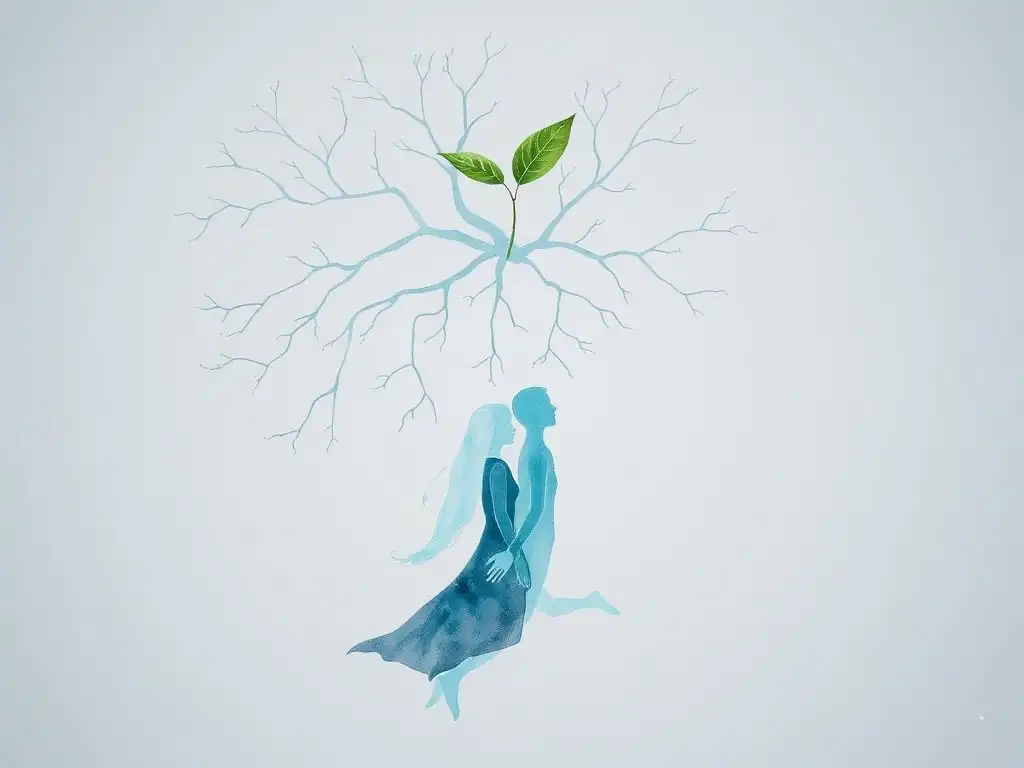
Targeting Epigenetic Mechanisms with Therapeutic Interventions
The understanding that epigenetic modifications are potentially reversible opens exciting new avenues for mental health treatment. Instead of solely targeting neurotransmitter systems, future therapies might focus on correcting maladaptive epigenetic marks that contribute to disorders. Epigenetic drugs, such as inhibitors of DNA methyltransferases (DNMTs) or histone deacetylases (HDACs), are already being used in cancer treatment to reactivate tumor suppressor genes.
While applying these drugs to the brain is complex due to the need for specificity and blood-brain barrier penetration, research is exploring novel compounds or approaches (like gene therapy or targeted delivery systems) that could modulate the epigenome in specific brain regions or cell types relevant to mental health disorders. For example, preclinical studies are investigating whether drugs that reverse stress-induced epigenetic changes in the brain can alleviate depression or anxiety-like behaviors in animal models. This approach holds promise for addressing the underlying molecular basis of certain mental health conditions.
Early Life Interventions and Their Impact on the Epigenome
Given the profound impact of early life experiences on the developing epigenome and the potential for these changes to contribute to later mental health problems, early intervention strategies are gaining increasing importance. Interventions that mitigate stress, improve nutrition, provide nurturing environments, and enhance parent-child interactions could buffer the negative epigenetic effects of early adversity.
Studies have shown that positive interventions, such as enriched environments in animal models or supportive caregiving in humans, can lead to beneficial epigenetic changes in stress-related genes, potentially promoting resilience. For example, research on rat pups shows that high-nurturing mothers induce different epigenetic marks in their pups' hippocampus compared to low-nurturing mothers, affecting stress response later in life. Translating these findings into effective human interventions could involve supporting pregnant mothers, providing resources for positive parenting, and creating supportive environments for children to foster healthy epigenetic development.
Personalized Mental Healthcare Based on Epigenetic Profiles
As our ability to map and interpret individual epigenetic profiles improves, there is potential for developing more personalized approaches to mental healthcare. Analyzing a person's epigenome, perhaps in combination with their genetic information and environmental history, could help predict their risk for certain mental health conditions, understand the biological pathways contributing to their specific symptoms, and guide treatment selection.
For instance, identifying specific epigenetic patterns linked to treatment response or non-response could help clinicians choose the most effective therapy from the outset. While routine "epigenetic profiling" for mental health is not yet a reality, ongoing research aims to identify reliable epigenetic biomarkers associated with different disorders, trajectories, and treatment outcomes. This could lead to a future where mental health interventions are tailored not just to symptoms, but to the individual's unique epigenetic landscape and history of environmental exposures.
Ethical Considerations Surrounding Epigenetic Inheritance and Mental Health
The Potential for Genetic Discrimination Based on Epigenetic Data
The increasing ability to identify epigenetic markers associated with mental health vulnerabilities raises significant ethical concerns, particularly regarding potential discrimination. If epigenetic profiles become readily available, there is a risk that this information could be used by employers, insurance companies, or other entities to make decisions that disadvantage individuals based on their perceived risk of developing a mental health condition, even if that risk is uncertain or modifiable.
Unlike genetic information, which is largely static, epigenetic data is dynamic and reflects environmental history, making it potentially even more sensitive. Regulations and ethical guidelines are needed to protect individuals' epigenetic privacy and prevent the misuse of this information, similar to efforts already underway for genetic data. Ensuring that epigenetic information is used solely for improving health outcomes and not for discriminatory purposes is paramount.
Implications for Reproductive Decision-Making
The possibility of transgenerational epigenetic inheritance also brings complex considerations for reproductive decision-making. If parents learn that their environmental exposures or lifestyle have created epigenetic marks that might increase their child's risk for certain mental health conditions, this information could weigh heavily on family planning choices.
This raises questions about the responsibility of parents regarding their own health and exposures and the potential burden of perceived risk on future generations. It is crucial that any information about potential epigenetic inheritance is communicated with sensitivity, emphasizing that these are often complex risk factors, not deterministic outcomes, and that many factors influence mental health. Ethical frameworks need to be developed to guide the use of epigenetic information in reproductive counseling.
Addressing Soci societal Factors That Contribute to Epigenetic Risk
Recognizing the profound impact of environmental factors, such as poverty, discrimination, trauma, and lack of access to resources, on the epigenome highlights the need to address broader societal determinants of mental health. If adverse environments can create epigenetic vulnerabilities that potentially span generations, then efforts to improve public health and reduce social inequalities become not just social justice issues but crucial strategies for preventing mental health problems at a population level.
Focusing solely on individual epigenetic profiles without addressing the upstream environmental factors that shape them risks blaming individuals for epigenetically mediated vulnerabilities that are, in part, a result of their circumstances. An ethical approach requires acknowledging the societal context of epigenetic risk and advocating for policies that create healthier, more equitable environments for everyone, thereby promoting healthier epigenetic landscapes across the population.
Future Directions in Epigenetic Inheritance Research and Mental Health
Advanced Technologies for Mapping the Epigenome
The future of epigenetic inheritance research in mental health will be significantly shaped by advancements in technology. High-throughput sequencing technologies, such as whole-genome bisulfite sequencing (WGBS) for DNA methylation, ChIP-sequencing for histone modifications, and RNA-sequencing for non-coding RNAs, are becoming more sensitive, affordable, and capable of providing single-cell resolution.
These technologies will enable researchers to map epigenetic landscapes with unprecedented detail, identifying subtle changes across different cell types relevant to mental health (like specific neuronal subtypes) and across the entire genome. New computational tools and bioinformatics approaches are also essential to analyze the massive datasets generated, integrate different types of epigenetic information, and correlate them with complex behavioral and clinical phenotypes across generations.
Longitudinal Studies Tracking Epigenetic Changes Across Generations
To definitively prove transgenerational epigenetic inheritance in humans and understand its role in mental health, large-scale, multi-generational longitudinal studies are essential. These studies would ideally recruit cohorts of individuals and their descendants, meticulously collecting data on environmental exposures (including trauma, diet, stress), lifestyle factors, health outcomes, and comprehensive epigenetic profiles (from relevant tissues like blood, saliva, or even post-mortem brain tissue where possible) at different time points across the lifespan.
Such studies are challenging and expensive but are necessary to distinguish true germline epigenetic transmission from confounding factors like shared environment or genetic background. By tracking epigenetic changes and mental health trajectories across generations within the same families, researchers can gain clearer insights into whether environmentally induced epigenetic marks persist through the germline and contribute to inherited vulnerabilities.
Integrating Epigenetics into Mental Health Risk Assessment and Prediction
Ultimately, the goal is to integrate our understanding of epigenetics, including potential epigenetic inheritance, into clinical mental health practice. Future research will focus on identifying robust epigenetic biomarkers that can improve risk assessment and prediction for mental health disorders. This could involve developing tests that analyze epigenetic patterns in easily accessible tissues to identify individuals who are at higher risk due to their genetic predisposition, environmental history, and potentially inherited epigenetic vulnerabilities.
Such tools would not be used for deterministic prediction but rather to identify individuals who could benefit most from early preventive interventions or personalized treatment strategies. Integrating epigenetic data with genetic information, clinical assessments, and environmental exposure data will require sophisticated computational models and a deep understanding of how these layers of biological and environmental information interact to shape mental well-being throughout life and potentially across generations.
Conclusion: The Ongoing Exploration of Epigenetic Inheritance and Mental Well-being
Summarizing the Current Evidence and Open Questions
The question of whether epigenetic changes can be inherited and influence mental health is one of the most exciting and challenging frontiers in neuroscience and genetics. While direct, unequivocal evidence of transgenerational epigenetic inheritance of complex mental health conditions in humans remains elusive, compelling findings from animal models and intriguing associations in human populations, particularly concerning the impact of parental trauma, strongly suggest that it is a plausible phenomenon. The mechanisms, likely involving the intricate dance of DNA methylation, histone modifications, and non-coding RNAs surviving germline reprogramming, are beginning to be unraveled.
However, significant challenges persist, including distinguishing epigenetic inheritance from shared genetics and environment, and the methodological complexities of conducting rigorous human studies. Many open questions remain: Which specific epigenetic marks are heritable? How stable are they across generations? What is their quantitative contribution to mental health risk compared to genetic and direct environmental factors? Are there sex-specific differences in epigenetic inheritance?
The Importance of Continued Research in Epigenetics and Mental Health.
Despite the challenges, continued research into epigenetics and mental health, including the question of epigenetic inheritance, is of paramount importance. This field offers a dynamic perspective on how our experiences, particularly early in life and across generations, can leave biological footprints that influence brain function and vulnerability to mental illness. Understanding these mechanisms is not just academically interesting; it holds the potential to revolutionize how we prevent, diagnose, and treat mental health disorders.
By identifying environmentally responsive and potentially heritable epigenetic marks, we may uncover new targets for therapeutic interventions, develop more effective early prevention strategies, and move towards truly personalized mental healthcare approaches. Addressing the ethical considerations surrounding epigenetic information is crucial as the science advances. The ongoing exploration of epigenetics inheritance mental health is vital for building a more complete picture of mental well-being and resilience across the lifespan and across generations.
Frequently Asked Questions
What is Epigenetics and how does it relate to mental health?
Epigenetics refers to changes in gene expression that don't involve alterations to the DNA sequence itself. These changes can be influenced by environmental factors and are being investigated for their potential role in the development of mental health disorders.
Can epigenetic changes be passed down through generations?
The question of whether epigenetic changes are heritable is a subject of ongoing debate. While some studies suggest that it's possible, the extent and mechanisms of transgenerational epigenetic inheritance are still not fully understood, especially in humans.
What evidence supports the idea that epigenetic inheritance impacts mental health?
Research has shown that early life experiences, such as trauma or stress, can lead to epigenetic changes in parents that might influence the mental well-being of their offspring. However, more research is needed to confirm these findings in humans.
If epigenetic changes can be inherited, how could this impact mental health treatment?
Understanding epigenetic inheritance could lead to the development of new therapeutic approaches targeting the epigenetic mechanisms that contribute to mental health disorders. This could involve interventions that reverse or modify harmful epigenetic marks.
What are the limitations of current research on epigenetics inheritance mental health?
Human studies are complex due to the difficulty of isolating epigenetic factors from other genetic and environmental influences. More research is needed to determine the long-term effects of epigenetic changes and the extent to which they contribute to mental health risks.
Final Reflection: The Legacy of Our Genes – and Beyond
The implications of inheriting epigenetic changes are not merely theoretical; they are actively reshaping our understanding of mental health and the transmission of trauma across generations. This profound shift necessitates a reevaluation of traditional genetic models and opens exciting avenues for preventative and therapeutic interventions. The very fabric of familial resilience and vulnerability may be woven not just from DNA, but from the subtle, yet powerful, modifications to gene expression passed down through our lineage.
The exploration of epigenetic inheritance in mental health has profoundly impacted my own understanding of family history and the complex interplay of nature and nurture. It challenges the simplistic notion of predetermined destinies, suggesting that environmental influences can leave a lasting mark, not just on individuals, but on their descendants. This resonates deeply with the idea that our experiences, both positive and negative, have a far-reaching impact that extends beyond our own lifetimes. The past is never dead. It's not even past.
- William Faulkner. This quote encapsulates the enduring power of epigenetic inheritance, reminding us that the echoes of past experiences continue to shape the present and future.
Consider the implications of this knowledge. What steps can you take to foster a healthier epigenetic landscape for yourself and future generations? Are you actively engaging in lifestyle choices that promote positive epigenetic modifications? This is not just about individual well-being; it's about building a healthier future for your family and contributing to a broader understanding of mental health. Let this exploration inspire you to delve deeper, to learn more, and to advocate for research that continues to unravel the intricate dance between genes, environment, and the enduring legacy of our experiences.
Unlock Your Understanding: Explore the Future of Mental Health
Thanks for diving into the fascinating world of epigenetics and mental health with us! You've now gained valuable insights into a complex area impacting future treatments and understanding of inherited conditions. Ready to take the next step?
- Dive deeper: Explore further research on epigenetic inheritance and mental health by searching reputable academic journals. This will allow you to understand the cutting edge of the field.
- Share your thoughts: Join the conversation! Share this article on social media and spark a discussion with your network about the implications of inherited epigenetic changes.
- Challenge the status quo: Consider contacting your local representative to encourage further funding for mental health research focused on epigenetics. Let's drive progress together!
What questions about epigenetic inheritance in mental health are you most eager to see answered in future research?