
Navigate Anxiety: A Guide to App Features, Pricing, and Effectiveness


Welcome to Mind Care Guide, your trusted companion on the path to mental well-being.
Feeling overwhelmed? You're not alone. Many seek tools to navigate the complexities of anxiety. That's why we've created this resource. Dive into our comprehensive guide to anxiety apps for better health, exploring their features, pricing, and real-world effectiveness. Discover which app might be the perfect fit for your unique journey, and take the first step towards a calmer, more centered you.
Navigate Anxiety: A Guide to App Features, Pricing, and Effectiveness
- Anxiety Apps for Better Health: Finding the Right Tool for Your Needs
- Top Anxiety Relief Apps: Features, Pricing, and Effectiveness Compared
- Comparing Anxiety Apps: Which is Right for You?
- Maximizing Your Anxiety Relief App Experience
- Beyond Apps: Additional Resources for Managing Anxiety
-
Frequently Asked Questions
- How do anxiety apps for better health actually work?
- Are anxiety apps for better health a substitute for professional therapy?
- What features should I look for in anxiety apps for better health?
- How much do anxiety apps for better health typically cost?
- How effective are anxiety apps for better health, and is there any scientific evidence?
- Final Reflection: Finding Calm in the Digital Age
- Unlock Your Calm: Start Managing Anxiety Today!
Anxiety Apps for Better Health: Finding the Right Tool for Your Needs
Understanding Anxiety and the Role of Mental Health Apps
Anxiety is a natural human response, but for millions, it can become persistent and overwhelming, impacting daily life significantly. Generalized Anxiety Disorder (GAD), panic disorder, social anxiety disorder, and specific phobias are common forms that affect a substantial portion of the population. The World Health Organization (WHO) estimates that anxiety disorders are the most common mental disorders worldwide, affecting approximately 4% of the global population.
This translates to hundreds of millions of individuals experiencing anxiety symptoms that can range from excessive worry and restlessness to physical symptoms like rapid heartbeat and difficulty concentrating. Understanding these varied manifestations is the first step toward effective management.
In recent years, technology has offered new avenues for support. Mental health apps, specifically designed as anxiety apps for better health, have emerged as accessible tools to complement traditional therapy and self-care practices. These applications leverage the ubiquity of smartphones to provide immediate access to resources like guided meditations, breathing exercises, mood tracking, and even digital cognitive behavioral therapy (CBT) modules. They offer a private and convenient way for individuals to learn coping mechanisms, monitor their emotional states, and gain insights into their anxiety patterns, potentially reducing the frequency and intensity of symptoms for many users.
Why Use an Anxiety App? Benefits for Managing Stress and Improving Well-being
Using anxiety apps for better health offers several tangible benefits. Firstly, accessibility is a major advantage. Unlike scheduling therapy appointments, which can involve waiting lists and travel, an anxiety app is available 24/7, whenever symptoms arise or whenever a user has a moment to dedicate to self-care.
This immediate access to coping tools like guided breathing or a quick meditation can be invaluable during moments of heightened stress or panic, providing a sense of control and immediate relief. Furthermore, many apps offer a degree of anonymity, which can lower the barrier for individuals who might feel hesitant about seeking in-person support initially.
Secondly, these apps often provide structured programs and educational content that empower users with practical skills. For example, apps based on CBT principles teach users to identify and challenge negative thought patterns associated with anxiety. Mindfulness and meditation features help users cultivate present-moment awareness, reducing rumination on past worries or future fears.
Tracking features allow users to monitor triggers, symptom severity, and the effectiveness of different coping strategies over time, offering valuable data for self-understanding and sharing with healthcare professionals. While not a substitute for professional medical advice or therapy, these anxiety apps serve as powerful supplementary tools in a holistic approach to managing anxiety and fostering overall mental well-being.
Top Anxiety Relief Apps: Features, Pricing, and Effectiveness Compared
Calm: A Comprehensive Review for Anxiety Management
Calm is one of the most popular mindfulness and meditation apps available, widely recognized for its serene interface and extensive content library aimed at improving sleep and reducing anxiety. It positions itself as a tool for anyone looking to introduce more peace, calm, and mindfulness into their lives. The app's design is intentionally soothing, featuring calming visuals and sounds, which contributes to the overall user experience and aligns with its goal of providing anxiety relief.
While meditation is at its core, Calm has expanded its offerings significantly to become a more comprehensive wellness platform. Its approach to managing anxiety involves various techniques, from short, guided sessions perfect for beginners to longer programs focusing on specific themes like managing stress, building self-esteem, or breaking habits. The app's popularity is partly due to its diverse content, which caters to different needs and preferences within the broad spectrum of anxiety experiences.
Calm's Key Features for Anxiety Relief: Meditation, Sleep Stories, and More
Calm offers a rich array of features designed to help users manage anxiety and improve their overall well-being. The core offering is its extensive library of guided meditations, ranging in length from 3 to 25 minutes, covering topics such as 'Managing Anxiety,' 'Deep Concentration,' and 'Breaking Habits.' There are also unguided meditation options with customizable background sounds. Another highly popular feature is the 'Sleep Stories,' bedtime tales narrated by soothing voices (including celebrities) designed to help users drift off to sleep, addressing sleep disturbances often associated with anxiety.
Beyond meditation and sleep aids, Calm includes 'Breathing Programs' to help users regulate their breath during moments of panic or stress, and 'Calm Music' designed for focus, relaxation, or sleep. The 'Daily Calm' is a new 10-minute guided meditation session released each day, offering a consistent practice opportunity. The app also features 'Masterclasses,' audio programs taught by experts on topics like mindfulness, resilience, and breaking bad habits, providing deeper dives into mental wellness strategies. These varied features make Calm a versatile tool for individuals seeking multiple avenues for anxiety reduction and relaxation.
Calm Pricing Plans: Is a Premium Subscription Worth It for Anxiety?
Calm operates on a freemium model, offering some basic content for free, but the vast majority of its anxiety-specific resources are locked behind a premium subscription. The free version typically includes a limited number of guided meditations, one Sleep Story, and a few breathing exercises. While this provides a taste of the app's interface and style, it's generally insufficient for a sustained effort to manage anxiety effectively using the app's full capabilities.
A premium subscription, known as Calm Premium, unlocks the entire content library. Pricing is typically offered on an annual basis, which is more cost-effective than the monthly option, or sometimes as a lifetime purchase. As of recent data, the annual subscription is often priced around $70-$80 USD per year, while a monthly option might be around $13-$15 USD.
The lifetime option, when available, is a significantly higher one-time fee, perhaps in the range of $300-$400 USD. Given the extensive content available in the premium version—hundreds of hours of meditations, sleep stories, music, and masterclasses—many users find the annual subscription worthwhile for consistent access to a wide variety of tools for managing anxiety and improving sleep.
Calm Effectiveness: Real User Experiences and Scientific Backing
Numerous users report positive experiences using Calm for managing their anxiety and improving sleep. Anecdotal evidence frequently highlights the effectiveness of Sleep Stories in combating insomnia and the calming effect of guided meditations during stressful periods. User reviews on app stores often cite reduced feelings of stress and worry after consistent use. While individual results vary, the large user base and positive testimonials suggest a significant impact on many people's well-being.
From a scientific perspective, studies have explored the effectiveness of mindfulness and meditation, the core components of Calm. Research published in journals like JAMA Internal Medicine has shown that mindfulness meditation can help reduce symptoms of anxiety and depression. While studies specifically validating the Calm app itself are less numerous than general meditation research, some research has been conducted.
For example, a 2019 study published in Frontiers in Psychology found that using the Calm app was associated with reductions in stress and improvements in mindfulness among university students. Another study indicated that using Calm's sleep features led to improvements in sleep quality. While more large-scale, randomized controlled trials specifically on the app's long-term effects on clinical anxiety are always beneficial, the evidence supporting the underlying techniques used in Calm is robust, and user outcomes are promising.
Headspace: Mindfulness and Meditation for Anxiety Reduction
Headspace is another leading mindfulness and meditation app, distinguished by its friendly, animated interface and a focus on making meditation accessible and understandable for everyone. Co-founded by a former Buddhist monk, the app takes a systematic approach to teaching mindfulness, starting with foundational courses before guiding users towards more specific areas like stress, sleep, and anxiety. Its visual style and tone are often described as approachable and non-intimidating, making it a good starting point for meditation beginners exploring anxiety apps for better health.
The app's structure is built around courses and packs that guide users through progressive techniques. This curated path is designed to help users build a consistent meditation practice over time, which is crucial for experiencing the benefits of mindfulness for anxiety reduction. Headspace emphasizes integrating mindfulness into daily life, not just during formal meditation sessions, offering various exercises for walking, eating, and other activities.
Headspace's Unique Approach to Anxiety: Guided Meditations and Mindfulness Techniques
Headspace offers a structured curriculum of guided meditations specifically tailored to address anxiety. The app features courses like 'Navigating Anxiety' and 'Dealing with Sadness,' which provide multi-day programs to help users understand and manage difficult emotions. These courses break down complex concepts into manageable steps, using simple language and relatable analogies. Beyond the core courses, Headspace provides single meditations for moments of panic, stress, or worry, allowing users to find immediate relief when needed.
A key aspect of Headspace's approach is its focus on foundational mindfulness skills, such as observing thoughts without judgment and bringing attention back to the present moment. The app includes 'Mindful Moments' features that offer short exercises throughout the day, reinforcing the practice outside of dedicated meditation time. It also provides 'Sleepcasts' (audio experiences designed to help users fall asleep), focus music, and guided movement exercises, contributing to a holistic approach to well-being that supports anxiety management by addressing related factors like sleep and physical tension.
Headspace Subscription Costs: A Breakdown of Pricing Options
Similar to Calm, Headspace operates on a subscription model to access its full library of content. It offers a limited selection of meditations and exercises for free, typically including the first few sessions of the beginner course. To unlock the comprehensive anxiety-specific courses, the full range of meditations, Sleepcasts, and other features, a paid subscription is required.
Headspace offers monthly and annual subscription plans. The monthly plan is generally more expensive per month, often costing around $13-$15 USD. The annual plan provides a significant saving, typically priced around $70-$80 USD per year. Headspace also occasionally offers student plans or family plans at different price points. While the cost is an investment, the extensive library of structured courses and daily content provides ongoing support for individuals committed to using mindfulness as a tool for managing anxiety symptoms over the long term.
Headspace for Anxiety: Studies and User Testimonials
Headspace has been the subject of several studies investigating its effectiveness. Research published in peer-reviewed journals suggests that using Headspace can lead to reduced stress, improved focus, and decreased symptoms of anxiety and depression. For instance, a study published in the Journal of Medical Internet Research found that using Headspace for 10 days was associated with a 16% decrease in symptoms of depression and a 14% decrease in symptoms of anxiety among young adults. Another study indicated that even brief daily use (around 10 minutes) over a few weeks could lead to significant reductions in stress and affective reactivity.
User testimonials frequently praise Headspace for its ability to make meditation accessible and its positive impact on their mental state. Many users report feeling calmer, more centered, and better equipped to handle stressful situations after incorporating Headspace into their routine. While individual experiences vary, the combination of scientific backing and widespread positive user feedback supports Headspace's reputation as an effective anxiety app for better health, particularly for those seeking a structured and guided introduction to mindfulness and meditation.
BetterHelp: Online Therapy and Support for Anxiety Disorders
BetterHelp is not a traditional meditation or mindfulness app; rather, it is one of the largest online platforms connecting users with licensed therapists for professional counseling. It represents a different category of anxiety apps for better health, focusing on clinical support rather than self-guided tools alone. Users seeking more direct, personalized intervention for anxiety disorders may find platforms like BetterHelp to be a more suitable option, offering access to talk therapy from the convenience of their home.
The platform screens therapists to ensure they are licensed, trained, experienced, and accredited professionals, including psychologists, marriage and family therapists, clinical social workers, and licensed professional counselors. It aims to make therapy more accessible and affordable than traditional in-person sessions for many people, removing barriers like geographical location, transportation issues, or scheduling difficulties.
BetterHelp's Features: Connecting with Licensed Therapists Online
BetterHelp's primary feature is its ability to match users with a licensed therapist based on their specific needs, preferences, and the issues they are facing, such as anxiety, depression, relationship problems, or trauma. Users fill out a questionnaire upon signing up, and the platform uses this information to propose potential therapist matches. Users can switch therapists at any time if they don't feel the connection is right.
Communication with the therapist happens through several modalities: unlimited text messaging within a secure platform, live chat sessions, live phone sessions, and live video sessions. This flexibility allows users to engage with their therapist in the way that best suits their comfort level and schedule. The platform is accessible via web browser or through the mobile app, providing continuous access to support and the ability to send messages to the therapist whenever needed, receiving responses typically once or twice a day on weekdays.
BetterHelp Pricing: What to Expect for Online Therapy Costs
BetterHelp's pricing structure differs significantly from subscription-based meditation apps because it provides access to professional therapy. The cost is typically billed every four weeks and varies depending on the user's location and the specific therapist assigned, but it generally falls within a range. As of recent information, the cost can range from approximately $65 to $90 USD per week (billed every four weeks at $260 to $360 USD).
This fee covers unlimited messaging and one live session (chat, phone, or video) per week. Some users may find this more affordable than traditional in-person therapy, where session costs can range from $100 to $200 or more per hour, often without the option for unlimited messaging between sessions. BetterHelp does not accept insurance directly in most cases, but they can provide documentation that users can submit to their insurance provider for potential reimbursement, depending on their plan. They also offer financial aid for those who qualify based on income.
BetterHelp's Effectiveness: Does Online Therapy Work for Anxiety?
Research indicates that online therapy can be as effective as traditional in-person therapy for treating a range of mental health conditions, including anxiety disorders. Studies published in journals like the Journal of Affective Disorders have shown that internet-based CBT, which is a common approach used by therapists on platforms like BetterHelp, can significantly reduce anxiety symptoms. The convenience and accessibility offered by online platforms can also contribute to higher attendance rates and consistency in therapy, which are crucial for positive outcomes.
User testimonials for BetterHelp often highlight the convenience and the ability to connect with a therapist who is a good fit, even if local options are limited. Many users report significant improvements in their anxiety symptoms, coping skills, and overall mental health after engaging in therapy through the platform. While the effectiveness ultimately depends on the individual, the therapist-client relationship, and consistent engagement with the therapeutic process, the evidence suggests that online therapy via platforms like BetterHelp is a viable and effective option for managing anxiety disorders for many people.
Sanvello: Cognitive Behavioral Therapy (CBT) in Your Pocket
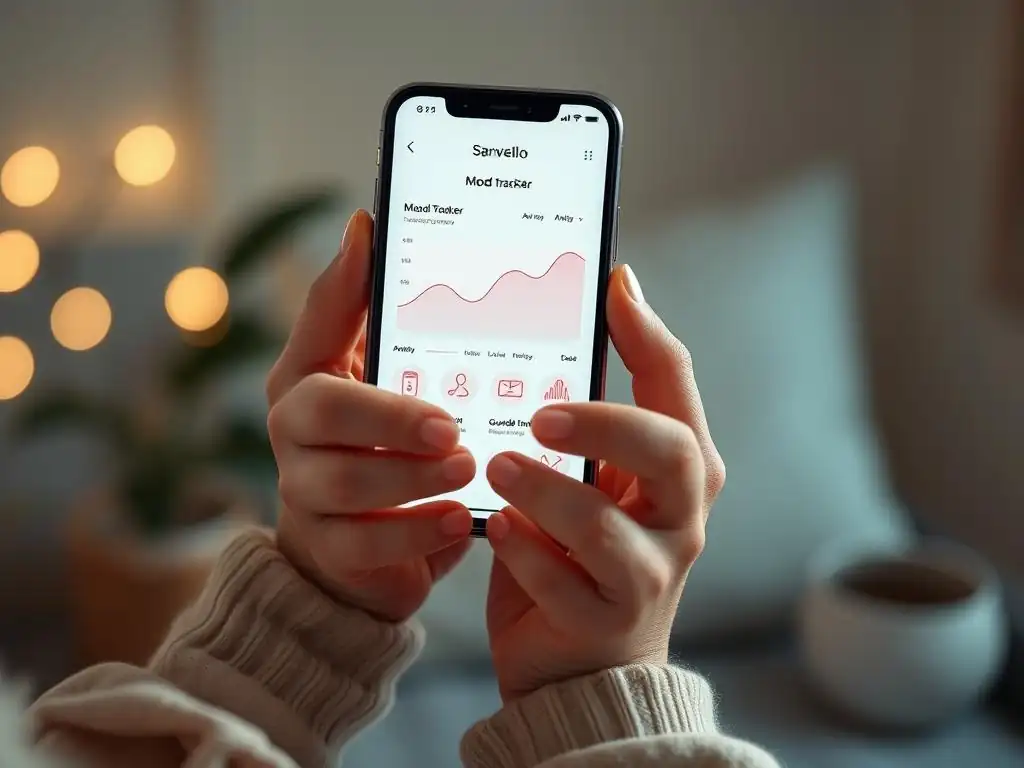
Sanvello is a mental health app designed specifically to provide clinical techniques and support based on Cognitive Behavioral Therapy (CBT) and mindfulness, aimed at helping users manage symptoms of anxiety, depression, and stress. It positions itself as a tool that offers coping skills, tracking, and community support, often described as a "therapy app" due to its foundation in evidence-based psychological techniques. It is often recommended by therapists as a supplemental tool for patients.
The app is structured around modules and tools that guide users through learning and applying CBT principles. It focuses on helping users identify negative thought patterns, challenge unhelpful beliefs, and develop healthier coping strategies. Sanvello aims to empower users to take an active role in managing their mental health, offering structured programs alongside on-demand tools for immediate support.
Sanvello's CBT-Based Tools for Anxiety: Mood Tracking, Goal Setting, and Guided Journeys
Sanvello offers a suite of tools rooted in CBT principles tailored for anxiety management. A core feature is the Mood Tracking tool, which allows users to log their feelings multiple times a day and identify patterns related to time, location, or activities. This data helps users gain insight into their triggers and the effectiveness of their coping strategies. The app also includes a Health Tracking feature to monitor habits like sleep, exercise, and social activity, recognizing their impact on mental well-being.
The 'Guided Journeys' are multi-week programs that walk users through specific CBT techniques for managing anxiety, building resilience, or coping with stress. These journeys include educational content, interactive exercises, and prompts for reflection. Sanvello also provides coping tools like guided meditations, deep breathing exercises, and progressive muscle relaxation. A unique feature is the community forum, where users can connect with others, share experiences, and find peer support, which can be particularly helpful for feelings of isolation often associated with anxiety. The app also allows users to set and track personal goals, reinforcing positive behaviors and achievements.
Sanvello Pricing and Subscription Options: Free vs. Premium Features
Sanvello offers both a free version and a premium subscription, providing different levels of access to its CBT-based tools. The free version typically includes basic mood and health tracking, access to the community forum, and a limited selection of guided meditations and coping tools. This free access allows users to explore some of the app's core functionalities and get a feel for its interface and approach.
To unlock the full potential of Sanvello for managing anxiety, a premium subscription is required. The premium version provides access to all Guided Journeys, the complete library of coping tools and meditations, and more advanced insights from tracking data. Sanvello Premium is often available through employers or health plans, which is a significant advantage for many users, potentially providing access at no personal cost.
For individuals paying out-of-pocket, a monthly subscription might cost around $8-$10 USD, while an annual subscription offers a discount, potentially around $50-$60 USD per year. The availability through health plans makes Sanvello a particularly accessible anxiety app for better health for many insured individuals.
Sanvello for Anxiety: Research and User Feedback on CBT App Efficacy
Sanvello's effectiveness is supported by research into the efficacy of digital CBT interventions. Studies have shown that app-based CBT can lead to significant reductions in symptoms of anxiety and depression. For instance, a study published in the Journal of Medical Internet Research found that users who engaged with Sanvello showed a significant reduction in anxiety and depression symptom severity over a short period. Another study specifically looked at the app's impact on stress and found positive outcomes.
User feedback for Sanvello is generally positive, with many users reporting that the structured programs and tracking tools helped them understand their anxiety better and develop practical coping skills. Users often highlight the guided journeys as particularly helpful in learning and applying CBT principles.
The community feature also receives praise for providing a sense of connection and shared experience. While results vary depending on user engagement and the severity of symptoms, the evidence base for CBT and studies on the app itself suggest that Sanvello can be an effective tool for individuals seeking a structured, evidence-based approach to managing anxiety symptoms through a mobile application.
Insight Timer: A Free Resource for Meditation and Anxiety Relief
Insight Timer stands out among anxiety apps for better health primarily because of its vast library of free content. While many popular meditation apps require a premium subscription for full access, Insight Timer offers over 100,000 free guided meditations, music tracks, and talks contributed by over 15,000 teachers worldwide. This makes it an incredibly accessible resource for anyone looking to use meditation and mindfulness to help manage anxiety without a financial barrier.
The app's interface can initially feel a bit overwhelming due to the sheer volume of content, but its powerful search and filtering options allow users to find meditations tailored to specific needs, such as 'anxiety,' 'stress,' 'sleep,' or 'panic.' Its community-focused features, like tracking who else is meditating with you at the same time, add a unique social element to the practice, fostering a sense of global connection.
Insight Timer Features: Extensive Library of Free Meditations and Sleep Tracks
Insight Timer's most impressive feature is its expansive library of free content. Users can find guided meditations for virtually any topic related to anxiety and stress, varying in length, style, and teacher. There are meditations specifically for panic attacks, social anxiety, generalized worry, and calming the nervous system. The app also offers a vast collection of free music tracks, including ambient sounds, nature sounds, and instrumental pieces designed for relaxation, focus, or sleep.
Beyond guided meditations and music, Insight Timer includes free talks and podcasts on various mental wellness topics, including managing anxiety, building resilience, and understanding mindfulness. It features a customizable meditation timer for unguided practice, with options for interval bells and ambient sounds. The app also has courses, but these are primarily part of the premium offering. The 'Circles' feature allows users to connect with groups based on shared interests or locations, providing a community aspect that can be supportive for individuals dealing with anxiety.
Insight Timer Pricing: Optional Premium Features and Courses
While the core of Insight Timer is free, it does offer an optional paid subscription called 'Member Plus.' The free version includes unlimited access to the vast majority of guided meditations, music, and talks, as well as the customizable timer and community features. This free offering is substantial and can be perfectly sufficient for many users seeking anxiety relief through meditation.
The Member Plus subscription unlocks additional features, primarily including access to hundreds of premium courses (multi-session audio programs on specific topics like overcoming anxiety or developing resilience), offline listening for all content, and advanced player features like fast-forwarding and rewinding. The cost for Member Plus is typically around $60 USD per year or $10 USD per month. For users whose primary need is access to a wide variety of guided meditations and music for anxiety, the free version of Insight Timer provides exceptional value. The premium features are beneficial for those who want more structured, in-depth learning through courses.
Insight Timer Effectiveness: Community Support and User Feedback
Insight Timer's effectiveness for anxiety relief is largely supported by the general research on meditation and mindfulness, combined with strong positive user feedback. While fewer formal studies have focused specifically on the Insight Timer app compared to some others, the sheer volume of free, high-quality content makes it a powerful tool for consistent practice. Many users report significant reductions in stress and anxiety symptoms through regular use of the app's guided meditations and sleep tracks.
The community aspect of Insight Timer is frequently cited by users as a valuable source of support. Seeing how many people are meditating concurrently around the world can foster a sense of connection and reduce feelings of isolation. User reviews often highlight the diversity of teachers and meditation styles, allowing individuals to find what resonates best with them.
The accessibility of the free content removes financial barriers, enabling consistent engagement with mindfulness practices, which is key to their effectiveness in managing anxiety over time. While not a substitute for clinical treatment, Insight Timer serves as a highly effective, accessible anxiety app for better health through its extensive free meditation library.
Comparing Anxiety Apps: Which is Right for You?
Feature Comparison: Calm vs. Headspace vs. Sanvello vs. BetterHelp vs. Insight Timer
Comparing the features of these anxiety apps reveals distinct differences in their approach to mental wellness. Calm and Headspace are primarily focused on mindfulness meditation, sleep aids, and related wellness content. Calm excels with its wide variety of sleep stories and music, while Headspace offers a more structured, progressive curriculum for learning meditation. Both provide guided sessions specifically for anxiety.
Sanvello takes a different path, rooted directly in clinical techniques like CBT and mindfulness, offering structured programs, mood tracking, and goal setting alongside coping tools. It's designed to be more interactive and data-driven in helping users manage symptoms. Insight Timer stands out for its massive library of free guided meditations and talks from diverse teachers, offering unparalleled variety and accessibility for meditation practice. BetterHelp is fundamentally different, providing access to licensed online therapists for personalized talk therapy, which is suitable for individuals seeking professional clinical treatment rather than self-guided tools.
| Feature Category | Calm | Headspace | Sanvello | BetterHelp | Insight Timer |
|---|---|---|---|---|---|
| Core Focus | Meditation, Sleep, Relaxation | Mindfulness, Meditation, Education | CBT, Mood Tracking, Coping Skills, Community | Online Therapy with Licensed Professionals | Meditation, Talks, Community |
| Anxiety-Specific Content | Guided Meditations, Masterclasses | Guided Courses, Single Meditations | Guided Journeys, Coping Tools | Personalized Therapy Sessions | Guided Meditations, Talks, Courses (Paid) |
| Tracking | Limited (Mindfulness minutes) | Limited (Mindfulness minutes) | Comprehensive Mood & Health Tracking | Progress discussed with therapist | Meditation Time Tracking |
| Therapy/Clinical | No | No | CBT-based tools, often recommended by therapists | Yes, direct access to licensed therapists | No |
| Community | No | Limited (Buddy system) | Yes, peer support forums | No (Private therapist relationship) | Yes, global meditation and circles |
| Free Tier | Limited access | Limited access | Basic tracking, limited tools/meditations | No (Consultation sometimes free) | Extensive library of meditations/talks |
| Primary Content Format | Audio (Meditations, Stories, Music) | Audio (Meditations, Sleepcasts), Animation | Interactive Tools, Audio, Text, Community | Text, Chat, Phone, Video Sessions | Audio (Meditations, Talks, Music) |
Pricing Comparison: Finding the Most Affordable Anxiety Relief App
When considering anxiety apps for better health, pricing is a significant factor. Insight Timer is the most budget-friendly option, offering a vast library of high-quality guided meditations and talks completely free. Its optional premium subscription is primarily for courses and offline listening.
Calm and Headspace are similarly priced premium subscription services, typically costing around $70-$80 USD per year for full access. Both offer limited free content, requiring a paid plan for comprehensive use.
Sanvello also operates on a premium model, often costing slightly less out-of-pocket (around $50-$60 USD annually), but its key advantage is that premium access is frequently covered by employer or health insurance plans, potentially making it free for eligible users. BetterHelp is the most expensive option, reflecting that it provides access to professional therapy rather than self-guided tools, with costs ranging from $260-$360 USD every four weeks depending on location and need, though financial aid is available.
- Insight Timer: Mostly Free (Premium optional, ~$60/year) - Most Affordable
- Sanvello: Free Basic, Premium Paid (~$50-60/year out-of-pocket, often covered by insurance)
- Calm: Free Basic, Premium Paid (~$70-80/year)
- Headspace: Free Basic, Premium Paid (~$70-80/year)
- BetterHelp: Paid Subscription for Therapy (~$260-360/4 weeks) - Highest Cost (Professional Service)
Choosing the most affordable anxiety app for better health depends on whether free meditation is sufficient or if structured programs, tracking, or professional therapy are needed.
Effectiveness Comparison: Which Apps Show the Best Results for Anxiety?
Assessing the "best" effectiveness is complex, as it depends on the individual's specific needs, the severity of their anxiety, and their engagement with the app. For individuals seeking professional clinical treatment for diagnosed anxiety disorders, platforms like BetterHelp, providing access to licensed therapists and evidence-based talk therapy (like CBT or exposure therapy), are generally considered the most direct and potentially effective digital intervention, supported by numerous studies showing parity with in-person therapy.
For those seeking self-guided tools based on mindfulness and meditation to manage stress, mild to moderate anxiety symptoms, or complement therapy, Calm and Headspace have strong user bases and some research supporting their effectiveness in reducing stress and improving well-being. Their structured approach and quality content make them reliable tools for building a meditation practice.
Sanvello, with its direct application of CBT principles and robust tracking features, is well-suited for users who want a more clinical, skill-building approach within an app format, and studies suggest it can significantly reduce symptom severity. Insight Timer's effectiveness lies in its accessibility and vast content library, making consistent meditation practice achievable for free, which is crucial for long-term benefits, though less formal research focuses specifically on the app itself compared to the practice of meditation.
Ultimately, the most effective anxiety app for better health is the one the individual will use consistently and that aligns best with their personal needs and preferences.
Maximizing Your Anxiety Relief App Experience
Tips for Choosing the Best Anxiety App for Your Individual Needs
Choosing the best anxiety app for better health requires careful consideration of your personal circumstances and preferences. Start by identifying your primary goals: Are you looking for help falling asleep, learning to meditate, tracking your mood and triggers, or connecting with a therapist? Different apps specialize in different areas. For example, if professional support is your priority, BetterHelp is the clear choice. If free meditation is key, Insight Timer excels. If structured CBT tools appeal to you, Sanvello is a strong contender.
Consider the app's interface and user experience. Most apps offer a free trial or a limited free version, which allows you to test the design, navigation, and content style. Does the app feel calming or overwhelming? Is it easy to find what you need?
Think about how you plan to use the app – daily practice, during moments of panic, or weekly check-ins? The app's structure should support your intended usage pattern. Additionally, factor in the cost and whether a premium subscription aligns with your budget or if a free option like Insight Timer or a health-plan covered app like Sanvello is more feasible.
Here's a quick checklist:
- [ ] Define your main goal (meditation, therapy, tracking, skills).
- [ ] Try the free versions or trials of shortlisted apps.
- [ ] Evaluate the user interface and ease of navigation.
- [ ] Consider your budget and the cost of premium features.
- [ ] Read recent user reviews to gauge satisfaction and potential issues.
- [ ] Think about how the app fits into your daily routine.
Integrating Anxiety Apps into Your Daily Routine for Optimal Results
Simply downloading an anxiety app is not enough; consistency is key to experiencing the benefits. To maximize the effectiveness of your chosen anxiety app for better health, consciously integrate it into your daily routine. Schedule dedicated time for using the app, whether it's 10 minutes of meditation in the morning, a breathing exercise during a work break, or listening to a sleep story before bed. Treating app usage like any other important appointment can help ensure it happens regularly.
Link app usage to existing habits. For instance, if you track your mood on Sanvello, do it immediately after waking up or before going to sleep. If you use Calm or Headspace for meditation, pair it with your morning coffee or evening wind-down routine.
Utilize reminders offered by the apps themselves, but also set external reminders on your phone if needed. Remember that consistency doesn't mean perfection; missing a day is okay, just aim to get back on track the next. Regular engagement, even for short periods, builds skills and reinforces positive habits that contribute significantly to managing anxiety over time.
Tracking Your Progress: Measuring the Effectiveness of Your Anxiety App
To truly understand if your chosen anxiety app is helping you achieve better health, it's beneficial to track your progress. Many apps, like Sanvello, have built-in tracking features for mood, symptoms, and coping mechanism usage. Utilize these features diligently to gain objective insights into how you're feeling over time and what patterns emerge. This data can reveal whether your anxiety symptoms are decreasing, if certain times of day or activities are triggers, and which tools within the app seem most helpful.
If your app doesn't have robust tracking, consider keeping a separate journal, either physical or digital. Note your anxiety levels at different points in the day, specific symptoms you experienced, and which app tools you used and how they made you feel. Over weeks and months, reviewing this data can provide a clear picture of the app's impact.
Sharing this information with a therapist or doctor can also be incredibly valuable, helping them understand your experience and adjust your overall treatment plan if necessary. Measuring progress provides motivation and helps ensure that the anxiety app you are using is genuinely contributing to your journey towards better health.
Beyond Apps: Additional Resources for Managing Anxiety
Combining Anxiety Apps with Traditional Therapy
While anxiety apps for better health are powerful tools, they are often most effective when used in conjunction with traditional therapeutic approaches. Apps can provide daily support, coping skills, and tracking capabilities, but they typically cannot replace the personalized guidance, in-depth exploration of root causes, and therapeutic relationship offered by a licensed therapist. Combining app usage with therapy creates a comprehensive support system.
A therapist can help you process complex emotions, address underlying issues contributing to your anxiety, and teach you advanced coping strategies. They can also guide you on how to best utilize your chosen anxiety app, recommending specific features or exercises based on your progress in therapy. For example, a therapist might recommend using Sanvello's CBT modules between sessions or using Calm's breathing exercises during moments of panic discussed in therapy. This integrated approach leverages the strengths of both digital tools and human expertise, leading to more sustainable and profound improvements in managing anxiety.
Lifestyle Changes to Support Anxiety Relief: Diet, Exercise, and Sleep
Managing anxiety is a holistic endeavor, and lifestyle factors play a crucial role alongside app usage and therapy. Diet significantly impacts mental health; reducing caffeine and sugar intake can help stabilize mood and decrease jitteriness associated with anxiety. Incorporating nutrient-rich foods, like fruits, vegetables, whole grains, and lean proteins, supports overall brain health. Staying adequately hydrated is also essential.
Regular physical exercise is a well-documented stress and anxiety reducer. Engaging in activities you enjoy, whether it's brisk walking, yoga, swimming, or dancing, releases endorphins, which have mood-boosting effects. Aiming for at least 30 minutes of moderate exercise most days of the week can make a noticeable difference. Lastly, prioritizing sufficient, quality sleep is vital.
Anxiety can disrupt sleep, and poor sleep can exacerbate anxiety, creating a vicious cycle. Establishing a consistent sleep schedule, creating a relaxing bedtime routine, and ensuring your sleep environment is conducive to rest can significantly improve anxiety symptoms. Using sleep features in apps like Calm or Headspace can be a helpful part of this effort.
Additional Resources for Anxiety Management
Beyond apps, therapy, and lifestyle adjustments, numerous other resources can support individuals in managing anxiety. Support groups, both in-person and online, offer a space to connect with others who understand your experiences, reducing feelings of isolation and providing mutual encouragement. Organizations like the Anxiety & Depression Association of America (ADAA) or the National Alliance on Mental Illness (NAMI) provide valuable information, resources, and directories for finding local support and treatment options.
Educational websites and books on topics like CBT, mindfulness, and anxiety management can deepen your understanding of your condition and provide additional strategies. Crisis hotlines and text lines are available for immediate support during moments of severe distress or panic. While anxiety apps for better health are excellent tools for daily management and skill-building, being aware of and utilizing this broader network of resources ensures that you have access to comprehensive support whenever and wherever you need it.
Frequently Asked Questions
How do anxiety apps for better health actually work?
Anxiety apps often use evidence-based techniques like cognitive behavioral therapy (CBT) and mindfulness meditation to help users manage anxiety symptoms. They may provide guided exercises, track mood, and offer coping strategies.
Are anxiety apps for better health a substitute for professional therapy?
No, anxiety apps are not a replacement for professional help. They can be a valuable supplement, offering support and tools between therapy sessions, but professional assessment and treatment are crucial for serious conditions.
What features should I look for in anxiety apps for better health?
Prioritize apps with features like mood tracking, guided meditations, and breathing exercises. Look for apps that offer personalized content and are developed in consultation with mental health professionals.
How much do anxiety apps for better health typically cost?
The cost of anxiety apps varies widely. Some offer free basic versions, while others require subscriptions for full access to features. Consider your budget and the app's value proposition.
How effective are anxiety apps for better health, and is there any scientific evidence?
The effectiveness varies depending on the app and the individual. Some studies suggest that anxiety apps can reduce anxiety symptoms, but more research is needed. Look for apps with evidence-based content and user testimonials.
Final Reflection: Finding Calm in the Digital Age
The pervasive nature of anxiety in modern life demands innovative solutions, and the rise of anxiety-managing apps represents a significant step forward in accessible mental health support. These tools, while not a replacement for professional help, offer a powerful complement to traditional therapies, providing readily available coping mechanisms and personalized support directly in our pockets. The sheer number of apps available, however, highlights the need for careful consideration of features, pricing models, and overall effectiveness.
The journey of exploring these apps has underscored the profound impact technology can have on our mental well-being. It's a testament to the growing recognition of mental health as a crucial aspect of overall health, moving beyond the stigma and embracing technological advancements to address it. Technology is a powerful tool, but it's only as good as the intention behind it.
This quote rings true as we navigate the landscape of anxiety apps, recognizing the potential for both immense good and the need for critical evaluation.
The information presented in this article is not just a ranking; it's a starting point. Consider this your invitation to explore the world of anxiety apps, to find the tools that resonate with your unique needs and preferences. Don't hesitate to experiment, to seek professional guidance when necessary, and to prioritize your mental health above all else. Your journey towards a calmer, more balanced life begins with a single step – a download, a mindful breath, and a commitment to your well-being.
Unlock Your Calm: Start Managing Anxiety Today!
Thanks for taking the time to explore the world of anxiety management apps with us! We hope you gained valuable insights into finding the perfect tool for your needs. Ready to take the next step towards a calmer you?
- Try out the top-rated app mentioned: Download it and explore its features for a week. Notice any shifts in your anxiety levels?
- Share your experience: Let others know what you discovered—comment below and share your favorite features or unexpected benefits.
- Consider journaling your progress: Track your mood and see how these apps impact your daily life. This will help personalize your approach.
What unique strategy will you use to integrate an anxiety-management app into your routine?