
Anxiety Relief Apps: What Features Actually Help? (Pricing Insights)

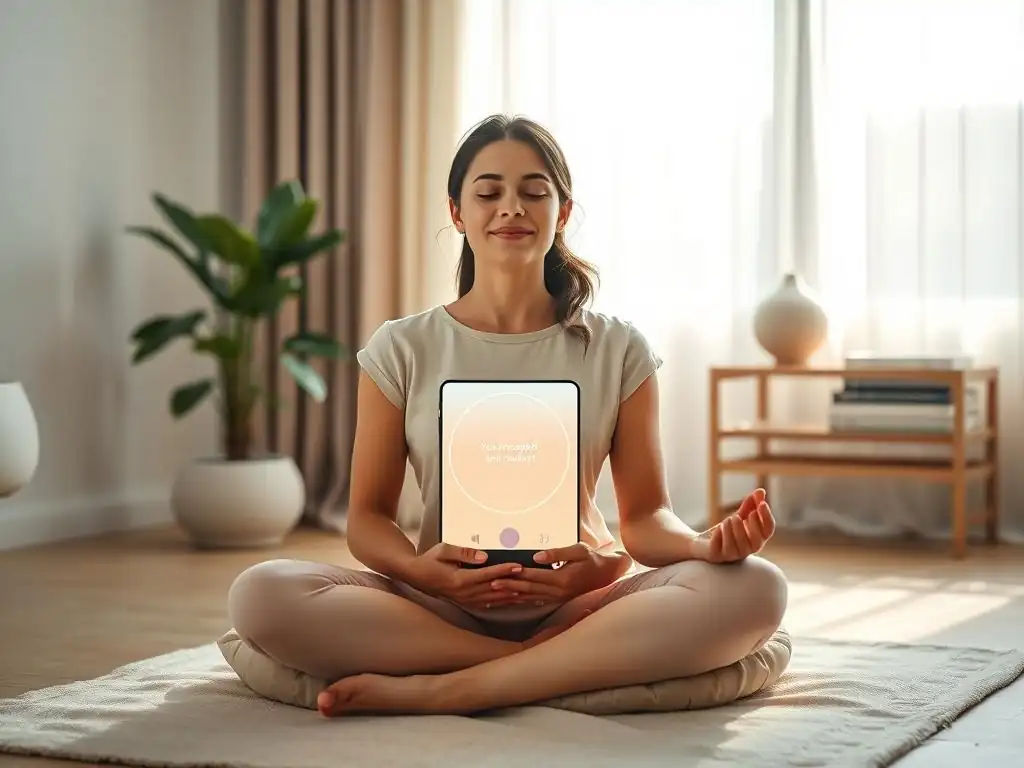
Welcome to Mind Care Guide, a space dedicated to nurturing your mental well-being. Feeling overwhelmed by anxiety? You're not alone. Discover how the right anxiety app can be a powerful tool in your journey to relief. This month, we delve into the world of "Anxiety apps for relief," exploring what features actually make a difference and providing vital pricing insights. Curious to know which apps truly deliver on their promises? Let's explore the landscape together...
Anxiety Relief Apps: What Features Actually Help? (Pricing Insights)
- Understanding Anxiety and the Role of Mobile Apps
- Key Features to Look for in Anxiety Apps for Relief
- Comparing the Best Anxiety Apps for Relief: Features and Pricing
- Pricing Models of Anxiety Relief Apps: What to Expect
- Maximizing the Benefits of Anxiety Apps: Tips and Best Practices
- Choosing the Right Anxiety App for You: A Personalized Approach
- Conclusion: Finding the Best Anxiety Apps for Relief and Mental Wellness
-
Frequently Asked Questions
- What are the most effective features to look for in anxiety relief apps?
- How can anxiety apps help me manage my symptoms on a daily basis?
- Are anxiety relief apps a replacement for professional therapy or medication?
- What are the typical pricing models for anxiety apps, and are free options available?
- How do I choose the right anxiety app for my individual needs and preferences?
- Final Reflection: Finding Calm in the Digital Age
- Unlock Your Calm: Start Exploring Anxiety Relief Today!
Understanding Anxiety and the Role of Mobile Apps
The Growing Need for Anxiety Management Tools
In recent years, there has been a significant increase in reported cases of anxiety worldwide. The World Health Organization (WHO) estimated that, prior to the COVID-19 pandemic, nearly 300 million people globally were living with an anxiety disorder. This number has likely risen, exacerbated by global events, economic uncertainty, and increased social isolation. Traditional mental health resources, while invaluable, often face challenges like long waiting lists, high costs, and geographical barriers, making accessible and immediate support crucial for many.
This surge in need has fueled the development and adoption of digital mental health tools, including mobile applications designed to help manage anxiety symptoms. These anxiety apps for relief offer a discreet, on-demand resource for individuals seeking to understand, track, and apply coping strategies in their daily lives. They represent a new frontier in making mental wellness support more readily available to a broader population, complementing professional care and empowering individuals in their self-management journey.
How Anxiety Apps Can Supplement Traditional Therapy
Mobile applications are not intended to replace professional therapy but can serve as powerful supplementary tools. For individuals already engaged in therapy, particularly cognitive behavioral therapy (CBT) or mindfulness-based approaches, anxiety apps for relief can provide practical exercises and tracking tools to reinforce skills learned in sessions. They allow users to practice techniques like deep breathing or thought challenging outside of the therapist's office, integrating these strategies into real-life situations.
Furthermore, for those who cannot access therapy immediately or are waiting for an appointment, these apps can offer initial support and coping mechanisms. They can help users gain a basic understanding of anxiety, identify personal triggers, and begin implementing simple, evidence-based techniques. This can provide a sense of agency and preliminary relief, bridging the gap until professional help is available or serving as a standalone resource for individuals with milder symptoms or those seeking general stress reduction.
Defining "Anxiety Relief": What to Expect from an App
"Anxiety relief" from a mobile app context typically refers to the reduction of acute anxiety symptoms and the development of long-term coping skills. An effective anxiety app for relief might help calm immediate distress through guided meditations, breathing exercises, or soothing soundscapes. It could also provide tools for managing anxious thoughts by guiding users through cognitive restructuring techniques.
Beyond immediate symptom management, valuable anxiety apps for relief aim to empower users with sustainable strategies. This includes features for tracking moods and triggers to understand patterns, setting goals for positive behavioral changes, and providing educational content about anxiety and mental wellness. The goal is not just a temporary fix but fostering resilience and equipping users with a toolkit they can deploy whenever anxiety arises, contributing to overall mental well-being.
Key Features to Look for in Anxiety Apps for Relief
Mindfulness and Meditation Features: Calming the Mind
Mindfulness and meditation are cornerstones of many effective anxiety apps for relief, rooted in practices shown to reduce stress and improve emotional regulation. These features guide users to focus on the present moment without judgment, helping to interrupt cycles of anxious thoughts about the past or future. A study published in JAMA Internal Medicine in 2014, for example, suggested that mindfulness meditation programs can improve anxiety, depression, and pain.
Good anxiety apps for relief offer a variety of mindfulness exercises tailored to different needs and time constraints. This might include short, guided meditations perfect for a quick stress break, longer sessions for deeper relaxation, or specific practices focused on body awareness or compassionate self-talk. The accessibility of these tools via a phone means users can find a moment of calm whether they are at home, at work, or on the go, making consistent practice more achievable.
Guided Meditations for Anxiety Reduction
These audio sessions lead users through meditation techniques, often focusing on breath, body sensations, or visualization, specifically designed to alleviate feelings of anxiety and overwhelm.
Breathing Exercises and Techniques
Simple yet powerful, these features teach various controlled breathing methods (like box breathing or 4-7-8 breathing) which can activate the body's relaxation response and quickly lower heart rate and stress levels.
Body Scan Meditations for Stress Relief
A specific type of mindfulness, body scans involve bringing gentle attention to different parts of the body, helping users become more aware of physical sensations associated with stress and tension, and promoting release.
Cognitive Behavioral Therapy (CBT) Techniques Integrated into Apps
CBT is a widely-used therapeutic approach that focuses on identifying and changing negative thought patterns and behaviors. Many anxiety apps for relief integrate CBT principles, offering digital tools that mirror exercises used in traditional therapy. Research has shown that app-based CBT can be effective in reducing anxiety symptoms, with some studies indicating results comparable to face-to-face therapy for certain conditions.
These app-based CBT tools empower users to apply therapeutic techniques independently. Features might include guided exercises for challenging distorted thinking, journaling prompts to explore beliefs, or structured activities designed to gradually confront feared situations. By providing these tools in a convenient format, anxiety apps for relief enable users to practice CBT skills regularly, reinforcing learning and promoting lasting change in how they respond to anxious triggers.
Thought Journaling and Reframing
Users can record anxious thoughts and work through steps to identify cognitive distortions and reframe them into more balanced or realistic perspectives.
Exposure Therapy Simulations
Some advanced apps offer guided exercises that help users gradually expose themselves to anxiety-provoking situations (e.g., public speaking scenarios, social interactions) in a controlled, virtual environment to build tolerance.
Activity Scheduling for Mood Improvement
Based on behavioral activation principles, this feature helps users plan and track engaging activities that can improve mood and counteract avoidance behaviors often associated with anxiety.
Sleep Improvement Features for Anxiety Reduction
Anxiety and sleep disturbances often go hand-in-hand; poor sleep can worsen anxiety, and anxiety can make it hard to sleep. Therefore, effective anxiety apps for relief frequently include features aimed at improving sleep hygiene and promoting relaxation before bed. These tools recognize the critical link between restful sleep and mental well-being.
App-based sleep features can range from passive aids like ambient sounds and calming music to active guidance like sleep restriction diaries or progressive muscle relaxation exercises. Some applications offer "sleep stories" – soothing narratives designed to lull the listener to sleep. By addressing sleep quality, anxiety apps for relief tackle a common symptom and contributing factor to anxiety, providing a holistic approach to relief.
Sleep Stories and Soundscapes
Narratives or collections of ambient sounds (like rain, waves, or white noise) designed to relax the mind and make falling asleep easier.
Sleep Tracking and Analysis
Features that monitor sleep patterns (often requiring integration with wearable devices) to help users understand their sleep habits and identify potential issues.
Bedtime Reminders and Relaxation Exercises
Gentle notifications to signal bedtime and guided relaxation practices (like stretching or deep breathing) to help users wind down before sleep.
Mood Tracking and Analysis for Identifying Patterns
Understanding personal patterns is key to managing anxiety. Mood tracking features in anxiety apps for relief allow users to log their emotional states throughout the day or week, often coupled with notes about activities, triggers, or symptoms. Over time, this data creates a personal map of how anxiety fluctuates and what factors might influence it.
Sophisticated anxiety apps for relief go beyond simple logging, offering analysis and insights based on the collected data. They might generate charts showing mood trends, identify potential correlations between activities or times of day and anxiety levels, or highlight effective coping strategies. This data-driven approach empowers users to gain objective perspective on their emotional experiences, making it easier to anticipate challenges and deploy effective coping mechanisms proactively.
Daily Mood Logging and Charting
Simple interfaces for rating mood and recording details about the day, visualized through graphs or calendars to show trends over time.
Identifying Triggers and Coping Mechanisms
Prompts or fields within the logging feature to specifically note what might have contributed to a particular mood or what strategies were used to cope.
Personalized Insights and Recommendations Based on Mood Data
The app analyzes the user's logged data to offer tailored feedback, such as identifying common triggers or suggesting specific coping techniques based on past successful entries.
Community Support and Peer Interaction (Use with Caution)
Some anxiety apps for relief include community features, offering forums or group chats where users can connect with peers experiencing similar challenges. This can provide a sense of belonging, reduce feelings of isolation, and offer a space to share experiences and coping strategies. Hearing from others who understand can be validating and empowering for individuals managing anxiety.
However, it's crucial to approach app-based community features with caution. While peer support can be beneficial, these platforms are not a substitute for professional help. Discussions should be moderated to ensure safety and prevent the spread of misinformation or unhelpful advice. Users should be mindful of their privacy and emotional boundaries when interacting in these spaces, recognizing that while peers offer empathy, they are not trained mental health professionals.
Anonymous Forums and Chat Groups
Platforms where users can post questions, share stories, and receive support from other app users, often anonymously.
Sharing Experiences and Coping Strategies
A space for individuals to describe their struggles with anxiety and discuss techniques or resources that have helped them.
Moderation and Safety Considerations
Many apps employ moderators to monitor conversations, enforce community guidelines, and ensure the environment remains supportive and free from harmful content or advice.
Comparing the Best Anxiety Apps for Relief: Features and Pricing

Choosing among the many available anxiety apps for relief can be challenging. Several popular options stand out based on their feature sets, user interface, and pricing models. Understanding what each offers is key to finding the right fit for individual needs and budgets. Below is a comparison of some well-regarded apps, highlighting their core strengths and considerations.
It's important to note that features and pricing can change, and many apps offer free trials or limited free content allowing users to test them before committing to a subscription. Prices mentioned here are approximate based on typical market rates for mental wellness apps and should be verified on the app stores.
Headspace: Mindfulness for Everyday Anxiety
Headspace is one of the most well-known mindfulness and meditation apps, widely used for managing stress and anxiety. Its approach is friendly and accessible, making it suitable for beginners. The app features a wide library of guided meditations, ranging from short emergency sessions to longer courses on specific topics like anxiety or sleep.
Features: Guided meditations, sleep sounds, stress management techniques
Headspace offers hundreds of guided meditations, including specific packs focused on fear, anxiety, and panic. It also includes "Sleepcasts" (sleep stories), calming music, and guided exercises for physical activity and focus. The interface is clean and easy to navigate, presenting content in a structured way.
Pricing: Subscription-based model (Free trial available)
Headspace operates primarily on a subscription model. Pricing is typically around $13 per month or approximately $70 per year, though promotional offers are common. They usually offer a free trial period, often 7 or 14 days, and sometimes limited free content like a basic meditation course.
Pros and Cons: User-friendly interface, extensive library, but can be expensive
Pros: Excellent user interface, high-quality content and instruction, wide variety of meditations and related features (sleep, focus). Cons: The subscription cost can be a barrier for some users, and most content requires a paid plan.
Calm: Relaxation and Sleep Support
Calm is another highly popular app, often recognized for its focus on sleep, but it also offers extensive resources for anxiety and stress. It provides guided meditations, including specific programs for anxiety, alongside famous "Sleep Stories" narrated by well-known voices. Calm aims to provide an overall calming experience through its design and content.
Features: Meditation, sleep stories, music, and breathing exercises
Calm's library includes meditation series on various topics, breathing programs, calming music playlists, and a large collection of Sleep Stories. It also offers masterclasses on mental wellness topics and mindful movement exercises. The app's aesthetic is designed to be soothing, often featuring nature scenes.
Pricing: Subscription-based model (Limited free content)
Like Headspace, Calm is primarily subscription-based, typically costing around $15 per month or about $70 per year. They offer a selection of free content, including a basic meditation program and a few Sleep Stories, but the vast majority requires a paid subscription. Free trials are also available.
Pros and Cons: Wide range of content, calming voices, but limited free options
Pros: Excellent Sleep Stories and music features, diverse range of meditation topics, aesthetically pleasing and calming design. Cons: Very limited free content means a subscription is almost essential for regular use, subscription price is comparable to competitors.
Moodfit: Personalized Mental Wellness Plans
Moodfit takes a more structured approach, aiming to provide a comprehensive set of tools for mental fitness, including managing anxiety. It combines elements of CBT, mood tracking, and mindfulness, often guiding users through personalized plans based on their stated goals and challenges.
Features: CBT tools, mood tracking, mindfulness exercises, and personalized insights.
Moodfit offers tools for thought records, gratitude journaling, behavioral activation, and breathing exercises. Its core feature is mood tracking, which then informs personalized content and recommendations. It emphasizes building a "mental fitness" routine using a combination of techniques.
Pricing: Subscription-based model with a free trial.
Moodfit offers a free version with basic features like mood tracking and some content. Access to the full range of CBT tools, detailed insights, and personalized plans typically requires a premium subscription, which might cost around $10 per month or $60 per year. They usually offer a free trial of the premium features.
Pros and Cons: Comprehensive approach, tailored plans, but may require commitment.
Pros: Integrates multiple evidence-based techniques, offers personalized plans, strong focus on tracking and insights. Cons: Requires active engagement and commitment to benefit fully, interface might feel less polished than pure meditation apps for some users.
Sanvello: CBT-Based Self-Care for Anxiety and Depression
Sanvello is explicitly designed as a tool for individuals dealing with anxiety and depression, built on principles of CBT and mindfulness. It positions itself as a resource for self-care, offering coping tools, progress tracking, and peer support.
Features: CBT exercises, mood tracking, goal setting, and community support.
Sanvello provides guided journeys based on CBT principles, quick coping tools (like guided meditation or progressive muscle relaxation), mood and health tracking, and goal-setting features. A key differentiator is its large peer community forum, allowing users to connect and share experiences.
Pricing: Freemium model with optional subscription for enhanced features.
Sanvello operates on a freemium model. Basic mood tracking and limited coping tools are available for free. Access to guided journeys, advanced tools, and full community features typically requires a premium subscription, which may range from $8 to $10 per month or $50 to $60 per year. Some health plans or employers may offer free access.
Pros and Cons: Evidence-based approach, accessible platform, but community aspect requires careful navigation.
Pros: Strong foundation in CBT, comprehensive tools for anxiety and depression, accessible free tier, large community (if used cautiously). Cons: Free tier is limited, community feature requires users to be mindful of their own boundaries and the limitations of peer support.
Insight Timer: Free Meditation Library
Insight Timer stands out by offering a vast library of free guided meditations and talks, making it highly accessible. While not solely focused on anxiety, it contains thousands of resources specifically tagged for stress and anxiety relief from a diverse range of teachers.
Features: Vast library of free meditations, guided courses, and music.
The app boasts over 100,000 free guided meditations, talks, and musical tracks. Users can filter content by duration, topic (including anxiety, stress, sleep), and teacher. It also includes a customizable meditation timer for silent practice. Premium features include offline listening, advanced player features, and access to multi-day courses.
Pricing: Free with optional premium subscription for offline access and additional features.
The core offering of Insight Timer is free, providing access to the vast majority of its content. A optional premium subscription (Insight Timer Member) costs around $10 per month or $60 per year and adds features like offline listening, high-quality audio, and access to all guided courses.
Pros and Cons: Extensive free content, diverse instructors, but navigation can be overwhelming.
Pros: Unparalleled amount of free high-quality content, diverse range of teachers and styles, excellent resource for exploring different practices. Cons: The sheer volume of content can be overwhelming for new users, organization and discovery can be less curated than in subscription-only apps.
Pricing Models of Anxiety Relief Apps: What to Expect
The way anxiety apps for relief charge users varies significantly, impacting accessibility and value. Understanding these models helps users decide which app aligns best with their budget and needs. Most apps fall into one of a few common categories.
The digital mental wellness market has largely shifted towards recurring revenue models, reflecting the ongoing nature of managing anxiety and the continuous development required for app features and content. However, free options and trials remain important entry points for users exploring app-based support.
Free Apps with Limited Features: Are They Enough?
Some anxiety apps for relief are entirely free, or offer a free tier that is sufficient for basic use. These apps might provide simple mood tracking, a limited selection of breathing exercises, or a few introductory meditations. While they lack the depth and breadth of paid apps, they can be a valuable starting point for individuals with mild anxiety or those who are new to using apps for mental health.
For someone needing just a simple tool for momentary relief, like a quick guided breathing session during a stressful moment, a free app might be perfectly adequate. However, for individuals seeking comprehensive support, personalized insights, or a wide variety of techniques, free apps often fall short, serving more as a sampler than a complete solution.
Freemium Apps: Balancing Cost and Functionality
The freemium model is common among anxiety apps for relief. This structure offers a basic version of the app with core functionalities for free, while locking more advanced features, premium content (like full course libraries or extensive sleep stories), or enhanced analytics behind a paywall. This allows users to experience the app's interface and basic tools before committing financially.
Freemium apps can be a good balance for users who benefit from the free features but might periodically upgrade for specific needs or want to explore the full potential. The challenge for users is determining if the free features meet their ongoing needs or if the cost of the premium tier is justified by the additional value it provides compared to other paid options.
Subscription-Based Apps: Value for Money?
Many of the most popular and feature-rich anxiety apps for relief operate on a subscription model, requiring a recurring payment (usually monthly or annually) to access most or all of the content and features. This model supports continuous updates, development of new content, and often higher production quality for things like guided audio.
While the upfront cost might seem higher, subscriptions often unlock comprehensive libraries of meditations, courses, sleep aids, and advanced tracking/CBT tools. The value depends on how frequently and deeply a user engages with the app. For someone who integrates the app into their daily routine and utilizes multiple features, a subscription can offer significant value relative to the cost of traditional therapy or other wellness resources.
One-Time Purchase Apps: A Dying Breed?
Apps that require a single, one-time purchase for full access are becoming less common in the mental wellness space, though a few might still exist or offer this option alongside subscriptions. This model means the user owns the current version of the app and its features outright after the initial payment.
The main advantage is no recurring cost. However, the disadvantage is that these apps may receive less frequent updates, new content, or ongoing support compared to subscription-based models which have a continuous revenue stream to fund development. For apps focused on static tools or information, this model can work, but for dynamic content like daily meditations or evolving community features, subscriptions are generally preferred by developers.
Maximizing the Benefits of Anxiety Apps: Tips and Best Practices
Simply downloading an anxiety app for relief isn't a magic bullet. To truly benefit from these tools, users need to integrate them thoughtfully into their lives and set realistic expectations. Consistent use and a proactive approach are key to seeing positive results in managing anxiety symptoms.
Treating an app as just another tool in your mental wellness kit, rather than the sole solution, is crucial. Combining app use with other healthy habits and, if needed, professional support, creates a more robust strategy for navigating anxiety and improving overall well-being.
Integrating Anxiety Apps into Your Daily Routine
Consistency is vital for most anxiety management techniques, and apps make this easier. Try to schedule app use at specific times, such as a guided meditation in the morning, a breathing exercise before a stressful meeting, or a sleep story at bedtime. Start small, perhaps with just 5-10 minutes a day, and gradually increase as you feel comfortable.
Linking app use to existing habits can also help. For example, open your mood tracker app while having your morning coffee, or listen to a guided relaxation exercise immediately after arriving home from work. Making the app a predictable part of your day increases the likelihood that you'll use it regularly, building momentum in your anxiety relief efforts.
Combining App Use with Traditional Therapy
For individuals seeing a therapist, discuss how your chosen anxiety app for relief can complement your treatment plan. Your therapist might recommend specific app features or exercises that align with the techniques you are learning in sessions, such as using the app's thought journal to practice cognitive restructuring homework.
Using an app can provide valuable data to share with your therapist, such as mood logs or records of when you used coping strategies. This can help your therapist gain a clearer picture of your experiences between sessions and tailor their approach. The app becomes a bridge between therapy appointments, reinforcing learned skills and providing support in the moments you need it most.
Setting Realistic Expectations for Anxiety Relief
While anxiety apps for relief can be incredibly helpful, it's important not to view them as a cure. Managing anxiety is often an ongoing process, and apps are tools to support that journey, not eliminate all anxious feelings overnight. Relief might come gradually, and some days will be better than others.
Understand that different features will resonate differently with each person. What works for one individual might not work for another. Be patient with yourself and the process, and be willing to explore different techniques within the app until you find what feels most effective for you. Celebrate small victories and acknowledge that progress isn't always linear.
Tracking Your Progress and Adjusting Your Approach
Utilize the tracking features within your anxiety app for relief to monitor your progress over time. Look for patterns in your mood, anxiety levels, and the effectiveness of different coping strategies you employ. Does using a specific breathing exercise before a challenging situation consistently help? Does daily meditation seem to reduce overall stress?
Reviewing your data can provide objective evidence of what's working and what isn't. Use these insights to adjust how you use the app. Maybe you need to spend more time on sleep features, or perhaps you should focus on different meditation styles. Regularly assessing your experience allows you to refine your approach and maximize the app's potential for providing lasting anxiety relief.
Choosing the Right Anxiety App for You: A Personalized Approach
With numerous anxiety apps for relief available, finding the best one can feel daunting. The ideal app is highly personal, depending on your specific needs, preferences, and how you plan to integrate it into your life. Taking a systematic approach to evaluation can help narrow down the options.
Consider your primary goals – are you looking mainly for sleep support, tools to challenge anxious thoughts, quick calming exercises, or a comprehensive mental wellness tracker? Your answer will heavily influence which app features are most important to prioritize during your search.
Consider Your Specific Needs and Preferences
Think about what aspects of anxiety you struggle with most. Is it racing thoughts, physical tension, sleep problems, or difficulty managing worries? Look for anxiety apps for relief that specialize in or have robust features addressing those specific areas. Do you prefer a highly structured program or a flexible library of resources? Are you motivated by data tracking and insights, or do you prefer simple, calming exercises?
Also, consider your technical comfort level and aesthetic preferences. Some apps have very simple interfaces, while others are more complex. Look at screenshots and descriptions in the app store to get a feel for the user experience. An app you find visually appealing and easy to navigate is one you are more likely to use consistently.
Read Reviews and Compare Features Carefully
Before downloading, take time to read reviews from other users in the app stores. Pay attention to comments about the effectiveness of specific features, the ease of use, and customer support. Look for reviews that mention how the app helped with anxiety specifically.
Compare the feature lists of potential anxiety apps for relief side-by-side. Does one app offer a wider variety of breathing exercises? Does another have more in-depth CBT tools? Does a third offer sleep features that sound particularly appealing? Create a list of your must-have features and see which apps check the most boxes, considering both the free and premium offerings.
Take Advantage of Free Trials and Demos
Most subscription-based anxiety apps for relief offer a free trial period (often 7 or 14 days) or a limited free version. This is arguably the most important step in choosing an app. Download a few promising options and actively use them during their trial periods.
Test out the key features you are interested in. How do the guided meditations feel? Is the mood tracker intuitive? Do the sleep stories actually help you relax? Pay attention to how you feel while using the app and immediately afterward. A free trial allows you to experience the app firsthand and determine if it's a good fit before committing to a paid subscription.
Prioritize Apps with Evidence-Based Techniques
While personal preference matters, look for anxiety apps for relief that incorporate techniques supported by psychological research, such as mindfulness, meditation, CBT, or behavioral activation. Apps that base their content on these established therapeutic approaches are more likely to provide effective tools for managing anxiety.
Some apps may mention their clinical effectiveness or have studies supporting their use. While this isn't always necessary for general wellness apps, for anxiety relief, leaning towards apps grounded in evidence-based practices provides greater confidence in their potential benefits. Check the app's website or description for information about the therapeutic approaches used.
Conclusion: Finding the Best Anxiety Apps for Relief and Mental Wellness
Navigating anxiety is a personal journey, and finding the right tools to support you is key. Anxiety apps for relief have emerged as accessible, flexible resources that can complement traditional care and empower individuals in their self-management efforts. From calming meditations and structured CBT exercises to mood tracking and sleep support, the features offered by these apps are designed to address various facets of anxiety.
When seeking the best anxiety apps for relief, consider your specific needs, explore the features that resonate with you, and take advantage of free trials to test the user experience. While pricing models vary, from free tiers to comprehensive subscriptions, the value lies in consistent engagement and integrating the app into your daily routine. Used thoughtfully, these digital tools can be powerful allies in fostering resilience and promoting overall mental well-being.
Frequently Asked Questions
What are the most effective features to look for in anxiety relief apps?
The most effective features often include guided meditation, cognitive behavioral therapy (CBT) techniques, and personalized tracking tools to monitor anxiety levels.
How can anxiety apps help me manage my symptoms on a daily basis?
Anxiety apps provide readily available coping mechanisms such as breathing exercises, mindfulness practices, and immediate access to calming content that can be used anywhere, anytime.
Are anxiety relief apps a replacement for professional therapy or medication?
No, anxiety relief apps are not a replacement for professional help. They are intended as supportive tools and should be used in conjunction with therapy or medication, if recommended by a healthcare professional.
What are the typical pricing models for anxiety apps, and are free options available?
Many anxiety apps offer a freemium model with basic features available for free, and a subscription for premium content like personalized plans and advanced features.
How do I choose the right anxiety app for my individual needs and preferences?
Consider your specific anxiety triggers, preferred coping mechanisms, and desired features. Look for apps with positive user reviews and a free trial period to test its suitability.
Final Reflection: Finding Calm in the Digital Age
The pervasive nature of anxiety in our modern world necessitates innovative solutions, and the rise of anxiety relief apps offers a tangible response. These digital tools, while varied in quality and effectiveness, represent a significant shift in how we access mental health support, democratizing access to techniques previously confined to expensive therapy sessions. The sheer volume of apps available, however, underscores the need for critical evaluation, as highlighted in our exploration of pricing and feature efficacy.
The impact of these apps extends beyond individual relief; they reflect a growing societal acknowledgment of mental health as a crucial aspect of overall well-being. This shift is monumental, moving away from the stigma surrounding mental health struggles towards a more open and accepting dialogue. The greatest barrier to mental health care is not lack of access, but the lack of willingness to seek help.
This quote perfectly encapsulates the potential of these apps to break down those barriers, offering a discreet and accessible first step towards seeking support.
Consider the features we've discussed – guided meditations, breathing exercises, journaling prompts – and how they can be integrated into your daily life. You don't need a perfect app or a flawless routine; even small, consistent efforts towards self-care can make a profound difference. Explore the options, find what resonates with you, and commit to incorporating these tools into your personal wellness strategy. Start small, be patient with yourself, and remember that seeking help is a sign of strength, not weakness. Your journey towards a calmer, more balanced life begins with a single, mindful breath.
Unlock Your Calm: Start Exploring Anxiety Relief Today!
Thanks for taking the time to learn about anxiety relief apps and their pricing! We hope you found the insights valuable and empowering. Now, it's time to take the next step on your journey to a calmer you.
- Try out a new app feature: Based on our review, which feature (mindfulness exercises, breathing techniques, or personalized plans) intrigues you the most? Give it a try this week and see how it fits into your routine.
- Share your experience: Let's build a supportive community! Share your thoughts and experiences with an app in the comments below – what worked, what didn’t, and what you wish you knew before you started. Your insights could help others.
- Explore different pricing models: Don't be afraid to experiment with free trials or different subscription tiers to find the best fit for your budget and needs.
Ready to find your perfect anxiety-relief companion? What's the first feature you're going to explore?