
Comparing the Giants: A HeadtoHead Look at Popular Mood Tracking Apps


Welcome to Mind Care Guide, your trusted companion on your journey to mental well-being.
Feeling overwhelmed by the sheer number of mood tracking apps promising to improve your mental health? You're not alone. We understand the search can be daunting, which is why we've put together a comprehensive guide. Dive into our Mood tracker app comparison review to discover which app truly fits your needs and empowers you to take control of your emotional landscape. Curious to know which app reigns supreme? Let's explore together...
Comparing the Giants: A Head-to-Head Look at Popular Mood Tracking Apps
- Mood Tracker App Comparison Review: Finding Your Perfect Mental Wellness Companion
- Head-to-Head: A Comprehensive Mood Tracker App Comparison
- Daylio vs. Moodfit: A Feature-by-Feature Mood Tracker App Comparison
- eMoods vs. Woebot: A Deep Dive into Specialized Mood Tracking
-
The Verdict: Which Mood Tracker App is Right for You?
- Best Mood Tracker App for Simplicity: Daylio - A Detailed Recommendation
- Best Mood Tracker App for Personalized Mental Health Exercises: Moodfit - A Recommendation
- Best Mood Tracker App for Bipolar Disorder: eMoods - A recommendation
- Best Mood Tracker App for AI-Powered Support: Woebot - A recommendation
- Tips for Maximizing the Benefits of Your Mood Tracking App
- Final Thoughts: Empowering Your Mental Health Journey with Mood Tracking Apps
-
Frequently Asked Questions
- How can a mood tracker app benefit my mental well-being?
- What factors should I consider when choosing a mood tracker app?
- Are mood tracker apps a replacement for professional mental health care?
- What types of data do mood tracker apps typically collect?
- How secure is my personal data when using a mood tracker app?
- Final Reflection: The Power of Self-Awareness in the Digital Age
- Unlock Your Mood's Potential: Take Control Now!
Mood Tracker App Comparison Review: Finding Your Perfect Mental Wellness Companion
Why Use a Mood Tracking App? Unveiling the Benefits for Mental Health
Understanding your emotional landscape is a powerful step towards improved mental well-being. A mood tracker app acts as a personal diary for your feelings, allowing you to record how you feel throughout the day, often linking these moods to specific activities, locations, or people. This consistent self-monitoring creates a valuable dataset, providing insights that might not be immediately obvious in the rush of daily life.
For example, you might discover that a certain activity consistently leads to feelings of stress or that spending time with particular friends reliably boosts your mood. This objective look at your emotional patterns is the first step in making informed decisions about your lifestyle and habits to support better mental health.
Beyond simple logging, a dedicated mood tracking app helps identify triggers and patterns that influence your emotional state. Over time, the aggregated data can reveal correlations between your mood and factors like sleep quality, diet, exercise, social interactions, or even weather. For someone struggling with anxiety, tracking might show that symptoms worsen on days with little social contact.
For someone managing depression, it might highlight that consistent morning exercise significantly improves mood later in the day. Recognizing these patterns empowers you to proactively manage your environment and schedule, potentially mitigating negative influences and amplifying positive ones, forming a core part of a personal mood tracker app comparison review.
Using the data collected by a mood tracker app can significantly enhance your mental healthcare journey. When you visit a therapist or doctor, having a detailed record of your mood fluctuations, potential triggers, and the impact of different activities or medications provides concrete information far more reliable than relying solely on memory.
This data allows professionals to gain a clearer picture of your experiences over time, helping them make more accurate diagnoses and tailor treatment plans more effectively. Approximately one in five adults in the US experience mental illness in a given year, and objective data from tracking can be invaluable in managing these conditions, making a mood tracker app comparison review a crucial tool for many.
Head-to-Head: A Comprehensive Mood Tracker App Comparison
Introducing the Contenders: Overview of Popular Mood Tracking Apps
- Daylio: Simple Mood Tracking with Visual Emojis
- Moodfit: Personalized Mental Health Exercises and Tracking
- eMoods: Bipolar Disorder Mood Tracking
- Woebot: AI-Powered Chatbot Therapy and Mood Tracking
Daylio vs. Moodfit: A Feature-by-Feature Mood Tracker App Comparison
Ease of Use and Interface: Which Mood App is More User-Friendly?
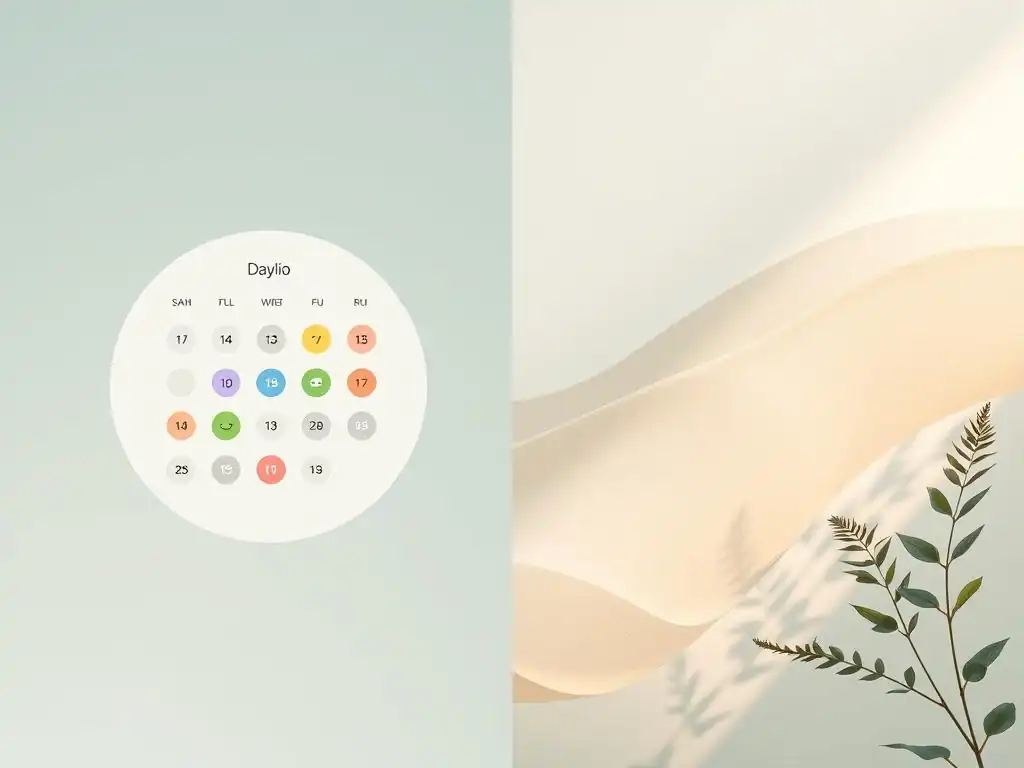
Daylio is widely praised for its simplicity and speed, making mood logging feel less like a chore and more like a quick check-in. Its interface centers around selecting a mood rating using a range of colorful emojis, typically from 'rad' to 'awful'. Users can then quickly tag activities they've engaged in from a customizable list.
This streamlined approach means you can log your mood in mere seconds, which is ideal for maintaining consistency throughout the day or when you're short on time. The visual nature of the emoji scale is intuitive and requires minimal cognitive effort, contributing significantly to its high user retention for simple mood tracking.
In contrast, Moodfit offers a more structured approach, integrating mood tracking with various mental health exercises. While logging your mood is straightforward, often involving a numerical scale or descriptive words, the app encourages deeper engagement with features like gratitude journaling, breathing exercises, or cognitive behavioral therapy (CBT) techniques. This requires more interaction and time commitment than Daylio's quick logging. The interface is clean and professional, organizing different tools and tracking metrics clearly. However, the broader range of features can initially feel more complex than Daylio's minimalist design, positioning it differently in a comprehensive mood tracker app comparison.
Mood Tracking Capabilities: Diving Deep into Emotional Data
Daylio's mood tracking capabilities are primarily focused on correlating your chosen mood with recorded activities. Over time, the app generates simple charts and statistics showing how frequently you experienced certain moods and which activities were most often associated with positive or negative states.
For instance, after a month, you might see that 'Exercise' is frequently linked to 'Good' or 'Rad' moods, while 'Work' is often tagged alongside 'Meh' or 'Awful'. While it doesn't offer deep psychological assessments, its strength lies in providing clear, visual trends based on your input, making it easy to spot simple correlations in your mood tracker app comparison review.
Moodfit goes further by incorporating more detailed mood assessment tools and tracking specific symptoms or factors like sleep, exercise, and medication. It provides questionnaires and exercises designed to help you understand the why behind your moods, drawing from principles of CBT and Dialectical Behavior Therapy (DBT).
Its data visualization includes detailed graphs showing mood fluctuations over time, correlations with other tracked factors, and insights derived from the integrated exercises. This provides a richer, more analytical view of your emotional data compared to Daylio, offering deeper insights for those seeking more than just basic logging in a mood tracker app comparison.
Additional Features and Integrations: Beyond Basic Mood Tracking
Beyond core mood tracking, Daylio excels in activity tracking. Users can create an extensive, personalized list of activities – from 'Reading' and 'Gaming' to 'Socializing' and 'Chores' – and tag multiple activities per entry. This allows for granular tracking of how different parts of your day influence your mood. It also offers customizable reminders, ensuring you don't forget to log your mood, which is crucial for maintaining consistent data. While it lacks integration with external health apps or advanced therapeutic tools, its focus on linking mood to daily activities is a powerful feature for self-discovery.
Moodfit positions itself as a more comprehensive mental wellness platform. It includes guided meditations, breathing exercises, articles on mental health topics, and goal-setting features. It allows tracking of various factors like sleep, nutrition, and exercise, aiming to provide a holistic view of your well-being. While it doesn't typically integrate with external fitness trackers or health apps in the same way some broader health platforms do, its strength lies in consolidating multiple self-help tools within one application. This makes it a robust option for those looking for integrated support alongside their mood tracking in a mood tracker app comparison.
Pricing and Subscription Models: Cost-Effectiveness of Each Mood App
Daylio offers a free version that provides basic mood and activity tracking, sufficient for many users to get started and identify general trends. For more advanced features, such as unlimited activities, detailed statistics, backup options, and PIN lock, Daylio Premium is available. The premium service typically costs around $2-$4 per month or offers a discounted annual subscription, often around $20-$40 per year. This relatively affordable premium tier unlocks the full potential of the app's tracking and reporting features, offering good value for its price point in a mood tracker app comparison review.
Moodfit also operates on a freemium model. The free version allows basic mood tracking and access to some educational content and exercises. However, access to the full library of guided exercises, personalized programs, detailed insights, and unlimited tracking of all factors usually requires a premium subscription. Moodfit's pricing is generally higher than Daylio Premium, often ranging from $5-$10 per month or an annual plan typically costing between $50-$80. While more expensive, the cost reflects the broader range of therapeutic tools and personalized content offered, which is a key consideration in this mood tracker app comparison.
eMoods vs. Woebot: A Deep Dive into Specialized Mood Tracking
Targeted Tracking vs. AI-Driven Support: Choosing the Right Approach
eMoods is specifically designed for individuals managing bipolar disorder, offering targeted tracking for mood swings (depressed, elevated, irritable), sleep patterns, medication adherence, and specific symptoms like anxiety or psychosis. This narrow focus allows for a highly specialized interface and reporting system tailored to the unique challenges of bipolar disorder.
The app emphasizes recording the severity of mood states on a daily basis and tracking specific triggers or experiences, providing essential data points for managing the condition. Its utility is rooted in providing precise, relevant data for a specific clinical population, making it a distinct player in the mood tracker app comparison landscape.
Woebot takes a completely different approach, functioning as an AI-powered chatbot that provides conversational therapy based on CBT principles. While it includes mood tracking as part of its interaction, the primary focus is on engaging the user in dialogue, offering exercises, and providing support through text conversations. The AI asks about your mood and then guides you through relevant activities or discussions.
This method is less about structured data logging and more about interactive support and learning coping mechanisms in the moment. It's designed to feel like a supportive conversation rather than a data entry tool, offering a unique angle in the mood tracker app comparison review.
Customization and Flexibility: Adapting the Mood Tracker to Your Needs
eMoods offers crucial customization options, particularly around tracking medication and identifying specific triggers. Users can log different medications, dosages, and times, which is vital for understanding the impact of treatment on mood stability. The ability to add custom triggers or notes allows individuals to record unique factors influencing their state. The reporting feature is highly flexible, generating detailed charts and graphs that can be easily shared with healthcare providers, focusing on the specific metrics relevant to bipolar disorder management. This flexibility in tracking and reporting makes it an indispensable tool for its target audience.
Woebot's customization lies in its ability to personalize the conversational flow based on user input and needs. While the core CBT principles are consistent, the AI adapts its responses and suggests exercises relevant to the user's current mood or stated challenges. Users can choose from various topics to discuss or exercises to try.
However, the data tracking itself is less flexible than eMoods; you track your mood within the conversation, and the AI analyzes trends, but you don't have the same granular control over logging specific symptoms or triggers in a structured format. The flexibility is in the interactive experience, not the data input structure.
Data Privacy and Security: Protecting Your Sensitive Information
Given the sensitive nature of mental health data, particularly for conditions like bipolar disorder, data privacy is paramount. eMoods states that it stores data locally on the user's device by default, offering an option for encrypted cloud backup. This local storage approach can provide an added layer of privacy, as data is not constantly residing on external servers unless the user opts in for backup. They emphasize their commitment to user privacy and not selling or sharing individual health data, which is a critical factor for users managing chronic conditions when considering a mood tracker app comparison.
Woebot, as an AI-driven service, processes user conversations to provide its service and learn to improve. While Woebot Labs, the company behind the app, states they take significant measures to de-identify data and protect user privacy, any cloud-based service involves transmitting and storing data on remote servers. They outline their privacy policy clearly, detailing how data is used and protected, often complying with health data regulations where applicable. Users should review their privacy policy carefully, especially concerning data storage and processing practices, as this is a key differentiator in a mood tracker app comparison involving conversational AI.
Pricing and Accessibility: Finding a Budget-Friendly Mood Tracking Solution
eMoods is notable for offering a robust free version that includes daily mood, sleep, and medication tracking, along with the ability to generate reports. This makes essential tracking tools accessible to individuals managing bipolar disorder without a financial barrier. A premium version is available, typically for a one-time purchase or a very low annual fee (often under $10), which removes ads, offers more detailed reporting options, and supports the app's development. Its affordability and functional free tier make it highly accessible for its specific user base in a mood tracker app comparison.
Woebot operates primarily on a subscription model. While it may offer a limited free trial or a basic set of interactions, access to the full range of conversational therapy modules, exercises, and consistent support requires a paid subscription. Pricing can vary, but it is generally comparable to or slightly higher than Moodfit's premium tier, potentially ranging from $8-$15 per month. This positions Woebot as a paid therapeutic tool rather than a free tracking utility. Its accessibility depends on the user's willingness and ability to pay for the ongoing subscription service, a key point in this mood tracker app comparison.
The Verdict: Which Mood Tracker App is Right for You?
Best Mood Tracker App for Simplicity: Daylio - A Detailed Recommendation
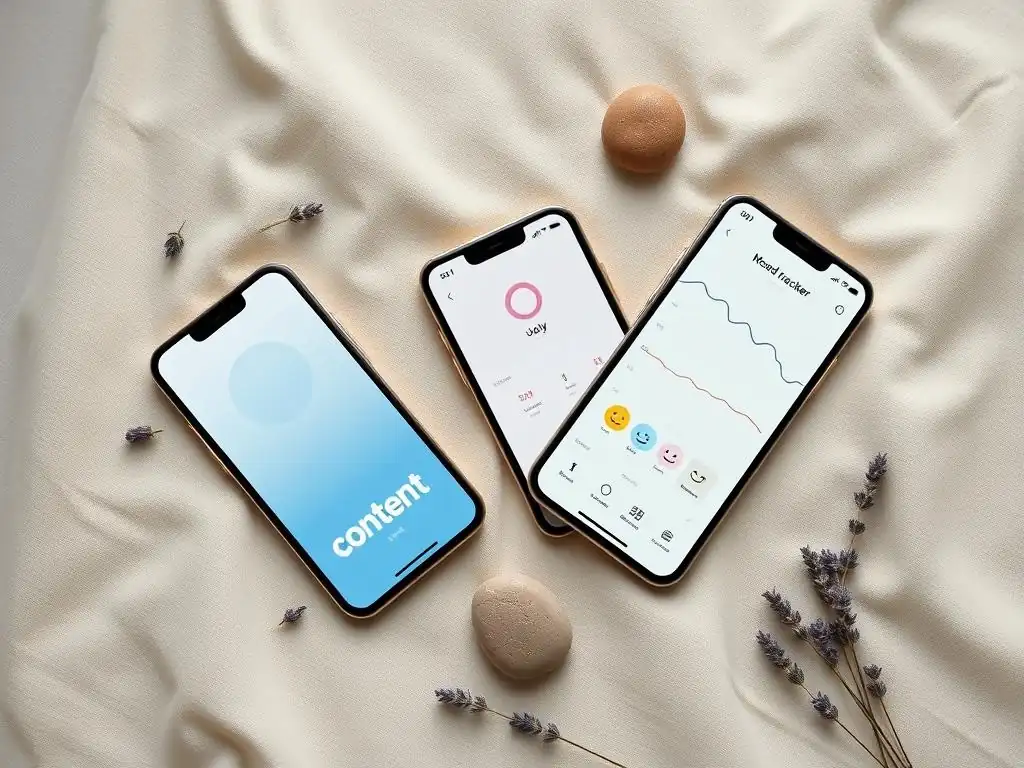
Daylio stands out as the best mood tracker app for simplicity due to its incredibly fast and intuitive logging system. The core interaction involves tapping an emoji and selecting activities, a process that takes just a few seconds. This low barrier to entry makes it easy to build a habit of daily logging, which is the foundation of effective mood tracking. Unlike apps that require extensive journaling or complex inputs, Daylio focuses purely on the correlation between mood and activity, making the data easy to interpret at a glance through simple charts.
- Why Daylio is the top choice for ease of use.
- Ideal for: Individuals seeking a quick and easy way to log their daily mood and activities.
Best Mood Tracker App for Personalized Mental Health Exercises: Moodfit - A Recommendation
Moodfit is highly recommended for individuals who want more than just tracking; they seek an integrated platform for mental health improvement. The app includes a wealth of guided exercises based on therapeutic modalities like CBT and DBT, personalized recommendations for activities based on your mood data, and educational content. It helps users actively work on improving their mental state by providing tools to challenge negative thoughts, practice mindfulness, and set goals.
- Why Moodfit offers a range of mental health exercises and tracking tools.
- Ideal for: Individuals looking for a comprehensive mental health platform with personalized exercises.
Best Mood Tracker App for Bipolar Disorder: eMoods - A recommendation
eMoods is the clear choice for individuals specifically managing bipolar disorder. Its design, tracking categories (mood severity, sleep, medication, specific symptoms), and reporting features are all tailored to the nuances of this condition. The ability to easily generate and share detailed reports with clinicians is invaluable for collaborative care. It provides the specific data points necessary for effective management and treatment adjustments, making it essential for its user base.
- Why eMoods is designed specifically for tracking bipolar mood swings.
- Ideal for: Individuals with bipolar disorder who need to track their mood fluctuations and medication.
Best Mood Tracker App for AI-Powered Support: Woebot - A recommendation
Woebot is recommended for those who are comfortable interacting with an AI chatbot and are looking for conversational support based on therapeutic principles. It provides a unique, interactive way to explore thoughts and feelings, learn coping skills, and gain insights into mood patterns through dialogue rather than structured data entry. It can feel less clinical and more like having a supportive, always-available guide.
- Why Woebot provides AI-driven therapy and mood tracking.
- Ideal for: Individuals seeking conversational therapy and mood monitoring through an AI chatbot.
Tips for Maximizing the Benefits of Your Mood Tracking App
Setting Realistic Goals and Expectations for Mental Wellness
Embarking on a journey with a mood tracking app should begin with setting clear, achievable goals. Understand that a mood tracker is a tool for insight and awareness, not an instant cure for mental health challenges. Your initial goal might be as simple as consistently logging your mood once a day for a week.
As you become comfortable, you can expand this to logging multiple times daily or incorporating activity tracking. Realistic expectations mean recognizing that patterns emerge over time, often requiring weeks or months of consistent data before significant insights become apparent. Don't get discouraged if you miss a day or if the data doesn't immediately reveal clear answers; the process is about building self-awareness gradually.
Furthermore, align your mood tracking goals with your broader mental wellness objectives. If you're trying to reduce stress, your goal might be to identify activities that correlate with lower stress levels. If you're working on improving sleep, track how sleep duration impacts your mood the following day.
Define what you hope to learn or achieve through tracking, whether it's identifying triggers for anxiety, understanding the impact of medication, or simply gaining a better overall sense of your emotional flow. This focused approach will make your mood tracker app comparison review efforts more productive and prevent frustration from expecting too much too soon.
Consistency is Key: Developing a Daily Mood Tracking Routine
The true power of a mood tracker app lies in the consistency of data input. Sporadic logging provides fragmented information that makes it difficult to identify reliable patterns or correlations. Aim to establish a routine, logging your mood at similar times each day – perhaps first thing in the morning, midday, and before bed. Many apps offer customizable reminders, which can be incredibly helpful in establishing this habit. Treat mood logging like any other daily habit, like brushing your teeth or eating meals; integrate it seamlessly into your existing routine.
Finding the right trigger for your logging can also boost consistency. Maybe you log your mood while having your morning coffee, during your lunch break, or right after finishing work. Experiment to find what works best for you and stick with it. Even on days when your mood is stable or seemingly uneventful, logging is important as it provides baseline data. Consistent input over time creates a rich dataset that allows for meaningful analysis of fluctuations and the factors influencing them, making your personal mood tracker app comparison review data truly valuable.
For many, sharing mood tracking data with a therapist, counselor, or psychiatrist can significantly enhance the effectiveness of treatment. While optional, bringing your app's charts and reports to appointments provides objective evidence of your emotional state and how it correlates with various factors. This can help your professional understand your experience beyond what you might recall or articulate during a session. It can reveal patterns you weren't consciously aware of or provide confirmation for observations you've made.
Discuss with your mental health professional if they are open to reviewing this type of data. Many find it incredibly useful for tracking progress, identifying specific triggers, assessing the effectiveness of medication or therapy techniques, and making informed adjustments to your care plan. Ensure you understand how to export or present the data from your chosen app in a clear format. This collaborative use of your mood tracking data can lead to more targeted and effective support, leveraging your personal mood tracker app comparison efforts for professional insight.
Using Mood Data to Inform Treatment Decisions and Lifestyle Changes
The insights gained from consistently using a mood tracker app should be a catalyst for positive change. Once you identify patterns – for instance, that lack of sleep consistently worsens your mood or that spending time in nature improves it – you can use this information to make informed decisions about your lifestyle. This might involve setting stricter sleep schedules, planning more outdoor activities, or recognizing situations or people that negatively impact your well-being and strategizing how to manage or limit exposure to them.
For those undergoing treatment, your mood data can help you and your healthcare provider assess how well medications are working or how effective specific therapeutic strategies are proving to be. If your tracking shows persistent low mood despite treatment, it might signal a need to adjust medication dosage or explore different therapeutic approaches. Conversely, if you see a steady improvement correlated with a new habit or therapy technique, it reinforces the effectiveness of that approach. Your mood tracker app comparison data is not just a record; it's a guide to actively shaping your mental health journey.
Final Thoughts: Empowering Your Mental Health Journey with Mood Tracking Apps
In the landscape of personal well-being tools, mood tracking apps have emerged as invaluable mental wellness companions. Whether you prioritize simplicity, seek integrated therapeutic exercises, require specialized tracking for a condition like bipolar disorder, or prefer interactive AI support, there is likely a mood tracker app suited to your needs. This mood tracker app comparison review highlights the diverse approaches available, from Daylio's quick logging to Moodfit's comprehensive tools, eMoods' targeted features, and Woebot's conversational therapy.
Ultimately, the most effective mood tracker app is the one you use consistently and that provides the insights most relevant to your personal mental health journey. By diligently tracking your moods and the factors influencing them, you gain a deeper understanding of yourself, identify crucial patterns and triggers, and empower yourself to make positive changes. Sharing this data with professionals can further enhance your care. Embrace the power of self-awareness through mood tracking, and take an active role in nurturing your emotional well-being.
Frequently Asked Questions
How can a mood tracker app benefit my mental well-being?
Mood tracker apps help you become more aware of your emotional patterns and identify potential triggers for mood swings. This awareness is the first step towards managing your mental health.
What factors should I consider when choosing a mood tracker app?
Consider factors like ease of use, customization options, data privacy, and the availability of features like journaling prompts or integration with other health apps. Think about what's most important for your individual needs.
Are mood tracker apps a replacement for professional mental health care?
No, mood tracker apps are not a substitute for professional help. They are tools to supplement therapy or self-care practices, not to replace the guidance of a qualified mental health professional.
What types of data do mood tracker apps typically collect?
These apps usually collect data on your daily mood, activities, sleep patterns, and journal entries. Some might also track medication intake or social interactions to find correlations.
How secure is my personal data when using a mood tracker app?
Data security varies greatly between apps. Look for apps with strong encryption, a clear privacy policy, and options for data export or deletion. Always research the app's reputation regarding data handling.
Final Reflection: The Power of Self-Awareness in the Digital Age
The quest for mental well-being is no longer a silent struggle; it's a conversation amplified by technology. The proliferation of mood tracking apps, as explored in this comparison, reflects a growing societal awareness of mental health and a desire for proactive self-care. This isn't just a trend; it's a fundamental shift in how we approach our emotional landscapes.
This journey through various mood tracking apps highlighted not only the technological advancements but also the deeply personal nature of self-reflection. The act of documenting emotions, however seemingly simple, can be profoundly transformative. It allows us to identify patterns, understand triggers, and ultimately, take control of our mental health. Knowing yourself is the beginning of all wisdom.
– Aristotle. This ancient wisdom finds a powerful new expression in the digital tools we now have at our fingertips. The insights gleaned from these apps aren't just data points; they are stepping stones towards a more self-aware and fulfilling life.
Consider the implications of this newfound accessibility. You now hold the power to actively participate in understanding your own emotional well-being. Choose an app that resonates with you, commit to consistent use, and observe the changes. Don't be afraid to experiment, to find the tool that best suits your needs and personality. The journey towards better mental health is a personal one, and these apps are simply tools to guide you on your path. Embrace the opportunity for self-discovery, and remember that the most significant improvement you can make is the one you choose to make for yourself.
Unlock Your Mood's Potential: Take Control Now!
Thanks for exploring the world of mood tracking apps with us! We hope you gained valuable insights into which app might best fit your needs. Ready to take the next step towards a more mindful you?
- Choose your app and start tracking: This is the crucial first step! Remember to select the app that best resonates with your personal style and preferences.
- Share your experience: Let us know in the comments which app you chose and why – your feedback helps others!
- Explore additional resources: Dive deeper into mindful living techniques on our site (MindCareGuide.org) for more support on your journey.
Ready to discover the positive changes consistent mood tracking can bring? What aspect of your mental wellbeing are you most excited to improve with your chosen app?