
Why Do People SelfHarm? Exploring the Underlying Reasons


Welcome to Mind Care Guide, a space dedicated to understanding and nurturing your mental well-being. Feeling lost or overwhelmed is a universal human experience, and you're not alone. Today, we delve into a difficult, yet crucial topic: the selfharm underlying causes reasons. This exploration is intended to offer insight and understanding, not judgment. Are you ready to uncover the complexities behind self-harm and discover paths towards healing and hope? Let's begin this journey together.
Why Do People Self-Harm? Exploring the Underlying Reasons
- Understanding Self-Harm: Beyond the Surface
- Exploring the Root Causes of Self-Harm: A Deeper Dive
- Identifying Risk Factors for Self-Harm: Who is Most Vulnerable?
- The Role of Underlying Trauma in Self-Harming Behaviors
- Seeking Help and Support: Breaking the Cycle of Self-Harm
- Frequently Asked Questions
- Final Reflection: Unraveling the Threads of Self-Harm
- Unlock Deeper Understanding: Your Next Steps to Support Mental Wellness
Understanding Self-Harm: Beyond the Surface
Defining Self-Harm: What It Is and What It Isn't
Self-harm is a complex behavior defined as the intentional act of causing injury to one's own body. This is typically done as a way to cope with overwhelming emotional pain or distress. It's crucial to understand that self-harm is not usually an attempt to end one's life, although it significantly increases the risk of suicide. Instead, it's often a desperate measure to manage feelings that feel unbearable, like intense sadness, anxiety, shame, or emptiness.
Common methods can include cutting, burning, scratching, hitting oneself, or interfering with wound healing. The focus is on the function the behavior serves for the individual, rather than the specific act itself. Understanding the underlying reasons for self-harm is key to providing effective support and intervention.
The definition of self-harm emphasizes the internal motivation and the intent to injure oneself as a coping mechanism, distinct from accidental injury or body modification practices that are culturally accepted. It is a private struggle, often hidden due to shame or fear of judgment. Recognizing self-harm as a symptom of deeper emotional turmoil, rather than merely attention-seeking behavior, is vital for approaching it with empathy and understanding. Exploring the selfharm underlying causes reasons helps illuminate the path toward healing and finding healthier ways to navigate difficult emotions.
Dispelling Myths About Self-Harm: Separating Fact from Fiction
Numerous myths surround self-harm, often fueled by misunderstanding and stigma. One pervasive myth is that self-harm is merely an attention-seeking behavior. In reality, most people who self-harm go to great lengths to hide their injuries and their struggles, indicating a profound desire to conceal their pain, not broadcast it. While a cry for help may be an underlying factor, the act itself is primarily a coping mechanism for internal distress.
Another myth suggests that only certain types of people self-harm, often portraying it as a behavior limited to teenage girls. However, self-harm affects people of all genders, ages, socioeconomic backgrounds, and cultures. While statistics may show higher prevalence in certain demographics, assuming it is confined to one group is inaccurate and harmful.
Another common misconception is that self-harm is synonymous with a suicide attempt. While there's a strong correlation between self-harm and increased suicide risk, the immediate intent of self-harm is usually to feel something (to break through numbness) or to stop feeling something (to gain relief from intense emotional pain), not to die. For many, self-harm is a way to survive overwhelming moments, a maladaptive strategy to stay alive by alleviating unbearable feelings. Understanding the true selfharm causes and reasons requires moving beyond these damaging myths and embracing the reality of it as a complex indicator of significant emotional distress.
Exploring the Root Causes of Self-Harm: A Deeper Dive
Emotional Pain as a Trigger: The Connection Between Feelings and Self-Harm
At the core of many self-harming behaviors lies intense, unmanaged emotional pain. People describe using self-harm to cope with feelings that feel too big, too scary, or too overwhelming to process in other ways. The physical pain can sometimes serve as a distraction from the emotional agony, or it can feel more controllable than the chaos of internal feelings. This connection between feelings and self-harm is a fundamental aspect of understanding the underlying reasons.
The emotional landscape leading to self-harm is often characterized by feelings of worthlessness, hopelessness, self-loathing, shame, guilt, anger, anxiety, or profound sadness. When individuals lack effective coping skills, or when their emotional pain is relentless, self-harm can become a default, albeit harmful, strategy. It's a tangible expression of intangible suffering, a visible representation of invisible wounds. Exploring these selfharm underlying causes reasons highlights the critical need for emotional regulation skills and mental health support.
Intense Emotional Overload: Feeling Overwhelmed
Many individuals who self-harm report feeling constantly overwhelmed by their emotions. This can be like a dam breaking, where feelings build up to an unbearable level, and self-harm is perceived as the only way to release the pressure. The intensity of feelings like panic, rage, despair, or terror can be so high that it feels impossible to think clearly or use healthy coping strategies.
For example, someone experiencing an intense panic attack might scratch themselves deeply to focus on the physical sensation rather than the internal terror. The pain provides a focal point, a grounding sensation in a moment of emotional chaos. This temporary shift in focus offers a fleeting sense of control over an otherwise uncontrollable internal experience, illustrating one of the key reasons people self-harm when faced with emotional overload.
Difficulty Expressing Emotions: Emotional Invalidation
A significant factor contributing to self-harm is the inability or difficulty in expressing emotions verbally or in healthy ways. This can stem from various experiences, including growing up in an environment where emotions were ignored, dismissed, or punished (emotional invalidation). When a person learns that their feelings are unacceptable or burdensome, they may suppress them, leading to an internal buildup of distress.
If someone was repeatedly told to "stop crying" or "get over it" when expressing sadness or frustration, they might internalize the belief that their emotions are invalid or burdensome to others. Unable to articulate their pain or receive validation and support, they may turn inwards, using self-harm as a non-verbal language for their suffering or as a way to physically manifest the pain they cannot express emotionally. This difficulty in emotional expression is a crucial piece in understanding the selfharm causes and reasons.
Mental Health Conditions and Self-Harm: The Comorbidity Factor
Self-harm frequently co-occurs with various mental health conditions. It is often a symptom or a coping mechanism used by individuals struggling with the intense emotional dysregulation and distress associated with these disorders. While self-harm is not a formal diagnosis in itself, its presence is a strong indicator of underlying psychological distress that warrants professional attention.
Studies consistently show high rates of self-harm among individuals diagnosed with mood disorders, anxiety disorders, personality disorders, and trauma-related conditions. Addressing the underlying mental health condition is paramount in treating self-harming behaviors. Understanding this comorbidity is essential when exploring the complex reasons people self-harm.
Depression and Self-Harm: A Common Link
Depression is one of the most frequently co-occurring conditions with self-harm. The profound feelings of sadness, hopelessness, worthlessness, and emptiness associated with depression can become unbearable, leading some individuals to self-harm as a way to cope. For someone deep in depression, the physical pain might feel like a release from the heavy emotional burden or a form of self-punishment aligning with their feelings of worthlessness.
Approximately 30-40% of individuals who self-harm also meet criteria for a depressive disorder. The cyclical nature of depression, with periods of intense low mood and despair, can make individuals particularly vulnerable to engaging in self-harm as a desperate attempt to alleviate their suffering or feel something other than the pervasive numbness of severe depression.
Anxiety Disorders and Self-Harming Behaviors
Intense anxiety, panic, and worry can also trigger self-harm. For individuals experiencing overwhelming anxiety, particularly panic attacks or chronic, debilitating worry, self-harm might be used as a distraction or a way to ground themselves when they feel disconnected from reality or trapped by fear. The physical sensation can pull them out of a spiraling thought pattern or a dissociative state.
Someone with severe social anxiety might self-harm before a feared social event as a way to cope with the intense dread, or afterward to punish themselves for perceived failures. The physical pain momentarily shifts the focus from the internal turmoil of anxiety to an external sensation, offering temporary, albeit harmful, relief.
Borderline Personality Disorder (BPD) and Self-Injury
Borderline Personality Disorder (BPD) is strongly associated with self-harm, with estimates suggesting that 70-80% of individuals with BPD engage in non-suicidal self-injury at some point. BPD is characterized by intense emotional dysregulation, unstable relationships, a distorted self-image, and impulsivity. Self-harm in BPD often serves multiple functions, including regulating intense emotions, punishing oneself, feeling real when experiencing emptiness or dissociation, or communicating distress in relationships.
For someone with BPD, rapid and intense shifts in mood can be excruciating. Self-harm might be used impulsively during moments of intense emotional pain to quickly bring down the intensity of feelings like rage or despair. It can also be a response to perceived abandonment, used to punish oneself or elicit a response from others, highlighting the complex selfharm underlying causes reasons in this population.
Trauma and PTSD: The Impact on Self-Harm
Experiences of trauma, particularly childhood trauma, are significant risk factors for self-harm. Post-Traumatic Stress Disorder (PTSD) can involve intense emotional flashbacks, dissociation, hyperarousal, and difficulty regulating emotions. Self-harm can be a way for trauma survivors to cope with these overwhelming symptoms. It might be used to regain a sense of control after experiencing powerlessness during trauma, to punish oneself for perceived responsibility, or to feel real during dissociative episodes.
Someone with PTSD might self-harm during a flashback to ground themselves in the present moment and escape the re-experiencing of the trauma. The physical pain can serve as a stark contrast to the traumatic memories, pulling them back to reality. This connection underscores the deep link between past pain and the present reasons people self-harm.
Self-Harm as a Coping Mechanism: Managing Difficult Emotions
Fundamentally, self-harm is a coping mechanism, albeit a maladaptive and harmful one. It is a strategy developed, often unconsciously, to deal with emotional pain that feels otherwise unmanageable. While it may provide temporary relief, it does not address the root cause of the distress and can lead to a cycle of injury, shame, and further emotional pain. Understanding self-harm through this lens helps to see it not as a choice to cause harm, but as a desperate attempt to survive emotional distress.
The specific function of self-harm varies from person to person and even from instance to instance for the same individual. It can serve multiple purposes simultaneously. Recognizing self-harm as a coping mechanism is key to developing healthier alternatives and addressing the underlying reasons for self-harm.
Self-Harm as a Release: Finding Temporary Relief
One of the most common functions of self-harm is to provide a release from overwhelming emotional tension. Imagine emotional pain as a tightly wound spring; self-harm can feel like cutting the cord, allowing the tension to dissipate. The physical act can interrupt a cycle of intense thoughts or feelings, offering a momentary distraction and a feeling of relief or calm after the event.
This temporary relief is often what reinforces the behavior, making it a go-to strategy when emotional pain escalates. While the relief is short-lived and often followed by guilt or shame, in the moment of crisis, it can feel like the only available option to escape unbearable feelings.
Self-Harm as a Form of Self-Punishment: Feelings of Guilt and Shame
For some, self-harm is a way to punish themselves for perceived wrongdoings, failures, or feelings of being fundamentally bad or unworthy. Intense feelings of guilt, shame, and self-hatred can drive a person to inflict physical pain as a form of penance or to externalize the internal negativity.
Someone who feels immense guilt over a past event or who believes they are inherently flawed might injure themselves as a way to make their internal pain visible or to feel like they are receiving the punishment they believe they deserve. This punitive aspect is a powerful, albeit destructive, reason people self-harm.
Self-Harm as a Way to Feel Something: Numbness and Dissociation
Paradoxically, self-harm can also be used to combat feelings of numbness or dissociation. When individuals feel emotionally empty, disconnected from their bodies, or unreal, the physical pain of self-harm can provide a powerful sensation that confirms they are alive and real. It's a way to break through a state of emotional detachment.
This is particularly common among trauma survivors who may dissociate as a protective mechanism during overwhelming experiences. In moments of intense numbness or dissociation, self-harm can be a desperate attempt to feel grounded, connected to their physical body, and present in the moment, even if the sensation is painful.
Interpersonal Factors Contributing to Self-Harm
Relationships and social environments play a significant role in mental well-being, and difficulties in these areas can contribute to the development and maintenance of self-harming behaviors. The quality of one's connections with others, experiences of social rejection, and family dynamics are all part of the complex web of selfharm underlying causes reasons.
Issues such as conflict, loss, bullying, isolation, and challenging family environments can exacerbate emotional pain and reduce a person's capacity to cope effectively. These interpersonal stressors can trigger intense feelings that lead individuals to turn to self-harm as a way to manage their distress.
Relationship Difficulties: Conflict and Loss
Difficulties in relationships, including frequent conflict, unstable connections, breakups, divorce, or the death of loved ones, can trigger intense emotional pain and lead to self-harm. The pain of rejection, abandonment, or grief can feel overwhelming and unbearable, especially for individuals who struggle with emotional regulation.
Someone experiencing a painful breakup might self-harm to cope with feelings of intense sadness, rejection, and loneliness. The physical pain might feel less severe than the emotional agony of loss, or it might be used to punish themselves for perceived failures in the relationship.
Bullying and Social Isolation: The Impact of Peer Pressure
Experiences of bullying, ostracism, and social isolation are strongly linked to self-harm, particularly among adolescents and young adults. Being targeted, excluded, or feeling like an outsider can lead to profound feelings of shame, worthlessness, and loneliness. Peer pressure, whether direct or indirect, can also contribute, sometimes by normalizing risky behaviors.
A teenager who is relentlessly bullied at school might self-harm as a way to cope with the intense shame and humiliation, or as a way to punish themselves for being perceived as different or weak. The isolation that often accompanies bullying removes potential sources of support, leaving self-harm as a perceived sole coping mechanism.
Family Dynamics: Abuse, Neglect, and Instability
The family environment plays a critical role in shaping a person's emotional development and coping skills. Experiences of child abuse (physical, emotional, or sexual), neglect, parental mental illness, substance abuse within the family, or significant family conflict and instability are all significant risk factors for self-harm later in life. These experiences can lead to complex trauma and difficulty forming secure attachments, impacting emotional regulation and self-worth.
Growing up in a chaotic or abusive household where emotional needs were unmet can leave a person ill-equipped to handle difficult feelings as an adult. Self-harm might develop as a coping strategy learned in a dysfunctional environment or as a direct result of the trauma experienced within the family unit, highlighting deep-seated selfharm causes and reasons.
Identifying Risk Factors for Self-Harm: Who is Most Vulnerable?

While anyone can self-harm, certain factors increase a person's vulnerability. These risk factors are not deterministic but rather indicators of increased likelihood. Understanding these factors helps in identifying individuals who may be in distress and require support. Risk factors often overlap and interact, creating a complex picture of vulnerability.
Identifying risk factors allows for targeted prevention and intervention efforts. It's important to approach these factors with sensitivity, recognizing that they are associated with increased risk but do not define an individual.
Age and Self-Harm: Adolescence and Young Adulthood
Self-harm is most commonly reported during adolescence and young adulthood. Estimates suggest that perhaps 15-20% of adolescents and young adults have engaged in self-harm at some point. This period is marked by significant developmental changes, identity formation, increased academic and social pressures, and evolving relationships.
The emotional intensity of adolescence, coupled with still-developing coping skills and brain regions responsible for impulse control and emotional regulation, may contribute to the higher prevalence in this age group. The transition to young adulthood brings new stressors related to independence, relationships, and career paths, which can also trigger or exacerbate self-harming behaviors.
Gender and Self-Harm: Exploring Differences in Prevalence
Research suggests there are differences in the prevalence and methods of self-harm between genders. While some studies indicate that females may report higher rates of certain methods like cutting, males may engage in methods like hitting or punching walls. However, overall prevalence rates can vary depending on the study and definition used.
It's crucial to avoid gender stereotypes and recognize that self-harm affects people of all genders. Focusing solely on gender differences can obscure the struggles of individuals whose self-harm doesn't fit common patterns. The underlying reasons for self-harm are often similar across genders, rooted in emotional pain and distress.
Sexual Orientation and Self-Harm: LGBTQ+ Considerations
Studies consistently show higher rates of self-harm among individuals who identify as LGBTQ+. This elevated risk is often linked to experiences of discrimination, stigma, lack of acceptance from family or society, and the stress of navigating identity in a potentially hostile environment. Young people questioning their sexual orientation or gender identity are particularly vulnerable.
For example, LGBTQ+ youth who experience rejection from their families are significantly more likely to attempt suicide and engage in self-harm compared to those from accepting families. Addressing societal stigma and promoting acceptance and support for LGBTQ+ individuals are vital steps in reducing self-harm rates in this population.
Socioeconomic Factors and Self-Harm: The Role of Stress and Inequality
Socioeconomic factors, such as poverty, unemployment, housing instability, and limited access to resources (including mental healthcare), can increase the risk of self-harm. The chronic stress associated with financial insecurity and inequality can exacerbate existing mental health conditions and limit access to effective coping strategies and support systems.
Living in environments with high levels of crime or community violence can also contribute to stress and trauma, further increasing vulnerability. While self-harm occurs across all socioeconomic strata, the added burden of poverty and inequality can intensify the selfharm underlying causes reasons for vulnerable individuals.
The Role of Underlying Trauma in Self-Harming Behaviors
Trauma, particularly complex or repeated trauma experienced during critical developmental periods, is a significant underlying factor for many individuals who self-harm. Trauma can profoundly impact a person's brain development, emotional regulation abilities, sense of self, and capacity for healthy relationships, all of which are linked to self-harm.
Understanding the connection between trauma and self-harm is crucial for effective treatment. Self-harm is often a manifestation of unresolved traumatic pain and a (maladaptive) attempt to cope with its lingering effects.
Childhood Trauma and its Long-Term Effects
Adverse Childhood Experiences (ACEs), such as physical, emotional, or sexual abuse, neglect, witnessing domestic violence, or growing up in a household with substance abuse or mental illness, are strongly correlated with increased rates of self-harm in adolescence and adulthood. These experiences can disrupt healthy emotional and psychological development.
Childhood trauma can lead to difficulties in regulating emotions, forming stable relationships, and developing a positive self-image. Self-harm can become a way to cope with the intense emotional pain, shame, or anger stemming from these early experiences, or a reenactment of the abuse through self-inflicted pain.
Complex Trauma and Self-Harm: A Deeper Wound
Complex trauma refers to repeated, prolonged trauma, often interpersonal, from which escape is difficult or impossible (e.g., chronic child abuse or neglect). It impacts multiple areas of functioning and can lead to severe difficulties with emotional regulation, identity, relationships, and dissociation. Self-harm is a very common coping mechanism for individuals with complex trauma.
For survivors of complex trauma, self-harm can serve various functions: managing intense emotional flashbacks, feeling real during dissociation, punishing oneself for perceived responsibility, or attempting to regain a sense of control that was lost during the trauma. Addressing the complex selfharm causes and reasons requires trauma-informed approaches.
Trauma-Informed Care for Self-Harm: A Healing Approach
Trauma-informed care recognizes the widespread impact of trauma and understands potential paths for recovery. When working with individuals who self-harm, a trauma-informed approach means understanding that the behavior is likely a response to past or present trauma and distress, not just a symptom to be eliminated.
This approach prioritizes safety, trustworthiness, peer support, collaboration, empowerment, and cultural sensitivity. Treatment focuses not only on reducing self-harm but also on addressing the underlying trauma, building coping skills, and fostering a sense of safety and self-worth. Therapies like Trauma-Focused CBT or specific trauma therapies are often integrated.
Seeking Help and Support: Breaking the Cycle of Self-Harm
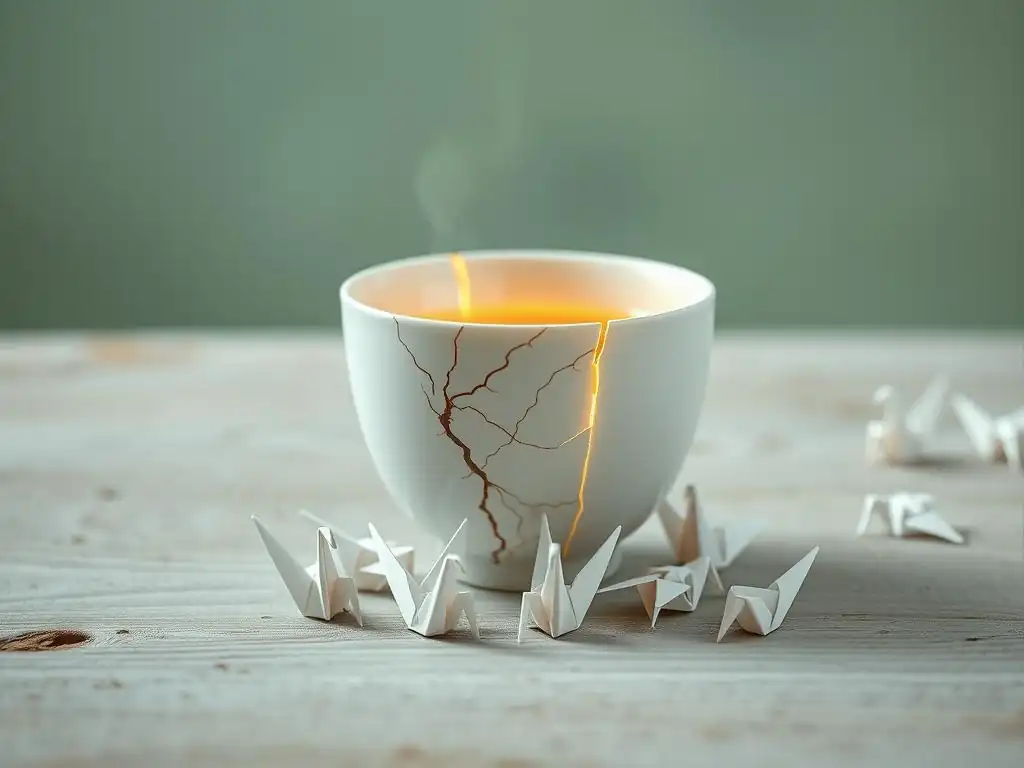
Breaking the cycle of self-harm is possible with the right support and strategies. It involves addressing the underlying emotional pain and learning healthier coping mechanisms. Seeking help is a sign of strength and a crucial step toward healing.
It begins with recognizing the behavior and understanding that it's a sign that help is needed. Reaching out to trusted individuals or professionals is vital in navigating the path towards recovery and finding effective ways to manage the selfharm underlying causes reasons.
Recognizing the Signs of Self-Harm: What to Look For
Recognizing the signs of self-harm can be challenging, as individuals often hide their injuries. However, there are indicators that might suggest someone is struggling. These can include:
- Unexplained cuts, bruises, burns, or scratches, often on arms, legs, or torso.
- Wearing long sleeves or pants constantly, even in hot weather.
- Avoiding situations where bodies might be exposed, like swimming or sports.
- Possession of sharp objects or instruments without a clear purpose.
- Withdrawal from friends and family.
- Changes in mood or behavior, such as increased isolation, irritability, or sadness.
- Statements about feeling worthless, hopeless, or overwhelmed.
- Difficulty managing emotions.
Observing these signs doesn't definitively mean someone is self-harming, but they are indicators that a person may be in distress and needs support.
Talking to Someone About Self-Harm: Overcoming the Stigma
Talking about self-harm is difficult due to the intense stigma surrounding it. If you are struggling with self-harm, reaching out to a trusted friend, family member, counselor, or mental health professional is a brave and necessary step. Choose someone you feel safe with and who you believe will listen without judgment.
If you are concerned about someone else, approach them with empathy and without judgment. Express your care and concern directly but gently. Let them know you are there to listen and support them in finding help. Avoid demands, threats, or expressions of shock or disgust, which can increase shame and isolation. Remember, understanding the reasons people self-harm involves empathy, not judgment.
Treatment Options for Self-Harm: Therapies and Interventions
Effective treatment for self-harm typically involves addressing the underlying emotional pain and mental health conditions, as well as teaching healthier coping skills. Therapy is often a cornerstone of treatment.
Treatment is individualized based on the person's specific needs, the functions self-harm serves for them, and any co-occurring conditions. A comprehensive approach considers all the complex selfharm causes and reasons.
Cognitive Behavioral Therapy (CBT) for Self-Harm
Cognitive Behavioral Therapy (CBT) is a widely used therapy that can be effective in treating self-harm. CBT helps individuals identify and challenge negative thought patterns and beliefs that contribute to emotional distress and self-harming urges. It also teaches practical coping skills to manage difficult emotions and situations.
Through CBT, individuals learn to recognize triggers for self-harm, understand the thoughts and feelings that precede the behavior, and develop alternative, healthy responses. It focuses on the link between thoughts, feelings, and behaviors.
Dialectical Behavior Therapy (DBT) for Self-Harm
Dialectical Behavior Therapy (DBT) is particularly effective for individuals with intense emotional dysregulation and those diagnosed with Borderline Personality Disorder, where self-harm is common. DBT teaches skills in four key areas: mindfulness, distress tolerance, emotional regulation, and interpersonal effectiveness.
DBT helps individuals tolerate distressing emotions without resorting to self-harm, understand and manage intense feelings, navigate challenging relationships, and stay present in the moment. It provides concrete strategies to address the core issues underlying many selfharm underlying causes reasons.
Medication for Underlying Mental Health Conditions
While there is no specific medication to treat self-harm itself, medication may be prescribed to treat co-occurring mental health conditions such as depression, anxiety, or bipolar disorder. By effectively managing these underlying conditions, medication can help reduce the intensity of the emotional pain that contributes to self-harming urges.
Medication is typically used in conjunction with therapy and other forms of support. A psychiatrist or other medical professional can assess whether medication is appropriate and manage prescriptions.
Building a Support System: Finding Connection and Understanding
A strong support system is invaluable in recovering from self-harm. This includes supportive friends, family members, partners, and peer support groups. Connecting with others who understand or are going through similar experiences can reduce feelings of isolation and provide encouragement.
Building a support system involves identifying trustworthy individuals, communicating needs clearly, and allowing others to offer help. It's about creating a network of people who can provide emotional support, listen without judgment, and help distract or de-escalate during moments of crisis.
Resources for Self-Harm: Where to Turn for Help
If you or someone you know is struggling with self-harm, help is available. Reaching out to mental health professionals, such as therapists, counselors, or psychiatrists, is a critical step. These professionals can provide assessment, therapy, and treatment tailored to individual needs and address the specific selfharm causes and reasons.
Crisis lines and hotlines offer immediate support for those experiencing intense distress or suicidal ideation related to self-harm. Support groups, both in-person and online, provide a space for individuals to share experiences and coping strategies with peers. Finding the right resources is a powerful step towards healing and recovery.
Frequently Asked Questions
Why do people engage in self-harm?
Self-harm is usually a coping mechanism for intense emotional pain. It's often a way to manage overwhelming feelings like sadness, anger, or anxiety. It's not typically a suicide attempt.
What are some common underlying causes of self-harm?
Common causes include past trauma, such as abuse or neglect. Other contributing factors can be mental health conditions like depression or anxiety, and difficult life circumstances.
How can I tell if someone I know is self-harming?
Signs can include unexplained cuts or burns, wearing long sleeves or pants even in warm weather, and social withdrawal. Also, look for changes in mood or behavior.
Is self-harm a suicide attempt?
Not always, but it can be a risk factor for suicide. Self-harm is often a way to cope with pain, but it can escalate and lead to suicidal thoughts or actions if underlying issues are not addressed.
Where can someone find help if they are struggling with self-harm?
Resources include mental health professionals, therapists, and counselors. There are also crisis hotlines and support groups available to provide immediate assistance and ongoing support.
Final Reflection: Unraveling the Threads of Self-Harm
The pervasive nature of self-harm demands our urgent attention. Understanding its underlying causes is not merely an academic exercise; it's a crucial step towards fostering empathy, providing effective support, and ultimately, preventing further suffering. The complex interplay of trauma, mental health conditions, and societal pressures highlighted in this article underscores the need for a multifaceted approach to addressing this critical issue.
The journey through this exploration has profoundly impacted my understanding of self-harm, moving beyond simplistic explanations to acknowledge the intricate web of factors that contribute to it. The sheer resilience of individuals who engage in self-harm, often in the face of immense pain and isolation, is deeply humbling. The wound is the place where the Light enters you.
– Rumi. This quote resonates deeply, suggesting that while self-harm may be a manifestation of darkness, it also points to a desperate need for healing and connection.
Now, it's your turn. Consider the information presented here, and reflect on how you can contribute to a more compassionate and understanding world. Reach out to someone you suspect may be struggling, educate yourself on available resources, or simply offer a listening ear. By acknowledging the complexity of self-harm and challenging the stigma surrounding it, we can create a space where healing and recovery are not only possible but actively encouraged. Let's work together to weave a stronger, more supportive net for those who need it most.
Unlock Deeper Understanding: Your Next Steps to Support Mental Wellness
Thanks for taking the time to explore the complex issue of self-harm with us. We hope this article provided valuable insights into the underlying reasons and helped you develop a greater understanding of this challenging topic. Now, let's move forward and make a difference.
- Reach out to someone you trust: Sharing what you've learned might help you connect with someone struggling or open up a dialogue within your own support system. This is the most impactful action you can take.
- Explore additional resources: Consider researching local mental health organizations or support groups dedicated to helping individuals dealing with self-harm. There's a wealth of information waiting to be discovered.
- Share this article: Spread awareness and encourage open conversations about mental health. The more we talk about it, the less stigma surrounds it.
What small step can you take today to foster greater understanding and support for mental wellness in your community?