
Natural Supplements for Anxiety: What the Latest Evidence Reveals

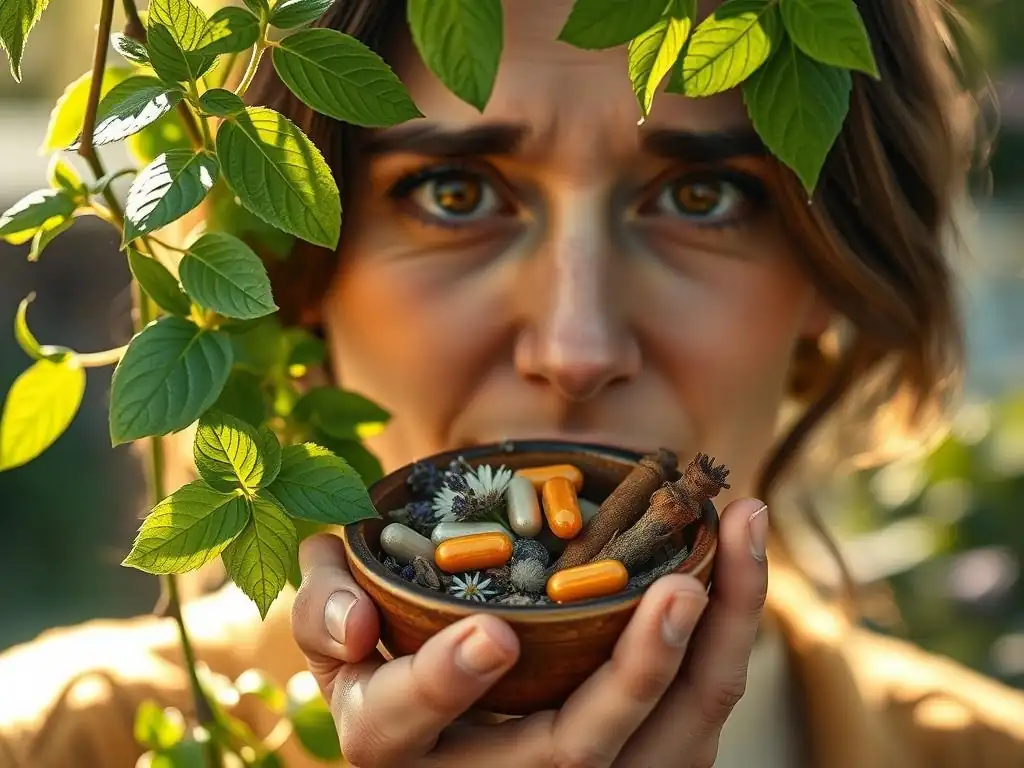
Welcome to Mind Care Guide, your sanctuary for navigating the complexities of mental well-being. Feeling overwhelmed by anxiety? You're not alone. Discover how natural supplements could offer a gentle pathway to reducing those persistent anxiety symptoms, as we delve into the latest evidence-based research. Curious to learn which supplements might truly make a difference? Let's explore this empowering topic together...
Natural Supplements for Anxiety: What the Latest Evidence Reveals
- Mind Care Guide: Exploring Natural Anxiety Relief
- Top Natural Supplements to Reduce Anxiety Symptoms: An Evidence-Based Review
- Choosing the Right Natural Supplement for Your Anxiety
- Integrating Natural Supplements into a Holistic Anxiety Management Plan
- The Future of Natural Anxiety Treatments
-
Frequently Asked Questions
- What are some natural supplements that are being studied for their potential to reduce anxiety symptoms?
- How effective are natural supplements compared to traditional medications for reducing anxiety symptoms?
- Are natural supplements for anxiety safe to use, and what are the potential side effects?
- Where can I find reliable information and resources about using natural supplements to reduce anxiety symptoms?
- How should I approach using natural supplements as part of a holistic plan to manage anxiety?
- Final Reflection: The Evolving Landscape of Natural Anxiety Relief
- Unleash Your Inner Calm: Take Control of Your Anxiety Today!
Mind Care Guide: Exploring Natural Anxiety Relief
Understanding Anxiety and the Role of Natural Supplements
Anxiety is a pervasive mental health challenge, affecting millions globally. The World Health Organization estimates that anxiety disorders are the most common mental health disorders worldwide, with approximately 1 in 13 people affected. Symptoms can range from excessive worry and restlessness to physical manifestations like rapid heartbeat and difficulty concentrating.
While conventional treatments like therapy and medication are effective for many, a growing number of individuals are exploring complementary approaches, including natural supplements, to help manage their symptoms. The appeal of natural supplements reduce anxiety symptoms stems from a desire for fewer side effects or as an adjunct to existing treatments.
Natural supplements for anxiety encompass a wide array of substances, including vitamins, minerals, amino acids, and botanical extracts. These compounds are believed to interact with the body's complex physiological systems, potentially influencing neurotransmitter activity, hormone balance, or inflammation pathways that are implicated in anxiety. For instance, some supplements may target GABA, a neurotransmitter that helps calm nervous activity, while others might influence cortisol levels, a key stress hormone. Understanding the potential mechanisms and the evidence supporting the use of specific natural supplements for anxiety is crucial for making informed decisions about incorporating them into a wellness plan.
Top Natural Supplements to Reduce Anxiety Symptoms: An Evidence-Based Review
1. Magnesium for Anxiety: Calming the Nervous System
Magnesium is an essential mineral involved in hundreds of biochemical reactions in the body, including those related to nerve and muscle function. Research suggests that magnesium deficiency may be linked to increased anxiety and stress. This mineral plays a vital role in regulating neurotransmitters, such as GABA, which is known for its calming effects on the nervous system. Adequate magnesium levels are thought to help maintain the balance of excitatory and inhibitory neurotransmitters, preventing the overstimulation that can contribute to anxiety.
Several studies and reviews have explored the impact of magnesium supplementation on anxiety. A review published in Nutrients in 2017, which analyzed 18 studies, found promising results for magnesium's effect on subjective anxiety, particularly in vulnerable populations. While the evidence is not yet conclusive enough for definitive clinical recommendations for all anxiety disorders, many individuals report feeling calmer with consistent supplementation. For example, some studies using forms like magnesium glycinate or magnesium citrate have shown improvements in general well-being and reduced feelings of nervousness in participants over periods of several weeks.
2. L-Theanine: Promoting Relaxation and Focus
L-Theanine is an amino acid primarily found in green and black tea leaves. It is well-known for its ability to promote relaxation without causing drowsiness. This effect is partly attributed to its influence on brain waves; L-Theanine has been shown to increase alpha brain wave activity, which is associated with a state of relaxed alertness and focus. It may also affect levels of neurotransmitters like GABA, serotonin, and dopamine, all of which play roles in mood regulation and stress response.
Numerous studies support the anxiolytic effects of L-Theanine. A 2019 review of nine studies involving over 200 participants found that L-Theanine supplementation significantly reduced stress and anxiety scores compared to placebo. Typical doses used in research range from 100 mg to 400 mg per day. For instance, one study demonstrated that participants taking 200 mg of L-Theanine daily for four weeks experienced a significant decrease in anxiety symptoms and improved sleep quality. The relatively low risk of side effects makes L-Theanine a popular choice among natural supplements reduce anxiety symptoms.
3. Ashwagandha: An Adaptogen for Stress and Anxiety
Ashwagandha ( Withania somnifera) is an ancient medicinal herb classified as an adaptogen, meaning it helps the body manage stress. It is widely used in Ayurvedic medicine to promote overall well-being and reduce stress-related symptoms. The primary active compounds in Ashwagandha are called withanolides, which are believed to modulate the body's stress response system, particularly by reducing levels of cortisol, often referred to as the "stress hormone."
Multiple clinical trials have investigated Ashwagandha's effects on stress and anxiety. A prominent study published in the Indian Journal of Psychological Medicine in 2012 found that participants taking a high-concentration full-spectrum extract of Ashwagandha experienced a significant reduction (approximately 69% decrease) in cortisol levels and reported substantial improvements in stress and anxiety symptoms compared to the placebo group over a 60-day period. Doses typically range from 300 mg to 600 mg of root extract per day. This robust evidence positions Ashwagandha as one of the most promising natural supplements for anxiety relief.
4. Chamomile: A Gentle Herbal Remedy for Anxiety

Chamomile is a daisy-like plant commonly consumed as a tea and used in traditional medicine for its calming properties. Its anxiolytic effects are thought to be due, in part, to the flavonoid apigenin, which may bind to benzodiazepine receptors in the brain, similar to some anti-anxiety medications, albeit with a much milder effect. Chamomile's gentle nature makes it a frequent suggestion among herbal remedies for anxiety.
While often used anecdotally, clinical research on chamomile for anxiety has also yielded positive results. A study published in the Journal of Clinical Psychopharmacology in 2009 found that participants with generalized anxiety disorder (GAD) who took chamomile extract for eight weeks showed a significant reduction in anxiety symptoms compared to those on placebo. Another study in 2016 examined long-term chamomile use and found that it significantly reduced moderate-to-severe GAD symptoms over a 38-week period, although it did not prevent relapse. While not as potent as some other supplements, chamomile offers a gentle option for mild to moderate anxiety symptoms.
5. Passionflower: Reducing Anxiety and Improving Sleep
Passionflower ( Passiflora incarnata) is a vine native to the Americas that has been traditionally used as a sedative and calming agent. Its potential anti-anxiety effects are thought to involve increasing levels of GABA in the brain. Like chamomile, passionflower's influence on GABA receptors may contribute to its ability to promote relaxation and reduce nervous tension.
Studies have demonstrated passionflower's efficacy in reducing anxiety. A notable double-blind, placebo-controlled study published in Phytomedicine in 2001 compared passionflower extract to a common anti-anxiety medication (oxazepam) in patients undergoing dental extraction. The study found that passionflower was as effective as the medication in reducing anxiety before the procedure, with the added benefit of causing less impairment of job performance. While research specifically on GAD is less extensive than for some other supplements, passionflower is often cited among natural supplements reduce anxiety symptoms, particularly when anxiety is accompanied by restlessness or sleep difficulties.
Choosing the Right Natural Supplement for Your Anxiety
Considering Your Individual Needs and Health Conditions
Selecting the appropriate natural supplement for anxiety is a highly personal process that should take into account individual symptoms, overall health status, and any existing medical conditions or medications. Anxiety manifests differently in each person; some may experience primarily physical tension, while others struggle with intrusive thoughts or sleep disturbances. Matching the supplement's known effects to your specific profile is key. For example, someone with anxiety-related insomnia might benefit more from passionflower or Ashwagandha, while someone seeking general calm might consider L-Theanine or magnesium.
It is imperative to consult with a healthcare provider before starting any new supplement, especially if you have pre-existing health conditions like kidney problems, liver issues, or autoimmune disorders. Supplements can interact with prescription medications. For instance, St. John's Wort, sometimes explored for mood but not explicitly covered here, is known to interact with numerous drugs, including antidepressants and blood thinners. A healthcare professional can help assess potential risks, contraindications, and appropriate dosages based on your unique medical history, ensuring that natural supplements for anxiety are used safely.
Understanding Supplement Quality and Safety
The quality and purity of natural supplements can vary significantly between brands. Unlike pharmaceutical drugs, dietary supplements are not regulated by the FDA in the same rigorous manner. This means that the amount of the active ingredient listed on the label may not always match the actual content, and products can sometimes be contaminated with heavy metals, pesticides, or other harmful substances. Choosing reputable brands that adhere to Good Manufacturing Practices (GMP) and undergo third-party testing for purity and potency is crucial for ensuring safety and effectiveness.
Look for certifications from independent organizations like NSF International, USP (United States Pharmacopeia), or ConsumerLab.com. These certifications indicate that the product has been tested for ingredient accuracy, purity, and freedom from contaminants. A ConsumerLab.com report in 2023, for instance, highlighted that some tested Ashwagandha supplements did not contain the advertised amount of active compounds (withanolides), underscoring the importance of choosing certified products. Prioritizing quality helps ensure that you are actually getting the natural supplements to reduce anxiety symptoms that you intend to take, minimizing potential risks.
Integrating Natural Supplements into a Holistic Anxiety Management Plan

Combining Supplements with Lifestyle Changes
While natural supplements reduce anxiety symptoms for many, they are most effective when integrated into a broader, holistic approach to anxiety management. Lifestyle factors play a significant role in mental well-being. Regular physical activity, for instance, has been shown in numerous studies to be as effective as some medications for mild to moderate anxiety, potentially by reducing stress hormones and boosting endorphins. Aiming for 30 minutes of moderate exercise most days of the week can make a substantial difference.
Other crucial lifestyle components include maintaining a balanced diet rich in whole foods, fruits, and vegetables, as nutritional deficiencies can impact mood. Ensuring adequate sleep, typically 7-9 hours per night for adults, is also vital, as sleep deprivation can exacerbate anxiety. Techniques like mindfulness meditation, deep breathing exercises, and yoga have strong evidence supporting their ability to calm the nervous system and reduce anxiety levels. Combining natural supplements for anxiety with these practices creates a synergistic effect, addressing anxiety from multiple angles.
Monitoring Your Progress and Adjusting Your Supplement Regimen
Once you begin taking natural supplements to reduce anxiety symptoms, it is essential to monitor your response carefully. Keep a journal to track your anxiety levels, mood, sleep patterns, and any side effects you might experience. This systematic approach helps you identify whether the supplement is having a positive effect, if the dosage is appropriate, or if you need to try a different approach. Be patient, as it can take several weeks for some supplements, like Ashwagandha, to show their full effects.
Regular follow-up with your healthcare provider is also critical. They can help you evaluate your progress, make necessary adjustments to your supplement regimen or dosage, and ensure there are no adverse interactions with other treatments. Self-treating anxiety solely with supplements without professional guidance can be risky, potentially delaying more effective interventions if needed. A collaborative approach with a healthcare professional ensures that natural supplements for anxiety are used as a supportive tool within a comprehensive care plan.
The Future of Natural Anxiety Treatments
Ongoing Research and Promising New Supplements
Research into the efficacy and mechanisms of natural supplements for anxiety is continually evolving. Scientists are exploring various compounds, from less common herbal extracts to specific probiotic strains and even cannabinoids (like CBD, where legal and regulated) for their potential anxiolytic effects. For example, studies are investigating specific gut-brain axis interventions, suggesting that certain probiotics might influence mood and anxiety by affecting neurotransmitter production or reducing inflammation in the gut.
The future holds promise for more targeted and evidence-based recommendations for natural supplements to reduce anxiety symptoms. As research methodologies improve and more rigorous clinical trials are conducted, we can expect clearer guidelines on which supplements are most effective for specific types of anxiety and in which populations. This ongoing work is vital for separating scientifically supported options from those with limited evidence, providing greater clarity for individuals seeking natural relief.
Mind Care Guide's Commitment to Evidence-Based Information
At Mind Care Guide, our mission is to provide reliable, evidence-based information to empower individuals on their mental wellness journey. We understand that navigating the vast landscape of natural supplements for anxiety can be confusing, with conflicting information readily available. Our commitment is to continuously review the latest scientific research and clinical findings to present you with accurate, up-to-date insights into which natural supplements reduce anxiety symptoms effectively and safely, according to the current evidence.
We strive to present complex scientific information in an accessible and empathetic manner, acknowledging the challenges faced by those living with anxiety. By focusing on data from reputable studies and highlighting the importance of professional guidance, we aim to be a trusted resource for individuals exploring complementary options like natural anxiety supplements. Our goal is to support informed decision-making that complements conventional care and contributes to overall mental well-being.
Frequently Asked Questions
What are some natural supplements that are being studied for their potential to reduce anxiety symptoms?
Several supplements are currently being researched, including L-theanine, Magnesium, and Chamomile. Evidence suggests they might help manage anxiety in some individuals. Always consult with a doctor before starting any new supplement.
How effective are natural supplements compared to traditional medications for reducing anxiety symptoms?
The effectiveness varies greatly. Natural supplements are generally considered to have milder effects than prescription medications. They might be suitable for mild to moderate anxiety, but not for severe cases.
Are natural supplements for anxiety safe to use, and what are the potential side effects?
While often considered safe, natural supplements can still have side effects and interact with medications. Common side effects can include digestive issues or drowsiness. Always discuss potential interactions and risks with a healthcare professional.
Where can I find reliable information and resources about using natural supplements to reduce anxiety symptoms?
Reputable sources include the Mind Care Guide website, the National Institutes of Health (NIH), and your healthcare provider. These can offer evidence-based information and personalized recommendations. Avoid relying solely on anecdotal evidence.
How should I approach using natural supplements as part of a holistic plan to manage anxiety?
Integrate them with other strategies like therapy, exercise, and mindfulness. Natural supplements should be seen as one component of a comprehensive approach to mental well-being. Always consult with a professional to develop a personalized plan.
Final Reflection: The Evolving Landscape of Natural Anxiety Relief
The search for effective and safe anxiety management continues to be a pressing concern, and the exploration of natural supplements offers a compelling avenue for relief. The growing awareness of potential side effects associated with pharmaceutical interventions, coupled with a rising interest in holistic wellness, underscores the importance of understanding the evidence-based efficacy of natural approaches. This makes the ongoing research into natural supplements for anxiety more critical than ever.
The journey through the world of natural supplements for anxiety reveals a complex interplay between traditional practices and modern scientific investigation. The sheer variety of options, from ancient herbal remedies to newly discovered compounds, highlights the enduring human quest for well-being. This exploration is not just about finding a quick fix; it's about understanding the intricate relationship between our bodies, minds, and the natural world. The greatest wealth is health.
– Ralph Waldo Emerson. This quote resonates deeply as we consider the profound impact of anxiety on overall well-being and the potential of natural solutions to alleviate suffering.
Consider the information presented in this article a starting point, not a definitive answer. You are empowered to take control of your well-being. Research the supplements mentioned further, consult with a healthcare professional before making any changes to your treatment plan, and prioritize a holistic approach to managing anxiety that includes lifestyle changes, stress reduction techniques, and potentially, the careful incorporation of natural supplements. Your journey towards a calmer, more balanced life begins with informed choices and a commitment to self-care.
Unleash Your Inner Calm: Take Control of Your Anxiety Today!
Thanks for taking the time to explore natural anxiety solutions with us! We hope you found the latest evidence on supplements both insightful and empowering. Ready to put this knowledge into practice?
- Prioritize one supplement: Based on your individual needs and the information provided, select a single supplement to start with and incorporate it into your daily routine. Track your progress to discover what works best for you.
- Share your experience: Connect with our community on social media and share your journey. Your insights can inspire others to find their path to calm.
- Explore complementary practices: Consider adding calming activities like mindful breathing or gentle yoga to further support your well-being.
What small step will you take today to cultivate more inner peace?