
Beyond the Fight: Building Stronger Family Bonds Through Resolution

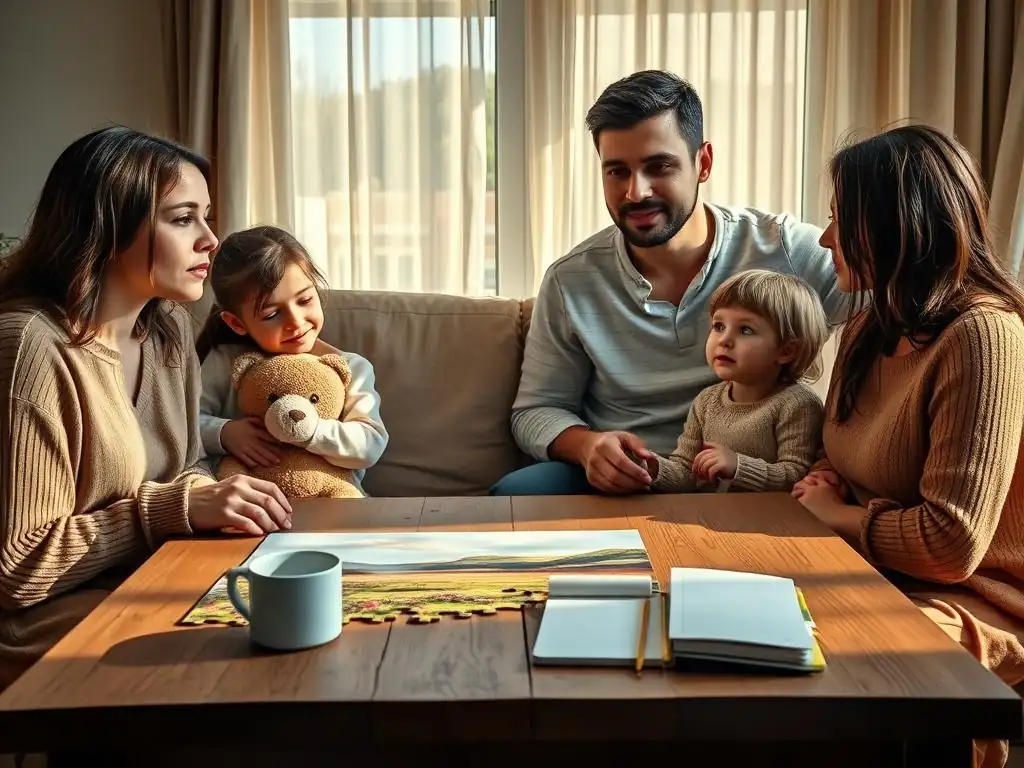
Welcome to Mind Care Guide, a space dedicated to nurturing your mental well-being.
Feeling caught in a whirlwind of family conflict? You're not alone. It's a universal challenge, but one that can be navigated with the right tools. In this article, "Beyond the Fight: Building Stronger Family Bonds Through Resolution," we'll explore practical family conflict resolution strategies to help you bridge divides and cultivate deeper, more meaningful connections. Curious how to transform disagreements into opportunities for growth? Let's begin.
- Beyond the Fight: Building Stronger Family Bonds Through Resolution - A Guide
- Family Conflict Resolution Strategies: A Comprehensive Guide
- Practical Steps for Resolving Family Disputes
- Addressing Common Family Conflicts
- The Importance of Professional Help: When to Seek Therapy
- Long-Term Strategies for Building Stronger Bonds
- Maintaining Harmony: Preventing Future Conflicts
- Resources for Conflict Resolution and Support
-
Frequently Asked Questions
- How can Family Conflict Resolution Strategies help improve my family's mental well-being, according to Mind Care Guide?
- What are some key elements of Family Conflict Resolution Strategies that can help de-escalate tense situations quickly?
- Where can I find specific resources and support for implementing Family Conflict Resolution Strategies effectively with my family?
- Are Family Conflict Resolution Strategies only useful for major conflicts, or can they be applied to everyday disagreements?
- How does Mind Care Guide emphasize the long-term benefits of using Family Conflict Resolution Strategies instead of avoiding conflict altogether?
- Final Reflection: Weaving a Tapestry of Peace in Our Families
- Rediscover Family Harmony: Your Next Steps to Stronger Bonds
Beyond the Fight: Building Stronger Family Bonds Through Resolution - A Guide
Identifying Common Triggers of Family Arguments
Family conflicts, while often emotionally charged, frequently stem from identifiable patterns and triggers. Understanding these root causes is the first step toward implementing effective family conflict resolution strategies. One prevalent trigger is poor communication, which manifests as misunderstandings, assumptions, or a complete lack of open dialogue.
For instance, a parent might assume a teenager is being defiant when they are simply struggling with a personal issue they haven't articulated, leading to tension and arguments. Financial stress is another significant catalyst; disagreements over spending habits, debt, or income can quickly escalate into major family disputes, affecting an estimated 70% of couples according to various financial wellness surveys.
Other common triggers include differences in values or beliefs, often seen between generations or within blended families. Disagreements over parenting styles, political views, or religious practices can create deep rifts if not addressed constructively. Sibling rivalry, particularly in childhood and adolescence, can carry unresolved resentments into adulthood, resurfacing during family gatherings or stressful times. Major life changes such as illness, job loss, or relocation also introduce stress that can exacerbate existing tensions or create new ones, testing the family's ability to adapt and support one another.
The Emotional Toll of Unresolved Family Conflicts
Leaving family conflicts unresolved has profound and lasting emotional consequences for all involved. Persistent conflict creates a chronic state of stress and anxiety within the family unit, impacting mental and physical health. Individuals, particularly children, exposed to high levels of family strife may experience increased rates of depression, anxiety disorders, and difficulty forming healthy relationships later in life. The emotional weight of unspoken resentments and ongoing tension can feel like a constant burden, eroding feelings of safety and security within the home.
Moreover, unresolved conflicts lead to emotional distance and estrangement. Family members may withdraw from one another, avoid gatherings, or cease communication altogether to escape the pain associated with past interactions. This can result in feelings of loneliness, isolation, and profound sadness over fractured relationships. The energy spent avoiding conflict or dwelling on past hurts detracts from personal well-being and the potential for positive connection. Implementing robust family conflict resolution strategies is not just about fixing problems, but about healing these emotional wounds and preserving vital family connections.
Recognizing Unhealthy Communication Patterns
Unhealthy communication patterns are often at the heart of persistent family conflict. One destructive pattern is criticism, where individuals attack the other person's character rather than addressing the specific behavior. For example, saying "You're always so selfish" instead of "I felt hurt when you didn't help me with that task." Defensiveness is another common trap, where someone reacts to perceived criticism by making excuses, blaming others, or counter-attacking, effectively shutting down any possibility of understanding or resolution.
Contempt, which involves expressing disrespect, sarcasm, or mockery towards another family member, is particularly damaging and is often considered a strong predictor of relationship failure. Stonewalling, the act of withdrawing from a conversation, shutting down, or refusing to engage, also prevents any meaningful progress towards resolving disputes. Recognizing these patterns—criticism, defensiveness, contempt, and stonewalling—is crucial. Identifying when these occur within family interactions allows individuals to consciously shift towards healthier modes of dialogue, paving the way for more effective family conflict resolution strategies.
Family Conflict Resolution Strategies: A Comprehensive Guide
Active Listening: The Cornerstone of Effective Communication
Active listening is perhaps the most fundamental of all family conflict resolution strategies. It involves fully concentrating on, understanding, responding to, and remembering what is being said. This is far more than just hearing words; it requires paying attention to non-verbal cues, tone of voice, and the underlying emotions being expressed. When one family member genuinely feels heard and understood, it diffuses tension and builds trust, creating fertile ground for finding common ground.
Practicing active listening means putting aside distractions, maintaining eye contact, and refraining from interrupting. It involves techniques like paraphrasing what the other person has said ("So, if I understand correctly, you're saying that you felt overlooked when I made that decision?") and asking clarifying questions ("Could you tell me more about why that was upsetting?"). This process validates the speaker's feelings and perspective, even if you don't agree with them, demonstrating respect and a genuine desire to understand the issue from their point of view.
Empathy and Perspective-Taking
Empathy is the ability to understand and share the feelings of another. Perspective-taking is the cognitive ability to see the situation from another person's viewpoint. Both are vital family conflict resolution strategies. When family members can step into each other's shoes and truly grasp the emotional reality of the other person's experience, the conflict often shifts from an adversarial battle to a shared challenge to be solved together. This doesn't mean you have to agree with their perspective, but you must acknowledge its validity for them.
Developing empathy within a family requires conscious effort. It involves asking open-ended questions designed to elicit feelings and experiences, such as "How did that make you feel?" or "What was that experience like for you?" It also means being willing to be vulnerable and share your own feelings. For example, a parent might say, "I understand you feel frustrated by the rules, and from my perspective, I feel worried about your safety." This mutual sharing of feelings, rather than just facts or demands, fosters connection and makes effective family conflict resolution possible.
Negotiation Techniques for Fair Outcomes
Negotiation is a key component of successful family conflict resolution strategies, particularly when finding a mutually acceptable solution is necessary. Unlike arguments where the goal is to win, negotiation aims for a compromise or a solution that meets at least some needs of everyone involved. This requires a willingness to be flexible and creative in finding common ground. It's about moving from fixed positions ("I want X, and you want Y") to exploring underlying interests ("Why is X important to you? Why is Y important to you? ").
Effective negotiation within a family often involves identifying the core needs driving each person's position. For instance, a conflict over holiday plans might reveal underlying needs for connection, rest, or tradition. By understanding these needs, families can brainstorm options that address multiple interests. Techniques include brainstorming multiple solutions before evaluating any, considering trade-offs, and focusing on future behavior rather than dwelling on past wrongs. The goal is a resolution that feels equitable and sustainable for the family unit.
Setting Healthy Boundaries
Setting healthy boundaries is a crucial, though sometimes challenging, aspect of family conflict resolution strategies. Boundaries are guidelines that define what is acceptable and unacceptable behavior within relationships. They protect individual well-being and prevent resentment from building up. In family dynamics, this might involve limiting contact with a family member whose behavior is consistently harmful, deciding not to discuss certain sensitive topics that always lead to arguments, or setting limits on demands for time or resources.
Establishing boundaries requires clear communication and assertiveness. It involves stating your needs and limits calmly and directly, such as "I love you, but I can't stay on the phone when you're yelling" or "We will be leaving the family gathering at 3 PM." It's important to remember that setting a boundary is about managing your own behavior and response, not controlling the other person's actions. While setting boundaries can initially trigger conflict, it is essential for long-term relationship health and preventing the recurrence of destructive conflict patterns.
Practical Steps for Resolving Family Disputes
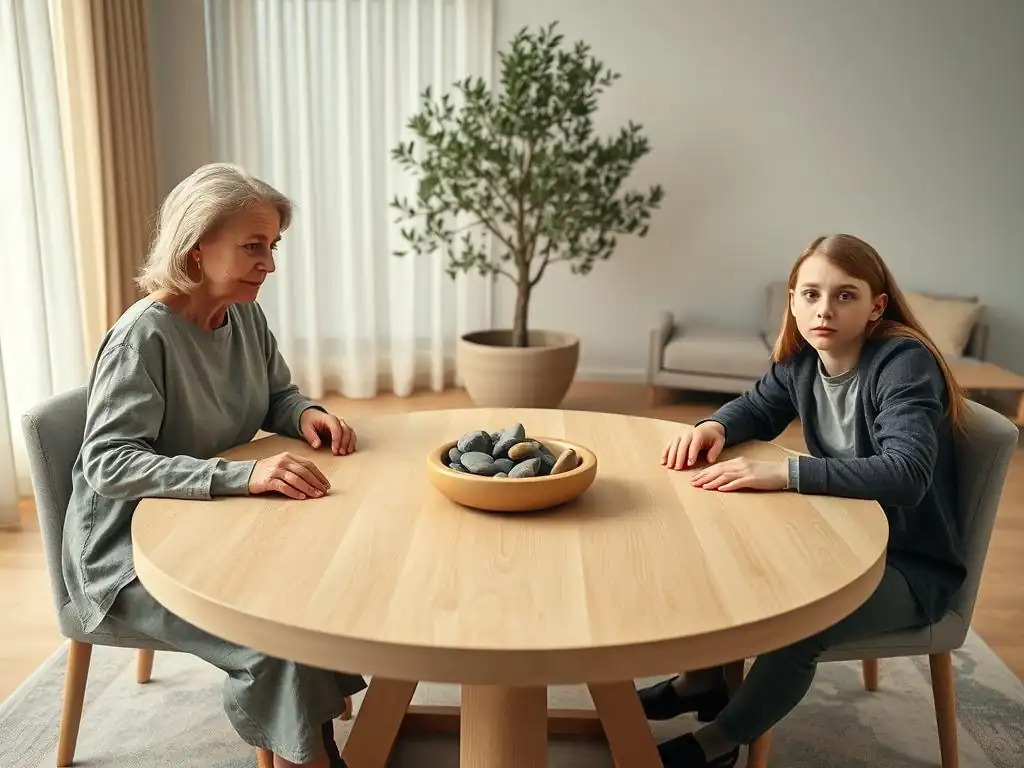
Step 1: Creating a Safe Environment for Dialogue
Before attempting to resolve a specific family dispute, it's essential to create a safe and conducive environment for open dialogue. This means choosing a time and place where everyone involved can focus without interruptions. Put away phones, turn off the TV, and ensure privacy. The physical space should feel neutral if possible; avoid discussing highly charged issues in a location where previous arguments have occurred or where one person feels cornered.
Equally important is establishing ground rules for the discussion. This might include agreeing to speak one person at a time without interruption, refraining from name-calling or personal attacks, and committing to listening respectfully even when disagreeing. Agreeing on a time limit for the conversation can also be helpful to prevent burnout. Setting these parameters upfront helps manage emotions and ensures that the conversation remains focused on finding a solution, rather than devolving into another argument. This foundational step significantly enhances the effectiveness of any family conflict resolution strategies employed.
Step 2: Defining the Problem Clearly
Once a safe environment is established, the next critical step in effective family conflict resolution is clearly defining the problem. Often, family arguments are like icebergs – only a small part of the issue is visible, while deeper resentments or unmet needs lie beneath the surface. Each person involved should have the opportunity to express their perspective on what the core issue is, using "I" statements rather than "you" statements to describe their feelings and experiences.
For example, instead of saying "You always make us late," a family member might say, "I feel anxious and disrespected when we are late for appointments because it feels like my time isn't valued." This shift in language helps identify the underlying feeling or need (feeling anxious, needing to feel respected) rather than just stating a perceived fault. Taking the time to ensure everyone agrees on what the fundamental problem is prevents tangents and ensures that the subsequent search for solutions is targeted and relevant to the actual source of conflict.
Step 3: Brainstorming Potential Solutions
With the problem clearly defined, the family can move to brainstorming potential solutions. This phase should be creative and non-judgmental. The goal is to generate as many ideas as possible, no matter how unconventional they might seem initially. Encourage everyone involved to contribute ideas, ensuring that even quieter family members have a voice. Write down all suggestions without immediately evaluating their feasibility or merit.
This collaborative process empowers everyone and fosters a sense of shared ownership in finding a resolution. A common technique is to aim for a certain number of ideas, say 10 or 15, before stopping. The focus is on quantity over quality at this stage. For example, if the conflict is about dividing household chores, brainstorm every conceivable way chores could be assigned or completed, from rotating schedules to hiring help, without debating the pros and cons yet. This open-minded approach is vital for discovering innovative family conflict resolution strategies.
Step 4: Evaluating Solutions and Choosing the Best Option
After brainstorming, the family must evaluate the potential solutions generated in the previous step. Go through the list together, discussing the pros and cons of each idea relative to the defined problem and everyone's needs. Consider how each solution might impact different family members and the family unit as a whole. This is where critical thinking comes into play, assessing the practicality, fairness, and sustainability of each option.
The aim is to choose a solution that is mutually acceptable and addresses the core issue effectively. It might not be everyone's first choice, but it should be something everyone can live with and is willing to commit to. If a single solution isn't perfect, perhaps a combination of ideas is the answer. The process should be collaborative, ensuring that the final decision feels like a joint agreement rather than something imposed by one person. This step is where theoretical family conflict resolution strategies become concrete action plans.
Step 5: Implementing and Monitoring the Solution
The final practical step in resolving a family dispute is implementing the chosen solution and agreeing on how it will be monitored. Clearly define who will do what, when, and how success will be measured. For instance, if the solution involves a new chore schedule, specify who does which chore on which days. If it's about managing finances, outline who pays which bills and how often budgets will be reviewed.
It's also crucial to agree on a timeframe for reviewing the solution's effectiveness. Is it working as intended? Are there unforeseen challenges? Scheduling a check-in meeting after a week, a month, or whatever seems appropriate allows the family to assess progress, make necessary adjustments, and prevent the issue from resurfacing. This monitoring phase reinforces accountability and shows a commitment to making the resolution work long-term, strengthening the family's ability to use family conflict resolution strategies successfully in the future.
*   Agree on a time and place for the check-in meeting.
*   Define specific, measurable actions for implementing the solution.
*   Establish clear consequences if the agreement isn't followed (discussed gently).
Addressing Common Family Conflicts
Conflict Resolution for Sibling Rivalry
Sibling rivalry is a natural, though often frustrating, part of family life that can extend well into adulthood. Effective family conflict resolution strategies for siblings involve acknowledging individual differences and needs while fostering mutual respect. Parents can help by avoiding comparisons between siblings, ensuring each child feels uniquely valued for their strengths, rather than measured against a sibling's achievements. When disputes arise between children, guiding them through problem-solving steps themselves, rather than always stepping in as a judge, empowers them to develop their own resolution skills.
For adult siblings, unresolved childhood rivalry can manifest in conflicts over inheritance, care for aging parents, or differing life choices. Addressing these requires open, honest conversations about past hurts and current expectations. Focusing on finding fair, equitable solutions that respect individual autonomy is key. Sometimes, a neutral third party, like a family mediator or therapist, can be invaluable in navigating complex adult sibling conflicts and implementing effective family conflict resolution strategies.
Parent-child conflict evolves significantly as children grow from toddlers to teenagers to adults. Implementing appropriate family conflict resolution strategies means adapting approaches to the child's developmental stage. With younger children, setting clear, consistent boundaries and using simple language to explain expectations is vital. As children enter adolescence, conflicts often center around independence, rules, and communication styles. Shifting from an authoritarian approach to one that involves negotiation and shared decision-making, where appropriate, can reduce friction.
For adult children and their parents, conflicts might arise over life choices, personal boundaries, or differing values. Respecting the adult child's autonomy while maintaining loving connection is paramount. Open conversations about expectations on both sides, and a willingness to acknowledge that relationships change over time, are crucial. Empathy from both parents and adult children towards each other's life stages and challenges is a powerful tool in navigating these complex dynamics and applying successful family conflict resolution strategies.
Managing Conflict Between Partners
Conflict between partners is central to the health of the entire family system. Unresolved marital or partnership conflict significantly impacts children and the overall family atmosphere. Effective family conflict resolution strategies for couples often involve dedicated time for communication, away from daily distractions. Using active listening and "I" statements to express needs and feelings is fundamental. Learning to manage emotions during disagreements, perhaps by taking a break when discussions become too heated, is also vital.
Couples benefit from identifying recurring conflict patterns and addressing the underlying issues, which might relate to finances, intimacy, parenting, or household responsibilities. Focusing on finding solutions that work for both partners, rather than one person winning, strengthens the partnership. Committing to repair attempts after arguments, even if they aren't perfect, shows a dedication to the relationship. For many couples, seeking professional help from a therapist specializing in relationship counseling is an incredibly effective step when conflicts are persistent or damaging.
Resolving Conflicts with Extended Family
Conflicts with extended family members – in-laws, cousins, aunts, uncles – can be particularly sensitive as they involve complex loyalties and histories. Applying family conflict resolution strategies in this context often requires navigating boundaries and managing expectations. Disagreements might stem from differing holiday traditions, unsolicited advice, or perceived slights. Deciding which battles are worth fighting and which issues can be let go is an important first step.
When conflict needs to be addressed, clear, calm communication is essential. Couples should ideally present a united front when dealing with their respective extended families. Setting boundaries about what is acceptable interaction and what is not can protect the core family unit. For instance, deciding as a couple how much time will be spent with each side of the family during holidays, or agreeing on how to respond to intrusive questions. In some cases, limiting contact or seeking family therapy that includes extended family members might be necessary steps towards resolution and healthier relationships.
The Importance of Professional Help: When to Seek Therapy

Recognizing the Signs That Therapy is Needed
Sometimes, despite best efforts to implement family conflict resolution strategies, conflicts persist or escalate to a level that the family cannot manage on its own. Recognizing the signs that professional help is needed is crucial for preventing further damage to relationships and individual well-being. These signs include conflicts becoming more frequent or intense, arguments turning verbally or physically abusive, family members feeling unsafe or constantly walking on eggshells, or emotional withdrawal becoming pervasive.
Other indicators include a breakdown in communication where family members are no longer able to talk constructively, or when the same issues resurface repeatedly without resolution. Significant life transitions (like divorce, remarriage, loss of a loved one, or a major illness) that trigger overwhelming family stress can also warrant professional intervention. If children are showing distress (changes in behavior, academic problems, emotional withdrawal) due to family conflict, seeking therapy is highly recommended. A therapist provides a neutral space and expert guidance in navigating complex dynamics.
Finding a Qualified Therapist
Finding a qualified therapist specializing in family or couples therapy is a key step when professional help is needed for family conflict resolution. Look for licensed professionals such as Licensed Marriage and Family Therapists (LMFTs), Licensed Clinical Social Workers (LCSWs), or psychologists (Ph.D. or Psy.D.) with experience working with families. Board certifications or specific training in modalities like Structural Family Therapy, Systemic Therapy, or Emotionally Focused Therapy (EFT) can indicate specialized expertise in family dynamics.
Resources for finding a therapist include recommendations from trusted friends or doctors, mental health directories online (like Psychology Today or the American Association for Marriage and Family Therapy directory), or through your insurance provider's network. It's often helpful to research potential therapists, read about their approach, and even have a brief initial phone call to see if their style feels like a good fit for your family's needs and challenges in applying family conflict resolution strategies.
What to Expect in Therapy Sessions
Family therapy sessions typically involve meeting with the therapist as a family unit, though individual or subgroup sessions may also occur depending on the specific issues. The therapist acts as a neutral facilitator, helping family members communicate more effectively, understand each other's perspectives, and identify unhealthy patterns. Sessions provide a safe space to express feelings, explore the roots of conflict, and learn new ways of interacting.
During therapy, you can expect the therapist to observe family interactions, ask questions about the history of the conflict and family relationships, and teach specific communication and family conflict resolution strategies. They may assign "homework" between sessions, such as practicing active listening or trying new ways of responding to triggers. Therapy is a process that requires commitment from all participating family members, but it offers the potential for significant healing, improved communication, and stronger bonds.
Long-Term Strategies for Building Stronger Bonds
Cultivating Open Communication
Beyond resolving specific conflicts, cultivating open communication is a fundamental long-term strategy for building stronger family bonds and preventing future disputes. This means creating an environment where family members feel safe to express their thoughts, feelings, concerns, and needs without fear of judgment or reprisal. It involves actively listening to one another, even when the topic is difficult or uncomfortable.
Making communication a regular, positive part of family life, not just something that happens during conflict, is key. This could involve scheduling regular family meetings to check in, share updates, and discuss minor issues before they escalate. It also means engaging in casual conversations, sharing daily experiences, and simply spending time talking to build connection. Prioritizing open dialogue strengthens the foundation upon which all effective family conflict resolution strategies are built.
Practicing Forgiveness
Practicing forgiveness is a powerful, though challenging, long-term strategy for healing past hurts and building stronger family bonds. Forgiveness does not mean condoning harmful behavior or forgetting what happened, but rather choosing to release the anger, resentment, and pain associated with past conflicts. Holding onto grudges poisons relationships and makes genuine connection difficult.
Forgiveness is a personal process that can take time. It often involves acknowledging the hurt, processing the emotions, and making a conscious decision to move forward without the burden of resentment. In a family context, this might involve heartfelt apologies, genuine attempts at repair, and a mutual commitment to change harmful behaviors. Practicing forgiveness, both of others and oneself, frees up emotional energy and allows for the possibility of renewed trust and deeper connection within the family.
Spending Quality Time Together
Regularly spending quality time together is essential for nurturing strong family bonds and acts as a preventative measure against conflict. Shared positive experiences create a reservoir of goodwill and positive memories that can buffer against the inevitable stresses and disagreements of life. Quality time isn't just about being in the same room; it involves engaging in activities that allow for connection, communication, and shared enjoyment.
This could be as simple as eating meals together without screens, playing games, going for walks, or pursuing shared hobbies. The key is intentional interaction and presence. Investing time and energy into these positive experiences strengthens the emotional ties between family members, making them more resilient when challenges arise and more receptive to using healthy family conflict resolution strategies.
Creating shared experiences goes hand-in-hand with spending quality time and is a vital long-term strategy for strengthening family identity and bonds. Shared experiences, whether they are significant events like vacations or simple traditions like a weekly movie night, build a shared history and sense of belonging. These experiences provide common ground, inside jokes, and cherished memories that reinforce the unique connection within the family unit.
Engaging in activities that require teamwork, creativity, or simply shared laughter builds positive interactions and reinforces family cohesion. Planning these experiences together can also be an opportunity to practice communication and negotiation skills in a low-stakes environment. The positive emotional residue from shared experiences makes it easier to approach difficult conversations and apply family conflict resolution strategies when conflicts inevitably arise.
Maintaining Harmony: Preventing Future Conflicts
Establishing Clear Expectations
Establishing clear expectations within the family is a proactive way to prevent many common conflicts from arising. Ambiguity about roles, responsibilities, rules, and boundaries is a frequent source of tension. Clearly communicating what is expected of each family member regarding chores, finances, communication, personal space, and shared resources reduces misunderstandings and resentment.
This might involve family discussions about household responsibilities, setting clear curfews, defining expectations around communication frequency, or outlining how shared expenses will be managed. Documenting these agreements, perhaps on a family bulletin board or shared digital calendar, can reinforce clarity. When expectations are transparent and agreed upon, family members are less likely to feel unfairly treated or misunderstood, thereby minimizing potential triggers for conflict and supporting the use of healthy family conflict resolution strategies.
Regularly Checking In with Family Members
Regularly checking in with family members, even when there isn't a specific problem to solve, is a simple yet powerful strategy for maintaining harmony and preventing conflicts from escalating. These check-ins provide opportunities to gauge how everyone is feeling, address minor concerns before they grow, and reinforce connection. This could be a quick conversation during dinner, a weekly family meeting, or individual check-ins between parents and children or partners.
Asking open-ended questions like "How was your day?" or "Is there anything on your mind?" in a genuine, attentive way shows that you care and are available to listen. These regular touchpoints help family members feel seen and heard, making it easier to bring up issues when they are small and manageable, rather than waiting until frustration boils over into a major conflict. Proactive communication is a cornerstone of effective family conflict resolution strategies.
Celebrating Family Successes
Celebrating family successes, both big and small, is crucial for fostering a positive family atmosphere and reinforcing bonds. Focusing only on problems or conflicts can lead to a negative dynamic. Taking time to acknowledge achievements, milestones, and positive moments strengthens family cohesion and reminds everyone of the joy and support the family provides.
This could involve celebrating a good report card, a job promotion, a personal goal achieved, or simply navigating a challenging week together. These celebrations don't need to be elaborate; a special meal, a sincere word of praise, or a small family outing can be enough. Recognizing and celebrating successes builds resilience, reinforces mutual support, and creates a positive emotional environment that makes addressing conflicts, when they do occur, feel less daunting.
Resources for Conflict Resolution and Support
- Books on family communication and conflict resolution.
- Websites of reputable mental health organizations (like the National Alliance on Mental Illness or the American Psychological Association) offering articles and guides.
- Information on mediation services available in your community.
- Online courses or workshops focused on improving communication skills within families.
- Support groups for specific family challenges (e.g., parenting support groups, groups for families dealing with addiction or illness).
Frequently Asked Questions
How can Family Conflict Resolution Strategies help improve my family's mental well-being, according to Mind Care Guide?
Family Conflict Resolution Strategies from Mind Care Guide provide tools to navigate disagreements healthily, reducing stress and promoting emotional stability within the family unit, ultimately improving mental well-being.
What are some key elements of Family Conflict Resolution Strategies that can help de-escalate tense situations quickly?
Effective strategies involve active listening, empathetic communication, and recognizing individual needs. These elements create a safe space for open dialogue and help de-escalate tension.
Where can I find specific resources and support for implementing Family Conflict Resolution Strategies effectively with my family?
Mind Care Guide offers a variety of resources, including articles, expert advice, and potentially support groups or links to professional therapists, all designed to aid in implementing conflict resolution.
Are Family Conflict Resolution Strategies only useful for major conflicts, or can they be applied to everyday disagreements?
These strategies are highly adaptable and beneficial for addressing both major conflicts and minor disagreements. They promote a culture of understanding and respect, improving daily interactions.
How does Mind Care Guide emphasize the long-term benefits of using Family Conflict Resolution Strategies instead of avoiding conflict altogether?
Mind Care Guide stresses that actively resolving conflicts fosters stronger family bonds, improved communication skills, and a more resilient family unit that can navigate future challenges effectively.
Final Reflection: Weaving a Tapestry of Peace in Our Families
The ability to resolve conflict constructively isn't just a skill; it's the bedrock of strong, thriving families. In a world increasingly fractured by division, the lessons learned from navigating family disagreements hold profound relevance, impacting not only our immediate relationships but also the broader societal fabric. The strategies discussed – from active listening to empathy-driven communication – are not mere techniques, but essential tools for building resilience and fostering genuine connection.
The impact of unresolved family conflict reverberates through generations, shaping our self-perception, our relationships, and even our mental health. The family is the first temple of peace, and the first school of love.
This quote beautifully encapsulates the importance of fostering a harmonious family environment, a space where disagreements are seen not as threats, but as opportunities for growth and deeper understanding. My own journey in understanding and applying these strategies has been transformative, leading to a richer, more fulfilling connection with my loved ones.
Now, consider your own family dynamics. What patterns of conflict have you observed? Where can you apply the principles of active listening, empathy, and compromise to build stronger bridges? I invite you to take a moment to reflect on your own communication style and identify areas for improvement. By embracing these strategies, you can begin to weave a tapestry of peace within your family, creating a legacy of love, understanding, and lasting connection that extends far beyond the resolution of any single conflict.
Rediscover Family Harmony: Your Next Steps to Stronger Bonds
Thank you for taking the time to explore the powerful path towards stronger family relationships. We hope this article equipped you with valuable tools for resolving conflicts and fostering deeper connection. Now, let's put that knowledge into action!
- Prioritize a Family Meeting: Schedule a dedicated time this week to openly discuss family dynamics and implement the strategies outlined in the article. This focused time for communication is crucial for progress.
- Share your insights: Discuss this article with a family member who could benefit from the information. Starting a conversation is often the first step towards positive change.
- Explore family activities: Plan a fun activity together that encourages collaboration and connection, away from any sources of past conflict. This can be anything from a game night to a simple walk.
What small step will you take today to nurture a more harmonious family environment?