
Natural Stress Relief That Works: EvidenceBased Herbal Options

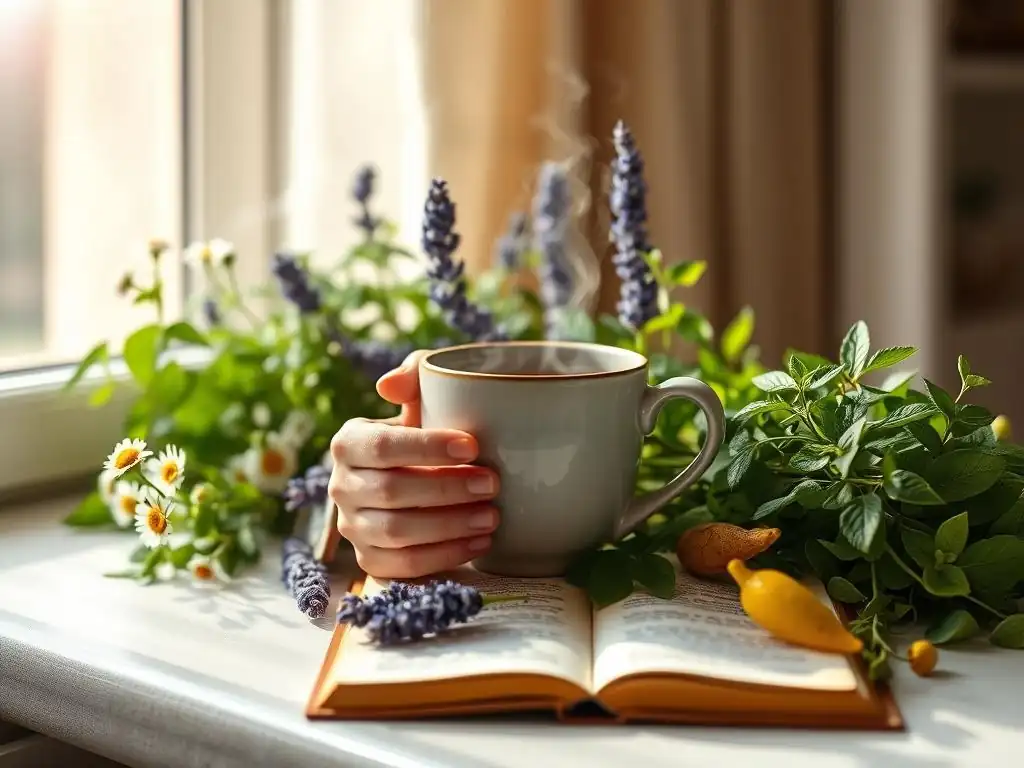
Welcome to Mind Care Guide, your compassionate companion on the journey to mental well-being. Feeling overwhelmed by stress and anxiety? You're not alone. Discover the calming power of nature in our comprehensive guide to Herbal Remedies to Reduce Stress Anxiety. Could a gentle, plant-based approach be the key to unlocking a more peaceful you? Let's explore the evidence together...
- Herbal Remedies to Reduce Stress and Anxiety: An Evidence-Based Guide
- The Best Herbal Supplements for Anxiety and Stress Relief: Top Options for 2024
- How to Choose the Right Herbal Remedy for Your Anxiety and Stress
- Maximizing the Benefits of Herbal Stress Relief: Lifestyle Changes and Complementary Therapies
- Conclusion: Embracing Natural Stress Relief with Evidence-Based Herbal Options
-
Frequently Asked Questions
- How effective are herbal remedies compared to traditional medication for stress and anxiety?
- What are some of the most commonly recommended herbal remedies for stress and anxiety, and how do they work?
- Are there any potential side effects or interactions associated with using herbal remedies for stress and anxiety?
- How long does it typically take to experience the benefits of using herbal remedies for stress and anxiety?
- Where can I find reliable information and resources about using herbal remedies for stress and anxiety, and how do I ensure I'm using them safely?
- Final Reflection: Harnessing Nature's Calm: A Path to Stress Relief
- Unlock Your Inner Calm: Start Your Herbal Wellness Journey
Herbal Remedies to Reduce Stress and Anxiety: An Evidence-Based Guide
Exploring Natural Stress Relief: Why Herbal Options?
In a world increasingly impacted by chronic stress and anxiety, many individuals are exploring avenues beyond conventional treatments. This growing interest in natural stress relief often leads people to investigate herbal options.
The appeal lies partly in the historical use of plants for medicinal purposes across various cultures for centuries, offering a sense of tradition and perceived gentleness compared to pharmaceuticals. Furthermore, some individuals seek herbal remedies to reduce stress anxiety believing they may offer benefits with fewer or milder side effects than some prescription medications, although it's crucial to note that "natural" doesn't equate to being entirely free of risks or side effects.
The motivation to explore herbal remedies for stress and anxiety is also fueled by a desire for a more holistic approach to well-being. People are looking for ways to support their mental and physical health concurrently, viewing herbs not just as symptom relievers but as aids in restoring balance to the body's stress response systems. While the effectiveness and safety of specific herbs require careful, evidence-based examination, the fundamental appeal of using plant-derived compounds to soothe the mind and calm the nervous system remains a significant driver for many seeking alternatives or complements to their current stress management strategies.
Understanding Anxiety and Stress: The Role of Natural Remedies
Stress and anxiety are complex physiological and psychological responses that, when chronic, can significantly impact health. The body's stress response involves the activation of the hypothalamic-pituitary-adrenal (HPA) axis, leading to the release of hormones like cortisol. Prolonged elevation of cortisol can disrupt sleep, immune function, mood regulation, and cognitive processes. Anxiety often involves heightened activity in areas of the brain related to fear and worry, sometimes linked to imbalances in neurotransmitters like GABA (gamma-aminobutyric acid), which has a calming effect.
Natural remedies, particularly certain herbs, are believed to exert their effects by interacting with these very pathways. Some herbs are classified as adaptogens, helping the body adapt to stress by modulating the HPA axis and cortisol levels. Others are known as nervines, which have a direct calming effect on the nervous system, potentially by influencing GABA receptors or other neurotransmitter systems. Research into how specific herbal remedies reduce stress anxiety focuses on these mechanisms, seeking to provide evidence for their traditional uses and inform safe, effective applications for modern stress management.
The Best Herbal Supplements for Anxiety and Stress Relief: Top Options for 2024
Ashwagandha: The Ancient Adaptogen for Stress Reduction
Ashwagandha (Withania somnifera) is an adaptogenic herb deeply rooted in Ayurvedic tradition, used for millennia to help the body cope with stress and promote overall vitality. As an adaptogen, its primary function is to help normalize physiological processes during periods of stress, rather than targeting specific symptoms directly. This makes it particularly useful for chronic stress, where the body's stress response system is consistently activated. The beneficial compounds in Ashwagandha are primarily called withanolides, and the concentration of these compounds is often standardized in high-quality supplements.
Clinical studies have provided compelling evidence for Ashwagandha's efficacy in reducing stress and anxiety. For example, research involving chronically stressed adults has shown significant reductions in serum cortisol levels, sometimes by 20% to over 30% compared to placebo groups, after several weeks of supplementation. Participants often report decreases in scores on stress and anxiety scales, such as the Perceived Stress Scale (PSS) or the Hamilton Anxiety Rating Scale (HARS).
Typical dosages used in studies range from 300 mg to 600 mg of a standardized extract daily. Ashwagandha is generally well-tolerated, though some individuals may experience mild digestive upset, drowsiness, or interactions with certain medications, highlighting the importance of consulting a healthcare professional before use. This body of evidence supports Ashwagandha as a powerful option among herbal remedies that reduce stress anxiety.
Lavender: Calming Aromatherapy for Anxiety Relief
Lavender (Lavandula angustifolia) is perhaps best known for its soothing aroma and widespread use in aromatherapy for relaxation. However, its benefits for anxiety relief extend beyond pleasant scents, with research exploring both inhaled essential oil and oral preparations. The primary active compounds believed to contribute to lavender's calming effects are linalool and linalyl acetate. These compounds are thought to interact with neurotransmitter systems, potentially influencing GABA activity and reducing the excitability of nerve cells, similar to how some anti-anxiety medications work, but through different mechanisms.
Evidence supporting lavender's use for anxiety includes studies on specific oral lavender oil preparations, like silexan, which have demonstrated efficacy in treating generalized anxiety disorder (GAD), showing reductions in anxiety scores comparable to some low-dose benzodiazepines in clinical trials, but without the associated risk of sedation or dependence. Aromatherapy studies, while sometimes harder to standardize, also suggest that inhaling lavender essential oil can reduce self-reported stress and anxiety levels in various settings, such as dental offices or during medical procedures. When considering lavender, options include using high-quality essential oil for diffusion or topical application (diluted), or taking specifically formulated oral capsules.
The choice depends on individual preference and the desired effect, with oral preparations typically used for more systemic or clinical anxiety support, while aromatherapy is popular for immediate relaxation and stress reduction. Both methods contribute to the range of herbal remedies that reduce stress anxiety.
Chamomile: Gentle Relaxation and Improved Sleep Quality
Chamomile (Matricaria recutita or Chamaemelum nobile) is a widely consumed herb, famous globally as a calming tea. Its gentle nature makes it a popular choice for winding down and promoting relaxation, particularly before sleep. The therapeutic properties of chamomile are attributed partly to compounds like apigenin, a flavonoid that may bind to benzodiazepine receptors in the brain, potentially enhancing the effects of GABA, a calming neurotransmitter. This interaction is thought to contribute to chamomile's mild sedative and anxiolytic (anxiety-reducing) effects.
Research into chamomile's effects on anxiety and sleep has yielded promising results, especially for mild to moderate symptoms. Studies have indicated that chamomile extract can significantly reduce symptoms of generalized anxiety disorder compared to placebo. For sleep, while not a strong sedative for severe insomnia, chamomile is often reported to improve sleep quality and latency in individuals with mild sleep disturbances or stress-related sleeplessness.
Chamomile can be consumed as a tea, which provides a warm, soothing ritual, or in more concentrated forms like capsules or tinctures for potentially stronger effects. While generally safe, chamomile is part of the daisy family (Asteraceae) and may cause allergic reactions in individuals sensitive to ragweed, marigolds, or chrysanthemums. As one of the widely accessible herbal remedies that reduce stress anxiety, it remains a go-to for gentle support.
Lemon Balm: A Citrus-Scented Herb for Mood and Cognitive Enhancement
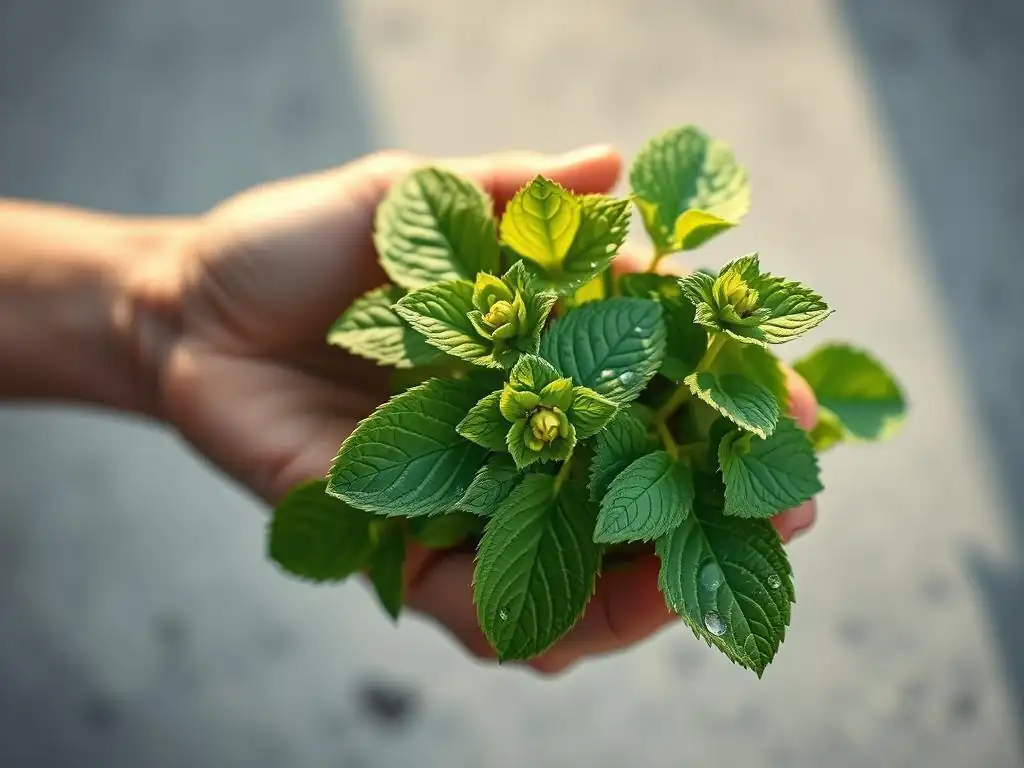
Lemon Balm (Melissa officinalis) is a member of the mint family, recognized by its distinct lemony scent. Historically, it has been used to reduce stress and anxiety, improve sleep, and soothe digestive issues. Modern research has focused on its potential effects on mood, cognitive function, and calmness. Lemon balm contains compounds like rosmarinic acid, which is thought to inhibit the enzyme GABA transaminase, leading to increased GABA levels in the brain, thus promoting relaxation and reducing anxiety.
Clinical studies have explored lemon balm's impact on both anxiety and cognitive performance. Research has shown that single doses of lemon balm extract can reduce anxiety and improve alertness and performance on cognitive tasks, particularly those requiring focus and memory. For example, one study found that participants who took lemon balm reported reduced calmness ratings but improved performance on a demanding cognitive task.
While not as strongly associated with sleep as chamomile or valerian, lemon balm is often included in sleep formulations due to its calming properties and potential to reduce the anxiety that can interfere with falling asleep. It is generally considered safe for short-term use, with mild side effects like digestive upset being rare. Lemon balm is a versatile option among herbal remedies that reduce stress anxiety, offering potential benefits for both mood and cognitive state.
Passionflower: Reducing Anxiety and Promoting Relaxation
Passionflower (Passiflora incarnata) is a vine traditionally used as a calming agent for anxiety and insomnia. Its effectiveness is thought to be related to its influence on GABA levels in the brain, similar to some other calming herbs. Compounds like flavonoids and alkaloids found in passionflower are believed to interact with GABA receptors or inhibit GABA breakdown, leading to reduced brain activity and promoting relaxation.
Evidence from clinical trials supports passionflower's use for anxiety. Studies have shown that passionflower extract can be effective in reducing symptoms of generalized anxiety disorder. For instance, a trial comparing passionflower extract to oxazepam (a benzodiazepine medication) for GAD found similar reductions in anxiety symptoms, though passionflower typically resulted in fewer side effects like impaired job performance.
It has also been studied for reducing anxiety before surgery. A key benefit often cited is its ability to reduce anxiety and promote calmness without causing significant sedation or impairing cognitive function in the same way some pharmaceutical sedatives might. Passionflower is available in various forms, including teas, tinctures, and capsules, making it an accessible option among herbal remedies that reduce stress anxiety for those seeking relaxation without excessive drowsiness.
How to Choose the Right Herbal Remedy for Your Anxiety and Stress
Assessing Your Needs: Identifying Your Specific Stress Triggers
Choosing the most suitable herbal remedy begins with a clear understanding of your own stress and anxiety patterns. Are your symptoms primarily related to difficulty sleeping, feeling restless and agitated during the day, experiencing muscle tension, or struggling with racing thoughts? Identifying your specific stress triggers and the dominant ways anxiety manifests for you is crucial. For instance, if stress keeps you awake at night, chamomile or passionflower might be particularly relevant options. If chronic stress leads to feelings of being overwhelmed and depleted, an adaptogen like Ashwagandha could be more appropriate.
Consider the context of your stress: Is it situational (e.g., public speaking, exams) or more generalized and persistent? Understanding whether you need something for acute, on-the-spot relief or daily support for chronic stress will guide your choice. Reflecting on your symptoms and triggers allows you to align them with the known effects of different herbs, making it easier to select the herbal remedies that reduce stress anxiety in ways most relevant to your personal situation. Keeping a stress journal can be a helpful tool in this assessment process.
Considering Interactions: Consulting with Your Doctor or Healthcare Professional
Despite their natural origin, herbal remedies can interact with prescription medications, over-the-counter drugs, and even other supplements. This is a critical consideration for anyone currently taking medication for any health condition, including depression, anxiety, sleep disorders, blood pressure issues, or blood clotting disorders. For example, some calming herbs like passionflower or valerian can enhance the effects of sedatives or antidepressants, potentially leading to excessive drowsiness or other complications. Ashwagandha might interact with thyroid medications, immunosuppressants, or medications for diabetes or high blood pressure.
Therefore, it is absolutely essential to consult with your doctor, pharmacist, or a qualified healthcare professional before incorporating any new herbal supplement into your routine, especially if you have pre-existing health conditions, are pregnant or breastfeeding, or are on medication. They can provide personalized advice based on your medical history and current treatments, helping you avoid potentially harmful interactions and ensuring that the herbal remedies you choose to reduce stress anxiety are safe for your individual circumstances.
Importance of Quality: Choosing Reputable Brands and Suppliers
The quality and purity of herbal supplements vary significantly across the market. Unlike prescription medications, dietary supplements are not regulated by the FDA with the same stringency before they reach consumers. This means that products can sometimes contain different amounts of the active compounds than listed, be contaminated with heavy metals, pesticides, or fillers, or even contain incorrect plant species. The effectiveness and safety of any herbal remedy depend directly on its quality.
To ensure you are getting a safe and effective product, look for reputable brands that adhere to Good Manufacturing Practices (GMP). Consider products that provide evidence of third-party testing by independent laboratories for purity, potency, and absence of contaminants. Certifications like USDA Organic or non-GMO can also indicate a commitment to quality sourcing. Researching brands, reading reviews, and looking for transparency regarding sourcing and testing processes are vital steps in selecting high-quality herbal remedies to reduce stress anxiety. Prioritizing quality helps ensure you experience the potential benefits without unnecessary risks.
Combining Herbal Remedies: A Personalized Approach to Stress Management
For some individuals, a single herb may provide sufficient relief, while others might find greater benefit from using a combination of different herbal remedies. The idea behind combining herbs is often to leverage synergistic effects – where the combined action is greater than the sum of individual effects – or to address multiple aspects of stress and anxiety simultaneously. For example, one might combine an adaptogen like Ashwagandha for chronic stress resilience with a nervine like Chamomile or Passionflower for immediate calming effects or sleep support.
However, combining herbal remedies should be approached with caution and ideally under the guidance of a knowledgeable healthcare practitioner, such as a naturopathic doctor or an integrative medicine physician. Combining herbs can increase the risk of interactions or additive effects, potentially leading to unwanted side effects. A personalized approach considers your unique symptoms, health status, and other medications to create a safe and effective herbal regimen. Finding the right mix of herbal remedies to reduce stress anxiety is often an iterative process that may require professional support.
Maximizing the Benefits of Herbal Stress Relief: Lifestyle Changes and Complementary Therapies
The Importance of Diet and Exercise for Mental Well-being
While herbal remedies can be valuable tools for managing stress and anxiety, they are most effective when integrated into a holistic lifestyle that supports overall mental well-being. Diet plays a crucial role; a diet rich in whole foods, fruits, vegetables, lean proteins, and healthy fats provides the nutrients necessary for optimal brain function and neurotransmitter production. Avoiding excessive sugar, caffeine, and processed foods can help stabilize mood and energy levels, reducing irritability and anxiety spikes. The gut-brain connection is also significant, with gut health impacting mood and stress response.
Regular physical activity is another cornerstone of mental health. Exercise is a powerful stress reliever, reducing stress hormones like cortisol and adrenaline while stimulating the production of endorphins, which have mood-boosting effects. Even moderate activities like walking, yoga, or gardening for 30 minutes most days of the week can make a significant difference. Incorporating balanced nutrition and consistent exercise enhances the body's natural resilience to stress, creating a foundation upon which herbal remedies that reduce stress anxiety can work more effectively.
Mindfulness and Meditation: Techniques for Reducing Anxiety
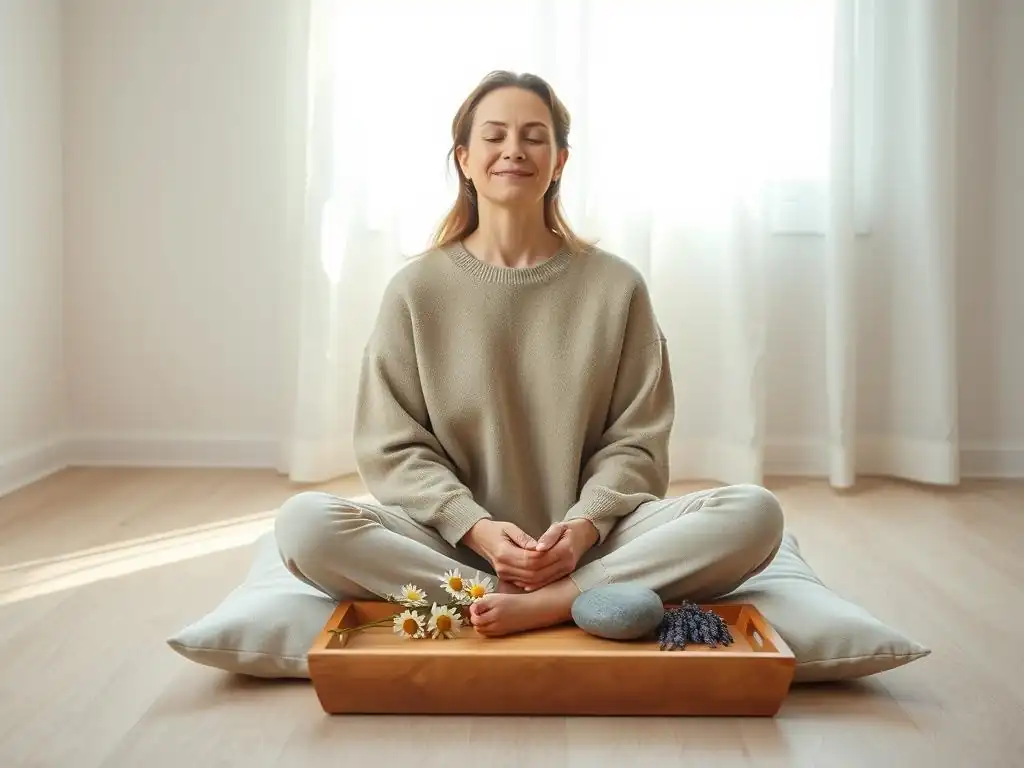
Mindfulness and meditation are practices that train the mind to focus on the present moment without judgment. Regular engagement in these techniques can significantly alter the brain's response to stress, reducing activity in the amygdala (the brain's fear center) and strengthening connections in areas associated with focus and calm. Simple practices like deep breathing exercises, body scans, or guided meditations for just a few minutes daily can help regulate the nervous system, lower heart rate, and reduce feelings of being overwhelmed.
Integrating mindfulness or meditation into your routine complements the biochemical support offered by herbal remedies. While herbs may help modulate stress hormones or neurotransmitters, mindfulness provides tools to change your relationship with stressful thoughts and feelings, fostering a greater sense of control and peace. Using herbal remedies that reduce stress anxiety alongside practices like meditation offers a powerful, multi-faceted approach to cultivating inner calm and resilience.
Seeking Professional Help: When to Consider Therapy or Medication
Herbal remedies are often beneficial for mild to moderate stress and anxiety symptoms. However, it is crucial to recognize when symptoms are severe enough to warrant professional intervention. If stress or anxiety is significantly impairing your daily life, affecting your ability to work, maintain relationships, or complete essential tasks, or if you are experiencing panic attacks, persistent feelings of hopelessness, or thoughts of self-harm, it is imperative to seek help from a mental health professional.
Therapy, such as Cognitive Behavioral Therapy (CBT), Acceptance and Commitment Therapy (ACT), or talk therapy, provides strategies to identify and change negative thought patterns and behaviors contributing to anxiety. For more severe cases, prescription medications like SSRIs, SNRIs, or benzodiazepines may be necessary and life-changing.
A mental health professional or doctor can assess your situation, provide a diagnosis, and recommend the most appropriate course of action, which might include therapy, medication, or a combination of approaches. Incorporating herbal remedies that reduce stress anxiety should be discussed with them as part of a comprehensive treatment plan, rather than being used as a substitute for necessary professional care.
Conclusion: Embracing Natural Stress Relief with Evidence-Based Herbal Options
Key Takeaways: Herbal Remedies for Anxiety and Stress Management
Navigating stress and anxiety is a common challenge, and for many, evidence-based herbal options offer a promising path toward natural relief. We've explored how specific herbs like Ashwagandha, Lavender, Chamomile, Lemon Balm, and Passionflower have demonstrated efficacy in clinical studies, working through various mechanisms to modulate the body's stress response, calm the nervous system, and improve mood or sleep. These herbal remedies reduce stress anxiety for many individuals, providing a valuable tool in their wellness kit.
However, successful and safe integration of these herbs requires informed choices: assessing your personal needs, understanding the importance of product quality, and crucially, consulting with healthcare professionals to avoid interactions and ensure suitability. Furthermore, the greatest benefits are often realized when herbal support is combined with foundational lifestyle changes such as a healthy diet, regular exercise, and the practice of mindfulness or meditation. Recognizing the limits of herbal remedies and knowing when to seek professional therapy or medication for more severe symptoms is also vital for comprehensive care.
Mind Care Guide Resources: Further Support for Your Mental Well-being Journey
Embarking on a journey towards better mental well-being is a continuous process, and accessing reliable information and support is key. Mind Care Guide is dedicated to providing comprehensive resources to help you understand and navigate various mental health challenges, including stress and anxiety. Our platform offers in-depth guides, articles, and information on a wide range of topics related to mental wellness, from understanding different conditions to exploring various treatment options, including both conventional and complementary approaches.
We encourage you to continue exploring the resources available on Mind Care Guide to deepen your understanding of stress management techniques, learn more about the science behind different interventions, and find strategies that resonate with your personal path to well-being. Whether you are seeking more information on herbal remedies that reduce stress anxiety, looking for guidance on incorporating mindfulness into your routine, or trying to understand when to seek professional help, Mind Care Guide is here to support you every step of the way.
Frequently Asked Questions
How effective are herbal remedies compared to traditional medication for stress and anxiety?
While herbal remedies can offer relief, their effectiveness often depends on the individual and the severity of the condition. They may be less potent than traditional medications, but some evidence suggests they can be a helpful component of a holistic stress management approach.
What are some of the most commonly recommended herbal remedies for stress and anxiety, and how do they work?
Commonly recommended herbs include chamomile, lavender, and ashwagandha. These herbs are believed to work by modulating the nervous system, promoting relaxation, and reducing the physiological effects of stress.
Are there any potential side effects or interactions associated with using herbal remedies for stress and anxiety?
Yes, like any medication, herbal remedies can have side effects and interact with other medications. It's crucial to consult with a healthcare professional before starting any new herbal regimen, especially if you have pre-existing health conditions or are taking other medications.
How long does it typically take to experience the benefits of using herbal remedies for stress and anxiety?
The timeframe for experiencing benefits can vary depending on the individual and the specific herbal remedy. Some people may notice improvements within a few days, while others may need several weeks of consistent use to experience noticeable effects on their stress levels.
Where can I find reliable information and resources about using herbal remedies for stress and anxiety, and how do I ensure I'm using them safely?
Websites like Mind Care Guide offer valuable information. Always consult with a qualified healthcare professional before using any herbal remedies. Look for reputable sources and evidence-based research to guide your choices.
Final Reflection: Harnessing Nature's Calm: A Path to Stress Relief
The relentless pace of modern life leaves many of us grappling with chronic stress and anxiety, a pervasive issue impacting our well-being and productivity. Understanding and utilizing natural, evidence-based solutions is no longer a luxury, but a necessity for navigating the challenges of the 21st century. The exploration of herbal remedies offers a powerful pathway towards reclaiming our inner peace and fostering resilience.
The integration of herbal remedies into stress management strategies is not merely a trend; it's a rediscovery of ancient wisdom combined with modern scientific understanding. This journey through various herbal options highlighted the profound connection between our physical and mental health, emphasizing the holistic nature of well-being. The body is a temple, and we must treat it as such.
This quote underscores the importance of nurturing ourselves with natural, gentle approaches to healing, rather than solely relying on pharmaceutical interventions. The growing interest in these methods reflects a societal shift towards preventative care and a deeper appreciation for the power of nature.
Now, consider your own relationship with stress. What practices currently support your well-being? Are you open to exploring the potential benefits of incorporating herbal remedies into your self-care routine? This article is not an end, but a beginning—a starting point for your own personal exploration of natural stress relief. Take the time to research further, consult with a healthcare professional, and discover the path that resonates most deeply with you. Embrace the opportunity to cultivate a calmer, more balanced life, one herbal remedy at a time.
Unlock Your Inner Calm: Start Your Herbal Wellness Journey
Thanks for taking the time to explore natural stress relief with us! You've now learned about powerful herbal options backed by evidence. Ready to take the next step towards feeling calmer and more centered?
- Prioritize one herb: From the options discussed, choose the one that resonates most with you and research its specific usage and potential interactions. Start with a small, recommended dose.
- Share your experience: Tell us (and others!) about your journey! What herb did you choose? What are your initial impressions? Share your thoughts in the comments below.
- Explore complementary practices: Consider combining your chosen herb with gentle exercise, mindfulness meditation, or journaling—powerful allies in your stress-reduction journey.
What simple step will you take today to nurture your well-being?