
The Mindful Seat: Why Your Cushion or Chair Matters for Practice

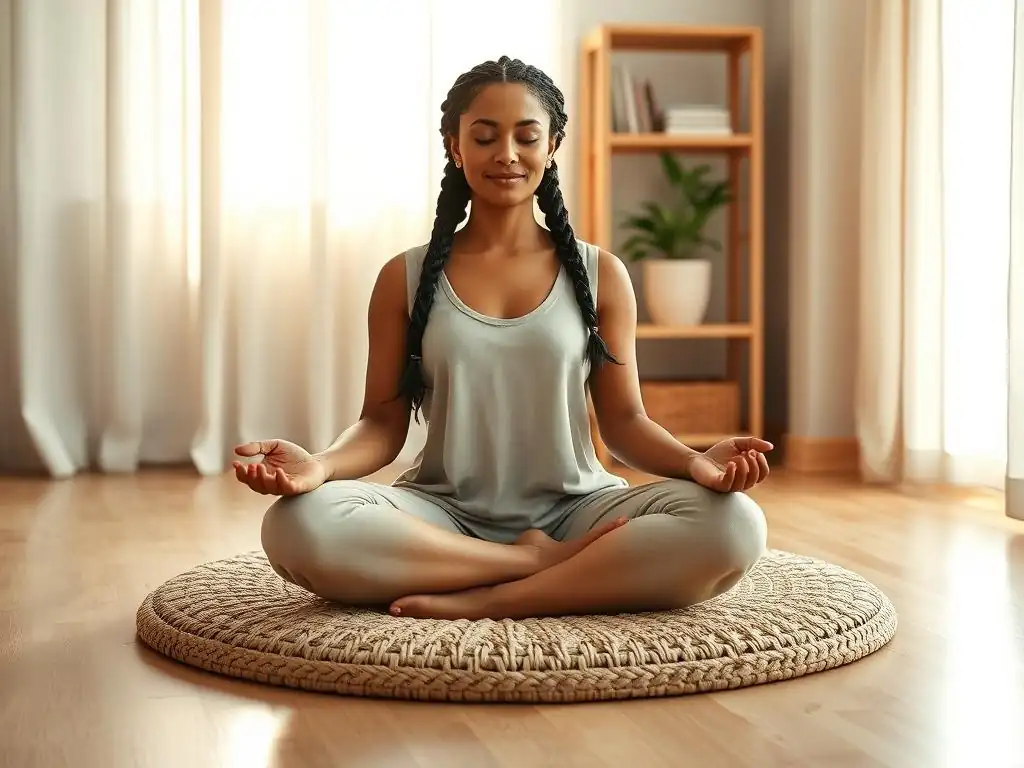
Welcome to Mind Care Guide, a sanctuary for your mental well-being.
Are you seeking deeper connection and focus in your mindfulness practice? It might be simpler than you think. Discover how something as fundamental as your seating arrangement can unlock a new level of awareness and comfort in "The Mindful Seat: Why Your Cushion or Chair Matters for Practice." Explore the surprising mindful seating practices benefits detailed in this article, and begin your journey towards a more grounded and centered self. Intrigued? Let's begin.
The Mindful Seat: Why Your Cushion or Chair Matters for Practice
- Unlocking the Power of Meditation: The Role of Comfort and Support
- Choosing the Right Support: Meditation Cushions vs. Chairs
- Key Features to Consider When Selecting Your Mindful Seat
- Maximizing Mindful Seating Practices Benefits: Tips and Techniques
- Real-World Applications: Mindful Seating for Specific Needs
- Investing in Your Practice: Where to Find the Best Meditation Cushions and Chairs
- Enhancing Your Meditation Practice: Complementary Products and Services
- Conclusion: Elevate Your Meditation Experience with Mindful Seating
-
Frequently Asked Questions
- How does mindful seating directly impact my meditation practice?
- What are the benefits of adopting specific mindful seating practices?
- What types of cushions or chairs are recommended for optimal mindful seating?
- Are there any mindful seating practices that can be adapted for people with physical limitations?
- How can I integrate mindful seating into my daily life beyond formal meditation?
- Final Reflection: Finding Stillness in the Everyday
- Unleash Your Inner Calm: Take Control of Your Practice Space
Unlocking the Power of Meditation: The Role of Comfort and Support
Understanding Mindful Seating Practices Benefits for Mental Well-being
Engaging in mindful seating practices offers profound benefits for mental well-being, extending far beyond simply sitting still. When you establish a comfortable and stable seated posture for meditation, you create a physical foundation that supports mental tranquility. This stability helps to quiet the restless energy often present in the body, allowing the mind to settle more easily.
Practitioners often report a significant reduction in fidgeting and physical distractions when using appropriate support, which in turn facilitates deeper states of concentration and relaxation. The consistent application of mindful seating practices can lead to improved emotional regulation, reduced stress levels, and enhanced self-awareness, key components of robust mental health.
The physical support provided by a meditation cushion or chair directly contributes to the psychological benefits of practice. By alleviating common discomforts like back pain, numb legs, or strained joints, the mind is freed from constantly attending to physical sensations. This liberation allows for a more sustained focus on the breath, bodily sensations, or chosen meditation object.
Studies, such as informal surveys among meditation groups, often indicate that individuals using dedicated seating are able to maintain focus for longer periods, sometimes reporting improvements in session duration by 50% or more compared to sitting on an unsupported hard surface. These tangible improvements in practice quality underscore the vital connection between physical ease and the cultivation of a calm and focused mind, highlighting the significant mindful seating practices benefits.
The Direct Link Between Physical Comfort and Deeper Meditation
Physical comfort is not merely a luxury in meditation; it is a fundamental prerequisite for accessing deeper states of awareness and concentration. When the body is at ease, the nervous system is less likely to be agitated by pain or tension.
This relaxed physiological state is conducive to entering parasympathetic dominance, often referred to as the "rest and digest" mode, which is essential for deep relaxation and focused mental states during meditation. Trying to meditate while experiencing discomfort, such as a strained lower back or aching knees, forces a significant portion of your mental energy to be directed towards managing the pain, effectively hijacking your attention away from the meditation object.
Consider the difference between sitting on a cold, hard floor for 20 minutes versus sitting on a supportive cushion designed to elevate the hips and align the spine. On the hard floor, many people find themselves constantly shifting, distracted by discomfort, and perhaps only achieving moments of true focus. With proper mindful seating, the body finds a stable, balanced posture, allowing the muscles to relax and the breath to flow more freely.
This physical stability supports mental stillness, enabling practitioners to delve deeper into their inner landscape, observe thoughts and emotions without judgment, and cultivate a more profound sense of peace. Anecdotal evidence from long-term meditators consistently points to comfortable seating as a critical factor in their ability to sustain practice and experience its transformative effects.
Choosing the Right Support: Meditation Cushions vs. Chairs
Meditation Cushions: Deep Dive into Types and Benefits
Meditation cushions are the traditional choice for many practitioners, designed to elevate the hips above the knees, promoting a natural forward tilt of the pelvis and allowing the spine to lengthen. This posture helps maintain alertness while reducing strain on the lower back and knees. The fill material, often buckwheat hulls or kapok, conforms to the body's shape, providing personalized support. Using a cushion encourages engagement of core muscles to maintain balance, subtly strengthening the body over time. The close connection to the floor can also feel grounding for many individuals, enhancing the sense of stability during practice.
Zafu Cushions: Traditional Support for Focused Meditation
Zafu cushions are round, pleated cushions, typically filled with buckwheat hulls. Their height and firm structure are ideal for sitting cross-legged (Burmese, half-lotus, or full-lotus positions), providing significant elevation to ease pressure on the knees and ankles.
Zabuton Mats: Expanding Comfort and Protecting Your Knees
Zabuton mats are flat, padded mats that cushion the knees, ankles, and feet. They are often used in conjunction with a zafu or zafu, providing a soft surface that prevents discomfort from pressing against a hard floor, particularly important for longer sessions.
Crescent Cushions: Ergonomic Design for Enhanced Posture
Crescent-shaped cushions are designed with a dip in the front, allowing the heels to be drawn closer to the body when sitting cross-legged. This shape can feel more stable and comfortable for some individuals, promoting a slightly different pelvic tilt that may be more suitable for their anatomy.
Meditation Chairs: Finding Stability and Back Support
Meditation chairs offer an alternative for those who find sitting on the floor challenging due to physical limitations, stiffness, or simply preference. They provide excellent back support, which can be crucial for individuals with back pain or those who struggle to maintain an upright posture for extended periods. Chairs allow the knees and hips to be at roughly a 90-degree angle, a familiar and often comfortable position. This can make meditation more accessible to a wider range of people, ensuring that physical discomfort doesn't become a barrier to practice.
Folding Meditation Chairs: Portability and Convenience
Folding meditation chairs are lightweight and easily transportable, making them ideal for those who travel or attend group meditation sessions. They typically offer back support and a padded seat, often designed to be used directly on the floor.
Floor Chairs with Back Support: Enhanced Comfort for Longer Sessions
These chairs sit directly on the floor but include a supportive backrest. They are a good compromise for those who want to stay close to the ground but need more back support than a cushion alone can provide. Some models offer adjustable backrests for customizable comfort.
Ergonomic Meditation Chairs: Promoting Spinal Alignment and Reducing Strain
Ergonomic meditation chairs are designed with specific attention to spinal health and comfort. They may incorporate features like contoured seats, lumbar support, or adjustable components to ensure optimal posture and minimize strain during prolonged sitting, further contributing to mindful seating practices benefits.
Key Features to Consider When Selecting Your Mindful Seat
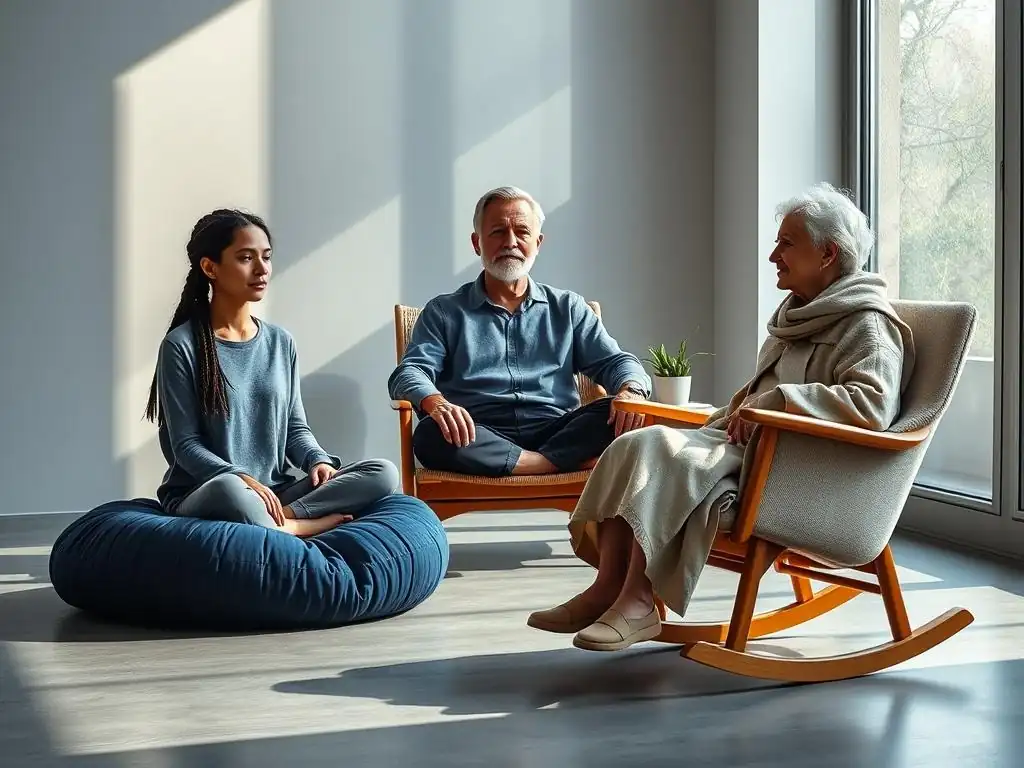
Posture and Spinal Alignment: Essential for Preventing Discomfort and Promoting Focus
The primary function of any meditation seat is to facilitate a posture that allows the spine to maintain its natural curve without excessive muscular effort. Proper spinal alignment is crucial because it not only prevents discomfort and potential long-term issues like chronic back pain but also supports alertness and energy flow during meditation. When the spine is aligned, the head is balanced over the shoulders, reducing tension in the neck and upper back. This upright yet relaxed posture signals to the body and mind that you are awake and present, which is vital for focused practice.
Choosing a seat that encourages this natural alignment, whether it's a cushion that elevates your hips or a chair that supports your lumbar curve, directly impacts your ability to sit comfortably for extended durations. Discomfort arising from poor posture can become a constant distraction, pulling your attention away from your meditation object and hindering your ability to enter deeper states of concentration. Investing in a seat that promotes healthy posture is an investment in the quality and consistency of your meditation practice, enhancing the overall mindful seating practices benefits you experience.
Material and Durability: Investing in Long-Lasting Comfort
The materials used in your meditation seat significantly influence both comfort and longevity. For cushions, common fills include buckwheat hulls, which offer firm, moldable support that conforms to your body, and kapok, a lighter, softer fill that provides a less dense feel. Covers are typically made from durable fabrics like cotton or hemp, which are breathable and easy to clean. For chairs, consider the quality of the frame (wood, metal) and the padding material (foam type and density). High-quality materials ensure that the seat retains its shape and support over time, even with daily use.
Durability is key when selecting a mindful seat, as it's an item you'll ideally use regularly for years. A cushion that quickly loses its loft or a chair whose padding compresses irreversibly won't provide consistent support, potentially leading to discomfort and undermining your practice. Reading reviews and checking manufacturer information about material sourcing and construction can provide insight into how well a product is likely to hold up. While higher-quality materials may come with a higher initial cost, the long-term benefits of consistent comfort and support often justify the investment.
Size and Portability: Finding the Right Fit for Your Space and Lifestyle
The size and portability of your meditation seat should align with your personal needs and how you intend to use it. If you have limited space, a smaller cushion or a folding chair might be more suitable. Consider the dimensions of the seat and how it will fit into your designated meditation area, if you have one. For taller individuals or those with larger frames, a standard-sized cushion might not provide adequate height or surface area, necessitating a larger or extra-tall option.
Portability is an important factor if you plan to take your seat to different locations, such as meditation centers, retreats, or even just to another room in your home. Lightweight cushions with handles or folding chairs designed for easy transport can make practicing outside of your usual spot much more convenient. Evaluate how often you anticipate moving your seat and choose a size and weight that you can manage comfortably. Balancing size for comfort during practice with portability for your lifestyle ensures your mindful seat serves you effectively wherever you choose to meditate.
Support Levels and Adjustability: Customizable Comfort for Individual Needs
Individuals have different body types, flexibility levels, and postural needs, meaning the ideal level of support can vary significantly. Some people require a firm, high cushion to achieve proper hip elevation, while others might prefer a softer, lower cushion. Similarly, chair users may need specific lumbar support or a particular seat angle. Many meditation seats offer varying levels of firmness or height options. Buckwheat cushions, for example, often allow you to add or remove hulls to customize the firmness and height.
Adjustability features, where available, can provide even greater personalized comfort. Some meditation chairs have adjustable backrests or seat angles. While cushions are less adjustable, choosing the right type (zafu vs. crescent) and fill material offers a degree of customization. Considering your own physical requirements – Do you have tight hips? Do you need significant lumbar support? – will guide you towards a seat that offers the appropriate level of support and potential for adjustment to meet your unique needs and maximize the mindful seating practices benefits you gain.
Maximizing Mindful Seating Practices Benefits: Tips and Techniques
Creating a Dedicated Meditation Space: Optimizing Your Environment for Practice
Establishing a dedicated space, however small, for your meditation practice can significantly enhance your experience and the benefits you derive from mindful seating. This space serves as a visual cue to transition from daily activities to a state of calm and introspection.
It doesn't need to be elaborate – a quiet corner in a room, a clean spot by a window, or even just rolling out your zabuton mat in the same place each time can work. The consistency of the location helps to create a mental association between the space and the practice, making it easier to settle into meditation.
Within this dedicated space, ensure your mindful seat is set up comfortably. Arrange it so you are facing a neutral background or a pleasant view, avoiding clutter or distractions. Consider adding elements that support a calm atmosphere, such as soft lighting, a plant, or a simple piece of calming art. By optimizing your environment, you reduce external stimuli that could pull your attention away, allowing you to focus more fully on your internal experience and leverage the stability and comfort provided by your mindful seating. This ritual of preparing the space reinforces the intention to practice mindfulness.
Combining Mindful Seating with Guided Meditation: Enhancing Your Experience
Using your comfortable mindful seat in conjunction with guided meditation can be a powerful way to deepen your practice, especially for beginners or when exploring specific themes like compassion or body scanning. A guided meditation provides structure and direction, helping to keep your mind from wandering excessively. When your body is supported and at ease on your cushion or chair, you are better able to follow the instructions without being distracted by physical discomfort.
The combination allows you to fully immerse yourself in the guidance, whether it's focusing on the breath, observing thoughts, or cultivating loving-kindness. The physical stability from the mindful seating provides a grounding anchor, while the verbal guidance provides a mental anchor. This synergy can lead to more profound insights, deeper relaxation, and a stronger sense of presence during your session. Many meditation apps and online platforms offer a vast library of guided meditations suitable for sitting practice, making it easy to integrate this technique.
Integrating Mindful Seating into Daily Life: Extending the Benefits Beyond Formal Practice
While mindful seating is primarily associated with formal meditation sessions, the principles of conscious posture and finding comfortable stability can be integrated into various aspects of daily life. Applying the awareness cultivated during seated practice to other activities can extend the mindful seating practices benefits throughout your day. For instance, when sitting at your desk, notice your posture and make micro-adjustments to sit more upright and supported, similar to how you would on your meditation seat.
This integration isn't about formal meditation all the time, but about bringing a mindful awareness to how you hold your body while seated in different contexts. Whether you're eating a meal, riding public transport, or sitting in a meeting, taking a moment to check in with your posture and find a position of ease and alertness can reduce physical tension and promote mental presence. This continuous application of mindful seating principles helps to build a habit of embodied awareness that supports overall well-being beyond the dedicated practice time.
Real-World Applications: Mindful Seating for Specific Needs
Mindful Seating for Back Pain Relief: Supporting Healthy Posture and Reducing Strain
Individuals experiencing back pain often find sitting for any length of time challenging, which can be a significant barrier to meditation. Mindful seating, specifically designed to support healthy spinal alignment, can be transformative.
For example, a zafu cushion elevates the hips, naturally tilting the pelvis forward and allowing the lumbar spine to maintain its curve, relieving pressure on the lower back. For those needing more substantial support, a meditation chair with a firm backrest ensures the spine is held in an upright position, reducing the muscular effort required to maintain posture and minimizing strain on the vertebrae and surrounding muscles.
Real-world examples demonstrate the effectiveness of proper seating. Many practitioners report a notable decrease in back discomfort during and after meditation sessions once they switch from sitting unsupported on the floor to using a suitable cushion or chair. Physical therapists often recommend specific types of meditation seating as part of a broader strategy for managing chronic back pain, as the supported posture can help strengthen core muscles over time and improve overall spinal health. The ability to sit comfortably allows individuals with back issues to access the mental and emotional benefits of meditation without aggravating their physical condition.
Mindful Seating for Anxiety Reduction: Creating a Calming and Grounding Experience
Anxiety often manifests as physical restlessness and mental agitation. Mindful seating practices, particularly when combined with the right cushion or chair, can help create a sense of physical grounding and stability that counters these symptoms. The firm support of a buckwheat cushion or the secure structure of a meditation chair provides a tangible connection to the earth, which can be very centering for an anxious mind. This physical anchor helps to reduce the feeling of being scattered or overwhelmed.
Furthermore, being physically comfortable minimizes distractions, allowing the practitioner to focus on calming techniques like breath awareness or body scanning. Anecdotal reports from individuals managing anxiety suggest that having a dedicated, comfortable seat makes starting and sustaining a meditation practice feel more manageable. The ritual of settling into a familiar, supportive seat can itself become a calming cue, signaling to the nervous system that it's time to relax and find stillness. This physical preparation facilitates the mental process of letting go of anxious thoughts and cultivating a sense of peace.
Mindful Seating for Improved Focus and Concentration: Enhancing Cognitive Performance
Maintaining focus and concentration is a core challenge in meditation and a skill that mindful seating practices help to cultivate. Physical discomfort is a major impediment to concentration; when the body is at ease, the mind is less likely to be pulled away by pain or the urge to shift positions. A seat that promotes good posture also supports alertness without tension, creating an optimal state for focused attention. The upright spine facilitates clear breathing and can enhance mental clarity.
Consider the difference between trying to concentrate on a task while slouched uncomfortably versus sitting alertly with good support. The latter position naturally supports a more engaged and focused state. In meditation, this translates to the ability to stay with the breath or meditation object for longer periods without excessive mind-wandering.
Studies on the cognitive benefits of meditation often highlight improved attention span and working memory; these benefits are more readily accessible when the physical practice is supported by appropriate seating. By minimizing physical distractions, mindful seating allows the practitioner to dedicate their mental energy fully to the cultivation of focus, thereby enhancing cognitive performance both during and outside of meditation.
Investing in Your Practice: Where to Find the Best Meditation Cushions and Chairs
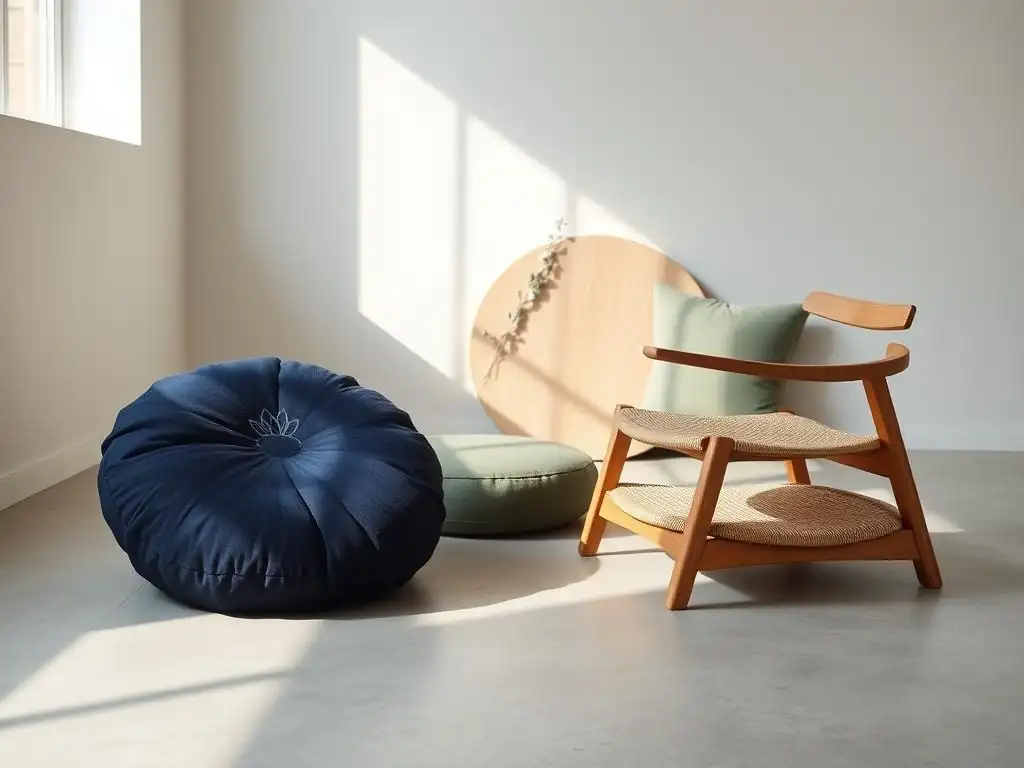
Online Retailers: Exploring a Wide Range of Options and Reviews
Online retailers offer an extensive selection of meditation cushions and chairs, providing unparalleled variety in terms of styles, materials, sizes, and price points. Large e-commerce platforms feature products from numerous brands, allowing you to compare features and read customer reviews. These reviews often provide valuable insights into the real-world performance and durability of a product, such as how well a cushion holds its shape over time or the comfort level of a specific chair model during longer sessions. Shopping online offers the convenience of browsing from home and having the item delivered directly to you.
While the selection is vast, the downside is the inability to physically test the seat before purchasing. To mitigate this, pay close attention to product descriptions, dimensions, and customer feedback, particularly comments regarding firmness, height, and suitability for different body types or sitting styles. Many reputable online retailers offer return policies, which can provide peace of mind if the seat doesn't meet your expectations. Exploring online options is an excellent way to research the market and find competitive pricing on the mindful seating that best suits your needs.
Specialty Meditation Shops: Expert Guidance and Curated Selections
Specialty meditation shops, whether physical brick-and-mortar stores or dedicated online stores focusing solely on meditation supplies, offer a more curated selection and often provide expert guidance. In a physical store, you have the invaluable opportunity to sit on different cushions and chairs, feeling the material, testing the height and firmness, and assessing how well the seat supports your posture. This hands-on experience can be crucial in making the right choice, as comfort is highly subjective.
Specialty shops often employ staff who are knowledgeable about meditation practices and the specific features of their products. They can offer personalized recommendations based on your height, flexibility, preferred sitting position, and any physical considerations like knee or back issues. While prices at specialty shops might sometimes be slightly higher than large online marketplaces, the benefit of expert advice and the ability to try before you buy can be well worth the investment, ensuring you select mindful seating that truly enhances your practice.
Comparing Prices and Warranties: Making an Informed Purchase Decision
Once you've identified a few potential options for your mindful seat, comparing prices and understanding the warranty terms is the final step in making an informed purchase decision. Prices for meditation cushions can range from approximately $30 to over $100, depending on size, materials, and brand, while meditation chairs can cost anywhere from $50 to several hundred dollars. Look for sales or discounts, but be wary of unusually low prices that might indicate poor quality materials or construction.
Check the warranty offered by the manufacturer or retailer. A good warranty (e.g., 1-2 years or more) suggests that the company stands behind the durability of their product. Understand what the warranty covers (e.g., defects in materials or workmanship) and the process for making a claim. Comparing prices across different vendors for the exact same product can help you find the best deal. By considering cost relative to quality and warranty, you can make a confident investment in a mindful seat that will support your practice for years to come, maximizing the long-term mindful seating practices benefits.
Enhancing Your Meditation Practice: Complementary Products and Services
Guided Meditation Apps: Deepening Your Practice with Expert Instruction
Guided meditation apps are digital platforms that offer a wide variety of guided meditations, often led by experienced teachers. These apps can be incredibly helpful for structuring your practice, learning different techniques, and staying motivated. When used in conjunction with comfortable mindful seating, guided apps allow you to fully immerse yourself in the instructions without the distraction of physical discomfort.
The combination of expert guidance and a supportive posture creates an optimal environment for cultivating focus, relaxation, and self-awareness. Many apps offer specialized sessions for stress reduction, sleep, or focus, allowing you to tailor your practice to your specific needs while seated comfortably.
Meditation Music and Soundscapes: Creating a Relaxing and Immersive Atmosphere
Incorporating meditation music or nature soundscapes can significantly enhance the ambiance of your meditation space and deepen your relaxation. Gentle instrumental music, ambient tones, or sounds like rain or ocean waves can help to mask distracting background noises and create a soothing auditory environment. When you are settled comfortably on your mindful seat, these sounds can facilitate a sense of calm and immersion, making it easier to drop into a meditative state. While not essential, using sound can be a pleasant addition that supports your practice and helps you unwind more effectively after settling into your supportive posture.
Essential Oils and Aromatherapy: Promoting Relaxation and Focus
Aromatherapy using essential oils can engage the sense of smell to further enhance your meditation practice and promote desired states like relaxation or focus. Certain scents, such as lavender, are known for their calming properties, while others like peppermint or citrus can be uplifting and aid concentration.
Using a diffuser or applying a diluted oil to pulse points before settling into your mindful seat can help set the mood and create a sensory anchor for your practice. The consistent use of a particular scent with your meditation can condition your mind to associate that aroma with a state of calm and presence, making it easier to transition into meditation when you sit down.
Conclusion: Elevate Your Meditation Experience with Mindful Seating
Prioritizing Comfort and Support for Enhanced Mental Well-being
Prioritizing comfort and support in your meditation practice by using appropriate mindful seating is a crucial step towards unlocking its full potential for enhanced mental well-being. Physical ease is not a luxury but a necessity that allows the mind to settle, focus, and delve into deeper states of awareness.
Whether you choose a traditional cushion that elevates your hips or a chair that provides essential back support, finding a seat that enables you to sit upright yet relaxed minimizes distractions and maximizes your ability to engage fully with the practice. This foundational comfort allows you to cultivate greater calm, clarity, and resilience, directly contributing to improved emotional regulation and reduced stress.
Embracing the Benefits of Mindful Seating Practices.
Embracing the benefits of mindful seating practices means recognizing that the physical aspect of meditation is intrinsically linked to the mental and emotional outcomes. By investing in a comfortable and supportive seat, you are investing in the consistency and quality of your practice. Proper seating facilitates healthy posture, reduces pain, and allows for longer, more focused sessions.
These tangible physical benefits translate into profound psychological advantages, including enhanced concentration, reduced anxiety, and a deeper connection with yourself. Choosing the right mindful seat is a simple yet powerful way to elevate your meditation experience and more fully realize the transformative mindful seating practices benefits for your overall mental well-being.
Frequently Asked Questions
How does mindful seating directly impact my meditation practice?
Mindful seating impacts your meditation practice by influencing your posture, comfort, and stability. These factors directly affect your ability to focus and achieve a deeper state of awareness.
What are the benefits of adopting specific mindful seating practices?
Specific mindful seating practices can lead to reduced physical discomfort, improved concentration, and a greater sense of presence during meditation or other activities.
What types of cushions or chairs are recommended for optimal mindful seating?
Recommendations vary, but generally, cushions that allow for a comfortable upright posture with a stable base are ideal. Chairs with good back support and adjustable features are also suitable.
Are there any mindful seating practices that can be adapted for people with physical limitations?
Yes, modifying mindful seating is crucial. Using chairs with armrests, incorporating props for support, or even practicing in a reclined position can make it accessible for everyone.
How can I integrate mindful seating into my daily life beyond formal meditation?
You can integrate mindful seating by paying attention to your posture and body awareness while working, eating, or even commuting. Focusing on alignment and comfort promotes overall well-being.
Final Reflection: Finding Stillness in the Everyday
The way we sit profoundly impacts not only our physical well-being but also the quality of our inner experience. Our posture, our support, even the material of our seat – these seemingly insignificant details hold the key to unlocking deeper levels of presence and focus during meditation and mindfulness practices. This seemingly simple act of choosing a mindful seat is a powerful gateway to a more grounded and peaceful life.
The exploration of mindful seating practices has illuminated for me the intricate connection between our physical body and our mental state. It's a subtle yet pervasive influence, shaping our ability to cultivate stillness and awareness. As Thich Nhat Hanh wisely said, We are our body. If we don't take care of our body, we cannot take care of our mind.
This understanding extends beyond formal meditation; it informs how we approach our daily lives, encouraging us to be more conscious of our posture, our comfort, and the subtle ways our physical environment shapes our inner world.
Consider the impact of your own seating choices. Do you slump in discomfort, hindering your ability to focus? Or do you find a supportive posture that allows your breath to deepen and your mind to settle?
I invite you to experiment with different seating options, paying attention to the sensations in your body and the quality of your attention. Notice how a change in posture can shift your mood and your capacity for presence. By cultivating mindful seating practices, you are not just improving your meditation; you are cultivating a deeper awareness of yourself and your relationship with the world around you, one mindful breath, one mindful seat at a time.
Unleash Your Inner Calm: Take Control of Your Practice Space
Thanks for taking the time to explore the importance of mindful seating! We hope you gained valuable insights into how your physical environment can enhance your meditation practice. Now it's time to put that knowledge into action.
- Transform your space: Choose a cushion or chair that truly supports your body and mind. Experiment with different options to find the perfect fit for your comfort and posture.
- Share your discoveries: Tell us about your ideal meditation setup! Share your experiences and tips in the comments below – let's build a supportive community together.
- Deepen your practice: Schedule 5 extra minutes today for a more comfortable, focused session.
Ready to elevate your meditation practice by creating a truly calming and supportive environment?