
The AntiAnxiety Kitchen: Stocking Up for Inner Peace

Welcome to Mind Care Guide, a sanctuary for your mental well-being.
Feeling overwhelmed by anxiety? You're not alone. Dive into our latest article, "The AntiAnxiety Kitchen: Stocking Up for Inner Peace," where we unlock the power of food to naturally ease your anxious mind. Discover the surprising ways certain foods reduce anxiety symptoms, and begin your journey towards a calmer, more centered you. Intrigued? Let's explore the path to inner peace, one delicious bite at a time...
The Anti-Anxiety Kitchen: Stocking Up for Inner Peace
- Introduction: Nourishing Calm - How Food Impacts Anxiety
- Understanding the Link Between Diet and Anxiety Symptoms
- Must-Have Foods to Reduce Anxiety Symptoms: Your Anti-Anxiety Shopping List
- Creating Anti-Anxiety Meals: Simple Recipes and Meal Planning
- Lifestyle Factors to Enhance the Anti-Anxiety Kitchen's Benefits
- Beyond Food: Addressing Underlying Causes of Anxiety
- Conclusion: Building a Foundation for Inner Peace Through Nutrition
-
Frequently Asked Questions
- What are some foods that reduce anxiety symptoms according to the article?
- How can I use diet to specifically combat anxiety symptoms?
- Does the article mention any specific beverages that can help with anxiety?
- What nutrients are especially helpful in reducing anxiety symptoms, as mentioned in the article?
- How quickly can I expect to see results by incorporating these anti-anxiety foods into my diet?
- Final Reflection: Nourishing the Mind, One Meal at a Time
- Unlock Your Calming Kitchen: Start Cooking Your Way to Peace
Introduction: Nourishing Calm - How Food Impacts Anxiety
In our journey towards inner peace and mental well-being, the food we consume plays a far more significant role than many realize. The connection between diet and mood is intricate and deeply rooted in our physiology. What we eat can influence brain chemistry, inflammation levels, and even the delicate balance of our gut microbiome, all of which have profound implications for our mental state, including the experience of anxiety symptoms.
Building an anti-anxiety kitchen isn't about restrictive diets or miracle foods; it's about making informed choices that support your body's natural ability to regulate stress and promote calm. By stocking your pantry and refrigerator with nutrient-dense foods known to positively impact brain health, you create a foundation for reducing anxiety symptoms and fostering a sense of tranquility from the inside out. This guide will explore specific foods reduce anxiety symptoms and how to incorporate them into your daily life.
Understanding the Link Between Diet and Anxiety Symptoms
The relationship between what you eat and how you feel emotionally is increasingly supported by scientific evidence. Research suggests that dietary patterns rich in processed foods, sugar, and unhealthy fats can exacerbate inflammation and negatively affect brain function, potentially worsening anxiety. Conversely, a diet focused on whole, unprocessed foods provides the essential building blocks for neurotransmitter synthesis and supports overall neurological health, which can help mitigate anxiety symptoms.
This section delves into the fundamental biological pathways that connect your plate to your mental state. Understanding these mechanisms empowers you to make dietary choices that actively support your well-being and contribute to reducing anxiety symptoms through nutrition. It's about recognizing that your diet isn't just fuel for your body; it's nourishment for your mind too.
The Gut-Brain Connection: A Key to Anxiety Reduction
The gut-brain axis is a complex communication network linking the central nervous system (brain) and the enteric nervous system (gut). Billions of bacteria and other microorganisms reside in your gut, forming the gut microbiome. This microbiome plays a crucial role in producing neurotransmitters like serotonin, often called the "feel-good" hormone, a significant portion of which is produced in the gut. An imbalance in the gut microbiome, known as dysbiosis, can disrupt this communication pathway and impact mood and anxiety levels.
Studies have shown that individuals with anxiety often have different gut microbiome compositions compared to those without anxiety. For example, certain beneficial bacteria strains are associated with lower anxiety scores. Maintaining a diverse and healthy gut microbiome through diet, particularly by consuming foods rich in probiotics and prebiotics, can positively influence this axis, potentially leading to a reduction in anxiety symptoms and promoting a calmer state of mind.
Nutrient Deficiencies and Their Impact on Mental Health
Specific micronutrient deficiencies have been linked to an increased risk or severity of anxiety and depression. Vitamins like B vitamins (especially B1, B6, B9 - folate, and B12), vitamin D, and minerals such as magnesium, zinc, and selenium are vital for neurotransmitter synthesis, nerve function, and overall brain health. A lack of these essential nutrients can impair these processes, contributing to feelings of anxiety and stress.
For instance, magnesium is involved in hundreds of biochemical reactions in the body, including those related to stress response and neurotransmitter function. A significant portion of the population may not consume adequate magnesium, and deficiency has been associated with increased anxiety. Similarly, low levels of B vitamins can affect the production of serotonin, dopamine, and norepinephrine, neurotransmitters critical for mood regulation. Ensuring adequate intake of these nutrients through diet is a fundamental step in supporting mental resilience and reducing anxiety symptoms.
Must-Have Foods to Reduce Anxiety Symptoms: Your Anti-Anxiety Shopping List
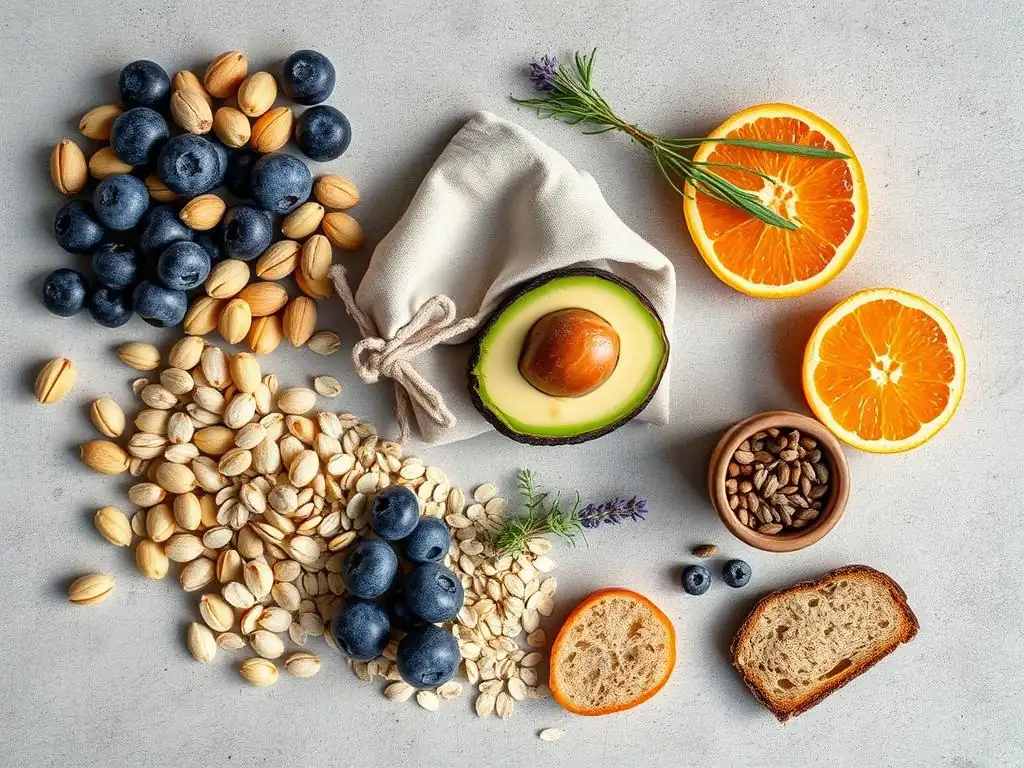
Filling your kitchen with specific foods can be a proactive step in managing anxiety. These items are chosen for their rich nutrient profiles known to support brain health, regulate stress hormones, and promote a balanced mood. Think of this list as your blueprint for stocking an anti-anxiety kitchen, focusing on ingredients that are both delicious and beneficial for your mental well-being.
Incorporating these foods into your regular meals is an accessible way to leverage the power of nutrition for inner peace. While no single food is a magic cure, the cumulative effect of a diet rich in these nutrients can make a noticeable difference in how you feel, helping to calm the nervous system and reduce the intensity of anxiety symptoms over time.
Leafy Greens: Nature's Antidepressants
Leafy green vegetables are nutritional powerhouses, packed with vitamins, minerals, and antioxidants that are essential for brain health. Their high concentration of nutrients like folate and magnesium makes them particularly valuable allies in the fight against anxiety. These greens provide the raw materials needed for critical brain functions, including neurotransmitter synthesis and stress response regulation.
Regular consumption of leafy greens has been associated with improved mood and cognitive function in studies. For example, a study involving older adults found that those who ate approximately one serving of leafy greens per day showed a slower rate of cognitive decline compared to those who rarely ate them, highlighting their protective effects on the brain. Including a variety of greens in your diet is a simple yet effective strategy for supporting mental resilience and potentially reducing anxiety symptoms.
Spinach and Anxiety Relief: The Magnesium Connection
Spinach is an excellent source of magnesium, a mineral often referred to as "nature's tranquilizer" due to its calming effects on the nervous system. Magnesium plays a role in regulating neurotransmitters that send messages throughout the brain and body, including gamma-aminobutyric acid (GABA), an inhibitory neurotransmitter that helps calm nerve activity and reduce anxiety.
A single cup of cooked spinach can provide a significant portion of your daily magnesium needs, often around 150-160 mg, which is roughly 40% of the recommended daily intake for adults. Ensuring adequate magnesium intake through foods like spinach can help counteract the effects of stress and promote relaxation, contributing to a reduction in anxiety symptoms.
Kale and Anxiety: Folate's Role in Mood Regulation
Kale is another nutrient-dense leafy green that stands out for its high folate content. Folate, also known as vitamin B9, is essential for the synthesis of neurotransmitters like serotonin, dopamine, and norepinephrine, all of which play crucial roles in mood regulation. Low levels of folate have been linked to depression and may also contribute to anxiety.
Including kale in your diet provides a good source of this vital nutrient. A cup of cooked kale can offer around 30-40 micrograms of folate, contributing meaningfully to your daily needs (adults typically need 400 mcg per day). By supporting healthy neurotransmitter production, folate from foods like kale helps maintain emotional balance and can be a helpful dietary component for managing anxiety symptoms.
Fatty Fish: Omega-3s for a Calmer Mind
Fatty fish, such as salmon, mackerel, sardines, and trout, are renowned for their high levels of omega-3 fatty acids, particularly EPA (eicosapentaenoic acid) and DHA (docosahexaenoic acid). These essential fats are critical components of brain cell membranes and play a significant role in brain structure and function. Omega-3s have potent anti-inflammatory properties and can influence neurotransmitter pathways, making them key players in mental health.
Research consistently shows an association between higher intake of omega-3 fatty acids and lower rates of anxiety and depression. These beneficial fats are thought to help regulate stress hormones like cortisol and adrenaline, and they support the health of the hippocampus, a brain region involved in memory and emotional regulation. Aiming for two servings of fatty fish per week is a dietary strategy strongly supported by evidence for its benefits on mood and reducing anxiety symptoms.
Salmon and Anxiety: EPA and DHA Benefits
Salmon is one of the most popular sources of EPA and DHA omega-3s. These specific fatty acids are particularly effective because they can cross the blood-brain barrier and exert their effects directly on brain cells. EPA, in particular, has been studied for its mood-boosting and anti-inflammatory effects, while DHA is crucial for brain structure and development.
A standard 3-ounce serving of cooked wild salmon can contain between 1.5 to 2 grams of combined EPA and DHA. Regular consumption has been shown to reduce anxiety scores in various studies, including those involving medical students under stress. Incorporating salmon into your diet provides a direct infusion of these critical nutrients that support a calmer, more resilient mind and help combat anxiety symptoms.
Sardines: Another Omega-3 Rich Option for Anxiety Management
Often overlooked, sardines are a nutritional powerhouse and an incredibly sustainable source of omega-3 fatty acids. Like salmon, they provide substantial amounts of both EPA and DHA. Sardines also offer the added benefits of being high in vitamin D and calcium, further contributing to overall health.
A small can of sardines (about 3.75 ounces) can provide around 1.5 grams of combined EPA and DHA, comparable to or even exceeding the amount found in some salmon servings. Their small size and position lower on the food chain also mean they tend to have lower levels of mercury compared to larger predatory fish. Adding sardines to salads, pasta, or eating them straight from the can is an easy and cost-effective way to boost your omega-3 intake and support your efforts to reduce anxiety symptoms.
Nuts and Seeds: Small Bites, Big Anxiety Relief
Nuts and seeds are nutritional powerhouses packed with healthy fats, protein, fiber, vitamins, and minerals. Many varieties contain nutrients known to be particularly beneficial for mental health, including magnesium, zinc, selenium, and vitamin E. Their diverse nutrient profiles make them excellent snacks or additions to meals for supporting overall well-being and potentially reducing anxiety symptoms.
Incorporating a handful of nuts or seeds into your daily routine provides a steady supply of energy and essential nutrients that support brain function and stress response. Their healthy fats and protein help stabilize blood sugar levels, preventing the dips and spikes that can sometimes trigger or worsen anxiety. Choosing unsalted, raw, or dry-roasted options is best to maximize their health benefits.
Almonds and Anxiety: Vitamin E and Healthy Fats
Almonds are a great source of vitamin E, an antioxidant that helps protect brain cells from oxidative stress. They also contain healthy monounsaturated fats and magnesium, both of which contribute to brain health and stress reduction. Vitamin E's antioxidant properties are particularly important for maintaining cognitive function and may play a role in protecting against mood disorders.
A quarter-cup serving of almonds provides about 7-8 milligrams of vitamin E, roughly half of the daily recommended intake for adults. Along with healthy fats that support brain cell structure, the magnesium in almonds (around 75-80 mg per quarter cup) further contributes to their potential anxiety-reducing effects by promoting relaxation and regulating stress hormones.
Pumpkin Seeds and Anxiety: A Zinc Boost
Pumpkin seeds are notable for their high zinc content. Zinc is a mineral crucial for neurological function and plays a role in regulating stress response pathways. Low levels of zinc have been associated with increased anxiety and depression in some studies. Zinc is also involved in neurotransmitter function and maintaining the health of the gut lining, which ties back to the gut-brain connection.
Just a quarter cup of pumpkin seeds can provide over 2 milligrams of zinc, contributing significantly to the daily recommended intake (typically 8-11 mg for adults). They are also a good source of magnesium and healthy fats. Snacking on pumpkin seeds or adding them to salads and yogurt is an easy way to boost your zinc levels and support your body's ability to manage stress and reduce anxiety symptoms.
Berries: Antioxidants for Stress Reduction
Berries are bursting with antioxidants, particularly flavonoids, which are plant compounds known for their powerful anti-inflammatory and neuroprotective effects. Chronic inflammation in the body and brain has been linked to various mental health conditions, including anxiety. By combating oxidative stress and inflammation, the antioxidants in berries help create a healthier environment for brain cells.
Studies have shown that diets high in antioxidants are associated with lower rates of anxiety and depression. The vibrant colors of berries are a visual indicator of their rich antioxidant content. Regular consumption of a variety of berries can help protect brain cells from damage, support cognitive function, and contribute to a more stable and positive mood, aiding in the reduction of anxiety symptoms.
Blueberries and Anxiety: Flavonoids and Brain Health
Blueberries are often hailed as a superfood, largely due to their exceptionally high levels of anthocyanins, a type of flavonoid responsible for their deep blue color. These powerful antioxidants have been shown to cross the blood-brain barrier and accumulate in areas of the brain important for learning and memory. Beyond cognitive benefits, these flavonoids also exert anti-inflammatory effects that are relevant to mental health.
Research suggests that the flavonoids in blueberries can influence signaling pathways related to mood and stress response. Some studies indicate that regular blueberry consumption can lead to improvements in mood and a reduction in anxiety-like behavior. Including a cup of blueberries in your daily routine, whether in smoothies, yogurt, or just as a snack, provides a delicious way to nourish your brain and help manage anxiety symptoms.
Strawberries and Anxiety: Vitamin C and Cortisol Regulation
Strawberries are an excellent source of vitamin C, another potent antioxidant with significant benefits for mental health. Vitamin C plays a role in protecting the nervous system and is involved in the synthesis of neurotransmitters. Importantly, vitamin C has been shown to help regulate cortisol, the primary stress hormone. Chronic stress can lead to elevated cortisol levels, which can exacerbate anxiety.
Consuming foods high in vitamin C, like strawberries, can help buffer the effects of stress by supporting the adrenal glands and potentially lowering circulating cortisol levels. A cup of strawberries provides well over the daily recommended intake of vitamin C (around 90 mg for adults). Enjoying strawberries regularly can be a simple, tasty strategy to support your body's stress response and contribute to reducing anxiety symptoms.
Probiotic-Rich Foods: Cultivating a Healthy Gut for Reduced Anxiety
Given the critical role of the gut-brain connection, incorporating probiotic-rich foods into your diet is a direct way to support a healthy gut microbiome, which in turn can have a positive impact on anxiety levels. Probiotics are live microorganisms that, when consumed in adequate amounts, confer a health benefit to the host, primarily by improving the balance of gut bacteria.
A balanced gut microbiome is associated with better mental health outcomes. Probiotics can influence the production of neurotransmitters in the gut, reduce inflammation, and modulate the stress response axis. Including probiotic-rich foods like yogurt with live active cultures, kefir, sauerkraut, kimchi, and kombucha in your diet is a practical approach to nurturing your gut health and supporting a calmer mind, helping to reduce anxiety symptoms.
Yogurt and Anxiety: The Benefits of Live Cultures
Yogurt containing live and active cultures is one of the most accessible sources of probiotics. These beneficial bacteria, such as Lactobacillus and Bifidobacterium strains, can help restore balance to the gut microbiome. Research on the gut-brain axis suggests that these friendly bacteria can send signals to the brain that influence mood and behavior.
Several studies, including those in humans, have explored the effects of probiotic yogurt consumption on anxiety. Some findings indicate that regular intake of certain probiotic strains found in yogurt can lead to reduced anxiety and stress levels. Look for yogurts specifically labeled as containing "live and active cultures" to ensure you are getting the beneficial bacteria.
Kimchi and Anxiety Reduction
Kimchi, a traditional Korean fermented cabbage dish, is another excellent source of probiotics. The fermentation process creates a rich environment for beneficial bacteria to flourish. Beyond probiotics, kimchi also contains fiber, vitamins, and antioxidants, contributing to overall health.
Emerging research suggests that consuming fermented foods like kimchi may be associated with lower social anxiety. While more studies are needed, the high concentration of probiotics and other nutrients in kimchi supports gut health, which, through the gut-brain axis, is linked to improved mood and reduced anxiety symptoms. Incorporating fermented foods like kimchi into your diet adds diversity to your gut microbiome and supports your mental well-being.
Whole Grains: Steady Energy, Stable Mood
Whole grains are complex carbohydrates that are digested slowly, providing a steady release of glucose into the bloodstream. This stable energy supply is crucial for maintaining consistent mood levels and preventing the blood sugar crashes that can sometimes trigger feelings of irritability or anxiety. Unlike refined grains, whole grains retain their bran, germ, and endosperm, which contain fiber, vitamins, and minerals important for overall health, including mental well-being.
The fiber content in whole grains also supports a healthy gut microbiome by acting as a prebiotic, feeding the beneficial bacteria. Furthermore, many whole grains are good sources of B vitamins, which are essential for nerve function and neurotransmitter production. Choosing whole grain options like oats, quinoa, brown rice, and whole wheat bread over refined grains can contribute to more stable energy levels and a calmer mental state, helping to reduce anxiety symptoms.
Oatmeal and Anxiety: Slow-Releasing Carbohydrates
Oatmeal, particularly made from rolled or steel-cut oats, is a classic example of a slow-releasing carbohydrate. Eating oatmeal for breakfast or as a snack provides sustained energy throughout the morning, preventing the energy slumps and associated mood swings that can occur after consuming sugary or refined breakfast foods.
The soluble fiber in oats, beta-glucan, also has benefits for gut health and can help regulate blood sugar. Furthermore, oats contain some magnesium and B vitamins. Starting your day with a bowl of oatmeal can help lay a foundation for stable energy and mood, contributing to a reduction in anxiety symptoms by avoiding blood sugar volatility.
Quinoa and Anxiety: A Complete Protein Source
Quinoa is a pseudocereal that is a complete protein, meaning it contains all nine essential amino acids. It is also a good source of complex carbohydrates, fiber, magnesium, and B vitamins. Its unique combination of protein and complex carbs provides sustained energy and supports satiety, helping to manage appetite and prevent mood fluctuations related to hunger or unstable blood sugar.
The magnesium and B vitamins in quinoa further contribute to its potential anxiety-reducing effects by supporting nerve function and neurotransmitter synthesis. Incorporating quinoa into salads, bowls, or using it as a side dish offers a nutrient-dense option that supports both physical energy and mental calm, acting as a valuable food to reduce anxiety symptoms.
Creating Anti-Anxiety Meals: Simple Recipes and Meal Planning
Stocking your kitchen is the first step; transforming those ingredients into nourishing meals is the next. Creating meals focused on anti-anxiety foods doesn't have to be complicated. Simple, whole-food-based recipes can be both delicious and beneficial for your mental health. The key is to combine different anxiety-reducing ingredients to maximize their synergistic effects and ensure you're getting a wide range of nutrients.
Meal planning also plays a crucial role. Having healthy options readily available reduces the likelihood of reaching for processed or sugary foods when feeling stressed or anxious. Preparing meals or snacks in advance saves time and mental energy, making it easier to stick to a diet that supports your well-being and actively works to reduce anxiety symptoms.
Lemon Herb Baked Salmon with Asparagus
This simple recipe combines omega-3 rich salmon with nutrient-packed asparagus and fresh herbs, creating a balanced and anxiety-friendly meal. Salmon provides essential fatty acids for brain health, while asparagus is a good source of folate and fiber. The fresh herbs add flavor and antioxidants.
Ingredients:
- 2 salmon fillets (about 4-6 oz each)
- 1 bunch asparagus, trimmed
- 1 lemon, sliced
- 2 tbsp olive oil
- 1 tbsp fresh dill, chopped
- 1 tbsp fresh parsley, chopped
- Salt and black pepper to taste
Instructions:
1. Preheat oven to 400°F (200°C).
2. Arrange asparagus spears on a baking sheet. Drizzle with half the olive oil, salt, and pepper. Toss to coat.
3. Place salmon fillets on the same baking sheet or a separate one. Drizzle with remaining olive oil, salt, and pepper.
4. Top each salmon fillet with lemon slices and sprinkle with fresh dill and parsley.
5. Bake for 12-18 minutes, or until salmon is cooked through and flakes easily with a fork and asparagus is tender-crisp.
6. Serve immediately.
Turmeric Chickpea Curry with Brown Rice
This warming curry combines plant-based protein from chickpeas with the anti-inflammatory power of turmeric and the steady energy of brown rice. Chickpeas are a good source of B vitamins and magnesium, while turmeric contains curcumin, a compound studied for its potential benefits on mood and inflammation. Brown rice provides complex carbohydrates and fiber.
Ingredients:
- 1 tbsp coconut oil
- 1 onion, chopped
- 2 cloves garlic, minced
- 1 inch fresh ginger, grated
- 1 tsp ground turmeric
- 1/2 tsp ground cumin
- 1/4 tsp chili powder (optional)
- 1 can (15 oz) chickpeas, rinsed and drained
- 1 can (13.5 oz) full-fat coconut milk
- 1/2 cup vegetable broth
- 1 cup spinach, fresh or frozen
- Salt and pepper to taste
- Cooked brown rice, for serving
Instructions:
1. Heat coconut oil in a large pot or pan over medium heat. Add onion and cook until softened, about 5 minutes.
2. Add garlic and ginger, cook for 1 minute until fragrant.
3. Stir in turmeric, cumin, and chili powder (if using). Cook for 30 seconds, stirring constantly.
4. Add chickpeas, coconut milk, and vegetable broth. Bring to a simmer, then reduce heat and let it gently bubble for 10-15 minutes, allowing flavors to meld.
5. Stir in spinach and cook until wilted. Season with salt and pepper to taste.
6. Serve hot over cooked brown rice.
Meal Planning Tips for Anxiety Management
Effective meal planning can significantly reduce stress related to food choices and ensure consistent intake of anxiety-reducing nutrients. It involves thinking ahead about your meals and snacks for the week, making shopping lists, and potentially doing some prep work in advance. This strategy removes guesswork during busy or stressful times and ensures you always have healthy options available.
Consider the following tips to make meal planning work for your anti-anxiety kitchen:
- [ ] Choose 1-2 new recipes per week: This keeps things interesting without being overwhelming. Focus on recipes incorporating foods reduce anxiety symptoms.
- [ ] Batch cook staples: Cook a large batch of brown rice, quinoa, or roasted vegetables at the beginning of the week to easily add to meals.
- [ ] Prepare snacks: Portion out nuts, seeds, or berries into small containers for grab-and-go options.
- [ ] Plan for leftovers: Cook larger dinners that can serve as lunch the next day.
- [ ] Keep it flexible: Have a few backup options or simple meals planned for days when time or energy is limited.
Lifestyle Factors to Enhance the Anti-Anxiety Kitchen's Benefits
While nutrition is a powerful tool for managing anxiety, it's most effective when combined with other healthy lifestyle practices. Think of your anti-anxiety kitchen as one cornerstone of a broader approach to mental wellness. Factors like hydration, physical activity, and stress management techniques work synergistically with a nutrient-rich diet to create a robust defense against anxiety symptoms.
Integrating these lifestyle elements amplifies the benefits you gain from focusing on foods reduce anxiety symptoms. They help regulate stress hormones, improve mood, enhance sleep quality, and support overall physical and mental resilience. Addressing these areas holistically provides a more comprehensive and sustainable path towards inner peace and reduced anxiety.
Hydration and Anxiety: The Importance of Drinking Water
Dehydration, even mild, can negatively impact mood, concentration, and energy levels, potentially exacerbating feelings of anxiety. Water is essential for countless bodily functions, including those related to brain health and stress response. When the body is dehydrated, it can trigger the release of cortisol, the stress hormone, and impair cognitive function.
Ensuring adequate hydration throughout the day is a simple yet crucial step in supporting your mental well-being. While individual needs vary, a general guideline is to aim for around 8 glasses (about 2 liters) of water per day, adjusting based on activity level, climate, and other factors. Keeping a water bottle handy and sipping throughout the day can make a significant difference in maintaining stable energy and mood, helping to keep anxiety symptoms in check.
Regular Exercise: Complementing Your Diet for Optimal Mental Health
Physical activity is a well-documented stress reliever and mood booster. Exercise triggers the release of endorphins, natural mood elevators, and can help reduce levels of stress hormones like cortisol. Engaging in regular physical activity also improves sleep quality and can provide a healthy distraction from anxious thoughts.
Combining a diet focused on foods reduce anxiety symptoms with regular exercise creates a powerful synergy. The nutrients from your food provide the energy and building blocks your body needs for activity and recovery, while exercise enhances circulation and oxygen flow to the brain, further supporting cognitive function and emotional regulation. Aim for at least 150 minutes of moderate-intensity aerobic activity or 75 minutes of vigorous-intensity activity per week, plus muscle-strengthening activities twice a week.
Stress Management Techniques: Mindfulness and Meditation
Diet and exercise address the physiological aspects of anxiety, but managing stress directly through practices like mindfulness and meditation is equally important. These techniques help train your mind to respond to stressful situations more calmly and can reduce the frequency and intensity of anxious thoughts. Mindfulness involves paying attention to the present moment without judgment, while meditation often involves focused attention or open awareness.
Regular practice of mindfulness or meditation can lower cortisol levels, reduce blood pressure, and alter brain structure in ways that promote calmness and emotional resilience. Integrating a few minutes of mindfulness or meditation into your daily routine, alongside your anti-anxiety diet, provides essential tools for navigating stress and cultivating a sense of inner peace, complementing the benefits of the foods reduce anxiety symptoms you're consuming.
Beyond Food: Addressing Underlying Causes of Anxiety
While dietary changes and lifestyle adjustments can significantly help manage anxiety symptoms, it's important to recognize that anxiety can have complex underlying causes. For some individuals, anxiety may stem from genetic predisposition, past trauma, medical conditions, or other factors that require professional intervention. Relying solely on diet might not be sufficient in these cases.
Viewing nutrition as a foundational support rather than a complete solution is key. It empowers you to take proactive steps in managing your well-being while remaining open to seeking additional support when needed. Understanding when and how to seek professional help is a sign of strength and an essential part of a comprehensive approach to overcoming anxiety.
When to Seek Professional Help for Anxiety
If your anxiety symptoms are persistent, significantly interfere with your daily life (work, relationships, social activities), or feel overwhelming despite self-help efforts like dietary changes and lifestyle adjustments, it may be time to seek professional help. This could include feelings of excessive worry most days of the week for several months, panic attacks, avoidance of situations due to fear, or physical symptoms like rapid heartbeat, sweating, or trembling that are distressing.
Mental health professionals, such as therapists, counselors, psychologists, or psychiatrists, are trained to diagnose and treat anxiety disorders. They can provide evidence-based therapies, such as Cognitive Behavioral Therapy (CBT) or Exposure Therapy, which are highly effective in addressing the root causes and learned patterns associated with anxiety. Reaching out is a courageous step towards finding more comprehensive support.
The Role of Therapy and Medication in Anxiety Treatment
Therapy is often considered a first-line treatment for anxiety disorders. CBT, for example, helps individuals identify and challenge negative thought patterns and behaviors that contribute to anxiety. Other therapies, like Acceptance and Commitment Therapy (ACT) or Dialectical Behavior Therapy (DBT), can also be beneficial. Therapy provides tools and strategies to cope with anxiety in healthy ways and build resilience.
In some cases, medication may be prescribed by a psychiatrist or other medical doctor, either alone or in combination with therapy, particularly for severe or debilitating anxiety. Medications like selective serotonin reuptake inhibitors (SSRIs), serotonin-norepinephrine reuptake inhibitors (SNRIs), or in some situations, benzodiazepines (usually for short-term use), can help regulate brain chemistry and reduce the intensity of symptoms. A healthcare professional can help determine if medication is appropriate for your specific situation and discuss potential benefits and side effects.
Conclusion: Building a Foundation for Inner Peace Through Nutrition
Embarking on the journey of stocking an anti-anxiety kitchen is a powerful act of self-care. By prioritizing foods reduce anxiety symptoms – those rich in omega-3s, magnesium, B vitamins, antioxidants, and probiotics – you are actively nourishing your brain and supporting your body's natural ability to manage stress and promote calm. This dietary approach, focused on whole, nutrient-dense foods, lays a vital foundation for enhancing your mental well-being from the inside out.
Remember that building inner peace is a holistic process. While the foods reduce anxiety symptoms discussed here are incredibly beneficial, their impact is maximized when integrated into a lifestyle that also includes adequate hydration, regular physical activity, effective stress management techniques, and, when necessary, professional support. By making conscious choices about what you eat and how you live, you cultivate resilience, reduce the burden of anxiety, and move towards a state of greater tranquility and balance. Your anti-anxiety kitchen is more than just a pantry; it's a toolkit for nurturing your mind and finding your inner peace.
Frequently Asked Questions
What are some foods that reduce anxiety symptoms according to the article?
The article suggests incorporating foods rich in magnesium, omega-3 fatty acids, and antioxidants. Examples include leafy greens, fatty fish, and berries which can help manage anxiety.
How can I use diet to specifically combat anxiety symptoms?
Focus on a balanced diet including whole foods, lean proteins, and plenty of fruits and vegetables. Limiting processed foods, sugar, and caffeine can also significantly reduce anxiety.
Does the article mention any specific beverages that can help with anxiety?
Yes, the article recommends herbal teas like chamomile and green tea, known for their calming effects. Staying hydrated with water is also crucial for overall well-being.
What nutrients are especially helpful in reducing anxiety symptoms, as mentioned in the article?
The article highlights the importance of magnesium for regulating mood, vitamin D for its role in brain function, and probiotics for gut health, which is linked to mental well-being.
How quickly can I expect to see results by incorporating these anti-anxiety foods into my diet?
While results vary, incorporating these foods consistently over several weeks or months may lead to a noticeable reduction in anxiety symptoms. Remember, diet is one piece of the puzzle for mental well-being.
Final Reflection: Nourishing the Mind, One Meal at a Time
The connection between what we eat and how we feel is undeniable, and in today's fast-paced, anxiety-ridden world, understanding this link is more crucial than ever. The Anti-Anxiety Kitchen isn't just about swapping out ingredients; it's about cultivating a mindful relationship with food, recognizing its power to soothe our nervous systems and bolster our mental well-being. This isn't a quick fix, but a sustainable path towards a calmer, more resilient self.
The impact of food on our mental health is a conversation that's finally gaining the attention it deserves. For too long, the focus has been solely on medication and therapy, neglecting the profound influence of nutrition. You are what you eat
is more than just a cliché; it's a fundamental truth that shapes our physical and mental states. This article has hopefully illuminated the ways in which specific foods can contribute to anxiety reduction, but more importantly, it has hopefully sparked a deeper understanding of the interconnectedness of our bodies and minds. The journey towards inner peace is a personal one, and food is a powerful tool along the way.
Consider the ingredients you're stocking your pantry with. Are they nourishing your mind as well as your body? I invite you to take a moment to reflect on your relationship with food, to explore the potential of your kitchen as a sanctuary of calm, and to consciously choose foods that support your mental and emotional well-being. Start small, experiment with new recipes, and listen to your body. The journey to a calmer, more centered you begins with one mindful meal at a time.
Unlock Your Calming Kitchen: Start Cooking Your Way to Peace
Thanks for taking the time to explore the power of food in managing anxiety! You've learned valuable strategies to create a kitchen that supports your well-being. Now, let's put that knowledge into action.
- Craft your personalized "Calm Cuisine" shopping list: Identify 3-5 new anxiety-reducing ingredients from the article and plan a meal around them this week. This is your first step towards a more peaceful you.
- Share your culinary calm with others: Mention this article and your experience with a friend or family member who might benefit from these strategies.
- Explore new recipes: Search online for simple, healthy recipes that incorporate the calming ingredients we discussed. Discover the joy of mindful cooking!
What simple change in your kitchen will you make today to foster a more peaceful environment for yourself?