
Gifts Designed to Promote Relaxation and Better Sleep for Anxiety

Welcome to Mind Care Guide, a space dedicated to nurturing your mental well-being.
Feeling overwhelmed by anxiety? You're not alone. Let's explore how thoughtful gifting can play a powerful role in promoting relaxation and easing those anxious feelings. Discover how carefully chosen relaxation gifts reduce anxiety and contribute to better sleep, offering a pathway to calm and comfort. Curious about how to choose the perfect present for yourself or a loved one? Keep reading...
Gifts Designed to Promote Relaxation and Better Sleep for Anxiety: A Mind Care Guide
- Understanding Anxiety and the Importance of Relaxation Gifts
- Choosing the Right Relaxation Gifts to Reduce Anxiety: A Buyer's Guide
-
Top Relaxation Gifts to Help with Anxiety and Sleep
- Weighted Blankets: A Cocoon of Calm for Anxiety Relief
- Aromatherapy Diffusers and Essential Oils: Soothing Scents for Anxiety Reduction
- Sound Machines and White Noise Generators: Blocking Out Anxiety-Inducing Sounds
- Mindfulness and Meditation Apps Subscriptions: Guided Practices for Anxiety Management
- Cozy and Comforting Items: Wraps, Eye Masks, and Relaxation Kits
- Subscription Boxes Designed for Relaxation and Self-Care
- How to Present Relaxation Gifts Thoughtfully
- Conclusion: Finding the Perfect Relaxation Gift to Reduce Anxiety
-
Frequently Asked Questions
- What types of gifts are most effective at reducing anxiety and promoting relaxation?
- How can a gift specifically designed for relaxation help with better sleep?
- Are there any potential downsides to giving relaxation gifts for anxiety?
- How do I choose a relaxation gift that is both thoughtful and practical for someone struggling with anxiety?
- Where can I find reliable resources and information about anxiety and relaxation techniques besides gifts?
- Final Reflection: Unwrapping the Gift of Calm
- Unwind and Recharge: Your Journey to Better Sleep Starts Now
Understanding Anxiety and the Importance of Relaxation Gifts
The Connection Between Anxiety, Sleep, and Stress Relief
Anxiety is a complex condition often characterized by persistent worry, fear, and nervousness. This heightened state of alert significantly impacts the body's stress response system, specifically the sympathetic nervous system. When anxiety is chronic, the body remains in a "fight or flight" mode, leading to physical symptoms like increased heart rate, muscle tension, and difficulty relaxing.
This constant state of arousal directly interferes with the ability to fall asleep and stay asleep, creating a vicious cycle where poor sleep exacerbates anxiety symptoms, and increased anxiety further disrupts sleep patterns. Research consistently shows that individuals with anxiety disorders are much more likely to experience insomnia or other sleep disturbances compared to the general population, sometimes reporting sleep issues on four or more nights per week.
Moreover, chronic anxiety depletes the body's resources and makes it harder to cope with everyday stressors. Stress relief is therefore not just a luxury but a necessity for managing anxiety effectively. Relaxation techniques and tools help activate the parasympathetic nervous system, the body's "rest and digest" mode, counteracting the effects of the stress response.
By promoting relaxation, individuals can lower their heart rate, reduce muscle tension, and quiet racing thoughts, all of which are crucial for both managing anxiety symptoms during the day and preparing the body and mind for restful sleep at night. Finding effective ways to integrate stress relief into daily routines is a cornerstone of anxiety management.
Why Thoughtful Gifts Can Make a Difference in Anxiety Management
Thoughtful gifts designed to promote relaxation and better sleep offer tangible tools that can interrupt the anxiety cycle. For someone struggling with anxiety, receiving a gift focused on their well-being sends a powerful message of care and understanding. These aren't just material items; they are potential catalysts for incorporating calming practices into their life. A weighted blanket, for instance, provides deep pressure stimulation that many find grounding and soothing, potentially leading to a noticeable reduction in anxious feelings and an improvement in sleep quality within a few weeks of consistent use, according to user reports and some studies.
Beyond the practical benefits, the act of giving and receiving a relaxation gift can itself be comforting. It acknowledges the person's struggle without judgment and provides them with resources they might not purchase for themselves. These relaxation gifts reduce anxiety by providing immediate comfort or by facilitating long-term coping strategies like meditation or aromatherapy. They serve as gentle reminders to prioritize self-care and can become integral parts of a personal anxiety management toolkit, helping to create moments of calm amidst overwhelming feelings.
Choosing the Right Relaxation Gifts to Reduce Anxiety: A Buyer's Guide
Key Factors to Consider When Selecting Anxiety-Reducing Gifts
Selecting the perfect gift requires careful consideration to ensure it genuinely supports the recipient's well-being. The goal is to find items that are not only intended for relaxation but are also likely to be used and appreciated by the specific individual. Thinking about their daily routine, their current coping mechanisms (or lack thereof), and what activities they find calming can provide valuable clues. Avoid gifts that might inadvertently add pressure or feel like a chore. The most effective relaxation gifts reduce anxiety by seamlessly fitting into or enhancing existing comfort-seeking behaviors.
Furthermore, consider the practicality and accessibility of the gift. Will the person have space for it? Is it easy to use? Does it require maintenance they might find stressful? For example, while a complex aromatherapy setup might seem luxurious, a simple diffuser and a few calming essential oils might be more practical for someone easily overwhelmed. The best gifts are those that are both meaningful and easily integrated into the recipient's life, offering immediate or easily accessible pathways to calm.
Individual Preferences and Sensory Sensitivities
Understanding the individual's sensory preferences is paramount. What one person finds relaxing, another might find irritating. Someone might love the gentle pressure of a weighted blanket, while another feels confined. Strong scents from essential oils can be soothing for some but triggering for those sensitive to smells or prone to headaches. Similarly, while some find white noise calming, others might prefer silence or specific nature sounds. Ask subtle questions or observe their reactions to different stimuli if possible. A gift that respects their unique sensory landscape is far more likely to be used and to effectively help them relax.
Consider also their general lifestyle and aesthetic preferences. Do they prefer minimalist items or cozy textures? Do they enjoy engaging with technology (like apps) or prefer physical objects? Knowing these details helps narrow down options to gifts that will not only be effective but also genuinely appealing and comfortable for them to incorporate into their personal space and routine. A gift that feels personal and aligned with their taste is often more impactful.
The Severity and Specific Triggers of Anxiety
The nature and severity of a person's anxiety can influence which gifts are most helpful. For someone with mild, general anxiety, a self-care subscription box or a comforting eye mask might be a lovely way to encourage relaxation. However, for someone with severe panic attacks or significant sleep disturbances due to anxiety, a weighted blanket providing deep pressure or a high-quality sound machine to block out triggering noises might offer more substantial relief. Tailor the gift to address some of their most challenging symptoms or triggers.
If you know their specific triggers – perhaps loud noises, feeling out of control, or difficulty winding down at night – you can select a gift that directly addresses those issues. A sound machine is excellent for noise sensitivity, while a mindfulness app can help with racing thoughts and feelings of being overwhelmed. Discussing their needs openly, if appropriate and comfortable for both parties, can lead to selecting a gift that is truly impactful in helping them manage their specific anxiety challenges.
Budget Considerations for Relaxation Gifts
Relaxation gifts are available across a wide range of price points, so you can find something thoughtful regardless of your budget. Smaller items like a quality eye mask, a calming essential oil blend, or a subscription to a mindfulness app (often around $10-15 per month or $60-70 annually for basic plans) can be highly effective. Mid-range options might include a good aromatherapy diffuser or a comfortable, luxurious throw blanket, potentially ranging from $30 to $80.
Higher-end items like weighted blankets can be a significant investment, often starting from $100 and going up to $200 or more depending on size, weight, and material. Sound machines also vary widely, from basic models around $20-$30 to more sophisticated ones at $50-$100+. Remember that the most effective gift isn't necessarily the most expensive one; it's the one that best meets the individual's needs and preferences. Combining a few smaller, complementary items can also create a wonderful relaxation kit.
Top Relaxation Gifts to Help with Anxiety and Sleep
Weighted Blankets: A Cocoon of Calm for Anxiety Relief
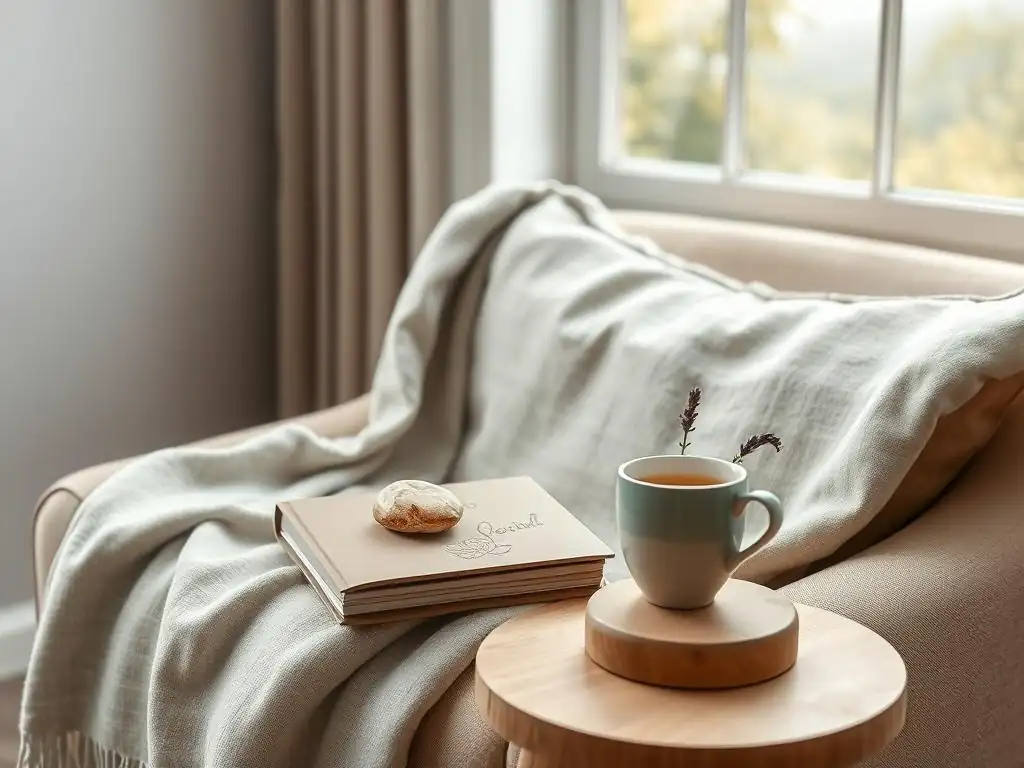
Weighted blankets have gained significant popularity as a tool for managing anxiety and improving sleep. These blankets are filled with materials like glass beads or plastic pellets to provide even, gentle pressure across the body. This deep pressure stimulation is thought to mimic the feeling of being held or hugged, which can promote a sense of security and calm. Many users report feeling more grounded and less restless when using a weighted blanket, making it easier to relax and prepare for sleep.
The weight is typically recommended to be about 5-10% of the user's body weight, though personal preference plays a large role. For example, a 150-pound person might choose a 15-pound blanket. This specific weight distribution is key to achieving the therapeutic effect. While more extensive clinical trials are ongoing, anecdotal evidence and preliminary studies suggest that weighted blankets can help reduce cortisol levels (a stress hormone) and increase serotonin and melatonin production (hormones associated with mood and sleep). This physiological response is believed to contribute to their effectiveness as relaxation gifts reduce anxiety and improve sleep quality.
Benefits of Weighted Blankets: Deeper Sleep and Reduced Anxiety Symptoms
The primary benefit reported by users is a significant improvement in sleep quality. The deep pressure stimulation helps to calm the nervous system, making it easier to fall asleep and potentially reducing nighttime awakenings. Many individuals who struggle with restless legs or tossing and turning find that the blanket helps them feel more settled. A survey by one weighted blanket company reported that over 70% of users felt a reduction in anxiety symptoms and improved sleep within the first week of use.
Beyond sleep, weighted blankets are often used during periods of high anxiety or panic attacks, providing immediate comfort and a sense of grounding. Sitting with a weighted blanket can help individuals feel more present and less overwhelmed by racing thoughts. This calming effect makes them valuable tools for managing anxiety symptoms throughout the day, not just at night. They are often referred to as a calming blanket or weighted comforter for anxiety due to these effects.
Product Recommendation: [Example Brand] Weighted Blanket - Features and Price
The [Example Brand] Weighted Blanket is a popular choice, often featuring a soft, removable cover (like minky or cotton) for easy washing. It typically comes in various weights, such as 10 lbs, 15 lbs, 20 lbs, and 25 lbs, and different sizes to fit twin, full, queen, or king beds. The internal structure usually involves small pockets filled with glass beads to ensure even weight distribution.
Prices for a quality weighted blanket like this example often range from approximately $100 to $180, depending on the size and weight selected. Some models might offer cooling features, like bamboo covers, which can slightly increase the price. When considering this as a gift, ensure you have an approximate idea of the recipient's body weight to choose an appropriate blanket weight, or opt for a popular medium weight like 15 lbs if unsure, as it suits many adults.
LSI Keywords: Weighted comforter for anxiety, calming blanket, deep pressure stimulation
Aromatherapy Diffusers and Essential Oils: Soothing Scents for Anxiety Reduction
Aromatherapy utilizes the therapeutic properties of essential oils extracted from plants to promote well-being. When diffused into the air or applied topically (properly diluted), these oils can interact with the body's limbic system, which is connected to emotions, memory, and stress response. Specific scents are known for their calming and relaxing effects, making aromatherapy a popular tool for managing anxiety and improving mood. An aromatherapy diffuser disperses these essential oils into the air, creating a fragrant and potentially therapeutic environment.
Using an aromatherapy diffuser is simple – typically, you fill a reservoir with water and add a few drops of essential oil. Ultrasonic diffusers use vibrations to create a fine mist, while nebulizing diffusers use air pressure to disperse pure oil. Both methods allow the user to inhale the beneficial compounds. This practice can be incorporated into a bedtime routine, used during meditation, or simply run throughout the day in a living space or office to create a more tranquil atmosphere. The ritual of preparing the diffuser can itself be a calming act.
The Science Behind Aromatherapy and Anxiety
Research suggests that certain essential oils can affect neurotransmitters and brain activity associated with mood and stress. For instance, studies on lavender have shown it can reduce anxiety levels, lower heart rate, and promote relaxation, comparable in some cases to low-dose anti-anxiety medications in preliminary trials. The scent molecules are detected by olfactory receptors in the nose, which send signals to the brain, particularly the amygdala and hippocampus, parts of the limbic system involved in processing emotions and forming memories.
While the exact mechanisms are still being studied, the impact of scent on our emotional state is well-documented. Pleasant, calming scents can trigger positive emotional responses and help interrupt cycles of anxious thoughts. This makes aromatherapy a valuable complementary therapy. Using aromatherapy for anxiety is a non-invasive way to introduce calming stimuli into a person's environment, helping to create a personal sanctuary of peace.
Essential Oil Blends for Relaxation and Sleep: Lavender, Chamomile, and [Other Example]
Several essential oils are particularly renowned for their ability to promote relaxation and aid sleep. Lavender is perhaps the most famous, widely used for its calming and sedative properties. Roman Chamomile is another excellent choice, known for its gentle, soothing effects, often used to ease tension and promote restful sleep, particularly beneficial for bedtime.
Other popular options include Bergamot, a citrus scent often used to uplift mood and reduce stress, and Ylang Ylang, known for its ability to lower blood pressure and heart rate. Sandalwood and Frankincense are also used in aromatherapy for their grounding and calming qualities. Many companies offer pre-blended essential oils specifically marketed for sleep or stress relief, often combining several of these oils for enhanced effect. Using essential oils for stress can be a delightful sensory experience.
Product Recommendation: [Example Brand] Essential Oil Diffuser - Features and Price
The [Example Brand] Essential Oil Diffuser is a popular ultrasonic model known for its quiet operation and attractive design. It typically features a water reservoir capacity of around 100-300ml, offering misting times ranging from 3 to 8 hours depending on the setting (continuous or intermittent). Many models include optional LED lights that can be set to different colors or turned off completely, catering to light sensitivities. Safety features like auto shut-off when the water runs out are standard.
The price range for a reliable diffuser like this example is usually between $25 and $50. Essential oils are typically purchased separately, with prices varying widely based on the oil type, quality, and bottle size (e.g., a 10ml bottle of lavender might cost $8-15). Gifting a diffuser along with a set of popular calming oils like lavender, chamomile, and perhaps a blend for sleep provides a complete relaxation gifts reduce anxiety package.
LSI Keywords: Aromatherapy for anxiety, essential oils for stress, calming scents
Sound Machines and White Noise Generators: Blocking Out Anxiety-Inducing Sounds
Sound machines, also known as white noise generators, produce consistent, ambient sounds designed to mask distracting or jarring noises that can trigger anxiety or disrupt sleep. For individuals whose anxiety is heightened by sudden sounds, noisy neighbors, or even the quietness that makes racing thoughts louder, a sound machine can create a predictable and soothing auditory environment. The constant, unobtrusive sound helps to block out triggers and provide a sense of auditory comfort.
These machines offer a variety of sound options, from true white noise (a consistent hiss covering all frequencies) to pink noise (lower frequency emphasis, often described as more 'natural' or 'softer') and brown noise (even lower frequency, like a deep rumble). Many also include nature sounds like rain, ocean waves, or running water, as well as fan sounds or lullabies. The key is finding a sound that is personally calming and effective at masking unwanted noise, helping the brain relax instead of staying alert for potential disturbances.
The Power of Sound Therapy for Sleep and Relaxation
Sound therapy, in this context, isn't about complex musical compositions but rather using specific types of consistent sound to influence the brain's state. White noise and similar sounds work by creating a 'sound cushion'. Instead of abrupt noises causing a startle response, the brain perceives a steady, non-threatening background sound. This reduces the contrast between the background and any sudden noise, making them less likely to wake someone up or jolt them into an anxious state. Studies have shown that white noise can decrease the time it takes to fall asleep, particularly in noisy environments.
For relaxation during the day, specific nature sounds or ambient music programs available on some machines can create a peaceful atmosphere conducive to reading, working, or simply unwinding. The consistent auditory input can help quiet internal mental chatter, which is often a significant component of anxiety. Using white noise for anxiety can be a simple yet effective strategy to create a more predictable and less stressful auditory environment.
Types of Sound Machines: White Noise, Nature Sounds, and Ambient Music
The most basic sound machines offer just white noise. More advanced models include a wider spectrum of noise types (pink, brown) and a library of nature sounds like rain, thunderstorms, ocean waves, forest sounds, or even gentle streams. Some machines also feature ambient music tracks specifically composed for relaxation or meditation.
Portable sound machines are available for travel, and some devices combine sound machine features with other functions like a night light or alarm clock. The variety allows individuals to find the specific sound profile that they find most soothing and effective for their needs, whether it's blocking city noise with brown noise or drifting off to sleep with the sound of rain. These sleep sounds are specifically curated to promote rest.
Product Recommendation: [Example Brand] Sound Machine - Features and Price
The [Example Brand] Sound Machine is a popular digital model known for its extensive sound library and ease of use. It typically offers 20+ different sounds, including various noise types (white, pink, brown), nature sounds (rain, ocean, stream, thunder), fan sounds, and potentially a few ambient music tracks. Features often include a timer function (e.g., 30, 60, 90 minutes, or continuous play), adjustable volume levels, and a compact design suitable for a bedside table.
Prices for a well-regarded sound machine like this example generally range from $40 to $80. Basic, single-sound white noise machines can be found for around $20-$30, while models with many features or built-in speakers might exceed $100. Choosing a machine with a good variety of sounds allows the recipient to experiment and find what works best for their specific anxiety and sleep needs.
LSI Keywords: White noise for anxiety, sleep sounds, sound therapy
Mindfulness and Meditation Apps Subscriptions: Guided Practices for Anxiety Management
Mindfulness and meditation are evidence-based practices that have been shown to significantly reduce anxiety symptoms and improve emotional regulation. These practices involve focusing attention on the present moment without judgment, which can help individuals observe anxious thoughts and feelings without getting swept away by them. Regular meditation can re-wire the brain over time, reducing activity in the amygdala (the brain's fear center) and increasing activity in areas associated with calm and focus, such as the prefrontal cortex.
Meditation apps make these practices accessible anytime, anywhere. They offer guided meditations of various lengths, often tailored to specific needs like anxiety relief, sleep, stress reduction, or focus. Many also include breathing exercises, mindfulness exercises for daily life, and calming music or sleep stories. A subscription provides access to a vast library of resources, allowing the user to explore different techniques and find what resonates with them, making it a dynamic relaxation gifts reduce anxiety option.
The Benefits of Mindfulness and Meditation for Anxiety Reduction
Consistent mindfulness and meditation practice can lead to a measurable reduction in the frequency and intensity of anxiety symptoms. By learning to observe thoughts and feelings from a distance, individuals can develop a greater sense of control and reduce the automatic negative reactions often associated with anxiety. Studies have demonstrated that regular meditation can lead to decreases in generalized anxiety disorder symptoms, social anxiety, and panic disorder. For example, a study published in JAMA Internal Medicine found that a 30-minute daily meditation practice could significantly improve symptoms of anxiety and depression in just eight weeks.
Beyond symptom reduction, these practices build resilience. They teach skills for managing stress in the moment and cultivating a more peaceful relationship with one's thoughts. Many users report improved focus, greater emotional stability, and a better ability to handle challenging situations after incorporating meditation into their routine. Meditation for anxiety is a powerful tool for long-term coping.
Subscription Recommendation: Headspace, Calm, or [Other Example] - Features and Price
Headspace and Calm are two of the most popular and well-regarded meditation apps. Headspace is known for its playful animation and structured, progressive courses, often starting with foundational techniques. Calm offers a wider variety of content, including guided meditations, sleep stories narrated by famous voices, calming music, and stretching exercises. [Other Example], another option, might focus more heavily on specific techniques or offer community features.
Both Headspace and Calm offer monthly and annual subscription options. Annual subscriptions typically range from approximately $60 to $70 per year, offering significant savings over the monthly cost, which is usually around $10 to $15. Some apps also offer lifetime subscriptions at a higher one-time cost. Gifting an annual subscription provides a full year of access to valuable resources, empowering the recipient to build a consistent practice. These mindfulness apps provide comprehensive anxiety relief programs.
LSI Keywords: Meditation for anxiety, mindfulness apps, anxiety relief programs
Cozy and Comforting Items: Wraps, Eye Masks, and Relaxation Kits
Sometimes, the simplest items offer the most immediate comfort. Cozy and comforting items engage the senses in a soothing way, providing tactile, visual, or thermal relief that can help ground someone experiencing anxiety. A soft, warm wrap can feel like a gentle hug; a luxurious eye mask can block out stimulating light and signal to the brain that it's time to rest; and a curated collection of small, comforting items in a relaxation kit provides a go-to resource for moments of distress. These items are accessible and can be used discreetly throughout the day or evening.
These gifts tap into the power of sensory comfort, which can be incredibly effective in disrupting anxious thought patterns. The physical sensation of warmth, softness, or gentle pressure can help shift focus away from internal worries and towards the present moment. Building a personal collection of these items allows someone with anxiety to create their own portable or home-based comfort zone, readily available whenever they need a moment of calm.
The Role of Sensory Comfort in Anxiety Relief
Sensory input plays a crucial role in regulating our nervous system. For someone with anxiety, the nervous system is often in a state of hyperarousal. Engaging soothing senses can help activate the parasympathetic nervous system, promoting relaxation. The weight and warmth of a heatable wrap can relax tense muscles. The complete darkness provided by a good eye mask can reduce external stimuli, making it easier for the mind to quiet down, especially before sleep or during a midday break.
A relaxation kit might combine several sensory elements: a calming scent (like a lavender rollerball), a comforting texture (like a soft stress ball or worry stone), and perhaps a simple activity like a small journal for writing down thoughts. These items provide tangible ways to self-soothe and create a personal ritual around managing anxiety, offering immediate comfort when needed. These are classic stress relief gifts for her or stress relief gifts for him, focusing on simple, effective comfort.
Product Recommendation: [Example Brand] Silk Eye Mask - Features and Price
The [Example Brand] Silk Eye Mask is a popular choice for promoting sleep and relaxation due to its smooth texture and ability to block out light effectively. It's typically made from 100% mulberry silk, which is gentle on the skin and non-absorbent. Features often include an adjustable strap for a comfortable fit and a design that minimizes pressure on the eyes.
A high-quality silk eye mask like this example usually costs between $20 and $40. While less expensive synthetic options are available, silk is often preferred for its luxurious feel and breathability. This simple item can be a game-changer for sleep quality, especially for those sensitive to light or trying to establish a consistent sleep schedule.
Product Recommendation: [Example Brand] Lavender Heatable Wrap - Features and Price
The [Example Brand] Lavender Heatable Wrap is designed to provide soothing warmth and aromatherapy. It's typically filled with natural grains (like flaxseed or rice) and dried lavender buds. The wrap can be heated in a microwave to provide moist heat, which is excellent for relieving muscle tension in the neck, shoulders, or lower back – common areas where stress manifests. The lavender scent is released when heated, adding an extra layer of relaxation.
These heatable wraps vary in size and shape (e.g., designed for the neck and shoulders, or larger rectangular pads). Prices for a good quality, lavender-infused heatable wrap like this example generally range from $25 to $50. This gift offers both physical comfort through heat and mental relaxation through aromatherapy, making it a practical and soothing item for anxiety relief.
LSI Keywords: Anxiety relief kit, stress relief gifts for her, stress relief gifts for him, relaxation gifts
Subscription Boxes Designed for Relaxation and Self-Care
Subscription boxes curated specifically for relaxation and self-care offer an ongoing source of support and discovery. Instead of a single gift, the recipient receives a box of new, comforting items regularly (e.g., monthly or quarterly). These boxes often contain a variety of products, such as bath bombs, face masks, journals, herbal teas, aromatherapy items, healthy snacks, candles, and small wellness tools. Receiving a new box can be something to look forward to, providing consistent opportunities for self-care.
These curated boxes encourage the recipient to set aside time for themselves and try new relaxation techniques or products. They remove the burden of having to research and purchase individual self-care items, making it easier to incorporate relaxation into a busy or anxious life. It's a gift that keeps on giving, providing regular reminders to prioritize well-being and offering fresh tools to manage anxiety.
Curated Boxes for Ongoing Anxiety Management
The value of a self-care subscription box lies in its curation and regularity. Each box is typically themed around relaxation, stress relief, or mindfulness. This provides a structured way for individuals to explore different self-care practices and products they might not have otherwise encountered. For someone struggling with motivation due to anxiety, the arrival of a pre-selected box can be a gentle nudge to engage in calming activities.
Many boxes also include informational cards explaining the benefits of each item and suggesting ways to use them for relaxation or anxiety relief. This educational component adds value, helping the recipient understand why certain practices or products are beneficial. It supports an ongoing journey of self-discovery in managing their mental well-being. A self care subscription box for anxiety is a thoughtful way to provide continuous support.
Subscription Recommendation: [Example Brand] Subscription Box - Features and Price
The [Example Brand] Subscription Box for self-care is a popular option known for its mix of high-quality wellness products. A typical box might contain 5-7 full-sized or deluxe-sample items, potentially including a luxurious bath product (e.g., bath bomb or salts), a skincare item (like a face mask or serum), an aromatherapy product (e.g., rollerball or candle), a journal or mindfulness activity, and perhaps a comforting tea or snack. The retail value of the items in the box usually exceeds the subscription cost.
Prices for self-care subscription boxes vary, but a popular option like this example might cost around $30 to $50 per box when subscribing monthly, with slight discounts for longer-term subscriptions (e.g., 3, 6, or 12 months). Gifting a 3-month or 6-month subscription is a common choice, providing a sustained period of self-care focus. This type of wellness box can be a delightful and beneficial surprise delivered right to their door.
LSI Keywords: Self care subscription box for anxiety, wellness box, relaxation subscription
How to Present Relaxation Gifts Thoughtfully
Creating a Calming Gift Presentation
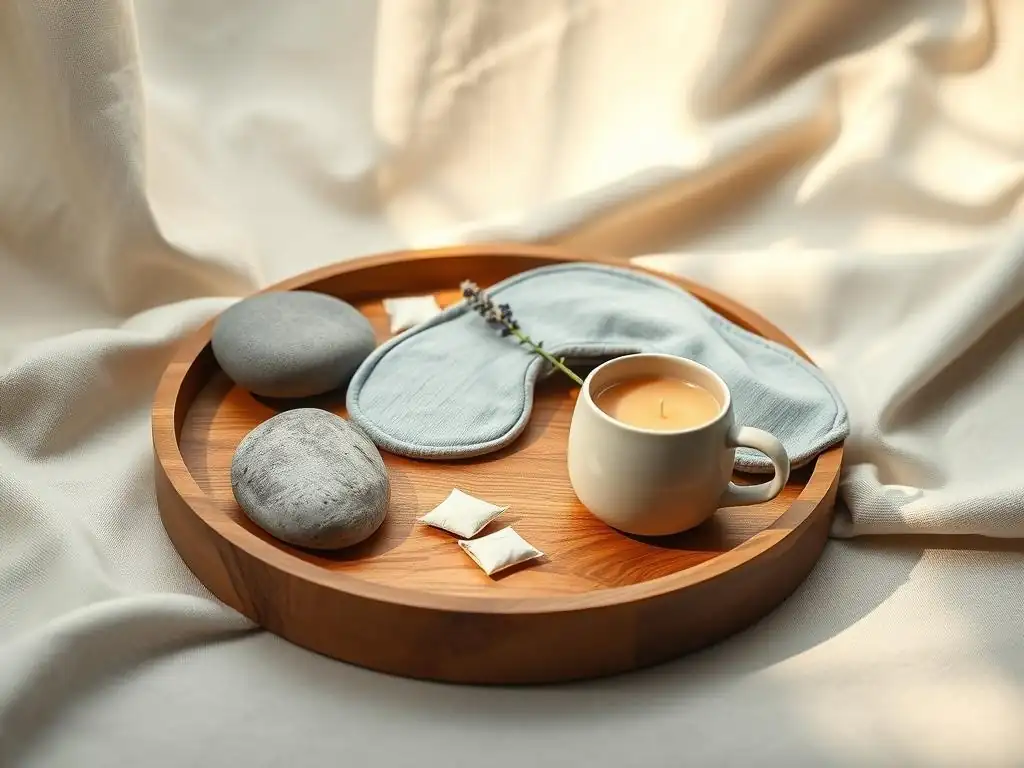
The way a gift is presented can enhance its intended effect, especially for someone with anxiety who might be sensitive to overstimulation or pressure. Opt for calm, soothing packaging rather than bright, flashy wrapping paper. Natural textures, soft colors (like blues, greens, or pastels), and simple ribbon can create a sense of tranquility.
Consider including a calming element within the packaging itself, like a small sachet of lavender tucked into the tissue paper or a single drop of a relaxing essential oil on a cotton ball placed inside the box (away from the products themselves). Ensure the unwrapping process isn't overly complicated or messy. The presentation should feel like an extension of the gift's purpose: promoting peace and ease.
Adding a Personal Touch to Show Support
Including a handwritten card is perhaps the most important part of presenting a relaxation gift. In the card, express your care and understanding without dwelling on their anxiety in a way that might feel burdensome. Simply state that you were thinking of them and wanted to give them something that might bring a little peace or comfort to their day or help them rest better. Avoid language that implies they need to "fix" their anxiety with the gift.
You could mention why you chose the specific item(s) – perhaps "I know you love the scent of lavender, and I thought this might help you relax before bed," or "I read that weighted blankets can be really grounding, and I hope this brings you some comfort." This shows you put thought into their needs and reinforces that the gift is a gesture of support, not a prescription. This personal touch makes the relaxation gifts reduce anxiety aspect even more impactful.
Conclusion: Finding the Perfect Relaxation Gift to Reduce Anxiety
Summarizing Key Considerations for Choosing Anxiety-Reducing Gifts
Choosing the right relaxation gift for someone with anxiety involves thoughtful consideration of several factors. Understanding the individual's unique preferences, sensory sensitivities, and specific anxiety triggers is crucial. The most effective gifts are those that align with their personal comfort zones and can be easily integrated into their routine. Budget is also a consideration, but meaningful and impactful gifts are available at various price points, from a simple eye mask to a weighted blanket or a subscription box.
Ultimately, the goal is to select a gift that provides tangible tools or experiences for promoting relaxation and improving sleep. Whether it's the grounding pressure of a weighted blanket, the soothing aroma of essential oils, the masking comfort of a sound machine, the guided practice of a meditation app, or the simple pleasure of cozy items, these relaxation gifts reduce anxiety by offering pathways to calm amidst stress and worry.
Encouraging Ongoing Support and Resources for Mental Well-being
While a thoughtful gift can provide comfort and support, it's important to remember that these items are complementary tools for managing anxiety. They do not replace professional help or a comprehensive treatment plan. Encourage the recipient to utilize the gift as part of a broader self-care strategy.
Beyond the gift itself, offering ongoing emotional support, listening without judgment, and helping them access resources like therapy or support groups can be the most valuable contribution to their mental well-being journey. The gift serves as a symbol of your care and a practical aid, reinforcing that they are not alone in navigating their anxiety.
Frequently Asked Questions
What types of gifts are most effective at reducing anxiety and promoting relaxation?
Gifts that engage the senses and encourage mindfulness are often effective. Examples include weighted blankets for a feeling of security, aromatherapy diffusers with calming scents, and meditation cushions for comfortable practice.
How can a gift specifically designed for relaxation help with better sleep?
Many relaxation gifts, like sleep masks or white noise machines, directly address factors that interfere with sleep, such as light and distracting sounds. Promoting relaxation before bed can also ease pre-sleep anxiety and facilitate a smoother transition to sleep.
Are there any potential downsides to giving relaxation gifts for anxiety?
It's crucial to consider the recipient's individual preferences and sensitivities. Some individuals might find certain scents overwhelming, or a weighted blanket too restrictive. Consider their personal preferences and any known allergies.
How do I choose a relaxation gift that is both thoughtful and practical for someone struggling with anxiety?
Focus on gifts that encourage self-care and mindful practices. Consider a gift that aligns with their existing routines or helps them develop new, healthy habits, such as a journaling kit or yoga mat.
Where can I find reliable resources and information about anxiety and relaxation techniques besides gifts?
Mind Care Guide offers a comprehensive guide to mental well-being, including information, support, and resources for various mental health challenges. You can also consult with a mental health professional for personalized advice.
Final Reflection: Unwrapping the Gift of Calm
The pursuit of relaxation and better sleep is no longer a luxury; it's a necessity in our increasingly stressful world. The overwhelming prevalence of anxiety underscores the urgent need for accessible and effective coping mechanisms, and the simple act of giving—and receiving—a thoughtfully chosen gift can be a powerful step towards improved mental wellbeing. This is more than just retail therapy; it's a conscious act of self-care and a recognition of the importance of prioritizing mental health.
The impact of anxiety on our daily lives is profound, affecting everything from our relationships to our productivity. It's a silent epidemic, often hidden behind smiles and busy schedules. The exploration of relaxation gifts in this article highlights the potential for small, intentional actions to make a significant difference. The greatest wealth is health,
a proverb often repeated, speaks volumes about the true value of prioritizing our mental and physical well-being. This article aims to be a guide, not just to finding the perfect gift, but to understanding the deeper significance of nurturing our inner peace.
Now, consider your own life. What small act of self-care, what thoughtful gift to yourself or a loved one, could contribute to a more relaxed and peaceful existence? Perhaps it's a weighted blanket, a calming essential oil diffuser, or simply setting aside time for a quiet cup of tea. Take a moment to reflect on what truly brings you calm, and make a conscious effort to incorporate it into your daily routine. The journey to better sleep and reduced anxiety begins with a single, mindful step. Embrace the gift of calm, and watch as it transforms your life.
Unwind and Recharge: Your Journey to Better Sleep Starts Now
Thanks for taking the time to explore ways to improve your sleep and manage anxiety! We hope you found practical strategies within this article to help you on your path to a more restful night. Now, let's take the next step towards a calmer, more rejuvenated you.
- Prioritize a Relaxing Evening Ritual: Create a personalized wind-down routine that includes activities like a warm bath, gentle stretching, or reading a calming book – anything that helps you disconnect from the day's stressors. This is your key to consistent, improved sleep.
- Share Your Sleep Wins: Tell us (or a friend!) about the relaxation techniques that worked best for you. Sharing your success story can inspire others and reinforce your own positive habits.
- Explore Guided Meditations: Experiment with different guided meditation styles specifically designed for sleep and anxiety relief. This might be a surprising yet powerful addition to your routine.
What simple change will you implement tonight to improve your sleep and relaxation?