
Your Curated Gift Guide: Helpful Ideas for an Anxious Loved One

Welcome to Mind Care Guide, a space dedicated to nurturing your mental well-being and providing support through life's challenges.
Feeling helpless when a loved one struggles with anxiety is incredibly tough. That's why we've created this guide, Your Curated Gift Guide: Helpful Ideas for an Anxious Loved One. Discover thoughtful and practical anxious loved one gift ideas designed to offer comfort, promote relaxation, and show your unwavering support. Ready to make a difference? Let's explore together.
A Thoughtful Gift Guide: Supporting Loved Ones with Anxiety
- Finding the Perfect Gift: Understanding Anxiety and Choosing Meaningful Presents
- Top Gift Ideas for Individuals Experiencing Anxiety: Our Curated List
- Choosing the Right Gift: Matching the Gift to Your Loved One's Needs
- Maximizing the Impact of Your Gift: Presentation and Support
- Final Thoughts: Giving the Gift of Support and Well-being
-
Frequently Asked Questions
- What types of gifts are generally not recommended for someone struggling with anxiety?
- How can a gift help an anxious loved one manage their symptoms?
- What are some examples of sensory-focused gifts that could be beneficial?
- Should I discuss the gift with my loved one beforehand, or keep it a surprise?
- Besides material gifts, what other support can I offer an anxious loved one?
- Final Reflection: The Gift of Understanding in a World of Anxiety
- Unwrap Joy: Give the Gift of Calm This Year
Finding the Perfect Gift: Understanding Anxiety and Choosing Meaningful Presents
Why Thoughtful Gifts Matter for Individuals with Anxiety
For someone navigating the challenges of anxiety, receiving a gift that acknowledges their struggle and offers practical support can be incredibly meaningful. Anxiety is more than just feeling stressed; it often involves persistent worry, fear, and physical symptoms that can significantly impact daily life. A thoughtful present isn't a cure, but it serves as a tangible expression of empathy and understanding.
It shows your loved one that you see their struggle, you care, and you want to offer comfort or a tool that might ease their burden, even slightly. This acknowledgment itself can reduce feelings of isolation that people with anxiety sometimes experience.
Moreover, the right gift can provide specific, actionable ways for an anxious person to cope in moments of distress. Perhaps it's an item that promotes relaxation during a panic attack, a tool for managing overwhelming thoughts, or something that encourages a calming routine. Studies have shown that having coping mechanisms readily available can increase a person's sense of control over their anxiety.
For example, engaging in a simple self-soothing activity has been shown to lower cortisol levels, the body's primary stress hormone. Gifting a tool that facilitates such an activity empowers them to take small steps towards feeling better when anxiety flares up.
Understanding Common Anxiety Symptoms to Guide Your Gift Selection
Anxiety manifests differently in everyone, but several common symptoms can guide your gift choices. Many individuals experience physical tension, such as muscle tightness, headaches, or stomach issues. Others struggle with racing thoughts, difficulty concentrating, or persistent worry about future events. Sleep disturbances, restlessness, and fatigue are also frequently reported symptoms. Recognizing these patterns in your loved one can help you select a gift that directly addresses a specific challenge they face. For instance, if they complain about sleepless nights due to worry, a gift focused on relaxation or sleep might be particularly effective.
Consider how different gifts can target these varied symptoms. A weighted blanket, for example, can provide deep pressure stimulation that many find grounding and calming, potentially reducing restlessness and improving sleep quality. A journal offers a way to externalize racing thoughts, helping to quiet the mind. Items related to aromatherapy or warm baths can alleviate physical tension. By observing or gently asking about the specific ways anxiety impacts your loved one, you can move beyond generic presents and choose something truly tailored to their needs, making your anxious loved one gift ideas more impactful.
Key Considerations When Choosing Gifts Focused on Comfort and Calm
When selecting a gift intended to support someone with anxiety, prioritizing comfort and calm is essential. Think about items that promote relaxation, provide sensory comfort, or offer practical tools for managing stress. Avoid gifts that might inadvertently increase anxiety, such as overly complicated gadgets, items that require significant effort or social interaction they might not be ready for, or anything that adds clutter or decision-making pressure. The goal is to reduce stress, not add to it.
Furthermore, consider the individual's personal preferences and any sensory sensitivities they might have. Some people find strong scents overwhelming, while others find them soothing. Some might prefer a soft, plush texture, while others prefer something smooth and cool. A gift that respects these personal boundaries and preferences is far more likely to be used and appreciated. Focus on quality over quantity, and remember that even small, thoughtful items can make a big difference in providing comfort and a sense of peace.
Top Gift Ideas for Individuals Experiencing Anxiety: Our Curated List
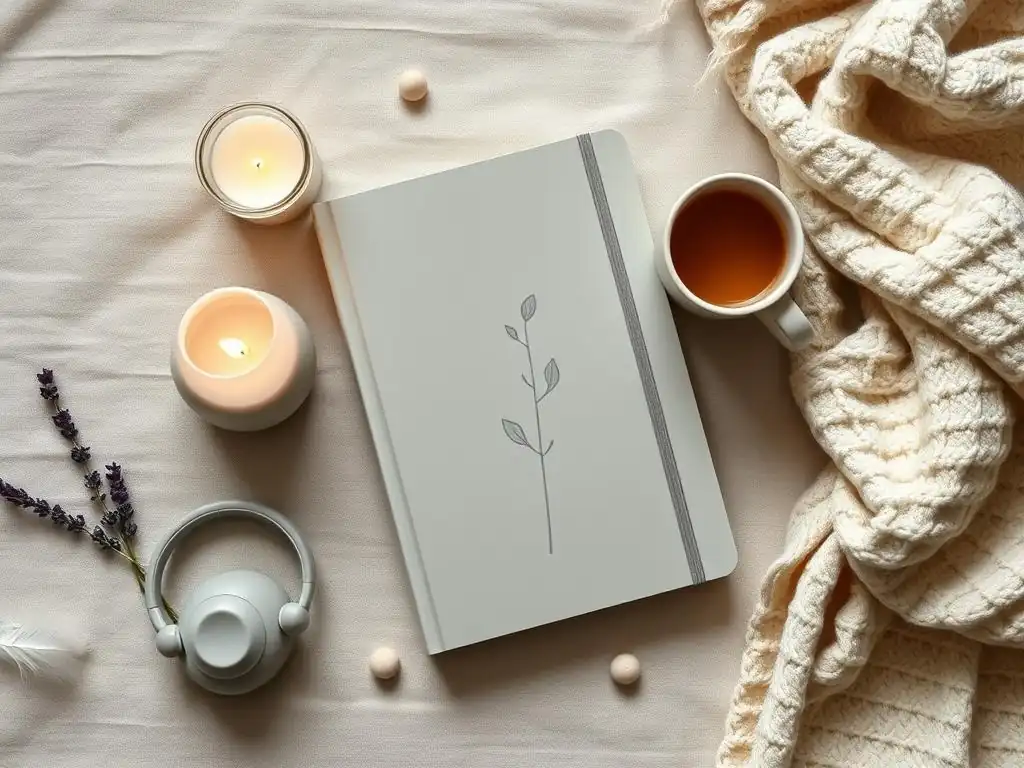
Self-Care & Relaxation Gifts for Anxiety Relief
Weighted Blankets: A Comforting Embrace for Stress Reduction
Weighted blankets utilize deep pressure stimulation, a technique similar to swaddling in infants or a firm hug. This pressure helps to engage the parasympathetic nervous system, which is responsible for calming the body down. It can lead to a reduction in heart rate and breathing, promoting a sense of security and relaxation. Many adults find that the consistent, gentle weight (often ranging from 15 to 25 pounds for an average adult) helps alleviate feelings of restlessness and provides a grounding sensation, particularly useful during periods of heightened anxiety or panic.
A well-known example is the Gravity Blanket, which was one of the first to popularize the trend. It's designed with internal stitching to keep the weighted beads evenly distributed across the body. While specific user testimonials vary, a common theme reported is a significant improvement in sleep quality and a reduction in the time it takes to fall asleep, with some users claiming a decrease in nighttime awakenings.
Anecdotal evidence also suggests that using the blanket during the day can help manage acute anxiety episodes. Weighted blankets typically range in price from around $100 to $250 or more, depending on size, weight, and material.
Aromatherapy Diffusers & Essential Oils: Calming Scents for Anxiety
Aromatherapy harnesses the power of scent to influence mood and well-being. When inhaled, the molecules from essential oils interact with the olfactory system, which is directly connected to the limbic system – the part of the brain involved in emotions and memory. Certain scents have long been associated with calming properties.
Lavender, for instance, is widely used for its relaxing and sleep-promoting effects. Chamomile is known for its gentle, soothing qualities, often used to reduce tension. Sandalwood offers a warm, woody aroma that can be grounding and help foster a sense of inner peace, making them great components for anxious loved one gift ideas.
An aromatherapy diffuser disperses these essential oils into the air, creating a calming atmosphere. The Vitruvi Stone Diffuser is a popular choice, often praised for its aesthetic appeal (made of ceramic) and simple, effective operation. It uses ultrasonic technology to diffuse the oils without heat, preserving their therapeutic properties.
Many companies offer pre-blended essential oils specifically formulated for anxiety relief. Plant Therapy's Worry Free blend often contains oils like lavender, petitgrain, and vetiver, aiming to calm the mind. Edens Garden's Anxiety Ease blend frequently includes similar ingredients such as lavender, sweet marjoram, and ylang-ylang, designed to promote tranquility.
When using essential oils, it's crucial to follow safety guidelines: always dilute oils if applying topically (though diffusing is generally safe), avoid ingesting them, keep them away from pets and children, and check for potential allergies. Consulting a healthcare professional before using essential oils, especially if pregnant or have underlying health conditions, is also recommended.
Meditation & Mindfulness Apps: The Gift of Inner Peace
Meditation and mindfulness practices teach individuals to focus on the present moment without judgment, a skill incredibly beneficial for managing anxiety, which often involves dwelling on the past or worrying about the future. Apps dedicated to these practices offer guided meditations, breathing exercises, and calming sounds, making it easier for beginners to start and for experienced practitioners to maintain consistency. They provide structure and expert guidance, overcoming the common hurdle of "not knowing how" to meditate.
Headspace and Calm are two of the most prominent meditation apps. Headspace often focuses on teaching the fundamentals of meditation in short, accessible sessions, using friendly animations and a clear, progressive structure. Calm offers a broader range of content, including guided meditations, sleep stories narrated by soothing voices, calming music, and stretching exercises.
Both apps help manage anxiety symptoms by training the mind to observe thoughts without getting carried away by them, promoting relaxation, and improving focus. They typically operate on a subscription model, offering monthly or annual plans, with many providing a free trial period (commonly 7 or 14 days) to explore their features before committing to a paid subscription.
Practical Gifts for Managing Anxiety
Anxiety Journals: A Tool for Self-Reflection and Coping
Journaling is a powerful technique for individuals with anxiety. Writing down thoughts and feelings can help externalize worries, making them feel less overwhelming and providing a clearer perspective. It allows for tracking triggers, identifying thought patterns, and processing emotions in a safe, private space. The physical act of writing can also be grounding.
The "Start Where You Are" journal is a well-loved example that goes beyond blank pages. It features interactive prompts, inspirational quotes, and gentle exercises designed to encourage self-reflection, reduce stress, and foster self-compassion. These guided elements can be particularly helpful for someone who finds a blank page intimidating.
Journaling benefits for anxiety management include gaining insight into what causes anxiety, reducing rumination, improving problem-solving skills, and providing a sense of control over one's internal experience. Alternatives include classic bullet journals, which offer flexibility for tracking moods, habits, and tasks alongside thoughts, or other guided journals specifically themed around gratitude, cognitive behavioral therapy (CBT) techniques, or managing specific worries.
Time Management Planners: Reducing Overwhelm and Increasing Productivity
Feeling overwhelmed by tasks and responsibilities is a significant trigger for anxiety for many people. A lack of structure or uncertainty about what needs to be done can lead to procrastination and increased stress. Effective time management tools, like planners, can help break down large tasks, prioritize responsibilities, and create a sense of control and predictability in daily life.
The Panda Planner is an example designed with well-being in mind. It incorporates sections for daily priorities, scheduling, notes, and importantly, prompts for gratitude, positive affirmations, and end-of-day reflection. Its undated format allows users to start anytime and skip days without feeling like they've wasted pages.
Planning helps manage anxiety by providing a clear roadmap for the day or week, reducing the mental load of trying to remember everything, and allowing individuals to allocate time for self-care and relaxation alongside tasks. Features to look for in a good time management planner for anxiety include dedicated space for goals and priorities, sections for reflection or gratitude, a clear layout that isn't overwhelming, and potentially undated pages for flexibility.
Light Therapy Lamps: Combating Seasonal Affective Disorder (SAD) and Anxiety
Seasonal Affective Disorder (SAD) is a type of depression linked to changes in seasons, typically beginning in fall and continuing through winter. Reduced exposure to natural sunlight during these months can disrupt the body's internal clock and affect brain chemistry, leading to symptoms like low mood, fatigue, and difficulty concentrating. For individuals already prone to anxiety, the challenges of SAD can exacerbate their existing symptoms.
Light therapy lamps, also known as SAD lamps, mimic natural sunlight and are designed to help regulate circadian rhythms and improve mood. The Verilux HappyLight is a popular and accessible option. It provides bright light, often measured at 10,000 LUX, which is the recommended intensity for effective light therapy. Features include adjustable brightness levels and sometimes color temperature.
To use a light therapy lamp safely and effectively, it's generally recommended to sit near it for about 20-30 minutes each morning, typically within an hour or two of waking up. The lamp should be positioned to the side, not directly in front, so the light enters the eyes indirectly. While generally safe, it's wise to consult a doctor before starting light therapy, especially if you have eye conditions or are taking medications that increase light sensitivity. Potential minor side effects can include eye strain or headaches initially.
Experiential Gifts for Anxiety Relief
Massage Gift Certificates: Physical Relaxation and Stress Reduction
Anxiety often manifests physically, causing muscle tension, stiffness, and even pain. Massage therapy can be highly beneficial for individuals experiencing these somatic symptoms of anxiety. It helps to release muscle tension, improve circulation, and promote overall physical relaxation. Beyond the physical relief, the therapeutic touch and the dedicated time for self-care can significantly reduce stress and promote a sense of calm.
Research has indicated that massage can help lower levels of stress hormones like cortisol and increase endorphins and neurotransmitters like serotonin and dopamine, which are associated with feelings of well-being. Choosing the right massage type can enhance the benefits for anxiety relief. Swedish massage, known for its gentle, long strokes, is excellent for overall relaxation.
Deep tissue massage might be helpful for addressing chronic tension areas but can be intense for some. Finding a qualified massage therapist is crucial; look for licensed professionals who are experienced and create a comfortable, safe environment. Many spas or clinics offer gift certificates for specific durations or monetary values.
Yoga Classes or Retreats: Mind-Body Connection and Stress Management
Yoga is a practice that integrates physical postures, breathing exercises, and meditation or relaxation techniques, fostering a strong connection between the mind and body. This holistic approach makes it particularly effective for managing anxiety. The focus on breath control (pranayama) can help regulate the nervous system and interrupt anxious thought spirals. The physical movement helps release tension, and the mindfulness component encourages present-moment awareness.
Regular yoga practice has been shown in studies to reduce symptoms of anxiety and depression, improve sleep, and enhance overall quality of life. Gifting classes allows a loved one to explore different styles and find what resonates with them.
Look for local yoga studios that offer beginner-friendly classes or specific gentle or restorative yoga sessions, which are often less physically demanding and focus more on relaxation. For those who prefer privacy or flexibility, online yoga programs like Alo Moves offer a vast library of classes from various instructors and styles, accessible anytime, anywhere, making it a versatile anxious loved one gift idea.
Nature Experiences: Hiking, Camping, and Connecting with the Outdoors
Spending time in nature has a profound calming effect on the human mind. Exposure to green spaces and natural environments has been linked to reduced stress levels, improved mood, and decreased rumination (repetitive negative thinking). The simple act of being outdoors, away from urban noise and stressors, can provide a sense of peace and perspective.
Gifting a nature experience could involve planning a hiking trip to a beautiful local park, offering to go camping, or simply suggesting regular walks in a nearby natural area. Research into "forest bathing" (Shinrin-yoku) in Japan has shown physiological benefits like lowered blood pressure and heart rate after spending time in forests. When planning outdoor activities as a gift, consider the individual's fitness level and preferences.
Research local parks and hiking trails, looking for options that offer tranquility and natural beauty. Safety considerations are paramount: ensure appropriate clothing for the weather, inform someone of your planned route and return time, stay on marked trails, and carry essentials like water and a first-aid kit.
Choosing the Right Gift: Matching the Gift to Your Loved One's Needs
Understanding Your Loved One’s Specific Anxiety Triggers
Selecting the most helpful gift requires understanding what specifically triggers your loved one's anxiety. Is it social situations, leading to social anxiety? Perhaps it's performance anxiety related to work or school, or generalized anxiety characterized by worry about many different things.
Maybe they experience panic attacks, phobias, or health anxiety. Knowing their primary triggers allows you to choose a gift that offers relevant support. For instance, if public speaking is a major trigger, a mindfulness app focusing on managing performance stress might be more useful than a weighted blanket, while the blanket could be perfect for someone with generalized nighttime worry.
Pay attention to their conversations or subtle cues about what overwhelms them. Do they talk about feeling physically restless? Do they complain about their mind racing constantly? Do they struggle with organization? This insight is crucial in narrowing down the options from general anxious loved one gift ideas to something truly targeted. A gift that addresses a specific, recurring challenge they face will likely be far more appreciated and utilized than a generic item.
Considering Their Preferences and Interests
Even when choosing a gift for anxiety relief, the recipient's personal preferences and existing interests should play a significant role. A gift intended to be helpful shouldn't feel like a chore or something they feel obligated to use. If your loved one dislikes strong smells, aromatherapy is probably not the best choice. If they are not physically active, a yoga retreat might feel overwhelming rather than relaxing.
Think about what they already enjoy doing or what activities they've expressed interest in. Do they like reading? A book on mindfulness or managing worry could be a good fit. Are they creative? An art therapy kit or a beautiful journal might appeal. Do they enjoy quiet time at home? A cozy blanket, a comforting tea set, or a soothing sound machine could be ideal. Tailoring the gift to their personality ensures it integrates naturally into their life and doesn't become another source of stress.
Budget Considerations for Anxiety Relief Gifts
Anxious loved one gift ideas are available across a wide range of price points, so you don't need to spend a fortune to show you care and provide something helpful. Thoughtful gifts can be found at almost any budget level. On the higher end, items like quality weighted blankets or longer wellness retreats represent a significant investment, potentially ranging from $100 to several hundred dollars.
Mid-range options include items like good quality aromatherapy diffusers, subscriptions to meditation apps, or gift certificates for a massage, which might fall between $30 and $150. More affordable gifts, often under $30, include journals, essential oil bottles (used with an existing diffuser), calming teas, or small self-care items like bath bombs or a comfortable eye mask. The effectiveness of the gift is not determined by its price tag, but by how well it suits the individual's needs and how it is presented with care and understanding.
Maximizing the Impact of Your Gift: Presentation and Support
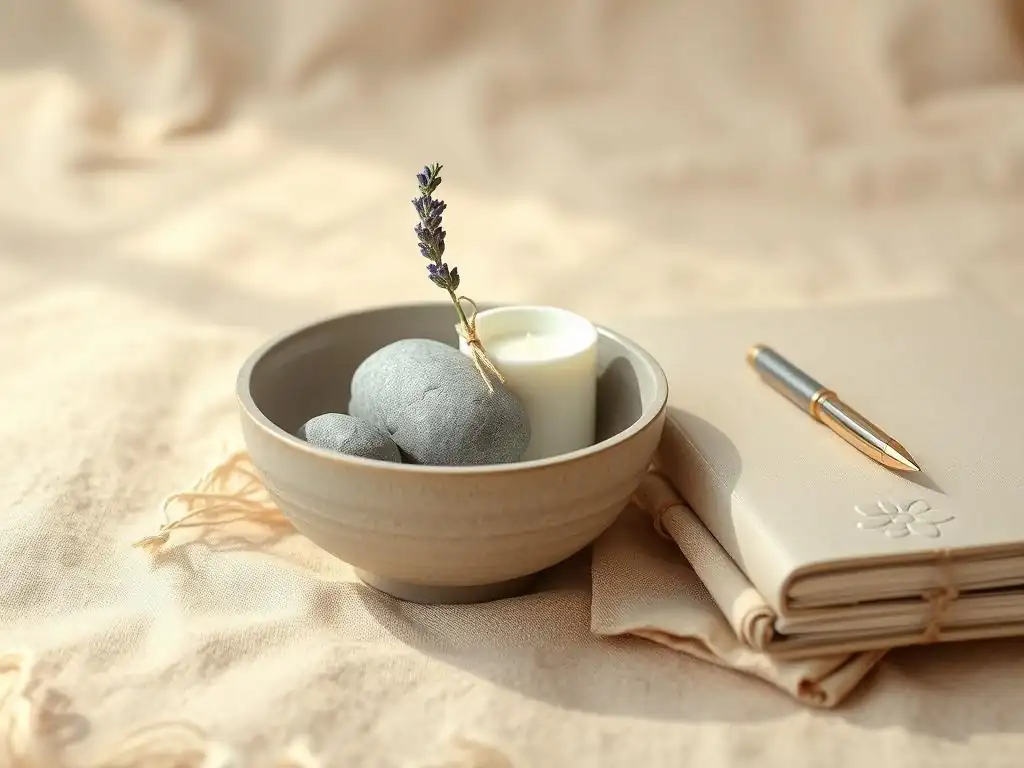
Wrapping and Presenting Your Gift Thoughtfully
The way you present the gift can enhance its positive impact. For someone with anxiety, presentation that is calm, simple, and thoughtful can be more comforting than elaborate or overwhelming packaging. Consider using soft, calming colors for wrapping paper or gift bags. Include a handwritten card expressing your love and support, specifically mentioning that you chose this gift with their well-being in mind. Avoid excessive wrapping or noisy elements that might be jarring.
The presentation is an extension of the gift's purpose – to bring comfort and ease. A calm, aesthetically pleasing presentation reinforces the message of peace and care. For instance, if gifting a journal, perhaps tie it with a simple ribbon and include a nice pen. If gifting essential oils, ensure the bottles are secure and perhaps include a small guide on how to use them safely. This attention to detail shows extra thought and makes the act of receiving the gift a calming experience in itself.
Offering Support and Understanding Alongside the Gift
A gift, no matter how thoughtful, is not a substitute for genuine emotional support. The most valuable thing you can offer your anxious loved one is your presence, patience, and understanding. Present the gift not as a fix, but as a tool or a comfort item that you hope might help them on their journey. Avoid putting pressure on them to use the gift in a specific way or to feel instantly better because of it.
Let them know you are there to listen without judgment, to offer practical help if they need it (like accompanying them to a yoga class if they are nervous about going alone), or simply to sit with them in silence. Reassure them that it's okay to have difficult days and that their feelings are valid. Your ongoing support and empathy are far more impactful than any material object in helping them navigate their anxiety.
Resources for Your Loved One to Further Manage Anxiety
While your gift provides a specific tool or experience, managing anxiety is often an ongoing process that benefits from various resources. Gently letting your loved one know about available support can be another layer of your thoughtful gift. Mind Care Guide offers a wealth of information and resources specifically designed to help individuals understand and manage various mental health challenges, including anxiety.
These resources can include articles explaining different anxiety disorders, coping strategies, self-help techniques, and information on seeking professional help. Knowing where to find reliable information and support can empower your loved one to explore different avenues for managing their anxiety beyond the scope of your gift. You can mention that you came across helpful information on sites like Mind Care Guide while researching anxious loved one gift ideas and thought they might find it useful too.
Final Thoughts: Giving the Gift of Support and Well-being
Choosing a gift for an anxious loved one is an opportunity to show profound care and understanding. It goes beyond selecting a generic item; it's about finding something that genuinely addresses their needs for comfort, calm, or practical coping. Whether it's a weighted blanket offering a sense of security, a journal providing an outlet for racing thoughts, or an experience that promotes relaxation and mindfulness, the most effective gifts are those chosen with empathy and insight into their specific struggles.
Ultimately, the gift itself is a symbol. The true present is the support, patience, and understanding you offer alongside it. By combining a thoughtful item with your unwavering presence, you provide your anxious loved one with valuable tools and the even more valuable knowledge that they are seen, loved, and not alone in facing their anxiety.
Frequently Asked Questions
What types of gifts are generally not recommended for someone struggling with anxiety?
Avoid gifts that might induce pressure or stress, such as experiences with tight deadlines or items that require complex setups. Also, gifts that draw undue attention to their anxiety might be counterproductive.
How can a gift help an anxious loved one manage their symptoms?
Thoughtful gifts can provide comfort and relaxation, acting as tools to reduce stress and promote a sense of calm. They can also offer practical coping mechanisms.
What are some examples of sensory-focused gifts that could be beneficial?
Consider items like weighted blankets that provide a sense of security, essential oil diffusers with calming scents, or fidget toys to channel nervous energy.
Should I discuss the gift with my loved one beforehand, or keep it a surprise?
It depends on the individual. Some may appreciate the open communication and input, while others might prefer a thoughtful surprise. Consider their personality and preferences.
Besides material gifts, what other support can I offer an anxious loved one?
Offer your time and active listening. Showing empathy, being patient, and encouraging professional help are valuable ways to provide support and understanding.
Final Reflection: The Gift of Understanding in a World of Anxiety
The overwhelming prevalence of anxiety in our modern world demands a shift in how we approach support and care for those we love. Finding the right gift for someone struggling with anxiety isn't just about finding a pretty object; it's about offering a lifeline of understanding and practical assistance. This curated guide aimed to provide just that – a pathway to thoughtful gifting that transcends material possessions and speaks directly to the needs of an anxious heart.
The journey of understanding anxiety, both in others and within ourselves, is a continuous process of learning and empathy. It requires a willingness to listen, to validate, and to offer support without judgment. This article, I hope, has served as a small step in that journey. The most basic of all human needs is the need to understand and be understood.
- Ralph Nichols. This quote highlights the profound impact of genuine connection, especially for those navigating the complexities of anxiety. By choosing gifts that foster self-care, relaxation, and a sense of calm, we can contribute to a more supportive and understanding environment for our loved ones.
Now, I invite you to reflect on your own relationships and consider how you can better support those around you who are struggling with anxiety. What small acts of kindness, what thoughtful gestures, can you offer to show your love and understanding? Remember, the most valuable gifts are often those that come from the heart, those that demonstrate your commitment to being present and supportive. Let this guide be a starting point for a deeper conversation, a more compassionate approach, and a more meaningful connection with those you cherish.
Unwrap Joy: Give the Gift of Calm This Year
Thanks for taking the time to explore thoughtful gift ideas for your anxious loved one! We hope this guide helped you discover ways to show your care and support. Ready to make a difference?
- Prioritize your loved one's needs: Choose one gift from the guide that resonates most with their specific anxieties and preferences. Consider their personality and what truly brings them comfort.
- Share this guide: Spread the word! Let others know about these thoughtful options by sharing this guide with family and friends who might also be searching for supportive gifts.
- Leave a comment: What's your favorite gift idea from the list? Share your experiences and insights with our community to inspire others!
What simple act of kindness will you share this holiday season to ease anxiety and bring joy?