
Therapy That Works: Specific Treatments for Suicidal Youth (e.g., DBT, CBT)

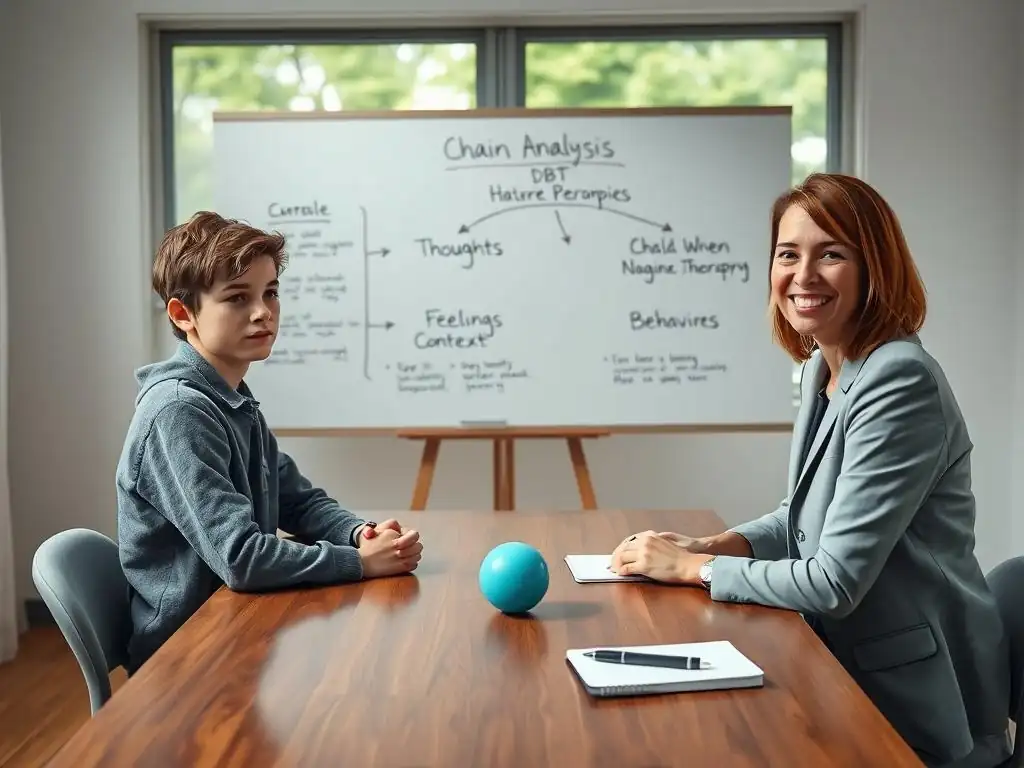
Welcome to Mind Care Guide, a sanctuary for navigating the complexities of mental well-being. Feeling overwhelmed and searching for answers? You're not alone. We understand the urgency and sensitivity surrounding mental health, especially when it comes to our youth. Are you seeking effective strategies to support a young person struggling with suicidal thoughts? Dive into our comprehensive guide exploring DBT therapy for suicidal youth, a proven treatment offering hope and tangible skills for building a brighter future. Let's begin this journey together.
Therapy That Works: Evidence-Based Treatments for Suicidal Youth
- Understanding Suicidal Ideation in Youth: An Introduction
- The Urgency of Targeted Therapies for Suicidal Adolescents
- Dialectical Behavior Therapy (DBT) for Suicidal Youth: A Comprehensive Overview
- Cognitive Behavioral Therapy (CBT) for Suicidal Youth: A Detailed Examination
- Comparing DBT and CBT for Suicidal Adolescents: Key Differences and Similarities
- Other Evidence-Based Therapies for Suicidal Youth: Exploring Alternatives
- Creating a Supportive Environment: The Role of Family and Community in Therapy
- Finding the Right Therapist: Considerations for Parents and Caregivers
- The Future of Suicidal Youth Treatment: Innovations and Emerging Approaches
- Resources for Youth Suicide Prevention and Mental Well-being
-
Frequently Asked Questions
- ### What is DBT therapy and how does it help suicidal youth?
- ### Why is DBT therapy considered effective for suicidal youth, compared to other therapies?
- ### What are the key components of DBT therapy that are beneficial for suicidal youth?
- ### How long does DBT therapy typically last for suicidal youth, and what is the format of the treatment?
- ### Where can parents or caregivers find qualified DBT therapists specializing in working with suicidal youth?
- Final Reflection: Hope and Healing: Finding Pathways to Recovery for Suicidal Youth
- Unlock Your Teen's Potential: Take the Next Step Towards Healing
Understanding Suicidal Ideation in Youth: An Introduction
Suicidal ideation, or thoughts about ending one's life, is a serious and growing concern among adolescents and young adults. These thoughts can range from fleeting considerations to detailed planning. It's crucial to understand that suicidal ideation is often a symptom of underlying mental health conditions, such as depression, anxiety disorders, bipolar disorder, or trauma, rather than a character flaw or attention-seeking behavior. The developing adolescent brain, coupled with the pressures of school, social life, and identity formation, can make this age group particularly vulnerable.
Recognizing the signs of suicidal ideation is the first step toward providing help. These signs can include changes in mood, behavior, sleep patterns, or appetite, withdrawal from friends and activities, expressing feelings of hopelessness or worthlessness, giving away possessions, or talking about death or dying. While not every young person exhibiting these signs is suicidal, they warrant serious attention and professional evaluation. Early intervention is paramount in preventing thoughts from escalating into attempts.
The Urgency of Targeted Therapies for Suicidal Adolescents
Addressing suicidal thoughts and behaviors in young people requires a focused and urgent approach. The stakes are incredibly high, as suicide is a leading cause of death for individuals aged 10 to 24. While general mental health support is always beneficial, the presence of active suicidal ideation or a history of suicide attempts necessitates interventions specifically designed to address the crisis and build critical life-saving skills.
The period following a suicide attempt or hospitalization for suicidal ideation is particularly critical. Research indicates that the risk of a repeat attempt is significantly higher in the weeks and months following an initial crisis. Therefore, immediate access to effective, targeted therapy is not just helpful; it is often life-saving. These therapies must not only address the underlying mental health issues but also directly teach coping strategies for managing intense emotional pain and crisis situations.
Why General Mental Health Approaches May Be Insufficient
General mental health counseling, while valuable for a wide range of issues, may not possess the specialized tools and intensity required to effectively treat acute suicidal risk in youth. Standard talk therapy, for instance, might focus broadly on emotional processing or historical trauma without providing immediate, concrete skills for managing overwhelming suicidal urges in the moment. The pace and structure might not be suited for the high-crisis nature of suicidal behavior.
Furthermore, many general therapists may not have specific training in suicide risk assessment and management protocols. Treating suicidal youth requires a therapist who is not only skilled in psychotherapy but also proficient in safety planning, crisis intervention techniques, and working collaboratively with families and potentially other healthcare providers. Without this specialized knowledge, the therapy may not adequately address the immediate danger or equip the young person with the specific skills needed to navigate future crises.
The Need for Suicide-Specific Interventions
Suicide-specific interventions are designed with the explicit goal of reducing suicidal ideation and behaviors. They are often more structured, skills-based, and intensive than general therapies. These approaches recognize that suicidal crises are often driven by intense emotional dysregulation and a perceived lack of coping options, and they directly target these factors. A core element is teaching youth practical strategies to tolerate distress without resorting to self-harm or suicidal actions.
Evidence-based therapies like Dialectical Behavior Therapy (DBT) and Cognitive Behavioral Therapy (CBT), when adapted for suicidal populations, incorporate specific modules focused on crisis survival, safety planning, and challenging suicidal thinking patterns. For example, a study published in the Journal of the American Academy of Child and Adolescent Psychiatry found that a specific CBT protocol for suicidal adolescents reduced subsequent suicide attempts by approximately 50% compared to standard care. This highlights the power of interventions explicitly tailored to the problem of suicidality.
Dialectical Behavior Therapy (DBT) for Suicidal Youth: A Comprehensive Overview
Dialectical Behavior Therapy (DBT), originally developed by Marsha M. Linehan for chronically suicidal adults, has been extensively adapted and proven effective for adolescents struggling with suicidal ideation and self-harm. DBT therapy for suicidal youth is a highly structured, evidence-based treatment that balances acceptance of the young person's current state with the need for change. It operates on the principle that suicidal behavior and self-harm are often attempts to regulate intense, painful emotions or to escape unbearable situations.
The goal of DBT therapy for suicidal youth is to help them learn skills to manage their emotions, tolerate distress, improve their relationships, and live a life they consider worth living. It's not just about reducing suicidal behaviors, but also about building a foundation for a stable and fulfilling life. This comprehensive therapy typically involves multiple modes of treatment, including individual therapy, skills training groups, phone coaching for crisis situations, and consultation team meetings for the therapists.
What is DBT and How Does it Address Suicidal Thoughts and Behaviors?
DBT is grounded in a biosocial theory, which posits that emotional dysregulation results from a transaction between a biological vulnerability to strong emotions and an invalidating environment. For suicidal youth, this means they may experience emotions more intensely and for longer periods than their peers, and their environment may have struggled to validate and respond effectively to these intense emotions. DBT addresses this by teaching concrete skills while simultaneously validating the young person's experience of suffering.
Suicidal thoughts and behaviors are treated as target behaviors in DBT. The therapy hierarchy prioritizes decreasing life-threatening behaviors (like suicide attempts and self-harm), then therapy-interfering behaviors (like missing sessions), followed by addressing quality-of-life interfering behaviors (like depression or anxiety), and finally, building skills. By focusing intensely on reducing immediate risk behaviors and providing alternative coping mechanisms, DBT provides a direct pathway out of the crisis cycle that often traps suicidal individuals. A key component is the commitment to reducing suicidal behaviors as the number one treatment goal.
Core Components of DBT for Adolescent Suicide Prevention
DBT for adolescents typically includes several core components delivered simultaneously to provide a robust support system and skill-building environment. These often include weekly individual therapy sessions, weekly multi-family skills training groups (where youth and their caregivers learn skills together), phone coaching available between sessions for crisis management, and a therapist consultation team to support the clinicians. This multi-faceted approach ensures skills are learned, practiced, and applied in real-life situations, and that the treatment team stays consistent and effective.
The primary mode of skill acquisition is the skills training group, which usually covers four main modules: Mindfulness, Distress Tolerance, Emotion Regulation, and Interpersonal Effectiveness. These modules provide youth and their families with a concrete toolkit to navigate difficult emotions and situations without resorting to harmful coping strategies. The individual therapy sessions then focus on applying these skills to specific personal challenges and past behaviors, including detailed analysis of any suicidal or self-harming incidents.
Mindfulness Skills Training
Mindfulness is a foundational skill in DBT, teaching youth how to increase their awareness of the present moment without judgment. For suicidal youth, who may be overwhelmed by painful thoughts and feelings about the past or future, mindfulness helps them stay grounded in the here and now. Skills include observing thoughts and feelings without getting caught up in them, describing experiences factually, and participating fully in activities.
Learning mindfulness helps youth recognize their emotional states without immediately reacting impulsively. It provides a space between experiencing an intense emotion and acting on a suicidal urge. By practicing mindfulness regularly, adolescents can become more aware of their triggers and early warning signs of distress, allowing them to use other coping skills proactively before reaching a crisis point.
Distress Tolerance Techniques
Distress tolerance skills are crucial for suicidal youth as they provide ways to get through difficult emotional states or crisis situations without making things worse (e.g., through self-harm or suicide attempts). These skills are designed for moments of intense pain when the situation cannot be immediately changed. They focus on enduring the distress rather than eliminating it.
Techniques include self-soothing using the five senses, distracting oneself healthily, improving the moment (finding small ways to make the present less painful), and radical acceptance (coming to terms with reality as it is). For example, a young person feeling an overwhelming urge to self-harm might be coached to use ice packs (intense sensation distraction) or listen to powerful music (self-soothing) until the urge passes, rather than acting on it. These skills are often taught with acronyms for easier recall during a crisis.
Emotion Regulation Strategies
Emotion regulation skills teach youth how to understand, manage, and change their emotions. This module is particularly important for individuals with emotional dysregulation, helping them decrease the frequency of unwanted emotions, decrease vulnerability to emotional intensity, and change unwanted emotions when they occur.
Skills involve identifying and labeling emotions, understanding the function of emotions, checking the facts (determining if the emotion fits the situation), opposite action (acting in a way opposite to the emotion's urge), and problem-solving. For instance, if a young person feels intense sadness and wants to withdraw (the urge), opposite action would encourage them to engage in an activity that typically brings them joy, even if they don't feel like it initially. This module empowers youth to feel more in control of their emotional lives.
Interpersonal Effectiveness Skills
Interpersonal effectiveness skills focus on how to get needs met, say no, and maintain self-respect in relationships. Suicidal youth often struggle with relationships, which can exacerbate feelings of isolation and worthlessness. These skills help them navigate social situations more effectively, build healthy relationships, and resolve conflicts respectfully.
Skills include asking for what you need effectively, saying no to unwanted requests while maintaining the relationship, and walking the middle path (finding compromise and validating others while maintaining one's own position). For example, a teenager might learn how to ask a parent for space when feeling overwhelmed without escalating the situation into a conflict. Improved relationships can provide a crucial support system and reduce feelings of being a burden.
DBT's Effectiveness in Reducing Suicidal Behaviors in Teens: Research and Evidence
Numerous studies have demonstrated the effectiveness of DBT therapy for suicidal youth. Research has shown that DBT significantly reduces suicidal ideation, suicide attempts, and self-harm behaviors in adolescents. A landmark study published in the Journal of Consulting and Clinical Psychology found that adolescents receiving DBT were half as likely to attempt suicide or engage in self-harm compared to those receiving standard therapy over a one-year period. They also showed greater improvement in suicidal ideation, depression, and overall functioning.
Another study, focusing on severely suicidal adolescents, reported that DBT participants had significantly fewer psychiatric hospitalizations for suicidal ideation or attempts. While exact numbers can vary by study and population, the consistent finding across the research is that DBT therapy for suicidal youth provides a robust framework that leads to measurable reductions in life-threatening behaviors. The evidence strongly supports DBT as a gold standard treatment for this high-risk population.
Cognitive Behavioral Therapy (CBT) for Suicidal Youth: A Detailed Examination

Cognitive Behavioral Therapy (CBT) is another highly effective, evidence-based treatment that has been adapted for use with suicidal youth. While DBT emphasizes emotional regulation and distress tolerance, CBT primarily focuses on the relationship between thoughts, feelings, and behaviors. The core principle is that distorted or negative thinking patterns contribute to emotional distress and maladaptive behaviors, including suicidal ideation.
CBT for suicidal youth helps them identify and challenge these negative thought patterns, replace them with more balanced and realistic thinking, and develop healthier coping mechanisms. It is often shorter-term than DBT and can be delivered in individual or group formats. Specific protocols of CBT have been developed and tested for their effectiveness in reducing suicidal risk.
How CBT Targets Negative Thought Patterns and Suicidal Ideation
CBT operates on the premise that our thoughts significantly influence how we feel and behave. For a suicidal young person, this might manifest as thoughts like "I am worthless," "Things will never get better," or "Everyone would be better off without me." These thoughts contribute to feelings of hopelessness and despair, which in turn can lead to suicidal actions.
CBT helps youth become aware of these automatic negative thoughts, understand how they impact their emotions and behaviors, and learn to critically evaluate their validity. By identifying these thought patterns, the therapist and client can work together to challenge the evidence for and against them and develop alternative, more balanced thoughts. This process aims to break the cycle where negative thinking fuels suicidal feelings.
Identifying and Challenging Cognitive Distortions
A key part of CBT is teaching youth to identify common cognitive distortions – irrational ways of thinking that are often inaccurate but feel true. Examples include all-or-nothing thinking (seeing things in black and white), catastrophizing (assuming the worst possible outcome), mind reading (assuming what others are thinking negatively about you), and personalization (taking responsibility for things that aren't your fault).
Once identified, the therapist guides the young person in challenging these distortions using techniques like Socratic questioning (asking questions to help the youth examine their thoughts logically) and behavioral experiments (testing the validity of a thought in real life). For instance, if a teen thinks "Everyone at school hates me," a behavioral experiment might involve approaching a few classmates they usually avoid to see how they respond. This process helps build more flexible and realistic thinking habits.
Developing Coping Mechanisms and Problem-Solving Skills
Beyond challenging negative thoughts, CBT for suicidal youth also focuses on building practical coping skills and improving problem-solving abilities. Suicidal crises are often triggered by perceived insurmountable problems or an inability to cope with difficult situations. CBT equips youth with strategies to navigate these challenges more effectively.
This includes teaching skills such as identifying a problem, brainstorming potential solutions, evaluating the pros and cons of each solution, choosing and implementing a solution, and evaluating its effectiveness. They also learn coping skills for managing difficult emotions or stressful situations, such as relaxation techniques, engaging in pleasant activities, or seeking social support. These skills provide concrete alternatives to suicidal behavior when faced with adversity.
CBT's Role in Building Resilience and Preventing Future Suicide Attempts
By teaching youth to identify and challenge negative thinking and develop problem-solving and coping skills, CBT helps build psychological resilience. Resilience is the ability to bounce back from adversity and adapt to difficult circumstances. When young people learn that they can manage distressing thoughts and situations, it increases their sense of self-efficacy and hope for the future.
Studies have shown that specific CBT protocols, such as Cognitive Therapy for Suicide Prevention (CT-SP), are effective in reducing the risk of future suicide attempts. Research published in JAMA Psychiatry found that individuals who received CT-SP after a suicide attempt were approximately half as likely to make another attempt within 18 months compared to those receiving standard care. This demonstrates CBT's significant role not just in crisis intervention but in building long-term protective factors against suicidality.
Comparing DBT and CBT for Suicidal Adolescents: Key Differences and Similarities
Both DBT and CBT are evidence-based therapies highly effective for suicidal youth, but they have different primary focuses and structures. CBT is typically shorter-term and focuses heavily on identifying and changing negative thought patterns and behaviors. DBT is generally more intensive and longer-term, with a strong emphasis on emotional regulation, distress tolerance, acceptance, and the dialectic between acceptance and change.
A key structural difference is that standard DBT includes multiple modes of therapy (individual, group, phone coaching, consultation team), while CBT is often delivered primarily through individual sessions, though group formats also exist. DBT's multi-component approach is designed to provide a higher level of support and skill reinforcement, which can be particularly beneficial for youth with severe emotional dysregulation and complex issues.
When is DBT More Appropriate Than CBT?
DBT is often considered more appropriate for suicidal youth who exhibit significant emotional dysregulation, engage in frequent self-harm behaviors, have a history of multiple suicide attempts, or meet criteria for Borderline Personality Disorder traits (though a formal diagnosis is not required for DBT). Its focus on managing intense emotions and crisis survival skills is particularly well-suited for individuals whose suicidal behavior is strongly linked to overwhelming emotional pain and impulsivity.
Furthermore, the comprehensive nature of DBT, including the skills group and phone coaching, provides a higher level of support and skill generalization between sessions. This can be critical for youth who are frequently in crisis or struggle to apply skills learned in therapy to real-life situations. The multi-family group format in adolescent DBT also actively involves caregivers, which can strengthen the support system at home.
CBT can be highly effective for suicidal youth, particularly those whose suicidal ideation is more driven by persistent negative thought patterns, feelings of hopelessness related to specific problems, or underlying depression or anxiety without severe emotional dysregulation or chronic self-harm. If the primary driver of suicidality seems to be distorted thinking about self, the future, or the world, CBT's focus on challenging these thoughts can be very powerful.
Specific CBT protocols like CT-SP are explicitly designed for individuals who have made a suicide attempt and focus on the cognitive factors leading up to the attempt. CBT can also be more accessible as it may be offered more widely than specialized DBT programs and can sometimes be delivered in a shorter timeframe (e.g., 12-20 sessions). It can be a strong first-line treatment, especially if severe emotional dysregulation is not the primary clinical presentation.
Integrating DBT and CBT: A Combined Approach?
In some cases, integrating elements of both DBT and CBT might be beneficial, or a young person might transition from one therapy to another. For instance, a youth might start with DBT to stabilize acute crisis behaviors and build foundational emotional regulation skills, and then transition to CBT to address underlying depressive thought patterns or specific anxiety issues once the immediate suicidal risk has decreased.
Some therapists trained in both modalities may draw on techniques from both depending on the young person's specific needs at a given time. While there isn't a formal "integrated DBT-CBT" protocol as widely researched as the individual therapies, the principles and skills are complementary. Both emphasize skill-building, homework practice, and a collaborative approach between therapist and client. The choice often depends on the youth's specific clinical profile, the therapist's expertise, and the availability of programs.
Other Evidence-Based Therapies for Suicidal Youth: Exploring Alternatives
While DBT and CBT are among the most widely researched and utilized therapies for suicidal youth, other evidence-based approaches also exist and may be appropriate depending on the individual's needs and the underlying issues contributing to their suicidality. These therapies often address specific factors such as relational dynamics, trauma, or attachment issues.
Exploring these alternatives is important because not every therapy is the right fit for every young person or family. Factors like the primary cause of distress, family dynamics, and the young person's developmental stage can influence which therapy might be most effective. Therapists specializing in youth suicide prevention are typically knowledgeable about these different modalities and can help determine the best course of action.
Mentalization-Based Treatment (MBT) for Adolescents
Mentalization-Based Treatment (MBT) focuses on helping individuals improve their capacity to mentalize – that is, to understand their own and others' behavior in terms of underlying mental states like thoughts, feelings, and intentions. For suicidal youth, who may struggle with intense, confusing emotions and difficulty understanding why they or others act certain ways, improving mentalization can reduce impulsivity and improve relationships.
MBT for adolescents (MBT-A) is often delivered in both individual and group formats and involves helping youth and their families become more curious about their internal experiences and those of others. By improving their ability to mentalize, youth can better regulate their emotions, understand interpersonal conflicts, and feel less overwhelmed by confusing internal states that might otherwise lead to suicidal urges. Research suggests MBT can be effective for adolescents with complex difficulties, including suicidality and self-harm.
Attachment-Based Family Therapy (ABFT) for Suicidal Youth
Attachment-Based Family Therapy (ABFT) is a brief, manualized family therapy specifically designed to treat depression and reduce suicidal ideation in adolescents. It is grounded in attachment theory, which posits that secure attachment relationships with caregivers provide a crucial protective factor against suicide risk. ABFT aims to repair ruptures in the parent-child relationship and rebuild a secure base that can support the adolescent's emotional well-being.
ABFT involves structured sessions with the adolescent alone, the parents alone, and conjoint family sessions. The therapist helps the family have conversations that typically involve the adolescent expressing their pain and suicidal thoughts, and the parents responding with empathy and a commitment to support. Studies have shown ABFT to be effective in reducing suicidal ideation and depression in adolescents, highlighting the critical role of family connection in suicide prevention. For example, a study published in JAMA Psychiatry found ABFT significantly reduced suicidal ideation compared to a control group.
Cognitive Therapy for Suicide Prevention (CT-SP)
As mentioned earlier, Cognitive Therapy for Suicide Prevention (CT-SP) is a specific adaptation of CBT developed by Aaron T. Beck and colleagues for individuals who have recently attempted suicide. It is a brief intervention, typically lasting 10-12 sessions, delivered individually. While a form of CBT, its specific focus on the cognitive factors immediately preceding a suicide attempt makes it a distinct, targeted protocol.
CT-SP involves a detailed analysis of the suicide attempt or crisis, identifying the thoughts, feelings, and circumstances that led to it. The therapist then works with the individual to challenge the suicidal beliefs and assumptions uncovered during the analysis and develop adaptive coping strategies and a safety plan. The therapy also focuses on instilling hope and developing a crisis management plan for future difficult times. Its strong empirical support for reducing repeat attempts makes it a vital intervention in post-attempt care.
Creating a Supportive Environment: The Role of Family and Community in Therapy

Therapy for suicidal youth is most effective when it occurs within a supportive environment that includes active involvement from family and connections to community resources. Suicidality is rarely an issue that exists in isolation; it impacts and is impacted by the young person's relationships and surroundings. Therefore, engaging parents, caregivers, and the broader community is a crucial component of treatment and long-term prevention.
Family members, in particular, play a vital role as they are often the primary source of support, safety, and influence in a young person's life. Educating families about the therapy process, teaching them skills to support their child, and improving family communication can significantly enhance treatment outcomes. Similarly, connecting youth with positive peer groups, school counselors, or community mental health resources builds a broader safety net.
Family Involvement in DBT and CBT Treatment
Both DBT and CBT protocols for youth often strongly encourage or require caregiver participation. In adolescent DBT, the multi-family skills group is a core component, where both youth and their parents/caregivers learn the same skills. This allows families to practice skills together at home, improve communication about difficult emotions, and for parents to better understand and support their child's struggles. Parents also learn skills for managing their own reactions and building a more validating environment.
In CBT, while less structured than DBT groups, therapists often meet with parents to provide psychoeducation about the youth's difficulties, explain the CBT model, and teach them strategies to support the youth in practicing skills and challenging negative thoughts at home. For therapies like ABFT, the family system is the focus of the intervention. Active family involvement helps reinforce therapeutic gains, improves relationships, and ensures a consistent approach to managing crises outside of therapy sessions.
Building a Safety Net: Connecting Youth with Support Resources
A key aspect of suicide prevention and therapy is ensuring the young person is connected to a network of support beyond the therapist's office. This involves developing a comprehensive safety plan that includes identifying warning signs, internal coping strategies (like listening to music or journaling), external distractions (like calling a friend), and contact information for supportive individuals (friends, family members) and crisis resources.
Therapists work with the youth and family to identify and connect with school counselors, pediatricians, community mental health centers, support groups, and crisis hotlines. Knowing who to reach out to and having a plan in place before a crisis occurs is a critical protective factor. Building this "safety net" ensures that help is available 24/7, not just during scheduled therapy sessions.
Reducing Stigma and Promoting Open Communication about Suicide
Stigma surrounding mental health and suicide remains a significant barrier to help-seeking. Creating an environment where young people feel safe talking about their struggles, including suicidal thoughts, is essential. Families and communities can play a vital role by fostering open, non-judgmental conversations about mental well-being.
Educating parents, teachers, and peers about the signs of distress and how to respond can empower them to reach out and offer support. Promoting mental health literacy and normalizing the experience of seeking help reduces shame and encourages youth to access therapies like DBT therapy for suicidal youth or CBT when they need it most. Open communication helps break down the isolation that often accompanies suicidal ideation.
Finding the Right Therapist: Considerations for Parents and Caregivers
Navigating the process of finding a therapist for a suicidal young person can feel overwhelming. It's crucial to find a mental health professional who is not only qualified but also has specific experience and training in treating suicidal youth using evidence-based modalities like DBT or CBT. The right therapist can make a significant difference in the outcome.
Parents and caregivers should feel empowered to ask questions and gather information to ensure the therapist and treatment approach are a good fit for their child's specific needs. This process involves understanding the therapist's background, their approach to suicide risk, and how they involve families in treatment.
Questions to Ask Potential Therapists
When interviewing potential therapists, parents and caregivers should ask specific questions related to their experience with suicidality and their therapeutic approach. Useful questions include:
- What is your experience treating suicidal adolescents?
- What therapeutic approaches do you use (e.g., DBT, CBT, ABFT)? Are you formally trained in these modalities?
- How do you assess and manage suicide risk? Do you use safety planning?
- How do you involve parents/caregivers in the treatment process?
- What is the typical length and frequency of sessions?
- How do you handle crisis situations outside of scheduled appointments (e.g., is phone coaching available)?
- What are your fees and cancellation policies?
Getting clear answers to these questions helps ensure the therapist's approach aligns with evidence-based practices for suicidal youth and that their policies meet the family's needs.
Understanding the Therapist's Experience and Training in Suicide Prevention
It's not enough for a therapist to simply state they treat suicidal youth. Parents should inquire about specific training or certifications they hold in evidence-based suicide prevention therapies like DBT, CBT (especially CT-SP), or ABFT. Ask about their experience working with youth of a similar age and with similar presenting issues (e.g., self-harm, trauma, specific diagnoses).
A therapist with specialized training is more likely to be proficient in the specific techniques and protocols proven effective for this population. For instance, a therapist offering DBT therapy for suicidal youth should ideally have received intensive training in the DBT model and participate in a consultation team. Don't hesitate to ask about their approach to crisis management and safety planning, as these are non-negotiable components of care for suicidal individuals.
Considering Cultural Competency and Fit
Finding a therapist who is a good cultural fit and demonstrates cultural competency is also important. This includes sensitivity to the young person's racial, ethnic, religious, sexual orientation, gender identity, and socioeconomic background. A culturally competent therapist understands how these factors can influence a young person's experience of mental health struggles and their willingness to engage in therapy.
The therapeutic relationship itself is a powerful agent of change. It's important that the young person feels comfortable, understood, and safe with their therapist. While finding the perfect fit might take time, prioritizing a therapist who is skilled in evidence-based suicide-specific therapies and connects well with the youth is paramount for successful treatment.
The Future of Suicidal Youth Treatment: Innovations and Emerging Approaches
The field of mental health treatment for suicidal youth is constantly evolving, with ongoing research exploring new and innovative approaches. As our understanding of the complex factors contributing to youth suicide grows, so too do the strategies for intervention and prevention. Future directions include leveraging technology and moving towards more personalized treatment models.
These emerging approaches aim to increase access to care, improve the efficiency and effectiveness of interventions, and tailor treatment more precisely to the individual needs of each young person. Staying informed about these advancements is important for both clinicians and families seeking the most effective support.
Technology-Based Interventions and Teletherapy
Technology is increasingly being used to augment or deliver mental health services for youth. Teletherapy, or receiving therapy via video conferencing, has become more common and can improve access to specialized care, especially for families in rural areas or those facing transportation barriers. Research suggests that tele-DBT and tele-CBT can be effective alternatives or supplements to in-person therapy for adolescents.
Furthermore, mobile apps and online platforms are being developed to teach coping skills (like mindfulness or distress tolerance), track mood and behaviors, and provide crisis support. While these tools are typically used as adjuncts to traditional therapy rather than replacements, they offer promising ways to provide support and reinforce skills between sessions, potentially reaching youth in ways that feel more natural and accessible to them.
Personalized Treatment Approaches
Recognizing that each young person's path to suicidality is unique, there is a growing movement towards more personalized treatment approaches. Instead of applying a single protocol to all suicidal youth, personalized care involves a more thorough assessment of the specific risk factors, protective factors, underlying mechanisms (e.g., emotional dysregulation, negative thinking, family conflict), and individual preferences for that particular young person.
This might involve tailoring the content of DBT therapy for suicidal youth or CBT, combining elements from different therapies, or sequencing interventions based on the individual's response. Research is ongoing to identify biomarkers or clinical profiles that predict which youth will respond best to which type of therapy. The goal is to move towards a precision medicine model in mental health, ensuring that each young person receives the most effective treatment plan for their specific needs.
Resources for Youth Suicide Prevention and Mental Well-being
Access to resources is crucial for both immediate crisis support and ongoing mental health care. Knowing where to turn for help can make a life-saving difference for a young person in distress or a family seeking support.
National Suicide Prevention Lifeline and Crisis Text Line
For immediate support in a crisis, the National Suicide Prevention Lifeline (available by calling or texting 988 in the US and Canada, or dialing 111 in the UK) and the Crisis Text Line (text HOME to 741741 in the US, 686868 in Canada, or 85258 in the UK) provide free, confidential support 24/7. These services connect individuals in distress with trained crisis counselors who can provide immediate emotional support and help connect them with local resources. They are vital resources for youth experiencing suicidal thoughts or for anyone concerned about a young person.
Local Mental Health Services and Support Groups
Connecting with local mental health services is key for ongoing treatment. This can include community mental health centers, university counseling centers, private practice therapists specializing in youth, and psychiatric hospitals if needed. Finding therapists trained in evidence-based practices like DBT therapy for suicidal youth or CBT is essential. Support groups for youth or families affected by suicide or mental health challenges can also provide invaluable peer support and reduce feelings of isolation. Websites of national mental health organizations often have search tools to find local providers and resources.
Frequently Asked Questions
### What is DBT therapy and how does it help suicidal youth?
DBT, or Dialectical Behavior Therapy, is a type of therapy that teaches skills for managing emotions, tolerating distress, and improving relationships. It can be particularly helpful for suicidal youth by providing coping mechanisms and emotional regulation techniques.
### Why is DBT therapy considered effective for suicidal youth, compared to other therapies?
DBT emphasizes skills training directly addressing behaviors related to suicidality, such as self-harm and impulsivity. It focuses on both acceptance and change, helping youth validate their feelings while also learning healthier ways to cope.
### What are the key components of DBT therapy that are beneficial for suicidal youth?
DBT consists of four main modules: mindfulness, distress tolerance, emotional regulation, and interpersonal effectiveness. These modules help youth manage overwhelming emotions, cope with difficult situations, and build healthier relationships.
### How long does DBT therapy typically last for suicidal youth, and what is the format of the treatment?
The duration of DBT therapy varies, but it typically lasts for 6-12 months. It often involves individual therapy, skills training groups, and phone coaching to support the youth in applying the skills learned in therapy.
### Where can parents or caregivers find qualified DBT therapists specializing in working with suicidal youth?
Parents can search for qualified DBT therapists through online directories such as the Behavioral Tech website, or by contacting local mental health organizations. It's crucial to ensure the therapist has experience working with adolescents and expertise in DBT.
Final Reflection: Hope and Healing: Finding Pathways to Recovery for Suicidal Youth
The urgent need for effective interventions in youth suicide prevention is undeniable, and the crisis continues to demand innovative and accessible solutions. The devastating impact of suicidal ideation on young people and their families underscores the critical importance of understanding and implementing evidence-based therapies like Dialectical Behavior Therapy (DBT) and Cognitive Behavioral Therapy (CBT). These treatments offer a lifeline, providing concrete tools and strategies to navigate overwhelming emotions and develop coping mechanisms.
The profound impact of DBT and CBT on the lives of suicidal youth, and the broader cultural shift towards acknowledging and addressing mental health challenges, is deeply encouraging. The stigma surrounding mental illness is slowly but surely eroding, paving the way for more open conversations and increased access to care. Hope is not the belief that everything will turn out well, but the certainty that something will turn out well, even if it's just a small thing.
This sentiment perfectly encapsulates the power of these therapies – offering a tangible path towards even small victories, building resilience and fostering a sense of self-efficacy.
You, the reader, now possess a deeper understanding of the therapeutic approaches available to help suicidal youth. Consider how this knowledge can inform your own interactions with young people in your life. Are you equipped to recognize the signs of suicidal ideation?
Do you know where to direct someone in need of help? Take the time to learn more about available resources in your community, and remember that even a small act of empathy and support can make a world of difference. Let us collectively work towards a future where every young person struggling with suicidal thoughts has access to the care and support they deserve.
Unlock Your Teen's Potential: Take the Next Step Towards Healing
Thank you for taking the time to learn about effective therapies for suicidal youth. We hope this article provided valuable insights and empowered you with knowledge to support your loved one. Now, let's move forward and make a real difference.
- Prioritize finding a qualified therapist: This is the crucial first step. Research therapists specializing in DBT, CBT, or similar evidence-based approaches for adolescents struggling with suicidal thoughts. Consider contacting your insurance provider for a list of in-network professionals.
- Build a support network: Connect with other parents or caregivers facing similar challenges. Sharing experiences and learning from others can be incredibly powerful. Look for local support groups or online communities focused on teen mental health.
- Explore additional resources: Deepen your understanding of adolescent suicide prevention by researching reputable organizations dedicated to teen mental health. Consider volunteering your time to a relevant charity; giving back can be incredibly healing.
Ready to take charge and create a brighter future for your teen? What's one resource you'll explore today to start building a stronger support system?