
Beyond the Mat: Bringing Mindfulness into Everyday Life

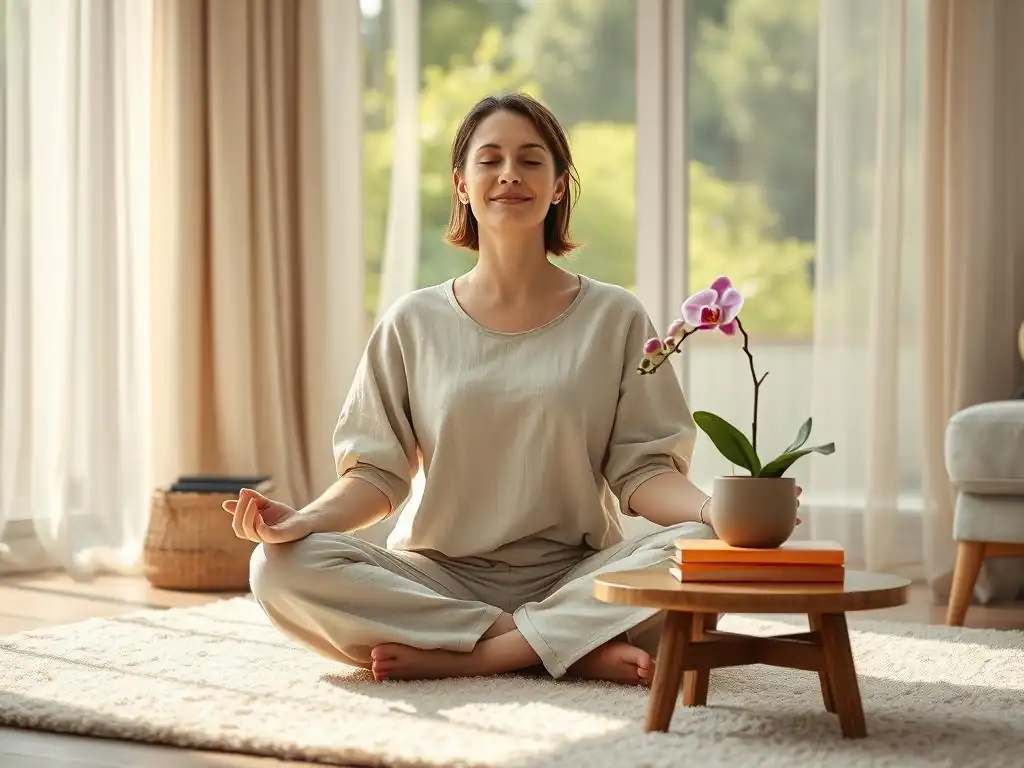
Welcome to Mind Care Guide, a sanctuary for your mental well-being.
Feeling overwhelmed by the daily grind? You're not alone. We understand the pressures of modern life, and we're here to help you navigate them with greater ease and resilience. Discover practical techniques to weave mindfulness for everyday stress relief into your routine, moving beyond the meditation cushion and into a life lived with intention. Curious how? Let's explore together...
- Beyond the Mat: Integrating Mindfulness for Everyday Stress Relief
- Understanding Mindfulness and Its Benefits for Stress Reduction
- Practical Mindfulness Techniques for Daily Life
- Incorporating Mindfulness into Everyday Activities
- Overcoming Challenges in Practicing Mindfulness
- Mindfulness and Technology: Using Apps for Guidance
- Advanced Mindfulness Practices for Deeper Stress Relief
- Conclusion: Embracing Mindfulness as a Way of Life for Lasting Stress Relief
-
Frequently Asked Questions
- How can I incorporate mindfulness into my daily routine if I don't have time for formal meditation?
- What are some specific examples of mindfulness exercises I can do throughout the day for stress relief?
- Is mindfulness only effective for acute stress, or can it also help with chronic stress management?
- I'm new to mindfulness. Where can I find reliable resources to learn more about it and its benefits?
- How long does it typically take to experience the benefits of mindfulness for stress relief?
- Final Reflection: Weaving Mindfulness into the Fabric of Life
- Ignite Your Inner Peace: Take Mindfulness Off the Mat
Beyond the Mat: Integrating Mindfulness for Everyday Stress Relief
Introduction: Finding Calm in the Chaos with Mindfulness
In the whirlwind of modern life, stress often feels like an unavoidable companion. Deadlines loom, responsibilities pile up, and our minds race with worries about the past and future. This constant state of overwhelm can take a significant toll on our mental and physical health. Many seek refuge in practices like meditation, but the real challenge is often bringing that sense of calm and presence off the meditation cushion and into the moments that need it most – the stressful, chaotic ones.
This article explores how cultivating mindfulness for everyday stress relief is not just possible, but essential for navigating life's challenges with greater ease and resilience. It's about transforming ordinary activities into opportunities for presence, awareness, and peace. By integrating simple mindfulness techniques into your daily routine, you can build a powerful buffer against stress, improve your emotional well-being, and discover a deeper connection with yourself and the world around you, moving "beyond the mat" and into a more mindful way of living.
Understanding Mindfulness and Its Benefits for Stress Reduction
What is Mindfulness? A Simple Definition
Mindfulness is, at its core, the practice of paying deliberate attention to the present moment without judgment. It involves noticing your thoughts, feelings, bodily sensations, and the environment around you with an attitude of open curiosity and acceptance. It's not about emptying your mind or achieving a state of perfect bliss, but rather about acknowledging what is happening right now, as it is.
Think of mindfulness as exercising your attention muscle. Just like physical exercise strengthens your body, mindfulness practice strengthens your ability to focus, to observe your internal and external experiences, and to respond to situations thoughtfully rather than reactively. This simple, yet profound, practice forms the foundation for managing stress effectively in daily life.
The Science-Backed Benefits of Mindfulness
Research over the past few decades has increasingly validated the profound impact of mindfulness on mental and physical health, particularly in the realm of stress reduction. Studies have shown that regular mindfulness practice can lead to measurable changes in the brain and improvements in various psychological indicators. These benefits highlight why mindfulness for everyday stress relief is a powerful, evidence-based approach.
Beyond stress reduction, the benefits extend to enhanced self-awareness, improved focus and concentration, greater emotional regulation, and a more positive outlook on life. Individuals who consistently practice mindfulness often report feeling more resilient in the face of challenges, less reactive to stressors, and more appreciative of their experiences, both positive and negative.
Mindfulness and the Brain: How it Reduces Cortisol Levels
One of the most significant scientific findings regarding mindfulness is its impact on the brain's stress response system. The amygdala, often referred to as the brain's "fear center," plays a key role in processing threats and triggering the release of stress hormones like cortisol. Chronic stress can lead to an overactive amygdala and elevated cortisol levels, contributing to various health problems.
Studies using fMRI (functional magnetic resonance imaging) have demonstrated that regular mindfulness meditation can actually decrease the size and activity of the amygdala. Simultaneously, it can increase the density of gray matter in areas of the brain associated with attention, self-awareness, and emotional regulation, such as the prefrontal cortex.
This neural rewiring helps individuals respond to stressors with less intensity and recover more quickly, effectively reducing the physiological impact of stress and making mindfulness for everyday stress relief a tangible reality rooted in neuroscience. For instance, some studies indicate that just 8 weeks of mindfulness training can lead to noticeable structural changes in these brain regions.
Mindfulness and Emotional Regulation: Managing Anxiety and Improving Mood
Mindfulness significantly enhances emotional regulation by changing how we relate to our feelings. Instead of getting swept away by difficult emotions like anxiety, frustration, or sadness, mindfulness teaches us to observe them without judgment. This creates a space between the feeling and our reaction to it, allowing for a more skillful response.
By fostering non-reactivity and acceptance, mindfulness helps diminish the intensity and duration of negative emotional states. For example, someone experiencing anxiety might learn to notice the physical sensations and racing thoughts associated with it without identifying as an anxious person or getting caught in a spiral of worry. This shift in perspective can significantly reduce the subjective experience of distress.
Research consistently shows that mindfulness-based interventions can be as effective as other therapeutic approaches in reducing symptoms of anxiety and depression, improving overall mood and emotional resilience. A meta-analysis pooling results from numerous studies, for instance, estimated an average reduction in anxiety symptoms by roughly 20-30% following mindfulness training.
Practical Mindfulness Techniques for Daily Life

Mindfulness Meditation for Beginners: A Step-by-Step Guide
Starting a formal mindfulness meditation practice can seem daunting, but it doesn't require special equipment or a quiet room for hours. Even a few minutes each day can make a difference. The core idea is to set aside time to intentionally cultivate awareness.
Here is a simple guide to get started:
- Find a comfortable posture: You can sit on a chair with your feet flat on the floor, or cross-legged on a cushion. Keep your spine relatively straight but not stiff.
- Close your eyes gently or soften your gaze downwards.
- Bring your attention to your breath: Notice the sensation of the breath entering and leaving your body. This might be the feeling of air in your nostrils, the rise and fall of your chest, or the expansion and contraction of your abdomen.
- Observe your thoughts: Your mind will inevitably wander. When you notice your thoughts drifting (which is completely normal! ), gently acknowledge them without judgment and guide your attention back to your breath.
- Be kind to yourself: There's no "right" way to meditate, and your mind will wander often. Treat these moments with patience and compassion.
Start with just 5-10 minutes per day and gradually increase the duration as you feel comfortable. Consistency is more important than length. Even short, regular sessions build the foundation for bringing mindfulness for everyday stress relief into the rest of your day.
Mindful Breathing Exercises for Instant Stress Relief
When stress hits, your breath is an immediate and accessible anchor to the present moment. Simple breathing exercises can quickly calm the nervous system and interrupt the stress response. These techniques are perfect for incorporating mindfulness for everyday stress relief on the go.
These exercises can be done anywhere – at your desk, in traffic, before a difficult conversation. They redirect your focus from stressful thoughts to the physical sensation of breathing, providing an instant reset for your mind and body.
Diaphragmatic Breathing: A Technique for Immediate Relaxation
Diaphragmatic breathing, also known as belly breathing, engages the diaphragm, a large muscle located below the lungs. This type of breathing promotes deeper inhalation and helps slow your heart rate and lower blood pressure, counteracting the physiological effects of stress.
To practice diaphragmatic breathing:
- Find a comfortable position, sitting or lying down.
- Place one hand on your chest and the other on your abdomen, just below your rib cage.
- Inhale slowly through your nose, feeling your abdomen expand as the diaphragm pulls air into your lungs. The hand on your abdomen should rise, while the hand on your chest should remain relatively still.
- Exhale slowly through pursed lips, feeling your abdomen fall. Gently contract your abdominal muscles to help push the air out.
- Repeat for several breaths, focusing on the sensation of your abdomen rising and falling. Aim for a slow, steady rhythm, perhaps counting to four on the inhale and six on the exhale. Just a few minutes of this can significantly reduce feelings of tension.
Box Breathing: Calming Your Mind in Four Steps
Box breathing (also known as square breathing) is a simple, rhythmic technique used by Navy SEALs and others in high-stress situations to calm the nervous system and improve focus. It involves breathing in, holding, breathing out, and holding for equal counts, typically four.
Here's how to do it:
- Exhale completely, getting all the air out of your lungs.
- Inhale slowly through your nose to a count of four.
- Hold your breath for a count of four.
- Exhale slowly through your mouth to a count of four.
- Hold your breath for a count of four before inhaling again.
Repeat this cycle for several rounds. The rhythmic counting and holding provide a focal point, helping to quiet a racing mind and induce a state of calm. Practicing this regularly can build your capacity for managing stress responses in real-time.
Body Scan Meditation: Releasing Tension Throughout Your Day
The body scan is a mindfulness technique that involves systematically bringing attention to different parts of your body, noticing any sensations present without trying to change them. It's an excellent way to become more aware of where you hold stress and to release physical tension.
This practice helps cultivate body awareness and can be done lying down or sitting. It typically involves starting from the toes and slowly moving attention up through the legs, torso, arms, neck, and head. As you focus on each area, simply notice any feelings – warmth, coolness, tingling, tightness, absence of sensation – with curiosity and acceptance.
If you encounter an area of tension, you can gently breathe into it, imagining the breath softening the area, but without forcing relaxation. A full body scan can take 20-40 minutes, but shorter versions focusing on specific areas (like shoulders and neck) can be done in just a few minutes to bring mindfulness for everyday stress relief into a busy schedule.
Mindful Walking: Connecting with Your Surroundings
Walking is something many of us do every day, making it a perfect opportunity to practice mindfulness. Mindful walking shifts your attention from destination or distracting thoughts to the experience of walking itself.
To practice mindful walking:
- Find a place where you can walk undisturbed, even if it's just for five minutes.
- Bring your attention to your body: Notice the sensation of your feet touching the ground, the movement of your legs, the swing of your arms.
- Notice your breath: Feel the rhythm of your breathing as you walk.
- Notice your surroundings: Observe the sights, sounds, smells, and sensations of the air or sun on your skin. Do this without getting lost in thought about them.
- When your mind wanders (which it will), gently bring your attention back to your body, breath, or surroundings.
Mindful walking transforms a simple activity into a grounding practice that connects you with your physical self and the environment, providing a refreshing break and reducing stress. Even a short walk around the block done mindfully can feel restorative.
Incorporating Mindfulness into Everyday Activities
Integrating mindfulness into daily life is where the practice truly shines as a tool for everyday stress relief. It's about bringing intentional awareness to ordinary tasks, turning routine moments into opportunities for presence.
This approach doesn't require adding more items to your already busy schedule; instead, it's about doing what you already do, but with a different quality of attention. From your morning coffee to your evening commute, countless moments offer the chance to practice mindfulness and reduce accumulated stress.
Mindful Eating: Savoring Each Moment
Mindful eating involves paying full attention to the experience of eating and drinking, both inside and outside the body. It's not a diet, but a way of cultivating a healthier relationship with food and your body's hunger and fullness cues.
To practice mindful eating:
- Before eating, pause for a moment to look at your food. Notice its colors, textures, and arrangement.
- Smell your food: Pay attention to the aromas.
- Take a small bite: Chew slowly and deliberately. Notice the texture and flavor of the food. How does it change as you chew?
- Notice the urge to swallow: Swallow only when you feel ready.
- Pause between bites: Put your fork down and take a breath. Notice how full you feel.
- Tune into your body's signals: Pay attention to physical cues of hunger and fullness.
Mindful eating slows down the experience, enhances enjoyment, and helps you become more attuned to your body's needs, preventing overeating often linked to stress. It transforms a basic need into a sensory experience that anchors you in the present.
Mindful Communication: Active Listening and Empathy
Mindful communication is about being fully present when interacting with others. It involves listening attentively, speaking with intention, and being aware of your own reactions and the impact of your words. This practice significantly reduces stress in relationships by fostering understanding and connection.
Key aspects include:
- Active listening: Giving your full, undivided attention to the speaker. Put away distractions and listen not just to the words, but also the tone of voice and body language. Try to understand their perspective without interrupting or formulating your response.
- Speaking with awareness: Before speaking, pause. Consider what you want to say, why you want to say it, and how it might be received. Speak honestly and kindly.
- Noticing your reactions: Become aware of your own emotional responses during a conversation (e.g., defensiveness, impatience, frustration). Acknowledge these feelings without letting them dictate your response.
Mindful communication improves clarity, reduces misunderstandings, and strengthens relationships, all of which contribute to lower stress levels. It shifts interactions from automatic exchanges to intentional, empathetic connections.
Mindful Work: Enhancing Focus and Productivity
The workplace is often a significant source of stress. Applying mindfulness techniques can help navigate deadlines, difficult colleagues, and constant demands with greater ease, enhancing both focus and productivity while reducing stress.
Mindful work involves bringing intentional awareness to your tasks, interactions, and environment throughout the workday. It's about being present with what you're doing, rather than letting your mind race ahead to the next task or dwell on past challenges.
Applying Mindfulness to Reduce Workplace Stress
Reducing workplace stress through mindfulness can start with simple practices. Before beginning a task, take a few deep breaths to center yourself. When you feel overwhelmed, pause and do a short body scan to notice where you're holding tension. If you're facing a challenging project, break it down into smaller steps and focus mindfully on completing just the current step.
Another useful technique is to schedule short "mindfulness breaks" throughout the day – even just 60 seconds to stretch, breathe, and re-center. Research from various companies implementing mindfulness programs suggests improvements in employee well-being, reduced burnout rates (sometimes reported as a 10-15% reduction), and increased job satisfaction. These small, consistent practices build resilience against daily workplace pressures.
Mindful Meetings: Staying Present and Engaged
Meetings can often feel like time sinks or sources of frustration. Practicing mindfulness during meetings can help you stay focused, contribute effectively, and manage any stress or boredom that arises.
Before a meeting starts, take a moment to settle into your seat and take a few mindful breaths. During the meeting, pay attention to who is speaking – listen actively without formulating your response or getting distracted by your phone or unrelated thoughts. Notice your own physical sensations and emotional reactions as topics are discussed. If your mind wanders, gently bring it back to the present conversation. Being fully present allows you to absorb information better, contribute more thoughtfully, and feel less stressed by the process.
Mindful Chores: Transforming Mundane Tasks
Even the most mundane chores can become opportunities for mindfulness practice. Washing dishes, folding laundry, or sweeping the floor might not sound glamorous, but they offer simple, repetitive actions that can anchor your attention in the present moment.
To practice mindful chores:
- Engage your senses: Notice the feel of the water, the texture of the soap bubbles, the smell of the detergent, the sight of the dirt disappearing.
- Focus on the physical movements: Pay attention to the sensations in your hands, arms, and body as you perform the task.
- Accept the task: Rather than rushing through or resenting the chore, simply accept that this is what you are doing right now.
Turning chores into mindful activities transforms them from dreaded obligations into moments of presence. This can reduce the feeling of overwhelm often associated with household tasks and infuse a sense of calm into your routine, making mindfulness for everyday stress relief accessible even during cleaning.
Overcoming Challenges in Practicing Mindfulness
Starting and maintaining a mindfulness practice, especially for everyday stress relief, isn't always easy. You will likely encounter obstacles, but recognizing them and having strategies to address them can help you stay consistent and reap the benefits.
Remember that mindfulness is a practice, not a perfect state. There will be days when it feels effortless and days when it feels impossible. The key is to approach these challenges with patience and self-compassion.
Common Obstacles and How to Address Them
Many people encounter similar hurdles when trying to integrate mindfulness into their lives. These challenges are normal parts of the journey and not signs of failure.
Understanding these common difficulties helps normalize the experience and provides a roadmap for navigating them. It's about finding flexible ways to keep the practice alive amidst life's demands.
Lack of Time: Finding Small Moments for Mindfulness
One of the most frequently cited reasons for not practicing mindfulness is a perceived lack of time. In our fast-paced world, scheduling dedicated meditation time can feel like another impossible task on a long list.
However, mindfulness isn't just about formal meditation sessions. It's about bringing awareness to the moments you already have.
- Start small: Even 1-2 minutes of mindful breathing while waiting for coffee or before checking email can be beneficial.
- Stack habits: Pair mindfulness with an existing habit, like taking three mindful breaths before opening your car door or while brushing your teeth.
- Utilize transitions: Use moments between tasks, meetings, or locations as opportunities for a brief check-in with your breath or body.
- Task list idea: Create a simple task list like:
- [ ] Mindful breath before breakfast (3 breaths)
- [ ] Mindful walk during lunch break (5 mins)
- [ ] Mindful listening in one conversation today
- [ ] Mindful review of the day before bed (2 mins)
Finding these small pockets of time makes mindfulness for everyday stress relief achievable even on the busiest days.
Wandering Mind: Techniques to Stay Focused
A wandering mind is not a sign of poor meditation skills; it's simply what minds do. Our brains are wired to think, plan, and remember, so thoughts will inevitably arise during mindfulness practice. The challenge isn't to stop thinking, but to gently notice when your mind has wandered and guide your attention back.
Techniques to help stay focused:
- Choose an anchor: While the breath is common, you can also focus on bodily sensations (like the feeling of sitting), sounds (like ambient noise), or even a visual point if your eyes are open.
- Label thoughts: When you notice your mind wandering, you can gently label the thought category in your head (e.g., "planning," "worry," "memory") before returning to your anchor. This creates distance from the thought.
- Shorten practice time: If your mind is constantly racing during a 10-minute sit, try reducing it to 3-5 minutes until you build more focus.
- Practice acceptance: Don't get frustrated by a wandering mind. It's part of the process. Simply notice, accept, and return your attention kindly.
Consistency in gently redirecting your attention builds the muscle of focus, which is crucial for mindfulness for everyday stress relief.
Self-Judgment: Cultivating Self-Compassion
It's easy to fall into the trap of judging your mindfulness practice: "I'm not doing this right," "My mind is too busy," "I'm failing at this." This self-criticism is a major obstacle to enjoying and benefiting from the practice.
Cultivating self-compassion is key:
- Acknowledge the difficulty: Recognize that mindfulness is a skill that takes time and effort to develop. It's okay for it to feel challenging sometimes.
- Be kind to yourself: Treat yourself with the same patience and understanding you would offer a friend who is learning something new.
- Frame challenges as learning opportunities: See a wandering mind or difficulty focusing not as failures, but as moments to practice gently returning your attention.
- Use positive self-talk: Replace critical thoughts with encouraging ones, such as "It's okay, just start again," or "I'm doing my best."
Embracing an attitude of self-compassion makes the practice more sustainable and enjoyable, fostering a supportive inner environment for managing stress.
Staying Consistent with Your Mindfulness Practice
Consistency is the bedrock of building a strong mindfulness habit that genuinely supports everyday stress relief. Even short, regular sessions are more beneficial than infrequent, long ones.
Strategies for maintaining consistency:
- Schedule it: Treat your mindfulness practice like any other important appointment. Put it in your calendar.
- Start small: Don't aim for an hour of meditation immediately. Begin with 5-10 minutes daily and gradually increase as you feel ready.
- Find a practice buddy or group: Connecting with others can provide accountability and support.
- Track your progress (gently): Use a simple journal or app (see next section) to note when you practiced and how you felt, but avoid turning it into another source of pressure.
- Be flexible: If you miss a day, don't dwell on it. Just pick up the practice again the next day.
Building a consistent practice, even through small, integrated moments, solidifies mindfulness for everyday stress relief as a reliable tool in your life.
Mindfulness and Technology: Using Apps for Guidance
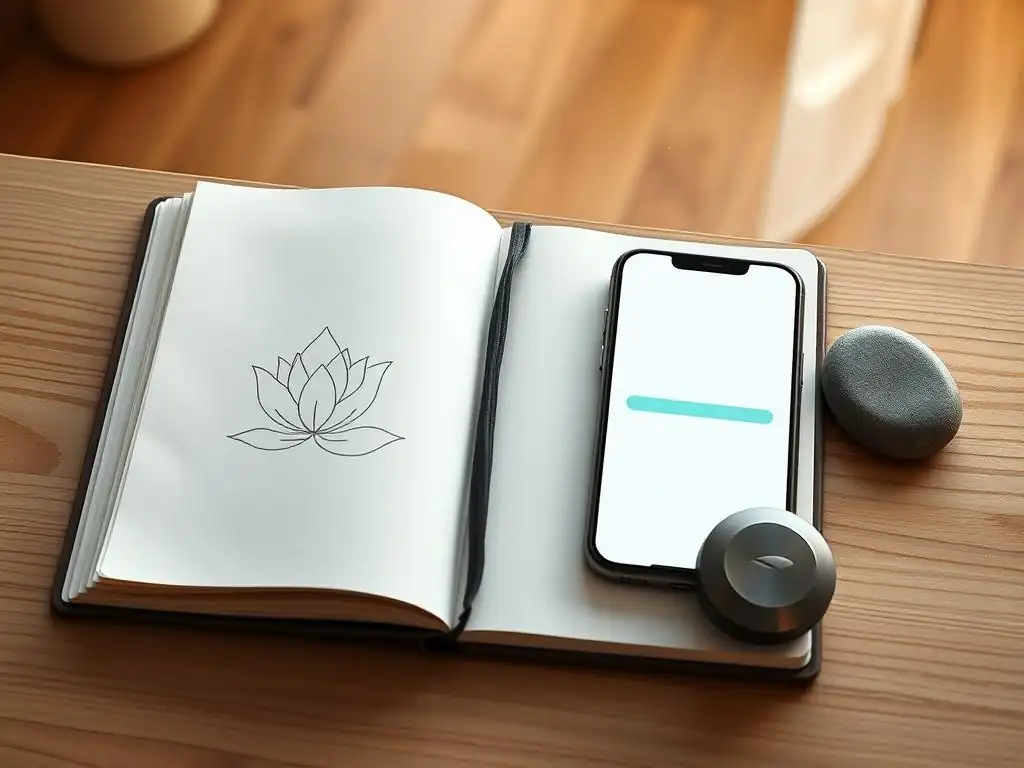
While the core of mindfulness is an internal practice, technology can be a valuable aid, especially when starting out or seeking guided sessions. Many apps offer guided meditations, breathing exercises, and tools to track progress, making mindfulness for everyday stress relief more accessible.
It's important to use these tools mindfully themselves – setting boundaries to ensure they support, rather than distract from, your practice.
Top Mindfulness Apps for Stress Management
Numerous apps are available that can help you learn and practice mindfulness. These apps often feature libraries of guided meditations tailored to specific needs, such as stress, anxiety, sleep, or focus.
Some popular and highly-rated apps include Headspace, Calm, Ten Percent Happier, and Insight Timer. Many offer free introductory content, with subscriptions unlocking full access to extensive libraries. For example, some apps report user data showing a significant reduction in self-reported stress levels (e.g., a decrease of 20-40%) after consistent use over a few weeks or months. They provide structured guidance, making it easier to incorporate regular practice into a busy schedule and apply mindfulness for everyday stress relief.
Setting Boundaries with Technology for Increased Mindfulness
While apps can be helpful, technology itself can also be a major source of distraction and stress. Mindfully managing your relationship with devices is crucial for cultivating presence.
Consider implementing these boundaries:
- Schedule "tech-free" times: Designate periods each day (e.g., the first hour after waking, during meals, the last hour before bed) where you avoid screens.
- Turn off non-essential notifications: Reduce interruptions from social media, email, and other apps that constantly pull for your attention.
- Be mindful of your phone usage: Before mindlessly scrolling, pause and ask yourself why you are picking up your phone and what you hope to gain.
- Create a mindful digital environment: Organize your apps, set up do-not-disturb modes, and use your phone intentionally rather than habitually.
By consciously managing your technology use, you free up mental space and time to be more present and mindful in your daily life, enhancing your capacity for mindfulness for everyday stress relief.
Advanced Mindfulness Practices for Deeper Stress Relief
Once you have established a basic mindfulness practice, you may wish to explore more advanced techniques. These practices can deepen your understanding of mindfulness and offer additional avenues for stress reduction and emotional well-being.
These methods often build upon foundational awareness, cultivating specific qualities like compassion or integrating mindfulness with physical movement for a more holistic approach to stress management.
Loving-Kindness Meditation: Cultivating Compassion
Loving-kindness meditation, or Metta meditation, is a practice focused on cultivating feelings of warmth, compassion, and kindness towards oneself and others. While not directly focused on stress reduction, fostering these positive emotions can significantly counteract the negative impacts of stress, such as irritability and isolation.
The practice typically involves silently repeating phrases that express goodwill, starting with yourself, then moving to loved ones, neutral persons, difficult persons, and finally all beings. Examples of phrases include: "May I be happy," "May I be healthy," "May I be safe," "May I be free from suffering." Studies on loving-kindness meditation have shown it can increase positive emotions, reduce negative emotions like anxiety and depression, and even increase social connection.
For example, one study found that participants who practiced Metta meditation daily for 7 weeks experienced increased positive emotions, which in turn led to increased life satisfaction and reduced symptoms of depression. This practice offers a powerful way to soften the heart and build resilience against stress.
Mindfulness and Yoga: Combining Practices for Holistic Well-being
Yoga is a practice that combines physical postures (asanas), breathing techniques (pranayama), and meditation or relaxation. It is inherently mindful, encouraging practitioners to connect with their bodies, breath, and present experience on the mat.
Combining formal mindfulness meditation with yoga practice offers a holistic approach to well-being. Yoga helps release physical tension often stored as a result of stress, while the mindful awareness cultivated during yoga enhances the mind-body connection. Many find that the physical activity of yoga makes it easier to settle the mind for subsequent meditation.
Research indicates that regular yoga practice can lower cortisol levels and reduce symptoms of anxiety and depression, similar to the effects of mindfulness meditation alone. For instance, a review of studies on yoga for anxiety found significant reductions in symptoms across diverse populations, with effects comparable to or greater than other forms of exercise. Integrating yoga and mindfulness offers a synergistic pathway to deeper relaxation and effective mindfulness for everyday stress relief.
Conclusion: Embracing Mindfulness as a Way of Life for Lasting Stress Relief
Moving beyond the formal meditation mat and weaving mindfulness into the fabric of your daily life is a transformative journey. It's about cultivating a continuous thread of awareness that helps you navigate the inevitable stresses of modern existence with greater presence, resilience, and peace. From mindful breathing in a traffic jam to mindful listening during a difficult conversation, each moment offers an opportunity to pause, connect, and choose a response rather than simply reacting.
Embracing mindfulness for everyday stress relief is not a quick fix, but a lifelong practice. It requires patience, persistence, and self-compassion. By committing to regular practice, whether through formal meditation, integrated techniques, or both, you are building a powerful internal resource. This resource empowers you to meet challenges head-on, savor life's simple pleasures, and cultivate a deeper sense of well-being, demonstrating that true calm isn't found by escaping the chaos, but by learning to be mindfully present within it.
Frequently Asked Questions
How can I incorporate mindfulness into my daily routine if I don't have time for formal meditation?
You can integrate mindfulness by paying attention to your senses during everyday activities like brushing your teeth or eating. This helps you stay present and reduce stress without requiring dedicated meditation time.
What are some specific examples of mindfulness exercises I can do throughout the day for stress relief?
Try mindful breathing exercises for a few minutes when you feel stressed. Another option is paying close attention to your surroundings while walking, noticing the sights, sounds, and smells.
Is mindfulness only effective for acute stress, or can it also help with chronic stress management?
Mindfulness can be beneficial for both. Regular practice cultivates a greater awareness of thoughts and feelings, enabling you to better manage both acute and chronic stress responses over time.
I'm new to mindfulness. Where can I find reliable resources to learn more about it and its benefits?
The Mind Care Guide website offers comprehensive information on mindfulness and mental well-being. You can also explore reputable apps, books, and mindfulness courses led by qualified instructors.
How long does it typically take to experience the benefits of mindfulness for stress relief?
The effects of mindfulness vary, but many people report feeling calmer and more focused within a few weeks of consistent practice. Regularity is key for realizing its full potential in reducing stress.
Final Reflection: Weaving Mindfulness into the Fabric of Life
The relentless pace of modern life often leaves us feeling overwhelmed, yet the simple practice of mindfulness offers a powerful antidote to everyday stress. This isn't just a fleeting trend; it's a fundamental shift in how we approach our experiences, offering a pathway to greater peace and resilience in the face of daily challenges. The techniques explored – from mindful breathing to mindful movement – are not esoteric practices, but accessible tools readily available to anyone seeking a more balanced and fulfilling life.
The impact of mindfulness extends far beyond individual stress reduction; it's a ripple effect that touches our relationships, our work, and our overall well-being. It fosters a deeper connection with ourselves and the world around us, allowing us to respond to situations with greater clarity and compassion. As Jon Kabat-Zinn so eloquently stated, Mindfulness means paying attention in a particular way: on purpose, in the present moment, and non-judgmentally.
This simple yet profound definition encapsulates the transformative power of this practice, reminding us that true peace isn't found in escaping our lives, but in engaging with them fully and consciously.
Now, consider how you can integrate these mindful practices into your own daily routine. Perhaps it's starting with just five minutes of mindful breathing each morning, or incorporating mindful movement into your lunch break. No matter how small the step, the commitment to presence and awareness will cultivate a profound shift in your perspective. Embrace the journey, and discover the transformative power of mindfulness in your own life. The path to a calmer, more fulfilling existence begins with a single, mindful breath.
Ignite Your Inner Peace: Take Mindfulness Off the Mat
Thanks for taking the time to explore the power of mindfulness! We hope you discovered practical ways to integrate this transformative practice into your daily life. Now, let's put what you've learned into action.
- Start your day with a mindful moment: Even 5 minutes of focused breathing can set a positive tone for the entire day. Try it now – you’ll be surprised at the difference!
- Share your mindful journey: Tell us (and others!) about your experience in the comments below. What resonates most with you?
- Challenge yourself to find one new mindful moment each day this week. This could be anything from savoring your coffee to consciously appreciating nature.
What small step will you take today to cultivate more peace and presence in your life?