
The Epigenetics of Early Attachment: Shaping Future Mental Health


Welcome to Mind Care Guide, your trusted resource for cultivating mental well-being.
Ever wondered how the earliest bonds of childhood can leave an indelible mark on your mental health, even at a molecular level? Dive into "The Epigenetics of Early Attachment: Shaping Future Mental Health" and unlock the fascinating science behind how early experiences influence gene expression and, ultimately, our emotional landscape. Explore this vital connection and discover how understanding early attachment epigenetics mental health can empower you to build a healthier, more resilient future. Ready to unravel the complexities?
The Epigenetics of Early Attachment: Shaping Future Mental Health
- Introduction: Understanding Early Attachment and Mental Health
- Epigenetics Explained: A Primer for Mental Health Professionals
- Early Attachment Experiences and Epigenetic Modifications
- The Neuroscience of Attachment: Epigenetic Pathways
- Epigenetic Impact on Specific Mental Health Conditions
- Research Evidence: Studies on Early Attachment and Epigenetics
- Implications for Mental Health Treatment and Prevention
- The Future of Epigenetics and Mental Health Research: Attachment as a Key Focus
- Conclusion: The Profound Impact of Early Attachment on Lifelong Mental Health Through Epigenetics
-
Frequently Asked Questions
- What is early attachment and how does it relate to epigenetics?
- How can early attachment experiences affect an individual's mental health later in life through epigenetics?
- What specific genes are believed to be impacted by epigenetic changes due to early attachment?
- What kind of interventions might mitigate the negative effects of adverse early attachment on mental health, considering the role of epigenetics?
- How does the Mind Care Guide support understanding and addressing the impact of early attachment on mental health, particularly in the context of epigenetics?
- Final Reflection: The Enduring Legacy of Early Attachment
- Unlock Your Child's Potential: Nurture a Thriving Future
Introduction: Understanding Early Attachment and Mental Health
The Critical Role of Early Attachment in Development
Early attachment, the deep emotional bond that develops between an infant and their primary caregiver, serves as the foundational template for all future relationships and emotional development. This critical period, typically within the first few years of life, profoundly influences a child's sense of security, self-worth, and ability to regulate emotions. Research has consistently shown that secure attachment, characterized by consistent, responsive caregiving, fosters resilience and positive developmental outcomes.
Conversely, insecure or disrupted attachment patterns, often stemming from neglect, abuse, or inconsistent care, can lead to difficulties in social interactions, emotional regulation, and increased vulnerability to psychological challenges later in life. The quality of this initial bond lays the groundwork for neurological development, shaping neural pathways associated with trust, empathy, and stress response systems.
The impact of early attachment extends far beyond immediate childhood. Studies, including longitudinal research spanning decades, have demonstrated a clear correlation between early attachment experiences and adult outcomes. For instance, individuals with secure attachment histories tend to report more stable and satisfying romantic relationships, greater emotional intelligence, and a lower incidence of mental health issues compared to those with insecure attachment styles. The brain's remarkable plasticity during infancy means that these early interactions directly influence its architecture and function. Understanding the critical role of this initial bond is paramount for appreciating its long-term implications for mental health and well-being.
Linking Early Attachment Experiences to Mental Well-being
The link between early attachment experiences and later mental well-being is a well-established area in developmental psychology and neuroscience. A secure attachment provides a child with a "safe base" from which to explore the world, fostering independence and confidence. This secure base also teaches the child effective coping strategies and emotional regulation skills through interaction with a responsive caregiver.
In contrast, insecure attachment can manifest in various ways, such as avoidant, anxious-ambivalent, or disorganized patterns, each associated with distinct behavioral and emotional challenges. For example, individuals with anxious-ambivalent attachment may struggle with separation anxiety and seek excessive reassurance, while those with avoidant attachment might suppress emotional needs and maintain distance in relationships.
These different attachment styles are not merely behavioral patterns; they reflect underlying differences in emotional processing and stress reactivity shaped by early experiences. The persistent stress or emotional deprivation associated with insecure or disorganized attachment can alter the developing brain's structure and function, particularly in areas responsible for emotional regulation and social cognition. This altered neurobiology increases susceptibility to a range of mental health conditions. Recognizing this connection is crucial for clinicians and researchers working to understand and address the roots of various psychological disorders, highlighting the importance of early intervention and support for caregivers.
Epigenetics Explained: A Primer for Mental Health Professionals
What is Epigenetics? Beyond the Genetic Code
Epigenetics refers to heritable changes in gene expression that occur without alterations to the underlying DNA sequence itself. The term "epigenetic" literally means "on top of" or "in addition to" genetics. Think of the genome as the hardware – the blueprint containing all the instructions for building and operating an organism.
Epigenetics is like the software that controls how and when these instructions are read and executed. It determines which genes are turned "on" or "off" in specific cells at specific times, allowing different cell types (like brain cells versus skin cells) to perform vastly different functions despite having the same genetic code. These epigenetic modifications can be influenced by environmental factors and are crucial for normal development and cellular differentiation.
Unlike genetic mutations, which are permanent changes to the DNA sequence, epigenetic modifications are potentially reversible. This dynamic nature makes epigenetics a fascinating area for understanding how environmental influences, including early life experiences, can leave lasting marks on gene activity. While your DNA sequence is largely fixed from conception, your epigenome is flexible and can change throughout your life in response to your environment, diet, stress levels, and even social interactions. This layer of gene regulation provides a mechanism through which experiences can be biologically embedded, influencing health and behavior without changing the fundamental genetic blueprint.
How Epigenetic Mechanisms Influence Gene Expression
Epigenetic mechanisms primarily involve chemical modifications to DNA or the proteins that package DNA, called histones, without changing the DNA sequence. Two major mechanisms are DNA methylation and histone modification. DNA methylation typically involves adding a methyl group to a cytosine base, often found in CpG islands near gene promoters. This addition can block transcription factors from binding, essentially silencing the gene. For example, hypermethylation in the promoter region of certain genes is associated with reduced gene expression.
Histone modifications involve chemical tags (like acetylation, methylation, phosphorylation, or ubiquitination) added to the tails of histone proteins. These modifications alter how tightly the DNA is wrapped around the histones, affecting the accessibility of genes to the transcriptional machinery.
For instance, histone acetylation generally loosens the chromatin structure, making genes more accessible and promoting gene expression, while certain histone methylations can compact chromatin and repress gene expression. These complex molecular interactions determine whether a gene is actively transcribed into RNA and subsequently translated into a protein, ultimately controlling cellular function and contributing to complex traits like behavior and susceptibility to mental health conditions.
The Role of Environmental Factors in Epigenetic Modification
Environmental factors play a profound role in shaping the epigenome throughout life, particularly during critical developmental periods. These influences are incredibly diverse and include everything from nutrition and exposure to toxins to social interactions and psychological stress. Early life experiences, such as the quality of maternal care, exposure to trauma, or socioeconomic status, are particularly powerful environmental modulators of epigenetic marks. For example, studies in both animals and humans have shown that early maternal care can alter DNA methylation patterns in genes related to stress response.
The environment doesn't just trigger epigenetic changes; it can also maintain them over time, sometimes across generations. This means that adverse or positive experiences in early life can leave a lasting molecular signature on the genome, influencing health and behavior decades later.
For instance, exposure to famine during gestation has been linked to altered epigenetic profiles in later life, associated with increased risk of metabolic disorders. Understanding how specific environmental factors, especially those related to social and emotional experiences like early attachment, translate into specific epigenetic modifications is a key focus in research exploring the biological basis of mental health and resilience.
Early Attachment Experiences and Epigenetic Modifications
The Influence of Caregiver Behavior on Infant Epigenome
The quality of caregiver behavior has a direct and measurable impact on the infant's developing epigenome. Nurturing and responsive care provides a predictable and secure environment, which appears to promote healthy epigenetic programming, particularly in genes involved in stress regulation and brain development. Conversely, inconsistent, neglectful, or abusive caregiving can induce aberrant epigenetic modifications.
A landmark study in rats demonstrated that variations in maternal licking and grooming behavior in the first week of life led to distinct DNA methylation patterns in the hippocampus, specifically at the promoter of the glucocorticoid receptor (GR) gene. High levels of maternal care were associated with decreased methylation and increased expression of the GR gene, leading to a more robust stress response system.
Similar patterns have been observed in humans. Post-mortem brain studies of individuals who experienced severe childhood abuse have shown increased methylation of the GR gene promoter in the hippocampus compared to control subjects. This epigenetic change is associated with reduced GR expression, potentially impairing the ability to effectively regulate the stress hormone cortisol.
This provides compelling evidence that early attachment experiences, mediated by caregiver behavior, can leave a lasting molecular imprint on the brain, influencing physiological and behavioral responses to stress throughout life. These findings underscore the deep biological impact of the caregiving environment on early attachment epigenetics mental health outcomes.
Specific Epigenetic Marks Associated with Attachment Styles
Research is beginning to identify specific epigenetic marks associated with different attachment styles observed in childhood and adulthood. While this is a complex and evolving field, studies are looking at candidate genes known to be involved in social behavior, stress response, and neurodevelopment. For instance, genes related to the oxytocin and vasopressin systems, which play crucial roles in bonding and social behavior, are areas of interest. Variations in DNA methylation patterns in or near these genes have been tentatively linked to differences in social behavior and attachment-related traits.
Furthermore, epigenetic modifications in genes within the hypothalamic-pituitary-adrenal (HPA) axis, the body's main stress response system, are strongly implicated. As mentioned, the glucocorticoid receptor gene (NR3C1) is a prime example, with methylation status linked to early life stress and subsequent stress reactivity, a core component of attachment-related difficulties.
Other genes under investigation include those involved in neurotransmitter systems (like serotonin or dopamine) that influence mood, reward, and social interaction. While specific, universal epigenetic markers for each attachment style are yet to be definitively established, the growing body of evidence points to a pattern of epigenetic alterations in key neurobiological pathways underlying attachment formation and function.
Attachment Trauma and Long-Term Epigenetic Consequences
Attachment trauma, such as severe neglect, abuse, or loss of a primary caregiver during critical developmental periods, can have profound and long-lasting epigenetic consequences. These traumatic experiences represent significant environmental stressors that can trigger widespread and persistent epigenetic modifications across the genome. The resulting epigenetic landscape may contribute to increased vulnerability to a range of mental and physical health issues decades later. For example, studies on adults who experienced early childhood institutionalization or severe abuse have reported altered epigenetic profiles in peripheral blood cells and, in some cases, brain tissue, compared to individuals with more stable early environments.
These epigenetic changes are not merely transient responses to stress; they can become "embedded," potentially altering gene expression patterns throughout the lifespan. This can affect various biological systems, including the immune system, metabolic pathways, and crucially, neural circuits involved in emotional regulation, social cognition, and stress processing. The long-term epigenetic consequences of attachment trauma are thought to contribute to the elevated risk of complex mental health conditions like complex PTSD, borderline personality disorder, chronic depression, and anxiety disorders often observed in individuals with histories of severe early adversity. Understanding these lasting molecular imprints is vital for developing targeted interventions.
The Neuroscience of Attachment: Epigenetic Pathways
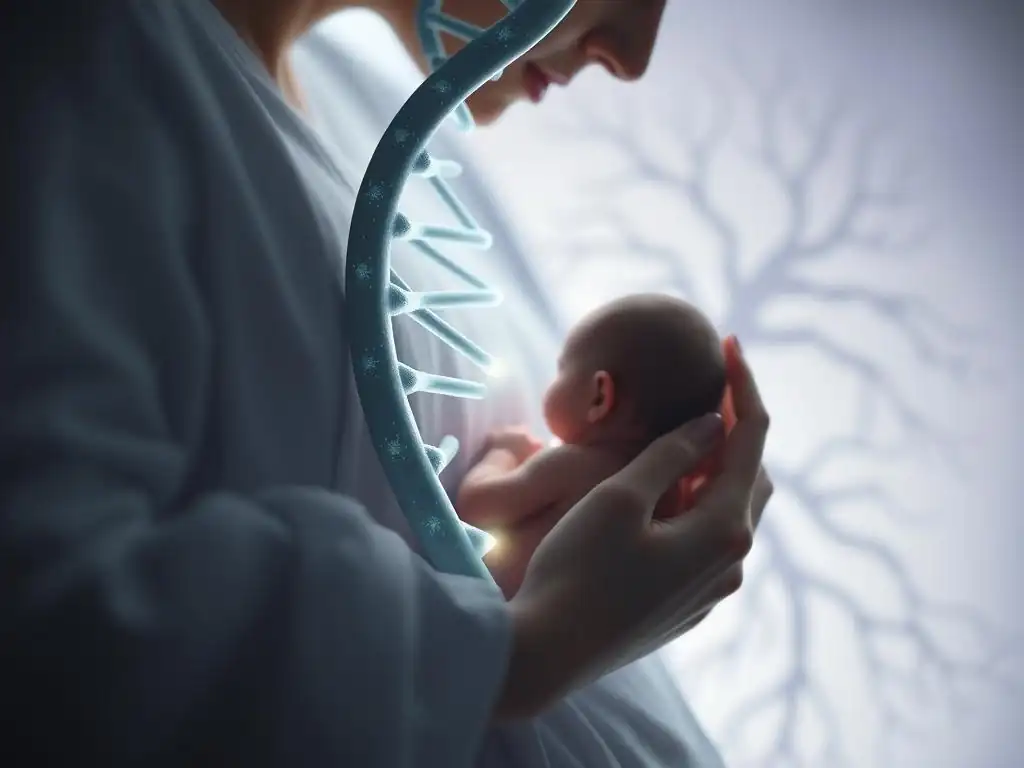
Brain Regions Involved in Attachment and Bonding
Attachment and bonding involve a complex network of brain regions working in concert. Key areas include the limbic system structures such as the amygdala (involved in processing emotions, especially fear), the hippocampus (crucial for memory formation and stress regulation), and the nucleus accumbens and ventral tegmental area (part of the brain's reward pathway, associated with pleasure and motivation).
The prefrontal cortex, particularly the medial prefrontal cortex and orbitofrontal cortex, plays a vital role in social cognition, understanding others' intentions, and regulating emotions and behavior in social contexts. The hypothalamus, part of the HPA axis, is central to the stress response and interacts closely with these areas.
These brain regions are highly plastic during infancy and childhood, making them particularly susceptible to environmental influences, including the quality of early attachment relationships. The formation of secure attachment strengthens connections between the prefrontal cortex and limbic areas, promoting better emotional regulation. Insecure attachment, particularly disorganized attachment associated with fear, can lead to dysregulation within these circuits, contributing to difficulties in managing stress and emotions later in life. The coordinated activity and development of these brain regions are critically shaped by early experiences.
How Epigenetics Affects Brain Development and Function in Relation to Attachment
Epigenetic mechanisms are fundamental regulators of brain development and function, and they play a crucial role in how early attachment experiences shape neural circuits. During critical periods of brain development, epigenetic modifications control the differentiation of neural stem cells, the migration and survival of neurons, the formation of synapses (connections between neurons), and the expression of genes vital for neurotransmitter synthesis and signaling. Early attachment experiences, through their influence on the infant's physiological and emotional state, can modulate these epigenetic processes.
For example, stress associated with insecure attachment can alter DNA methylation and histone modification patterns in genes involved in neurogenesis (the birth of new neurons) and synaptic plasticity in regions like the hippocampus and prefrontal cortex. This can impact the structure and function of these areas, affecting learning, memory, emotional regulation, and social behavior.
Epigenetic changes can also influence the expression of genes for receptors for stress hormones (like cortisol) and social neuropeptides (like oxytocin), further altering how the brain responds to social cues and stress, thereby embedding the legacy of early attachment experiences at a molecular level within brain circuitry.
The HPA Axis and Stress Response: An Epigenetic Perspective on Attachment
The Hypothalamic-Pituitary-Adrenal (HPA) axis is the body's primary stress response system, and its regulation is profoundly influenced by early attachment experiences via epigenetic mechanisms. In response to stress, the hypothalamus releases corticotropin-releasing hormone (CRH), which signals the pituitary gland to release adrenocorticotropic hormone (ACTH), prompting the adrenal glands to release cortisol. Cortisol helps the body cope with stress, but chronic exposure can be detrimental. A healthy HPA axis involves a negative feedback loop where cortisol signals the brain (particularly the hippocampus) to shut down the stress response.
Early attachment experiences are critical for calibrating this system. Secure attachment, characterized by responsive care, helps infants develop a well-regulated HPA axis with an appropriate stress response and efficient negative feedback. Conversely, insecure or traumatic early attachment can lead to HPA axis dysregulation.
From an epigenetic perspective, studies have shown that early life stress and poor maternal care can lead to increased DNA methylation of the glucocorticoid receptor gene (NR3C1) promoter in the hippocampus. This epigenetic modification reduces the expression of GR receptors, impairing the brain's ability to detect cortisol and effectively turn off the stress response. The result is a hyperactive or dysregulated HPA axis, leading to increased stress reactivity and vulnerability to stress-related mental health conditions, illustrating a key pathway in early attachment epigenetics mental health impact.
Epigenetic Impact on Specific Mental Health Conditions
Attachment Disruption and Increased Risk of Depression
Attachment disruption, particularly severe forms like early parental loss, neglect, or abuse, is a significant risk factor for developing depression later in life. Studies consistently show a higher prevalence of major depressive disorder in individuals with a history of insecure or disorganized attachment. Epigenetic mechanisms are thought to mediate this link.
Early adversity associated with attachment disruption can induce persistent epigenetic changes in genes involved in mood regulation, stress response, and neuroplasticity. For instance, altered methylation patterns have been observed in genes related to serotonin signaling (a neurotransmitter crucial for mood) and brain-derived neurotrophic factor (BDNF), which supports neuron growth and survival, in individuals with a history of childhood trauma and depression.
Furthermore, the epigenetic alterations in the HPA axis, such as increased methylation of the GR gene, are strongly implicated. A dysregulated HPA axis, resulting from early stress and insecure attachment, leads to chronic elevation of cortisol or an impaired ability to cope with stress, both of which are well-established risk factors for depression. The epigenetic "scar" left by early attachment disruption can thus prime the brain and body for a depressive response to later life stressors. Understanding this epigenetic pathway offers potential targets for intervention and prevention strategies aimed at mitigating the long-term mental health consequences of early adversity.
Anxiety Disorders and the Epigenetic Legacy of Early Relationships
Early attachment experiences also play a crucial role in the development of anxiety disorders, including generalized anxiety disorder, social anxiety disorder, and panic disorder. Insecure attachment, especially anxious-ambivalent attachment, is associated with heightened anxiety, difficulty with separation, and excessive worry. Avoidant attachment can also manifest as social anxiety or a general discomfort with emotional intimacy.
Epigenetic modifications provide a biological link explaining how these early relationship patterns contribute to later anxiety. Genes involved in fear processing within the amygdala, stress reactivity (HPA axis), and neurotransmitter systems (like GABA, which has inhibitory effects on neuronal activity) are potential targets of epigenetic regulation influenced by early attachment quality.
Research suggests that early life stress and insecure attachment can lead to epigenetic changes that increase the excitability of fear circuits in the amygdala or impair the function of inhibitory pathways, resulting in a state of heightened vigilance and anxiety. For example, altered methylation in genes related to CRH or CRH receptors within the amygdala has been linked to increased anxiety-like behaviors in animal models of early life stress.
In humans, studies are exploring epigenetic variations in candidate genes associated with anxiety traits in individuals with different attachment histories. The epigenetic legacy of early relationships can thus contribute to a predisposition for developing anxiety disorders by altering the molecular landscape of brain regions involved in processing threat and fear.
The Link Between Attachment Trauma and Personality Disorders: An Epigenetic View
Severe attachment trauma, particularly in the form of chronic abuse or neglect leading to disorganized attachment, is strongly associated with the development of personality disorders, such as Borderline Personality Disorder (BPD). BPD is characterized by difficulties in regulating emotions, unstable relationships, identity disturbances, and impulsive behavior, often stemming from a profound sense of insecurity and fear of abandonment rooted in early experiences. Epigenetic mechanisms are increasingly recognized as playing a role in mediating the impact of early trauma on the development of these complex conditions.
Individuals with BPD and a history of early trauma often exhibit significant HPA axis dysregulation and alterations in brain regions involved in emotional processing and self-regulation, consistent with the epigenetic changes observed in response to early life stress. Studies are investigating epigenetic modifications in genes related to emotional reactivity, impulse control, and social cognition in individuals with BPD.
For instance, preliminary research has explored methylation patterns in genes involved in the oxytocin system, which is critical for social bonding and trust, and how these patterns might differ in individuals with BPD compared to controls. The epigenetic view suggests that the molecular embedding of early attachment trauma disrupts the normal developmental trajectory of neural circuits underlying personality and emotional regulation, increasing vulnerability to severe and enduring mental health conditions like personality disorders.
Research Evidence: Studies on Early Attachment and Epigenetics
Human research on early attachment and epigenetics is a rapidly expanding field, building upon findings from animal models. A pivotal study published in 2009 examined post-mortem brain tissue from individuals with a history of childhood abuse who had died by suicide and compared their epigenetic profiles to those of individuals who died from other causes with no history of abuse.
This study found increased DNA methylation of the glucocorticoid receptor (NR3C1) gene promoter in the hippocampus of the abused group. This epigenetic mark was associated with reduced expression of the GR gene, mirroring the findings in rat studies on maternal care and providing compelling evidence that early life adversity, often linked to disrupted attachment, can induce lasting epigenetic changes in the human brain.
Subsequent studies have explored epigenetic changes in peripheral tissues, such as blood cells, which are more accessible than brain tissue. Research has identified differential methylation patterns in genes related to the HPA axis, immune function, and neurodevelopment in individuals with different attachment styles or histories of early trauma.
For example, some studies have reported associations between specific methylation sites in genes like FKBP5 (involved in stress response feedback) and NR3C1 with measures of attachment insecurity or exposure to childhood maltreatment. While peripheral tissue may not perfectly reflect brain epigenetics, these studies provide valuable insights into systemic epigenetic alterations linked to early attachment experiences and their potential implications for mental health.
Animal Studies Exploring the Epigenetic Effects of Early Life Stress and Attachment
Animal models, particularly rodents, have been instrumental in establishing the causal link between early life experiences, caregiver behavior, and epigenetic modifications. The pioneering work by Michael Meaney and colleagues on maternal licking and grooming in rats provided foundational evidence. As mentioned, pups receiving high levels of maternal care exhibited less methylation and higher expression of the hippocampal GR gene, leading to a more resilient stress response compared to pups receiving low levels of care. This epigenetic difference persisted into adulthood.
Further animal studies have explored the impact of various forms of early life stress, including maternal separation or unpredictable care, on epigenetic modifications in brain regions involved in stress, emotion, and social behavior. These studies have identified epigenetic changes (like altered DNA methylation and histone modifications) in genes encoding receptors for stress hormones, neuropeptides like oxytocin and vasopressin, and components of neurotransmitter systems.
These epigenetic alterations are often associated with long-term behavioral consequences, such as increased anxiety, altered social behavior, and impaired stress coping, providing strong biological support for the concept that early attachment experiences shape future mental health through epigenetic mechanisms.
Methodological Considerations in Epigenetic Attachment Research
Research into early attachment epigenetics mental health faces several methodological challenges. One key challenge is the difficulty in directly accessing relevant brain tissue in living human subjects; thus, most studies rely on easily accessible tissues like blood, which may not fully reflect epigenetic changes in the brain.
Another challenge is the complexity of the epigenome itself; measuring epigenetic modifications genome-wide is technically demanding and requires sophisticated bioinformatic analysis. Furthermore, establishing causality is difficult in human observational studies; while associations between early experiences, epigenetic marks, and mental health outcomes are observed, it's challenging to definitively prove that the epigenetic changes cause the mental health issues rather than being a consequence or a marker of other related factors.
Longitudinal study designs are crucial but resource-intensive, requiring tracking individuals from early life through adulthood while collecting biological samples and detailed information on attachment experiences and mental health. Confounding factors, such as genetic predispositions, socioeconomic status, and subsequent life events, also need careful consideration and control in study designs. Despite these challenges, advancements in epigenetic technologies and analytical methods are enabling increasingly sophisticated research, providing deeper insights into the intricate ways early attachment experiences leave lasting epigenetic marks that influence lifelong mental health trajectories.
Implications for Mental Health Treatment and Prevention

Early Intervention Strategies to Promote Secure Attachment
Understanding the epigenetic impact of early attachment highlights the critical importance of early intervention strategies aimed at promoting secure attachment relationships. Programs that support expectant and new parents can provide education on responsive caregiving, infant cues, and the importance of creating a nurturing environment. Home visiting programs, where trained professionals visit families to provide support, guidance, and resources, have shown promise in improving parenting skills and fostering positive parent-child interactions, potentially influencing the child's developing epigenome in beneficial ways.
Interventions targeting families experiencing adversity, such as poverty, parental mental health issues, or substance abuse, are particularly crucial. Providing access to mental health support for parents, addressing basic needs, and reducing parental stress can indirectly improve the quality of caregiving and buffer infants from the negative epigenetic consequences of toxic stress. Promoting secure attachment through supportive interventions is not just about improving immediate parent-child relationships; it's a powerful form of biological embedding that can lay an epigenetic foundation for lifelong mental well-being, potentially mitigating the risk of developing mental health conditions later in life.
While direct "epigenetic therapies" for mental health are still largely in the realm of future possibilities, current therapeutic approaches can indirectly influence epigenetic modifications related to early attachment. Psychotherapies, particularly those focusing on attachment-related issues like Attachment-Based Psychotherapy or Mentalization-Based Treatment, help individuals process early relational trauma, develop more secure internal working models, and improve emotional regulation. The positive changes in stress levels, emotional processing, and relationship patterns that occur during successful therapy may, in turn, influence epigenetic marks, potentially reversing or modifying some of the adverse changes induced by early trauma.
For example, reducing chronic stress through therapy can lead to healthier HPA axis function, which might be accompanied by favorable epigenetic changes in stress-related genes like NR3C1. Similarly, improving emotional regulation skills could impact epigenetic profiles in brain regions involved in emotion processing. While the precise mechanisms and extent to which therapy influences the epigenome are active areas of research, it is plausible that therapeutic interventions that promote resilience and healthy psychological functioning can contribute to positive epigenetic remodeling, supporting recovery and mitigating the long-term impact of early attachment challenges on mental health.
The Potential of Epigenetic Therapies in the Future of Mental Health
The field of epigenetics holds exciting, albeit long-term, potential for the development of novel therapeutic approaches to mental health conditions linked to early attachment and trauma. Unlike genetic mutations, epigenetic modifications are potentially reversible, making them attractive targets for therapeutic intervention. This could involve developing drugs or other interventions that specifically target the enzymes responsible for adding or removing epigenetic marks (like DNA methyltransferases or histone deacetylases) to restore more adaptive gene expression patterns.
For instance, if certain genes involved in stress response or mood regulation are found to be hypermethylated and silenced due to early trauma, future therapies might aim to reduce methylation at those specific sites to reactivate gene expression. Conversely, if genes are inappropriately activated, therapies might seek to induce methylation or other repressive epigenetic marks. However, developing such targeted epigenetic therapies is complex, as these enzymes affect numerous genes, and off-target effects could be significant.
Much more research is needed to understand the specific epigenetic signatures associated with different conditions and to develop safe and effective ways to manipulate them. Despite the challenges, the potential to directly address the molecular legacy of early adversity offers a hopeful avenue for the future of mental health treatment, particularly for conditions rooted in early attachment epigenetics mental health issues.
The Future of Epigenetics and Mental Health Research: Attachment as a Key Focus
Emerging Technologies for Studying Epigenetic Modifications in Attachment
Advancements in molecular biology and genomics are driving the future of epigenetic research in attachment. Next-generation sequencing technologies, such as Whole-Genome Bisulfite Sequencing (WGBS) and ChIP-sequencing (for histone modifications), allow for comprehensive, high-resolution mapping of epigenetic marks across the entire genome. These technologies are becoming more accessible and cost-effective, enabling researchers to gain a more complete picture of the epigenetic landscape influenced by early experiences. Single-cell epigenomics is another emerging area, allowing for the study of epigenetic variations in individual cells, which is crucial for understanding the heterogeneity of brain tissue and other complex samples.
Furthermore, techniques like CRISPR-based epigenetic editing offer the potential to specifically target and modify epigenetic marks at particular genomic locations. While currently primarily a research tool, this technology might, in the distant future, pave the way for highly targeted interventions. The integration of large-scale epigenetic data with genetic information, neuroimaging data, and detailed behavioral assessments, using sophisticated computational approaches, is also key to unraveling the complex interplay between genes, environment, and brain function in shaping attachment and mental health.
Addressing Ethical Considerations in Epigenetic Research and Interventions
As epigenetic research progresses, particularly concerning sensitive areas like early attachment and mental health, several ethical considerations become paramount. One major concern is the potential for stigma or discrimination based on an individual's epigenetic profile, particularly if certain profiles are linked to increased risk for mental health conditions or adverse early experiences. Ensuring privacy and confidentiality of epigenetic data is crucial, as these profiles could potentially reveal information about an individual's life history and vulnerability.
Another ethical challenge arises with the prospect of epigenetic interventions. Questions about who decides what constitutes a "desirable" epigenome, the potential for unintended consequences of manipulating epigenetic marks, and issues of equitable access to such therapies need careful consideration. Research involving vulnerable populations, such as infants and children, requires stringent ethical review and protection protocols. Open communication, public education, and robust ethical frameworks are essential to navigate these complex issues responsibly as the field of early attachment epigenetics mental health research advances.
The Importance of Longitudinal Studies to Understand Long-Term Epigenetic Effects of Attachment
Longitudinal studies, tracking individuals over extended periods, are indispensable for fully understanding the long-term epigenetic effects of early attachment experiences. While cross-sectional studies can identify associations between current mental health status, attachment history, and epigenetic profiles, they cannot definitively establish how early experiences lead to later outcomes or how epigenetic marks change over time. Longitudinal designs allow researchers to collect epigenetic samples at different developmental stages, correlate them with detailed assessments of attachment quality and mental health trajectories, and observe how epigenetic patterns evolve in response to ongoing experiences or interventions.
These studies can help determine whether epigenetic changes are stable over time or dynamic, whether they precede or follow the onset of mental health symptoms, and whether interventions can modify them. While challenging and expensive to conduct, longitudinal research provides the most robust evidence for the role of early attachment epigenetics mental health outcomes across the lifespan. Such studies are crucial for identifying critical windows of vulnerability and resilience, refining risk prediction, and developing effective, timely interventions that consider the enduring biological legacy of early relationships.
Conclusion: The Profound Impact of Early Attachment on Lifelong Mental Health Through Epigenetics
Reinforcing the Connection Between Early Experiences and Epigenetic Programming
This exploration has reinforced the profound and lasting connection between early life experiences, particularly the quality of early attachment relationships, and lifelong mental health, mediated significantly by epigenetic programming. The nurturing or stressful environment provided by primary caregivers in infancy and early childhood doesn't just shape a child's psychological development; it leaves a molecular imprint on their genome.
These epigenetic modifications act as a biological memory of early experiences, influencing how genes are expressed in brain regions critical for stress response, emotional regulation, and social behavior. This highlights that the impact of early attachment epigenetics mental health is not merely psychological but deeply biological.
The evidence from both animal and human studies demonstrates that adverse early attachment experiences can lead to persistent epigenetic changes, such as altered DNA methylation of stress-related genes, contributing to a heightened vulnerability to mental health conditions like depression, anxiety disorders, and personality disorders later in life. Conversely, secure and supportive early relationships appear to promote epigenetic patterns associated with resilience and healthy development. This understanding underscores that early experiences are not just transient events but have enduring biological consequences that shape an individual's mental health trajectory.
Promoting Secure Attachment for Future Generations' Mental Well-being
Given the powerful influence of early attachment on epigenetic programming and subsequent mental health, promoting secure attachment relationships is a critical strategy for fostering well-being across generations. Investing in programs that support parents, enhance parenting skills, and provide resources to families facing adversity is not just a social intervention; it's a biological investment in the future mental health of children. Creating environments where infants and young children experience consistent, responsive, and nurturing care can help lay down healthy epigenetic foundations, fostering resilience and reducing the biological susceptibility to mental health challenges.
This includes advocating for policies that support families, such as paid parental leave, affordable childcare, and access to mental health support for parents. Educating healthcare professionals, educators, and the public about the importance of early relationships and the concept of early attachment epigenetics mental health can also help prioritize interventions during this critical developmental window. Focusing on promoting secure attachment is a proactive approach to mental health prevention, addressing the roots of vulnerability at the earliest stages of life.
Resources and Further Reading on Attachment and Epigenetics
For those interested in delving deeper into the fascinating intersection of early attachment and epigenetics, numerous academic resources and publications are available. Key researchers in the field include Michael Meaney, who pioneered much of the work on maternal care and epigenetics in rodents, and researchers like Moshe Szyf and Elisabeth Binder, who have contributed significantly to understanding human epigenetics in the context of stress and trauma.
Academic databases and journals such as Biological Psychiatry, Molecular Psychiatry, Development and Psychopathology, and Child Development regularly publish cutting-edge research in this area. Books and literature reviews summarizing the state of the science can also provide comprehensive overviews. Exploring resources from organizations focused on child development, mental health, and neuroscience can offer accessible information for professionals and the general public interested in learning more about how early experiences biologically shape future mental health.
Frequently Asked Questions
What is early attachment and how does it relate to epigenetics?
Early attachment refers to the emotional bond formed between a child and their primary caregiver. Epigenetics studies how environmental factors, like early attachment experiences, can alter gene expression without changing the DNA sequence itself, potentially impacting future mental health.
How can early attachment experiences affect an individual's mental health later in life through epigenetics?
Adverse early attachment experiences can lead to epigenetic modifications that alter the expression of genes involved in stress response, emotional regulation, and social behavior. This can increase vulnerability to various mental health disorders such as anxiety, depression, and personality disorders.
What specific genes are believed to be impacted by epigenetic changes due to early attachment?
Research suggests that genes involved in the hypothalamic-pituitary-adrenal (HPA) axis, such as the NR3C1 gene (glucocorticoid receptor), are particularly vulnerable. These epigenetic modifications can affect the body's ability to manage stress, impacting mental well-being.
What kind of interventions might mitigate the negative effects of adverse early attachment on mental health, considering the role of epigenetics?
Therapies focusing on secure attachment and promoting healthy emotional regulation can potentially reverse some epigenetic changes or buffer against their negative effects. Early intervention and supportive care are crucial for improving mental health outcomes.
How does the Mind Care Guide support understanding and addressing the impact of early attachment on mental health, particularly in the context of epigenetics?
Mind Care Guide provides information and resources on early childhood development, attachment styles, and evidence-based therapeutic approaches. It aims to promote awareness and access to support for individuals affected by adverse early attachment experiences and their impact on mental health.
Final Reflection: The Enduring Legacy of Early Attachment
The impact of early childhood experiences on adult mental health is undeniable, and the field of epigenetics is finally providing the scientific framework to understand how these experiences leave their mark. We've explored how nurturing or neglectful care in early life can alter gene expression, influencing the development of the brain and increasing vulnerability to mental health challenges later in life. This isn't just theoretical; it's a powerful explanation for the pervasive impact of trauma and the enduring strength of resilience.
Understanding the epigenetic mechanisms behind early attachment has profound implications for our approach to mental health care. It shifts the focus from simply treating symptoms to preventing the very development of mental illness. This understanding underscores the critical importance of early intervention and supportive environments for children. What we have once enjoyed we can never lose. All that we love deeply becomes a part of us.
– Helen Keller. This quote, while not directly about epigenetics, beautifully captures the lasting imprint of early relationships and experiences on our very being. The epigenetic changes resulting from early attachment are not easily erased, but they are not immutable either.
Consider the implications of this knowledge for your own life. Are you consciously creating a nurturing environment for the children in your life? Are you seeking support and understanding to address the impact of your own early experiences? This isn't just about individual well-being; it's about building a society that prioritizes the mental health of its future generations. By understanding the power of early attachment and its epigenetic consequences, we can collectively work towards a future where mental health is valued, nurtured, and protected from the very beginning.
Unlock Your Child's Potential: Nurture a Thriving Future
Thanks for exploring the fascinating world of epigenetics and its impact on early childhood development! You've learned how powerful early attachment is in shaping long-term mental well-being. Now, let's turn this knowledge into action.
- Prioritize mindful moments: Dedicate even just 15 minutes a day to truly connect with your child – engaging fully, without distractions. This strengthens the bond and fosters resilience.
- Explore resources: Dive deeper into the subject by researching evidence-based parenting techniques tailored to your child's age and needs.
- Share your insights: Start a conversation with other parents about the importance of early attachment. You can make a difference!
What simple changes will you implement today to nurture your child's emotional well-being, knowing the lasting impact it can have?