
Stress Hormones and Epigenetics: How Cortisol Rewires Your Brain

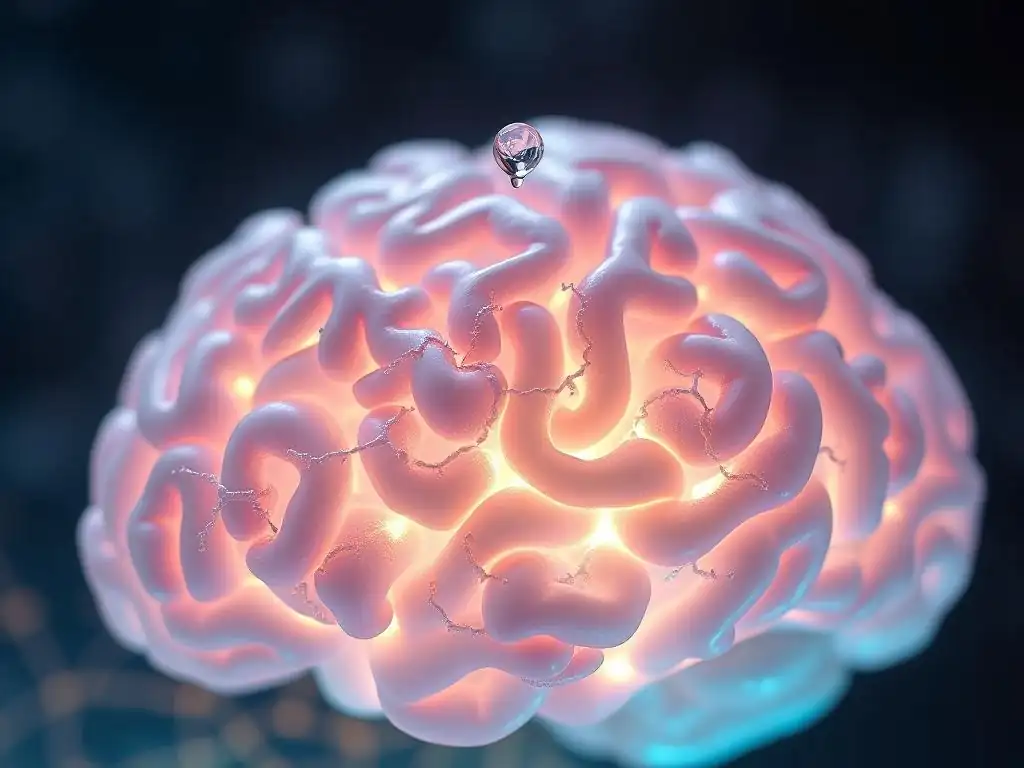
Welcome to Mind Care Guide, a safe space for understanding and nurturing your mental well-being. Ever wonder how stress truly impacts your mind? This month we delve into the fascinating world of neuroscience to uncover how Cortisol rewires brain epigenetics. It's more than just feeling stressed; it's about the lasting effects on your brain's very structure. Ready to explore the science behind stress and learn how to reclaim control?
Stress Hormones and Epigenetics: How Cortisol Rewires Your Brain
- Introduction: Understanding the Impact of Cortisol on Brain Epigenetics
- Cortisol: The Stress Hormone and Its Mechanisms
- How Cortisol Rewires the Brain: The Epigenetic Connection
- The Long-Term Effects of Cortisol-Induced Epigenetic Modifications
- Reversing the Effects: Strategies for Modulating Cortisol and Epigenetics
- Future Directions: Research on Cortisol, Epigenetics, and Mental Health
- Conclusion: Taking Control of Your Brain's Epigenetic Landscape Through Stress Management
-
Frequently Asked Questions
- How does cortisol, a stress hormone, relate to brain epigenetics?
- What does it mean for cortisol to "rewire" the brain?
- Can these cortisol-induced epigenetic changes be reversed?
- What are the long-term implications of cortisol rewiring brain epigenetics?
- What resources are available to help manage cortisol levels and promote mental well-being?
- Final Reflection: The Enduring Power of Cortisol and the Rewiring of Our Minds
- Unlock Your Brain's Resilience: Take Control of Your Cortisol
Introduction: Understanding the Impact of Cortisol on Brain Epigenetics
The Link Between Stress, Cortisol, and Mental Well-being
Stress is a ubiquitous part of the human experience, yet its prolonged presence can have profound and lasting effects on our mental and physical health. When we encounter a stressor, our body initiates a complex physiological response mediated primarily by the release of hormones, with cortisol being a central player. This "stress hormone" is essential for our survival in acute situations, mobilizing energy and sharpening focus.
However, chronic exposure to elevated cortisol levels can disrupt the delicate balance within the brain and body, contributing to a range of mental health challenges such as anxiety disorders, depression, and post-traumatic stress disorder (PTSD). Understanding this intricate connection is the first step towards managing stress effectively and safeguarding mental well-being.
Research consistently shows a strong correlation between chronic stress exposure and increased incidence of mental health conditions. For instance, studies tracking populations exposed to significant stressors, like childhood adversity or prolonged occupational stress, often report double or even triple the rates of depression and anxiety compared to control groups. This isn't just about feeling overwhelmed; it's about physiological changes driven by hormones like cortisol that alter brain function over time. The way cortisol rewires the brain is a subject of intense scientific investigation, revealing deep connections between our experiences and our biological makeup, particularly at the genetic level.
Epigenetics: A Brief Overview of Gene Expression and Environmental Influence
Epigenetics, a term meaning "on top of" or "in addition to" genetics, refers to heritable changes in gene expression that occur without alterations to the underlying DNA sequence. Think of your DNA as the hardware – the blueprint – and epigenetics as the software that dictates how and when different parts of the blueprint are read and utilized by the cell.
These epigenetic "marks" act like switches, turning genes on or off, or dialing their activity up or down. Unlike genetic mutations, which are permanent changes to the DNA code, epigenetic modifications are dynamic and can be influenced by environmental factors, lifestyle choices, and even experiences.
The fascinating aspect of epigenetics is its role as a bridge between our environment and our genes. Factors such as nutrition, exposure to toxins, social interactions, and, crucially, stress can leave their mark on our epigenome. These marks can persist, influencing cellular function and potentially being passed down through cell division. This means that experiences, especially during critical developmental periods, can shape the way our genes are expressed throughout life, impacting everything from physical health to brain function and behavior. The study of how cortisol rewires brain epigenetics is a prime example of this environment-gene interaction in action.
Cortisol: The Stress Hormone and Its Mechanisms
What is Cortisol and What is its Role in the Body?
Cortisol is a glucocorticoid hormone produced by the adrenal glands, small organs located on top of the kidneys. Often dubbed the body's primary stress hormone, cortisol plays a vital role in the "fight or flight" response, helping the body mobilize resources to deal with perceived threats. Its functions are far-reaching and include increasing glucose levels in the bloodstream to provide energy, suppressing the immune system to conserve energy, decreasing inflammation, and regulating blood pressure. Cortisol also influences sleep-wake cycles and has significant effects on mood, motivation, and fear responses, particularly through its actions in the brain.
Beyond its role in acute stress, cortisol is essential for many basic bodily functions, operating on a natural circadian rhythm. Levels are typically highest in the morning, helping us wake up and feel alert, and gradually decrease throughout the day, reaching their lowest point at night to facilitate sleep. This rhythmic release is tightly controlled. However, when chronic stress disrupts this natural cycle, constantly elevated cortisol levels can become detrimental, leading to metabolic issues, immune dysfunction, and significant changes in brain structure and function, which is where the concept of how cortisol rewires brain epigenetics becomes particularly relevant.
The Hypothalamic-Pituitary-Adrenal (HPA) Axis and Cortisol Release
The release of cortisol is governed by a complex feedback system known as the Hypothalamic-Pituitary-Adrenal (HPA) axis. This axis is essentially a communication pathway between the brain and the adrenal glands. It begins in the hypothalamus, a region in the brain, which releases corticotropin-releasing hormone (CRH) in response to stress signals. CRH then travels to the pituitary gland, which releases adrenocorticotropic hormone (ACTH). ACTH then travels through the bloodstream to the adrenal glands, stimulating them to produce and release cortisol.
Once released, cortisol travels throughout the body, including back to the brain, where it binds to receptors (primarily glucocorticoid receptors, or GRs) in various regions, including the hypothalamus, pituitary gland, and other areas involved in stress regulation like the hippocampus and amygdala. This binding serves as a negative feedback loop: high levels of cortisol signal the hypothalamus and pituitary to reduce the release of CRH and ACTH, thereby dampening the stress response and bringing cortisol levels back down. However, chronic stress can impair this feedback mechanism, leading to persistent HPA axis activation and elevated cortisol levels.
Acute vs. Chronic Stress: Different Effects on Cortisol Levels
The body's response to acute stress is typically adaptive and temporary. When faced with a short-term stressor, such as giving a presentation or narrowly avoiding an accident, the HPA axis rapidly activates, releasing a surge of cortisol. This surge provides the necessary energy and focus to cope with the immediate threat. Once the stressor passes, the negative feedback loop efficiently kicks in, cortisol levels return to baseline, and the body recovers. This transient elevation is generally not harmful and is a crucial survival mechanism.
In contrast, chronic stress, stemming from persistent stressors like demanding jobs, financial difficulties, or relationship problems, leads to prolonged activation of the HPA axis. The negative feedback loop can become less sensitive, failing to shut down cortisol production effectively. This results in chronically elevated cortisol levels, which can be profoundly damaging.
Unlike the beneficial effects of acute cortisol spikes, sustained high levels can impair cognitive function, suppress immune responses, disrupt sleep, and, critically, induce lasting changes in brain structure and function through epigenetic modifications. Understanding this distinction is key to appreciating how chronic stress and elevated cortisol significantly influence how cortisol rewires brain epigenetics.
How Cortisol Rewires the Brain: The Epigenetic Connection
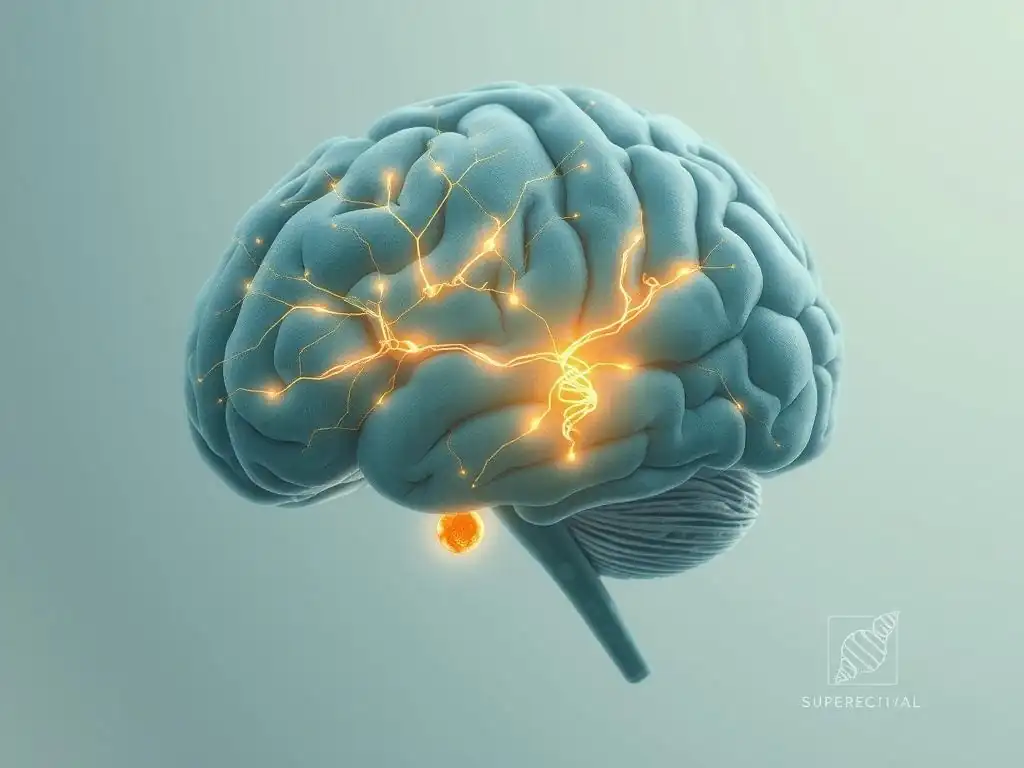
Cortisol's Influence on Gene Expression in Brain Regions
Cortisol exerts its influence on the brain largely by binding to glucocorticoid receptors (GRs), which are found in high concentrations in various brain areas. Upon binding, the cortisol-GR complex can move into the cell nucleus, where it acts as a transcription factor, directly or indirectly influencing the expression of numerous genes. This interaction is not simply about turning genes on or off; it's about modulating their activity in response to the hormonal signal. The specific genes affected depend on the brain region, the cell type, and the epigenetic landscape already present.
The impact of cortisol on gene expression is profound because it can alter the fundamental machinery of neurons and glial cells, affecting everything from neurotransmitter synthesis and release to synaptic plasticity and cellular resilience. For instance, chronic cortisol exposure has been shown to downregulate the expression of genes involved in neuronal growth and survival, such as Brain-Derived Neurotrophic Factor (BDNF), while potentially upregulating genes related to inflammation or stress reactivity.
This intricate dance of gene activation and suppression, mediated by cortisol, is a key mechanism by which the brain structure and function are altered over time, illustrating how cortisol rewires brain epigenetics.
Specific Brain Areas Affected by Cortisol-Induced Epigenetic Changes (e.g., Hippocampus, Amygdala, Prefrontal Cortex)
Different brain regions exhibit varying sensitivities to cortisol and undergo distinct epigenetic changes in response to chronic stress. The hippocampus, crucial for learning, memory, and regulating the stress response (it has a high density of GRs and is part of the negative feedback loop), is particularly vulnerable.
Chronic high cortisol can lead to reduced hippocampal volume and impaired neurogenesis (the birth of new neurons), partly mediated by epigenetic silencing of genes like BDNF or ribosomal RNA genes. Studies in rodents exposed to chronic stress have shown significant changes in DNA methylation patterns in hippocampal neurons, affecting memory formation and stress regulation.
The amygdala, the brain's fear and emotion center, often becomes hyperactive under chronic stress. While it has fewer GRs than the hippocampus, cortisol still influences its activity. Epigenetic changes in the amygdala, such as alterations in DNA methylation or histone modifications on genes related to fear conditioning or neurotransmitter signaling (like genes for CRF or components of glutamate pathways), can contribute to heightened anxiety and fear responses.
Conversely, the prefrontal cortex (PFC), responsible for executive functions, decision-making, and regulating the amygdala, often shows reduced activity or structural changes under chronic stress. Epigenetic modifications in the PFC can impair its ability to modulate emotional responses and cognitive processes, further disrupting stress resilience. This differential impact across regions highlights the complex ways cortisol rewires brain epigenetics, leading to region-specific dysfunction.
Epigenetic Mechanisms Involved: DNA Methylation, Histone Modification, and Non-coding RNAs
The process by which cortisol rewires brain epigenetics involves several key molecular mechanisms. DNA methylation is one prominent mechanism, involving the addition of a methyl group to a cytosine base, usually within a CpG dinucleotide. Methylation in gene promoter regions typically leads to gene silencing.
Research has shown that chronic stress and elevated cortisol can alter DNA methylation patterns in specific genes in the brain, such as the glucocorticoid receptor gene (NR3C1), potentially affecting how cells respond to cortisol signals in the future. Studies on individuals with a history of early life trauma, associated with altered cortisol regulation, have identified persistent changes in NR3C1 methylation in blood samples and post-mortem brain tissue.
Histone modification is another critical mechanism. DNA is wrapped around proteins called histones, forming chromatin. Modifications to histones (like acetylation, methylation, or phosphorylation) can alter how tightly the DNA is wrapped, thereby affecting the accessibility of genes to the transcriptional machinery. For example, histone acetylation generally loosens chromatin and promotes gene expression, while deacetylation often compacts it and represses expression.
Cortisol can influence enzymes that add or remove these histone marks, leading to altered gene activity. Finally, non-coding RNAs (ncRNAs), such as microRNAs (miRNAs), also play a regulatory role. These small RNA molecules can bind to messenger RNA (mRNA) and block protein synthesis or promote mRNA degradation. Cortisol can alter the expression of specific ncRNAs, adding another layer of complexity to how it influences gene expression and ultimately how cortisol rewires brain epigenetics.
The Long-Term Effects of Cortisol-Induced Epigenetic Modifications
Increased Risk of Mental Health Disorders (e.g., Anxiety, Depression, PTSD)
The lasting epigenetic marks left by chronic cortisol exposure can significantly increase vulnerability to developing mental health disorders. The altered gene expression patterns in key brain regions like the hippocampus, amygdala, and prefrontal cortex disrupt the neural circuits underlying mood, fear regulation, and cognitive control. For example, epigenetic changes that reduce BDNF expression in the hippocampus can impair its function, making individuals more susceptible to depressive symptoms. Similarly, modifications that enhance activity in the amygdala can contribute to heightened anxiety and fear responses characteristic of anxiety disorders and PTSD.
Evidence from both human and animal studies supports this link. Individuals with a history of chronic stress, particularly early-life adversity, show distinct epigenetic profiles in genes related to stress reactivity and mood regulation compared to those without such history. These profiles are often associated with a higher lifetime risk of depression and anxiety.
For instance, a landmark study on individuals exposed to childhood abuse found specific epigenetic changes (increased methylation) in the promoter of the NR3C1 gene in hippocampal tissue, correlating with increased vulnerability to stress and depression in adulthood. This demonstrates a tangible way cortisol rewires brain epigenetics, leaving a legacy of increased risk.
Cognitive Impairment and Memory Problems
Beyond mood and anxiety, chronic cortisol-induced epigenetic changes can also impair cognitive function, particularly affecting learning and memory. The hippocampus, being highly sensitive to cortisol and crucial for memory formation, is a primary site of this impairment. Epigenetic modifications that reduce neuronal plasticity or lead to neuronal atrophy in the hippocampus can manifest as difficulty forming new memories, problems with spatial navigation, and impaired executive functions controlled by the prefrontal cortex.
Studies in populations experiencing chronic stress, such as caregivers of individuals with chronic illness or people in high-pressure occupations, often report measurable deficits in memory recall and executive functions. For example, research has shown that individuals with PTSD, a condition strongly linked to chronic stress and altered cortisol dynamics, often exhibit reduced hippocampal volume and impaired verbal memory, potentially linked to persistent epigenetic alterations. These cognitive difficulties are not merely temporary effects of stress but can represent lasting changes in brain function mediated by how cortisol rewires brain epigenetics over time.
Altered Stress Response and Vulnerability to Future Stressors
One of the most significant long-term consequences of cortisol-induced epigenetic modifications is an altered stress response system itself. Chronic high cortisol can desensitize the HPA axis's negative feedback loop, meaning the brain and adrenal glands become less effective at shutting down the stress response once a threat has passed. This can lead to a state of chronic low-grade inflammation and a heightened physiological and emotional reactivity to even minor stressors in the future.
This altered stress reactivity is reflected in changes in the expression and function of glucocorticoid receptors and other components of the HPA axis due to epigenetic marks. Individuals with this altered stress response are not only more likely to experience mental health issues but also become more vulnerable to subsequent stressful life events.
A person whose cortisol response system has been epigenetically altered by early trauma, for instance, may react with an exaggerated stress response to challenges later in life, making them more susceptible to relapses of depression or anxiety. This creates a vicious cycle where past stress makes an individual less resilient to future stress, demonstrating the enduring impact of how cortisol rewires brain epigenetics.
Reversing the Effects: Strategies for Modulating Cortisol and Epigenetics

Lifestyle Interventions: Diet, Exercise, and Sleep
While chronic stress and cortisol can induce detrimental epigenetic changes, the good news is that the epigenome is dynamic and can be influenced by positive interventions. Lifestyle changes are powerful tools for modulating cortisol levels and potentially promoting beneficial epigenetic modifications. A balanced diet rich in fruits, vegetables, whole grains, and lean proteins provides the nutrients necessary for optimal brain function and can help regulate stress hormones. Omega-3 fatty acids, found in fish oil, have been shown to reduce cortisol levels and possess anti-inflammatory properties that can support brain health.
Regular physical exercise is one of the most effective stress reducers. Aerobic exercise, in particular, can lower cortisol levels and promote the release of endorphins, which have mood-boosting effects. Furthermore, exercise has been linked to positive epigenetic changes, including increased expression of BDNF and improved mitochondrial function in the brain. Adequate sleep is also crucial; chronic sleep deprivation elevates cortisol. Aiming for 7-9 hours of quality sleep per night helps restore the body's natural cortisol rhythm and supports overall brain repair and resilience. These foundational lifestyle habits provide a basis for counteracting the negative ways cortisol rewires brain epigenetics.
Mindfulness and Meditation for Stress Reduction
Mindfulness and meditation practices have gained significant attention for their ability to reduce stress and anxiety. These techniques involve focusing attention on the present moment without judgment, which can help calm the nervous system and lower the activation of the HPA axis. Regular practice has been shown in studies to decrease baseline cortisol levels and improve the body's ability to recover from stress.
Emerging research suggests that mindfulness and meditation may also influence the epigenome. Studies have observed changes in gene expression patterns in immune cells and brain regions associated with stress response after mindfulness interventions. While the direct causal link to reversing specific cortisol-induced epigenetic changes in the brain is still being actively researched, the ability of these practices to lower cortisol and improve stress resilience indicates a potential indirect or direct influence on the epigenetic landscape, offering a promising avenue for mitigating how cortisol rewires brain epigenetics.
Therapeutic Approaches: Cognitive Behavioral Therapy (CBT) and Neurofeedback
Psychological therapies, particularly Cognitive Behavioral Therapy (CBT), are highly effective in treating stress-related mental health disorders and can also impact stress hormone levels. CBT helps individuals identify and change negative thought patterns and behaviors that contribute to stress and anxiety. By altering the perception and response to stressors, CBT can lead to a reduction in HPA axis activation and lower cortisol exposure over time.
There is growing interest in whether successful psychological interventions like CBT can also lead to positive epigenetic changes. Some studies are beginning to explore this possibility, looking for changes in methylation or histone modifications in genes related to stress response following therapy.
Neurofeedback, a type of biofeedback that trains individuals to alter their brainwave activity, is another therapeutic approach being explored for stress and trauma. By helping individuals gain better control over their physiological stress responses, neurofeedback may also indirectly influence cortisol levels and potentially impact the brain's epigenetic state, offering clinical pathways to address how cortisol rewires brain epigenetics.
Human beings are social creatures, and strong social connections provide a powerful buffer against the detrimental effects of stress. Feeling supported and connected can reduce the perception of threat and activate the parasympathetic nervous system, promoting relaxation and lowering cortisol levels. Conversely, social isolation is a significant stressor that can exacerbate the negative impacts of chronic cortisol exposure.
Engaging in supportive relationships, participating in community activities, or seeking help from friends and family can significantly mitigate the stress response. While the direct epigenetic mechanisms are complex and less studied than those linked to cortisol directly, the stress-reducing effects of social support undoubtedly contribute to a healthier neurobiological environment less prone to the negative epigenetic remodeling induced by chronic cortisol. The presence of supportive relationships can literally change the way our brains cope with stress, influencing the cascade of events that determine how cortisol rewires brain epigenetics.
Future Directions: Research on Cortisol, Epigenetics, and Mental Health
Understanding Individual Variability in Epigenetic Response
A major area of future research involves understanding why individuals exposed to similar levels of stress and cortisol exhibit different outcomes in terms of mental health and cognitive function. This variability likely stems from a combination of genetic predispositions and differences in their baseline epigenome and how it responds to environmental signals. Researchers are using advanced techniques like genome-wide epigenetic sequencing to map epigenetic variations across populations and identify specific marks associated with resilience versus vulnerability to stress.
Pinpointing the specific genes and epigenetic mechanisms that contribute to this individual variability is crucial. For instance, some individuals might have genetic variants that make their GRs less sensitive, or their epigenetic machinery might be more or less prone to modification in response to cortisol. Future studies aim to integrate genetic, epigenetic, and environmental data to build more comprehensive models that predict an individual's susceptibility to stress-related disorders and how their brain's epigenetics might be uniquely rewired by cortisol exposure.
Developing Targeted Epigenetic Therapies
The growing understanding of how cortisol rewires brain epigenetics opens up the exciting possibility of developing targeted epigenetic therapies for mental health disorders. If specific, maladaptive epigenetic marks caused by chronic stress can be identified, researchers might be able to develop drugs or interventions that selectively reverse or counteract these marks. For example, drugs that inhibit enzymes involved in DNA methylation or histone modification are already being explored for other diseases, and their potential for treating stress-related conditions is being investigated.
However, developing brain-specific epigenetic therapies is challenging due to the complexity of the brain and the need for highly precise targeting to avoid unwanted side effects. Future research will focus on identifying epigenetic targets that are specific to stress-induced pathology rather than essential for normal brain function. This includes developing novel compounds or even using approaches like gene editing (e.g., CRISPR-based methods) to modify epigenetic marks in a highly targeted manner within specific neural circuits affected by how cortisol rewires brain epigenetics.
The Promise of Personalized Mental Healthcare
Ultimately, research into cortisol, epigenetics, and their impact on the brain holds the promise of revolutionizing mental healthcare through personalization. By understanding an individual's unique genetic makeup, epigenetic profile (perhaps assessed through blood or saliva samples, or even advanced brain imaging), and history of stress exposure, clinicians might one day be able to predict their risk for certain mental health conditions, tailor preventative strategies, and select the most effective treatments.
For example, an individual with a specific epigenetic pattern indicating high vulnerability to stress-induced depression might benefit from early intervention with stress management techniques or specific therapeutic approaches. Conversely, someone with a more resilient profile might require different support. The goal is to move away from a one-size-fits-all approach and towards precision psychiatry, where interventions are based on an individual's unique neurobiological landscape, including how their brain's epigenetics has been shaped by cortisol and their life experiences. This future direction emphasizes the profound implications of understanding how cortisol rewires brain epigenetics for individual health.
Conclusion: Taking Control of Your Brain's Epigenetic Landscape Through Stress Management
Key Takeaways: Cortisol, Epigenetics, and Brain Health
The journey through understanding how cortisol rewires brain epigenetics reveals a complex yet empowering picture. We've seen that chronic stress leads to elevated cortisol levels, which don't just cause temporary discomfort but can leave lasting molecular marks on our DNA and associated proteins in key brain regions like the hippocampus, amygdala, and prefrontal cortex. These epigenetic modifications, such as changes in DNA methylation and histone modifications, alter gene expression patterns, fundamentally changing how these brain areas function.
The long-term consequences of this epigenetic remodeling by cortisol include increased susceptibility to mental health disorders like anxiety and depression, impairments in memory and cognitive function, and a persistent alteration in our body's stress response system, making us more vulnerable to future challenges. This underscores the biological reality behind the saying "stress gets under your skin" – it literally gets into the machinery that controls our genes in the brain. The way cortisol rewires brain epigenetics is a tangible link between our life experiences and our brain's enduring health.
Empowering Yourself with Knowledge and Action
While the idea that stress can "rewire" your brain through epigenetics might sound daunting, the dynamic nature of the epigenome offers a message of hope and empowerment. Unlike the fixed nature of our genetic code, the epigenetic landscape can be influenced by our actions and environment throughout life. This knowledge empowers us to take proactive steps to manage stress effectively, not just to feel better in the moment, but to positively influence our brain's health at a fundamental molecular level.
By adopting healthy lifestyle habits – prioritizing sleep, engaging in regular exercise, eating a balanced diet – and practicing stress-reducing techniques like mindfulness or seeking therapeutic support and social connection, we can modulate our cortisol levels and potentially promote beneficial epigenetic changes. Understanding how cortisol rewires brain epigenetics provides a powerful motivation to prioritize mental well-being and stress management as essential components of long-term brain health. You have the agency to influence your brain's epigenetic landscape, building resilience and fostering a healthier future.
Frequently Asked Questions
How does cortisol, a stress hormone, relate to brain epigenetics?
Cortisol, released during stress, can influence epigenetic modifications in the brain. These modifications, such as DNA methylation, alter gene expression without changing the DNA sequence itself, effectively "rewiring" the brain.
What does it mean for cortisol to "rewire" the brain?
"Rewiring" refers to the way cortisol-induced epigenetic changes can alter brain structure and function. This can impact areas involved in memory, learning, and emotional regulation, potentially leading to long-term effects.
Can these cortisol-induced epigenetic changes be reversed?
While research is ongoing, some studies suggest that certain interventions like therapy, mindfulness, and lifestyle changes can influence epigenetic markers. This offers potential for reversing some of the negative impacts of chronic stress.
What are the long-term implications of cortisol rewiring brain epigenetics?
Chronic exposure to elevated cortisol levels can lead to an increased risk of mental health disorders like anxiety and depression. The epigenetic rewiring can also impact cognitive function and increase vulnerability to stress in the future.
What resources are available to help manage cortisol levels and promote mental well-being?
Mind Care Guide offers a range of resources including information, support groups, and articles on stress management techniques. These resources can help individuals learn to regulate cortisol levels and promote positive epigenetic changes.
Final Reflection: The Enduring Power of Cortisol and the Rewiring of Our Minds
The impact of chronic stress on our brains is not merely a fleeting feeling; it's a profound biological reshaping, a rewiring orchestrated by cortisol. Understanding this intricate dance between stress hormones and epigenetics is crucial in an era defined by unprecedented levels of pressure and anxiety. The implications for mental and physical health are far-reaching and demand our immediate attention.
The exploration of how cortisol alters gene expression through epigenetic mechanisms has profoundly shifted my understanding of resilience and vulnerability. It's no longer simply a matter of "coping" with stress; it's about recognizing the lasting, potentially detrimental, changes it can inflict on our very biology. The body keeps the score,
as Bessel van der Kolk so aptly puts it, reminding us that trauma and chronic stress leave indelible marks on our nervous systems. This understanding underscores the importance of proactive stress management, not just as a lifestyle choice, but as a crucial element of long-term health and well-being.
Now, consider your own life. What stressors are consistently impacting your daily experience? How might these be subtly, yet powerfully, altering your brain's architecture? I urge you to reflect on this, to seek out healthy coping mechanisms, and to prioritize self-care as a form of active self-preservation. By understanding the profound influence of cortisol on our epigenetic landscape, we empower ourselves to make conscious choices that promote mental and physical resilience, shaping a healthier and more fulfilling future for ourselves and generations to come.
Unlock Your Brain's Resilience: Take Control of Your Cortisol
Thanks for diving deep into the fascinating world of stress hormones and epigenetics! You've now armed yourself with powerful knowledge about how cortisol impacts your brain—and importantly, how you can change that. Ready to put this knowledge into action?
- Prioritize a daily stress-reducing activity: This could be anything from a mindful walk in nature, to 10 minutes of deep breathing, to listening to calming music. Find what works best for you and make it a non-negotiable part of your day.
- Share this article with someone who might benefit: Help spread awareness about the powerful connection between stress, your brain, and your overall well-being. A simple share can make a big difference!
- Explore MindCareGuide.org for more resources on stress management: Discover additional articles and tools designed to help you navigate stress and nurture your brain's resilience.
What small step will you take today to reduce your cortisol levels and unlock your brain's incredible potential?