
Helping a Loved One with Moral Injury: A Guide for Support Systems

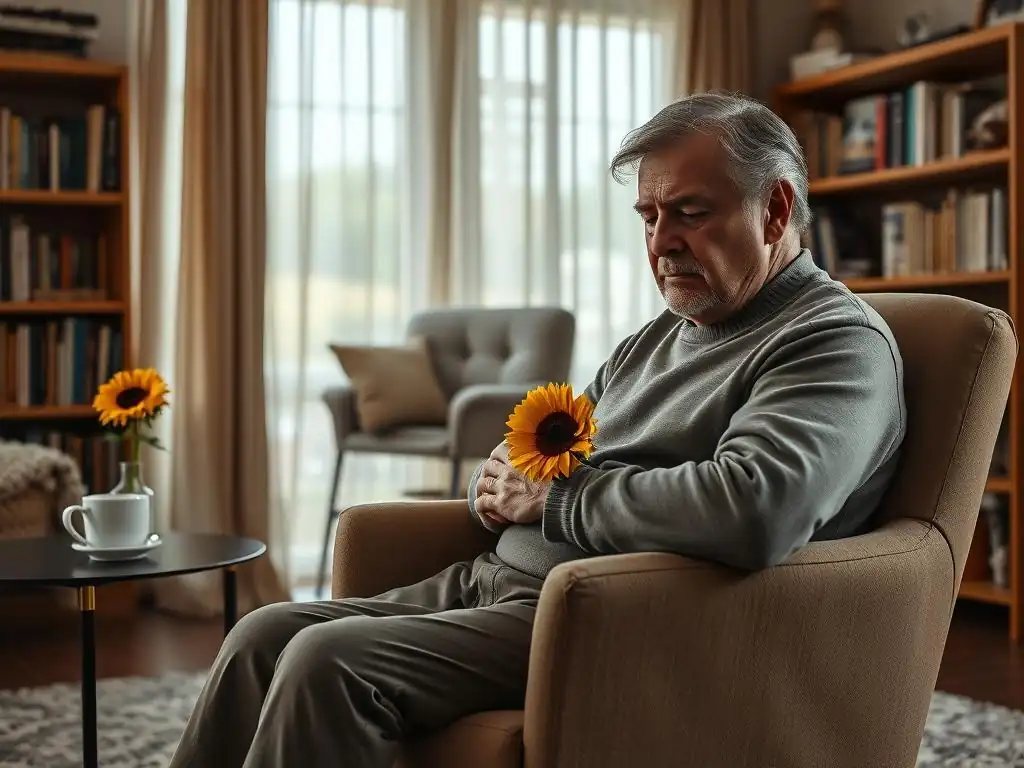
Welcome to Mind Care Guide, a sanctuary for understanding and nurturing mental well-being. Are you searching for ways to help someone grappling with the invisible wounds of trauma? It can feel overwhelming, witnessing their struggle. Our guide on supporting loved ones with moral injury offers compassionate insights and practical steps you can take. Explore this vital resource and discover how to provide meaningful support and navigate the path toward healing together. Let's begin.
- Understanding Moral Injury and Its Impact on Veterans
- Strategies for Supporting Veterans Experiencing Moral Injury
- Practical Steps for Providing Support
- Addressing Challenges and Potential Pitfalls
- Resources for Supporting Veterans with Moral Injury
- Building Resilience Together: A Journey of Healing and Reintegration
-
Frequently Asked Questions
- What is moral injury, and how is it different from PTSD?
- How can I identify if my loved one is experiencing moral injury?
- What are some practical ways I can support my loved one struggling with moral injury?
- What should I not do when supporting someone with moral injury?
- Where can I find additional resources and support for understanding and addressing moral injury?
- Final Reflection: The Unseen Wounds of Morality and the Power of Compassion
- Unleash Your Support: Empowering Healing from Moral Injury
Understanding Moral Injury and Its Impact on Veterans
Defining Moral Injury: Beyond PTSD in Military Contexts
Moral injury describes the psychological, social, and spiritual impact of actions that violate one's own moral code, or witnessing such actions, in high-stakes situations, particularly prevalent in military contexts. While often co-occurring with Post-Traumatic Stress Disorder (PTSD), it is distinct. PTSD typically arises from fear-based trauma – threats to life or physical integrity.
Moral injury, however, stems from conflicts related to one's deepest moral and ethical beliefs, often involving acts of killing, failing to prevent harm, or witnessing betrayal. It's the wound to the conscience, a sense of transgression against deeply held values, which can lead to profound guilt, shame, anger, and difficulty trusting oneself and others.
Unlike the fear response central to PTSD, moral injury can manifest as a persistent feeling of being irreparably stained or corrupt. Veterans might grapple with the moral weight of decisions made under duress, the inability to save comrades, or orders that conflicted with their personal ethics. This internal conflict can be more debilitating than the fear associated with combat, as it strikes at the core of identity and self-worth. Supporting veterans with moral injury requires recognizing this distinction and addressing the unique spiritual and ethical dimensions of their suffering.
Recognizing the Signs of Moral Injury in a Veteran
Identifying moral injury in a loved one can be challenging, as symptoms often overlap with other mental health conditions like depression, anxiety, or PTSD, but also include specific moral and spiritual distress. Look for signs such as intense feelings of guilt, shame, or worthlessness related to specific events or actions during service. Veterans might express a profound loss of trust in institutions, leadership, or even humanity. They may exhibit self-punitive behaviors, social withdrawal, or difficulty connecting with family and friends due to feelings of being unforgivable or fundamentally changed.
Other indicators include persistent anger or resentment, often directed inwards or towards those perceived to be responsible for the morally injurious event. Veterans might struggle with spiritual or existential questions, questioning their faith or the meaning of life. They may experience intrusive thoughts or nightmares centered not just on the event itself, but on the moral implications of their actions or inactions. Observing a loved one grappling with these specific types of distress is a key step in supporting veterans with moral injury.
The Ripple Effect: How Moral Injury Affects Relationships and Family Dynamics within Veteran Families
Moral injury doesn't just impact the individual veteran; its effects ripple outwards, significantly straining relationships and altering family dynamics. The veteran's withdrawal, irritability, and difficulty expressing emotions can lead to misunderstandings and emotional distance. Partners and children may struggle to comprehend the veteran's internal turmoil, misinterpreting their struggles as indifference or rejection. Feelings of guilt and shame can make it difficult for the veteran to feel worthy of love or connection, leading to self-isolation even when surrounded by loved ones.
Moreover, the breakdown of trust – both the veteran's trust in others and potentially others' trust in the veteran if behaviors become erratic – can erode the foundation of family relationships. The empathetic goal of supporting loved ones with moral injury often involves navigating this complex emotional landscape. Family members may experience secondary trauma simply by witnessing the veteran's pain and distress, adding another layer of complexity to the support system's own well-being and capacity to help effectively.
Strategies for Supporting Veterans Experiencing Moral Injury
One of the most powerful ways of supporting veterans with moral injury is through active and non-judgmental listening. Creating a safe emotional space means allowing the veteran to share their experiences and feelings without interruption, attempts to fix the situation, or expressions of shock or disapproval.
This involves paying full attention, making eye contact, and using verbal and non-verbal cues to show you are engaged and processing what they are saying. The goal is not to elicit details they are unwilling to share, but to be present and receptive if they choose to open up about the moral weight they carry.
Active listening also involves validating their feelings and acknowledging the difficulty of what they are describing. Phrases like "That sounds incredibly difficult" or "I can see how that would weigh heavily on you" can be profoundly impactful. It's about demonstrating empathy and understanding that their pain is real and legitimate, regardless of the specifics of the event. This process of being heard and witnessed can be a crucial first step in helping veterans process and begin to heal from moral injury.
Validating Their Experience: Acknowledging the Moral Weight of Combat
Validating a veteran's experience of moral injury goes beyond simply listening; it involves explicitly acknowledging the immense moral complexity and burden inherent in combat and military service. It means recognizing that military personnel are often placed in situations with no easy answers, where choices must be made quickly under extreme pressure, and where the outcomes can be morally ambiguous or distressing. This validation helps counter the veteran's internal narrative of being uniquely flawed or unforgivable.
By affirming that their struggles are a natural, albeit painful, response to unnatural circumstances, you help normalize their feelings of guilt, shame, or betrayal. This isn't about excusing actions but about acknowledging the context and the human cost of war. Supporting loved ones with moral injury requires expressing understanding that their moral compass was put under extreme stress, and that grappling with the aftermath is a sign of their conscience, not necessarily a sign of inherent badness.
Avoiding Judgment: Understanding the Complexities of Wartime Decisions
Avoiding judgment is paramount when supporting veterans with moral injury. Decisions made in wartime are often characterized by incomplete information, intense pressure, and the need for rapid action, frequently in life-or-death scenarios. Applying civilian moral standards or hindsight to these situations can be deeply harmful and invalidating. The veteran is likely already grappling with immense self-judgment; external criticism, however subtle, can reinforce their feelings of shame and isolation.
Understanding the complexities of military operations – the chain of command, the rules of engagement, the unpredictable nature of conflict – is essential. If a veteran shares an experience, try to listen with an open mind, recognizing that their perspective is shaped by circumstances most people will never face. Supporting veterans with moral injury means suspending personal judgment and focusing instead on providing compassion and a safe space for them to process their internal conflict without fear of condemnation.
Practical Steps for Providing Support

Facilitating Access to Specialized Mental Healthcare for Veterans
A critical practical step in supporting veterans with moral injury is helping them access appropriate specialized mental healthcare. The Department of Veterans Affairs (VA) and other organizations offer services specifically tailored to the needs of veterans. Navigating the healthcare system can be daunting, particularly for someone struggling with mental health challenges. Offering practical assistance, such as helping research local VA facilities, understanding eligibility requirements, or even accompanying them to appointments, can make a significant difference.
It's important to look for therapists or programs that explicitly mention experience with moral injury, trauma, or military populations. Not all mental health professionals are familiar with the nuances of moral injury, so finding someone with specialized training is beneficial. While precise nationwide statistics on VA therapists specializing only in moral injury are hard to pinpoint, many VA clinicians are trained in evidence-based practices for trauma and often incorporate moral injury concepts into treatment for veterans. Assisting in this search is a tangible way of supporting veterans with moral injury.
Finding VA Therapists Specializing in Moral Injury
Finding a VA therapist specializing in moral injury often involves contacting the mental health or behavioral health service at the nearest VA Medical Center or Community-Based Outpatient Clinic (CBOC). When speaking with staff, specifically ask about clinicians who have experience treating veterans with trauma, guilt, shame, or moral distress related to their service. While a therapist might not solely specialize in moral injury, many who work extensively with combat veterans are familiar with its presentation and therapeutic approaches.
Another avenue is to inquire about specific programs or clinics within the VA focused on trauma or PTSD, as moral injury is frequently addressed within these contexts. Websites like the VA's National Center for PTSD (NCPTSD) can also provide information on treatment approaches and potentially help locate services, though direct therapist directories with sub-specialties like moral injury might not be readily available. The key is persistent inquiry and explaining the specific nature of the veteran's struggles when seeking a referral.
Understanding Evidence-Based Therapies for Moral Injury in Veterans
While research on specific "moral injury therapies" is still evolving, several evidence-based approaches used for trauma and related conditions have shown promise in addressing the symptoms of moral injury in veterans. Cognitive Processing Therapy (CPT) and Prolonged Exposure (PE), commonly used for PTSD, can be adapted to process morally challenging memories and associated beliefs. Therapies like Acceptance and Commitment Therapy (ACT) and Dialectical Behavior Therapy (DBT) can help veterans manage difficult emotions like shame and guilt, and clarify their values.
Additionally, treatments specifically designed or adapted for moral injury, such as Adaptive Disclosure or variations of CPT that focus on morally injurious events, are being increasingly utilized. These therapies often involve processing the narrative of the event, addressing cognitive distortions related to guilt and responsibility, and working towards forgiveness (of self or others) and finding meaning. Understanding these options allows you to better advocate for the veteran or support their engagement in treatment.
Encouraging Self-Care and Healthy Coping Mechanisms
Encouraging self-care and healthy coping mechanisms is vital for supporting veterans with moral injury, as they may resort to unhealthy behaviors to numb or avoid painful feelings. Simple acts of self-care, like ensuring adequate sleep, maintaining a balanced diet, and engaging in regular physical activity, can significantly impact mental and emotional well-being. Help them identify activities they once enjoyed or new healthy pursuits that can provide a sense of accomplishment or peace.
Coping mechanisms could include journaling about their experiences and feelings, practicing relaxation techniques like deep breathing or meditation, or engaging in creative outlets. The goal is to help them find constructive ways to process their emotions and reduce stress rather than relying on avoidance, substance use, or isolation. Supporting loved ones with moral injury in developing these skills is a continuous process that requires patience and encouragement.
Promoting Mindfulness and Stress Reduction Techniques
Mindfulness and stress reduction techniques can be particularly helpful for veterans grappling with intrusive thoughts and overwhelming emotions associated with moral injury. Practicing mindfulness involves focusing on the present moment without judgment, which can help veterans gain distance from ruminative guilt or shame. Simple exercises like mindful breathing, body scans, or mindful walking can help ground them when they feel overwhelmed.
Introducing guided meditations or relaxation exercises can also provide tools for managing anxiety and distress. These techniques are not about erasing the past but about building the capacity to tolerate difficult feelings and thoughts, which is a crucial part of processing moral injury. Encouraging consistent practice of these techniques is a practical way of supporting veterans with moral injury in managing their daily emotional load.
Supporting Engagement in Veteran Support Groups and Activities
Connecting with peers who have shared similar experiences can be incredibly therapeutic for veterans with moral injury. Support groups, whether formal therapy groups or informal peer-led gatherings, offer a space for mutual understanding, validation, and a reduction of feelings of isolation. Hearing others articulate similar struggles with guilt, shame, or loss of trust can normalize their own experiences and foster a sense of belonging.
Encouraging participation in veteran organizations or activities, like team sports, volunteer work, or recreational clubs, can also help veterans rebuild social connections and a sense of community lost after leaving the military. These activities provide opportunities for positive interaction, shared purpose, and a reminder that they are not alone in their post-service journey. Supporting loved ones with moral injury often involves gently encouraging them to re-engage with the world and connect with a supportive community.
Helping Veterans Reconnect with Values and Purpose
Moral injury often involves a perceived violation of core values, leading to a crisis of meaning and purpose. Helping veterans reconnect with their pre-service values, or identify new values, is a vital step in their healing. This might involve discussions about what was important to them before service, what principles they still hold dear, and how they envision living a life aligned with those principles moving forward. Identifying actions that embody these values can help counter feelings of worthlessness.
Exploring new avenues for finding purpose can also be transformative. This could involve setting personal goals, pursuing education or a new career, or engaging in activities that provide a sense of contribution. The process of supporting veterans with moral injury in rediscovering purpose helps them move beyond the identity of someone defined by their moral wounds and towards one grounded in their present and future aspirations.
Exploring Moral Repair Strategies through Community Service
Engaging in community service or acts of altruism can be a powerful strategy for moral repair for veterans experiencing moral injury. Contributing positively to the community can help counter feelings of guilt and worthlessness by demonstrating their capacity for good and reinforcing positive aspects of their character. This might involve volunteering for causes they care about, mentoring others, or participating in community projects.
Choosing service activities that align with their values or skills can be particularly meaningful. For example, a veteran with medical skills might volunteer at a free clinic, or someone passionate about the outdoors might participate in environmental clean-up efforts. These actions provide tangible evidence of their positive impact and can help rebuild a sense of self-worth and moral integrity. Supporting loved ones with moral injury in finding such opportunities offers a path towards healing through action.
Fostering a Sense of Forgiveness and Reconciliation
Forgiveness, particularly self-forgiveness, is often a critical, though challenging, aspect of healing from moral injury. It's not about condoning past actions but about releasing the self-blame and shame that keeps the veteran trapped. This is a complex and often lengthy process, and it may involve therapeutic work. As a supporter, you can foster an environment where the concept of forgiveness is discussed gently and without pressure.
Reconciliation might involve processing feelings towards others involved in the morally injurious event, including leadership or even adversaries, if relevant. It can also involve reconciling their pre-service self with their post-service self, integrating their experiences into their identity without being consumed by them. Supporting veterans with moral injury in this journey requires immense patience, understanding, and often professional guidance.
Addressing Challenges and Potential Pitfalls
Managing Secondary Trauma and Compassion Fatigue for Family Members
Supporting a loved one with moral injury is emotionally demanding and can lead to secondary trauma or compassion fatigue for family members and friends. Secondary trauma occurs when you experience trauma symptoms from exposure to another person's trauma narrative. Compassion fatigue is the emotional and physical exhaustion that can result from caring for others who are suffering. Recognizing these risks is the first step in mitigating them.
Family members need their own support systems and self-care strategies. This might involve seeking individual therapy or counseling, joining support groups for military families, or simply ensuring they have time and space to rest and recharge. Neglecting your own well-being makes it impossible to provide effective, long-term support for the veteran. Supporting loved ones with moral injury also means supporting the supporters.
Setting Realistic Expectations for Recovery: Understanding the Long-Term Process
Healing from moral injury is not a quick or linear process. It often involves significant introspection, emotional pain, and periods of regression. Setting realistic expectations is crucial for both the veteran and their support system. There is no magic cure, and progress may be slow. Recovery involves learning to live with the experience, integrating it into one's life story, and finding ways to move forward, rather than completely erasing the past.
Understanding that setbacks are a normal part of the journey helps manage frustration and maintain hope. Celebrate small victories and acknowledge the effort the veteran is putting into their healing. Avoid pressuring them to "just get over it" or setting arbitrary timelines for recovery. Supporting veterans with moral injury requires patience, perseverance, and a commitment to the long haul.
Communicating Effectively During Difficult Conversations About Military Experiences
Difficult conversations about military experiences are often necessary but can be fraught with challenges. The veteran may be hesitant to share, fearing judgment or re-experiencing pain. Family members may struggle to understand or know what to say. Effective communication involves creating a safe, non-pressured environment. Let the veteran lead the conversation and decide what they are ready to share.
When they do share, practice active listening and validation without interrupting or offering unsolicited advice. It's okay to say, "I don't fully understand, but I'm here for you." Avoid minimizing their experience or comparing it to others. If the conversation becomes too intense or overwhelming for either party, it's okay to take a break and revisit it later, perhaps with the guidance of a therapist. Clear, empathetic communication is fundamental to supporting veterans with moral injury.
Resources for Supporting Veterans with Moral Injury

Online Resources: VA's National Center for PTSD and Give an Hour
Several online resources provide valuable information and support for veterans and their families dealing with trauma and moral injury. The VA's National Center for PTSD (NCPTSD) website is a comprehensive source for understanding trauma, including aspects relevant to moral injury, and offers tools and resources for veterans and their families. They provide information on symptoms, treatment options, and self-help strategies.
Give an Hour is a non-profit organization that provides free mental health services to military personnel, veterans, and their families. Their network of volunteer mental health professionals offers therapy and support for a range of issues, including those related to moral injury. Utilizing these online platforms can be a crucial first step in finding information and professional help when supporting loved ones with moral injury.
Books and Articles on Moral Injury and Moral Repair in Military Populations
Reading books and articles written by experts, researchers, and veterans themselves can deepen understanding of moral injury. Works by figures like Dr. Jonathan Shay (Achilles in Vietnam, Odysseus in America) or Dr. Rita Nakashima Brock and Dr. Gabriella Lettini (Soul Repair: Recovering from Moral Injury After War) offer profound insights into the nature of moral injury in military contexts and pathways towards healing.
Academic articles and publications from organizations like the VA or military psychology journals also provide current research and perspectives on assessment and treatment. Sharing relevant, accessible articles (without overwhelming the veteran) or reading them yourself can help family members gain perspective and learn effective strategies for supporting veterans with moral injury.
Local Veteran Centers and Support Organizations
Local Veteran Centers (Vet Centers) are community-based counseling centers that provide a wide range of services to veterans, service members, and their families, including individual and group counseling for trauma and moral injury. Vet Centers often offer a less formal, more community-oriented environment than traditional VA hospitals and are staffed by counselors who are often veterans themselves.
Beyond Vet Centers, numerous non-profit organizations across the country are dedicated to supporting veterans. These organizations may offer peer support groups, recreational programs, assistance with benefits, or connections to mental health services. Exploring local options and encouraging the veteran to connect with these resources can provide valuable layers of support beyond the family unit when supporting veterans with moral injury.
Building Resilience Together: A Journey of Healing and Reintegration
Strengthening Family Bonds Through Understanding and Support
Healing from moral injury is a journey that ideally involves the entire family system. Strengthening family bonds through mutual understanding, open communication, and unwavering support is paramount. As family members gain a deeper understanding of what moral injury is and how it impacts their loved one, they can respond with greater empathy and less frustration. This shared understanding reduces isolation for the veteran and helps the family navigate challenges together.
Engaging in shared activities, rebuilding trust through consistent, reliable behavior, and openly discussing the impact of moral injury on family dynamics (in appropriate settings, perhaps with family counseling) can help repair strained relationships. Supporting loved ones with moral injury is a collective effort that reinforces the strength and resilience of the family unit.
Fostering Hope and a Future Beyond Moral Injury for Veterans and Their Families
Maintaining hope is essential throughout the healing process. While moral injury is a profound wound, recovery and a life of meaning beyond the injury are possible. Family members can play a vital role in fostering hope by acknowledging progress, celebrating strengths, and reminding the veteran of their value and potential. Focus on the future and possibilities, helping the veteran set achievable goals and envision a life where their experiences are integrated, but not solely defining.
This might involve encouraging them to pursue passions, reconnect with spiritual beliefs that provide comfort and guidance, or find new ways to contribute to the world. Fostering hope is an active process of highlighting resilience and the capacity for growth. Supporting veterans with moral injury involves helping them and the family believe in the possibility of a fulfilling future.
Prioritizing Self-Care: Maintaining Your Own Well-being as a Supporter
Finally, the importance of self-care for those supporting veterans with moral injury cannot be overstated. Providing support is demanding, and neglecting your own physical and emotional health can lead to burnout, resentment, and a diminished capacity to help. Prioritize your own needs – ensure you get enough rest, eat well, exercise, and maintain your own social connections and hobbies.
Seek support for yourself, whether through individual therapy, support groups for caregivers, or simply talking to trusted friends or family members about your experiences (while respecting the veteran's privacy). Remember the principle of putting on your own oxygen mask before assisting others. Maintaining your own well-being is not selfish; it is a necessary component of being an effective and sustainable source of support when supporting veterans with moral injury.
Frequently Asked Questions
What is moral injury, and how is it different from PTSD?
Moral injury involves the psychological distress resulting from actions or inactions that violate one's deeply held moral beliefs. While PTSD focuses on fear-based trauma, moral injury centers on shame, guilt, and betrayal.
How can I identify if my loved one is experiencing moral injury?
Look for signs like intense guilt or shame, feelings of betrayal, difficulty forgiving themselves or others, and a loss of trust in institutions or people they once respected. They may also exhibit self-destructive behaviors.
What are some practical ways I can support my loved one struggling with moral injury?
Offer a non-judgmental listening ear, validating their experiences and emotions. Encourage them to seek professional help, such as therapy specifically tailored for moral injury. Avoid minimizing their feelings.
What should I not do when supporting someone with moral injury?
Avoid telling them to "just get over it" or minimizing the impact of their experiences. Don't pressure them to talk about things they're not ready to share. Refrain from offering unsolicited advice or judgment.
Where can I find additional resources and support for understanding and addressing moral injury?
Organizations like the Department of Veterans Affairs (if the individual is a veteran) and mental health professionals specializing in trauma can provide valuable information and support. Look for therapy modalities specifically designed for moral injury.
Final Reflection: The Unseen Wounds of Morality and the Power of Compassion
The pervasive impact of moral injury extends far beyond the battlefield, silently affecting individuals in countless walks of life. Its insidious nature often leaves sufferers isolated and struggling, highlighting the critical need for understanding and effective support systems. We must move beyond the stigma and acknowledge the profound suffering inflicted by moral injury, empowering those affected and those who love them.
Witnessing the struggle of a loved one grappling with moral injury is a deeply humbling experience. It forces a confrontation with the fragility of the human spirit and the enduring power of trauma. The journey of healing is long and arduous, demanding patience, empathy, and unwavering support. The wounds of the soul are as real as any physical wound, and often more difficult to heal.
This quote underscores the importance of validating the experience of the individual and fostering an environment of safety and understanding. The cultural shift towards acknowledging the existence and impact of moral injury is crucial, and the work of supporting those affected is a testament to the resilience of the human spirit.
You, the reader, now hold the knowledge and tools to navigate the complexities of supporting a loved one struggling with moral injury. Remember, your presence, your listening ear, and your unwavering compassion are invaluable assets in their healing journey. Take the time to learn, to listen, and to offer support without judgment.
By embracing empathy and understanding, you can become a beacon of hope, guiding your loved one towards healing and a path to reclaiming their sense of self and moral integrity. Let us collectively work towards a world where those burdened by moral injury find solace, support, and the strength to heal.
Unleash Your Support: Empowering Healing from Moral Injury
Thanks for taking the time to learn about supporting a loved one struggling with moral injury. You've gained valuable insight into this often-overlooked challenge, and now you're ready to make a real difference. Let's turn knowledge into action:
- Prioritize open and empathetic conversation: Create a safe space for your loved one to share their experiences without judgment. This is the most impactful step you can take.
- Connect them with resources:Research and explore support groups or professional help specializing in moral injury. Knowing where to turn can be incredibly empowering.
- Share this article: Spread awareness and let others know they aren't alone. Helping others find support is a powerful way to amplify the impact of your own learning.
What small step will you take today to strengthen your support network and help your loved one find healing?