
From Data to DeStress: Actionable Insights from Your Tracker

Welcome to Mind Care Guide, your trusted companion on the journey to mental well-being.
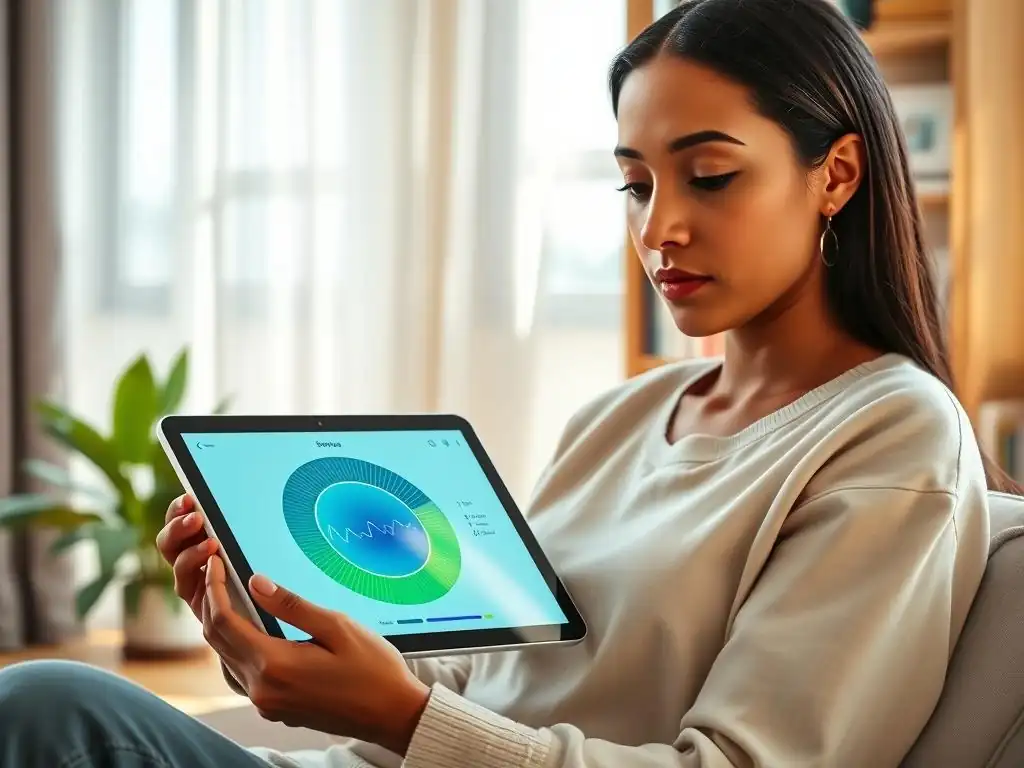
Feeling overwhelmed? It's more common than you think. But what if you could see the impact of stress on your life and take proactive steps to manage it? In this article, we delve into the world of stress tracking mental health apps, uncovering how they can provide actionable insights and empower you to reclaim your inner calm. Curious to learn how wearable tech can become your personal stress-management ally? Let's explore the possibilities...
From Data to DeStress: Actionable Insights from Your Tracker
- Understanding the Data: How Stress Tracking Mental Health Apps Work
- Choosing the Right Stress Tracker: A Comparative Overview
-
From Insights to Action: Using Your Stress Data to Improve Mental Well-being
- Identifying Stress Triggers: Pinpointing the Root Causes of Your Anxiety
- Implementing Relaxation Techniques: Guided Breathing and Mindfulness Exercises
- Optimizing Sleep Quality: The Link Between Sleep and Stress Reduction
- Adjusting Your Lifestyle: Making Changes Based on Your Stress Patterns
- Seeking Professional Help: When to Consult a Mental Health Professional
- Maximizing the Benefits of Stress Tracking Mental Health Apps
- The Future of Wearable Tech for Stress Management: Emerging Trends and Innovations.
-
Frequently Asked Questions
- What are stress tracking mental health apps and how do they work?
- How can stress tracking mental health apps help me manage my stress more effectively?
- Are stress tracking mental health apps accurate in measuring stress levels?
- What are some key features to look for in a stress tracking mental health app?
- Are there any potential drawbacks to using stress tracking mental health apps?
- Final Reflection: Unlocking Inner Peace Through Data
- Unleash Your Inner Zen: Take Control of Your Wellbeing
Understanding the Data: How Stress Tracking Mental Health Apps Work
Stress tracking mental health apps and wearable devices utilize a variety of biometric data points to estimate your stress levels throughout the day. These devices typically measure physiological signals such as heart rate variability (HRV), skin conductance (electrodermal activity or EDA), sleep patterns, and sometimes even body temperature. By continuously monitoring these metrics, the algorithms within the apps analyze fluctuations and deviations from your baseline, attempting to correlate these changes with potential stressors. For instance, a sudden drop in HRV or an increase in skin conductance might be interpreted as a sign of physiological stress response.
The data collected by these stress tracking mental health apps is then processed and often presented in the form of a daily stress score, charts showing stress levels over time, or specific alerts during moments of high stress. The goal is to provide you with objective feedback on how your body is reacting to your environment and activities.
While not a direct measure of your emotional state, these physiological indicators offer valuable clues about your body's stress load. Understanding what data is being collected and how it's being interpreted is the first step in leveraging these tools effectively for improved mental well-being.
Decoding Your Stress Score: What Does It Really Mean?
Your stress score, often presented on a scale (e.g., 0-100 or low/medium/high), is a composite number derived from the various physiological signals your tracker measures. It's not a definitive diagnosis of your emotional state but rather an indicator of your body's physiological response to stress. A high score might suggest your sympathetic nervous system is highly active, often associated with fight-or-flight responses, possibly due to external stressors, lack of sleep, or even illness. Conversely, a low score typically indicates a more relaxed state, where your parasympathetic nervous system is dominant, aiding in rest and recovery.
It's crucial to understand that this score is personalized and often calibrated over time based on your individual baseline data. What constitutes a "high" score for one person might be different for another. Instead of fixating on the exact number, focus on trends and how the score correlates with your perceived feelings and daily activities. For example, noticing consistently high scores during work hours versus lower scores on weekends can provide actionable insights into specific environmental stressors. These stress tracking mental health apps aim to give you a quantifiable metric to reflect upon your body's state.
Beyond the Numbers: Recognizing Patterns in Your Stress Data
While a daily stress score offers a snapshot, the real power of stress tracking mental health apps lies in identifying patterns over time. Looking at weekly or monthly trends allows you to see how your stress fluctuates in response to different situations, days of the week, or even seasons. Do you see a spike in stress every Monday morning? Is your stress consistently higher during a specific project deadline? Does poor sleep the night before correlate with a higher stress score the next day? These are the kinds of questions analyzing patterns can help answer.
Furthermore, correlating your stress data with manual logging of your activities, mood, or diet can reveal deeper connections. For instance, you might notice your stress score rises significantly on days you consume more caffeine, or that engaging in a specific hobby consistently lowers your stress levels. Many stress tracking mental health apps allow for this kind of annotation, making it easier to link physiological responses to specific lifestyle factors. This shift from looking at isolated data points to understanding broader patterns is key to translating data into actionable strategies for managing stress.
Accuracy Considerations: Limitations of Wearable Stress Trackers and Mental Health Data
While stress tracking mental health apps and wearables provide valuable insights, it's important to acknowledge their limitations regarding accuracy. These devices primarily measure physiological indicators of stress, such as heart rate variability and skin conductance, which are influenced by many factors beyond psychological stress, including physical activity, illness, hydration, and even ambient temperature. The algorithms used to translate these signals into a single stress score are proprietary and can vary significantly between devices, meaning a score of 50 on one tracker might not equate to the same physiological state as a score of 50 on another.
Moreover, these trackers do not measure your subjective feeling of stress or the complex cognitive and emotional components of mental health. They can tell you your body is in a state often associated with stress, but they can't tell you why you feel stressed or the specifics of your emotional experience. Data should be interpreted as a helpful tool for self-awareness and pattern identification, not a definitive diagnosis or a perfect reflection of your mental state. Relying solely on wearable data without considering your personal context and feelings would be a misapplication of these stress tracking mental health apps.
Choosing the Right Stress Tracker: A Comparative Overview
Selecting the right stress tracking mental health app, often coupled with a compatible wearable, depends heavily on your specific needs and priorities. Different devices offer varying levels of detail in their stress analysis, focus on different metrics, and integrate with different ecosystems. Some prioritize deep physiological insights, while others focus more on integrating stress data with broader wellness metrics like sleep and activity.
Consider what features are most important to you: is it detailed physiological data like EDA and HRV? Is it integration with mindfulness or meditation apps? Is it long battery life and simplicity? The market offers a range of options, each with its strengths and weaknesses, making it essential to compare features based on how you intend to use the data to improve your mental well-being. Evaluating the companion stress tracking mental health apps is just as important as the hardware itself.
Fitbit Sense 2: Comprehensive Stress Management Features and Data Analysis
The Fitbit Sense 2 positions itself as a leading wearable for stress management, primarily through its continuous electrodermal activity (cEDA) sensor. Unlike earlier versions that required initiating an EDA scan, the Sense 2 monitors body responses that may indicate stress throughout the day.
This data, combined with metrics like heart rate, heart rate variability, and skin temperature, feeds into Fitbit's Body Response and Daily Readiness Score features, aiming to provide a holistic view of your stress and recovery levels. The accompanying stress tracking mental health app on your phone offers detailed graphs and insights into when and potentially why your body registered stress responses.
Pros:
- Advanced sensors, including continuous EDA monitoring, provide rich physiological data related to stress.
- The EDA Scan app allows for focused stress checks and guided reflections on moments of high stress.
- Deep integration with sleep tracking provides context on how rest impacts your stress resilience.
Cons:
- A Fitbit Premium subscription is required to access the most detailed insights, historical data, and guided stress-relief content within the stress tracking mental health app.
Garmin Vivosmart 5: User-Friendly Stress Monitoring and Body Battery
The Garmin Vivosmart 5, a more streamlined fitness tracker, includes all-day stress tracking based on heart rate variability. It presents your stress level on a scale of 0-100 and offers relaxation reminders when it detects periods of high stress. A key feature is the Body Battery energy monitor, which uses HRV, stress, sleep, and activity data to estimate your energy reserves. This metric provides a simple, intuitive way to understand how stress depletes your resources and how rest helps you recharge.
Pros:
- Offers a simple and user-friendly interface for monitoring stress levels throughout the day.
- Focuses on overall well-being through the Body Battery metric, making the stress data relatable to your energy levels.
- Generally boasts a longer battery life compared to more feature-rich smartwatches.
Cons:
- Provides less granular or detailed physiological stress data compared to devices with advanced sensors like EDA.
Apple Watch Series 9: Integrating Mindfulness and Stress Tracking
The Apple Watch Series 9 integrates stress-related data primarily through heart rate variability measurements and its robust ecosystem of health and wellness apps. While it doesn't have a dedicated "stress score" feature in the same vein as Fitbit or Garmin, its mindfulness app, Breathe and Reflect, encourages intentional stress reduction. The Health app aggregates HRV data, which many third-party stress tracking mental health apps on the Apple Watch can utilize to provide stress insights. Its ability to run powerful apps makes it a versatile platform for stress management.
Pros:
- Offers comprehensive health tracking beyond stress, including ECG and blood oxygen monitoring.
- Seamless integration with a wide range of third-party mindfulness and stress tracking mental health apps available on the App Store.
- The built-in Breathe and Reflect features encourage proactive stress management.
Cons:
- Typically has a shorter battery life compared to dedicated fitness trackers like Garmin.
- Requires an iPhone for setup, data syncing, and full functionality of the stress tracking mental health apps.
Muse S (Gen 2): EEG-Powered Meditation and Stress Tracking
The Muse S (Gen 2) is less of a general-purpose wearable and more a dedicated tool for meditation and sleep tracking, utilizing electroencephalography (EEG) to provide brainwave feedback. While its primary function is guided meditation with real-time audio feedback based on your brain activity, it also tracks sleep stages and can provide insights into your mental recovery. Its approach to stress management is more about teaching you how to calm your mind through biofeedback rather than simply tracking physiological stress indicators throughout the day.
Pros:
- Utilizes EEG technology for direct brainwave feedback during meditation, offering a unique approach to stress reduction training.
- Provides guided meditations and sleep tracking with personalized insights based on brain activity.
- Focuses on teaching the user techniques to actively manage their mental state.
Cons:
- Higher price point compared to standard fitness trackers and smartwatches.
- Requires consistent, active use (meditation sessions) to gain the most significant benefits for stress reduction.
From Insights to Action: Using Your Stress Data to Improve Mental Well-being
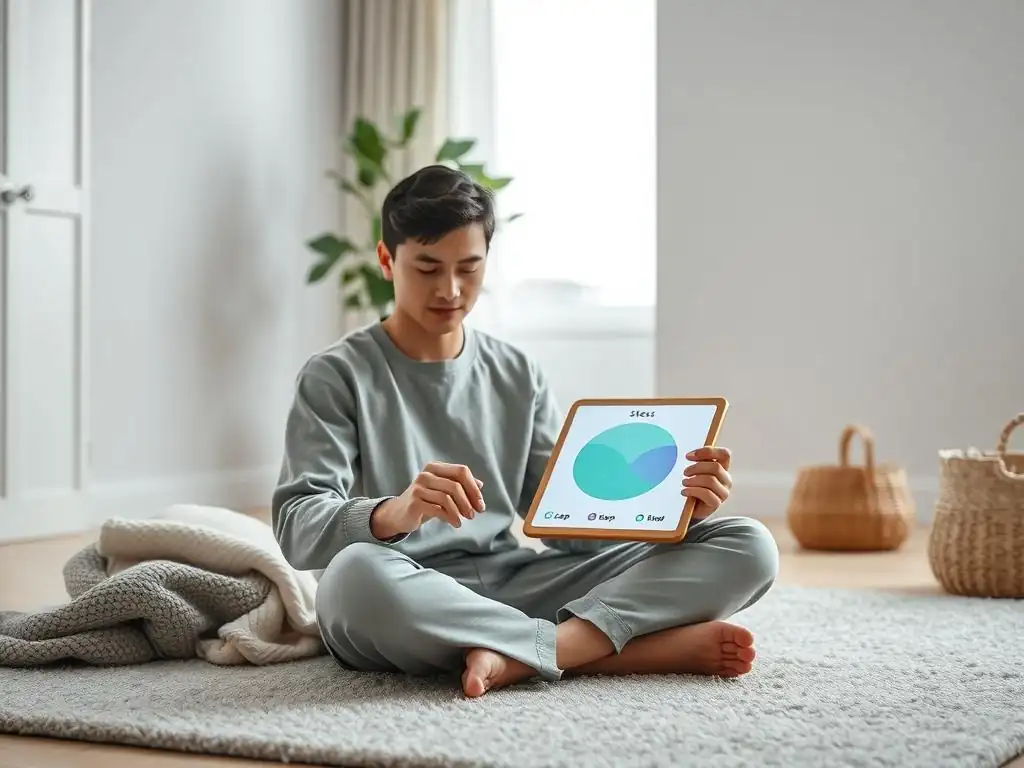
Collecting data from stress tracking mental health apps is only the first step; the real value comes from using that data to make positive changes in your life. The patterns and insights revealed by your tracker can serve as a powerful catalyst for identifying stressors, implementing coping strategies, and making sustainable lifestyle adjustments aimed at reducing chronic stress and improving overall mental well-being. This transition from passive tracking to active intervention is where these tools truly shine.
Leveraging the information provided by your stress tracking mental health apps empowers you to move beyond simply knowing you're stressed to understanding when, why, and how you can effectively manage it. This data-driven approach allows for more targeted and effective interventions, helping you build resilience and foster a healthier relationship with stress.
Identifying Stress Triggers: Pinpointing the Root Causes of Your Anxiety
Your stress tracking mental health app data can be invaluable for identifying specific situations, people, or activities that consistently elevate your stress levels. By cross-referencing periods of high stress indicated by your tracker with your daily calendar, activity logs, or even notes you've manually added in the app, you can start to pinpoint your personal triggers. For example, you might notice a recurring spike in your stress score every time you have a particular meeting, commute route, or engage in a certain type of task.
Once potential triggers are identified, you can explore strategies to either avoid them, mitigate their impact, or change your response to them. This might involve adjusting your schedule, setting boundaries, or developing specific coping mechanisms for predictable stressful situations. The objective data from your stress tracking mental health app provides objective evidence that validates your subjective feelings and helps you focus your efforts on the most impactful areas for stress reduction.
Implementing Relaxation Techniques: Guided Breathing and Mindfulness Exercises
Many stress tracking mental health apps and associated wearables offer or integrate with tools for immediate stress intervention, such as guided breathing exercises or short mindfulness sessions. When your tracker alerts you to a moment of high stress, you can use these built-in features to try and lower your physiological stress response in real-time.
- Using the Calm app integrated with your Fitbit for real-time stress reduction. If your Fitbit Sense 2 detects a significant body response indicating stress, you might receive a notification suggesting you take a moment to breathe or meditate, often directly linking to a guided session in the Calm app (if subscribed), allowing you to practice mindfulness when your body signals it's needed most.
- Practicing deep breathing exercises using the guided sessions on your Apple Watch. The Apple Watch's Breathe app, or similar features in third-party stress tracking mental health apps, can guide you through paced breathing exercises. Engaging in just a few minutes of controlled breathing when your HRV data suggests elevated stress can help activate your parasympathetic nervous system, promoting relaxation and potentially lowering your stress score.
These techniques provide immediate tools to manage acute stress responses as they occur, guided by the data from your stress tracking mental health app.
Optimizing Sleep Quality: The Link Between Sleep and Stress Reduction
Stress and sleep have a deeply interconnected relationship; poor sleep can increase stress, and high stress can disrupt sleep. Stress tracking mental health apps often provide detailed sleep analysis, including duration, stages (light, deep, REM), and sleep quality scores. By analyzing your sleep data alongside your stress data, you can identify if inadequate or disrupted sleep is contributing to higher stress levels during the day.
- Using Garmin's sleep score to identify areas for improvement in your sleep habits. If your Garmin Vivosmart 5 consistently shows a low sleep score, and you notice this correlates with higher stress levels the following day, it highlights the importance of prioritizing sleep. This insight can prompt you to make changes like establishing a consistent sleep schedule, optimizing your bedroom environment, or avoiding stimulants before bed, all aimed at improving sleep quality and, subsequently, stress resilience.
Improving sleep based on these insights can break the negative cycle between stress and poor rest, enhancing your ability to cope with daily challenges.
Adjusting Your Lifestyle: Making Changes Based on Your Stress Patterns
The long-term trends revealed by your stress tracking mental health apps can inform broader lifestyle adjustments. If your data consistently shows elevated stress during certain periods or activities, it might signal a need for more significant changes than just in-the-moment coping. This could involve re-evaluating commitments, adjusting your work-life balance, or incorporating more stress-reducing activities into your routine.
- Reducing social media usage after noticing a correlation between screen time and increased stress levels in your tracking data. If your stress tracking mental health app data shows that your stress score or physiological indicators of stress are consistently higher on days with prolonged screen time, particularly social media usage, this provides objective evidence to support reducing that activity. You might decide to set screen time limits or implement digital detox periods based on this data-driven insight, aiming to lower a clear, identifiable stressor.
Making these data-informed lifestyle changes can lead to more sustainable stress reduction and improved long-term mental well-being.
Seeking Professional Help: When to Consult a Mental Health Professional
While stress tracking mental health apps are powerful tools for self-awareness and management, they are not a substitute for professional medical or mental health support. Consistent high stress scores, persistent feelings of overwhelm or anxiety, or significant disruptions to your daily life indicated by your data are signals that you may benefit from professional guidance. Your tracker's data can serve as a valuable starting point for conversations with a therapist or doctor.
If you find that implementing data-driven strategies isn't significantly reducing your stress, or if your stress feels unmanageable, reaching out to a mental health professional is a crucial step. They can provide personalized coping strategies, therapy, or other interventions tailored to your specific needs, offering support beyond the capabilities of any wearable device or stress tracking mental health app.
Maximizing the Benefits of Stress Tracking Mental Health Apps
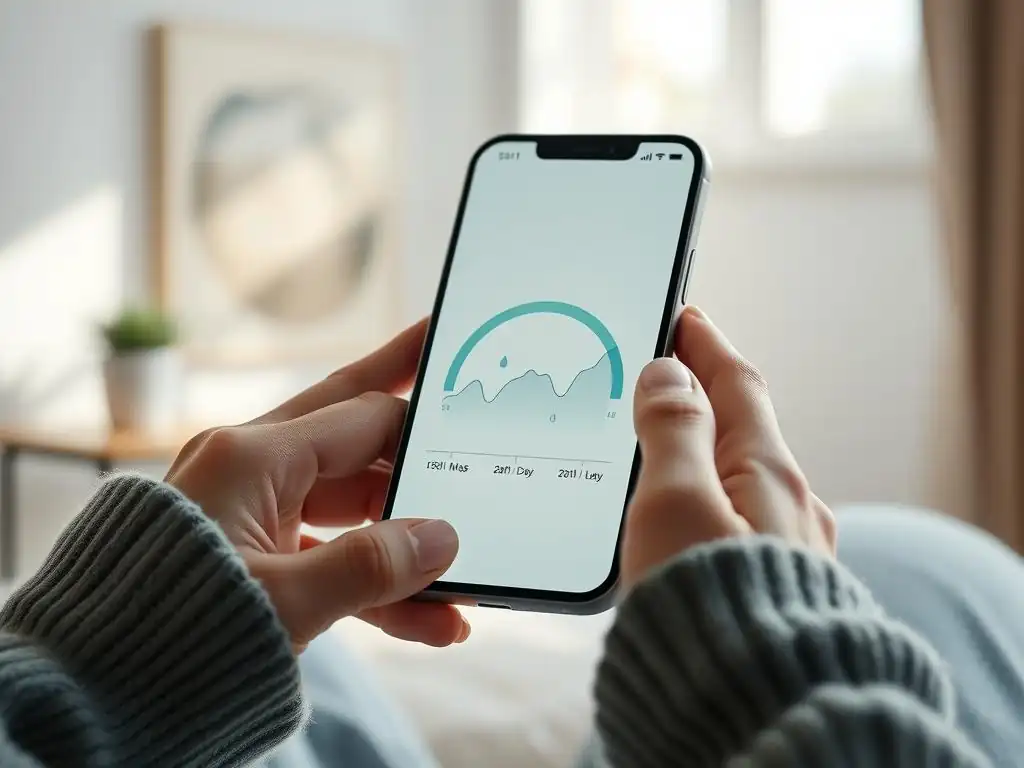
To truly benefit from stress tracking mental health apps, it's essential to approach their use strategically. Simply wearing the device and glancing at a daily score isn't enough. You need to actively engage with the data, set goals, track your progress, and ideally, integrate the insights with other wellness practices or professional support. Think of the tracker as a partner in your mental well-being journey, providing objective feedback to complement your subjective experience.
Making the most of these tools involves consistent use, thoughtful interpretation of the data, and a willingness to experiment with different strategies informed by the insights you gain. It's about creating a feedback loop where data informs action, and the results of those actions are then reflected in the data, allowing for continuous adjustment and improvement.
Setting Realistic Goals: Establishing Achievable Targets for Stress Reduction
Using data from your stress tracking mental health app can help you set specific, measurable, achievable, relevant, and time-bound (SMART) goals for stress reduction. Instead of a vague goal like "reduce stress," you might aim to "lower my average daily stress score by 10 points over the next month" or "reduce the frequency of high-stress spikes during my commute by implementing mindfulness techniques."
Your baseline data from the tracker provides the starting point, making your goals realistic and quantifiable. For instance, if your average stress score over the past week was 65, aiming to reduce it to 55 within a month is a tangible target. Setting realistic goals based on your data increases the likelihood of success and provides clear milestones to work towards with your stress tracking mental health apps.
Tracking Your Progress: Monitoring Your Improvement Over Time
One of the most motivating aspects of using stress tracking mental health apps is the ability to visualize your progress. As you implement stress-reducing strategies—whether it's improving sleep, incorporating mindfulness, or adjusting your schedule—you can monitor whether these changes are reflected in your stress data. Look for decreases in average stress scores, fewer high-stress events, or improvements in related metrics like HRV or sleep quality.
Tracking progress over weeks and months provides valuable feedback on what's working and what isn't. If you see a consistent downward trend in your stress levels after implementing a new technique, it reinforces that behavior. Conversely, if your stress remains high despite your efforts, the data from your stress tracking mental health app prompts you to try different approaches or seek additional support. This ongoing monitoring turns insights into a continuous improvement cycle.
Integrating with Other Mental Health Resources: Combining Apps and Therapies
The data from your stress tracking mental health app can be a powerful tool when combined with other mental health resources, including therapy, counseling, or other wellness apps. Sharing objective data with a mental health professional can provide them with a clearer picture of your physiological state and how it correlates with your reported feelings and experiences.
- Sharing your stress data with your therapist to gain deeper insights and personalized treatment plans. If you're seeing a therapist for anxiety or stress management, sharing charts showing your stress levels throughout the week, correlations between stress spikes and specific events, or your sleep patterns can offer valuable context. Your therapist can use this objective data from your stress tracking mental health app to identify patterns you might not have consciously noticed, tailor coping strategies to specific triggers, or monitor the effectiveness of interventions over time, leading to more personalized and effective treatment plans.
Integrating wearable data with professional guidance enhances the effectiveness of both tools, offering a more comprehensive approach to managing stress and improving mental well-being.
The Future of Wearable Tech for Stress Management: Emerging Trends and Innovations.
The field of wearable technology for stress management is rapidly evolving. Future innovations are likely to include more sophisticated sensors capable of detecting an even wider range of physiological markers related to stress, potentially offering earlier and more nuanced detection. Integration with artificial intelligence and machine learning is expected to lead to more personalized insights and predictive analysis, potentially alerting users to potential stressors before they experience significant physiological responses.
We may also see greater integration between wearable data and clinical mental health platforms, facilitating seamless sharing of information with healthcare providers (with user consent). Furthermore, the development of less intrusive or even invisible wearables could make continuous stress tracking more comfortable and practical for everyday life. As these technologies become more advanced and integrated, stress tracking mental health apps will likely play an even more significant role in proactive mental health care and personalized well-being strategies.
Frequently Asked Questions
What are stress tracking mental health apps and how do they work?
These apps are designed to monitor and analyze your stress levels using various data points like heart rate, sleep patterns, and self-reported mood. They then provide personalized insights to help you understand your stress triggers. The goal is to improve mental well-being.
How can stress tracking mental health apps help me manage my stress more effectively?
By providing real-time data and identifying patterns, these apps allow you to understand when and why you experience stress. This awareness enables you to implement coping mechanisms and make lifestyle adjustments to mitigate stress.
Are stress tracking mental health apps accurate in measuring stress levels?
While not perfect, these apps utilize various sensors and data analysis techniques to provide a reasonable estimation of your stress. Accuracy depends on the app's sophistication and your consistent usage and honest reporting. It's a tool, not a definitive diagnosis.
What are some key features to look for in a stress tracking mental health app?
Look for apps with features like heart rate variability (HRV) monitoring, sleep tracking, mood logging, guided meditations, and personalized recommendations. Also consider data privacy policies and user reviews before choosing an app.
Are there any potential drawbacks to using stress tracking mental health apps?
Over-reliance on data can sometimes increase anxiety, especially if you become overly focused on the numbers. Ensure you use the app as a tool for self-awareness, not a source of additional stress, and don't neglect professional help if needed.
Final Reflection: Unlocking Inner Peace Through Data
The relentless pace of modern life leaves many of us feeling overwhelmed, and the ability to understand and manage our stress levels is no longer a luxury, but a necessity. The insights gleaned from stress tracking mental health apps are not just numbers on a screen; they are a powerful tool for self-discovery and empowerment, offering a pathway to a more balanced and fulfilling life. This data, when interpreted correctly, can be the key to unlocking a profound sense of inner peace.
The journey from data points to tangible improvements in mental wellbeing is deeply personal, and the impact of these apps extends far beyond individual users. They are fostering a crucial cultural shift, normalizing conversations around mental health and encouraging proactive self-care. This growing awareness is vital, as we move away from a culture of silence and stigma towards one of open dialogue and support. The greatest weapon against stress is our ability to choose one thought over another.
– William James. This quote underscores the power we hold in shaping our own mental landscapes, a power amplified by the insights provided by these technological tools.
Now, consider your own relationship with stress. What patterns emerge from your daily experiences? What triggers your anxiety, and what coping mechanisms prove most effective? Take the time to reflect on the data you've collected, not just to understand your stress levels, but to understand yourself better. Use this knowledge to cultivate self-compassion, to set realistic boundaries, and to prioritize activities that nurture your mental and emotional well-being. Embrace the opportunity to transform your data into a roadmap for a calmer, more fulfilling life.
Unleash Your Inner Zen: Take Control of Your Wellbeing
Thanks for taking the time to explore how your data can unlock a calmer, more balanced you! We hope you discovered actionable steps to better understand your stress levels. Ready to put this new knowledge into practice?
- Prioritize one small change: Choose one stress-reducing technique from the article – whether it's mindful breathing, a short walk, or adjusting your sleep schedule – and commit to it for a week. Track your progress and notice the difference!
- Share your insights: Discuss your experience with friends or family. Sharing your journey can inspire others and create a supportive network.
- Explore our community: Connect with like-minded individuals on our Mind Care Guide forums (imagined feature) for even more support and strategies for stress management.
What small step will you take today to nurture your wellbeing?