
Supporting Siblings: Navigating Resentment, Guilt, and Understanding


Welcome to Mind Care Guide, a sanctuary for your mental well-being.
Do you ever wonder if those complicated feelings towards your siblings are... normal? It's more common than you think. Dive into our exploration of sibling resentment, guilt, understanding, and support – a crucial aspect of family dynamics often overlooked. Discover practical strategies and empathetic insights to navigate these complex emotions and foster healthier relationships. Let's unravel the threads together and find pathways to healing and connection.
Supporting Siblings: Navigating Challenges and Fostering Understanding
- Understanding the Impact of Chronic Illness on Siblings
- Sibling Resentment: Addressing Feelings of Unfairness and Neglect
- Guilt and the Sibling Experience: Coping with Complex Emotions
- Fostering Sibling Understanding and Empathy
- Providing Support for Siblings: Practical Strategies for Parents and Caregivers
- Promoting Sibling Well-being: Long-Term Strategies for Positive Relationships
- Building a Strong Foundation for Sibling Relationships Affected by Chronic Illness
-
Frequently Asked Questions
- What are some common signs of sibling resentment?
- How can parents address feelings of guilt in one sibling towards another?
- What kind of support resources are available for siblings experiencing difficulties in their relationship?
- How can parents foster understanding and empathy between siblings?
- Why is addressing sibling resentment and guilt important for overall mental well-being?
- Final Reflection: The Unseen Bonds of Siblinghood
- Unlock Deeper Sibling Bonds: Take the Next Step
Understanding the Impact of Chronic Illness on Siblings
How a Sibling's Chronic Illness Affects the Entire Family
When one child in a family lives with a chronic illness, the ripple effects extend far beyond the individual receiving care. The family unit often undergoes significant structural and emotional shifts. Daily routines may revolve around medical appointments, therapies, and managing symptoms, requiring substantial time and energy from parents and caregivers.
This intense focus can inadvertently lead to less attention being available for other children in the household, potentially impacting their emotional well-being and sense of security. Financial strain is also a common consequence, as medical costs, specialized equipment, and lost workdays can put immense pressure on family resources, adding another layer of stress that permeates the home environment.
The family dynamic itself can change, with roles shifting and responsibilities increasing for various members. Healthy siblings might be asked to take on more chores, help with caregiving tasks for their ill sibling, or simply become more independent out of necessity. While this can foster resilience, it can also lead to feelings of being overburdened or unfairly treated.
The emotional climate of the home may also be heavily influenced by the ill child's condition, potentially swinging between hope during periods of stability and high anxiety or sadness during health crises. This constant flux can create an unpredictable environment, making it challenging for siblings to feel a sense of normalcy or consistent emotional availability from their parents.
Recognizing the Unique Challenges Faced by Siblings of Children with Chronic Illnesses
Siblings of children with chronic illnesses navigate a complex landscape of emotions and practical challenges that are often invisible to the outside world. They may experience isolation, feeling different from their peers whose family lives follow more typical patterns. Social activities can be disrupted due to family commitments related to their sibling's care, or they might hesitate to bring friends home due to unpredictable situations. Academically, some siblings may struggle with concentration due to worry or lack of parental help with homework, while others might excel, perhaps as a coping mechanism or a way to seek positive attention.
Beyond practical difficulties, these siblings often grapple with profound emotional burdens. They may witness their sibling's pain and suffering, leading to anxiety or trauma. They might feel pressure to be "good" or undemanding to avoid adding to their parents' stress. Furthermore, they can experience a range of confusing emotions, including love and protectiveness towards their sibling, mixed with frustration, resentment, or even embarrassment about the illness or its effects. These feelings are often kept hidden, as siblings may fear burdening their parents further or feel guilty for having such thoughts.
Sibling Resentment: Addressing Feelings of Unfairness and Neglect
Identifying the Root Causes of Sibling Resentment
Sibling resentment in families dealing with chronic illness often stems from perceived unfairness and neglect. When a significant portion of parental time, energy, and resources is dedicated to the child with health issues, the healthy siblings may feel overlooked or less important. This is rarely intentional neglect but rather a consequence of the demanding nature of chronic caregiving.
Siblings might resent the constant attention their ill brother or sister receives, even if they understand the medical necessity. They may feel jealous of the special treatment, gifts, or relaxed rules that sometimes accompany illness, even while simultaneously feeling empathy for their sibling's struggles.
Another major source of sibling resentment is the burden of responsibility that may fall upon them. This could involve taking on extra household chores, caring for younger siblings, or even assisting with the ill child's care tasks. While contributing to the family can build character, an excessive or age-inappropriate load can lead to bitterness.
Furthermore, missed family events, canceled plans, or the inability to participate in extracurricular activities due to the demands of the sibling's illness can fuel feelings of being deprived or having their own needs consistently deprioritized. These accumulated experiences of perceived unfairness contribute significantly to developing sibling resentment.
Validating and Acknowledging Resentful Feelings
It is crucial for parents and caregivers to recognize that sibling resentment is a valid and understandable emotional response, not a sign of malice or lack of love for their ill sibling. Dismissing or shaming these feelings can drive them underground, making them harder to address and potentially leading to behavioral issues or emotional withdrawal. Creating a safe space where siblings feel comfortable expressing all their emotions, including frustration, anger, and resentment, is paramount. This involves actively listening without judgment, acknowledging the difficulty of their situation, and validating that it is okay to feel this way.
Simply saying, "It sounds like you feel it's unfair that Alex gets all the attention because he's sick," or "I understand you're angry about having to miss soccer practice again because we had to go to the hospital," can be incredibly powerful. This validation doesn't mean agreeing that the resentment is justified in a moral sense, but rather acknowledging the reality of the sibling's emotional experience. This acceptance helps the sibling feel seen and heard, laying the groundwork for them to process these difficult emotions constructively and begin navigating sibling resentment in a healthier way.
Strategies for Managing Sibling Rivalry and Resentment
Managing sibling resentment requires proactive strategies focused on balancing needs and fostering understanding. One key approach is ensuring dedicated, one-on-one time with each healthy sibling regularly. Even short periods, like 15-20 minutes daily or weekly, focused solely on that child's interests and activities, can significantly reduce feelings of neglect and reaffirm their importance. This individual attention helps counteract the perception that the ill sibling always comes first and provides a space for the healthy child to share their thoughts and feelings without competing for attention.
Another strategy involves involving healthy siblings in age-appropriate ways in discussions about the illness and family plans. Feeling included and informed can reduce anxiety and the sense of being left out. Establishing clear boundaries around caregiving responsibilities for healthy siblings is also vital – they should not be expected to function as primary caregivers or parental substitutes. Encouraging open communication about feelings, implementing fair rules (where possible), and celebrating individual achievements can help mitigate sibling rivalry and resentment by fostering a sense of equity and individual value within the family structure.
Guilt and the Sibling Experience: Coping with Complex Emotions

Exploring the Sources of Sibling Guilt (e.g., Feeling Responsible, Survivor's Guilt)
Sibling guilt in the context of chronic illness can manifest in various complex ways. One common source is the feeling of responsibility, where a sibling might believe they somehow caused or could have prevented their brother or sister's illness or discomfort. Young children, in particular, are prone to magical thinking and might link an argument or a negative thought to their sibling's health setback.
As they get older, this can evolve into guilt over not helping enough, not being patient enough, or feeling frustrated with their ill sibling. They might feel responsible for their parents' stress or unhappiness and try to be "perfect" to compensate.
Another significant source is often referred to as "survivor's guilt." Healthy siblings might feel guilty simply because they are well while their sibling suffers. They might feel guilty about having fun, pursuing hobbies, or achieving milestones that their ill sibling cannot.
For example, a sibling might feel intense guilt about playing sports or going to a party when their brother is confined to bed or undergoing treatment. This form of sibling guilt is particularly insidious as it stems from their own well-being and can lead them to suppress their own needs and joys out of a misplaced sense of solidarity or shame.
Differentiating Between Healthy Concern and Unhealthy Guilt
Understanding the difference between healthy concern and unhealthy sibling guilt is essential for both siblings and parents. Healthy concern involves empathy, wishing the ill sibling well, and a natural level of worry about their condition. It motivates supportive behaviors, like being kind or helpful, and is proportionate to the situation. This type of concern allows the sibling to feel compassion without being consumed by responsibility for the outcome.
Unhealthy guilt, on the other hand, is disproportionate and often irrational. It involves believing one is personally responsible for the illness or their sibling's suffering, or feeling immense shame for one's own health and happiness. This sibling guilt can be crippling, leading to anxiety, depression, and a reluctance to engage in normal life activities. It can manifest as excessive self-blame, constant worry, or a need to constantly apologize or make amends for perceived wrongs. Recognizing this distinction is the first step in helping a sibling process and move beyond debilitating guilt.
Techniques for Processing and Releasing Sibling Guilt
Processing and releasing sibling guilt requires acknowledging the feelings and developing coping strategies. Journaling can be a helpful tool for siblings to articulate their thoughts and feelings without fear of judgment. Encouraging them to write about what makes them feel guilty and why can provide clarity and distance from the emotion. Talking openly with a trusted parent, family member, or therapist is also critical. Expressing the guilt out loud can help demystify it and allow others to offer reassurance and perspective.
Cognitive restructuring techniques can also be beneficial. This involves identifying the irrational thoughts fueling the guilt (e.g., "It's my fault he got sick") and challenging them with rational counter-statements (e.g., "Illnesses are caused by germs or genetics, not by anything I did"). Focusing on what they can control – being a supportive sibling, being understanding, taking care of themselves – rather than what they cannot (the illness itself) is key. Forgiveness, both self-forgiveness and understanding that the situation is not their fault, is a long-term process but a vital step in releasing sibling guilt.
Fostering Sibling Understanding and Empathy
Educating Siblings About the Chronic Illness in Age-Appropriate Ways
Fostering sibling understanding begins with clear, honest, and age-appropriate education about the chronic illness. For young children, this might involve simple explanations using analogies they can grasp, focusing on what the illness is and is not (e.g., "It's something in their body that makes them tired easily," or "It's not contagious like a cold"). Use simple language, answer their questions patiently, and correct any misunderstandings they might have absorbed. Avoid overly technical jargon or frightening details.
As siblings get older, the explanations can become more detailed, covering symptoms, treatments, and potential challenges. Allowing them to ask questions freely, even difficult ones, is crucial for building trust and understanding. Providing accurate information empowers them, reduces anxiety born from the unknown, and helps them develop empathy by seeing the situation from their ill sibling's perspective. This ongoing dialogue is fundamental to developing sibling understanding and compassion.
Encouraging Open Communication and Active Listening
Open communication is the bedrock of healthy family relationships, especially when navigating the complexities of chronic illness. Establish regular times for family check-ins where everyone, including the healthy siblings, has an opportunity to share how they are feeling and what's on their mind. Encourage siblings to talk about their day, their challenges, and their emotions without interruption. This practice helps normalize talking about feelings and ensures that the healthy sibling's voice is heard amidst the focus on the ill child's needs.
Active listening is equally important. When a sibling is speaking, parents should give their full attention, make eye contact, and reflect back what they've heard to ensure understanding ("So, it sounds like you're feeling frustrated because..."). This shows respect for their feelings and encourages them to continue sharing. Teaching siblings how to listen actively to each other can also improve their interactions and strengthen their bond by fostering mutual respect and sibling understanding.
Creating Opportunities for Positive Sibling Interactions
Despite the challenges, creating opportunities for positive interactions between siblings is vital for nurturing their relationship and fostering sibling understanding. This might require some creativity and adaptation depending on the ill sibling's condition. Focus on activities that both children can enjoy together, even if modified. This could be watching a movie, playing a board game suitable for the ill child's energy levels, reading together, or simply spending quiet time in the same room pursuing separate activities.
Encourage shared interests and celebrate moments of connection. Highlight instances where siblings show kindness, patience, or support for one another. These positive experiences help balance the difficult aspects of the illness and build a foundation of shared joy and affection. Even small, regular positive interactions contribute significantly to strengthening the sibling bond and fostering sibling understanding and empathy.
Providing Support for Siblings: Practical Strategies for Parents and Caregivers
Ensuring Each Child Receives Individual Attention and Validation
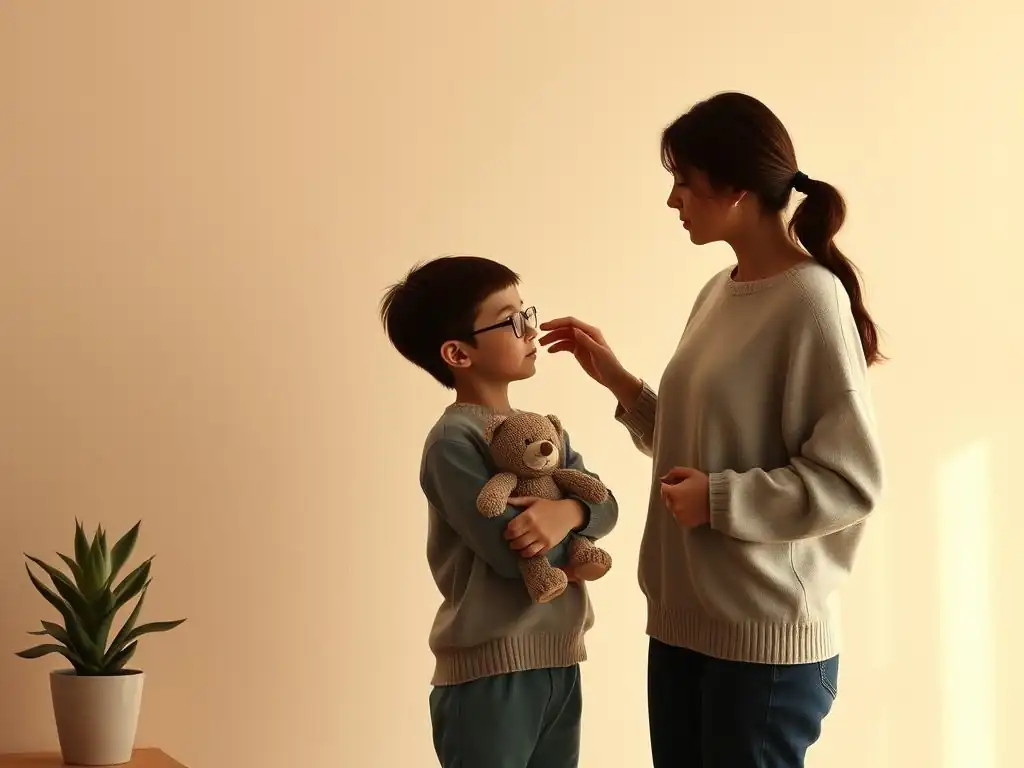
A cornerstone of providing support for siblings is ensuring they feel seen and valued as individuals, separate from their role as a sibling to a child with a chronic illness. This means making a conscious effort to spend dedicated, one-on-one time with each healthy child. This time should be focused entirely on them and their interests, free from discussions about their ill sibling's condition or care needs. It could be as simple as reading a book together, going for a walk, helping with a hobby, or just chatting about their day.
Beyond spending time, validation is key. Acknowledge their feelings, achievements, and struggles. Celebrate their successes in school, sports, or hobbies with the same enthusiasm you would for any child. Validate their frustrations or sadness about the challenges the family faces. Letting them know that their emotions are understood and accepted reinforces their sense of self-worth and provides essential sibling support. This individual attention helps counteract feelings of being invisible or less important.
Establishing Clear Boundaries and Expectations
Clear boundaries and expectations provide a sense of security and fairness for all children in the family, which is vital for supporting siblings. While it's natural for healthy siblings to help out, their responsibilities should be age-appropriate and not interfere excessively with their own development, social life, or emotional needs. Define what is expected of them in terms of chores or helping with their ill sibling, but ensure these expectations are reasonable and clearly communicated. Avoid making them feel solely responsible for their ill sibling's well-being or acting as a substitute parent.
Establishing boundaries also involves protecting the healthy sibling's time and space. If possible, ensure they have private time for homework, friends, and activities. Set boundaries around discussions about the illness, ensuring they aren't constantly exposed to distressing medical information unless they are ready and willing to engage. Clear boundaries help manage sibling resentment and ensure that the healthy sibling's needs for normalcy and independence are respected, providing crucial sibling support.
Seeking Professional Help for Siblings When Necessary
Sometimes, the challenges faced by siblings of children with chronic illnesses are significant enough to warrant professional intervention. If a sibling is exhibiting persistent signs of distress such as anxiety, depression, significant behavioral changes, academic decline, social withdrawal, or difficulty coping with sibling resentment or guilt, seeking professional help is a sign of strength, not failure. Child psychologists, therapists, or counselors experienced in working with families facing chronic illness can provide specialized sibling support.
A therapist can offer a safe space for the sibling to process complex emotions like sibling resentment and guilt, teach coping mechanisms, and help them understand their experiences within the family context. Family therapy can also be beneficial, helping improve communication, address family-wide stressors, and strengthen relationships. Recognizing when a sibling needs more support than the family can provide internally is a critical part of long-term sibling support and well-being.
Promoting Sibling Well-being: Long-Term Strategies for Positive Relationships
Cultivating Resilience in Siblings
Cultivating resilience is a long-term strategy for promoting sibling well-being and helping them navigate the inherent difficulties of having a sibling with a chronic illness. Resilience isn't about avoiding hardship, but about developing the capacity to bounce back from adversity. Encourage siblings to develop strong social connections outside the family, whether through school, hobbies, or peer support groups for siblings of children with chronic illnesses. These connections provide external sibling support and a sense of belonging.
Foster a growth mindset, helping siblings see challenges as opportunities for learning and developing strength rather than insurmountable obstacles. Encourage problem-solving skills and independence. Celebrate their efforts and small victories, reinforcing their capability. Building resilience helps siblings cope with the emotional toll of sibling resentment and guilt, enabling them to face difficulties with greater strength and adaptability.
Encouraging Self-Care Practices for Siblings
Just as caregivers need self-care, healthy siblings need to prioritize their own well-being. Encouraging self-care practices is essential for their physical and mental health and promotes long-term sibling well-being. This involves ensuring they get adequate sleep, eat nutritious meals, and engage in regular physical activity. Beyond the basics, self-care includes making time for activities they enjoy purely for pleasure – hobbies, spending time with friends, reading, or anything that helps them relax and recharge.
Teach siblings the importance of recognizing their own needs and advocating for themselves. Help them understand that taking care of themselves isn't selfish but necessary for their own happiness and their ability to be present for their family. Modeling healthy coping mechanisms as parents is also crucial. Prioritizing self-care helps siblings manage stress, reduce the intensity of feelings like sibling resentment or guilt, and maintain their own emotional balance.
Creating a Supportive Family Environment
Ultimately, creating a consistently supportive family environment is the most powerful long-term strategy for promoting sibling well-being and nurturing positive relationships. This means fostering an atmosphere of open communication, mutual respect, and empathy where everyone feels safe to express their feelings. Encourage family activities that promote connection and shared positive experiences, adapting as needed to include the ill sibling when possible.
Highlighting the strengths of each family member and acknowledging the unique contributions everyone makes helps build a sense of shared purpose and unity. While challenges will inevitably arise, a family culture that prioritizes emotional honesty, provides consistent sibling support, and works together to navigate difficulties creates a strong foundation for healthy sibling relationships despite the presence of chronic illness. This supportive environment helps mitigate the negative impacts of sibling resentment and guilt and fosters sibling understanding.
Building a Strong Foundation for Sibling Relationships Affected by Chronic Illness
The Importance of Professional Guidance in Supporting Siblings
Navigating the intricate emotional landscape of sibling resentment, guilt, and the need for sibling understanding support in families with chronic illness can be overwhelming for parents. This is where professional guidance becomes invaluable. Therapists, social workers, and counselors specializing in pediatric chronic illness or family systems can provide tailored strategies and support. They can help families improve communication, develop effective coping mechanisms, and address the specific challenges that arise, including helping siblings process their complex emotions.
Professionals can also provide resources and connect families with support networks. Their objective perspective can offer insights into family dynamics that are difficult to see from within. Seeking this kind of expert sibling support is not a sign of failure, but a proactive step towards ensuring the well-being of all children in the family and strengthening sibling relationships amidst challenging circumstances.
A wealth of resources exists to provide sibling understanding support and help families cope with chronic illness. Condition-specific foundations and organizations often offer educational materials, support groups for parents and siblings, and sometimes even camps or recreational programs designed for siblings. Websites and books aimed at explaining chronic illness to children and teenagers can also be incredibly helpful tools for fostering sibling understanding.
Online forums and local support groups connect parents with others facing similar situations, providing a space to share experiences and gain practical advice on managing issues like sibling resentment and guilt. Many hospitals and treatment centers have social work departments that can provide counseling, resource lists, and advocacy. Utilizing these resources can significantly reduce feelings of isolation and empower families to provide better sibling support.
Nurturing Healthy Sibling Bonds Despite the Difficulties
Nurturing healthy sibling bonds when one child has a chronic illness is an ongoing process that requires conscious effort and a focus on sibling understanding support. It involves acknowledging the unique challenges, validating difficult emotions like sibling resentment and guilt, and actively working to create positive shared experiences. It means prioritizing individual time and attention for each child and fostering open, honest communication within the family.
While the journey may be challenging, the sibling relationship can also be a profound source of strength, love, and understanding. By providing consistent sibling support, fostering empathy, and utilizing available resources, families can help siblings navigate the difficulties, process complex feelings, and build a resilient bond that can last a lifetime, providing mutual support and understanding through all of life's ups and downs.
Frequently Asked Questions
What are some common signs of sibling resentment?
Sibling resentment can manifest as increased competition, frequent arguments, or open expressions of jealousy towards a sibling. These feelings often stem from perceived unfair treatment or a lack of attention.
How can parents address feelings of guilt in one sibling towards another?
Parents can encourage open communication and empathy. Help the sibling understand the other's perspective and emphasize that feeling guilt is normal. Focus on fostering positive interactions and shared experiences.
What kind of support resources are available for siblings experiencing difficulties in their relationship?
Resources include family therapy, sibling counseling, and support groups. Online resources like the Mind Care Guide also offer information and strategies for improving sibling dynamics.
How can parents foster understanding and empathy between siblings?
Parents can promote perspective-taking by encouraging siblings to consider each other's feelings. They can also facilitate shared activities and collaborative problem-solving to build stronger bonds.
Why is addressing sibling resentment and guilt important for overall mental well-being?
Unresolved resentment and guilt can lead to long-term emotional distress, affecting relationships and self-esteem. Addressing these issues promotes healthier coping mechanisms and improves overall mental health.
Final Reflection: The Unseen Bonds of Siblinghood
The challenges of sibling relationships, often overlooked in the broader conversation of family dynamics, are profoundly impactful and deeply relevant today. The emotional complexities of sibling resentment, guilt, and the yearning for understanding are universal experiences, shaping individuals and families in ways we often fail to acknowledge. These aren't just childhood squabbles; they are formative experiences that can leave lasting imprints on our adult lives.
The ongoing influence of sibling relationships on our sense of self, our capacity for empathy, and our ability to build healthy relationships is undeniable. These bonds, whether fraught with conflict or brimming with affection, teach us invaluable lessons about compromise, forgiveness, and the enduring power of connection. The family you come from is not as important as the family you create.
While this quote speaks to chosen family, it also highlights the potential for healing and rebuilding even the most strained sibling relationships. We have the power to redefine our family narratives, choosing understanding and support over lingering resentment.
Consider the ways in which unresolved sibling conflicts might be impacting your life today. Are you carrying unnecessary burdens of guilt or resentment? Are there bridges you could rebuild, conversations you could initiate? Take this opportunity to reflect on your own sibling relationships, to identify areas for growth and healing, and to actively cultivate the understanding and support that can transform these powerful bonds. The journey towards healthier sibling relationships is a journey towards a more fulfilling and compassionate life.
Unlock Deeper Sibling Bonds: Take the Next Step
Thanks for taking the time to explore the complexities of sibling relationships and learn how to navigate the challenges of resentment, guilt, and misunderstanding. You've gained valuable insights, and now it's time to put them into practice!
Here's how you can cultivate stronger, healthier sibling connections:
- Prioritize one meaningful interaction this week: Reach out to your sibling – a phone call, a text, or even a handwritten note can make a world of difference. Focus on connection, not conflict.
- Explore shared memories: Dig out old photos or revisit cherished childhood memories together. This can reignite positive feelings and foster deeper understanding.
- Share this article with a sibling (or friend!): Spark a conversation about navigating sibling relationships and create a space for open and honest communication.
What small step will you take today to strengthen your sibling bond?