
Breaking Free from Health Anxiety's Grip: Reclaim Your Health Perspective


Welcome to Mind Care Guide, your haven for navigating the complexities of mental well-being.
Do you ever find yourself caught in a cycle of worry, constantly checking for symptoms and fearing the worst? You're not alone. We understand the overwhelming impact health anxiety can have on your life. This guide offers compassionate support and evidence-based health anxiety recovery strategies to help you break free from its grip and reclaim a balanced perspective on your health. Let's explore practical steps you can take to ease your anxieties and rediscover peace of mind.
Breaking Free from Health Anxiety's Grip: Reclaim Your Health Perspective
- Understanding Health Anxiety
- Identifying Triggers and Symptoms of Health Anxiety
- Recovery Strategies: A Comprehensive Approach
- Practical Steps for Managing Health Anxiety
- Building a Healthier Relationship with Your Body and Mind
- Long-Term Strategies for Maintaining Recovery
- Frequently Asked Questions
- Final Reflection: Reclaiming Your Narrative, Reclaiming Your Health
- Unleash Your Inner Calm: Take Control of Your Health
Understanding Health Anxiety
Defining Health Anxiety
Health anxiety, sometimes referred to as illness anxiety disorder or hypochondriasis, is characterized by excessive and persistent worry about having a serious medical condition. This worry often persists despite medical evaluations showing no evidence of illness or minimal symptoms. It's not simply being concerned about your health; it's a consuming fear that significantly impacts daily life, relationships, and overall well-being. People experiencing health anxiety often misinterpret normal bodily sensations or minor symptoms as signs of severe disease.
The core of health anxiety lies in the misinterpretation of bodily signals and a constant state of hypervigilance regarding one's health. This condition is more prevalent than one might think, affecting an estimated 1% to 5% of the general population at some point in their lives, though figures vary. The distress caused by the anxiety itself is real and debilitating, often leading to significant impairment in functioning. Effective health anxiety recovery strategies are crucial for individuals to regain control and reduce this persistent worry.
Differentiating Health Anxiety from Normal Health Concerns
It's normal and healthy to be concerned about your health, attend medical appointments, and take steps to prevent illness. The key difference between normal health concerns and health anxiety lies in the intensity, duration, and impact of the worry, as well as the response to reassurance. A person with normal health concerns will typically feel reassured by a doctor's all-clear and move on. Their worries are usually proportionate to actual risks and don't consume their lives.
In contrast, someone with health anxiety experiences disproportionate worry that is difficult to control, even after receiving professional medical reassurance. The fear is persistent, often lasting for six months or longer, and significantly interferes with daily activities, work, and social life. They might feel compelled to seek constant reassurance, yet this relief is often fleeting, quickly replaced by new worries about a different symptom or disease. Understanding this distinction is a vital first step in recognizing the need for specific health anxiety recovery strategies.
The Cycle of Health Anxiety
Health anxiety often operates in a vicious cycle. It typically begins with a trigger, such as noticing a minor bodily sensation (like a headache or a muscle twitch), hearing about an illness, or seeing health-related news. This trigger leads to anxious thoughts and interpretations, often catastrophic ("This headache must be a brain tumor"). These thoughts intensify the anxiety, which can then produce more physical symptoms (like increased heart rate or dizziness), further fueling the fear.
The anxiety prompts safety-seeking behaviors, such as excessive body checking, seeking reassurance from doctors or loved ones, or obsessive online research ("Dr. Google"). While these behaviors provide temporary relief, they ultimately reinforce the anxiety cycle. The person learns to rely on these behaviors rather than tolerate uncertainty or trust medical opinions, preventing them from confronting the core fear. Breaking this cycle is a primary goal of health anxiety recovery strategies.
Identifying Triggers and Symptoms of Health Anxiety
Common Triggers
Triggers for health anxiety can be incredibly varied and personal, often related to anything that brings health or illness to the forefront of someone's mind. A very common trigger is noticing a new or unfamiliar bodily sensation; a minor ache, a rash, or a fleeting pain can instantly spark intense worry about a serious underlying condition. Similarly, hearing about someone else's illness, whether a friend, family member, or even a celebrity in the news, can act as a potent reminder of vulnerability and trigger personal health fears.
Another significant trigger is exposure to health-related information, particularly online. Reading detailed descriptions of symptoms, browsing medical forums, or watching documentaries about diseases can quickly lead individuals with health anxiety to believe they are experiencing the same conditions. Stressful life events, personal or family history of illness, and even seasonal changes can also contribute to heightened anxiety about health. Recognizing these triggers is a crucial component of developing effective health anxiety recovery strategies.
Physical Symptoms Magnified by Health Anxiety
Health anxiety has a powerful influence on how physical sensations are perceived and interpreted. Normal, everyday bodily functions or minor discomforts can be magnified and misconstrued as evidence of severe illness. For instance, a slight chest tightness might be interpreted as a heart attack, a common headache as a brain tumor, or digestive discomfort as a serious gastrointestinal disease. The anxiety itself can also cause physical symptoms, such as palpitations, shortness of breath, dizziness, muscle tension, or nausea, which then become further proof to the individual that something is terribly wrong.
This amplification creates a feedback loop: the more anxious someone is about a symptom, the more intense or noticeable that symptom might feel, which in turn increases the anxiety. The focus becomes hyper-specific on these physical signals, leading to constant body scanning and monitoring. Learning to recognize that many of these perceived symptoms are either normal bodily variations or anxiety-induced is a key aspect of health anxiety recovery strategies.
Cognitive Distortions Fueling Health Anxiety
Cognitive distortions, or unhelpful thinking patterns, play a significant role in maintaining health anxiety. Catastrophizing is perhaps the most prominent, where a minor symptom is automatically interpreted as the worst possible outcome ("A mole must be melanoma"). All-or-nothing thinking is also common, where health is viewed in absolute terms – either perfectly healthy or deathly ill, with no middle ground. Another distortion is 'jumping to conclusions,' making negative interpretations without concrete evidence, or 'emotional reasoning,' believing something is true because it feels true ("I feel terrified, so I must be seriously sick").
These distorted thought patterns lead individuals to selectively focus on information that confirms their fears while ignoring evidence that contradicts them. For example, someone might dismiss a doctor's clear scan results but dwell on a minor, unrelated finding. Identifying and challenging these cognitive distortions is a cornerstone of therapeutic health anxiety recovery strategies, particularly within approaches like Cognitive Behavioral Therapy (CBT).
Behavioral Patterns: Seeking Reassurance Excessively
A hallmark behavior in health anxiety is the compulsive need to seek reassurance. This can manifest in various ways: repeatedly visiting doctors (sometimes multiple doctors for the same symptom), undergoing unnecessary medical tests, constantly asking loved ones for confirmation that they look okay or aren't displaying symptoms, or spending hours researching symptoms and diseases online. While these behaviors aim to reduce anxiety, they have the opposite long-term effect.
Seeking reassurance provides only temporary relief, reinforcing the idea that one cannot tolerate uncertainty and needs external validation to feel safe. It prevents the individual from learning that their anxious thoughts are often unfounded and that they can cope with uncertainty. Furthermore, excessive medical visits and tests can be costly and sometimes lead to incidental findings that create new worries. Breaking free from this cycle of reassurance-seeking is a critical element among effective health anxiety recovery strategies.
Recovery Strategies: A Comprehensive Approach

Cognitive Behavioral Therapy (CBT)
Cognitive Behavioral Therapy (CBT) is widely considered one of the most effective health anxiety recovery strategies. CBT helps individuals identify and challenge the unhelpful thoughts and behaviors that maintain their anxiety. It works by teaching skills to recognize cognitive distortions, evaluate the evidence for and against anxious beliefs, and gradually confront feared situations or sensations without resorting to safety behaviors like excessive checking or reassurance seeking.
A typical course of CBT for health anxiety might involve several sessions with a therapist. The focus is practical, teaching specific techniques to manage anxiety in the moment and change long-term patterns. Studies have shown that CBT can significantly reduce health anxiety symptoms in a majority of participants, with benefits often lasting long after therapy concludes. It empowers individuals by giving them tools to become their own therapists in managing their fears.
Challenging Anxious Thoughts with CBT
A core component of CBT for health anxiety involves systematically challenging anxious thoughts. This often starts with identifying the specific worry (e.g., "This persistent cough means I have lung cancer"). The next step is to examine the evidence supporting this thought versus the evidence against it. This might involve recalling a doctor's diagnosis, considering alternative explanations for the symptom (like allergies or a cold), or remembering times when similar symptoms resolved on their own.
Therapists often use thought records, a structured way to write down the situation, the automatic thought, the emotion, and then evaluate the evidence for and against the thought before identifying a more balanced or realistic thought. For example, evidence against the lung cancer thought might include: "I had a chest X-ray last month that was clear," "I don't smoke," "My doctor said it's likely post-nasal drip." This process helps weaken the conviction in the anxious thought and reduce its emotional impact. This skill is vital among effective health anxiety recovery strategies.
Exposure Therapy
Exposure therapy, often integrated into CBT, is another powerful technique for health anxiety recovery strategies. It involves gradually exposing oneself to feared situations, bodily sensations, or thoughts associated with illness, but without engaging in safety behaviors. The goal is to learn that the feared outcome does not occur and that the anxiety, while uncomfortable, is tolerable and eventually decreases on its own (a process called habituation).
Examples of exposure might include intentionally focusing on a minor bodily sensation (like dizziness) without checking one's pulse, reading about a specific illness without seeking reassurance or researching symptoms, or even visiting places associated with illness (like a hospital lobby) if that is a trigger. The exposures are done gradually, starting with less anxiety-provoking situations and progressing to more challenging ones. While initially anxiety-inducing, this process is crucial for breaking the cycle of fear and avoidance.
Acceptance and Commitment Therapy (ACT)
Acceptance and Commitment Therapy (ACT) offers a different but complementary approach to health anxiety recovery strategies. Instead of primarily focusing on changing thoughts, ACT emphasizes accepting difficult thoughts and feelings as they are, without trying to control or eliminate them. The core idea is that struggling against anxiety or unwanted thoughts often makes them stronger. ACT helps individuals reduce this struggle and instead commit to taking action aligned with their personal values.
ACT sessions often involve mindfulness exercises to increase present moment awareness, diffusion techniques to create distance from thoughts ("I'm having the thought that I'm sick" vs. "I am sick"), and values clarification to identify what truly matters in life (e.g., connection, growth, health behaviors rather than absence of illness). This approach can be particularly helpful for those who feel exhausted by the constant battle against their anxious minds.
Accepting Anxious Thoughts and Feelings
A key principle of ACT in health anxiety recovery strategies is learning to accept anxious thoughts and feelings rather than fighting them. This doesn't mean resigning yourself to being anxious forever, but rather acknowledging the presence of these internal experiences without judgment or excessive reaction. Techniques like observing thoughts as passing clouds or noting them as simply "a thought" can help create distance.
For example, instead of getting consumed by the thought "This headache means a brain tumor," the person learns to notice, "Ah, I'm having the thought that this headache means a brain tumor." This subtle shift in perspective reduces the power of the thought and the urge to immediately engage in safety behaviors. By accepting that anxiety and fearful thoughts will sometimes arise, individuals can conserve energy typically spent on avoidance and control.
Committing to Values-Based Actions
Once individuals gain some distance from their anxious thoughts through acceptance techniques, ACT encourages them to identify their core values – what truly gives their life meaning and direction. These values then serve as a compass for guiding behavior. For someone with health anxiety, a value might be "being present for my family," "pursuing my hobbies," or "engaging in activities that promote actual health."
ACT helps individuals commit to taking actions aligned with these values, even when anxiety is present. This means choosing to go out with friends (value: connection) despite feeling a new ache, or working on a creative project (value: creativity) instead of researching symptoms online. By focusing on living a rich and meaningful life alongside anxiety, rather than waiting for anxiety to disappear before living, individuals reclaim their lives from the grip of fear. This commitment is a powerful part of health anxiety recovery strategies.
Mindfulness and Relaxation Techniques
Mindfulness and relaxation techniques are valuable tools within comprehensive health anxiety recovery strategies. Mindfulness involves intentionally bringing one's attention to the present moment without judgment. This can help individuals become more aware of their thoughts, feelings, and bodily sensations without getting caught up in fearful interpretations. It teaches them to observe anxiety rather than being consumed by it.
Regular practice of mindfulness can reduce the intensity of anxious thoughts and the reactivity to physical symptoms. It cultivates a sense of calm and detachment from the anxious narrative. Relaxation techniques, such as deep breathing, progressive muscle relaxation, or guided imagery, can directly lower physiological arousal associated with anxiety, such as rapid heart rate or muscle tension. Incorporating these practices into a daily routine can significantly improve well-being.
Practicing Mindfulness
Practicing mindfulness for health anxiety involves dedicated exercises as well as bringing mindful awareness to everyday activities. Formal practices might include sitting meditation, focusing on the breath, or doing a body scan, where attention is systematically brought to different parts of the body to notice sensations without immediately labeling them as dangerous. This helps individuals become more familiar with their body in a non-fearful way.
Informal mindfulness involves bringing awareness to routine activities, like eating, walking, or washing dishes. By focusing on the sensory experience of these tasks, the mind is less likely to wander into anxious rumination. Regularly practicing mindfulness helps build the capacity to observe anxious thoughts and physical sensations with greater acceptance and less reactivity, strengthening health anxiety recovery strategies.
Relaxation Techniques
Relaxation techniques provide immediate ways to lower the body's stress response, which is often heightened in health anxiety. Deep breathing is one of the simplest yet most effective methods. Slowly inhaling deeply through the nose, filling the belly, and exhaling slowly through the mouth can calm the nervous system. Progressive muscle relaxation involves tensing and then releasing different muscle groups in the body, helping to release physical tension held due to anxiety.
Other techniques include guided imagery, where one visualizes a peaceful scene, or listening to calming music. Practicing these techniques regularly, not just during moments of intense anxiety, builds resilience and makes them more effective when needed. Integrating relaxation into a daily routine is a supportive element of health anxiety recovery strategies.
Lifestyle Changes
While therapy is a cornerstone of health anxiety recovery strategies, adopting healthy lifestyle changes provides essential support for overall mental and physical well-being. These changes can help reduce general stress levels, improve mood, and increase resilience, making it easier to manage anxious thoughts and feelings. Focusing on healthy habits also shifts the focus from potential illness to proactive self-care.
Lifestyle factors like sleep, nutrition, and physical activity are deeply interconnected with mental health. Neglecting these areas can exacerbate anxiety symptoms and make recovery more challenging. Conversely, prioritizing them creates a foundation of physical and mental strength that supports the therapeutic work being done.
Prioritizing Sleep Hygiene
Poor sleep can significantly worsen anxiety symptoms, creating a vicious cycle where worry keeps you awake, and lack of sleep increases worry. Prioritizing sleep hygiene, the practices and habits necessary to get good quality sleep, is crucial for health anxiety recovery. This includes maintaining a consistent sleep schedule, creating a relaxing bedtime routine, ensuring the bedroom is dark, quiet, and cool, and avoiding screens, caffeine, and heavy meals close to bedtime.
Aiming for 7-9 hours of quality sleep per night can help regulate mood, improve cognitive function (making it easier to challenge anxious thoughts), and reduce overall stress levels. Addressing sleep problems is an important step in supporting mental health recovery.
Nourishing Your Body
What you eat can impact your mood and energy levels, which in turn affects how you cope with anxiety. Focusing on a balanced diet rich in whole foods, fruits, vegetables, lean proteins, and healthy fats provides the nutrients your brain and body need to function optimally. While no specific diet cures health anxiety, avoiding excessive sugar, caffeine, and processed foods, which can sometimes trigger or worsen anxiety symptoms, can be beneficial.
Staying hydrated is also important. Nourishing your body appropriately supports physical health, which can indirectly reduce triggers related to physical discomfort and provides a sense of taking positive action for well-being, a key component of health anxiety recovery strategies.
Regular Exercise
Regular physical activity is a powerful tool for managing anxiety and improving mood. Exercise releases endorphins, which have mood-boosting effects, and can help reduce stress hormones like cortisol. Engaging in physical activity also provides a healthy outlet for nervous energy and can distract from anxious thoughts.
Aiming for around 150 minutes of moderate aerobic activity or 75 minutes of vigorous activity per week, as recommended by general health guidelines, can make a significant difference. This could include brisk walking, jogging, swimming, cycling, or dancing. Finding activities you enjoy makes it easier to stick to a routine. Regular exercise is a vital component of a holistic approach to health anxiety recovery strategies.
Practical Steps for Managing Health Anxiety
Self-Monitoring
A practical first step in managing health anxiety is self-monitoring. This involves paying attention to and recording your anxious thoughts, physical sensations, triggers, and the behaviors you engage in (like checking or seeking reassurance). Keeping a journal or using a dedicated app can help you identify patterns and gain insight into the health anxiety cycle specific to you.
For example, you might note: "Trigger: Felt slight chest flutter. Thought: Must be heart disease. Emotion: Panic (level 8/10). Sensation: Increased heart rate, sweaty palms. Behavior: Checked pulse repeatedly, searched symptoms online for 30 minutes. Outcome: Temporary relief, then increased fear." This data is invaluable for understanding the problem and identifying specific targets for health anxiety recovery strategies, particularly within CBT.
Challenging Catastrophic Thoughts
Once you've identified catastrophic thoughts through self-monitoring, the next practical step is to challenge them directly. Ask yourself:
- What is the actual evidence for this thought? (Not just feelings)
- What is the evidence against this thought? (Doctor's opinion, past experiences, alternative explanations)
- What is a more balanced or realistic way of looking at this?
- What is the worst-case scenario, and how likely is it really?
- If the worst did happen, how would I cope? (Focusing on resilience)
Use the information gathered from self-monitoring and medical reassurance to argue against the anxious thought as if you were a lawyer presenting a case. This active process of questioning and re-evaluating helps weaken the belief in the fearful thought, a core element of many health anxiety recovery strategies.
The internet can be a major fuel source for health anxiety. While it offers valuable information, endlessly searching for symptoms ("Dr. Google") almost always leads to encountering rare and severe conditions, increasing fear rather than providing reassurance. A crucial practical step is to severely limit or completely stop health-related internet searches unless specifically instructed by a medical professional.
Consider setting strict rules, such as allowing only 5 minutes of searching for a specific, diagnosed condition on a reputable site (like a major clinic's website) or banning symptom searches altogether. Redirect the time and energy spent online towards more productive or enjoyable activities. This is a challenging but essential behavior change in health anxiety recovery strategies.
Seeking Professional Support
Health anxiety can be incredibly difficult to manage on your own. Seeking professional support from a therapist specializing in anxiety disorders is one of the most effective health anxiety recovery strategies available. Therapists trained in CBT or ACT can provide tailored guidance, teach specific techniques, and offer support as you work through your fears.
A medical doctor is also essential to rule out any underlying physical conditions, providing the necessary medical reassurance. However, if anxiety persists despite a clean bill of health, a mental health professional is the appropriate next step. Don't hesitate to seek help; recovery is possible with the right support.
Building a Healthier Relationship with Your Body and Mind
Cultivating Self-Compassion
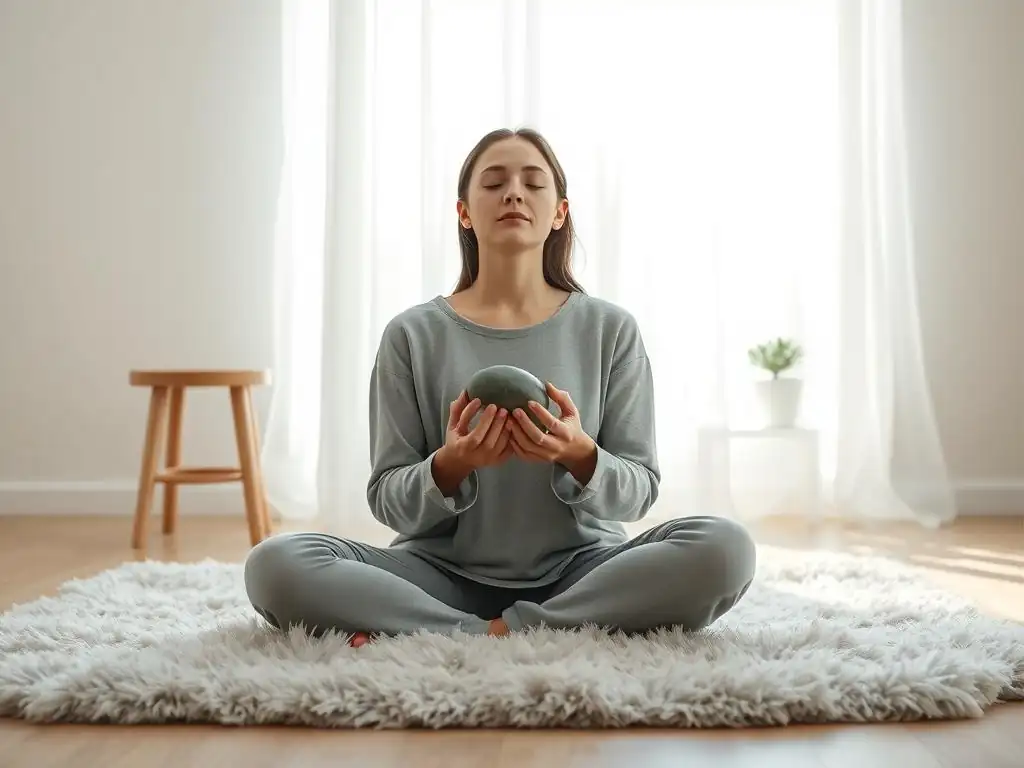
Living with health anxiety is exhausting and often involves a lot of self-criticism and fear. Cultivating self-compassion means treating yourself with the same kindness, understanding, and acceptance that you would offer a friend who is struggling. Recognize that health anxiety is a difficult condition, not a personal failing.
Practice being gentle with yourself when anxious thoughts arise or when you slip into old behaviors. Acknowledge the difficulty of the moment without judgment. Self-compassion helps reduce the secondary suffering caused by self-criticism and shame, creating a more supportive internal environment for applying health anxiety recovery strategies.
Focusing on Overall Well-being
Shift your focus from constantly monitoring for signs of illness to actively promoting overall well-being. This involves looking at health holistically – encompassing physical, mental, emotional, and social health. Instead of fixating on potential problems, focus on positive actions that support your health, such as engaging in enjoyable physical activity, spending time with loved ones, pursuing hobbies, managing stress, and practicing self-care.
This shift in perspective helps reduce hypervigilance on symptoms and fosters a more positive and empowered relationship with your body and mind. It's about living a full life regardless of potential health concerns, which is a core aim of effective health anxiety recovery strategies.
Creating a Support System
Having a strong support system is invaluable when navigating health anxiety recovery. This can include understanding friends, family members, or support groups. Share your experiences with people you trust, educating them about health anxiety and how they can best support you (e.g., by not providing excessive reassurance).
Connecting with others who understand what you're going through, perhaps in a health anxiety support group, can reduce feelings of isolation and provide practical tips and encouragement. Building and nurturing these relationships provides emotional resilience and reinforces positive health anxiety recovery strategies.
Long-Term Strategies for Maintaining Recovery
Developing Coping Mechanisms
Maintaining recovery from health anxiety requires ongoing effort and the development of robust coping mechanisms. This involves consistently practicing the skills learned in therapy, such as challenging thoughts, using mindfulness, and engaging in values-based actions. It's about building a toolkit of strategies to use when anxiety flares up.
Identify what works best for you – whether it's a specific breathing exercise, a thought challenging technique, or a distracting activity – and make a plan for how you will use these tools when needed. Proactive coping, rather than reactive panic, is key to long-term success in health anxiety recovery strategies.
Regular Check-ins
Even after significant improvement, occasional check-ins can be beneficial for maintaining recovery. This might involve periodic sessions with a therapist to reinforce skills, address potential setbacks, or navigate new challenges. Regular check-ins with your primary care physician for routine health maintenance (unrelated to anxious symptoms) are also important, maintaining a healthy relationship with medical care without seeking excessive reassurance.
For some, engaging with a support group on an ongoing basis provides continued community and accountability. These check-ins are not a sign of failure but a proactive strategy to support long-term well-being and reinforce effective health anxiety recovery strategies.
Celebrating Successes
Recognizing and celebrating progress, no matter how small, is vital for maintaining motivation and reinforcing positive changes. Acknowledge when you successfully tolerate a physical sensation without checking, resist the urge to search symptoms online, or choose a values-based activity despite feeling anxious.
These small wins build confidence and demonstrate your capacity to manage anxiety. Keeping a record of successes can be encouraging during challenging times. Celebrating your progress is an important part of the journey toward lasting health anxiety recovery strategies and reclaiming your life.
Frequently Asked Questions
How can I tell if I have health anxiety?
Health anxiety is characterized by excessive worry about having or developing a serious illness. It often involves misinterpreting normal bodily sensations as signs of disease and frequently seeking reassurance from doctors.
What are some effective health anxiety recovery strategies?
Several strategies can help, including Cognitive Behavioral Therapy (CBT) to challenge negative thoughts, exposure therapy to face feared situations, and relaxation techniques to manage anxiety symptoms.
Why is it important to address health anxiety?
Unmanaged health anxiety can significantly impact your quality of life, leading to constant worry, avoidance of activities, and strained relationships due to constant reassurance seeking. It can also lead to unnecessary medical tests.
What role does mindfulness play in health anxiety recovery?
Mindfulness practices can help you focus on the present moment rather than dwelling on future health concerns. It can also improve your ability to tolerate uncertainty about your health.
Where can I find reliable information and support for dealing with health anxiety?
Resources are available through mental health professionals, online support groups, and reputable websites like Mind Care Guide, which offers comprehensive information and evidence-based strategies for mental well-being.
Final Reflection: Reclaiming Your Narrative, Reclaiming Your Health
The fight against health anxiety is not a sprint, but a marathon requiring consistent effort and self-compassion. This journey, as explored throughout this article, demands a multifaceted approach: challenging negative thought patterns, building coping mechanisms, and fostering a supportive network. The strategies outlined—from mindfulness practices to professional guidance—are not merely suggestions, but essential tools in your arsenal to navigate this complex condition.
The pervasive nature of health anxiety in our modern world is undeniable. The constant barrage of information, both accurate and inaccurate, online and offline, fuels the anxieties that grip so many. The mind is everything. What you think you become.
– Buddha. This quote highlights the power of our thoughts and the crucial role of cognitive restructuring in overcoming health anxiety. It's a testament to the transformative potential of actively reshaping our internal dialogue and challenging the validity of our fears. My own journey in researching this topic has underscored the importance of self-awareness and the profound impact that consistent, positive self-talk can have on managing this condition.
Now, it's your turn. Take a moment to reflect on your own relationship with your health. Identify the triggers that exacerbate your anxiety and consciously choose to implement even one of the strategies discussed. Remember, progress, not perfection, is the goal. Embrace the power of self-compassion, celebrate your small victories, and know that you are not alone in this journey. You have the strength within you to break free from health anxiety's grip and reclaim a healthier, more fulfilling life.
Unleash Your Inner Calm: Take Control of Your Health
Thanks for taking the time to explore the journey towards managing health anxiety. We hope you've gained valuable tools and insights to begin reclaiming your well-being. Now, let's turn those insights into action:
- Prioritize one small self-care practice daily: This could be as simple as mindful breathing for 5 minutes, a short walk in nature, or journaling about your feelings. Consistency is key.
- Share this article with someone who might benefit: Helping others can be incredibly empowering and may even deepen your own understanding.
- Explore our other resources on managing anxiety at MindCareGuide.org (Note: This would contain a hyperlink to other relevant articles if this were a live website - I have omitted the link as per the instructions).
Ready to embrace a healthier, more confident perspective on your health? What small step will you take today to nurture your well-being?