
Anxiety and Your Changing Brain: How Neuroplasticity Offers Hope

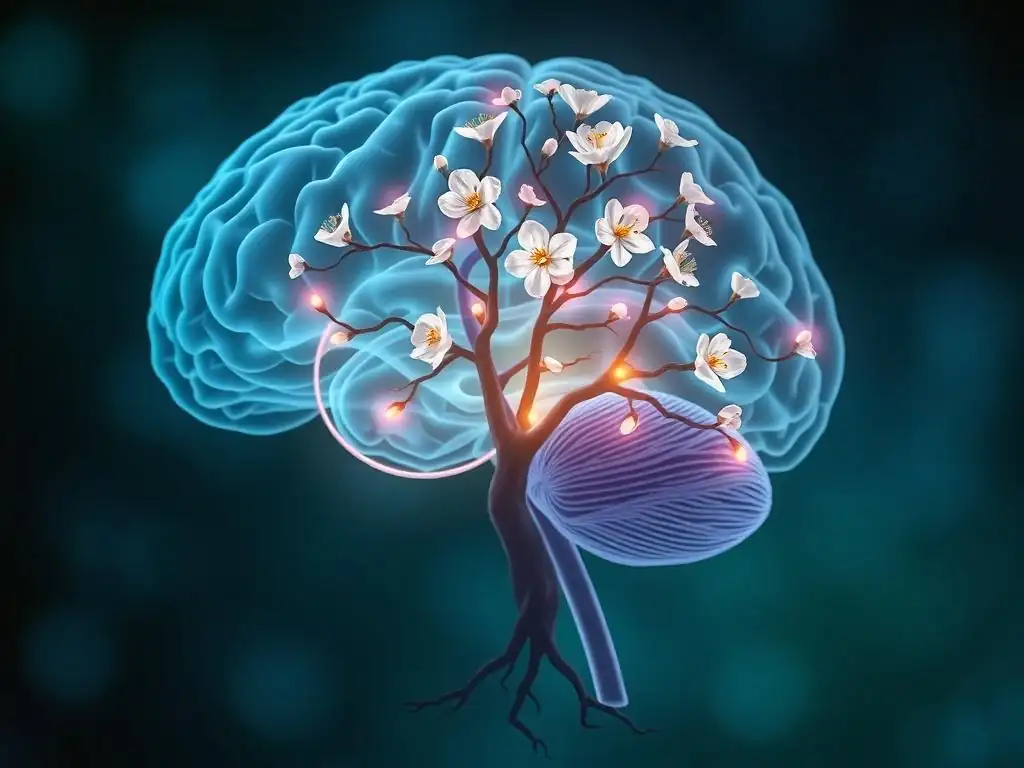
Welcome to Mind Care Guide, a space dedicated to nurturing your mental well-being.
Are you struggling with anxiety and searching for lasting relief? You're not alone. Discover how the remarkable power of neuroplasticity can actually help you reshape your brain and significantly reduce anxiety symptoms. Explore the science behind this transformative process and unlock practical strategies to cultivate a calmer, more resilient you. Intrigued? Let's delve into the fascinating world of how your brain can change for the better.
Anxiety and Your Changing Brain: How Neuroplasticity Offers Hope
- Understanding Anxiety and the Brain
- Neuroplasticity: The Brain's Remarkable Ability to Adapt
- Neuroplasticity to Reduce Anxiety Symptoms: A Path to Relief
-
Strategies to Harness Neuroplasticity for Anxiety Relief
- Cognitive Behavioral Therapy (CBT) and Neuroplasticity
- Mindfulness Meditation and Brain Changes for Anxiety
- Exercise and Neuroplasticity: Reducing Anxiety Through Physical Activity
- Diet and Nutritional Support for Brain Health and Anxiety Reduction
- Neurofeedback and Biofeedback: Training Your Brain to Manage Anxiety
- Practical Techniques to Promote Neuroplasticity and Decrease Anxiety
- The Science Behind Neuroplasticity and Anxiety: Research and Evidence
- Overcoming Challenges and Maximizing Neuroplasticity for Anxiety
- Neuroplasticity for Anxiety: A Message of Hope and Empowerment
- Resources for Further Learning About Neuroplasticity and Anxiety
- Frequently Asked Questions
- Final Reflection: Harnessing Neuroplasticity's Power to Rewire Anxiety
- Unleash Your Brain's Power: Rewrite Your Anxiety Story
Understanding Anxiety and the Brain
The Amygdala, Hippocampus, and Prefrontal Cortex in Anxiety Disorders
Anxiety disorders are often characterized by changes in the activity and structure of key brain regions involved in processing fear and emotion. Among the most significant are the amygdala, the hippocampus, and the prefrontal cortex (PFC). The amygdala, often called the brain's "fear center," becomes hyperactive in many individuals with anxiety.
This heightened activity can lead to an exaggerated response to perceived threats, triggering the body's stress response even when no real danger is present. Studies using fMRI have observed that individuals with generalized anxiety disorder may show greater amygdala reactivity when presented with emotionally negative stimuli compared to healthy controls.
The hippocampus, crucial for memory formation and context processing, and the prefrontal cortex, responsible for executive functions like decision-making, planning, and regulating emotions, also play altered roles. Chronic anxiety can impair the hippocampus's ability to contextualize fear memories, making it harder to distinguish between safe and unsafe situations. Simultaneously, the PFC's capacity to regulate the amygdala can be diminished, weakening the brain's top-down control over fear responses. This imbalance between an overactive amygdala and an underactive PFC and hippocampus contributes significantly to the persistent worry and fear experienced in anxiety disorders.
Impact of Chronic Anxiety on Brain Networks and Neurotransmitters
Prolonged periods of anxiety and stress don't just affect individual brain regions; they can fundamentally alter the connectivity within brain networks. Specifically, the network associated with processing threats (involving the amygdala) can become overly strong, while networks responsible for cognitive control and emotional regulation (involving the PFC and hippocampus) may weaken. This shift in brain connectivity reinforces anxious thought patterns and makes it harder to break free from the cycle of worry. The brain effectively becomes wired to be more anxious.
Furthermore, chronic anxiety impacts the delicate balance of neurotransmitters, the chemical messengers that transmit signals throughout the brain. Levels of neurotransmitters like serotonin, norepinephrine, and GABA (gamma-aminobutyric acid), which are critical for mood regulation and calming neural activity, can be disrupted. For example, lower levels of GABA can contribute to increased neural excitability and anxiety symptoms. These neurotransmitter imbalances, coupled with altered network connectivity, create a biological environment that perpetuates anxiety, highlighting the deep impact anxiety has on the brain's chemistry and circuitry.
Neuroplasticity: The Brain's Remarkable Ability to Adapt
Synaptic Plasticity, Neurogenesis, and Long-Term Potentiation
Neuroplasticity refers to the brain's incredible capacity to reorganize itself throughout life – forming new neural connections, strengthening existing ones, and even generating new neurons. This process occurs on multiple levels. Synaptic plasticity is the ability of synapses, the junctions between neurons, to strengthen or weaken over time in response to activity. When neurons fire together repeatedly, the connection between them becomes stronger, a process often referred to as Hebbian learning ("neurons that fire together, wire together").
Neurogenesis is another fascinating aspect of neuroplasticity, involving the birth of new neurons. While once thought to occur only during development, research has confirmed that neurogenesis continues in certain brain regions in adults, notably the hippocampus. Long-term potentiation (LTP) is a persistent strengthening of synapses based on recent patterns of activity, considered a major cellular mechanism underlying learning and memory. Together, synaptic plasticity, neurogenesis, and LTP provide the biological foundation for the brain to adapt, learn, and change in response to experiences, offering a powerful mechanism for how Neuroplasticity reduce anxiety symptoms.
Neuroplasticity's Role in Recovery from Trauma and PTSD
The brain's ability to change through neuroplasticity is particularly evident in recovery from challenging experiences like trauma and Post-Traumatic Stress Disorder (PTSD). Trauma can profoundly alter brain structure and function, often leading to changes similar to those seen in chronic anxiety, such as an overactive amygdala and reduced hippocampal volume. However, therapeutic interventions for PTSD, such as Trauma-Focused Cognitive Behavioral Therapy (TF-CBT) or Eye Movement Desensitization and Reprocessing (EMDR), rely on and promote neuroplastic changes to facilitate healing.
These therapies help individuals process traumatic memories in a safe context, allowing the brain to form new, less fearful associations with the memories. This process involves weakening the neural pathways linking the trauma memory to intense fear responses (synaptic plasticity) and strengthening connections to areas involved in rational processing and emotional regulation (PFC).
Studies have shown that successful treatment for PTSD can be associated with changes in brain activity and structure, including reduced amygdala reactivity and increased hippocampal volume or function, demonstrating the brain's capacity to reorganize itself even after significant distress, paving the way for understanding how Neuroplasticity reduce anxiety symptoms.
Neuroplasticity to Reduce Anxiety Symptoms: A Path to Relief
Activity-Dependent Plasticity and Anxiety Reduction
A core principle of neuroplasticity is that brain changes are often activity-dependent. This means that the specific experiences, thoughts, and behaviors we engage in can shape our neural circuits. When it comes to anxiety, this principle is profoundly hopeful. Anxious thoughts and avoidance behaviors strengthen the neural pathways associated with fear and worry. Conversely, engaging in activities that challenge anxious thoughts, promote calm, or expose us safely to feared situations can help build and strengthen new, more adaptive neural pathways.
Think of it like carving paths in a forest. The more you walk a particular path (e.g., the path of worry), the deeper and easier it becomes to traverse. Activity-dependent plasticity suggests you can consciously choose to walk new paths (e.g., the path of calm acceptance or rational thinking), and with practice, these new paths become stronger and the old, anxious paths may become less dominant. This is the fundamental mechanism by which deliberately chosen actions and thoughts can leverage Neuroplasticity reduce anxiety symptoms.
Can Neuroplasticity Help with Anxiety?
Yes, neuroplasticity offers a powerful mechanism to help reduce anxiety symptoms. It does this primarily through the process of rewiring maladaptive thought patterns and strengthening healthier coping mechanisms. Anxiety often involves entrenched negative thought loops and exaggerated threat appraisals, which are essentially well-worn neural pathways. Neuroplasticity allows us to actively weaken these pathways by practicing different ways of thinking and responding.
By repeatedly engaging in strategies that promote calm, challenge anxious assumptions, or build resilience, individuals can literally change the physical structure and function of their brains. This leads to a reduction in the overactivity of fear-related areas like the amygdala and an increase in the regulatory control exerted by the prefrontal cortex. This ability to reshape neural connections is the biological basis for therapeutic change, confirming that we can indeed use Neuroplasticity reduce anxiety symptoms through targeted efforts.
Strategies to Harness Neuroplasticity for Anxiety Relief
Cognitive Behavioral Therapy (CBT) and Neuroplasticity
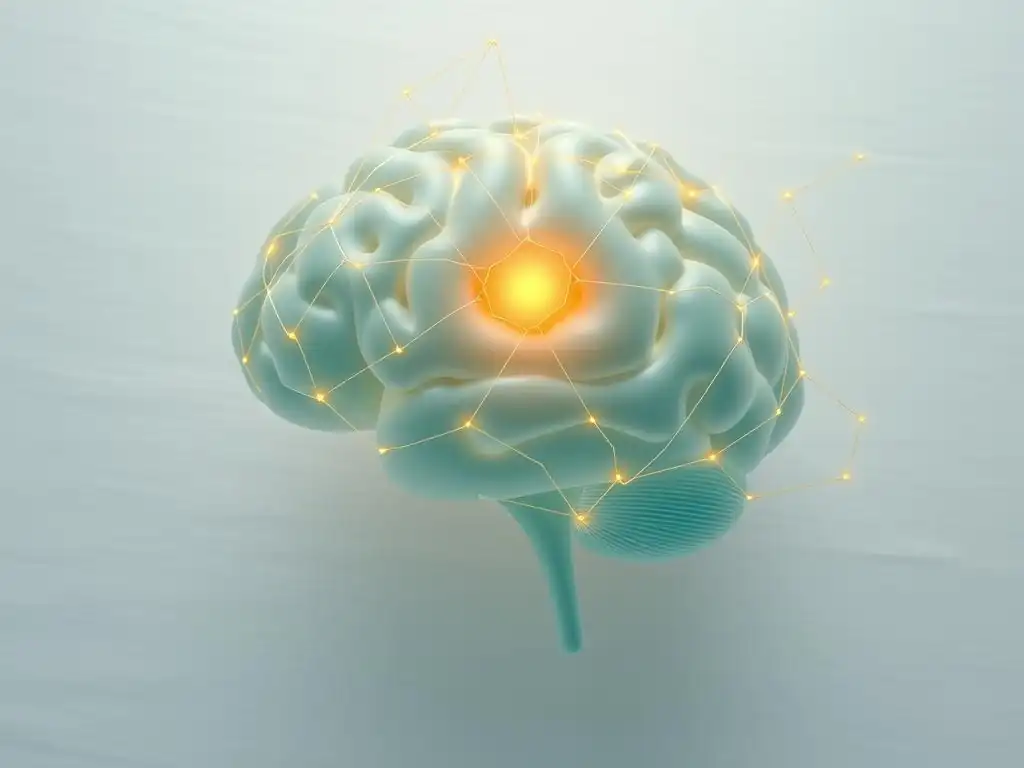
Cognitive Behavioral Therapy (CBT) is one of the most effective psychotherapies for anxiety, and its success is deeply rooted in its ability to harness neuroplasticity. CBT helps individuals identify and challenge distorted or unhelpful thought patterns and change corresponding behaviors. By practicing new ways of thinking (cognitive restructuring) and gradually facing feared situations (exposure therapy), individuals are actively creating new neural pathways.
Research supports this connection. Studies using brain imaging have shown that successful CBT for anxiety disorders is associated with observable changes in brain activity and connectivity. For instance, some studies indicate decreased activity in the amygdala and increased activity or connectivity in areas of the prefrontal cortex responsible for emotional regulation and cognitive control after a course of CBT. These changes reflect the brain rewiring itself through the therapeutic process, demonstrating how CBT leverages Neuroplasticity reduce anxiety symptoms.
Mindfulness Meditation and Brain Changes for Anxiety
Mindfulness meditation involves focusing attention on the present moment without judgment. Regular practice has been shown to induce significant neuroplastic changes that are highly beneficial for managing anxiety. Meditation can help strengthen neural connections in areas associated with attention control, emotional regulation, and self-awareness, such as the prefrontal cortex, anterior cingulate cortex, and insula.
Furthermore, mindfulness practice has been linked to a reduction in the size and activity of the amygdala in some studies, suggesting a dampening of the brain's immediate fear response. By training the mind to observe thoughts and feelings without getting swept away by them, mindfulness helps to weaken the automatic link between anxious thoughts and intense emotional distress. This consistent mental training is a direct application of using Neuroplasticity reduce anxiety symptoms by altering brain circuits involved in worry and reactivity.
Exercise and Neuroplasticity: Reducing Anxiety Through Physical Activity
Physical exercise is a powerful promoter of neuroplasticity and has well-documented benefits for mental health, including reducing anxiety. When you exercise, your body releases various neurochemicals, including Brain-Derived Neurotrophic Factor (BDNF). BDNF is often called "Miracle-Gro" for the brain because it supports the growth, survival, and differentiation of neurons and synapses. It plays a crucial role in neurogenesis, particularly in the hippocampus, a region often negatively impacted by chronic stress and anxiety.
Regular aerobic exercise, even moderate activity like brisk walking for 30 minutes most days of the week, can increase BDNF levels, promote neurogenesis, improve synaptic plasticity, and enhance blood flow to the brain. These changes contribute to improved mood, enhanced cognitive function, and increased resilience to stress. The neurobiological effects of exercise provide a robust example of how physical activity utilizes Neuroplasticity reduce anxiety symptoms by fostering a healthier, more resilient brain state.
Diet and Nutritional Support for Brain Health and Anxiety Reduction
While not a direct "activity" in the same way as therapy or exercise, nutrition provides the essential building blocks and fuel for brain function and neuroplasticity. A diet rich in nutrients that support brain health can create an optimal environment for neuroplastic change and help manage anxiety symptoms. Omega-3 fatty acids, found in fatty fish, flaxseeds, and walnuts, are crucial components of brain cell membranes and are involved in synaptic function; they have also been linked to reduced inflammation, which can negatively impact brain health.
Vitamins (especially B vitamins) and minerals (like magnesium and zinc) act as cofactors in numerous neurochemical processes, including neurotransmitter synthesis and energy metabolism. Antioxidants, found in abundance in fruits and vegetables, help protect brain cells from damage. While diet alone may not cure anxiety, supporting overall brain health through balanced nutrition creates a more favorable environment for the brain's natural capacity for change and resilience, complementing other strategies that Neuroplasticity reduce anxiety symptoms.
Neurofeedback and Biofeedback: Training Your Brain to Manage Anxiety
Neurofeedback and biofeedback are techniques that allow individuals to gain conscious control over physiological or brain activity, directly leveraging neuroplasticity for therapeutic benefit. Biofeedback typically involves monitoring bodily signals like heart rate, muscle tension, or skin temperature and providing real-time feedback, enabling individuals to learn relaxation techniques that influence these responses. By practicing relaxation and seeing its effect on their physiological state, individuals strengthen the brain pathways associated with calm.
Neurofeedback specifically focuses on training brainwave activity (e.g., alpha, beta, theta waves) in targeted brain regions. Sensors are placed on the scalp, and the individual receives feedback (visual or auditory) about their brain activity. Through operant conditioning, individuals learn to modify their brainwave patterns towards a desired state, such as increasing alpha waves (associated with relaxation) or reducing high-beta waves (associated with anxiety). This direct training of brain activity is a powerful method to use Neuroplasticity reduce anxiety symptoms by reinforcing healthier neural patterns.
Practical Techniques to Promote Neuroplasticity and Decrease Anxiety
Daily Practices for Stimulating Neuroplasticity
Integrating simple, conscious practices into your daily routine can actively stimulate neuroplasticity in ways that benefit anxiety. Learning new things, no matter how small – a few words of a new language, a new recipe, or a different route home – challenges the brain and encourages new connections. Mindfully engaging in everyday activities, paying attention to sensory details during a walk or while eating, strengthens pathways related to present-moment awareness, counteracting the tendency of the anxious mind to dwell on the past or future.
Regularly challenging anxious thoughts as they arise, perhaps by asking "Is this thought truly accurate?" or "What's a more balanced perspective? ", is a cognitive practice that, over time, weakens the automaticity of negative thinking patterns. Even small doses of physical activity, like taking the stairs or stretching, contribute to the neurobiological support for brain health. These consistent, deliberate actions, though seemingly minor, collectively contribute to the brain's ability to change and adapt, supporting the goal to Neuroplasticity reduce anxiety symptoms.
Creating a Supportive Environment for Brain Change
Neuroplasticity doesn't happen in a vacuum; it thrives in a supportive internal and external environment. Reducing chronic stress is paramount, as persistent high levels of stress hormones like cortisol can impair neurogenesis and damage neural connections, particularly in the hippocampus. Finding healthy ways to manage stress, such as deep breathing exercises, spending time in nature, or engaging in hobbies, creates conditions more favorable for brain repair and growth.
Social connection is another vital environmental factor. Positive social interactions stimulate the release of oxytocin and other neurochemicals that promote bonding and reduce stress, fostering a sense of safety that is conducive to brain health and flexibility. Ensuring you have a supportive network of friends, family, or support groups provides emotional resilience and encourages engagement in activities that promote well-being. A nurturing environment, both internally through stress management and externally through social support, is crucial for leveraging Neuroplasticity reduce anxiety symptoms.
The Importance of Sleep for Neuroplasticity and Anxiety Management
Sleep is not merely a period of rest; it is a highly active state for the brain, essential for consolidating memories, clearing metabolic waste, and facilitating neuroplasticity. During sleep, particularly during REM (Rapid Eye Movement) and slow-wave sleep stages, the brain strengthens important neural connections and prunes weaker or unnecessary ones. This process is vital for learning, memory, and emotional regulation.
Chronic sleep deprivation profoundly impairs neuroplasticity and exacerbates anxiety symptoms. Lack of sleep can increase amygdala reactivity, reduce prefrontal cortex function, and disrupt neurotransmitter balance, making the brain more prone to worry and stress. Prioritizing 7-9 hours of quality sleep per night creates the optimal conditions for the brain to repair, consolidate learning from the day (including new, non-anxious responses), and maintain its capacity for positive change, underscoring how essential sleep is for using Neuroplasticity reduce anxiety symptoms.
The Science Behind Neuroplasticity and Anxiety: Research and Evidence
Studies on CBT, Mindfulness, and Exercise Showing Brain Changes
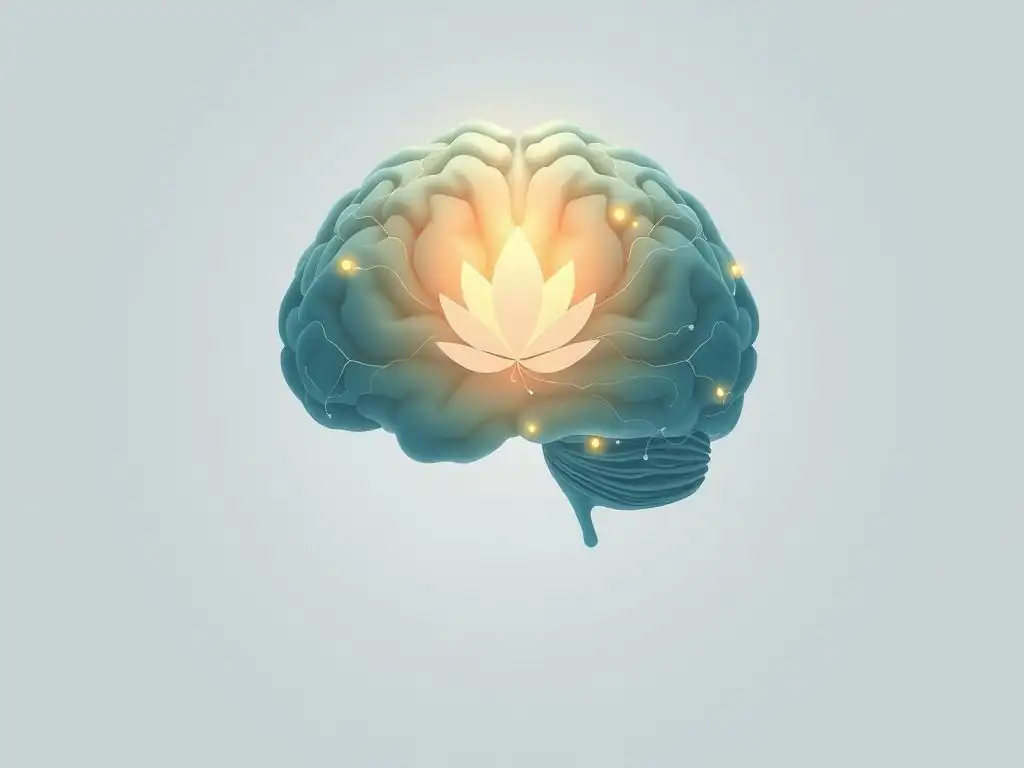
A growing body of scientific literature provides evidence for how interventions like CBT, mindfulness, and exercise induce neuroplastic changes that correlate with reduced anxiety. For example, a meta-analysis combining findings from multiple studies might show that mindfulness-based interventions consistently lead to structural changes, such as increased gray matter density in the insula (involved in body awareness) and prefrontal cortex, alongside reductions in self-reported anxiety scores.
Similarly, research on the effects of exercise often highlights increases in factors like BDNF and hippocampal volume in individuals who engage in regular physical activity, correlating with improvements in mood and decreased anxiety sensitivity. Studies on CBT for anxiety disorders, such as social anxiety disorder, using fMRI have demonstrated shifts in neural circuits, showing decreased activity in the amygdala and increased activity in areas of the frontal lobe when processing social cues after successful therapy. These findings collectively demonstrate the tangible biological impact of these strategies and the potential of Neuroplasticity reduce anxiety symptoms through targeted interventions.
Understanding the Mechanisms: How Neuroplasticity Reduces Anxiety
The reduction of anxiety symptoms through neuroplasticity is a multifaceted process involving changes at various levels of brain function. Fundamentally, it involves weakening the neural pathways that generate and maintain anxious responses and strengthening those that promote calm, rational thought, and resilience. For instance, therapies and practices that encourage challenging anxious thoughts help to "unlearn" maladaptive associations in the brain, reducing the automatic fear response triggered by certain stimuli.
Simultaneously, engaging in activities like mindfulness or exercise helps build stronger connections between the prefrontal cortex and the amygdala, enhancing the brain's ability to regulate emotional reactions and prevent the amygdala from hijacking the system. Increased neurogenesis in the hippocampus may improve contextual processing, helping individuals better distinguish between real threats and perceived ones. These combined mechanisms of synaptic strengthening/weakening, neurogenesis, and altered network connectivity explain the 'how' behind the ability of Neuroplasticity reduce anxiety symptoms.
Overcoming Challenges and Maximizing Neuroplasticity for Anxiety
Addressing Obstacles in the Path to Recovery
While the potential of neuroplasticity is immense, the path to reducing anxiety symptoms through brain change is not always easy and can present obstacles. One common challenge is the inherent difficulty in changing long-standing habits and thought patterns; the brain's existing anxious pathways are often deeply ingrained and feel like the default. Setbacks are also a normal part of the process – periods where anxiety may resurface or feel intense.
It's crucial to approach these challenges with patience and self-compassion, recognizing that neuroplasticity is a gradual process that requires consistent effort. Oncoming stress, lack of sleep, or poor nutrition can temporarily hinder neuroplastic processes, making the journey feel harder. Addressing these external factors and viewing setbacks not as failures but as opportunities to practice new coping strategies is essential for staying on course and continuing to use Neuroplasticity reduce anxiety symptoms effectively.
Maintaining Long-Term Brain Health and Anxiety Management
Neuroplasticity is a lifelong capacity, meaning that maintaining reductions in anxiety symptoms requires ongoing effort to support brain health and continue reinforcing positive neural pathways. Just as anxious habits can be strengthened through repetition, so too can healthy habits weaken if not maintained. Long-term anxiety management involves integrating the strategies that promote neuroplasticity – regular exercise, mindfulness, healthy diet, adequate sleep, social connection, and challenging anxious thoughts – into a sustainable lifestyle.
This isn't about perfection, but consistency. Continuing to engage in these practices helps to keep the regulatory circuits of the brain strong and the fear circuits less dominant. It's also important to remain aware of triggers and early warning signs of increased anxiety and to employ learned coping mechanisms promptly. Viewing brain health and anxiety management as an ongoing process, rather than a one-time fix, empowers individuals to maintain the gains made through leveraging Neuroplasticity reduce anxiety symptoms.
Neuroplasticity for Anxiety: A Message of Hope and Empowerment
Taking Control of Your Brain and Your Mental Health
The science of neuroplasticity offers a profoundly hopeful perspective for individuals struggling with anxiety. It fundamentally tells us that the brain is not fixed; it is dynamic and capable of change throughout life. This means that you are not simply stuck with an "anxious brain." Through intentional effort and consistent practice of beneficial strategies, you have the power to influence your brain's structure and function, thereby reducing the severity and frequency of anxiety symptoms.
Understanding neuroplasticity shifts the focus from being a passive recipient of anxiety to becoming an active agent in your mental health journey. It highlights that the choices you make daily – how you respond to thoughts, what activities you engage in, how you care for your physical self – have a real biological impact on your brain. This knowledge is empowering, demonstrating that taking steps to use Neuroplasticity reduce anxiety symptoms is a concrete way to take control of your well-being.
The Future of Anxiety Treatment: Neuroplasticity and Personalized Approaches
Insights into neuroplasticity are already transforming how we understand and treat anxiety, and this trend is expected to continue. Future treatments may become even more targeted and personalized, leveraging our increasing understanding of how specific interventions promote neuroplasticity in different individuals. This could involve using brain imaging to identify specific neural patterns in an individual's anxiety and tailoring therapeutic approaches (like specific types of neurofeedback or targeted cognitive exercises) to promote the most beneficial neuroplastic changes for that person.
Furthermore, research continues to explore new ways to enhance neuroplasticity, potentially leading to novel therapeutic approaches that complement existing ones. The focus on the brain's capacity for positive change provides a hopeful direction for research and clinical practice. As we unlock more secrets of how the brain adapts, the possibilities for using Neuroplasticity reduce anxiety symptoms in more effective and personalized ways will continue to expand, offering greater hope for relief and recovery.
Resources for Further Learning About Neuroplasticity and Anxiety
For those interested in delving deeper into the fascinating intersection of neuroplasticity and anxiety, numerous resources are available. Reputable mental health organizations often provide accessible information on the brain's role in anxiety and evidence-based treatments that utilize neuroplastic principles. Academic databases contain research papers detailing specific studies on brain changes related to therapy, mindfulness, exercise, and other interventions for anxiety. Books written by neuroscientists and mental health professionals can also offer comprehensive overviews of these topics, providing practical insights and the latest scientific findings on how to leverage the brain's capacity for change to manage anxiety.
Frequently Asked Questions
How does neuroplasticity relate to anxiety?
Neuroplasticity is the brain's ability to reorganize itself by forming new neural connections throughout life. This means it offers hope for those with anxiety, as it suggests that anxiety-related neural pathways can be altered.
Can neuroplasticity really reduce anxiety symptoms?
Yes, with targeted strategies, neuroplasticity can be harnessed to reduce anxiety symptoms. By consciously changing thought patterns and behaviors, you can rewire your brain away from anxious responses.
What specific techniques can promote neuroplasticity to combat anxiety?
Techniques like mindfulness meditation, Cognitive Behavioral Therapy (CBT), and regular exercise can promote neuroplasticity. These practices strengthen new neural pathways, effectively weakening anxiety-driven connections.
How long does it take to see changes in anxiety levels through neuroplasticity?
The timeline varies, but consistent effort with neuroplasticity-promoting techniques will usually yield results within a few weeks to several months. Patience and dedication are key to sustainable change in anxiety levels.
Is neuroplasticity a "cure" for anxiety?
Neuroplasticity offers significant hope for managing and reducing anxiety symptoms, but it's not necessarily a "cure." It's a process of retraining the brain to respond differently, leading to improved mental well-being and coping mechanisms.
Final Reflection: Harnessing Neuroplasticity's Power to Rewire Anxiety
The understanding and application of neuroplasticity offer a revolutionary approach to managing anxiety, moving beyond simply coping with symptoms to actively reshaping the anxious brain. This isn't just a theoretical concept; it's a tangible pathway to reclaiming mental well-being, providing hope where previously there might have been only resignation. The research presented demonstrates that anxiety, while deeply ingrained, is not a fixed condition.
The impact of this discovery on our understanding of mental health is profound. It shifts the narrative from one of inherent limitations to one of empowerment and potential. We are not prisoners of our anxious thoughts and responses; we are active participants in shaping our own neural pathways. This understanding has the power to transform not only individual lives but also the broader cultural conversation surrounding mental health. The brain is not static; it is constantly changing, adapting, and responding to our experiences. This means that we have the power to shape our own brains and, in turn, shape our own lives.
– Dr. Norman Doidge. This quote encapsulates the core message of the article and its potential for widespread positive change.
Now, consider your own relationship with anxiety. What small steps can you take today to cultivate the neuroplastic changes discussed? Perhaps it's incorporating mindfulness practices, challenging negative thought patterns, or seeking professional guidance to develop personalized strategies. Remember, the journey towards a calmer, more resilient mind is a journey of consistent effort and self-compassion. Embrace the power of your neuroplastic brain—it's waiting to be reshaped for a brighter, less anxious future.
Unleash Your Brain's Power: Rewrite Your Anxiety Story
Thanks for taking the time to explore the fascinating world of neuroplasticity and its impact on anxiety! You've now gained valuable insights into how your brain can change and adapt, offering real hope for managing your anxieties. Ready to put this knowledge into action?
- Start your personalized neuroplasticity journey today: Identify one small, manageable step you can take to reshape your response to anxiety – even a 5-minute mindfulness exercise. This is your first step towards rewiring your brain!
- Share your 'ah-ha' moment: What part of today's article resonated most with you? Let's build a supportive community by sharing your insights and experiences in the comments below.
- Explore additional resources: Dive deeper into practical techniques by searching "Mind Care Guide neuroplasticity exercises" online—you might discover a new favorite coping method!
What small, powerful step will you take this week to harness the incredible power of your brain's plasticity?