
Building Your Library: Collecting Your Favorite Guided Meditations

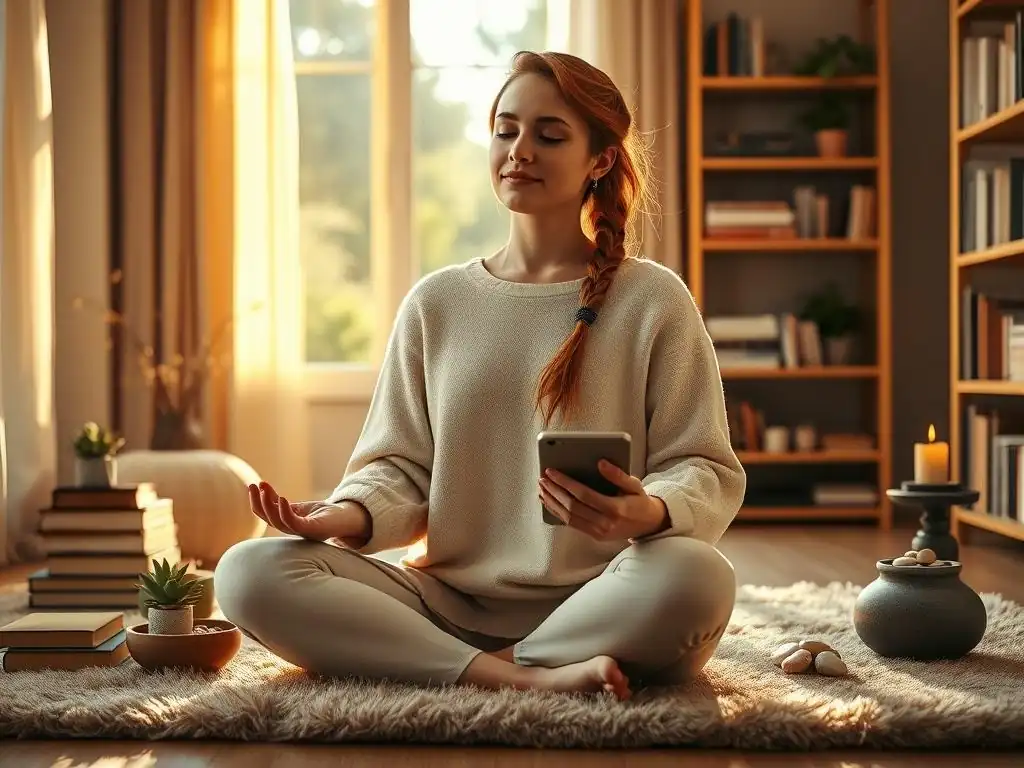
Welcome to Mind Care Guide, a sanctuary for your mental well-being.
Feeling overwhelmed by anxiety? You're not alone. Many find solace in the practice of mindfulness. This week, we're delving into a powerful tool for finding inner peace: guided meditation for anxiety relief. Discover how these practices can become a cornerstone in your mental wellness journey, and how to start Building Your Library: Collecting Your Favorite Guided Meditations. Intrigued? Let's explore the path to a calmer, more centered you.
- Building Your Library: Collecting Guided Meditations for Anxiety & Sleep
- Curating Your Collection: Selecting Guided Meditations for Your Needs
- Where to Find Guided Meditations
- Organizing and Managing Your Guided Meditation Library
- Maximizing the Benefits of Your Guided Meditation Practice
- Conclusion: Embracing Guided Meditation for Improved Sleep and Reduced Anxiety
-
Frequently Asked Questions
- How can guided meditations specifically help with anxiety relief?
- Where can I find a variety of guided meditations suitable for anxiety?
- What should I consider when choosing a guided meditation for my anxiety?
- How often should I practice guided meditation to see anxiety relief benefits?
- Are there any potential drawbacks or risks associated with using guided meditation for anxiety?
- Final Reflection: Cultivating Inner Peace Through Guided Meditation
- Unveil Your Inner Peace: Start Your Guided Meditation Collection Today!
Building Your Library: Collecting Guided Meditations for Anxiety & Sleep
Understanding the Power of Guided Meditations for Relaxation and Sleep
Guided meditation offers a structured approach to mindfulness and relaxation, led by an instructor's voice. This method is particularly effective for individuals seeking guided meditation for anxiety relief and improved sleep quality. Unlike unguided meditation, where you might struggle to maintain focus, a guided session provides prompts and narratives that steer your attention gently, making it accessible even for beginners. The calming direction helps quiet the often-racing thoughts associated with anxiety, providing a mental anchor.
Research consistently points to the benefits of regular meditation practice. Studies have shown reductions in symptoms of generalized anxiety disorder, with some participants reporting a significant decrease in worry and restlessness after just eight weeks of consistent practice. For sleep, guided meditations can lower physiological arousal, reducing the heart rate and calming the nervous system, which are common barriers to falling asleep. Many people find that incorporating guided meditation for anxiety relief into their evening routine helps signal to the body and mind that it's time to wind down, facilitating a smoother transition into sleep.
Why Build a Personal Library of Guided Meditations?
Building a personal library of guided meditations serves several key purposes, primarily convenience, personalization, and consistency. Having a curated collection at your fingertips means you don't have to search endlessly for a suitable session when you need it most, whether it's a moment of intense anxiety or difficulty falling asleep. This immediate access can be crucial in preventing escalating stress. Furthermore, a library allows you to select meditations that resonate with you personally, considering the instructor's voice, style, and the specific focus, such as guided meditation for anxiety relief versus a meditation specifically for deep sleep.
A personal library also supports the development of a consistent practice. When you have a variety of trusted meditations readily available, you're more likely to engage in daily practice. You can choose different sessions based on your mood, the time of day, or your specific needs – perhaps a short, energizing mindfulness session in the morning and a longer, calming guided meditation for anxiety relief before bed. This consistency is vital for experiencing the cumulative benefits of meditation, including sustained reductions in anxiety levels and improvements in sleep patterns over time.
Curating Your Collection: Selecting Guided Meditations for Your Needs
Identifying Your Needs: Anxiety, Sleep, or Both?
The first step in building your guided meditation library is to clearly identify what you hope to achieve. Are you primarily seeking guided meditation for anxiety relief, aiming to manage daily stress and worry? Or is your main goal to improve sleep quality, perhaps struggling with insomnia or nighttime awakenings? Many people experience both anxiety and sleep disturbances, as these issues are often interconnected. Understanding your primary need will help you narrow down the types of meditations to explore.
If anxiety is your main concern, look for meditations that focus on grounding, acceptance, or mindful awareness of thoughts and feelings without judgment. These often incorporate techniques to bring you back to the present moment when your mind is racing. If sleep is the priority, seek out meditations designed specifically for bedtime, often longer sessions that guide you into a state of deep relaxation, sometimes ending with a suggestion to drift off to sleep.
If you experience both, look for meditations that address the link between mind and body relaxation, as reducing anxiety can often significantly improve sleep. A targeted guided meditation for anxiety relief before bed can serve a dual purpose.
Exploring Different Styles of Guided Meditation
Guided meditation encompasses a variety of styles, each offering unique benefits. Exploring these different approaches can help you find what resonates most effectively with your needs for guided meditation for anxiety relief or sleep.
Body Scan Meditations for Relaxation
Body scan meditation involves systematically bringing your attention to different parts of your body, noticing sensations without judgment. This practice is excellent for grounding and becoming more aware of physical tension you might be holding due to anxiety or stress. A typical body scan might last anywhere from 10 to 45 minutes and is highly effective for promoting deep relaxation.
Visualization Meditations for Sleep
Visualization meditations guide you through imagining peaceful scenes or journeys, such as walking on a beach or resting in a tranquil forest. These can be particularly helpful for sleep, as they distract the mind from worrying thoughts and create a calming mental landscape conducive to rest. Many sleep-focused visualizations are designed to fade out as you drift off.
Mindfulness Meditations for Anxiety and Stress
Mindfulness meditations encourage present-moment awareness, observing thoughts, feelings, and sensations as they arise without getting caught up in them. This skill is foundational for guided meditation for anxiety relief, helping individuals develop a greater capacity to tolerate discomfort and respond to anxious thoughts with less reactivity. Sessions can vary in length, from short three-minute breathing exercises to longer explorations of emotions.
Sleep Stories for Insomnia
Sleep stories, often narrated in a soothing voice, are designed specifically to help listeners fall asleep. Unlike traditional meditations, they focus on engaging the imagination with gentle narratives rather than explicit mindfulness instruction. While not strictly meditation, they serve a similar purpose of calming the mind and are a popular tool for combating insomnia.
Evaluating the Quality of Guided Meditations
Not all guided meditations are created equal. As you curate your library, pay attention to specific elements that contribute to a positive and effective experience.
Voice and Tone of the Instructor
The instructor's voice is paramount. A calm, soothing, and clear voice can draw you in and facilitate relaxation, while an overly energetic, monotonous, or distracting voice can pull you out of the experience. The tone should feel empathetic and non-judgmental, creating a sense of safety and guidance. Listen to short previews if available to ensure the voice is one you find comforting and easy to follow, especially for a guided meditation for anxiety relief where comfort is key.
Background Music and Sound Effects
Background sounds can either enhance or detract from a meditation. Gentle ambient music, nature sounds (like rain or ocean waves), or quiet instrumental tracks can support relaxation. However, distracting melodies, sudden changes in volume, or overly complex soundscapes can be disruptive. Some people prefer no background sounds at all, focusing solely on the instructor's voice. Experiment to see what works best for you.
Length and Suitability for Bedtime Routine
Consider the length of the meditation in relation to your schedule and purpose. Shorter meditations (5-15 minutes) are great for quick anxiety relief during the day or when time is limited. Longer sessions (20-45 minutes or more) are often better for deep relaxation or evening practice aimed at sleep. For a bedtime routine, ensure the meditation length fits comfortably without adding pressure or rushing, allowing ample time to wind down after the session concludes.
Where to Find Guided Meditations

Free Resources for Guided Meditation and Sleep
Accessing guided meditation for anxiety relief and sleep doesn't always require a paid subscription. Numerous free resources are available.
University-Based Mindfulness Programs
Many universities and academic medical centers offer free online mindfulness resources, including guided meditations developed by researchers and clinicians. Programs like those from the UCLA Mindful Awareness Research Center or the UC San Diego Center for Mindfulness often provide high-quality audio recordings freely accessible to the public. These resources are typically grounded in evidence-based practices.
Public Library Resources
Your local public library can be a surprising source of free meditation content. Many libraries offer access to digital platforms like Hoopla or OverDrive, which include audiobooks and sometimes even courses or guided meditation series that you can borrow digitally. Check your library's website for their digital offerings.
Free Trials of Subscription Apps
Most major meditation apps offer a free trial period, typically ranging from 7 to 30 days. This allows you to explore their full libraries, including extensive guided meditation for anxiety relief and sleep content, before committing to a subscription. Make sure to note the trial end date if you don't wish to subscribe.
Subscription-Based Meditation Apps and Services
For a wider variety, often higher production quality, and curated programs, subscription apps are a popular choice.
Calm: Sleep Stories and Relaxation Techniques
Calm is well-known for its extensive library of Sleep Stories, narrated by soothing voices, including celebrities. It also offers a wide range of guided meditations covering topics like anxiety, stress, and focus. A Calm subscription typically costs around $70 per year, providing access to daily meditations, masterclasses, and a diverse collection of guided meditation for anxiety relief sessions.
Headspace: Guided Meditations for Anxiety and Focus
Headspace focuses on teaching the skills of meditation and mindfulness through structured courses and single sessions. It offers specific programs targeting anxiety, stress, and sleep, often presented with clear explanations of the techniques. Headspace subscriptions are usually around $13 per month or $70 per year and include guided meditations, animations explaining concepts, and exercises for various situations.
Insight Timer: Extensive Library of Free and Premium Content
Insight Timer stands out for offering the largest free library of guided meditations, with over 100,000 tracks contributed by thousands of teachers. While it offers a premium subscription ("Member Plus") for access to courses and exclusive content, the vast majority of guided meditation for anxiety relief and sleep tracks are available for free, making it an excellent starting point for building a library without cost.
Creating Your Own Guided Meditations
While not for everyone, some individuals find benefit in recording their own guided meditations. This allows for ultimate personalization, tailoring the script, pace, and focus exactly to your needs, whether it's a specific guided meditation for anxiety relief scenario or a unique visualization for sleep. You can write a simple script focusing on breath, body scan, or a personal affirmation, and record it using a smartphone voice recorder. This can be particularly powerful if you find existing voices or styles don't fully resonate.
Organizing and Managing Your Guided Meditation Library
Once you start collecting guided meditations, organizing them is crucial for easy access and consistent practice. A disorganized library can be just as frustrating as endlessly searching online.
Creating Playlists for Different Purposes
Categorizing your meditations into playlists makes it simple to find the right session when you need it.
Playlists for Pre-Sleep Relaxation
Dedicate a playlist specifically for meditations designed to help you wind down before bed. Include longer body scans, sleep stories, and gentle visualizations.
Playlists for Anxiety Relief During the Day
Create a playlist with shorter, more grounding meditations suitable for use during moments of acute anxiety. These might include breath awareness exercises or brief body scans. This makes accessing a guided meditation for anxiety relief quick and efficient when you're feeling overwhelmed.
Playlists for Insomnia Management
This playlist could include longer sleep meditations, sleep stories, and potentially some gentle yoga nidra sessions aimed at promoting deep rest if you find yourself awake in the middle of the night.
If your platform allows, use folders or tags to further categorize your library. For example, you might have folders for "Anxiety," "Sleep," "Stress," "Focus," etc. Within the "Anxiety" folder, you could use tags like #short, #bodyscan, #visualization, #breathwork to quickly filter based on the type or length of guided meditation for anxiety relief you need.
Backing Up Your Guided Meditation Library
If you are collecting audio files outside of a subscription app (e.g., free downloads or personal recordings), remember to back them up. Use cloud storage services (like Google Drive, Dropbox, or iCloud) or external hard drives to ensure you don't lose your curated collection. Losing your go-to guided meditation for anxiety relief session just when you need it can add unnecessary stress.
Maximizing the Benefits of Your Guided Meditation Practice
Simply having a library isn't enough; consistent practice is key to reaping the full benefits of guided meditation for anxiety relief and improved sleep.
Creating a Relaxing Bedtime Routine
Integrate a sleep-focused guided meditation into a calming bedtime routine. This routine could involve dimming lights, taking a warm bath, reading a book, and then listening to your chosen meditation. Doing the same sequence nightly helps condition your body and mind to associate these activities with sleep, enhancing the effectiveness of the meditation. Aim to start your wind-down routine at least 30-60 minutes before your target bedtime.
Establishing a Consistent Meditation Schedule
Try to practice meditation at roughly the same time each day, even if it's just for 5-10 minutes. Consistency builds momentum and makes the practice a habit. For anxiety relief, a morning session can set a calm tone for the day, while an evening session (perhaps a guided meditation for anxiety relief specifically) can help process daily stressors before sleep. Even practicing 3-4 times a week can yield significant benefits over time.
Combining Guided Meditation with Other Techniques
Guided meditation works well in conjunction with other relaxation and mindfulness techniques.
Deep Breathing Exercises
Simple deep breathing, like the 4-7-8 technique (inhale for 4, hold for 7, exhale for 8), can be a quick way to calm the nervous system before or after a meditation session, or during moments of intense anxiety.
Progressive Muscle Relaxation
This technique involves tensing and then releasing different muscle groups in the body. It helps release physical tension often held unconsciously due to stress and anxiety, complementing the mental relaxation offered by guided meditation.
Limiting Screen Time Before Bed
The blue light emitted by screens can interfere with melatonin production, making it harder to fall asleep. Avoiding phones, tablets, and TVs for at least an hour before using a sleep-focused guided meditation can significantly enhance its effectiveness.
Conclusion: Embracing Guided Meditation for Improved Sleep and Reduced Anxiety
The Long-Term Benefits of Consistent Guided Meditation Practice
Committing to a consistent guided meditation practice offers profound long-term benefits for both mental and physical well-being. Regular engagement with guided meditation for anxiety relief can lead to a sustained reduction in overall anxiety levels, improved emotional regulation, and a greater capacity to cope with stress. Over time, the brain's structure and function can even change, increasing activity in areas associated with calmness and focus. For sleep, consistent practice can lead to fewer nights struggling with insomnia, improved sleep efficiency (the amount of time spent actually sleeping while in bed), and feeling more rested upon waking.
Beyond symptom reduction, a regular practice cultivates greater self-awareness and resilience. You become more attuned to your body's signals and your mind's patterns, enabling you to recognize rising anxiety or stress earlier. This awareness empowers you to apply coping strategies, including revisiting your curated library for a specific guided meditation for anxiety relief session, before symptoms become overwhelming. The cumulative effect is a stronger foundation for mental health and a more peaceful relationship with sleep.
Building a Sustainable Practice for Lasting Results
Building a sustainable guided meditation practice is about finding what works for you and integrating it realistically into your life. It's not about achieving perfect stillness or never having an anxious thought or sleepless night again. It's about showing up consistently, with self-compassion, even on days when it feels challenging. Start small – perhaps just 5-10 minutes a day – and gradually increase the duration as you feel comfortable. Use your curated library to keep things fresh and aligned with your current needs.
Remember that setbacks are normal. If you miss a day or a week, simply return to your practice without judgment. The goal is progress, not perfection. By intentionally building and utilizing your library of guided meditation for anxiety relief and sleep sessions, you are investing in a powerful tool for managing your mental well-being and fostering lasting peace and rest. Embrace the journey, explore different styles, and trust in the cumulative power of showing up for yourself, one breath, one meditation, at a time.
Frequently Asked Questions
How can guided meditations specifically help with anxiety relief?
Guided meditations help by focusing your attention on the present moment, reducing the impact of anxious thoughts. They often incorporate relaxation techniques and visualizations to promote calmness and reduce stress hormones.
Where can I find a variety of guided meditations suitable for anxiety?
You can find them on apps like Headspace or Calm, websites like Mind Care Guide, YouTube channels dedicated to meditation, and through local meditation centers that offer online resources.
What should I consider when choosing a guided meditation for my anxiety?
Think about the length of the meditation, the narrator's voice, the style of meditation (e.g., body scan, mindfulness, visualization), and whether it addresses specific anxiety triggers.
How often should I practice guided meditation to see anxiety relief benefits?
Consistency is key. Aim for at least 10-15 minutes daily to experience noticeable improvements in your anxiety levels. Even short, regular sessions can build resilience over time.
Are there any potential drawbacks or risks associated with using guided meditation for anxiety?
While generally safe, some individuals might find it initially uncomfortable to confront their thoughts and feelings. If you experience significant distress, consult a mental health professional for personalized guidance.
Final Reflection: Cultivating Inner Peace Through Guided Meditation
The pursuit of calm in our increasingly frenetic world is not a luxury, but a necessity. The simple act of incorporating guided meditation into your daily routine can be a powerful antidote to the anxieties of modern life, offering a tangible path towards greater self-awareness and emotional resilience. This article explored the benefits of building a personalized library of guided meditations, tailored to your specific needs and preferences, highlighting the importance of finding the right voices and techniques to support your journey.
The impact of accessible mindfulness practices, like guided meditation, is undeniable. We are witnessing a growing cultural shift towards prioritizing mental wellbeing, a testament to the increasing recognition of the interconnectedness between our mental and physical health. The mind is everything. What you think you become.
– Buddha. This ancient wisdom resonates deeply today as we actively seek tools and techniques to navigate the complexities of modern life and cultivate a sense of inner peace. The act of curating your own meditation library is a powerful step in this direction, a personal commitment to nurturing your mental and emotional wellbeing.
Now, consider your own journey. What resonates most with you from the meditations explored in this article? What specific anxieties or challenges do you hope to address through this practice? Take the time to build your own collection, experimenting with different styles and voices until you find the perfect fit. Remember, the path to inner peace is a personal one, and your meditation library is a powerful tool to guide you on your unique journey. Begin building your sanctuary of calm today.
Unveil Your Inner Peace: Start Your Guided Meditation Collection Today!
Thanks for taking the time to explore the world of guided meditation with us! We hope you've discovered some valuable techniques to enhance your well-being. Now it's time to put your new knowledge into practice.
Here's how you can continue your journey:
- Begin your personal guided meditation library: Select three meditations from the styles we discussed and download them to your phone or computer. This allows easy access for practice whenever you need it most.
- Experiment with different meditation styles: Explore the various techniques we touched upon – from mindfulness to loving-kindness – and find what resonates most deeply with you.
- Share your experience: Tell us – or a friend – about your favorite meditation style and how it impacts your daily life. Let's build a supportive community together!
What meditation style are you most excited to try first, and why?