
Hope Blooms Late: Stories of Recovery from Depression in Older Age


Welcome to Mind Care Guide, a safe space to explore the pathways to mental well-being. Feeling lost in the shadows of depression, especially later in life, can be incredibly isolating. Are you or a loved one seeking hope and practical strategies for recovery? Our featured article, "Hope Blooms Late: Stories of Recovery from Depression in Older Age," delves into the unique challenges and triumphs of depression recovery older adults, offering inspiring stories and actionable advice. Discover how resilience can blossom at any age and begin your journey towards a brighter future.
Hope Blooms Late: Stories of Recovery from Depression in Older Age
- Understanding Late-Life Depression and the Potential for Recovery
- Factors Influencing Depression Recovery in Older Adults
- Inspiring Stories of Depression Recovery in Older Adults
- Effective Strategies for Depression Recovery in Older Adults
- Building a Support System for Seniors with Depression
- Overcoming Challenges in Depression Recovery for Older Adults
- Resources for Seniors Seeking Depression Recovery
- Maintaining Long-Term Mental Well-being After Depression Recovery in Older Age
-
Frequently Asked Questions
- What are some common signs that an older adult might be struggling with depression, even if they don't explicitly say so?
- How does depression recovery in older adults differ from younger adults, and what factors might influence the recovery process?
- What role does social connection and community engagement play in depression recovery for older adults, and how can these be fostered?
- What types of therapy or treatment options are most effective for depression recovery in older adults, considering potential age-related sensitivities?
- Where can older adults and their families find reliable resources and support for depression recovery, particularly those specializing in geriatric mental health?
- Final Reflection: The Unfolding Power of Resilience in Later Life
- Rediscover Your Strength: Next Steps on Your Journey
Understanding Late-Life Depression and the Potential for Recovery
What is Late-Onset Depression? Recognizing the Signs
Late-onset depression refers to depressive episodes that begin for the first time in an individual's life during older adulthood, typically defined as age 65 or older. While depression can affect people at any age, its presentation in seniors can sometimes be different and more subtle, often masked by physical complaints or cognitive changes.
Key signs might include persistent sadness, loss of interest or pleasure in activities once enjoyed (anhedonia), fatigue, changes in appetite or weight, sleep disturbances (insomnia or excessive sleeping), feelings of worthlessness or excessive guilt, difficulty concentrating, and in severe cases, thoughts of death or suicide. It's crucial to recognize these signs, as they are not a normal part of aging.
Unlike depression in younger adults, older adults might be less likely to report feeling "sad" and more likely to complain about physical symptoms such as aches, pains, or digestive problems. Cognitive symptoms, like memory problems or confusion, can also be prominent, sometimes leading to a misdiagnosis of dementia. For instance, studies indicate that approximately 10-15% of community-dwelling older adults experience clinically significant depressive symptoms, with this number rising considerably in those with chronic illnesses or living in care facilities. Recognizing these varied presentations is the first step toward successful depression recovery older adults can achieve.
Why is Depression Recovery in Older Adults Important?
Depression in older adults is a serious health condition that significantly impacts quality of life, physical health, and cognitive function. It can exacerbate existing medical conditions, delay recovery from illness or surgery, increase the risk of suicide (older adults have among the highest suicide rates), and contribute to cognitive decline. Successful depression recovery older adults experience can dramatically improve their overall well-being, restoring their energy, interest in life, and ability to engage with family and community.
Investing in the mental health of seniors through effective treatment and support is not just about alleviating emotional distress; it's about enabling them to live healthier, more independent, and fulfilling lives. For example, research has shown that treating depression in older adults with heart disease can improve their cardiovascular outcomes. Similarly, addressing depression can help seniors manage chronic pain more effectively. Promoting depression recovery older adults deserve ensures they can continue to contribute to society and enjoy their later years.
The Prevalence of Depression in Senior Citizens
While often misunderstood, depression is not an inevitable consequence of aging. However, it is a common and serious health problem among senior citizens. Estimates of the prevalence of major depression in older adults living in the community range from 1% to 5%, but this figure increases significantly in certain populations. For example, among older adults receiving home healthcare, the prevalence of major depression can be as high as 13.5%, and among those hospitalized, it can reach 11.5%.
Furthermore, many more older adults experience subthreshold depression, which involves some depressive symptoms that don't meet the full criteria for major depression but still negatively impact their health and functioning. This subthreshold depression affects approximately 10-15% of community-dwelling seniors. These statistics highlight the widespread nature of depression in this age group and underscore the critical need for effective strategies for depression recovery older adults can access and benefit from.
Factors Influencing Depression Recovery in Older Adults
Biological Factors and Late-Life Depression
Biological changes associated with aging can play a significant role in the onset and persistence of late-life depression. Neurotransmitter imbalances, particularly involving serotonin, norepinephrine, and dopamine, are thought to be central to depression in all age groups, and these systems can be affected by age-related changes in the brain. Additionally, chronic medical conditions, which are more prevalent in older adults, can contribute to depression both directly (e.g., through inflammatory processes or medication side effects) and indirectly (e.g., through pain, disability, and loss of independence).
Conditions like cardiovascular disease, stroke, diabetes, Parkinson's disease, and Alzheimer's disease are frequently associated with higher rates of depression. For instance, studies suggest that up to 40% of individuals who have experienced a stroke develop post-stroke depression. Managing these co-occurring physical health issues is therefore a critical component in facilitating depression recovery older adults need. Addressing the biological underpinnings through appropriate medical care and, when necessary, antidepressant medication, is a key strategy.
Psychological Factors Affecting Mental Well-being in Old Age
Psychological factors significantly influence vulnerability to and recovery from depression in later life. Life transitions common in older age, such as retirement, loss of loved ones, loss of independence, and declining physical health, can trigger feelings of grief, loss, and hopelessness. Negative thought patterns, such as rumination on past regrets or catastrophic thinking about the future, can perpetuate depressive symptoms. A history of depression earlier in life also increases the risk of late-life depression.
Furthermore, an individual's coping style and resilience levels are critical. Those with strong coping mechanisms, a positive outlook, and the ability to adapt to change are often better equipped to navigate the challenges of aging without succumbing to depression. Therapeutic approaches like Cognitive Behavioral Therapy (CBT) specifically target these negative thought patterns and coping skills, proving highly effective for depression recovery older adults can utilize to regain psychological strength.
Social isolation is a major risk factor for depression in older adults. Retirement can lead to loss of social connections from the workplace. Loss of a spouse or friends reduces one's social network. Mobility issues or living in rural areas can limit opportunities for social interaction. Lack of meaningful social engagement and feeling disconnected from others can lead to feelings of loneliness, worthlessness, and depression.
Conversely, strong social support networks are protective against depression and crucial for recovery. Engaging in social activities, maintaining connections with family and friends, and participating in community groups provide emotional support, a sense of belonging, and opportunities for meaningful interaction. Research indicates that older adults who report higher levels of social support are less likely to experience depression and are more likely to achieve successful depression recovery older adults seek. For example, one study found that participating in social activities at least once a week was associated with a significantly lower risk of developing depression.
Inspiring Stories of Depression Recovery in Older Adults

Case Study 1: Eleanor's Journey: Finding Purpose Through Volunteering After Loss
Eleanor, an 82-year-old widow, experienced profound grief and subsequent severe depression after the death of her husband of 60 years. She lost interest in her hobbies, withdrew from friends, and struggled with daily tasks. Her family became concerned about her significant weight loss and lack of engagement. A visit to her doctor confirmed a diagnosis of major depressive disorder.
Eleanor began attending therapy sessions focused on processing her grief and identifying activities that could bring back some meaning. Initially resistant, she slowly agreed to try volunteering at a local animal shelter, something she and her husband had often discussed. Caring for the animals and interacting with other volunteers provided structure, purpose, and gentle social interaction.
Over several months, combined with a low-dose antidepressant, Eleanor's mood lifted. She regained her appetite, started going for short walks again, and even reconnected with a few old friends for coffee. Her journey illustrates how finding a new purpose and gradually re-engaging with the world are vital for depression recovery older adults can achieve even after significant loss.
George, a 70-year-old former accountant, found himself increasingly isolated and depressed after retiring. He missed the daily interactions of work and struggled to fill his days. He spent most of his time watching television, felt listless, and lost motivation to pursue former interests like gardening. His wife encouraged him to see his doctor, who diagnosed him with moderate depression.
George's treatment plan included joining a local men's social group and exploring new hobbies. He initially found it difficult to attend the group meetings, feeling awkward and withdrawn. However, with consistent encouragement from his therapist and wife, he persevered. He discovered a shared interest in woodworking with another group member, which led to them working on small projects together.
This new friendship and activity helped break his isolation. Gradually, George's mood improved, his energy returned, and he started gardening again. His story highlights the power of rebuilding social connections and finding new interests as key elements of depression recovery older adults often need after major life changes.
Case Study 3: Martha's Resilience: Combining Therapy and Medication for Lasting Relief
Martha, a 78-year-old living with chronic arthritis and diabetes, had experienced intermittent depressive symptoms for years, but they worsened significantly after a fall that limited her mobility. She felt hopeless about her physical health and overwhelmed by managing her conditions, leading to severe depression. She had trouble sleeping, lacked energy, and felt like a burden to her family.
Martha's physician recommended a combination approach: antidepressant medication and psychotherapy. She started a selective serotonin reuptake inhibitor (SSRI) and began seeing a therapist specializing in older adults. Therapy helped Martha process her feelings about her physical limitations and develop coping strategies for managing chronic pain and health issues. The medication helped regulate her mood and improve her sleep.
While her physical conditions remained, the combined treatment significantly alleviated her depression. Martha learned techniques to manage her pain and found renewed motivation to participate in gentle exercise and social activities adapted to her mobility. Her case exemplifies how a multimodal approach, addressing both psychological and biological aspects, can lead to successful and lasting depression recovery older adults with co-occurring health issues can achieve.
Effective Strategies for Depression Recovery in Older Adults
The Role of Therapy in Overcoming Late-Life Depression
Psychotherapy, or talk therapy, is a highly effective treatment for depression in older adults, often used alone for mild to moderate depression or in combination with medication for more severe cases. Therapy provides a safe space for seniors to explore the underlying causes of their depression, process difficult emotions, and develop coping strategies. Therapists specializing in geriatric mental health are particularly skilled at addressing the unique challenges faced by older adults, such as grief, loss, isolation, and health concerns.
Therapy can help seniors challenge negative thought patterns, improve problem-solving skills, and enhance their ability to engage in enjoyable activities. It can also provide support and guidance during major life transitions. The therapeutic relationship itself can be a source of connection and validation for isolated seniors. Numerous studies have demonstrated the efficacy of various psychotherapies in achieving depression recovery older adults can rely on to improve their mental health and quality of life.
Cognitive Behavioral Therapy (CBT) for Seniors
Cognitive Behavioral Therapy (CBT) is a well-established and effective psychotherapy approach for depression in older adults. CBT focuses on identifying and changing negative thought patterns and behaviors that contribute to depression. For seniors, this might involve challenging beliefs about aging, illness, or loss, and developing more positive and realistic perspectives.
A typical course of CBT might involve weekly sessions over 12-20 weeks. Therapists work with seniors to set achievable goals, such as increasing social activity or re-engaging in hobbies. Homework assignments, like monitoring mood or practicing new coping skills, are often part of the process. Research consistently shows that CBT is effective in reducing depressive symptoms and preventing relapse, making it a valuable tool for depression recovery older adults can utilize.
Interpersonal Therapy (IPT) for Older Adults
Interpersonal Therapy (IPT) is another evidence-based psychotherapy that is effective for depression in older adults. IPT focuses on how relationship problems and social roles contribute to depression. For seniors, common areas of focus include grief over loss of loved ones, role transitions (like retirement or becoming a caregiver), interpersonal disputes, or social isolation.
IPT helps older adults identify specific interpersonal issues and develop strategies to improve their relationships and social functioning. This might involve improving communication skills, resolving conflicts, or building new social connections. By addressing the social context of depression, IPT helps seniors navigate challenging life circumstances and strengthen their support networks, significantly aiding in depression recovery older adults can achieve through improved relationships.
Medication Options for Treating Depression in the Elderly
Antidepressant medications are often used to treat moderate to severe depression in older adults, particularly when combined with psychotherapy. These medications work by balancing neurotransmitters in the brain. While effective, prescribing medications for seniors requires careful consideration due to age-related changes in metabolism, potential interactions with other medications, and increased sensitivity to side effects.
Physicians specializing in geriatric care are best equipped to select the most appropriate medication, starting with a low dose and gradually increasing it while monitoring for efficacy and side effects. Regular follow-up appointments are essential to adjust dosage and manage any adverse reactions. Medication can provide significant relief from depressive symptoms, making it easier for seniors to engage in therapy and lifestyle changes crucial for depression recovery older adults need.
Antidepressants and Their Considerations for Older Adults
Several classes of antidepressants are used in older adults, including Selective Serotonin Reuptake Inhibitors (SSRIs) and Serotonin-Norepinephrine Reuptake Inhibitors (SNRIs). SSRIs like escitalopram or sertraline are often considered first-line treatments due to their relatively favorable side effect profiles compared to older classes like tricyclic antidepressants (TCAs) or monoamine oxidase inhibitors (MAOIs), which are generally avoided in seniors due to higher risks of side effects and drug interactions.
Considerations for prescribing antidepressants in older adults include potential drug interactions (seniors often take multiple medications for chronic conditions), kidney and liver function (which affect drug metabolism), and potential side effects like dizziness, hyponatremia (low sodium levels), or increased risk of falls. It is paramount that medication is prescribed and monitored by a healthcare professional with expertise in geriatric pharmacology to ensure safety and effectiveness for depression recovery older adults are pursuing.
Managing Side Effects of Antidepressants in Seniors
Managing side effects is a critical aspect of antidepressant treatment in older adults to ensure adherence and overall well-being. Common side effects of SSRIs and SNRIs can include nausea, insomnia, drowsiness, dizziness, or sexual dysfunction. While often mild and temporary, they can be more pronounced or persistent in seniors.
Strategies for managing side effects include starting with a very low dose and increasing gradually, taking the medication at a specific time of day (e.g., sedating medications at night), and adjusting dosage or switching medications if side effects are bothersome or dangerous. Open communication between the senior, their family, and the prescribing physician is vital. For example, if dizziness is a concern, the doctor might recommend taking the medication at bedtime to minimize fall risk during the day. Proactive management of side effects significantly contributes to successful depression recovery older adults can achieve with medication.
Lifestyle Changes to Support Mental Well-being in Old Age
Beyond therapy and medication, lifestyle changes play a crucial role in supporting mental well-being and fostering depression recovery older adults can integrate into their daily lives. These changes can enhance mood, increase energy levels, and provide a sense of control and accomplishment. Simple modifications to daily routines can have a profound impact on overall mental health.
Encouraging seniors to adopt healthier habits is a key part of a comprehensive treatment plan. This includes focusing on physical activity, nutrition, and sleep hygiene. These elements are interconnected and collectively contribute to improved mood and resilience against depressive symptoms. Supporting seniors in making these changes requires patience, encouragement, and sometimes practical assistance from family or caregivers.
The Importance of Physical Activity for Depression Recovery
Regular physical activity is a powerful antidepressant for people of all ages, including older adults. Exercise releases endorphins, which have mood-boosting effects, and can reduce stress and anxiety. It also improves sleep, boosts energy levels, and can enhance cognitive function. For seniors, even moderate activity, such as walking, gardening, or gentle stretching, can be beneficial.
Aiming for at least 150 minutes of moderate-intensity aerobic activity per week, as recommended for adults, can be challenging but is an excellent goal. Starting slowly and gradually increasing activity levels is important, especially for those with physical limitations. For instance, participating in a senior-specific exercise class or walking with a friend can provide both physical and social benefits, aiding in depression recovery older adults can experience through movement.
Nutrition and its Impact on Mood in Older Adults
A balanced and nutritious diet is essential for overall health, including mental health. Poor nutrition, common in some older adults due to factors like reduced appetite, difficulty shopping or preparing food, or financial constraints, can negatively impact mood and energy levels. Ensuring adequate intake of vitamins, minerals, and omega-3 fatty acids is particularly important.
Encouraging seniors to eat regular meals rich in fruits, vegetables, whole grains, lean proteins, and healthy fats can support brain health and mood regulation. Avoiding excessive sugar, processed foods, and alcohol is also advisable. For example, incorporating fatty fish like salmon a couple of times a week or ensuring sufficient intake of B vitamins through fortified foods can contribute to better mental well-being, supporting depression recovery older adults are working towards.
Sleep Hygiene for Better Mental Health in Seniors
Sleep disturbances, such as insomnia or waking frequently during the night, are common in older adults and are often both a symptom and a contributing factor to depression. Establishing good sleep hygiene practices can significantly improve sleep quality and, consequently, mood.
This includes maintaining a consistent sleep schedule, creating a relaxing bedtime routine, ensuring the bedroom is dark, quiet, and cool, and avoiding caffeine and alcohol before bed. Limiting naps or keeping them short can also help. While some sleep changes are normal with age, persistent insomnia warrants attention. Improving sleep quality is a fundamental step in achieving depression recovery older adults need to feel rested and more able to cope with challenges.
Building a Support System for Seniors with Depression
The Importance of Family and Friends in Depression Recovery
A strong support system of family and friends is invaluable for seniors navigating depression recovery. Loved ones can provide emotional support, practical assistance, and encouragement to seek and adhere to treatment. They can also help identify signs of depression that the senior might not recognize or report themselves.
Family members and friends can assist with scheduling and transportation to appointments, ensuring medication is taken as prescribed, and encouraging participation in social activities or hobbies. Their presence and understanding can combat feelings of isolation and provide a sense of connection and validation. Educating family members about depression and how to offer support is crucial for fostering successful depression recovery older adults depend on their network to achieve.
Support Groups for Older Adults Facing Depression
Joining a support group can be incredibly beneficial for older adults with depression. These groups provide a safe and understanding environment where seniors can share their experiences, challenges, and successes with peers who are going through similar situations. This shared experience can reduce feelings of isolation and stigma.
Support groups, whether facilitated by mental health professionals or peer-led, offer emotional support, practical advice, and a sense of community. Hearing from others who have achieved depression recovery older adults can feel inspiring and provide hope. Groups might meet in person at community centers or senior living facilities, or they might be available online, offering accessibility to those with mobility issues.
Finding a Mental Health Professional Specializing in Geriatric Care
Seeking help from a mental health professional is a critical step in depression recovery. For older adults, finding a therapist, psychiatrist, or psychologist who specializes in geriatric mental health is highly recommended. These professionals have expertise in the unique mental health challenges faced by seniors, including the interaction between physical health and mental well-being, the impact of age-related changes, and the appropriate use of medications in older adults.
They can provide accurate diagnosis, develop tailored treatment plans, and offer support and guidance throughout the recovery process. Resources for finding such specialists might include referrals from primary care physicians, local hospitals, mental health organizations, or online directories. Connecting with a qualified professional is essential for effective depression recovery older adults can trust.
Overcoming Challenges in Depression Recovery for Older Adults
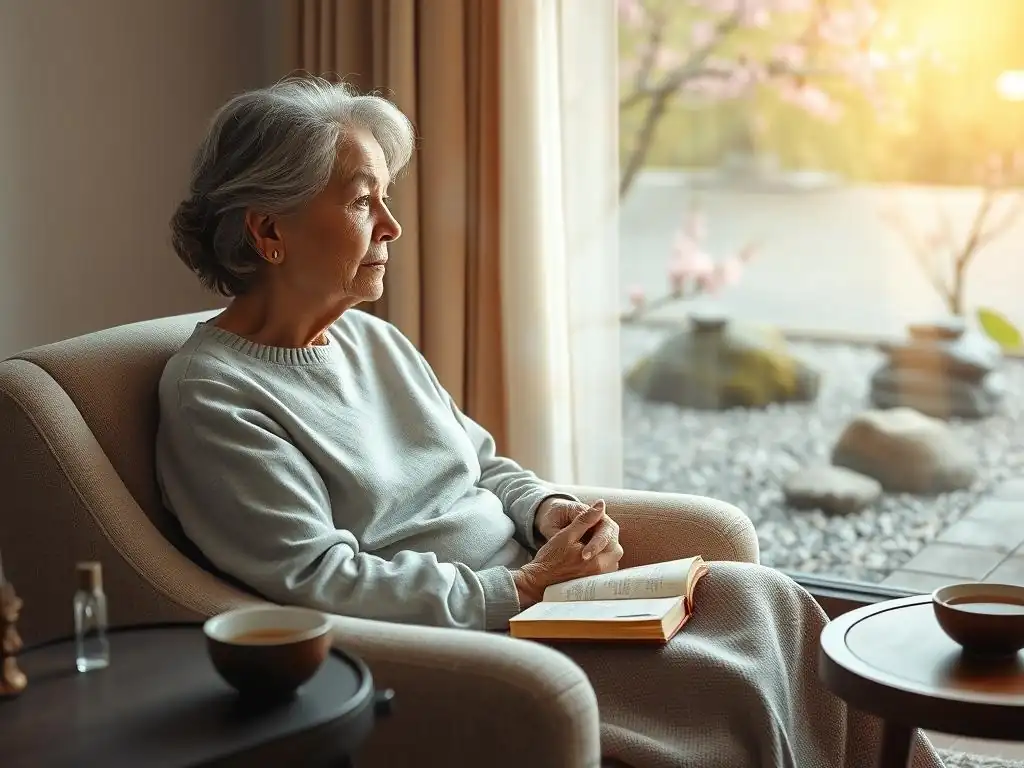
Addressing Stigma Associated with Mental Health in Older Age
Stigma surrounding mental health remains a significant barrier to seeking help for depression in older adults. Many seniors grew up in times when mental illness was highly stigmatized and often hidden. They may internalize negative beliefs about depression, viewing it as a sign of weakness or something to be ashamed of, rather than a treatable medical condition.
Addressing this stigma requires education and open conversations. Families, healthcare providers, and communities play a vital role in normalizing mental health struggles and encouraging help-seeking behavior. Sharing stories of successful depression recovery older adults have achieved can inspire hope and challenge negative stereotypes. Creating safe spaces for seniors to talk about their feelings without judgment is crucial.
Overcoming Physical Limitations in Pursuing Recovery
Physical health challenges and limitations are common in older adults and can pose obstacles to depression recovery. Chronic pain, mobility issues, fatigue, and other physical ailments can make it difficult for seniors to participate in therapy, engage in social activities, or maintain healthy lifestyle habits like exercise.
Treatment plans for depression in older adults must take these physical limitations into account. Therapists can adapt interventions, for example, by offering home visits or virtual sessions. Exercise programs can be modified to be low-impact and accessible. Addressing co-occurring physical health conditions is also paramount, as improving physical health can directly impact mental well-being and facilitate depression recovery older adults might find challenging due to their physical state.
Managing Co-occurring Health Conditions and Depression
As mentioned earlier, older adults often live with multiple chronic physical health conditions that can interact with and complicate depression. Managing these co-occurring conditions is essential for effective depression recovery older adults require. For instance, pain from arthritis can exacerbate depressive symptoms, while depression can lower motivation to manage diabetes effectively.
A collaborative approach involving primary care physicians, specialists for physical conditions, and mental health professionals is often necessary. Treatment plans must be integrated, ensuring that treatments for one condition do not negatively impact another. For example, selecting antidepressants that do not interact negatively with cardiac medications is crucial. Comprehensive care that addresses the whole person – physical and mental health – is key to successful recovery.
Resources for Seniors Seeking Depression Recovery
Mental Health Organizations Offering Support for Older Adults
Several national and local mental health organizations provide valuable information, resources, and support specifically for older adults and their families dealing with depression. Organizations like the National Alliance on Mental Illness (NAMI), the Depression and Bipolar Support Alliance (DBSA), and the Substance Abuse and Mental Health Services Administration (SAMHSA) offer educational materials, helplines, and directories of services.
Some organizations may even have specific programs or resources tailored to the unique needs of seniors. These resources can help seniors and their caregivers understand depression, find treatment options, and connect with support networks. Accessing information from reputable sources is a vital step in the journey toward depression recovery older adults can undertake.
Online Resources for Depression Information and Support
The internet offers a wealth of information and resources for seniors and their families seeking to understand and address depression. Websites from reputable health organizations, universities, and government agencies provide articles, guides, and self-help tools. Online support forums and communities can also offer peer support and a sense of connection, although it is important to use these resources cautiously and prioritize professional help.
While online resources can be a convenient starting point, they should not replace professional medical advice or treatment. They can, however, empower seniors and their caregivers with knowledge and connect them with potential avenues for support, facilitating their path towards depression recovery older adults can find through various means.
Local Programs and Services for Seniors with Mental Health Needs
Many communities offer local programs and services designed to support the mental health of older adults. These might include senior centers offering social activities and wellness programs, community mental health clinics providing therapy and psychiatric services, aging agencies offering case management and support services, and volunteer programs that combat isolation.
Connecting with local resources can provide accessible and affordable support tailored to the specific needs of seniors in a particular area. Information about these programs can often be found through local government websites, senior service directories, or by contacting area agencies on aging. Utilizing these local supports is a practical step towards achieving depression recovery older adults can benefit from within their own communities.
Maintaining Long-Term Mental Well-being After Depression Recovery in Older Age
Relapse Prevention Strategies for Seniors
Maintaining mental well-being after achieving depression recovery is an ongoing process, particularly for older adults who may face continued life challenges. Developing relapse prevention strategies is crucial. This involves recognizing early warning signs of returning symptoms (e.g., changes in sleep, appetite, or mood), having a plan in place for what to do if symptoms reappear, and maintaining contact with mental health professionals for periodic check-ups or booster sessions.
Continuing with therapy, even on a less frequent basis, can provide ongoing support and help seniors navigate new stressors. Adhering to medication regimens, if prescribed, is also vital. Having a proactive plan empowers seniors to take control of their mental health and reduces the likelihood of a full relapse, supporting long-term depression recovery older adults deserve.
Staying Connected and Engaged in Later Life
Combating isolation and maintaining social connections is one of the most effective strategies for preventing depression relapse in older adults. Retirement, bereavement, or health issues can lead to reduced social contact, which is a significant risk factor for depression. Actively seeking opportunities for social engagement is key.
This could involve participating in clubs or groups based on hobbies or interests, volunteering, attending community events, maintaining regular contact with family and friends (in person, by phone, or online), or joining a senior center. Staying connected provides emotional support, a sense of belonging, and opportunities for meaningful interaction, all of which are protective against depression and crucial for sustaining depression recovery older adults have worked to achieve.
The Power of Purpose and Meaning in Maintaining Mental Health
Having a sense of purpose and meaning in life is strongly linked to mental well-being and resilience against depression in older age. Retirement can sometimes lead to a loss of the structure and purpose previously provided by work. Finding new sources of meaning is therefore essential.
This could involve pursuing long-held hobbies, learning new skills, volunteering for a cause they care about, mentoring others, engaging in creative activities, or spending time with grandchildren. Activities that provide a sense of accomplishment, contribution, or joy can enhance self-esteem and provide a reason to stay engaged with life. Cultivating a sense of purpose is a powerful way to support long-term depression recovery older adults can embrace to live fulfilling later years.
Frequently Asked Questions
What are some common signs that an older adult might be struggling with depression, even if they don't explicitly say so?
Depression in older adults can manifest differently. Look for signs like loss of interest in hobbies, persistent fatigue, or changes in appetite or sleep patterns. These can be indicators even without verbal complaints.
How does depression recovery in older adults differ from younger adults, and what factors might influence the recovery process?
Recovery in older adults can be influenced by factors like chronic illnesses, social isolation, and medication interactions. The recovery process may be slower and require a more holistic and personalized approach.
Social connection is crucial. Combating isolation through community activities, family visits, and support groups significantly improves recovery outcomes. Mind Care Guide offers resources for finding local support networks.
Cognitive Behavioral Therapy (CBT) and Interpersonal Therapy (IPT) are often effective, adapted for older adults' needs. Medication can also be helpful, but careful monitoring for side effects is essential.
Where can older adults and their families find reliable resources and support for depression recovery, particularly those specializing in geriatric mental health?
Mind Care Guide offers a comprehensive directory of mental health professionals and support organizations. Look for providers specializing in geriatric psychiatry or geriatric mental health care.
Final Reflection: The Unfolding Power of Resilience in Later Life
The fight against depression is not bound by age; its impact, and the possibility of recovery, remain potent throughout our lives. This article has explored the often-overlooked reality of depression in older adults, highlighting the unique challenges and, crucially, the remarkable resilience demonstrated by those who navigate this difficult journey. We've seen that recovery is not only possible but also profoundly meaningful, reshaping lives and perspectives in unexpected and inspiring ways.
The stories shared throughout this piece underscore the importance of recognizing and addressing depression in later life. It's a condition that often goes undiagnosed or dismissed, leaving countless individuals struggling in silence. The best years of your life are yet to come.
While often used as a platitude, this statement holds a powerful truth for those who find healing and renewed purpose after battling depression in their later years. Their journeys remind us that hope, even when seemingly lost, can blossom at any stage of life, defying societal expectations and proving the enduring strength of the human spirit.
You, the reader, are now equipped with a deeper understanding of the complexities of depression in older adults. Consider the stories you've encountered and reflect on how you can contribute to a more compassionate and supportive environment for those facing this challenge.
Perhaps you can reach out to an elderly loved one, advocate for better mental health resources in your community, or simply educate yourself further on this vital topic. Let the resilience of these individuals inspire you to embrace empathy and understanding, and remember that hope, like a late-blooming flower, can bring unexpected beauty and strength to even the most challenging seasons of life.
Rediscover Your Strength: Next Steps on Your Journey
Thanks for taking the time to explore the inspiring stories of resilience in our article. You've learned that hope and healing are possible at any age, and now it's time to take that knowledge forward.
- Share a story of hope: Perhaps you have a personal experience or know someone whose journey resonates with these accounts. Sharing your story (anonymously if preferred) could inspire others and help break the stigma surrounding depression in later life.
- Connect with a support group: Find a local or online community where you can share experiences, receive encouragement, and feel understood. These networks can be invaluable resources on your journey.
- Reach out to a loved one: Simply talking about your feelings can make a difference. If the article resonated with you or someone you care about, reach out today and offer support or seek it yourself.
What small step will you take today to nurture your well-being and cultivate hope?