
Body Positivity and Mental Health: Building Resilience for Women

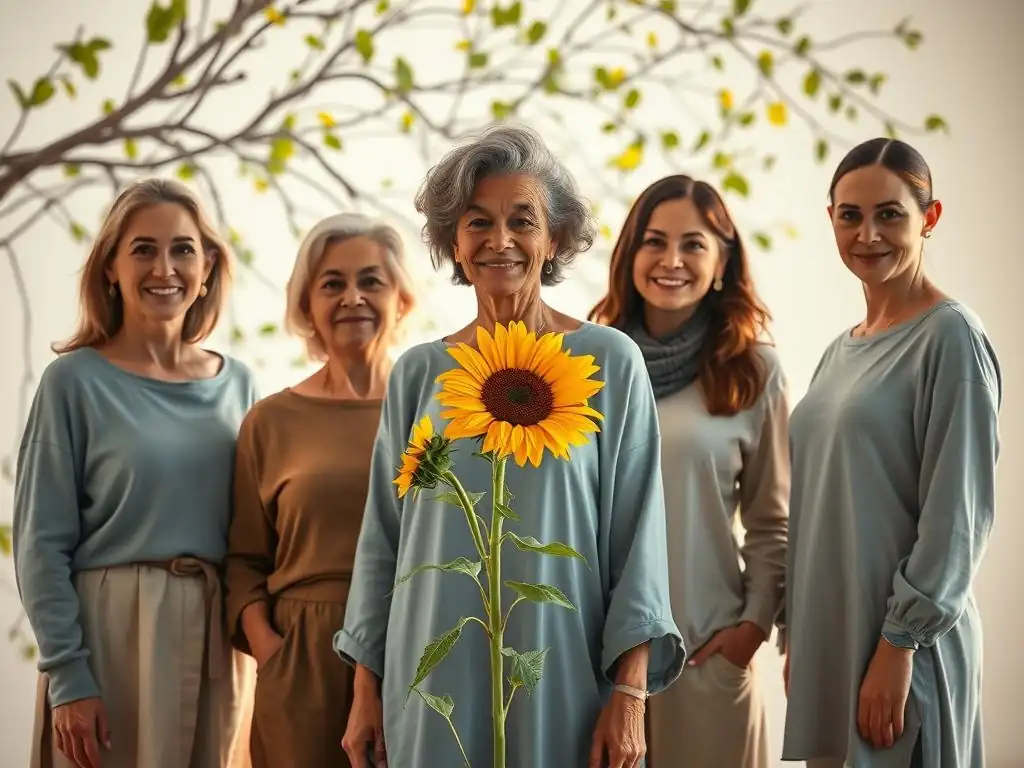
Welcome to Mind Care Guide, a space dedicated to nurturing your mental well-being.
Ever feel pressured to conform to unrealistic beauty standards? You're not alone. This article delves into the heart of Women’s body positivity resilience, exploring how to cultivate a healthier relationship with your body and mind. Discover practical strategies to build inner strength and navigate the challenges of today's world. Are you ready to embrace self-acceptance and thrive? Let's begin.
Body Positivity and Mental Health: Building Resilience for Women
Body positivity is more than just a trend; it's a movement and a mindset crucial for mental well-being, particularly for women navigating a world saturated with unrealistic beauty standards. Embracing body positivity means accepting and appreciating your body as it is, recognizing its worth beyond physical appearance. This journey is fundamental to building resilience against the pervasive negative influences that can erode self-esteem and contribute to mental health challenges. For women, cultivating this resilience through body positivity is a powerful act of self-care and empowerment.
- Understanding Body Positivity and Its Impact on Women's Mental Health
- Mental Health Challenges Related to Negative Body Image
- Building Resilience: Strategies for Cultivating Body Positivity
- Practical Steps to Enhance Body Positivity and Mental Wellness
- The Role of Support Systems in Promoting Body Positivity Resilience
- Body Positivity at Different Life Stages: Addressing Unique Challenges
- Overcoming Barriers to Body Positivity: Addressing Common Obstacles
- The Power of Self-Acceptance: Embracing Your Body
- Resources and Support for Body Positivity and Mental Health Assistance
-
Frequently Asked Questions
- What exactly is body positivity, and why is it important for women's mental health?
- How can societal pressures and media influence negatively affect women's body image and resilience?
- What are some practical strategies women can use to build body positivity and resilience in their daily lives?
- How does building body positivity resilience specifically contribute to improved mental well-being for women?
- Where can women find additional resources and support to enhance their body positivity and mental health journey?
- Final Reflection: Embracing Our Bodies, Embracing Our Strength
- Unleash Your Inner Radiance: Embrace Body Positivity Today!
Understanding Body Positivity and Its Impact on Women's Mental Health
Body positivity advocates for the acceptance of all bodies, regardless of shape, size, skin tone, gender, or physical abilities. It challenges conventional beauty standards and promotes self-love and self-acceptance. This concept is foundational for psychological health, directly influencing how women perceive their own worth and navigate the world.
Defining Body Positivity: A Foundation for Wellbeing
Body positivity, at its core, is about unconditional acceptance and respect for one's own body and the bodies of others. It's a radical concept in a society that often values bodies based on narrow, often unattainable, ideals. It encourages individuals, especially women, to reject the notion that their value is tied to how closely they conform to these standards. Instead, it promotes focusing on health, functionality, and the myriad things a body can do, fostering a deeper appreciation that goes beyond aesthetics.
This acceptance serves as a vital foundation for overall well-being. When women internalize body positivity, they are less likely to engage in harmful behaviors driven by dissatisfaction, such as restrictive dieting or excessive exercise. It shifts the focus from external validation to internal appreciation, significantly contributing to mental stability and emotional health. Building women’s body positivity resilience starts with this fundamental shift in perspective.
The Connection Between Body Image and Mental Wellness
Research consistently demonstrates a strong link between negative body image and various mental health issues. Dissatisfaction with one's body can act as a significant stressor, contributing to feelings of shame, anxiety, and depression. For women, who are often subjected to intense scrutiny regarding their appearance from a young age, this connection is particularly pronounced. A positive body image, conversely, is associated with higher self-esteem, greater confidence, and a reduced risk of developing mental health conditions.
Studies have indicated that body image concerns are among the top stressors for young women, impacting their social interactions, academic performance, and overall happiness. The constant comparison to media portrayals and peers can create a perpetual state of inadequacy. Fostering women’s body positivity resilience is therefore essential for protecting mental wellness and enabling women to thrive without the burden of body shame.
Societal Pressures and Their Influence on Body Image
Societal pressures, largely driven by media, advertising, and cultural norms, play a significant role in shaping body image. Women are frequently presented with highly curated and often unrealistic images of beauty, creating a standard that is difficult, if not impossible, to meet. This constant exposure can lead to internalization of these ideals, resulting in body dissatisfaction and negative self-talk.
For example, consider the prevalence of airbrushed images in magazines and social media filters that alter appearances. A 2017 report by the Royal Society for Public Health in the UK found that Instagram was ranked as the worst social media platform for young people's mental health and well-being, with body image concerns being a significant contributing factor. These pressures make building women’s body positivity resilience a critical task, requiring conscious effort to challenge and reject these external influences.
A negative body image is not merely a matter of vanity; it is a serious concern with tangible impacts on mental health. For women, the pressure to conform to societal beauty standards can result in a range of psychological difficulties, from common mood disorders to severe clinical conditions.
Anxiety and Depression Linked to Body Dissatisfaction
Significant body dissatisfaction is strongly correlated with increased rates of anxiety and depression among women. The persistent worry about one's appearance, coupled with feelings of inadequacy and shame, can create a fertile ground for these conditions to develop. This anxiety often manifests as social anxiety, where women fear being judged based on their looks, leading to avoidance of social situations.
Research published in the Journal of Health Psychology has shown that body image concerns are a significant predictor of depressive symptoms in women across various age groups. The emotional toll of constantly feeling "not good enough" based on appearance can be debilitating. Cultivating women’s body positivity resilience is therefore a crucial preventative measure against these prevalent mental health challenges.
Eating Disorders and Disordered Eating Patterns: A Significant Risk
Negative body image is a well-established risk factor for the development of eating disorders such as anorexia nervosa, bulimia nervosa, and binge eating disorder, as well as various forms of disordered eating. These conditions are severe mental health illnesses with potentially life-threatening consequences. The desire to alter one's body shape or size to fit societal ideals can lead to dangerous patterns of restriction, purging, or excessive exercise.
Statistics from organizations like the National Eating Disorders Association (NEDA) highlight that women are disproportionately affected by eating disorders, accounting for approximately 80% of cases of anorexia and bulimia. Disordered eating patterns, while not meeting the full criteria for a clinical disorder, are even more common and involve unhealthy relationships with food and body image. Addressing negative body image and promoting women’s body positivity resilience is a critical step in preventing and treating these serious conditions.
Low Self-Esteem and Its Effect on Relationships and Career
A poor body image is deeply intertwined with low self-esteem. When women feel negatively about their bodies, this often translates into a broader sense of low self-worth that impacts all areas of life. This can affect relationships, making it difficult to form intimate connections or feel comfortable being vulnerable. Fear of judgment can lead to isolation and difficulty trusting others.
Furthermore, low self-esteem stemming from body image issues can hinder career progression. Women might be hesitant to speak up in meetings, apply for promotions, or pursue opportunities due to a lack of confidence in their overall capabilities, which is often linked to how they feel about their appearance. Building women’s body positivity resilience is essential not just for personal well-being but also for empowering women to fully participate and succeed in their professional and personal lives.
Building Resilience: Strategies for Cultivating Body Positivity
Building resilience against the negative influences on body image requires intentional effort and the adoption of specific strategies. It's a process of retraining your mind and shifting your focus from external validation to internal acceptance and strength.
Cognitive Restructuring: Challenging Negative Thoughts About Your Body
One of the most effective strategies for cultivating body positivity is cognitive restructuring, which involves identifying and challenging negative thought patterns related to your body. Many women hold deeply ingrained beliefs about their appearance that are often irrational or based on societal myths. For example, a thought like "I'm worthless because I'm not thin" can be challenged by asking: Is this thought based on fact? What evidence supports or contradicts it? What would I tell a friend who had this thought?
Replacing negative thoughts with more balanced and realistic ones is key. Instead of "My thighs are too big," try "My thighs are strong and carry me where I need to go." This process takes practice but can significantly alter your internal dialogue and improve how you feel about your body. It's a fundamental technique for strengthening women’s body positivity resilience.
Practicing Self-Compassion: Treating Yourself with Kindness and Understanding
Self-compassion is vital in the journey toward body positivity. It means treating yourself with the same kindness, care, and understanding you would offer a close friend facing similar struggles. When you notice negative thoughts about your body, instead of criticizing yourself for having them, acknowledge the pain they cause and remind yourself that many women experience similar challenges.
Kristin Neff, a leading researcher in self-compassion, highlights three core components: self-kindness (vs. self-judgment), common humanity (recognizing that suffering and imperfection are part of the shared human experience), and mindfulness (observing thoughts and feelings without judgment). Applying these principles to body image helps to soften harsh self-criticism and fosters a more nurturing relationship with your body and self, building crucial women’s body positivity resilience.
Mindfulness and Body Awareness: Connecting with Your Physical Self
Mindfulness involves paying attention to the present moment without judgment. Practicing mindfulness in relation to your body means tuning into your physical sensations, needs, and abilities with curiosity and acceptance. This can involve mindful movement, like yoga or walking, where you focus on how your body feels as it moves, or simply taking a few moments to notice the sensation of your feet on the ground or your breath entering and leaving your lungs.
This practice helps to shift focus away from how your body looks and towards how it feels and functions. It encourages appreciation for the body's capabilities and the sensory experiences it provides, rather than focusing on perceived flaws. Developing this mindful body awareness is a powerful tool for enhancing women’s body positivity resilience and fostering a healthier connection with your physical self.
Practical Steps to Enhance Body Positivity and Mental Wellness
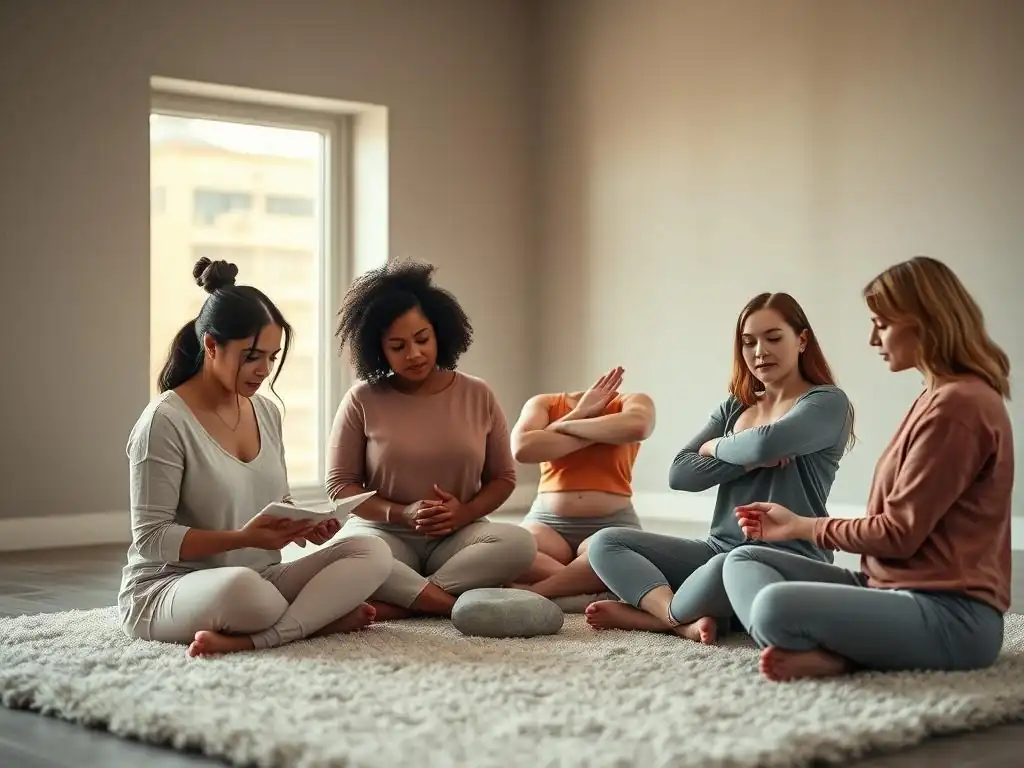
Beyond internal strategies, there are concrete actions women can take in their daily lives to cultivate a more positive body image and support their mental wellness journey. These steps involve actively shaping your environment and habits to support self-acceptance.
Curating a Positive Online Environment
Given the significant influence of social media, actively curating your online environment is a practical and impactful step. This means unfollowing accounts that promote unrealistic beauty standards, trigger negative comparisons, or endorse restrictive dieting. Instead, seek out and follow accounts that celebrate diverse body types, promote body neutrality or positivity, share messages of self-acceptance, and focus on health and well-being beyond appearance.
Engaging with positive content can counteract the negative messages that are so prevalent online. It normalizes diverse bodies and provides inspiring examples of self-love and acceptance. This conscious effort in managing your digital exposure is key to protecting your mental space and reinforcing women’s body positivity resilience.
Focusing on Health and Functionality Over Appearance
Shifting your focus from how your body looks to what it can do is a transformative practice. Instead of exercising solely to burn calories or change your shape, engage in physical activities you genuinely enjoy and focus on the feeling of strength, energy, or flexibility they provide. Similarly, nourish your body with food not just for weight management, but for energy, health, and pleasure.
This shift encourages appreciation for the body's capabilities and resilience. It reframes health as a state of well-being rather than a specific aesthetic outcome. Celebrating your body's functionality—whether it's climbing stairs, dancing, or simply breathing—builds a deeper, more resilient form of body appreciation that is less susceptible to external judgment. This functional focus is crucial for building women’s body positivity resilience.
Engaging in Activities That Bring Joy and Confidence
Participating in activities that bring you joy and build your confidence, regardless of their connection to physical appearance, is vital for overall mental wellness and body positivity. This could be a hobby like painting, playing a musical instrument, volunteering, or spending time in nature.
When you invest time and energy in activities that make you feel capable, happy, and fulfilled, your sense of self-worth becomes less dependent on how you look. These activities build confidence based on skills, creativity, and connection, reinforcing that your value extends far beyond your physical form. Prioritizing these sources of joy and confidence strengthens your internal resources and contributes significantly to women’s body positivity resilience.
The Role of Support Systems in Promoting Body Positivity Resilience
Navigating the challenges to body image is often easier and more effective with the support of others. Connecting with professionals, peers, and loved ones who understand and support your journey is invaluable for building and maintaining body positivity resilience.
Seeking Therapy or Counseling: A Safe Space to Explore Body Image Issues
Therapy provides a confidential and supportive environment to explore the root causes of negative body image, process societal pressures, and develop coping strategies. Therapists specializing in body image or eating disorders can utilize evidence-based approaches such as Cognitive Behavioral Therapy (CBT) or Acceptance and Commitment Therapy (ACT) to help challenge negative thoughts and behaviors.
Working with a therapist can help women understand how past experiences, cultural messages, and personal beliefs have shaped their body image. It offers tools and techniques for building self-compassion and acceptance. For many women struggling with severe body dissatisfaction or disordered eating, professional guidance is a crucial component of recovery and building lasting women’s body positivity resilience.
Joining Support Groups
Connecting with others who share similar struggles can reduce feelings of isolation and provide a sense of community. Support groups focused on body image, eating disorder recovery, or women's empowerment offer a space to share experiences, challenges, and successes in a non-judgmental setting. Hearing from others who are navigating similar journeys can be incredibly validating and inspiring.
These groups provide practical advice, emotional support, and a reminder that you are not alone. The shared experience fosters empathy and collective strength, reinforcing the commitment to self-acceptance and challenging societal norms. Participation in such groups significantly aids in building women’s body positivity resilience through shared wisdom and mutual encouragement.
Building a Network of Supportive Individuals
Beyond formal groups, cultivating a personal network of supportive friends and family members is essential. Surround yourself with people who uplift you, appreciate you for who you are beyond your appearance, and share positive values regarding bodies and health. Limit interaction with individuals who make critical comments about bodies (yours or others) or promote unhealthy dieting behaviors.
Communicate openly with trusted individuals about your journey toward body positivity. Their understanding and encouragement can provide a buffer against negative external influences and internal struggles. A strong personal support network is a fundamental pillar in building enduring women’s body positivity resilience.
Body Positivity at Different Life Stages: Addressing Unique Challenges
Body image concerns are not static; they can evolve and present unique challenges at different stages of a woman's life. Recognizing and addressing these specific transitions is key to maintaining body positivity resilience throughout the lifespan.
Body Image During Pregnancy and Postpartum
Pregnancy brings significant and rapid changes to a woman's body, which can be challenging to navigate. The focus shifts to nurturing a new life, but societal expectations about "bouncing back" quickly after birth add immense pressure. Many women struggle with accepting their changing shape, weight fluctuations, stretch marks, and other physical changes during this period.
The postpartum period, in particular, can be vulnerable, with hormonal shifts and sleep deprivation impacting mood and self-perception. Studies show that a significant percentage of new mothers report negative body image concerns. Embracing body positivity during this time means appreciating the incredible feat of creating and nurturing life, focusing on recovery and health rather than immediate return to a pre-pregnancy body. It requires specific focus on building women’s body positivity resilience in this transformative phase.
Menopause is another significant life stage marked by hormonal shifts that can lead to changes in body composition, weight distribution, and other physical symptoms. These changes can be unexpected and sometimes difficult to accept, especially in a culture that often equates youthfulness with beauty and value.
Women navigating menopause may face challenges related to feeling invisible or less desirable due to age-related physical changes. Body positivity during this phase involves embracing aging as a natural process, appreciating the wisdom and experience that come with it, and focusing on health and vitality rather than resisting inevitable changes. Building women’s body positivity resilience here means redefining beauty to include maturity and celebrating the body's endurance over decades.
Addressing Ageism and Body Image in Older Adults
Ageism, the discrimination based on age, often intersects with body image concerns in older women. Society frequently devalues the bodies of older adults, promoting an ideal of perpetual youth. This can lead to older women feeling invisible, unattractive, or less worthy based on physical appearance.
Body positivity in older adulthood means rejecting ageist messages and celebrating the body's history, resilience, and continued capacity. It involves focusing on maintaining health and mobility for quality of life rather than chasing youthful aesthetics. Challenging internalized ageism and embracing the beauty of aging is a powerful act of building women’s body positivity resilience and maintaining mental well-being in later years.
Overcoming Barriers to Body Positivity: Addressing Common Obstacles

The path to body positivity is rarely linear and often involves confronting significant external and internal barriers. Recognizing and actively working to dismantle these obstacles is crucial for sustained progress and building women’s body positivity resilience.
Dealing with Internalized Weight Stigma
Internalized weight stigma occurs when individuals absorb negative societal attitudes about weight and apply them to themselves. This can manifest as self-blame for body size, believing negative stereotypes about larger bodies, and feeling shame or disgust towards one's own body if it doesn't fit the thin ideal. This internal bias is a major barrier to self-acceptance.
Overcoming internalized weight stigma requires conscious effort to challenge these beliefs. It involves recognizing that body size is influenced by many factors beyond personal control (genetics, environment, socioeconomic status) and separating self-worth from weight or size. Education about the harms of weight stigma and exposure to diverse body types can help dismantle these harmful internal biases, strengthening women’s body positivity resilience.
Challenging Diet Culture
Diet culture is a pervasive system of beliefs that values thinness above health and well-being, promotes weight loss as a primary goal, and demonizes certain foods or entire food groups. It fuels body dissatisfaction and disordered eating by constantly suggesting that bodies are problems to be fixed through dieting. For women, diet culture messages are particularly relentless.
Actively challenging diet culture involves rejecting restrictive diets unless medically necessary, unfollowing diet-focused content, and critically evaluating messages about food and weight. It means shifting focus to intuitive eating—listening to your body's hunger and fullness cues—and finding joyful movement rather than punitive exercise. Dismantling the influence of diet culture is fundamental to achieving genuine women’s body positivity resilience.
Addressing the Influence of Media and Advertising on Body Image
As previously mentioned, media and advertising play a powerful role in shaping beauty ideals. Addressing this influence involves developing media literacy skills—learning to critically analyze the images and messages we consume. Recognizing that most media images are heavily edited and curated can help demystify the unrealistic standards they promote.
Consciously seeking out diverse and representative media that reflects real bodies in all their forms is also important. Supporting media that champions body diversity sends a message that there is a demand for more realistic portrayals. Taking breaks from social media or limiting exposure can also be beneficial. Actively managing media consumption is a necessary step in protecting mental health and fostering women’s body positivity resilience.
The Power of Self-Acceptance: Embracing Your Body
Ultimately, the goal of body positivity is self-acceptance—a profound and liberating state of embracing your body fully and without reservation. This acceptance is a powerful force for mental wellness and forms the bedrock of lasting resilience.
Redefining Beauty Standards: Celebrating Diversity
Self-acceptance involves actively participating in redefining beauty standards. It means recognizing that beauty exists in countless forms and celebrating the unique qualities of your own body and the bodies of others. This involves challenging the narrow, Eurocentric, and often unattainable ideals perpetuated by mainstream culture.
By appreciating diversity in body shapes, sizes, abilities, skin tones, and ages, women can free themselves from the pressure to conform. This expanded view of beauty is inclusive and empowering, allowing women to see their own bodies as inherently valuable and beautiful, just as they are. Redefining beauty is a collective and personal journey that strengthens women’s body positivity resilience.
Fostering a Positive Relationship with Food
A positive relationship with food is integral to body acceptance and overall well-being. This involves moving away from restrictive dieting and food rules towards intuitive eating, where food choices are guided by internal cues of hunger, fullness, and satisfaction, alongside nutritional needs and pleasure.
It means giving yourself unconditional permission to eat all foods and trusting your body's signals. This approach reduces guilt and anxiety around eating and helps to heal disordered eating patterns. Nourishing your body from a place of care and respect, rather than control or punishment, is a powerful act of self-love that supports body positivity and mental health.
Building a Foundation for Lasting Mental Wellness Through Body Positivity
Embracing body positivity and achieving self-acceptance lays a strong foundation for lasting mental wellness. When women are free from the constant burden of body shame and self-criticism, they can direct their energy towards more fulfilling pursuits, build healthier relationships, and develop a stronger sense of self-worth that is independent of appearance.
Body positivity resilience is not about never having a bad body image day, but about having the tools and mindset to navigate those moments with self-compassion and return to a place of acceptance. It is a continuous practice that empowers women to live more fully, authentically, and joyfully, contributing significantly to their overall mental and emotional health.
Resources and Support for Body Positivity and Mental Health Assistance
Support is available for women navigating body image challenges and related mental health concerns. Various organizations offer resources, helplines, and information on finding professional help. Seeking support is a sign of strength and a crucial step in building women’s body positivity resilience and fostering mental wellness.
Many non-profit organizations dedicated to eating disorder awareness and prevention, such as NEDA or BEAT (in the UK), provide valuable resources, including helplines, online chat support, and information on treatment options. Websites and social media communities focused on body positivity and intuitive eating also offer educational content and peer support. Local mental health services and directories can help connect individuals with therapists specializing in body image issues, disordered eating, anxiety, or depression. Remember, reaching out for help is a brave and necessary step towards healing and building a stronger, more resilient self.
Frequently Asked Questions
What exactly is body positivity, and why is it important for women's mental health?
Body positivity is about accepting and appreciating your body as it is, regardless of societal beauty standards. It's crucial for women's mental health because it can combat negative self-image and promote self-acceptance.
How can societal pressures and media influence negatively affect women's body image and resilience?
Media often portrays unrealistic beauty standards, leading to feelings of inadequacy and low self-esteem. This constant bombardment can erode a woman's natural resilience and contribute to body dissatisfaction.
What are some practical strategies women can use to build body positivity and resilience in their daily lives?
Strategies include challenging negative thoughts, practicing self-compassion, and focusing on inner qualities rather than physical appearance. Also, surrounding yourself with supportive and positive influences is key.
How does building body positivity resilience specifically contribute to improved mental well-being for women?
Developing body positivity resilience helps women cope with body-related stressors and develop a stronger sense of self-worth. This leads to reduced anxiety, depression, and a more positive mental outlook.
Where can women find additional resources and support to enhance their body positivity and mental health journey?
Mind Care Guide offers comprehensive information and resources on mental well-being, including articles and support groups focused on women's body positivity. You can also seek help from mental health professionals.
Final Reflection: Embracing Our Bodies, Embracing Our Strength
The fight for body positivity isn't just a trend; it's a fundamental shift in how we value women's health and well-being. The connection between self-acceptance and mental resilience is undeniable, and as we've explored, fostering a positive body image is crucial for women navigating the complexities of modern life. This isn't about achieving a specific aesthetic; it's about cultivating a deep and unwavering sense of self-worth, independent of societal pressures.
The journey towards body positivity is a deeply personal one, and its impact ripples outwards, shaping our relationships, our careers, and our overall sense of self. It's a continuous process of unlearning harmful narratives and reclaiming our own narratives. The societal pressure to conform to unrealistic beauty standards is relentless, but the power of collective action and self-compassion is even stronger. Self-love is not selfish; it is essential.
This quote encapsulates the importance of prioritizing our mental and emotional health, recognizing that true strength lies in embracing our authentic selves, flaws and all.
Now, consider your own relationship with your body. What narratives are you internalizing? What steps can you take today to cultivate a more compassionate and accepting inner dialogue? This isn't about perfection; it's about progress. Start small—unfollow accounts that trigger negative feelings, practice self-care rituals that nourish your mind and body, and surround yourself with supportive individuals who celebrate your unique beauty. Embrace the journey, celebrate your resilience, and remember that you are worthy of love and acceptance, just as you are.
Unleash Your Inner Radiance: Embrace Body Positivity Today!
Thanks for taking the time to explore the connection between body positivity and mental well-being! We hope you gained valuable insights into building resilience and self-acceptance. Now, let's turn those insights into action.
- Prioritize one self-care activity this week: This could be anything from a relaxing bath to a mindful walk – something that nurtures your body and mind. Make it a non-negotiable!
- Share this article with someone who could benefit: Let's spread the message of self-love and empower other women to embrace their bodies.
- Challenge a negative self-thought: Identify one negative thought you have about your body and actively challenge its validity. Replace it with a positive affirmation. Try writing it down!
Ready to cultivate a more positive and compassionate relationship with yourself? What small step will you take today to prioritize your mental and physical well-being?