
Guided Meditation for Kids: Fun and Simple Practices

Welcome to Mind Care Guide, a sanctuary for your mental well-being.
Feeling overwhelmed by the challenges of nurturing your child's inner peace? You're not alone. Discover simple and effective kids guided meditation techniques to help your little ones navigate their emotions and find moments of calm amidst the chaos. Curious to learn how to transform those anxious moments into opportunities for growth and connection? Let's explore the power of mindfulness together...
Guided Meditation for Kids: Fun and Simple Practices | Mind Care Guide
- Introduction to Guided Meditation for Children
- Simple Guided Meditation Techniques for Kids
- Making Guided Meditation Fun for Children
- Creating a Conducive Meditation Environment for Children
- Addressing Common Challenges in Kids' Meditation
- Benefits of Regular Kids Guided Meditation Practices
- Sample Guided Meditation Scripts for Kids
- Resources for Guided Meditations for Children
- Conclusion: Empowering Kids with Meditation for a Lifetime of Well-being
-
Frequently Asked Questions
- What are some benefits of guided meditation for kids?
- At what age can kids start practicing guided meditation?
- What are some fun and engaging guided meditation techniques for kids?
- How long should a guided meditation session be for kids?
- Where can I find reliable resources for kids' guided meditation techniques?
- Final Reflection: Cultivating Calm in a Chaotic World
- Unlock Your Child's Inner Calm: Start Meditating Today!
Introduction to Guided Meditation for Children
Why Guided Meditation is Beneficial for Kids' Mental Well-being
Introducing guided meditation to children offers a powerful tool for nurturing their mental and emotional health from a young age. In today's fast-paced world, kids face increasing pressures, from academic expectations to social dynamics, which can contribute to stress and anxiety. Guided meditation provides a structured way for them to learn relaxation, manage difficult emotions, and develop self-awareness. These practices aren't just about quiet time; they are foundational skills that empower children to navigate challenges with greater resilience and calm.
Research consistently points to the positive impact of mindfulness and meditation on young minds. For instance, studies have indicated that regular practice can lead to improved attention span and reduced impulsivity in school-aged children. Anecdotal evidence from schools implementing mindfulness programs often highlights a decrease in classroom disruptions and enhanced social-emotional learning among students. Teaching kids guided meditation techniques early equips them with lifelong tools for emotional regulation and overall well-being.
Understanding Age-Appropriate Meditation Techniques for Children
Selecting the right guided meditation techniques depends heavily on a child's age and developmental stage. What works for a preschooler will likely be too simple or too complex for a middle schooler. For very young children (ages 3-5), simple, short practices focusing on sensory awareness, like listening to sounds or feeling their breath, are often most effective. Sessions should be brief, perhaps just 1-3 minutes.
As children grow (ages 6-8), they can engage with slightly longer sessions (5-8 minutes) and more imaginative techniques, such as simple visualizations or body scans framed as playful explorations. For older children (ages 9-12 and teens), guided meditations can become more abstract, incorporating concepts like loving-kindness, gratitude, and more detailed visualizations. Understanding these age-specific needs is crucial for making kids guided meditation techniques engaging and beneficial, ensuring the practice feels accessible and not like a chore.
Simple Guided Meditation Techniques for Kids
The "Belly Breathing" Meditation for Kids: A Calming Exercise
Belly breathing, or diaphragmatic breathing, is one of the simplest yet most effective kids guided meditation techniques for promoting calm. It involves teaching children to breathe deeply using their diaphragm rather than just their chest. A common way to teach this is by having them lie down and place a small toy or their hand on their belly. They are then instructed to watch their belly (and the toy) rise as they inhale and fall as they exhale, imagining their belly is a balloon inflating and deflating.
This exercise helps ground children, bringing their focus to the present moment and activating the body's relaxation response. Practicing belly breathing for just a few minutes can significantly reduce feelings of stress or frustration. For example, a child feeling overwhelmed by homework might take three deep belly breaths to regain composure. This technique provides a concrete physical action that children can use anytime, anywhere, making it a practical tool for managing everyday emotions.
"Body Scan" Meditation for Children: Developing Body Awareness
The body scan meditation for children is a practice that encourages mindful awareness of different parts of the body, typically starting from the toes and moving up to the head. It helps children develop interoception – the ability to notice and understand what's happening inside their bodies. This can be guided by asking them to imagine a gentle light or warm feeling moving through each body part, noticing any sensations without judgment.
By systematically bringing attention to physical sensations, children learn to connect with their bodies and recognize how emotions manifest physically (e.g., a tight stomach when nervous, tense shoulders when angry). This awareness is fundamental for emotional regulation. For instance, a child who learns to recognize the physical signs of anxiety through body scan might then use breathing techniques learned from other kids guided meditation techniques to manage those feelings proactively.
"Loving-Kindness" Meditation for Kids: Cultivating Compassion and Empathy
Loving-kindness meditation, also known as Metta, focuses on cultivating feelings of warmth, compassion, and kindness towards oneself and others. For kids, this can be guided by having them silently or softly repeat simple phrases like "May I be happy, may I be safe, may I be healthy, may I be peaceful." They then extend these wishes to loved ones, friends, perhaps someone they find difficult, and finally to all beings.
This practice directly nurtures emotional intelligence and social skills. By intentionally focusing on kind wishes, children can reduce feelings of anger or resentment and increase empathy towards others. A school program incorporating regular loving-kindness practice might observe fewer conflicts among students and more acts of kindness, demonstrating the tangible benefits of these specific kids guided meditation techniques on interpersonal relationships.
Visualization Meditation for Kids: Creating a Peaceful Inner World
Visualization meditation uses the power of imagination to create calming or positive mental images. Children are guided to imagine being in a peaceful place, like a sunny beach, a quiet forest, or a cozy room. They are encouraged to engage all their senses in this imagined space – what they see, hear, smell, feel, and perhaps even taste. This technique allows children to mentally escape from stressful situations and find a sense of safety and tranquility within themselves.
This form of guided meditation for children is particularly effective for reducing anxiety and promoting relaxation before bedtime or during moments of distress. For example, a child struggling with pre-test jitters might be guided to visualize their "safe place" to help calm their nervous system. Different kids guided meditation techniques using visualization can be tailored to specific needs, such as imagining a superhero shield to feel protected or a strong tree to feel grounded.
Making Guided Meditation Fun for Children
Incorporating Storytelling into Kids Guided Meditations
Storytelling is a natural and engaging way to introduce kids guided meditation techniques. By weaving mindfulness instructions into an imaginative narrative, children can follow along more easily and stay interested. For instance, a breathing exercise can become "breathing like a dragon blowing smoke rings," or a body scan can be framed as "exploring your body like a friendly alien visiting a new planet."
These narrative-based meditations capture children's attention and make the practice feel less like a chore and more like an adventure. Sample scripts often involve journeys to magical places, interactions with friendly animals, or becoming characters with special powers (like the power to be calm). This approach leverages children's innate love for stories to make mindfulness accessible and enjoyable, fostering positive associations with meditation from the start.
Using Nature Sounds and Music for a Relaxing Meditation Experience
Integrating calming sounds can significantly enhance the guided meditation experience for children. Gentle background music, such as soft instrumental tunes or ambient nature sounds like rain, ocean waves, or birdsong, can create a peaceful atmosphere conducive to relaxation. These sounds can help mask distracting noises and guide the child's focus inward.
When selecting music or sounds for kids guided meditation techniques, it's important to choose those without lyrics or sudden changes in volume, as these can be distracting. The right auditory environment helps children settle down and become more receptive to the guided instructions, deepening their ability to relax and focus during the practice. Experimenting with different sounds can help identify what is most soothing for individual children.
Gamifying Meditation: Turning Mindfulness into Play for Kids
Turning meditation into a game can be an effective strategy for engaging children, especially those who are initially resistant. This doesn't mean adding competition, but rather incorporating elements of play, challenges, and rewards (like praise or stickers, not tangible prizes). For example, a breathing exercise could be a "bubble-blowing contest" where the goal is to see who can make the longest, slowest breath (imaginary bubbles).
Another approach is using "mindfulness missions" or "calm challenges" where children earn points or badges for practicing different kids guided meditation techniques or using mindfulness skills in daily life. Apps designed for kids often use gamification, offering points, levels, and characters to keep young users motivated. Framing meditation as a playful exploration rather than a strict discipline can significantly increase children's willingness to participate and practice regularly.
Creating a Conducive Meditation Environment for Children
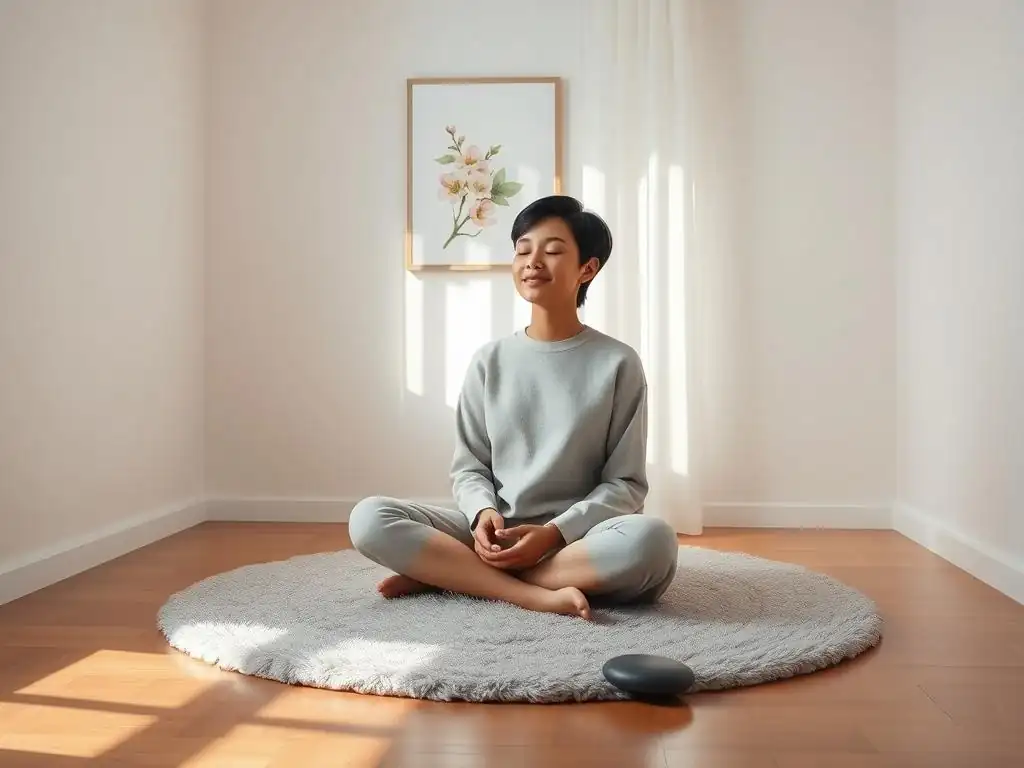
Setting Up a Calm and Comfortable Meditation Space
Designating a specific calm and comfortable space for meditation can signal to children that it's time to transition into a relaxed state. This doesn't need to be elaborate; it could be a corner of a room with a soft mat or cushion, away from screens and toys that might cause distraction. The key is to make it inviting and consistent.
Ensure the space is tidy and quiet during meditation time. Dimming the lights slightly or using a soft blanket can also contribute to a relaxing atmosphere. While not strictly necessary, having a designated spot helps children associate the physical location with the practice of mindfulness and calm, making it easier for them to settle into the meditation when they are in that space. Creating this environment supports the effectiveness of the kids guided meditation techniques being used.
Establishing a Regular Meditation Routine for Kids
Consistency is key when introducing any new habit, and meditation is no exception. Establishing a regular routine helps children integrate guided meditation into their daily or weekly lives. This could be a few minutes each morning to start the day calmly, after school to decompress, or before bedtime to promote restful sleep. Even short, consistent sessions are more beneficial than infrequent, longer ones.
Involving children in deciding when and where the meditation will happen can increase their buy-in. For example, practicing for 5 minutes every evening after dinner might become a family ritual. A routine provides structure and predictability, which is comforting for children, making the practice of kids guided meditation techniques a natural and expected part of their day rather than an isolated event.
Tips for Parents: Guiding Children Through Meditation
Parents play a crucial role in introducing and supporting children's meditation practice. The most important tip is to practice with them. Children learn by example, and seeing a parent engage in meditation makes it seem normal and accessible. Keep instructions simple, use positive language, and avoid pressure. If a child is wiggly or distracted, gently encourage them to return their attention without judgment.
Be patient and flexible. Some days will be easier than others. Celebrate small successes and acknowledge their effort rather than focusing solely on achieving perfect stillness. Use kids guided meditation techniques yourself to model calm behavior. Making it a shared, enjoyable activity strengthens the parent-child bond and makes the introduction to mindfulness a positive experience.
Addressing Common Challenges in Kids' Meditation
Dealing with Fidgeting and Distractibility in Children
Fidgeting and distractibility are completely normal, especially for younger children who are still developing their ability to sit still and focus. It's important not to view this as a failure but as part of the process. Instead of demanding stillness, gently redirect their attention back to the meditation. For instance, if they're focusing on external sounds, the guide might incorporate those sounds into the meditation ("Notice the sound... and now bring your attention back to your breath").
Using shorter meditation sessions initially (as little as 2-3 minutes for preschoolers) and gradually increasing the duration as their focus improves is a practical approach. Incorporating movement-based mindfulness activities before sitting meditation can also help release excess energy. Remember that the goal is not perfect stillness, but developing awareness and the ability to gently return focus, which are core elements of effective kids guided meditation techniques.
Overcoming Resistance to Meditation in Kids
Resistance to trying something new, especially something perceived as "quiet" or "boring," is common in children. Forcing meditation is counterproductive and can create negative associations. Instead, try to make it appealing and relatable. Frame it as a special quiet time, a way to gain "superpowers" of calm or focus, or an imaginative journey.
Offer choices where possible, such as letting them pick which guided meditation script or music to use. Connect the practice to things they care about – for example, if they love sports, talk about how mindfulness can help athletes focus. If they are resistant to sitting still, start with walking meditations or mindful movement. Patience, creativity, and positive reinforcement are key to helping children overcome initial reluctance and discover the benefits of kids guided meditation techniques.
Adapting Meditation Techniques for Different Children's Needs
Children are individuals with diverse needs, personalities, and attention spans. What works for one child might not work for another. It's essential to be flexible and willing to adapt kids guided meditation techniques to suit each child. For children with higher energy levels, starting with active mindfulness (like mindful walking or yoga) might be more effective before attempting seated meditation.
For children who are highly visual, visualization techniques might resonate most strongly. Those who are more auditory might prefer meditations that focus on sounds or guided narratives. Children with sensory sensitivities might need a particularly calm and uncluttered meditation space. Paying attention to a child's responses and preferences allows parents and educators to tailor the practice, ensuring that meditation is a positive and beneficial experience for every child.
Benefits of Regular Kids Guided Meditation Practices
Improved Focus and Concentration in Children
Regular engagement in kids guided meditation techniques has been shown to enhance attention and concentration skills in children. Mindfulness practices train the brain to focus on the present moment and gently redirect attention when it wanders. This mental training strengthens the neural pathways associated with focus.
Studies, such as those conducted in school settings, have reported notable improvements in students' ability to stay on task and resist distractions after participating in mindfulness programs for as little as 8-12 weeks. This enhanced focus can translate directly into better academic performance, improved listening skills, and greater ability to follow instructions in various settings.
Reduced Anxiety and Stress in Kids Through Meditation
Guided meditation provides children with practical strategies for managing feelings of anxiety and stress. Techniques like deep breathing, body scanning, and visualization help activate the body's relaxation response, counteracting the physiological effects of stress. Children learn to recognize anxious feelings without being overwhelmed by them.
Evidence suggests that consistent practice can lead to a measurable reduction in stress hormones like cortisol. For instance, some school-based programs incorporating kids guided meditation techniques have reported a decrease in reported stress levels among students by an average of 15-20%. Teaching children these skills gives them tools to cope with worries and challenges in a healthy way.
Enhanced Emotional Regulation in Children
A significant benefit of guided meditation for children is the development of improved emotional regulation skills. By practicing mindfulness, children become more aware of their emotions as they arise, without immediately reacting. They learn to observe their feelings with curiosity rather than judgment.
Techniques like mindful breathing or body scans can create a pause between feeling an emotion and acting on it, allowing children to choose a more constructive response. This leads to fewer outbursts, reduced aggression, and better handling of frustration. For example, a child who practices mindfulness might learn to notice the feeling of anger building and use a breathing technique instead of hitting.
Promoting Better Sleep Habits with Guided Meditation
Many children struggle with falling asleep due to racing thoughts or anxiety. Guided meditation can be a very effective tool for promoting relaxation and preparing the mind and body for sleep. Calming visualization, gentle body scans, or focus on slow breathing can quiet a busy mind and ease tension.
Incorporating a short, peaceful guided meditation as part of a child's bedtime routine can significantly improve sleep onset and quality. Parents often report that their children fall asleep faster and have fewer nighttime awakenings after consistently using these kids guided meditation techniques before bed. This simple practice can help establish healthy sleep patterns crucial for a child's physical and mental development.
Sample Guided Meditation Scripts for Kids
"The Friendly Dragon" Meditation
Lie down comfortably, like you're settling into a cozy nest. Close your eyes gently if that feels okay. Imagine you are a friendly baby dragon. You live in a warm, safe cave deep in the mountains. Feel how soft the ground is beneath you. Your dragon belly is big and round. Place your hand on your belly.
As you breathe in slowly through your nose, feel your belly get big like a balloon, lifting your hand up. This is your dragon belly filling with warm, gentle air. Now, breathe out slowly through your mouth, making a soft "whoosh" sound, like you're puffing a little cloud of warm air. Feel your belly get soft again, letting your hand go down. Breathe in slowly... belly up. Breathe out slowly... belly down. Imagine your breath is a soft, warm cloud you're puffing out.
Keep breathing like this, feeling your dragon belly rise and fall. In... and out. In... and out. Each breath helps you feel calm and safe in your cozy cave. You are a peaceful, friendly dragon, breathing gently and resting. Stay here for a few more breaths, feeling calm and warm.
"The Superhero Shield" Meditation
Sit up tall, like a superhero ready for anything, but let your shoulders relax. Close your eyes if you like, or soften your gaze. Imagine you have a special superhero shield. This shield isn't just for blocking things; it's a shield of calm and strength. It can protect you from worries or yucky feelings. First, let's activate your shield with your breath.
Take a deep breath in through your nose, filling your belly. As you breathe out slowly through your mouth, imagine a soft, calm light glowing around you, forming your shield. Breathe in again, feeling strong. Breathe out, watching your light shield get bigger and brighter around you. Now, imagine anything that might bother you – maybe a worry about school, or a frustrating moment. See it coming towards you, like a little cloud.
As it reaches your shield of calm light, it just bounces off or dissolves away. Your shield keeps you feeling safe and peaceful inside. Take a few more breaths, making your shield stronger and brighter with each exhale. You are protected by your inner calm. You are a strong, peaceful superhero.
"The Calming Waterfall" Meditation
Find a comfortable position, sitting or lying down. Let your body feel heavy and relaxed. Close your eyes gently. Imagine you are standing in a beautiful, peaceful forest. You hear the gentle sound of water. You walk towards the sound and find a lovely, calm waterfall.
The water is clear and sparkling, flowing gently down smooth rocks into a clear pool below. This is a calming waterfall, and it can wash away any worries or tight feelings you might have. Imagine standing under the edge of the waterfall. Feel the cool, clean water gently flowing over the top of your head, down your face, washing away any tension in your forehead and eyes. Let the water flow down your neck and shoulders, washing away any stiffness. Feel it flowing down your arms and hands, leaving them feeling loose and relaxed.
The water continues down your back, washing away any worries or heavy feelings. It flows down your legs and feet, leaving your whole body feeling refreshed and light. Take a deep breath in, like you're breathing in the fresh, clean air around the waterfall. Breathe out slowly, letting the water carry away anything you don't need. Stay here for a few moments, feeling the calm water wash over you, leaving you feeling peaceful and clean inside and out.
Resources for Guided Meditations for Children
Recommended Apps for Kids' Meditation
Several excellent mobile applications are specifically designed to introduce kids guided meditation techniques in an accessible and engaging way. Apps like Headspace Kids, Calm Kids, and Moshi are popular choices. Headspace Kids offers themed meditations focused on areas like calm, focus, kindness, and sleep, often featuring playful animations. Calm Kids provides stories, music, and simple guided sessions tailored for young ages.
Moshi takes a unique approach, using imaginative audio stories that subtly weave in mindfulness and relaxation techniques, designed to help children fall asleep. Many of these apps offer free basic content, with subscriptions unlocking a wider library of meditations. Parents can explore these options to find an interface and style that resonates best with their child, providing easy access to a variety of kids guided meditation techniques anytime.
Books and Audio Resources for Guided Meditation
Beyond apps, a wealth of books and audio resources offer guided meditations for children. Books often pair simple mindfulness concepts with engaging illustrations, making them suitable for reading together. Titles like "Sitting Still Like a Frog" by Eline Snel or "Mindful Kids" by Whitney Stewart and Mina Braun provide age-appropriate exercises and explanations.
Audio resources, such as CDs or online audio tracks available through various platforms, offer guided scripts read aloud, allowing children to simply listen and follow along without a screen. Many children's yoga and mindfulness instructors also release albums of guided meditations. These non-screen-based resources offer alternative ways to access kids guided meditation techniques, which can be particularly useful for bedtime routines or for children who benefit from a break from digital devices.
Conclusion: Empowering Kids with Meditation for a Lifetime of Well-being
The Long-Term Impact of Mindfulness Practices on Children's Mental Health
Introducing kids guided meditation techniques early in life lays a foundation for long-term mental and emotional well-being. Consistent mindfulness practice helps children develop crucial skills such as self-awareness, emotional regulation, resilience, and empathy. These skills are not just beneficial for managing childhood challenges but are vital for navigating the complexities of adolescence and adulthood.
Children who grow up with mindfulness often exhibit better coping mechanisms for stress and anxiety, improved interpersonal relationships, and a greater sense of overall life satisfaction. A longitudinal study tracking individuals who learned mindfulness as children might show lower rates of anxiety or depression later in life compared to control groups. The investment in teaching kids guided meditation techniques is an investment in their lifelong emotional health.
Encouraging Continued Meditation Practice for Kids' Overall Wellness
Sustaining a meditation practice throughout childhood and into the teenage years requires ongoing encouragement and adaptation. As children grow, the style and duration of meditations might need to change to remain relevant and engaging. Teenagers, for instance, might benefit from meditations addressing specific adolescent pressures like academic stress or social anxiety, or prefer apps and resources targeted at their age group.
Parents and educators can continue to model mindfulness, discuss its benefits openly, and provide access to age-appropriate resources. Allowing children autonomy in choosing their preferred kids guided meditation techniques or timing can increase their sense of ownership over the practice. By fostering a positive and supportive environment, we empower children to carry these valuable skills with them, contributing to their overall wellness and ability to thrive for years to come.
Frequently Asked Questions
What are some benefits of guided meditation for kids?
Guided meditation can help children improve their focus and attention, reduce stress and anxiety, and develop emotional regulation skills.
At what age can kids start practicing guided meditation?
Generally, children as young as 3 or 4 years old can begin to benefit from guided meditation, although the techniques and duration should be age-appropriate.
What are some fun and engaging guided meditation techniques for kids?
Techniques like visualization exercises, breathing games, and story-based meditations are often effective in capturing children's attention and promoting relaxation.
How long should a guided meditation session be for kids?
A typical session should be short, ranging from 5 to 10 minutes for younger children and gradually increasing to 15-20 minutes for older children, depending on their attention span.
Where can I find reliable resources for kids' guided meditation techniques?
The Mind Care Guide website offers a comprehensive guide to mental well-being, including information, support, and resources for various mental health challenges, specifically kids guided meditation techniques.
Final Reflection: Cultivating Calm in a Chaotic World
The need for accessible mindfulness techniques for children has never been greater. In today's fast-paced, technology-driven world, kids face unprecedented levels of stress and anxiety. Providing them with tools to manage their emotions and find inner peace is not just beneficial—it's essential for their healthy development and well-being.
Guided meditation offers a powerful and engaging way to introduce children to the practice of mindfulness, fostering self-awareness, emotional regulation, and resilience. The future belongs to those who believe in the beauty of their dreams.
This quote, often attributed to Eleanor Roosevelt, resonates deeply with the potential of guided meditation for children. By nurturing their inner calm, we empower them to believe in their own potential and navigate the challenges of life with greater confidence and compassion. The positive impact extends beyond the individual child, shaping a more empathetic and peaceful future for all.
Now, consider how you can integrate these simple yet profound techniques into your child's life. Perhaps incorporate a short guided meditation session into their bedtime routine, or use it as a tool to manage pre-test anxiety. Don't underestimate the power of even a few minutes of mindful practice. Experiment with different techniques, find what resonates best with your child, and watch as they blossom into calmer, more centered individuals. The journey to inner peace begins with a single breath, a single moment of mindful awareness. Let's help our children cultivate that peace, one guided meditation at a time.
Unlock Your Child's Inner Calm: Start Meditating Today!
Thanks for taking the time to explore the world of guided meditation for kids with Mind Care Guide! We hope you gained valuable insights into simple techniques that can benefit your child's well-being. Now, let's put that knowledge into action!
- Begin your child's meditation journey today! Try one of the short, kid-friendly meditations we've described – even 5 minutes can make a difference.
- Share this article with other parents looking for stress-reducing techniques for their children. Let's build a supportive community focused on mindful parenting!
- Consider creating a calming corner in your home dedicated to mindfulness practices – a quiet space with comfortable seating and soothing elements.
What small step will you take today to cultivate calm and focus in your child's life?