
Understanding 'Qi': Energy Flow & Mental Health in TCM

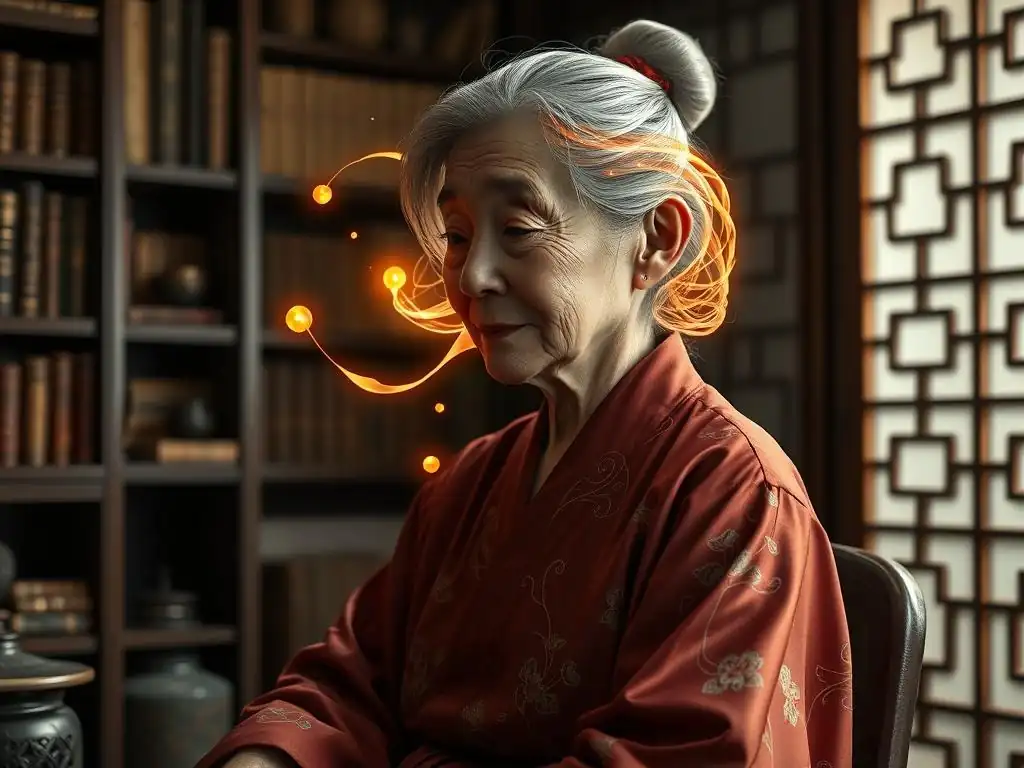
Welcome to Mind Care Guide, a safe space for exploring the intricate landscape of your mental well-being. Feeling a little lost or overwhelmed? We understand. Embark with us on a journey to understand how ancient wisdom can unlock inner peace. Dive into our exploration of TCM for mental wellbeing and discover how the concept of 'Qi' can offer a fresh perspective on achieving emotional balance. Are you ready to uncover the secrets of energy flow and its profound impact on your mental health?
- Introduction to Qi: The Foundation of TCM for Mental Wellbeing
- Qi and Mental Health: Exploring the Link in Traditional Chinese Medicine
- The Five Elements Theory and its Influence on Qi and Mental Health
- Diagnosing Qi Imbalances Related to Mental Wellbeing
-
TCM Therapies to Restore Qi Balance for Enhanced Mental Health
- Acupuncture and Acupressure: Stimulating Qi Flow for Emotional Regulation
- Herbal Medicine: Using Natural Remedies to Nourish and Harmonize Qi
- Qigong and Tai Chi: Cultivating Qi Through Movement and Meditation for Mental Clarity
- Dietary Therapy: Nourishing the Body and Mind Through Qi-Enhancing Foods
- Lifestyle Adjustments to Support Healthy Qi Flow and Mental Wellbeing
- Integrating TCM Principles into Modern Mental Healthcare
- Finding a Qualified TCM Practitioner for Mental Health Support
- Conclusion: Embracing Qi for a Holistic Approach to Mental Wellbeing
-
Frequently Asked Questions
- What is Qi in Traditional Chinese Medicine (TCM) and how does it relate to mental well-being?
- How does TCM approach the diagnosis of mental health conditions compared to Western medicine?
- What are some common TCM treatments used to promote mental wellbeing and restore Qi balance?
- Can TCM be used alongside conventional Western treatments for mental health?
- Are there any lifestyle recommendations in TCM that can support mental well-being and healthy Qi flow?
- Final Reflection: Cultivating Inner Harmony Through Qi
- Unlock Your Inner Flow: Practical Steps to Cultivate Qi
Introduction to Qi: The Foundation of TCM for Mental Wellbeing
What is Qi? Defining Life Force in Traditional Chinese Medicine
In Traditional Chinese Medicine (TCM), Qi (pronounced "chee") is considered the fundamental life force or vital energy that flows through the body and the universe. It is the invisible force that animates life, maintains health, and is responsible for all bodily functions, from circulation and digestion to thinking and feeling. TCM theory posits that health is a state of balanced and harmonious Qi flow, while illness, including mental and emotional distress, often arises from Qi imbalances – either deficiency, stagnation, or chaotic movement.
This concept is central to understanding TCM for mental wellbeing. Unlike Western medicine's focus on biological and chemical processes, TCM views the mind and body as inseparable, constantly interacting through the medium of Qi. A deficiency in Lung Qi, for example, might manifest as sadness or grief, while Liver Qi stagnation is frequently associated with irritability and anger. Recognizing these connections is the first step in utilizing TCM principles to support mental health.
The Role of Qi in Maintaining Holistic Health: Mind and Body Connection
Qi acts as the bridge connecting the physical body, emotional state, and mental clarity. It circulates along specific pathways called meridians, nourishing organs and tissues and enabling communication throughout the system. When Qi is abundant and flowing smoothly, the body is strong, the mind is clear, and emotions are balanced. A person with healthy Qi feels vibrant, resilient, and capable of adapting to life's challenges.
Conversely, disruptions in Qi flow can lead to a cascade of physical symptoms and emotional disturbances. For instance, insufficient Spleen Qi can impair digestion and lead to fatigue, which in turn can contribute to feelings of worry or anxiety. Stagnation of Qi in the Heart meridian might manifest as palpitations alongside insomnia and restlessness. Therefore, maintaining a balanced and vigorous flow of Qi is paramount for achieving holistic health, encompassing both physical vitality and robust mental wellbeing, a core tenet of TCM for mental wellbeing.
Qi and Mental Health: Exploring the Link in Traditional Chinese Medicine
How Imbalances in Qi Affect Mental and Emotional States
Qi imbalances are directly linked to specific mental and emotional states in TCM. When Qi is deficient, there isn't enough vital energy to nourish the mind and body, leading to fatigue, apathy, poor concentration, and sometimes depression. Imagine a battery running low – the system lacks the power to function optimally, impacting mood and cognitive function. For example, Heart Qi deficiency is often associated with anxiety, palpitations, and disturbed sleep, reflecting insufficient energy to govern the mind ("Shen").
Stagnation, on the other hand, occurs when Qi gets stuck, creating blockages in the meridians or organs. This blockage causes feelings of frustration, irritability, anger, and tension. Liver Qi stagnation is a prime example, commonly linked to mood swings, premenstrual syndrome, and bottled-up emotions like anger or resentment. Think of a traffic jam – energy is backed up, causing pressure and disruption. Understanding these patterns is crucial when applying TCM for mental wellbeing.
Common Mental Health Issues Linked to Qi Deficiencies or Stagnation
Several common mental health challenges are frequently understood through the lens of Qi imbalances in TCM. Anxiety is often associated with deficiencies in Heart or Kidney Qi, or stagnation of Qi related to stress. Depression may stem from Qi deficiency (especially Spleen or Heart Qi), blood deficiency, or severe Qi stagnation that obstructs the flow of vital energy and blood. Insomnia is commonly linked to Heart Qi or Blood deficiency, or Liver Qi stagnation disturbing the Shen (mind).
For instance, a person experiencing persistent worry, fatigue, and poor appetite might be diagnosed with Spleen Qi deficiency, which affects their ability to process thoughts (worry) and nutrients. Someone with explosive anger, tension headaches, and irritability might be seen as having Liver Qi stagnation. These are not isolated conditions but manifestations of underlying energetic imbalances, highlighting the holistic approach of TCM for mental wellbeing.
The Five Elements Theory and its Influence on Qi and Mental Health
Understanding the Interrelationship of Wood, Fire, Earth, Metal, and Water
The Five Elements theory is a fundamental framework in TCM, describing the interrelationships between various aspects of the natural world and the human body, including organs, emotions, and Qi. These elements – Wood, Fire, Earth, Metal, and Water – are seen as phases of Qi's transformation and interaction. Each element is associated with specific organs (e.g., Wood with Liver/Gallbladder, Fire with Heart/Small Intestine, Earth with Spleen/Stomach, Metal with Lung/Large Intestine, Water with Kidney/Bladder), emotions, seasons, colors, and tastes.
The elements are interconnected through nourishing (Sheng) and controlling (Ke) cycles. For example, Wood nourishes Fire (think wood burning), Fire nourishes Earth (ashes), Earth nourishes Metal (minerals from earth), Metal nourishes Water (metal condenses dew), and Water nourishes Wood (water helps trees grow). Understanding these cycles helps diagnose imbalances; if the Wood element (Liver) is out of balance, it can affect the Fire element (Heart), potentially impacting emotional regulation and sleep, areas central to TCM for mental wellbeing.
How Elemental Imbalances Impact Specific Mental Health Conditions
Imbalances within the Five Elements can directly contribute to specific mental health conditions.
- Wood: An imbalance in the Wood element (Liver/Gallbladder) often manifests as anger, frustration, and irritability due to stagnant Liver Qi. This can contribute to conditions like stress-related anxiety and depression characterized by mood swings.
- Fire: An imbalance in the Fire element (Heart/Small Intestine) affects the Shen (mind). Deficiency or excess Fire can lead to anxiety, insomnia, restlessness, and even manic states. This is a key area addressed by TCM for mental wellbeing when dealing with sleep disturbances and nervousness.
- Earth: An imbalance in the Earth element (Spleen/Stomach) is linked to worry, overthinking, and difficulty concentrating. Spleen Qi deficiency can lead to fatigue and brain fog, often accompanying depressive states or chronic anxiety.
- Metal: An imbalance in the Metal element (Lung/Large Intestine) relates to grief, sadness, and detachment. Lung Qi deficiency can manifest as withdrawal and lack of vitality, sometimes seen in depression or difficulty processing loss.
- Water: An imbalance in the Water element (Kidney/Bladder) is associated with fear and insecurity. Kidney Qi deficiency can lead to chronic anxiety, phobias, and a feeling of being overwhelmed, impacting resilience and emotional stability.
Recognizing which elemental system is out of balance helps TCM practitioners tailor treatments to restore harmony and support mental wellbeing.
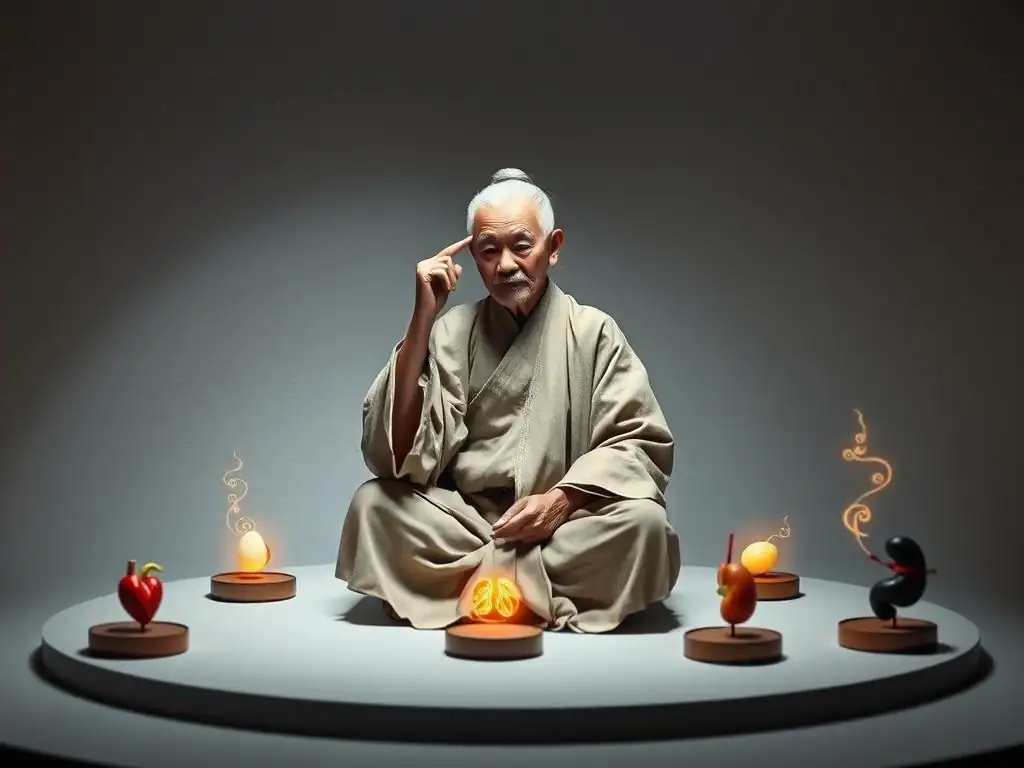
Traditional TCM Diagnostic Methods: Pulse Diagnosis, Tongue Diagnosis, and Observation
TCM practitioners employ a comprehensive diagnostic process to identify underlying Qi imbalances contributing to mental health issues. The most common methods are pulse diagnosis, tongue diagnosis, and observation. Pulse diagnosis involves feeling the pulse at various positions on the wrist, assessing its rate, rhythm, strength, and quality (e.g., wiry, slippery, weak). Different pulse qualities correspond to specific patterns of Qi, Blood, and organ function. For example, a wiry pulse is often associated with Liver Qi stagnation, common in stress and frustration, while a weak, deep pulse might indicate Kidney Qi deficiency, linked to chronic fear or fatigue.
Tongue diagnosis provides visual clues about the state of internal organs and Qi. The practitioner examines the tongue's color, shape, coating, and moisture. A pale tongue with a thin white coat might suggest Qi and Blood deficiency, often seen in depression or fatigue. A red tongue with a yellow coat could indicate heat or excess Qi, potentially linked to anxiety or agitation. Observation includes assessing the patient's complexion, voice, posture, and overall demeanor – subtle signs that reveal energetic imbalances.
Identifying Specific Qi Patterns Associated with Mental Health Concerns
Based on these diagnostic methods, TCM practitioners identify specific Qi patterns (syndromes) related to mental health.
- Liver Qi Stagnation: Symptoms include irritability, anger, frustration, mood swings, headaches, and sometimes depression. Pulse is often wiry; tongue might have red sides.
- Heart Qi/Blood Deficiency: Symptoms include anxiety, palpitations, insomnia, poor memory, fatigue, and sometimes depression. Pulse is often thin or weak; tongue is pale.
- Spleen Qi Deficiency: Symptoms include worry, overthinking, fatigue, poor appetite, loose stools, and sometimes depression. Pulse is often weak or soggy; tongue is pale with teeth marks.
- Kidney Qi/Yin Deficiency: Symptoms include chronic anxiety, fear, fatigue, low back pain, poor memory, and sometimes depression or feelings of insecurity. Pulse is often thin and rapid (Yin deficiency) or deep and weak (Qi deficiency); tongue might be red and peeled (Yin deficiency) or pale and swollen (Qi deficiency).
By accurately identifying these patterns, TCM practitioners can select the most appropriate therapies – acupuncture, herbs, dietary changes – to rebalance Qi and address the root cause of the mental health symptoms, offering a unique approach within TCM for mental wellbeing.
TCM Therapies to Restore Qi Balance for Enhanced Mental Health
Acupuncture and Acupressure: Stimulating Qi Flow for Emotional Regulation
Acupuncture is a key therapy in TCM involving the insertion of fine needles into specific points along the meridians to stimulate and regulate Qi flow. These points are believed to connect to organs and influence physical and emotional states. For mental health, specific points are chosen to calm the Shen (mind), move stagnant Qi, nourish deficient Qi, or clear excess heat that causes agitation.
For example, points on the Heart meridian might be used for anxiety and insomnia, while points on the Liver meridian can help release frustration and anger. Studies, including some meta-analyses, have suggested acupuncture may reduce symptom severity in anxiety and depression, potentially by influencing neurotransmitter levels and promoting relaxation. While outcomes vary, a course of 6-12 sessions is often recommended, with some patients reporting significant reductions in stress levels within the first few sessions.
Acupressure uses finger pressure instead of needles on the same points, offering a non-invasive alternative or self-care technique. Applying pressure to points like Yin Tang (between the eyebrows) or Nei Guan (on the inner wrist) can help calm the mind and relieve anxiety. Both methods aim to restore the smooth flow of Qi, allowing the body's natural healing mechanisms to address emotional imbalances and support mental wellbeing.
Herbal Medicine: Using Natural Remedies to Nourish and Harmonize Qi
TCM herbal medicine utilizes complex formulas of natural substances, primarily plants but also minerals and some animal products (used ethically and responsibly), to address specific Qi imbalances. These formulas are tailored to the individual's diagnosis and aim to nourish deficient Qi, move stagnant Qi, clear excess pathogens (like dampness or heat), or harmonize organ function. For instance, a formula like Jia Wei Xiao Yao San is commonly prescribed for Liver Qi stagnation presenting as irritability, stress, and premenstrual symptoms. It contains herbs that soothe the Liver and strengthen the Spleen, addressing both the stagnation and underlying weakness.
For Heart Qi and Blood deficiency leading to anxiety and insomnia, formulas containing herbs like Suan Zao Ren (Ziziphus seed) and Long Yan Rou (Longan fruit) might be used to nourish the Heart and calm the Shen. Herbal treatment is typically taken daily over weeks or months, with dosages and specific herbs adjusted as the patient's condition changes. While research is ongoing, some studies indicate that certain TCM herbal formulas may have therapeutic effects on mood disorders, often used as part of a broader approach to TCM for mental wellbeing.
Qigong and Tai Chi: Cultivating Qi Through Movement and Meditation for Mental Clarity
Qigong and Tai Chi are mind-body practices involving gentle movements, controlled breathing, and meditation. These practices are designed to cultivate, circulate, and store Qi, promoting relaxation and balance. Regular practice helps to release physical tension, which can hold stagnant Qi, and calm the nervous system. The slow, deliberate movements encourage a mindful state, reducing rumination and promoting mental clarity.
Studies have shown that consistent practice of Qigong or Tai Chi can lead to reduced stress, anxiety, and depression symptoms. For example, a meta-analysis of several studies found that Tai Chi practice significantly reduced symptoms of depression in participants. Many practitioners recommend daily practice, even for just 15-20 minutes, to build resilience and maintain a healthy flow of Qi. These practices empower individuals to actively participate in their own mental wellbeing, offering accessible tools within the framework of TCM for mental wellbeing.
Dietary Therapy: Nourishing the Body and Mind Through Qi-Enhancing Foods
In TCM, food is considered medicine, capable of influencing Qi, Blood, and organ function. Dietary therapy involves recommending specific foods and avoiding others based on an individual's diagnosed Qi pattern and elemental imbalances. The goal is to nourish deficient areas, clear excesses, and promote harmonious Qi flow. For example, individuals with Spleen Qi deficiency (leading to worry and fatigue) are advised to eat warm, easily digestible foods like cooked vegetables, grains, and lean proteins, while avoiding cold, raw, or greasy foods that further weaken the Spleen.
For Liver Qi stagnation (associated with irritability), pungent foods in moderation (like onions or ginger) can help move Qi, while excessive consumption of rich or spicy foods might exacerbate heat. Nourishing Blood with foods like dark leafy greens, berries, and small amounts of red meat can support the Heart and calm the Shen in cases of anxiety or insomnia. This personalized approach to nutrition is a vital, often overlooked, component of using TCM for mental wellbeing.
Lifestyle Adjustments to Support Healthy Qi Flow and Mental Wellbeing
Stress Management Techniques Rooted in TCM Principles
Stress is a major factor that disrupts Qi flow, particularly causing Liver Qi stagnation. TCM-informed stress management focuses on practices that soothe the Liver, calm the Heart, and strengthen the root Qi (Kidney). Beyond Qigong and Tai Chi, this includes mindful breathing exercises, which help regulate the nervous system and promote smooth Qi circulation. Taking short breaks throughout the day to stretch or simply focus on the breath can prevent Qi from becoming stagnant.
Furthermore, prioritizing activities that bring joy and relaxation is seen as essential for nourishing the Shen and preventing emotional blockages. This could be creative pursuits, spending time in nature (associated with the Wood element), or connecting with loved ones. The emphasis is on creating a lifestyle that supports emotional expression and prevents the accumulation of tension, fundamental to maintaining optimal Qi and promoting mental wellbeing.
Importance of Sleep, Diet, and Exercise for Maintaining Optimal Qi Levels
These three pillars – sleep, diet, and exercise – are foundational to generating and circulating healthy Qi, and thus are critical for mental health from a TCM perspective.
- Sleep: TCM views sleep as a time for Qi and Blood to return to the organs for nourishment and restoration, especially the Liver and Heart. Chronic sleep deprivation depletes Qi and Blood, particularly Kidney and Heart Yin, contributing to anxiety, irritability, and fatigue. Aiming for 7-9 hours of quality sleep per night, ideally sleeping before midnight, is highly recommended.
- Diet: As discussed, a balanced diet tailored to individual needs nourishes the Spleen and Stomach, which are the primary organs for generating Qi and Blood from food. Regular, balanced meals prevent dips in energy that can affect mood.
- Exercise: Moderate, regular exercise helps move Qi and Blood, preventing stagnation. Activities like walking, swimming, or gentle stretching are beneficial. Strenuous or excessive exercise can deplete Qi if not balanced with rest and proper nutrition.
Integrating these elements into daily life forms a powerful strategy for enhancing Qi and supporting mental wellbeing through TCM principles.
Creating a Harmonious Environment to Promote Positive Qi and Mental Health
The environment we live in significantly impacts our Qi. In TCM and related practices like Feng Shui, creating a harmonious living and working space is believed to promote positive Qi flow, which in turn supports mental and emotional health. This involves decluttering to prevent stagnant energy, ensuring good ventilation and natural light, and incorporating elements that are balancing based on the Five Elements theory (e.g., plants for Wood energy, water features for Water energy).
Specific considerations might include arranging furniture to allow smooth movement, choosing colors that are soothing or energizing depending on the space's purpose, and minimizing exposure to excessive noise or chaotic environments that can drain Qi and disturb the Shen. While not a direct therapy, cultivating a supportive environment is seen as a preventative measure and a complement to other TCM treatments for mental wellbeing.
Integrating TCM Principles into Modern Mental Healthcare

Exploring the Potential Benefits of Combining TCM with Conventional Therapies
Integrating TCM principles and therapies with conventional mental healthcare offers a potentially powerful, holistic approach. While Western medicine often focuses on diagnosing and treating specific symptoms or chemical imbalances, TCM seeks to address the underlying energetic patterns and restore balance to the entire system. Combining these approaches can provide patients with a broader range of tools and perspectives. For example, someone managing depression might benefit from antidepressant medication alongside acupuncture to improve energy levels and mood, and dietary changes based on TCM to support their Spleen and overall vitality.
TCM therapies like acupuncture and Qigong can serve as valuable complementary practices to reduce stress and anxiety, potentially enhancing the effectiveness of conventional treatments like therapy. A 2015 review published in the journal Evidence-Based Complementary and Alternative Medicine highlighted promising results for acupuncture in treating depression and anxiety, often used alongside standard care. This integrated model recognizes the complexity of mental health and leverages the strengths of different healing traditions, expanding the possibilities within TCM for mental wellbeing.
Case Study: TCM and Cognitive Behavioral Therapy for Anxiety Management
Consider a hypothetical case: Sarah, a 35-year-old woman experiencing generalized anxiety, panic attacks, and difficulty sleeping. Conventionally, she might be prescribed anti-anxiety medication and recommended Cognitive Behavioral Therapy (CBT). While CBT helps her identify and challenge negative thought patterns, she still struggles with physical symptoms like palpitations and restlessness at night.
A TCM practitioner diagnoses her with Heart Qi and Blood deficiency with some Liver Qi stagnation due to stress. The TCM treatment involves weekly acupuncture sessions focused on calming the Heart and soothing the Liver, along with a prescribed herbal formula to nourish Heart Blood and regulate Qi. Concurrently, Sarah continues her CBT sessions.
Over several months, she reports a significant reduction in panic attack frequency and intensity, improved sleep quality, and a greater sense of calm, stating that the physical relief from TCM therapies made it easier for her to engage with and benefit from the cognitive work in CBT. This illustrates how combining modalities can address different facets of the condition, offering a more comprehensive path towards mental wellbeing.
Finding a Qualified TCM Practitioner for Mental Health Support
What to Look for in a Licensed Acupuncturist or Herbalist
When seeking TCM support for mental health, it is crucial to find a qualified and licensed practitioner. Look for someone who is licensed or certified by a recognized governing body in your region (e.g., state licensing boards in the US, NCCAOM certification). Licensing ensures they have met specific educational and examination requirements. Many practitioners specialize or have a strong interest in mental-emotional health, so inquire about their experience in this area.
A good practitioner will conduct a thorough initial consultation, asking detailed questions about your physical symptoms, emotional state, lifestyle, diet, sleep, and medical history. They should perform traditional diagnostic methods like pulse and tongue diagnosis. They should be able to clearly explain their diagnosis in TCM terms and outline a proposed treatment plan, including expected duration and types of therapies (acupuncture, herbs, etc.). Trust your intuition and ensure you feel comfortable and heard; effective treatment relies on a good practitioner-patient relationship.
Questions to Ask to Ensure Effective and Safe Treatment
To ensure you are receiving effective and safe treatment for TCM for mental wellbeing, consider asking the following questions:
- What is your experience treating mental health conditions like anxiety or depression with TCM?
- What is your license or certification status, and with which body?
- What is your diagnosis of my condition from a TCM perspective?
- What specific therapies (acupuncture, herbs, diet, etc.) do you recommend, and why?
- What is the expected duration of treatment, and how often will I need appointments?
- Are there any potential side effects or contraindications for the recommended treatments (especially regarding herbal formulas and any medications I am currently taking)?
- How will we measure progress?
- Do you collaborate or communicate with my other healthcare providers (e.g., therapist, psychiatrist) if I wish?
Asking these questions helps establish clear communication, builds trust, and ensures that your treatment plan is tailored to your specific needs and safely integrated with any other care you are receiving.
Conclusion: Embracing Qi for a Holistic Approach to Mental Wellbeing
The Ongoing Relevance of TCM in Promoting Mental and Emotional Harmony
Traditional Chinese Medicine offers a profound and enduring framework for understanding the intricate connection between energy flow (Qi) and mental health. By viewing the mind and body as an integrated system influenced by the dynamic balance of Qi and the Five Elements, TCM provides unique insights into the root causes of emotional and psychological distress. Its diagnostic methods, like pulse and tongue analysis, offer a different lens through which to assess a person's overall state of wellbeing.
The therapies rooted in TCM – including acupuncture, herbal medicine, Qigong, Tai Chi, and dietary therapy – provide a range of tools aimed at restoring harmony and promoting the smooth flow of Qi. These practices have been refined over centuries and continue to demonstrate their value in supporting individuals seeking balance and resilience. The ongoing relevance of TCM for mental wellbeing lies in its holistic perspective, treating the person, not just the symptom, and empowering individuals through lifestyle practices.
Final Thoughts on Cultivating Qi for a Healthier, More Balanced Life
Cultivating healthy Qi is an active, ongoing process that significantly contributes to a healthier, more balanced life, especially concerning mental and emotional states. It involves paying attention to the subtle signs of imbalance within the body and mind, understanding how lifestyle choices impact our energetic state, and utilizing practices that nourish and regulate Qi. Whether through mindful movement, proper nutrition, adequate rest, or seeking support from qualified practitioners, consciously working with our vital energy can enhance resilience, improve mood, and foster a deeper connection to ourselves.
Embracing the principles of TCM for mental wellbeing encourages a proactive approach to health, recognizing that our emotional landscape is deeply intertwined with our physical vitality. By understanding and nurturing our Qi, we can navigate life's challenges with greater ease and cultivate a state of harmony that supports true mental and emotional flourishing.
Frequently Asked Questions
What is Qi in Traditional Chinese Medicine (TCM) and how does it relate to mental well-being?
Qi is the vital energy that flows throughout the body according to TCM. Imbalances or blockages in Qi are believed to contribute to mental health issues, affecting mood and emotional stability.
How does TCM approach the diagnosis of mental health conditions compared to Western medicine?
TCM diagnosis focuses on identifying patterns of disharmony in Qi and organ systems, using methods like pulse and tongue diagnosis. This differs from Western medicine's emphasis on specific diagnostic criteria and symptom-based classification.
What are some common TCM treatments used to promote mental wellbeing and restore Qi balance?
Common TCM treatments include acupuncture, herbal medicine, qi gong, and dietary therapy. These aim to regulate Qi flow, nourish organs, and address the root causes of mental distress.
Can TCM be used alongside conventional Western treatments for mental health?
Yes, TCM can be used as a complementary therapy alongside Western treatments. It's crucial to communicate with both practitioners to ensure safe and effective integration of care.
Are there any lifestyle recommendations in TCM that can support mental well-being and healthy Qi flow?
TCM emphasizes mindfulness, regular exercise like tai chi, a balanced diet according to individual constitution, and adequate sleep to cultivate Qi and promote mental resilience.
Final Reflection: Cultivating Inner Harmony Through Qi
The understanding and cultivation of Qi, the vital life force in Traditional Chinese Medicine (TCM), is not merely an ancient practice; it's a profoundly relevant approach to mental wellbeing in our modern, often stressful world. The increasingly prevalent mental health challenges we face today highlight the urgent need for holistic approaches, and TCM's focus on balancing Qi offers a powerful pathway towards inner peace and resilience. This is not simply a trend, but a rediscovery of an ancient wisdom that holds immense potential for improving our lives.
The exploration of Qi's influence on mental health has profoundly impacted my own understanding of wellbeing. It's shifted my perspective from a purely Western, biomedical model to one that embraces the interconnectedness of mind, body, and spirit. The concept of free-flowing Qi as a foundation for mental clarity and emotional stability resonates deeply. The body is a temple, and Qi is its sacred energy.
This simple yet powerful idea underscores the importance of nurturing our inner landscape, just as we nurture our physical health. The ongoing research into the neurobiological mechanisms underlying TCM's effectiveness further validates its potential as a complementary therapy for mental health conditions.
Consider how you can integrate the principles of Qi cultivation into your daily life. Perhaps it's through mindful movement like Tai Chi or Qigong, incorporating calming practices like meditation, or simply paying closer attention to your breath and body sensations. You possess the innate capacity to nurture your own Qi and, in doing so, cultivate a deeper sense of wellbeing and resilience. Embrace this journey of self-discovery; the path to inner harmony begins with a single breath, a single mindful movement, a single act of self-compassion. The potential for positive transformation is within your reach.
Unlock Your Inner Flow: Practical Steps to Cultivate Qi
Thanks for exploring the fascinating world of Qi and its connection to mental well-being! We hope you gained valuable insights into this ancient practice. Now, it's time to put your newfound knowledge into action.
Here are a few ways to begin your Qi-cultivating journey:
- Prioritize mindful breathing: Start with just 5 minutes of deep, conscious breathing each day. This simple act can significantly impact your energy flow and mental clarity.
- Incorporate gentle movement: Explore activities like Tai Chi or Qigong, known for their ability to harmonize Qi. Even a short daily walk in nature can make a difference!
- Share your experience: Tell a friend or family member about what you've learned today. Discuss your initial experiences with mindful breathing or gentle movement, and invite them to join you.
Ready to feel the transformative power of Qi? What small step will you take today to enhance your energy flow and mental well-being?