
Supplements for Sleep: A Guide for Anxious Individuals

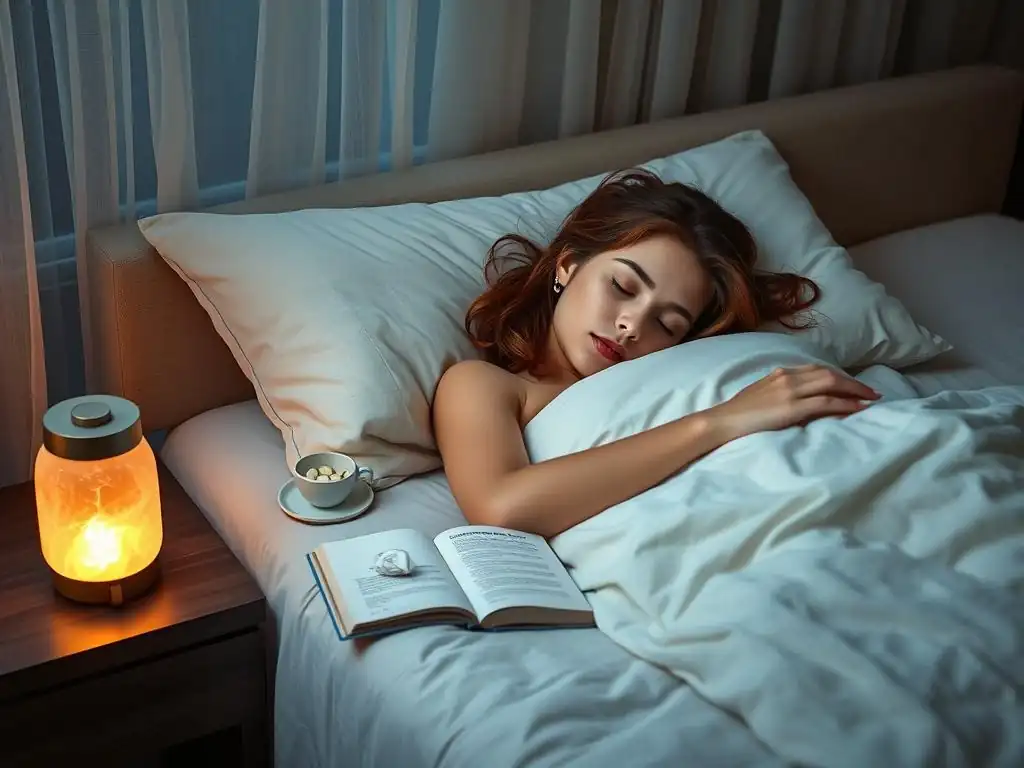
Welcome to Mind Care Guide, a sanctuary dedicated to nurturing your mental well-being. Are sleepless nights and anxious thoughts stealing your peace? You're not alone. We understand the struggle, and that's why we've created this space. Dive into our article on how supplements improve sleep anxiety and discover practical, evidence-based ways to reclaim your rest and find a sense of calm. Curious to learn more? Let's explore together...
Supplements for Sleep: A Guide for Individuals with Generalized Anxiety Disorder (GAD)
- Understanding the Link Between GAD and Sleep Problems
- Why Consider Supplements for Sleep Anxiety?
-
Top Sleep Supplements for Anxiety Relief
- Magnesium: A Natural Muscle Relaxant for Better Sleep
- Melatonin: Regulating Your Sleep-Wake Cycle
- L-Theanine: Promoting Relaxation Without Drowsiness
- Valerian Root: A Traditional Herbal Remedy for Sleep
- Chamomile: A Gentle Sleep Aid for Mild Anxiety
- Passionflower: Enhancing GABA Levels for Improved Sleep
- Choosing the Right Sleep Supplement for Your Anxiety
- Dosage and Timing: Maximizing the Effectiveness of Sleep Supplements
- Potential Side Effects and Risks of Sleep Supplements
- Lifestyle Strategies to Enhance the Effectiveness of Sleep Supplements
- Long-Term Strategies for Managing Anxiety and Improving Sleep
-
Frequently Asked Questions
- What are the best supplements to help with both sleep and anxiety?
- How long does it typically take for sleep supplements to start working for anxiety relief?
- Are there any potential side effects to be aware of when taking supplements to improve sleep and anxiety?
- Can supplements completely cure anxiety and sleep problems, or are they just a temporary solution?
- What other lifestyle changes can I make alongside taking supplements to improve sleep and anxiety?
- Final Reflection: Finding Calm in the Night: Supplements and the Pursuit of Restful Sleep
- Unlock Your Restful Nights: Take Control of Your Sleep
Understanding the Link Between GAD and Sleep Problems
How GAD Disrupts Sleep Patterns: Rumination and Hyperarousal
Generalized Anxiety Disorder (GAD) is characterized by excessive and uncontrollable worry about various events or activities. This persistent state of worry significantly impacts sleep because the mind struggles to switch off. Individuals with GAD often experience rumination, a process where anxious thoughts loop repeatedly, especially when trying to fall asleep or during the night.
This mental churning keeps the brain in a state of hyperarousal, making it difficult to initiate sleep or return to sleep after waking. Studies have shown that people with GAD often report taking significantly longer to fall asleep compared to the general population, sometimes exceeding 30-60 minutes consistently.
Beyond rumination, the physical manifestations of anxiety, such as increased heart rate, muscle tension, and shortness of breath, also contribute to hyperarousal. This physiological state is the opposite of what is needed for restful sleep. The body and mind are on high alert, perceiving potential threats even in a safe environment like a bedroom.
This constant state of vigilance prevents the relaxation necessary for transitioning through sleep stages effectively. For example, someone with GAD might lie in bed feeling their heart pound or muscles twitch, exacerbating their anxiety about not being able to sleep, creating a feedback loop that further disrupts sleep architecture and reduces total sleep time.
The Impact of Poor Sleep on GAD Symptoms: A Vicious Cycle
Poor sleep quality and quantity have a profound negative impact on GAD symptoms, creating a detrimental cycle. Lack of sleep impairs the brain's ability to regulate emotions and manage stress, often leading to increased irritability, difficulty concentrating, and heightened reactivity to perceived threats – all core features of GAD. Research indicates that even a single night of poor sleep can increase amygdala reactivity (the brain's fear center) and decrease prefrontal cortex function (involved in rational thinking and emotional regulation), making anxious responses more likely and harder to control throughout the day.
Furthermore, chronic sleep deprivation exacerbates the physical symptoms of anxiety, such as fatigue, muscle aches, and headaches. This can lead to increased worry about physical health, adding another layer to the individual's anxiety concerns. For instance, someone with GAD who sleeps poorly might feel constantly exhausted, worry excessively about being sick, and find it harder to cope with daily stressors, thereby reinforcing their anxiety. Breaking this cycle is crucial, and while traditional therapies are primary, some individuals explore how supplements improve sleep anxiety as part of a broader strategy.
Why Consider Supplements for Sleep Anxiety?
When Cognitive Behavioral Therapy for Insomnia (CBT-I) Isn't Enough: Exploring Supplement Options
Cognitive Behavioral Therapy for Insomnia (CBT-I) is widely considered the first-line treatment for chronic insomnia and is highly effective. It addresses the thoughts and behaviors that interfere with sleep. However, for some individuals with GAD, the persistent, pervasive nature of their anxiety can make fully implementing CBT-I strategies challenging, or the anxiety itself might be so overwhelming that it significantly hinders sleep despite behavioral changes.
In such cases, after consultation with healthcare professionals, exploring adjunctive options might be considered. This is where the potential role of supplements comes into discussion, not as a replacement for therapy but potentially as a temporary aid while therapeutic strategies take hold or for specific, identified deficiencies.
While therapy and lifestyle changes are foundational, some individuals find that certain supplements can offer additional support in calming the nervous system or regulating sleep cycles, making it easier to benefit from therapeutic interventions. It's crucial to approach supplements with realistic expectations and under professional guidance, as they are not a cure for GAD or insomnia. However, for someone struggling intensely with sleep onset or maintenance due to relentless worry, understanding how certain supplements improve sleep anxiety could be a step towards finding incremental relief and improving their response to core treatments like CBT or medication.
Benefits of Natural Sleep Supplements for Individuals with GAD
Natural sleep supplements are often considered by individuals looking for options that might have fewer side effects compared to prescription sleep medications. For individuals with GAD, who may already be sensitive to physical sensations or concerned about medication dependence, this can be an appealing aspect. Some natural compounds work by targeting neurotransmitters involved in relaxation, like GABA, or by influencing the body's natural sleep hormone, melatonin.
The perceived benefits often include a sense of reduced tension, faster sleep onset, or fewer nighttime awakenings. For example, some users report feeling calmer before bed after taking certain supplements, which helps quiet the anxious mind. While efficacy varies greatly depending on the supplement, the individual, and the severity of symptoms, the exploration of how supplements improve sleep anxiety for some individuals highlights a desire for gentle, supportive options within a comprehensive management plan. It's important to note that "natural" does not automatically mean "safe" or "effective for everyone," and professional consultation remains paramount.
Top Sleep Supplements for Anxiety Relief
Magnesium: A Natural Muscle Relaxant for Better Sleep
Magnesium is an essential mineral involved in hundreds of biochemical reactions in the body, including nerve and muscle function. It plays a role in regulating neurotransmitters that send messages throughout the brain and body, including GABA, a calming neurotransmitter. Magnesium deficiency is relatively common, and low levels have been linked to increased anxiety and difficulty sleeping. By helping to activate the parasympathetic nervous system, the body's "rest and digest" system, magnesium can promote relaxation and ease muscle tension, which are often heightened in individuals with GAD.
Supplementing with magnesium may help reduce the physical symptoms of anxiety that interfere with sleep, such as restless legs or muscle cramps. While research specifically on magnesium for GAD-related insomnia is still developing, studies on general insomnia and anxiety have shown promising results.
For instance, a review published in BMC Complementary and Alternative Medicine in 2016 found that magnesium supplementation showed some positive effects on subjective measures of insomnia in older adults, suggesting a potential benefit for sleep quality by promoting relaxation and reducing stress. Understanding how magnesium can help support relaxation is key when considering how specific supplements improve sleep anxiety.
Magnesium Glycinate for GAD and Sleep: Benefits and Dosage
Magnesium glycinate is a form of magnesium bound with glycine, an amino acid that also has calming properties. This form is often recommended for sleep and anxiety because it is typically well-absorbed and less likely to cause digestive upset compared to other forms like magnesium oxide. The glycine component may also contribute to its calming effects, as glycine acts as an inhibitory neurotransmitter in the brain, potentially helping to reduce nerve activity and promote relaxation.
For individuals with GAD, magnesium glycinate may help by reducing muscle tension and promoting a sense of calm before bed. Typical dosages for sleep and anxiety range from 200 mg to 400 mg of elemental magnesium per day, often taken an hour or two before bedtime. However, dosage should be discussed with a healthcare provider, as individual needs vary and excessive intake can lead to side effects like diarrhea. Starting with a lower dose and gradually increasing is often recommended to assess tolerance and effectiveness.
Melatonin: Regulating Your Sleep-Wake Cycle
Melatonin is a hormone naturally produced by the pineal gland in the brain. It signals to the body that it is nighttime and time to sleep, playing a crucial role in regulating the circadian rhythm, the body's internal 24-hour clock. Production of melatonin increases in the evening as light decreases and drops in the morning as light appears. Disruptions to this cycle, common in modern life due to artificial light exposure, shift work, or simply irregular schedules often associated with anxiety, can impair melatonin production and make it harder to fall asleep.
Melatonin supplements are widely used to help with sleep onset, particularly for issues related to delayed sleep phase syndrome, jet lag, or difficulty falling asleep. While melatonin doesn't typically reduce anxiety directly, by helping to regulate the sleep-wake cycle, it can make it easier for individuals with GAD to initiate sleep at a consistent time.
This can indirectly reduce anxiety related to the fear of not being able to sleep, a common worry among those with GAD experiencing insomnia. Exploring how melatonin assists in establishing a regular sleep pattern is relevant when considering how supplements improve sleep anxiety by addressing sleep timing issues.
Melatonin Dosage for GAD-Related Insomnia
For GAD-related insomnia, the goal of using melatonin is typically to help signal sleep onset and regulate the circadian rhythm, rather than to induce heavy sedation. Therefore, lower doses are often recommended. Clinical studies suggest that doses between 0.3 mg and 5 mg are usually sufficient for regulating sleep timing. Some research indicates that doses much higher than what the body naturally produces might not be more effective and could potentially lead to next-day grogginess or disrupt the body's natural production over time.
Taking melatonin about 30-60 minutes before your desired bedtime is usually advised. It's important to use the lowest effective dose and to consult with a healthcare provider, especially if you are taking other medications or have underlying health conditions. While generally considered safe for short-term use, the long-term effects of melatonin supplementation are still being studied, and its effectiveness for chronic insomnia in individuals with GAD can vary.
L-Theanine: Promoting Relaxation Without Drowsiness
L-Theanine is an amino acid found primarily in green tea leaves. It is known for its unique ability to promote relaxation and reduce stress without causing drowsiness. L-Theanine is thought to work by increasing levels of certain neurotransmitters in the brain, including GABA, serotonin, and dopamine. GABA, as mentioned, is an inhibitory neurotransmitter that helps quiet nerve activity. Serotonin and dopamine are neurotransmitters that influence mood, sleep, and emotions.
Studies have shown that L-Theanine can increase alpha brain waves, which are associated with a state of relaxed alertness. This effect can help calm the racing thoughts often experienced by individuals with GAD trying to sleep. Unlike some sedatives, L-Theanine promotes a state of calm focus rather than sedation, which can be particularly beneficial for reducing pre-sleep anxiety and rumination without impairing cognitive function the next day. This gentle calming effect contributes to how some supplements improve sleep anxiety.
L-Theanine and GAD: Calming Effects for a Restful Night
For individuals with GAD, L-Theanine can be a helpful supplement for managing the mental and physical tension that prevents sleep. Research indicates that L-Theanine can help reduce subjective stress and anxiety. For example, a 2019 systematic review and meta-analysis published in the journal Nutrients found that L-Theanine supplementation reduced stress and anxiety in people exposed to stressful conditions. While not specifically focused on GAD, the findings suggest a potential benefit for reducing the heightened state of worry and arousal characteristic of the disorder.
Typical dosages of L-Theanine for anxiety and sleep range from 100 mg to 400 mg per day. For sleep support, it is often taken 30-60 minutes before bedtime. It can also be taken during the day to help manage general anxiety levels. L-Theanine is generally well-tolerated with few reported side effects. Combining it with other calming supplements like magnesium is sometimes explored, but this should always be done under professional guidance to ensure safety and appropriateness for the individual's specific needs and existing treatments.
Valerian Root: A Traditional Herbal Remedy for Sleep

Valerian (Valeriana officinalis) is a perennial plant whose root has been used for centuries as a natural remedy for sleep problems, anxiety, and restlessness. It is believed to work by increasing the availability of GABA in the brain, similar to how some anti-anxiety and sleep medications function, though its exact mechanisms are not fully understood. This increased GABA activity can help reduce nerve excitability and promote a sense of calm, making it easier to fall asleep.
Valerian root is often used by individuals seeking relief from insomnia, particularly when associated with anxiety or stress. While scientific evidence on its effectiveness is mixed, many people report finding it helpful for reducing the time it takes to fall asleep and improving sleep quality. Its long history of traditional use and widespread availability make it a popular choice, though consistency in product quality and dosage can vary significantly between brands.
Valerian Root for Sleep: Effectiveness and Potential Side Effects in GAD
Research on Valerian root's effectiveness for sleep has yielded inconsistent results. Some studies show a modest benefit in improving sleep quality and reducing sleep latency (time to fall asleep), particularly in individuals with mild to moderate insomnia. For example, a 2006 review in the American Journal of Medicine concluded that Valerian might improve sleep quality without causing significant side effects. However, other studies have found no significant difference compared to placebo. Its effect may also build over time, requiring consistent use for several weeks to see benefits.
Potential side effects of Valerian root can include headaches, dizziness, upset stomach, and vivid dreams. Some individuals also report feeling groggy the next day, although this is generally less common than with prescription sleep aids.
Because it may interact with GABA receptors, it's crucial for individuals with GAD who are taking benzodiazepines or other sedatives to avoid Valerian or use it only under strict medical supervision, as the combined effects could be too strong and potentially dangerous. The typical dosage for sleep ranges from 300 mg to 600 mg of standardized extract taken 30 minutes to 2 hours before bedtime.
Chamomile: A Gentle Sleep Aid for Mild Anxiety
Chamomile is a flowering plant commonly consumed as a tea and is well-known for its calming properties. It contains an antioxidant called apigenin, which may bind to certain receptors in the brain that help reduce anxiety and initiate sleep. Chamomile is often used as a gentle remedy for mild anxiety and restlessness, making it a popular bedtime beverage.
While not a powerful sedative, the act of drinking warm chamomile tea as part of a relaxing bedtime routine can be psychologically soothing and contribute to preparing the body and mind for sleep. For individuals with GAD experiencing mild pre-sleep anxiety, chamomile can be a comforting and potentially helpful addition to their evening routine. Its effects are generally subtle compared to stronger supplements or medications.
Chamomile Tea for GAD: A Soothing Bedtime Ritual
For individuals with GAD seeking gentle support for sleep, incorporating chamomile tea into a bedtime ritual can offer both psychological and physiological benefits. The warmth of the tea and the act of taking time to relax can help signal to the body that it's time to wind down. Apigenin in chamomile has shown some potential anxiolytic (anxiety-reducing) effects in animal studies and some human research. A 2016 study published in Phytomedicine found that chamomile extract supplementation showed modest benefits in reducing moderate-to-severe GAD symptoms over an 8-week period, suggesting a potential role beyond just sleep.
While high-dose chamomile extract is used in some studies, simply drinking chamomile tea is a low-risk way to explore its calming potential. There is no standard dosage for chamomile tea's sleep effects, but consuming one or two cups in the hour before bed is a common practice. Side effects are rare but can include allergic reactions, particularly in individuals allergic to ragweed or related plants. As a gentle aid, chamomile is often considered when discussing how some supplements improve sleep anxiety through mild relaxation and ritual.
Passionflower: Enhancing GABA Levels for Improved Sleep
Passionflower (Passiflora incarnata) is a vine that has been traditionally used for anxiety and insomnia. Like Valerian and Magnesium, it is believed to work by increasing levels of Gamma-Aminobutyric Acid (GABA) in the brain. By enhancing GABA activity, passionflower can help reduce brain activity, promoting relaxation and potentially making it easier to fall asleep and stay asleep.
Research suggests that passionflower may have anxiety-reducing effects. A study published in Phytotherapy Research in 2001 found that passionflower extract was as effective as a common anti-anxiety medication (oxazepam) for generalized anxiety symptoms, without causing significant drowsiness. This indicates its potential utility for individuals whose sleep difficulties are closely tied to daytime anxiety levels.
Passionflower Supplements and GAD: [Explain the mechanism of action]
Passionflower supplements are thought to exert their calming and sleep-promoting effects primarily by modulating the GABAergic system. GABA is the main inhibitory neurotransmitter in the central nervous system; it works by blocking or inhibiting certain brain signals and decreasing activity in the nervous system. This produces a calming effect, which can help reduce anxiety, decrease nerve excitability, and promote relaxation conducive to sleep.
The active compounds in passionflower, such as flavonoids and alkaloids, are believed to interact with GABA receptors or influence GABA release and reuptake, thereby increasing its availability in the brain. This mechanism is similar to that of some prescription anti-anxiety and sleep medications, though generally much milder.
For individuals with GAD, this increase in GABA activity can help quiet the racing thoughts and physical restlessness that interfere with sleep onset and maintenance. Typical doses for sleep range from 200 mg to 400 mg of extract taken before bed, but as with all supplements, professional guidance is recommended, especially if taking other medications affecting the nervous system.
Choosing the Right Sleep Supplement for Your Anxiety
Assessing Your Specific Sleep and GAD Symptoms
Choosing the right sleep supplement when you have GAD requires careful consideration of your individual symptoms. Are you primarily struggling with falling asleep due to racing thoughts (rumination)? Do you wake up frequently during the night and struggle to return to sleep? Is your anxiety manifesting physically as muscle tension or restlessness that keeps you awake?
Identifying the specific ways GAD impacts your sleep will help narrow down potential options. For instance, if muscle tension is a major issue, magnesium might be particularly helpful. If your main problem is a delayed sleep onset and inconsistent bedtime, melatonin might be considered to help regulate your clock.
Furthermore, consider the severity and nature of your GAD symptoms. Are they mild and situational, or severe and pervasive? Supplements are generally considered for mild to moderate issues or as adjuncts to primary treatments. Keeping a sleep diary and an anxiety journal for a week or two can provide valuable insights into your patterns and help you discuss them effectively with a healthcare provider. This assessment is a critical first step before exploring how supplements improve sleep anxiety in your specific case.
Consulting with a Psychiatrist or Therapist Before Starting Supplements
It is absolutely essential to consult with a psychiatrist, therapist, or other qualified healthcare provider before starting any new supplement, especially if you have GAD or any other health condition, or are taking prescription medications. Mental health professionals can provide personalized advice based on your diagnosis, symptom severity, overall treatment plan (which should include therapy and potentially medication for GAD), and potential interactions.
They can help you determine if a supplement is appropriate for your situation, recommend specific types or dosages, and monitor for effectiveness and potential side effects. Self-treating sleep issues related to GAD with supplements alone is generally not recommended, as it may delay seeking more effective, evidence-based treatments for the underlying anxiety disorder. A professional can help integrate supplement use safely into a comprehensive treatment strategy.
Understanding Potential Interactions with Anxiolytic Medications
Individuals with GAD are often prescribed anxiolytic medications, such as SSRIs, SNRIs, or benzodiazepines. It is critical to be aware that some natural sleep supplements can interact with these medications, potentially altering their effectiveness or increasing the risk of side effects. For example, supplements that affect GABA, like Valerian root or Passionflower, could potentially enhance the sedative effects of benzodiazepines, leading to excessive drowsiness or impaired coordination.
Even seemingly innocuous supplements like St. John's Wort (sometimes used for mood) can interact with SSRIs. Discussing all current medications and supplements with your healthcare provider is non-negotiable to avoid dangerous interactions. Your doctor or pharmacist can check for potential conflicts and advise whether a specific supplement is safe to take alongside your current GAD treatment plan. Prioritizing this step ensures that using supplements improve sleep anxiety safely, without compromising existing medical treatments.
Dosage and Timing: Maximizing the Effectiveness of Sleep Supplements
General Guidelines for Supplement Dosage
Determining the correct dosage for sleep supplements can be tricky, as guidelines vary widely depending on the specific supplement, the formulation (e.g., extract strength), and the individual's needs and sensitivity. Unlike prescription medications, dietary supplements are not regulated by the FDA in the same way, and there are no universally standardized dosages for therapeutic effects. General recommendations are often based on research studies, traditional use, or manufacturer suggestions, but these can differ.
It's generally advisable to start with the lowest effective dose and gradually increase if needed and tolerated, while staying within recommended ranges. For example, with melatonin, starting as low as 0.5 mg or 1 mg might be sufficient for some individuals, while others might need up to 3-5 mg. With magnesium, doses are typically measured in milligrams of elemental magnesium, often ranging from 200 mg to 400 mg. Always follow the advice of your healthcare provider regarding dosage, especially when using supplements improve sleep anxiety alongside other treatments.
The Importance of Timing for Optimal Sleep
The timing of when you take a sleep supplement is crucial for maximizing its effectiveness. Supplements intended to help you fall asleep, like melatonin, are typically taken about 30 minutes to 2 hours before your desired bedtime, aligning with your body's natural sleep signals. Supplements aimed at promoting relaxation, like magnesium or L-Theanine, might also be taken in the evening, perhaps with dinner or an hour before bed, to help calm the nervous system as you prepare for sleep.
Consistency in timing is also important, especially for supplements like melatonin that influence the circadian rhythm. Taking it at roughly the same time each night reinforces the signal for sleep. Discuss the optimal timing for any supplement with your healthcare provider or a knowledgeable pharmacist, taking into account its specific mechanism of action and your personal sleep schedule. Proper timing is key to how effectively supplements improve sleep anxiety by supporting the body's natural sleep processes.
Potential Side Effects and Risks of Sleep Supplements

Common Side Effects to Watch Out For
While many natural sleep supplements are generally well-tolerated, they are not without potential side effects. Common side effects can vary depending on the supplement. For instance, magnesium can cause digestive upset, including diarrhea, especially at higher doses or with certain forms. Melatonin might cause next-day drowsiness, headaches, or vivid dreams in some individuals. Valerian root can sometimes lead to dizziness, gastrointestinal issues, or morning grogginess.
Less common side effects can also occur, and individual reactions are unpredictable. It's important to pay attention to how your body responds after starting a new supplement. Keeping a log of any new symptoms you experience can be helpful. Report any concerning or persistent side effects to your healthcare provider promptly. Understanding potential side effects is an important part of determining if supplements improve sleep anxiety for you without causing undue discomfort or risk.
When to Stop Taking a Supplement and Seek Medical Advice
You should stop taking a sleep supplement and seek medical advice immediately if you experience any severe or concerning side effects. This includes severe allergic reactions (rash, itching, swelling, difficulty breathing), significant changes in mood or behavior, severe gastrointestinal distress, or any other symptom that feels significantly wrong or debilitating.
Additionally, if the supplement does not seem to be helping your sleep or anxiety after a reasonable trial period (as determined with your healthcare provider), or if your symptoms worsen, it's time to re-evaluate. Continuing to take an ineffective supplement is not beneficial and may delay finding a more appropriate treatment. Always communicate openly with your healthcare team about your experience with any supplement you are taking.
Lifestyle Strategies to Enhance the Effectiveness of Sleep Supplements
Creating a Relaxing Bedtime Routine
Supplements are most effective when used in conjunction with healthy sleep habits and lifestyle strategies. Creating a consistent, relaxing bedtime routine is one of the most powerful tools for improving sleep, especially for individuals with GAD. This routine signals to your body that it's time to wind down and prepare for rest. It should involve calming activities in the hour or two before bed, such as reading a physical book (avoiding screens), taking a warm bath, listening to quiet music, or practicing gentle stretching or yoga.
Avoiding stimulating activities like intense exercise, work, or stressful discussions close to bedtime is crucial. Integrating a supplement like chamomile tea or magnesium into this routine can enhance its effectiveness by embedding it within a broader practice of relaxation. A consistent routine helps reduce the anxiety associated with the transition from being awake to trying to sleep, reinforcing how combining lifestyle changes and supplements improve sleep anxiety.
Optimizing Your Sleep Environment
Your sleep environment plays a significant role in sleep quality. For individuals with GAD who may be easily disturbed or hypervigilant, optimizing the bedroom is particularly important. Ensure your bedroom is dark, quiet, and cool. Use blackout curtains to block out light, earplugs or white noise/sound machines to minimize noise distractions, and keep the thermostat set to a comfortable, slightly cool temperature (around 60-67°F or 15-19°C is often recommended).
Make your bed a sanctuary reserved only for sleep and intimacy, avoiding work, eating, or watching TV in bed. A comfortable mattress and pillows are also essential. A calm, uncluttered bedroom environment can help reduce sensory input that might trigger anxiety or hyperarousal, creating a more peaceful space where supplements and natural sleep processes can work more effectively.
Practicing Mindfulness and Relaxation Techniques
Mindfulness and relaxation techniques are invaluable tools for managing GAD symptoms and improving sleep quality, and they can complement the use of sleep supplements. Practices like deep breathing exercises, progressive muscle relaxation, or guided meditation can help calm the nervous system, reduce rumination, and ease physical tension before sleep. Even just 5-10 minutes of focused breathing or meditation can make a difference.
These techniques teach you to observe your anxious thoughts without getting carried away by them and to intentionally relax your body. Integrating these practices into your bedtime routine can create a powerful synergy with supplements aimed at promoting relaxation or regulating sleep. Learning to quiet the anxious mind through these techniques is a fundamental skill that supports the overall goal of how supplements improve sleep anxiety when used as part of a holistic approach.
Long-Term Strategies for Managing Anxiety and Improving Sleep
Cognitive Behavioral Therapy (CBT) for Insomnia and GAD
As mentioned earlier, Cognitive Behavioral Therapy (CBT) is the gold standard for treating both GAD and chronic insomnia (CBT-I). CBT for GAD helps individuals identify and challenge anxious thought patterns and develop coping strategies. CBT-I specifically targets the thoughts and behaviors that interfere with sleep. Combining approaches that address both the anxiety and the sleep problem directly is the most effective long-term strategy for individuals with GAD experiencing insomnia.
Therapy provides sustainable tools and strategies that supplements cannot replace. While supplements might offer temporary relief or support, CBT provides the skills needed to manage anxiety and sleep difficulties independently over time. For example, CBT-I includes techniques like sleep restriction (temporarily limiting time in bed to improve sleep drive) and stimulus control (associating the bed only with sleep). These behavioral changes, combined with cognitive restructuring of sleep-related worries, are highly effective.
The Role of Diet and Exercise in Sleep Quality
Diet and exercise are fundamental pillars of both mental health and sleep quality. Regular physical activity can help reduce anxiety and improve sleep, but it's important to time exercise appropriately, generally avoiding vigorous workouts close to bedtime. Aim for at least 30 minutes of moderate-intensity exercise most days of the week.
A balanced diet rich in fruits, vegetables, lean proteins, and whole grains supports overall well-being. Avoiding caffeine and alcohol, especially in the hours before bed, is crucial, as both substances can significantly disrupt sleep architecture and exacerbate anxiety. Limiting large meals close to bedtime can also prevent digestive discomfort that might interfere with sleep. Proper nutrition and hydration provide the body with the necessary resources to manage stress and regulate sleep cycles naturally, complementing any attempt to see how supplements improve sleep anxiety.
Seeking Professional Help for Chronic GAD and Sleep Disorders
Chronic GAD and persistent sleep disorders are complex conditions that often require professional intervention. If you are struggling with significant anxiety and sleep problems, seeking help from a mental health professional or a sleep specialist is crucial. They can provide accurate diagnoses, develop personalized treatment plans, and offer evidence-based therapies and, if necessary, prescription medications.
Attempting to manage severe GAD and insomnia solely through lifestyle changes or supplements is often insufficient and can delay effective treatment. Professionals can help you navigate the various treatment options, including therapy, medication, and appropriate use of supplements, ensuring a comprehensive and safe approach to improving both your anxiety and your sleep quality for the long term.
Frequently Asked Questions
What are the best supplements to help with both sleep and anxiety?
Some popular options include Magnesium, L-Theanine, and Melatonin. These have shown potential in reducing anxiety symptoms while promoting better sleep quality. However, individual results may vary.
How long does it typically take for sleep supplements to start working for anxiety relief?
The timeframe varies, but generally, you might notice improvements within a few days to a few weeks of consistent use. Factors like dosage and individual response play a significant role in supplement effectiveness.
Are there any potential side effects to be aware of when taking supplements to improve sleep and anxiety?
Yes, some supplements can cause side effects like drowsiness, digestive issues, or interactions with medications. Always consult with a healthcare professional before starting any new supplement regimen.
Can supplements completely cure anxiety and sleep problems, or are they just a temporary solution?
Supplements are generally considered a tool to support mental well-being, not a cure. They are most effective when combined with other strategies like therapy and lifestyle changes for long-term relief.
What other lifestyle changes can I make alongside taking supplements to improve sleep and anxiety?
Focus on establishing a consistent sleep schedule, practicing relaxation techniques like meditation, and maintaining a healthy diet. These lifestyle changes can significantly enhance the benefits of supplements.
Final Reflection: Finding Calm in the Night: Supplements and the Pursuit of Restful Sleep
The pursuit of restful sleep is a universal human experience, and for those grappling with anxiety, achieving this can feel like an uphill battle. The information presented in this guide highlights the potential role of specific supplements in improving sleep quality for individuals struggling with anxiety, offering a path towards a more peaceful night's rest. However, it's crucial to remember that this is just one piece of the puzzle.
The impact of anxiety on sleep is profound and far-reaching, affecting not only an individual's physical health but also their emotional well-being and daily functioning. The search for effective solutions is ongoing, and while supplements can offer a helpful tool, they are not a standalone cure. It's vital to consider the holistic nature of sleep and anxiety, recognizing the interconnectedness of mind and body. Sleep is the golden chain that ties health and our bodies together.
– Thomas Dekker. This quote underscores the importance of prioritizing sleep, not just as a means to an end, but as a fundamental pillar of overall well-being.
Consider the information presented in this guide as a starting point on your journey towards better sleep. Don't hesitate to consult with healthcare professionals before incorporating any new supplements into your routine. Remember, the path to restful sleep is often a personalized one, requiring self-awareness, patience, and a commitment to exploring various strategies that work best for you. Take the time to reflect on your own sleep patterns, identify potential triggers for anxiety, and actively work towards creating a calming and supportive sleep environment. Your journey to peaceful nights begins with you.
Unlock Your Restful Nights: Take Control of Your Sleep
Thank you for taking the time to explore the world of sleep supplements and anxiety. We hope this guide provided valuable insights into finding the right path towards better sleep. Now, it's time to put that knowledge into action!
- Prioritize the supplement recommendation most resonant with you: After carefully considering your individual needs and preferences, select the supplement (or combination) highlighted in the article that best suits your situation and start incorporating it into your nightly routine.
- Share your experiences (anonymously if preferred): Help others struggling with sleep and anxiety by sharing your experiences—both the challenges and successes—in the comments section below. Your feedback is invaluable to our community!
- Explore complementary practices: Consider trying a simple mindfulness technique before bed, like deep breathing exercises, to further enhance your sleep quality.
Ready to embark on your journey to more restful nights? What small step will you take tonight to prioritize your sleep?