
SelfCare for StepParents: Essential Strategies for Wellbeing


Welcome to Mind Care Guide, a space dedicated to nurturing your mental well-being.
Parenting is rewarding, and demanding. But step-parenting presents unique challenges. Feeling overwhelmed? You're not alone. Dive into our guide on StepParent selfcare strategies wellbeing and discover practical ways to prioritize your mental health and navigate the complexities of blended family life. Ready to reclaim your inner peace and thrive? Let's explore effective techniques together...
Self-Care for StepParents: Essential Strategies for Wellbeing
- Understanding the Unique Challenges of StepParenting and the Need for Self-Care
- StepParent Self-Care Strategies: A Comprehensive Guide
- Building a Sustainable Self-Care Routine as a StepParent
- Long-Term Wellbeing for StepParents: Maintaining a Healthy Balance
- Resources for StepParent Self-Care and Support
-
Frequently Asked Questions
- What are some of the biggest challenges step-parents typically face that might negatively impact their wellbeing?
- Why is self-care especially important for step-parents?
- What are some practical self-care strategies that step-parents can easily incorporate into their daily routine?
- How can step-parents address feelings of isolation or resentment that may arise from their step-parenting role?
- What resources are available to help step-parents improve their wellbeing and navigate the challenges of step-family life?
- Final Reflection: Nurturing the Unsung Heroes of the Family
- Ignite Your Step-Parenting Journey: Prioritize Your Wellbeing
Understanding the Unique Challenges of StepParenting and the Need for Self-Care
Acknowledge the Complexities of Blended Family Dynamics
Stepfamilies are inherently complex systems, often involving navigating multiple households, different parenting styles, and evolving relationships. Unlike first families, blended families are formed after loss or transition, meaning there are often pre-existing emotional histories, loyalty binds, and financial arrangements that can create friction. Stepparents frequently find themselves in a challenging "in-between" role, expected to parent but sometimes without clear authority or the deep-rooted bond of a biological parent, leading to feelings of uncertainty or inadequacy.
This intricate web of relationships requires significant emotional and mental energy. A stepparent might be dealing with their partner's ex-spouse, their stepchildren's biological parent, while simultaneously trying to bond with children who may be resistant or grieving the change in their original family structure. Studies suggest that navigating these dynamics can contribute significantly to stress levels, sometimes exceeding those experienced in first-family parenting, underscoring the vital need for effective StepParent selfcare strategies wellbeing.
Recognizing the Importance of Stepparent Wellbeing
The mental and emotional health of the stepparent is not just a personal matter; it profoundly impacts the entire blended family system. When a stepparent is stressed, overwhelmed, or experiencing burnout, it can strain their relationship with their partner, affect their interactions with stepchildren, and potentially destabilize the family unit. Conversely, a stepparent who prioritizes their wellbeing is better equipped to handle challenges with patience, resilience, and empathy.
Investing in stepparent wellbeing strategies allows individuals to show up more effectively in their roles. It helps them manage their reactions to difficult situations, maintain perspective, and build stronger, more positive relationships within the family. Research indicates that parental stress is a significant predictor of family conflict; therefore, focusing on self-care for stepparents is a preventative measure that fosters a healthier, more harmonious home environment for everyone involved.
Why StepParent SelfCare is Not Selfish, But Essential
There can be a misconception that self-care is a luxury or a selfish pursuit, especially for parents who feel they should prioritize their children's needs above their own. However, for stepparents navigating the unique pressures of blended family life, StepParent selfcare strategies wellbeing is a fundamental necessity, not an indulgence. Just as a flight attendant instructs you to put on your own oxygen mask before assisting others, stepparents must ensure their own emotional and physical needs are met to be capable of supporting their family.
Neglecting self-care can lead to chronic stress, resentment, and eventually burnout, which diminishes a stepparent's capacity to contribute positively to the family. Prioritizing your wellbeing allows you to replenish your emotional reserves, manage frustration effectively, and maintain the energy required to navigate complex family dynamics. Embracing self-care for stepparents is an act of responsibility towards yourself and your family, enabling you to be a more present, patient, and stable figure in your stepchildren's lives and a supportive partner to your spouse.
StepParent Self-Care Strategies: A Comprehensive Guide
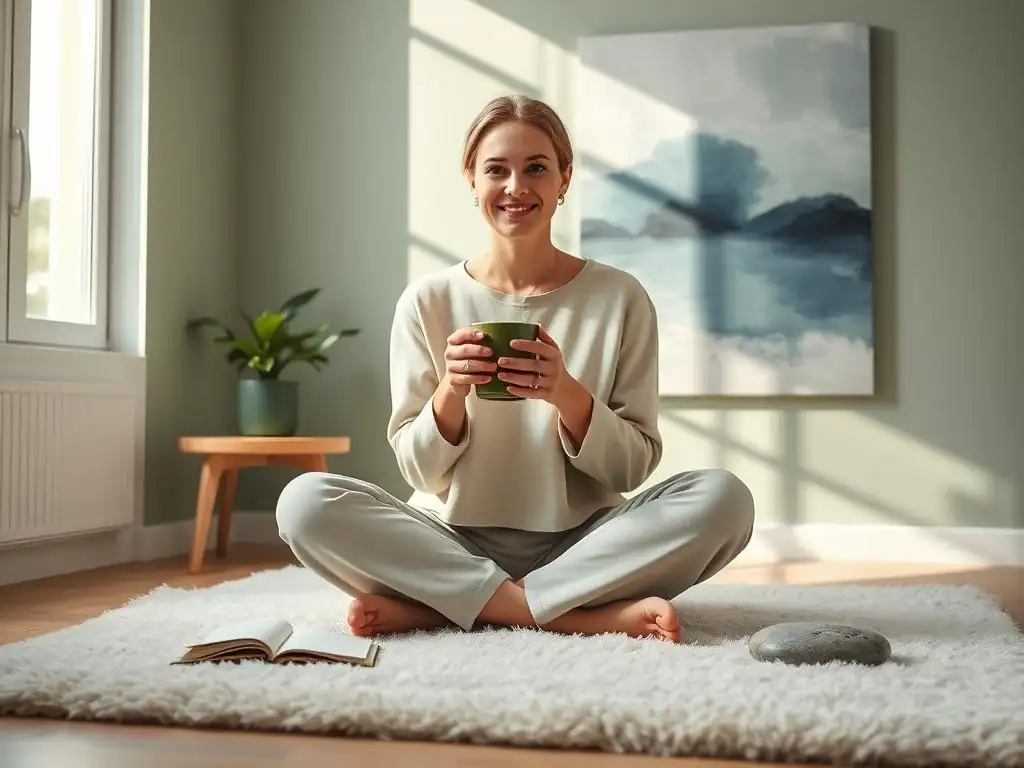
Physical Wellbeing: Prioritizing Your Health as a StepParent
The Importance of Regular Exercise for Stepparent Stress Reduction
Engaging in regular physical activity is one of the most effective ways to combat the stress inherent in stepparenting. Exercise releases endorphins, which are natural mood boosters and pain relievers, helping to alleviate tension and improve overall emotional state. Even moderate activity, like a brisk 30-minute walk most days of the week, has been shown to significantly reduce symptoms of anxiety and depression, conditions that can be exacerbated by the pressures of blended family life. Making time for movement is a tangible step in implementing StepParent selfcare strategies wellbeing.
Beyond stress relief, consistent exercise can improve sleep quality, increase energy levels, and boost self-esteem. For a busy stepparent, finding large blocks of time might be challenging, but even breaking activity into shorter segments, such as a 10-minute walk during a lunch break or a quick 15-minute home workout, can yield benefits. Prioritizing physical health through exercise is a foundational element of any comprehensive plan for stepparent wellbeing strategies.
Nourishing Your Body: Healthy Eating Habits for StepParent Energy
The demands of managing a blended household can be exhausting, making proper nutrition crucial for maintaining energy and focus. Eating balanced meals and snacks throughout the day helps stabilize blood sugar levels, preventing energy crashes and mood swings that can make navigating difficult family interactions even harder. While convenient processed foods might be tempting when time is short, they often lack the nutrients needed for sustained physical and mental energy.
Focusing on whole foods like fruits, vegetables, lean proteins, and complex carbohydrates provides the body with the fuel it needs to function optimally. Staying adequately hydrated by drinking plenty of water throughout the day is also vital, as dehydration can lead to fatigue and difficulty concentrating. Implementing healthy eating habits is a practical, daily form of self-care for stepparents that directly supports their ability to cope with stress and manage their responsibilities effectively.
Sleep Hygiene: Getting Enough Rest as a Busy StepParent
Sufficient, quality sleep is fundamental to emotional regulation, cognitive function, and overall resilience, all of which are essential for navigating the complexities of blended family dynamics. Chronic sleep deprivation can significantly impair judgment, increase irritability, and reduce tolerance for stress, making challenging situations feel insurmountable. Aiming for seven to nine hours of sleep per night should be a priority in any stepparent's self-care plan.
Establishing a consistent sleep schedule, creating a relaxing bedtime routine, and ensuring your bedroom is dark, quiet, and cool are key components of good sleep hygiene. Avoiding caffeine and alcohol before bed, and limiting screen time in the hour leading up to sleep, can also improve sleep quality. While the demands of family life can sometimes disrupt sleep, making conscious efforts to prioritize rest is a non-negotiable element of maintaining stepparent wellbeing and effectively utilizing StepParent selfcare strategies wellbeing.
Emotional Wellbeing: Managing Stress and Building Resilience
Identifying and Addressing StepParent Stressors
The first step in managing stress is recognizing its sources. For stepparents, common stressors can include navigating discipline differences with a partner, dealing with conflict involving an ex-partner, feeling like an outsider in the family, managing financial pressures related to multiple households, or experiencing a lack of appreciation for their efforts. Identifying specific triggers allows stepparents to develop targeted coping mechanisms.
Taking time to reflect on situations that cause significant stress, perhaps through journaling or talking with a trusted friend or therapist, can provide clarity. Once stressors are identified, stepparents can explore strategies like setting boundaries with challenging individuals, having open conversations with their partner about co-parenting approaches, or adjusting their expectations about the speed of family blending. Proactively addressing these specific challenges is a crucial part of building resilience and implementing effective StepParent selfcare strategies wellbeing.
Practicing Mindfulness and Meditation for Stepparents
Mindfulness and meditation are powerful tools for managing the emotional roller coaster that can be stepparenting. These practices involve focusing on the present moment without judgment, which can help stepparents detach from anxious thoughts about the future or ruminations about past conflicts. Regular practice, even for just 5-10 minutes a day, can reduce stress, improve emotional regulation, and increase a sense of calm amidst chaos.
Simple mindfulness techniques include focused breathing exercises, body scans, or mindful walking. Meditation can involve guided sessions or simply sitting quietly and observing your thoughts and feelings without getting caught up in them. Integrating mindfulness into your daily routine, such as during your commute or while doing chores, can help you stay grounded and respond more thoughtfully to challenging situations, enhancing your overall stepparent wellbeing strategies.
Journaling for Emotional Release and Clarity
Journaling provides a private and safe space for stepparents to process their complex emotions and gain perspective. Writing down thoughts and feelings can help identify patterns, clarify what's causing distress, and release pent-up emotions that might otherwise manifest as irritability or resentment. It's an accessible and effective way to practice self-reflection and emotional self-care.
There's no single right way to journal. Some stepparents might find free writing about their day helpful, while others prefer structured prompts like listing things they are grateful for, exploring challenging interactions, or writing letters (that won't be sent) to express difficult feelings. Consistent journaling, even a few minutes each day or week, can be a valuable tool for managing the emotional load of blended family life and supporting your overall wellbeing as a stepparent.
Setting Realistic Expectations for Yourself and Your Stepfamily
One of the most significant sources of stress for stepparents is holding onto unrealistic expectations. Many envision an instant Brady Bunch scenario where everyone loves each other immediately and transitions are seamless. The reality is that building trust and connection in a blended family takes years, not months, and there will inevitably be challenges, conflicts, and awkward moments. Expecting difficulties is not pessimistic; it's realistic and prepares you to handle them with greater patience.
Letting go of the fantasy of a perfect, conflict-free family is essential for stepparent wellbeing. Focus on building relationships gradually, respecting individual paces, and acknowledging that love and acceptance may develop over a long time, if at all, in the way you hoped. Setting realistic expectations for your role, your stepchildren's reactions, and the overall blending process reduces disappointment and allows you to appreciate the small victories and positive moments as they occur, which is key for long-term StepParent selfcare strategies wellbeing.
Maintaining Your Relationship with Your Partner
The relationship with your partner is the cornerstone of the blended family and crucial for stepparent wellbeing. When this relationship is strong and supportive, stepparents feel more secure, validated, and better equipped to handle the unique challenges they face. Conversely, conflict or distance in the couple relationship can amplify the difficulties of stepparenting and lead to increased stress and isolation.
Prioritizing dedicated time together, maintaining open and honest communication about family issues and personal feelings, and presenting a united front on parenting decisions are vital. Scheduling regular "date nights" or even just having uninterrupted conversations after the children are asleep helps nurture the couple bond. A strong partnership provides the foundation of support necessary for a stepparent to thrive and effectively implement StepParent selfcare strategies wellbeing.
Connecting with Other StepParents for Support and Shared Experiences
Feeling understood and validated is incredibly important for stepparents, who often face unique challenges that biological parents may not fully grasp. Connecting with other individuals who are also navigating the complexities of blended families can provide invaluable support, practical advice, and a sense of not being alone. Hearing from others who have faced similar situations can normalize your experiences and offer hope.
Support can come from various sources, such as online forums specifically for stepparents, local support groups, or simply connecting one-on-one with a friend or acquaintance who is also a stepparent. Sharing stories, frustrations, and even successes within a supportive community reinforces that your feelings are valid and helps build resilience. Seeking out these connections is a proactive step in building a robust support system for stepparent wellbeing strategies.
Creating Time for Friendships and Social Activities Outside the Family
While the blended family demands significant time and energy, maintaining friendships and engaging in social activities outside the family unit is crucial for preserving your identity and preventing burnout. These connections provide a break from family dynamics, offer different perspectives, and remind you of who you are beyond your role as a stepparent. Neglecting personal friendships can lead to isolation and exacerbate feelings of being overwhelmed.
Schedule regular time to connect with friends, whether it's a weekly coffee date, a monthly dinner, or just a phone call. Pursuing hobbies or interests independently of your partner and stepchildren is also a vital form of self-care. These activities recharge your batteries, provide a sense of personal fulfillment, and offer a necessary balance to the demands of blended family life, contributing significantly to your overall wellbeing as a stepparent.
Mental Wellbeing: Cognitive Strategies for Stepparent Success
Reframing Negative Thoughts and Promoting Positive Self-Talk
The challenges of stepparenting can sometimes lead to negative thought patterns, such as feeling like a failure, believing you'll never be accepted, or constantly criticizing your actions. These thoughts can erode self-esteem and contribute to feelings of hopelessness. Learning to identify and challenge these negative thoughts is a powerful cognitive strategy for improving mental wellbeing.
When you notice a negative thought, ask yourself if it's truly accurate or if there's a more balanced perspective. For example, instead of thinking "I'm a terrible stepparent because my stepchild ignored me," try reframing it as "My stepchild is navigating their own feelings, and their reaction isn't necessarily a reflection of my worth or effort. I'm doing my best in a complex situation." Practicing positive self-talk and acknowledging your efforts and strengths helps build resilience and supports your StepParent selfcare strategies wellbeing.
Learning to Let Go of Control and Embrace Flexibility
Blended families involve many factors outside a stepparent's direct control – the other biological parent's actions, the children's feelings and allegiances, court orders, and pre-existing family cultures. Attempting to control every aspect can lead to immense frustration and stress. A key cognitive strategy for stepparent wellbeing is learning to accept what you cannot control and focusing your energy on what you can influence.
Embracing flexibility is also vital. Plans may change unexpectedly due to co-parenting issues or children's needs. Being able to adapt and roll with the punches reduces anxiety and makes navigating transitions smoother. Focus on managing your own reactions, setting healthy boundaries where possible, and concentrating on building positive relationships within your sphere of influence. This shift in perspective is crucial for maintaining peace of mind and effectively implementing StepParent selfcare strategies wellbeing.
Seeking Professional Support When Needed: Therapy and Counseling for StepParents
Navigating the unique challenges of blended families can be overwhelming, and there is no shame in seeking professional help. Therapists and counselors specializing in family dynamics or blended families can provide valuable support, coping strategies, and an unbiased perspective. They can help stepparents process complex emotions, improve communication skills, and navigate difficult relationships with partners, stepchildren, or ex-partners.
Individual therapy can provide a safe space for a stepparent to explore their feelings and develop personal coping mechanisms. Couple's counseling can help partners strengthen their relationship, improve communication about parenting decisions, and present a more united front. Family therapy might be beneficial for addressing dynamics involving stepchildren. Seeking professional support is a proactive and effective StepParent selfcare strategy wellbeing that demonstrates strength and commitment to personal and family health.
Building a Sustainable Self-Care Routine as a StepParent
Identifying Your Self-Care Needs and Priorities
Creating a sustainable self-care routine begins with understanding what activities genuinely recharge and nourish you, and which areas of your wellbeing require the most attention. Are you feeling physically exhausted, emotionally drained, or socially isolated? Reflect on what activities make you feel better – it could be reading, exercising, spending time in nature, pursuing a hobby, or connecting with friends.
Consider your current stress levels and the specific challenges you face as a stepparent. Rank your needs – perhaps getting more sleep is the most urgent priority, followed by finding time for physical activity and connecting with your partner. Identifying these needs and setting clear priorities is the foundation for building a self-care routine that is both effective and realistic within the context of your blended family life, supporting your long-term stepparent wellbeing.
Creating a Realistic Self-Care Schedule
Once you've identified your needs, the next step is to integrate self-care into your schedule in a realistic way. This doesn't mean blocking out hours every day, which may not be feasible. Instead, look for small pockets of time that you can dedicate to self-care activities. Could you wake up 15 minutes earlier for quiet time? Can you take a 20-minute walk during lunch? Is there an hour on the weekend you can dedicate to a hobby?
Be specific when scheduling. Instead of just saying "exercise," schedule "30-minute walk at 7 AM on Monday, Wednesday, Friday." Treat these appointments with yourself as non-negotiable as possible. It's also important to be flexible; some days things won't go according to plan, and that's okay. The goal is consistency over perfection. A realistic schedule makes implementing your StepParent selfcare strategies wellbeing achievable amidst the demands of family life.
Incorporating Small Acts of Self-Care into Your Daily Life
Self-care doesn't always require dedicated blocks of time. You can weave small, mindful acts into your daily routine to help manage stress and stay grounded. These small acts can accumulate over time and significantly contribute to your overall wellbeing. The key is to be intentional about finding moments for yourself throughout the day.
Examples include taking three deep breaths before responding to a challenging comment, listening to a favorite song while commuting, savoring a cup of tea or coffee quietly for five minutes, practicing gratitude by listing three things you're thankful for before bed, or taking a short walk during a break. These micro-moments of self-care for stepparents help break cycles of stress and provide brief but meaningful opportunities to reset and recharge.
Avoiding StepParent Burnout: Recognizing Warning Signs and Taking Action
StepParent burnout is a real risk given the unique pressures involved. It manifests as chronic exhaustion, increased irritability, feelings of resentment towards family members, withdrawal from relationships, loss of interest in activities you once enjoyed, and sometimes physical symptoms like headaches or digestive issues. Recognizing these warning signs early is crucial for preventing complete depletion.
If you notice signs of burnout, it's time to take deliberate action. This might involve adjusting your self-care routine, delegating tasks, setting stronger boundaries, reducing non-essential commitments, or seeking additional support from your partner, friends, or a professional. Ignoring the signs of burnout will only make things worse; proactively addressing them is essential for maintaining your health and your ability to function effectively within the blended family, ensuring the sustainability of your StepParent selfcare strategies wellbeing.
Long-Term Wellbeing for StepParents: Maintaining a Healthy Balance

Continuously Evaluating and Adjusting Your Self-Care Strategies
Self-care is not a one-time fix; it's an ongoing process. Your needs and the dynamics of your blended family will change over time as children grow, relationships evolve, and circumstances shift. What worked for your wellbeing a year ago might not be as effective today. Therefore, it's important to regularly evaluate your self-care strategies and be willing to adjust them as needed.
Set aside time periodically, perhaps quarterly, to check in with yourself. How are you feeling physically and emotionally? Are your current self-care practices meeting your needs? Are there new stressors or challenges you need to address? Be flexible and willing to experiment with different activities or approaches. This continuous evaluation ensures your StepParent selfcare strategies wellbeing remain relevant and effective over the long term.
Fostering Open Communication within the Stepfamily
Open and honest communication is vital for building trust and managing expectations within a blended family, which directly supports stepparent wellbeing. Encourage open dialogue with your partner about your feelings, challenges, and needs regarding stepparenting. Discussing expectations, boundaries, and parenting approaches together strengthens your partnership and reduces misunderstandings.
Age-appropriate communication with stepchildren is also important. While you may not discuss adult issues, creating an environment where children feel heard and understood, and where expectations are clear, can reduce conflict and build connection over time. Fostering this kind of communication reduces stress for everyone involved and contributes to a healthier family environment, which in turn supports your ongoing stepparent wellbeing.
Celebrating Small Victories and Focusing on the Positive Aspects of StepParenting
Stepparenting can feel like a constant uphill battle, making it easy to get bogged down in the challenges and frustrations. To maintain long-term wellbeing, it's essential to consciously shift your focus and celebrate the small victories and positive moments that occur. These moments, however brief, are signs of progress and connection.
Did you have a pleasant conversation with a stepchild? Did the family enjoy a meal together without conflict? Did your partner validate your efforts? Acknowledge and appreciate these moments. Keep a gratitude journal, share positive experiences with your partner, or simply take a moment to savor the good times. Focusing on the positive aspects helps balance the difficulties, builds resilience, and reinforces the value of your role and your efforts in implementing StepParent selfcare strategies wellbeing.
Resources for StepParent Self-Care and Support
Navigating the unique landscape of blended families can be challenging, but support is available. Many resources exist to help stepparents prioritize their wellbeing and find connection.
These resources can include books specifically written about blended family dynamics and stepparenting, offering insights and practical advice. Online communities and social media groups provide platforms for connecting with other stepparents facing similar situations, offering peer support and validation. Additionally, seeking guidance from mental health professionals, such as therapists or counselors who specialize in family systems or blended families, can provide personalized strategies and support for managing stress and improving relationships.
Frequently Asked Questions
What are some of the biggest challenges step-parents typically face that might negatively impact their wellbeing?
Step-parents often experience role ambiguity, difficulty establishing authority with stepchildren, and potential conflict with the biological parent. This can lead to increased stress and feelings of inadequacy, impacting mental and emotional wellbeing.
Why is self-care especially important for step-parents?
Step-parenting can be incredibly demanding. Prioritizing self-care helps step-parents manage stress, prevent burnout, and maintain their own mental and physical health, allowing them to be more present and effective.
What are some practical self-care strategies that step-parents can easily incorporate into their daily routine?
Simple strategies include scheduling dedicated downtime, practicing mindfulness or meditation, engaging in hobbies, and maintaining a strong support network of friends, family, or therapists.
How can step-parents address feelings of isolation or resentment that may arise from their step-parenting role?
Acknowledging and validating these feelings is crucial. Seeking therapy, joining a step-parent support group, or communicating openly with their partner can provide valuable support and coping mechanisms.
Numerous online resources, books, and therapists specialize in step-family dynamics. Look for resources specifically tailored to step-parenting and mental health to gain valuable insights and support.
Final Reflection: Nurturing the Unsung Heroes of the Family
The unique challenges faced by stepparents often go unseen, leaving them feeling overwhelmed and depleted. This lack of acknowledgment contributes to a significant wellbeing crisis within the stepfamily dynamic. Ignoring the needs of stepparents not only impacts their individual health but also undermines the stability and happiness of the entire family unit.
The journey of a stepparent is a complex tapestry woven with threads of love, loyalty, and often, immense pressure. It requires a constant recalibration of expectations, boundaries, and emotional investment. The emotional labor involved is frequently underestimated, leading to burnout and feelings of isolation. The most important thing is to be kind to yourself, because nobody else is going to be as kind to you as you can be.
This quote rings particularly true for stepparents who often prioritize the needs of others above their own.
Now, consider your own journey. What steps can you take today to prioritize your wellbeing? Perhaps it's scheduling a regular "me-time" activity, seeking support from a therapist specializing in stepfamily dynamics, or simply carving out moments of quiet reflection. Remember, self-care isn't selfish; it's an act of self-preservation that strengthens your ability to nurture your family and yourself. Embrace the power of self-compassion and build a life where your wellbeing is not just a priority, but a foundational element of your happiness and success as a stepparent.
Ignite Your Step-Parenting Journey: Prioritize Your Wellbeing
Thank you for taking the time to explore self-care strategies for step-parents. We hope you found valuable insights to support your unique journey. Now it's time to put these ideas into action!
- Prioritize one self-care activity this week: Choose just one thing from the article – even a small step like a 15-minute walk – and make it a non-negotiable part of your schedule. This is your starting point.
- Share this article with a fellow step-parent: Connecting with others who understand your experience can be incredibly powerful. Let's build a supportive community together!
- Explore one new relaxation technique: Try a guided meditation, deep breathing exercises, or a new hobby – anything that helps you recharge and de-stress.
What's one small step you can take today to invest in your wellbeing? Share your thoughts below!