
Honoring Past Losses While Building a New Blended Family

Welcome to Mind Care Guide, a safe space dedicated to your mental well-being.
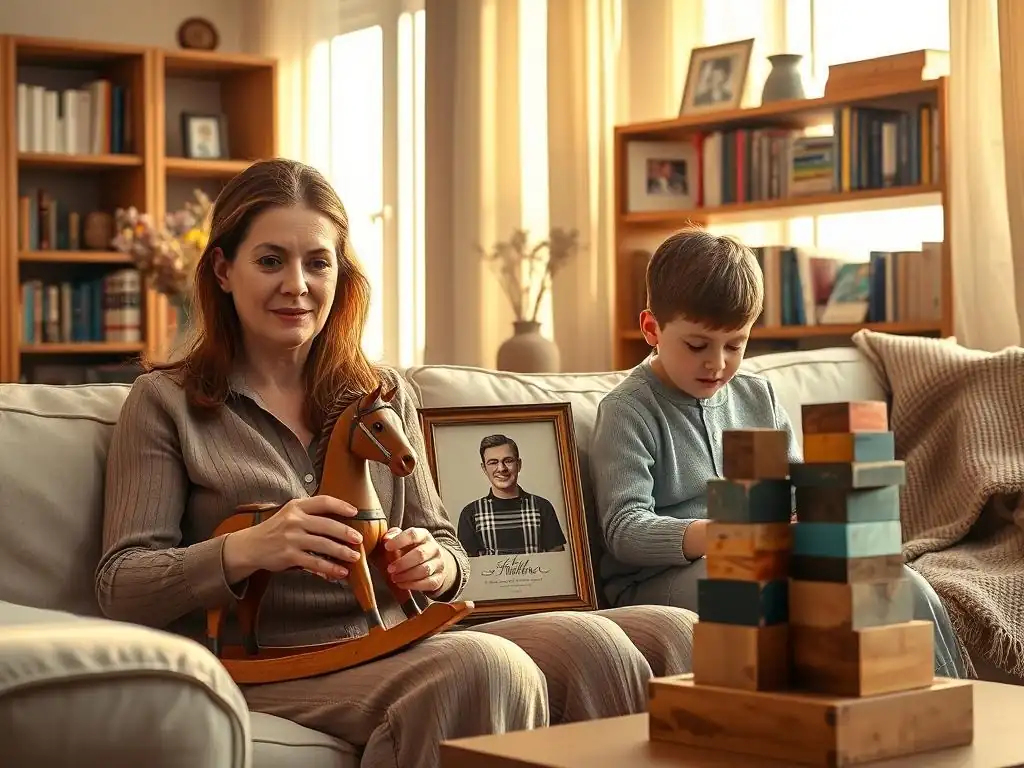
We understand that navigating life's complexities can be challenging, especially when dealing with loss and change. Are you part of a blended family facing the unique complexities of grief? In this article, we delve into Navigating blended family grief support, offering compassionate guidance and practical tools to help you honor past losses while building a strong, loving future together. Discover how to foster open communication and understanding within your family – your journey towards healing and connection starts here.
- Honoring Past Losses While Building a New Blended Family: A Mind Care Guide
- Understanding Grief in Blended Families: The Foundation for Healing
- Navigating Blended Family Grief Support: Practical Strategies
- Honoring Past Losses: Integrating Memories into the Blended Family
- Building a Strong Foundation for Your Blended Family: Moving Forward with Hope
- Supporting Children Through Grief in Blended Families: Specific Considerations
- Coping with Anniversary Reactions and Special Occasions: Managing Grief Triggers
- Self-Care for Parents in Blended Families: Prioritizing Your Own Well-being While Supporting Others
- Long-Term Grief Management in Blended Families: Sustaining Healthy Relationships
- Resources for Blended Family Grief Support: Where to Find Help
-
Frequently Asked Questions
- How does grief manifest differently in blended families compared to traditional families?
- What are some effective strategies for communicating about grief in a blended family setting?
- How can blended families honor the memories of deceased loved ones while creating new family traditions?
- What resources are available for blended families struggling with grief and loss?
- How can parents in blended families help children navigate their grief and adjust to new family dynamics?
- Final Reflection: Weaving a Tapestry of Grief and Hope
- Rediscover Your Strength: Building a Thriving Blended Family
Honoring Past Losses While Building a New Blended Family: A Mind Care Guide
Building a blended family is a journey filled with unique joys and challenges. While celebrating new beginnings, it's crucial to acknowledge and address the past losses that each family member brings. Grief, whether from death, divorce, or other significant changes, doesn't simply disappear when new relationships form. Effectively navigating blended family grief support is vital for creating a healthy and resilient family unit. This guide explores how to honor the past while building a hopeful future together.
Understanding Grief in Blended Families: The Foundation for Healing
Acknowledging Individual Grief Experiences in Blended Families
Every individual entering a blended family carries their own history of loss. This can range from the death of a spouse or parent to the grief associated with divorce, the loss of a previous family structure, or even the loss of expectations about what family life "should" be.
It's essential to recognize that grief is a highly personal experience, and how one person processes loss may differ significantly from another. For example, a child might grieve the loss of daily contact with a non-custodial parent after a divorce, while a stepparent might grieve the loss of their own previous family unit or the challenges of integrating into a new one.
Research indicates that grief is not linear and can resurface years after the initial loss, especially during significant life events like forming a blended family. Studies on stepfamilies often highlight that unresolved grief from prior relationships is a major stressor. For instance, one parent might still be processing the death of a first spouse, while the other is dealing with the emotional aftermath of a difficult divorce. Acknowledging these distinct, personal grief journeys is the first step in successfully navigating blended family grief support and fostering empathy within the new household.
Recognizing the Unique Challenges of Loss in New Family Dynamics
Blended families face specific challenges related to loss that differ from traditional nuclear families. Members may feel loyalty conflicts between their past family and the new one. Children, in particular, might struggle with the idea of "replacing" a lost parent or family structure. There can also be competition for attention, resources, and affection, often rooted in anxieties stemming from past losses or perceived instability.
Furthermore, differing family cultures and traditions, often tied to past family experiences and losses, can create friction. A stepparent might struggle to understand a stepchild's need to uphold a tradition established with a deceased parent, or a child might feel uncomfortable participating in new rituals that feel disloyal to their past. Navigating blended family grief support means understanding that these unique dynamics require patience, open communication, and a willingness to create space for both the past and the present.
The Impact of Unresolved Grief on Blended Family Relationships
When grief is not acknowledged or processed, it can significantly erode the foundation of a blended family. Unresolved grief can manifest as irritability, withdrawal, emotional outbursts, difficulty forming attachments, or even physical health issues. Parents struggling with their own grief may have less emotional capacity to support their children or new partner. Children with unaddressed grief might exhibit behavioral problems at home or school, struggle academically, or have difficulty bonding with stepparents and stepsiblings.
This lack of emotional processing can create distance, misunderstanding, and conflict within the family. For example, a stepparent might misinterpret a stepchild's withdrawal as rejection, when it's actually a manifestation of unresolved grief related to a past loss. Conversely, a child might resent a stepparent who seems to dismiss their feelings about a deceased parent. Effectively navigating blended family grief support requires recognizing these potential impacts and proactively addressing grief to build stronger, more connected relationships.
Establishing an environment where everyone feels safe to express their feelings about past losses is paramount in a blended family. This doesn't mean forcing discussions, but rather signaling that it's okay to talk about sadness, anger, confusion, or longing related to previous family structures or lost loved ones. Parents should model this openness by sharing their own feelings in an age-appropriate manner, demonstrating that grief is a normal and valid emotion.
Regular family meetings can provide a structured opportunity for check-ins, allowing members to share what's on their minds, including feelings related to past losses. For example, a family might dedicate five minutes at dinner each week for anyone to share a memory of someone they miss. Using "I" statements ("I feel sad when...") can help express emotions without blame. Creating this safe space is a core component of successfully navigating blended family grief support.
Validating Feelings: Acknowledging and Respecting Individual Experiences of Loss
Validation is key to helping family members feel seen and understood in their grief. This means listening without judgment and acknowledging the legitimacy of their feelings, even if you don't fully grasp the depth of their pain or if their reaction seems disproportionate to you. Phrases like "It sounds like you're really hurting," "I can see this is difficult for you," or "It makes sense that you would feel that way" can be incredibly powerful. Avoid minimizing their loss or trying to "fix" their feelings.
Respecting individual experiences also means understanding that grief timelines differ. One person might seem to move forward quickly, while another takes years to process a similar loss. For instance, a child might seem fine for months and then suddenly express intense sadness about a deceased parent during a holiday. Respecting these fluctuations and offering consistent validation is crucial for navigating blended family grief support effectively.
Establishing New Traditions: Balancing Old Memories with New Family Customs
Blended families often grapple with how to honor existing traditions tied to past losses while creating new ones that encompass the whole family. This requires sensitivity and compromise. Instead of replacing old traditions entirely, explore ways to adapt them or create new ones that build upon the family's combined history. For example, if one side of the family always baked a specific type of cookie with a deceased grandparent, perhaps the new blended family can learn that recipe together and make it a new shared activity.
Creating entirely new traditions provides opportunities for the blended family to bond and create shared memories that are unique to their new unit. This could be a new annual camping trip, a specific movie night routine, or a unique way of celebrating birthdays. The goal is to find a balance that acknowledges the importance of past memories and connections while actively building a shared future. This delicate balance is a significant part of navigating blended family grief support.
Honoring Past Losses: Integrating Memories into the Blended Family
Creating Memorials and Remembrance Rituals
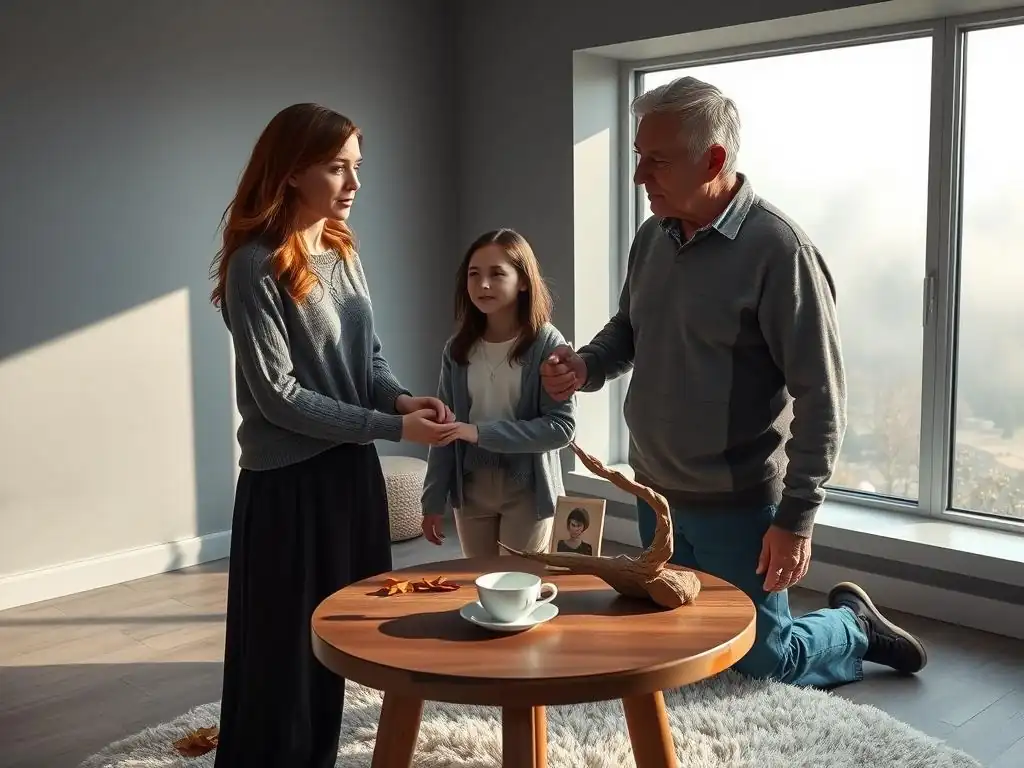
Finding tangible ways to remember loved ones who are no longer present is vital. This can involve creating physical memorials, such as a photo album, a special shelf for mementos, or even planting a tree in their honor. Remembrance rituals can be simple but meaningful, like lighting a candle on an anniversary, visiting a significant place, or dedicating an activity to their memory.
For example, a family might create a "memory box" where everyone can place notes, photos, or small items related to loved ones who are gone. On special occasions, they might open the box and share memories. These practices provide concrete ways for family members, especially children, to feel connected to their past and integrate those important relationships into the present blended family structure. This proactive approach is key to navigating blended family grief support.
Talking about loved ones who have passed away or are no longer part of the daily family life is a powerful way to keep their memory alive and help family members process their loss. Encourage sharing stories, both happy and sad, about these individuals. Looking at old photos together can spark conversations and provide a sense of continuity.
It's important that this sharing feels natural and unforced. Stepparents and stepsiblings should be invited to listen and learn about these significant people, fostering a sense of inclusion and understanding. For instance, a parent might share a funny anecdote about their deceased spouse, allowing their new partner and stepchildren to glimpse that person's personality. This open sharing is a crucial element in successfully navigating blended family grief support.
Integrating Family Histories: Weaving Together Past and Present
A blended family is a tapestry woven from multiple threads of history. Acknowledging and integrating these different family histories helps everyone feel a sense of belonging. This can involve creating a family tree that includes all branches, discussing family origins and cultural backgrounds, and visiting places that are significant to each side of the family's history.
Understanding the stories, values, and traditions that each person brings from their past family unit can foster empathy and reduce potential misunderstandings. For example, learning about the challenges one side of the family faced after a divorce can help others understand their current anxieties about stability. Weaving together these histories creates a richer, more complex, and more resilient family identity. This conscious effort is part of navigating blended family grief support with compassion.
Building a Strong Foundation for Your Blended Family: Moving Forward with Hope
Setting Realistic Expectations: Understanding the Adjustment Period
Building a blended family takes time and effort. It's crucial to have realistic expectations about the adjustment period, which can often last for several years. Instantaneous bonding is rare, and it's normal for there to be awkwardness, friction, and challenges as everyone finds their place. Expecting a "Brady Bunch" scenario overnight can lead to disappointment and frustration.
Understanding that grief and adjustment are ongoing processes is part of setting these realistic expectations. There will be good days and bad days, setbacks and triumphs. Patience, perseverance, and a commitment to open communication are essential during this phase. Recognizing that difficulty is normal is a vital step in navigating blended family grief support without undue pressure.
While addressing grief is important, equally vital is actively building new positive connections within the blended family. Shared activities provide opportunities for bonding, creating new memories, and fostering a sense of unity. These activities don't need to be elaborate; simple things like family game nights, cooking together, going for walks, or watching movies can strengthen relationships.
Encourage activities that allow for interaction and shared enjoyment, rather than just passive consumption. The focus should be on spending quality time together and getting to know each other's personalities, interests, and strengths. These shared experiences help to build a positive foundation that can counterbalance the challenges of navigating blended family grief support.
Seeking Professional Support: When to Consider Therapy or Counseling for Blended Family Grief
Sometimes, the complexities of blended family dynamics and grief become overwhelming, and professional support is necessary. Therapy or counseling can provide a neutral space for family members to express their feelings, learn coping strategies, and improve communication. A therapist specializing in family therapy or grief counseling can help the family navigate difficult conversations, understand each other's perspectives, and develop healthier ways of interacting.
Signs that professional help might be beneficial include persistent conflict, withdrawal or isolation of family members, significant behavioral problems in children, or a feeling that the family is stuck and unable to move forward. Seeking therapy is a sign of strength and a commitment to the family's well-being. Professional guidance is an invaluable resource when navigating blended family grief support and building a healthy future.
Supporting Children Through Grief in Blended Families: Specific Considerations
Age-Appropriate Communication: Explaining Loss in a Way Children Can Understand
Talking to children about loss requires sensitivity and using language they can comprehend. Avoid euphemisms like "passed away" or "gone to sleep," which can be confusing or frightening. Use clear, simple terms appropriate for their developmental stage. For young children, focus on concrete facts and reassurance. For older children and teenagers, you can have more complex conversations and address their specific questions and concerns.
It's important to be honest, but also to provide reassurance about their safety and the stability of the new family. Children often worry about who will take care of them after a loss or change. Tailoring your communication to each child's age and personality is crucial for effectively navigating blended family grief support for the younger members of the family.
Providing Extra Support and Comfort: Recognizing Signs of Grief in Children
Children's grief can manifest differently than adults'. They may not express sadness verbally but might exhibit changes in behavior, such as increased irritability, clinginess, regression (like bedwetting), difficulty sleeping, academic problems, or withdrawal from friends and activities. It's important for parents and stepparents to be attuned to these signs and offer extra comfort and support.
This support might involve spending more one-on-one time with the child, providing physical affection, maintaining consistent routines, and allowing them to express their feelings through play, art, or writing. Patience is key, as children may cycle through different emotions and behaviors as they process their loss. Providing consistent, empathetic support is a vital part of navigating blended family grief support for children.
Blended families often experience sibling rivalry, which can be exacerbated by issues related to past losses. Children might feel jealous of the time or attention given to stepsiblings, especially if it feels like a "replacement" for time they had with a lost parent or sibling. They might also compete for resources or parental affection, sometimes rooted in anxieties about their place in the new family hierarchy.
Addressing these issues requires open conversations about feelings, setting clear boundaries, ensuring that each child feels valued and loved for who they are, and avoiding comparisons between children from different sides of the family. Helping children understand that love is not a finite resource and that there is enough care and attention to go around is crucial. Managing these complex dynamics is an important aspect of navigating blended family grief support.
Coping with Anniversary Reactions and Special Occasions: Managing Grief Triggers

Planning Ahead: Anticipating and Preparing for Difficult Dates
Anniversaries of deaths, divorces, or other significant losses, as well as holidays and birthdays, can be particularly challenging for blended families. These dates often trigger intense grief reactions. Planning ahead for these occasions can help mitigate some of the pain and anxiety. Discuss as a family how you want to acknowledge these dates, allowing individuals to express their needs and preferences.
For example, a family might decide that on the anniversary of a parent's death, the biological parent and children will spend some quiet time together remembering, while the stepparent and stepsiblings respect that need for space but perhaps plan a different family activity for later in the day. Anticipating the emotional intensity of these dates is crucial for effectively navigating blended family grief support.
Creating New Traditions: Honoring Loved Ones in Meaningful Ways
As mentioned earlier, creating new traditions around special occasions can help blend the past and present. This is particularly relevant for anniversaries and holidays. Instead of feeling pressured to replicate past celebrations exactly, find ways to honor loved ones within the context of the new blended family. This could involve incorporating a specific ritual, preparing a favorite dish, or sharing stories.
For instance, on a holiday, the family might light a candle in memory of those who are no longer with them or share a favorite memory of a deceased grandparent before opening gifts. These new traditions provide a way to acknowledge the past while creating new, shared experiences as a blended family. This creative approach is part of navigating blended family grief support with sensitivity.
Allowing for Flexibility: Understanding That Grief Can Resurface Unexpectedly
Despite planning, grief can resurface unexpectedly, triggered by a song, a smell, a place, or a sudden memory. It's important to allow for flexibility and understand that even on days that are not anniversaries, someone might experience a wave of sadness or longing. Create a family environment where it's okay to have these moments and where support is available.
This means being prepared to pause, listen, and offer comfort when grief emerges. For example, if a child becomes unexpectedly upset after seeing something that reminds them of a lost parent, the family can take a moment to acknowledge their feelings and offer support, rather than trying to rush past it. This adaptability is key to navigating blended family grief support on an ongoing basis.
Self-Care for Parents in Blended Families: Prioritizing Your Own Well-being While Supporting Others
Recognizing Signs of Burnout: Identifying When You Need to Recharge
Parents in blended families often juggle multiple roles and responsibilities, while also navigating their own grief and supporting others through theirs. This can be emotionally and physically exhausting, leading to burnout. Signs of burnout include chronic fatigue, irritability, feeling overwhelmed, difficulty concentrating, withdrawal from social activities, and changes in sleep or appetite.
It's critical for parents to recognize these signs and take steps to recharge. Trying to be everything to everyone all the time is unsustainable. Prioritizing your own well-being is not selfish; it's essential for your ability to effectively parent and support your family. Recognizing these signs is a crucial step in navigating blended family grief support effectively for yourself and your partner.
Practicing Self-Compassion: Being Kind to Yourself During a Difficult Time
Building a blended family and navigating grief is challenging work, and it's important to be kind to yourself throughout the process. Avoid self-blame or the expectation that you should handle everything perfectly. Acknowledge that you are doing your best in a complex situation. Treat yourself with the same patience and understanding you would offer a friend going through a similar experience.
Self-compassion involves accepting that there will be mistakes, difficult moments, and times when you feel inadequate. Instead of dwelling on perceived failures, acknowledge the challenges and focus on learning and growing. This practice is fundamental for sustaining your emotional resilience while navigating blended family grief support.
Seeking Support from Other Blended Family Parents: Sharing Experiences and Strategies
Connecting with other parents in blended families can provide invaluable support and a sense of community. Sharing experiences, challenges, and successes with others who understand the unique dynamics of blended families can reduce feelings of isolation and provide practical strategies for coping.
This support can come from informal networks of friends, online forums, or formal support groups. Hearing how others have navigated similar situations, such as managing stepsibling relationships or handling anniversary reactions, can offer new perspectives and hope. Connecting with peers is a powerful form of support when navigating blended family grief support.
Long-Term Grief Management in Blended Families: Sustaining Healthy Relationships
Continuing Open Communication: Maintaining a Dialogue About Grief and Loss
Grief is not something that simply "ends." It evolves over time, and memories and feelings about past losses will continue to be a part of the blended family's life. Therefore, maintaining open communication about grief and loss on an ongoing basis is essential for long-term health and resilience. This means continuing to create space for sharing feelings, acknowledging difficult dates, and being responsive to the emotional needs of family members.
Regular check-ins, whether formal or informal, can help ensure that no one is silently struggling. As children grow, their understanding and experience of grief may change, requiring new conversations and support. Continuing this dialogue is fundamental for navigating blended family grief support throughout the family's journey.
Adapting and Evolving: Adjusting Strategies as Children Grow and Family Dynamics Change
The strategies for navigating blended family grief support that work when children are young may need to be adjusted as they enter adolescence and adulthood. As family dynamics shift, with children leaving home or new relationships forming, the impact of past losses may also be felt differently. Be prepared to adapt your approaches to communication, remembrance rituals, and support as the family evolves.
For example, teenagers might prefer to process their grief more privately or with peers, while adult stepchildren might need different kinds of support regarding their relationship with their stepparents and stepsiblings. Flexibility and a willingness to evolve your strategies are key to sustaining healthy relationships over the long term while navigating blended family grief support.
Celebrating Progress: Recognizing and Appreciating the Strength of Your Blended Family
While acknowledging the challenges and grief is important, it's equally crucial to celebrate the progress and strengths of your blended family. Recognize the effort everyone is making to build a new life together. Acknowledge the bonds that are forming, the new traditions being created, and the resilience shown by all family members.
Celebrating small victories and milestones reinforces the positive aspects of the blended family and provides hope for the future. This could be something as simple as a successful family outing, a moment of unexpected connection between stepsiblings, or navigating a difficult anniversary with empathy and support. Appreciating the strength you are building together is a vital part of navigating blended family grief support and fostering long-term well-being.
Resources for Blended Family Grief Support: Where to Find Help
Books and Articles on Blended Families and Grief
Numerous resources offer insights and guidance on the unique challenges of blended families and grief. Look for books that specifically address the emotional complexities of stepfamilies, divorce, and loss. Articles from reputable sources like psychology websites, family therapy associations, and grief support organizations can also provide valuable information and strategies.
Online Support Groups and Forums
Connecting with others who are navigating similar experiences can be incredibly helpful. Online support groups and forums dedicated to blended families, step-parenting, or grief support offer a space to share challenges, ask questions, and receive encouragement from peers who understand.
Therapists and Counselors Specializing in Family Therapy and Grief Counseling
For more in-depth support, consider seeking professional help from a therapist or counselor who specializes in family therapy, blended families, or grief counseling. These professionals can provide tailored guidance, facilitate communication, and offer therapeutic interventions to help individuals and the family as a whole process grief and build healthier relationships.
Frequently Asked Questions
How does grief manifest differently in blended families compared to traditional families?
Grief in blended families can be more complicated due to pre-existing family dynamics, loyalty conflicts, and differing grieving styles among members who may not have a shared history. This can lead to misunderstandings and strained relationships.
What are some effective strategies for communicating about grief in a blended family setting?
Open and honest communication is crucial. Active listening, empathy, and creating a safe space for everyone to express their feelings are essential. It's important to acknowledge everyone's individual experiences and avoid comparisons.
How can blended families honor the memories of deceased loved ones while creating new family traditions?
Finding a balance is key. Blended families can incorporate elements of the past into new traditions, such as sharing stories or preparing favorite recipes from deceased loved ones, ensuring they are remembered with respect.
What resources are available for blended families struggling with grief and loss?
Many resources can help, including therapists specializing in family therapy, grief counseling, and support groups for blended families. Online resources like Mind Care Guide can also offer valuable information and support.
Parents should provide consistent support and reassurance, validate their children's feelings, and be patient with the adjustment process. Clear communication about family changes and expectations is also very important.
Final Reflection: Weaving a Tapestry of Grief and Hope
The complexities of blended families are often underestimated, particularly when navigating the emotional landscape of past losses. The unique challenges of integrating existing grief into a new family unit require a delicate balance of honoring the past while embracing the future. This is not simply a matter of logistics; it's a deeply personal journey requiring empathy, understanding, and a commitment to healing.
The impact of past loss on a blended family is profound and far-reaching. It shapes the dynamics, influences communication styles, and can even dictate the overall family culture. The process of integrating these experiences requires open communication, active listening, and a willingness to acknowledge the validity of each individual's grief. Grief is not a disorder, it is a process.
This simple statement highlights the importance of allowing space for the natural unfolding of emotions within the family unit, rather than attempting to suppress or ignore them. It's about creating a safe space where everyone feels seen, heard, and understood.
You, the reader, are now equipped with a deeper understanding of the complexities involved in navigating grief within a blended family. Consider how you can apply these insights to your own life, whether you are building a blended family or supporting someone who is. Embrace vulnerability, foster open communication, and remember that healing is a journey, not a destination. By acknowledging the past and actively working towards a future filled with love and understanding, you can create a strong and resilient blended family that honors both loss and the promise of new beginnings.
Rediscover Your Strength: Building a Thriving Blended Family
Thank you for taking the time to explore the complexities of building a strong blended family while honoring past losses. We hope this article provided valuable insights and support during this journey. Now, it's time to move forward!
- Prioritize open communication: Schedule a dedicated family meeting this week to discuss openly and honestly about your feelings and expectations. This is the cornerstone of a healthy blended family.
- Create a shared family ritual: Start a new tradition – a weekly game night, a monthly family dinner, or even a special morning routine – to foster a sense of unity and belonging. This could be surprisingly impactful!
- Share your experience: Let's build a supportive community! Share your thoughts and experiences in the comments below. What unique challenges or successes have you encountered while building your blended family?
What small step can you take today to strengthen your blended family bonds?