
Helping Young Children Adapt to StepParents and StepSiblings

Welcome to Mind Care Guide.
Navigating family changes can be tough, especially for our little ones. Are you finding it difficult to support your child through the complexities of blending families? You're not alone. Many parents grapple with the challenges of stepfamily adjustment. This guide provides empathetic insights and practical strategies to help your child thrive in their new family dynamic. Let's explore how to ease the transition and foster a positive, supportive environment together.
- Building Positive Relationships with New Partners and Step-Families
- Navigating Co-Parenting Effectively
- Addressing Common Challenges in Blended Families
- Promoting Healthy Family Dynamics
- Resources for Separated and Blended Families
-
Frequently Asked Questions
- How can I prepare my child for the introduction of a stepparent?
- What are some common challenges children face when adjusting to stepfamilies?
- How can I foster a positive relationship between my child and their stepparent?
- What role should the biological parent play in supporting their child's adjustment to a stepfamily?
- When should I seek professional help for my child's stepfamily adjustment?
- Final Reflection: Weaving a New Family Tapestry
- Unlock a Harmonious Family: Your Next Steps to Stepfamily Success
Building Positive Relationships with New Partners and Step-Families
Introducing new significant adults and children into a child's life is a pivotal phase in the stepfamily adjustment for children. This process requires patience, sensitivity, and a deliberate approach to ensure everyone feels secure and valued. It's not uncommon for children to feel a mix of curiosity, anxiety, or even resentment towards new family members, making the initial interactions crucial for laying a positive foundation.
Successfully integrating new members involves careful planning and open communication among the adults. The goal is not to replace existing relationships but to expand the child's circle of support and affection. Navigating the complexities of these new bonds significantly impacts a child's overall well-being and their ability to adapt to the blended family structure.
Introducing New Partners Gradually
Bringing a new partner into a child's life should be a slow, thoughtful process, not a sudden announcement or immediate integration into daily life. Experts often recommend waiting until the parental relationship is serious and stable before introducing the partner, allowing the child time to adjust to the initial separation or divorce first. Initial meetings should be brief, low-pressure, and in neutral, fun settings, like a park or playground, rather than immediately at home.
This gradual approach allows children to get to know the new partner at their own pace and helps mitigate feelings of being overwhelmed or replaced. Rushing this stage can increase a child's anxiety and resistance, potentially hindering their long-term stepfamily adjustment for children. Studies suggest that successful blending often takes several years, sometimes five to seven or more, emphasizing the importance of patience in building these new connections. For example, one family introduced their partner first through casual, infrequent outings over six months before involving them in a regular dinner routine, allowing the children to warm up naturally.
Establishing Clear Roles and Boundaries
Defining the roles of biological parents and the new step-parent is vital for reducing confusion and conflict within the blended family. Initially, the biological parent should remain the primary disciplinarian and decision-maker regarding their children. This provides children with a sense of stability and continuity and prevents them from feeling like a new person is suddenly taking over their parent's role.
As trust and rapport develop, the step-parent's role can evolve. They might gradually take on more parenting responsibilities, always in agreement with the biological parent. Clear boundaries regarding discipline, household rules, and decision-making should be discussed and agreed upon by the adults outside of the children's presence. For instance, agreeing that the biological parent handles consequences for major rule breaks initially, while the step-parent supports house rules through encouragement and gentle reminders, helps children understand expectations and reduces potential power struggles, crucial for smooth stepfamily adjustment for children.
Fostering Respect and Understanding
Creating a family environment built on mutual respect and understanding is fundamental for healthy blended family dynamics. Encourage children to be polite and respectful towards their new step-parent and step-siblings, and ensure that respect is reciprocated. This doesn't mean forcing affection, but rather promoting courteous interaction and acknowledging everyone's feelings and perspectives.
Validate children's emotions about the changes, whether they are positive, negative, or mixed. Allow them space to express their feelings without judgment. Encourage empathy by helping children understand that step-parents and step-siblings are also undergoing significant changes and adjustments. For example, a parent might say, "It's okay to feel a little shy around [Step-sibling's Name]. This is new for them too, and they might be feeling a bit nervous just like you." This approach fosters a sense of shared experience and encourages compassion, significantly aiding the complex process of stepfamily adjustment for children.

Effective co-parenting between biological parents is paramount when forming a blended family. The relationship between the former partners directly impacts the stability and emotional security of the children, which in turn affects their ability to adjust to the new stepfamily structure. High conflict between biological parents can be incredibly detrimental, creating loyalty binds and increasing stress for the children.
Successful co-parenting involves working together cooperately, even when personal feelings towards the former partner are challenging. The focus must consistently be on the children's needs and well-being above any lingering adult disagreements. This cooperation is a cornerstone for facilitating a positive stepfamily adjustment for children.
Establishing Clear Communication Channels
Open, respectful, and business-like communication between biological parents is essential. Agree on preferred methods of communication (e.g., email, a co-parenting app) and establish guidelines for what topics should be discussed (e.g., school, health, scheduling, significant events) and how often. Avoid using children as messengers and refrain from discussing adult disagreements or negative feelings about the other parent or step-family members in front of the children.
Consistent and clear communication ensures both households are on the same page regarding the children's lives, reducing confusion and providing a sense of predictability. For example, using a shared online calendar for scheduling or agreeing to discuss important decisions via email allows for thoughtful responses and creates a written record, minimizing misunderstandings. This level of cooperation models healthy conflict resolution and stability, which is vital for successful stepfamily adjustment for children.
Creating a Consistent Parenting Plan
Developing a clear and consistent parenting plan that outlines schedules, holidays, transitions, and decision-making processes is crucial for children's security. While complete uniformity between two households might be impossible, striving for consistency in key areas like homework routines, bedtime expectations, and general rules helps children feel secure and understand what is expected of them regardless of which home they are in.
This plan should ideally be created collaboratively and reviewed periodically as the children's needs change. Consistency in routines and expectations provides a predictable environment, which is particularly important during times of significant change like joining a blended family. For example, agreeing on a similar weekday bedtime or approach to screen time across both homes can reduce friction and make transitions smoother, contributing positively to stepfamily adjustment for children.
Prioritizing the Child's Needs Above Parental Conflict
The most critical aspect of co-parenting in the context of blended families is the unwavering commitment to prioritizing the child's physical and emotional needs above any conflict or negative feelings between the biological parents. Children are highly attuned to parental stress and conflict, which can significantly impede their ability to feel safe and adjust to new family dynamics.
This means refraining from criticizing the other parent or their new partner in front of the children, avoiding putting children in the middle of disagreements, and making decisions based on what is truly best for the child, even if it's inconvenient or personally difficult. Focusing on the child's well-being demonstrates unconditional love and provides a secure base from which they can navigate the challenges of stepfamily adjustment for children.
Research consistently shows that children exposed to high parental conflict, even after separation, experience higher rates of anxiety, depression, and behavioral issues compared to children whose parents manage to co-parent cooperatively.
Addressing Common Challenges in Blended Families
Blended families, while offering opportunities for expanded love and support, also present unique challenges that require patience and proactive strategies. These challenges often stem from differing family cultures, expectations, and the complex emotional landscape children navigate during the stepfamily adjustment for children process. Acknowledging these difficulties openly and working through them as a family is key to building strong, resilient relationships.
Common hurdles include navigating relationships between step-siblings who may not have chosen to live together, establishing unified approaches to discipline, and helping children manage potential feelings of divided loyalty. Addressing these issues head-on, with empathy and clear communication, is essential for fostering a harmonious blended family environment.
Managing Sibling Rivalry and Jealousy
Sibling rivalry is common in all families, but it can be intensified in blended families where children with different histories and expectations are brought together. Step-siblings may compete for parental attention, resources, or space, and feelings of jealousy towards the biological parent's affection for their own child are not uncommon for step-parents or step-siblings. Studies indicate that between 60% and 70% of blended families initially report significant challenges related to step-sibling relationships.
Strategies for managing this include ensuring each child feels individually valued and receives dedicated one-on-one time with their biological parent. Avoid making comparisons between children. Encourage shared activities that require cooperation. Acknowledge and validate feelings of jealousy or frustration without dwelling on blame. For example, implementing a "family meeting" where children can voice concerns or suggest activities can help address underlying tensions and promote a sense of fairness, crucial for fostering positive stepfamily adjustment for children dynamics among siblings.
Establishing consistent rules and a unified approach to discipline is one of the most cited challenges in blended families. Children from different households may be accustomed to vastly different expectations and consequences. Confusion arises when rules differ between biological parents' homes and within the blended family home itself.
Initially, it is often most effective for the biological parent to take the lead in disciplining their own children, with the step-parent supporting their authority. As the step-parent develops a stronger bond with the step-children, they can gradually take on more disciplinary responsibilities, always in agreement with the biological parent.
Developing shared house rules together as a blended family, perhaps during a family meeting, can give everyone a sense of ownership and understanding. For example, agreeing on rules about chores, homework time, or using electronics together can help create a sense of shared family culture and expectation, which aids stepfamily adjustment for children by providing structure.
Addressing Loyalty Conflicts
Children in blended families may experience loyalty conflicts, feeling torn between their biological parents or struggling with accepting a step-parent or step-sibling for fear of betraying their other biological parent. This is a significant emotional burden that can hinder their stepfamily adjustment for children. They might feel guilty for liking their step-parent or enjoying time with step-siblings, worrying that it will hurt their non-residential biological parent.
Parents must reassure children that it is okay to love and build relationships with new family members, and that doing so does not diminish their love for their biological parents. Avoid speaking negatively about the other biological parent or pressuring the child to choose sides. Encourage open communication about these feelings.
A simple statement like, "It's wonderful that you're getting along well with [Step-parent's Name]. Your dad and I both want you to be happy and have lots of people who care about you," can alleviate a child's guilt and support their emotional well-being during the stepfamily adjustment for children process.
Promoting Healthy Family Dynamics
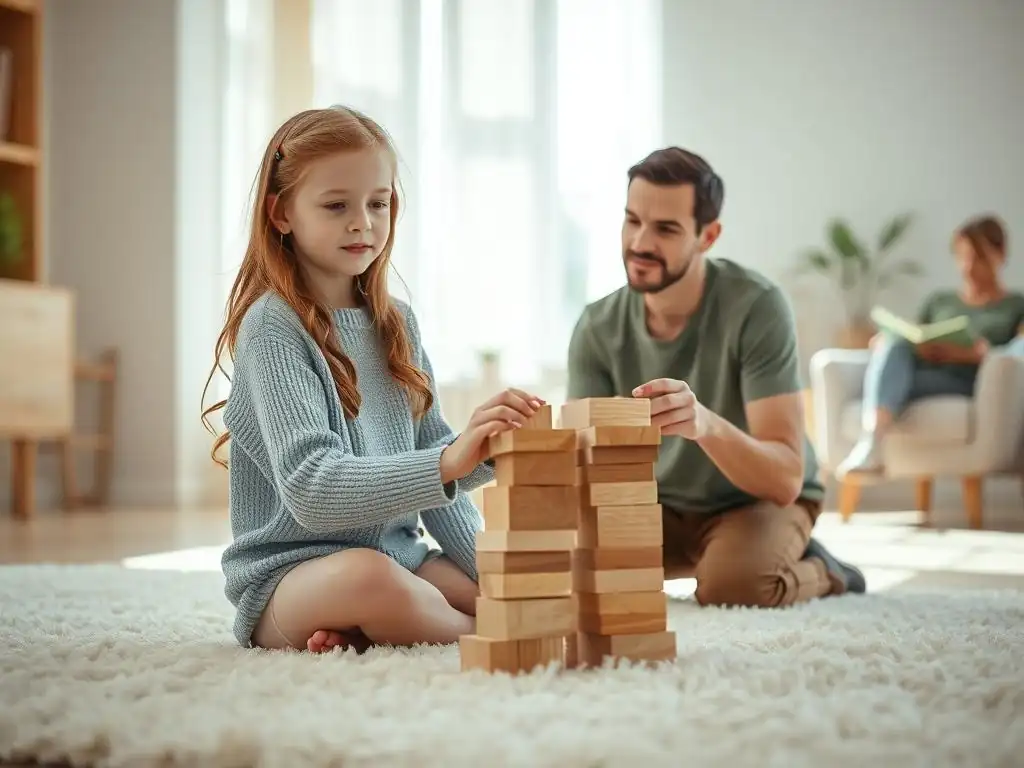
Creating a thriving blended family involves more than just addressing challenges; it requires actively cultivating positive relationships and a strong sense of family identity. This proactive approach builds resilience, strengthens bonds, and provides a nurturing environment where all members, especially children, can flourish and complete their stepfamily adjustment for children successfully.
Focusing on open communication, shared experiences, and knowing when and where to seek external support are key pillars in building a healthy and happy blended family unit. These elements help weave together individual histories and personalities into a cohesive family fabric.
Encouraging Open Communication and Emotional Expression
Creating a safe space where every family member feels comfortable expressing their thoughts, feelings, and concerns is fundamental. Regular family meetings can provide a structured opportunity for this, but informal check-ins are just as important. Encourage children to talk about their experiences and emotions related to the blended family, whether positive or negative. Listen without interruption or judgment.
Teaching children healthy ways to express emotions, such as using "I feel" statements, can prevent misunderstandings and conflicts. For example, instead of a child saying, "I hate it when she uses my stuff! ", they might be guided to say, "I feel frustrated when my things are used without asking." This level of open dialogue helps identify issues early and strengthens emotional bonds, significantly supporting stepfamily adjustment for children.
Developing shared family activities and traditions is a powerful way to build a sense of unity and belonging in a blended family. These shared experiences create positive memories and help bridge the gap between individuals with different backgrounds. It doesn't have to be elaborate; simple activities like a weekly family movie night, a monthly game night, cooking together, or establishing unique holiday traditions can make a significant difference.
Involve all family members in choosing activities and creating new traditions. This fosters a sense of ownership and ensures that everyone feels included and valued. For instance, one blended family started a tradition of having a "Pizza and Board Game Friday" every week, which became a cherished time for bonding and fun, helping smooth the stepfamily adjustment for children by creating shared positive experiences.
Seeking Professional Support When Needed: Family Therapist, Child Psychologist
Navigating the complexities of stepfamily adjustment for children can be challenging, and it's important to recognize when professional support is needed. A family therapist specializing in blended families can provide objective guidance, communication strategies, and tools to help the family unit work through challenges, improve relationships, and build a stronger foundation.
A child psychologist can offer individual support to children who are struggling significantly with the transition, exhibiting behavioral issues, anxiety, depression, or difficulty forming relationships with new family members. Seeking help from a professional is a sign of strength and commitment to the family's well-being, providing tailored strategies to support the children's emotional health and overall stepfamily adjustment for children.
Resources for Separated and Blended Families
Navigating separation and forming a blended family involves a unique set of challenges and learning opportunities. Fortunately, a wealth of resources is available to provide guidance, support, and practical strategies for parents and children alike. Accessing these resources can significantly ease the stepfamily adjustment for children process and help build a resilient family unit.
These resources range from educational materials offering insights into blended family dynamics to support networks where families can connect with others facing similar situations, and professional services that can provide expert assistance. Utilizing these tools empowers parents to make informed decisions and create a supportive environment for their children.
Books and Articles on Co-Parenting and Stepfamily Dynamics
Numerous books and articles offer valuable information and practical advice specifically tailored to the challenges and nuances of co-parenting after separation and integrating into a blended family. These resources often provide insights into child development stages related to adjustment, communication techniques, conflict resolution strategies, and ways to build positive step-relationships.
Reading about common experiences and expert recommendations can help parents feel less alone and better equipped to handle specific situations that arise. For example, learning about the typical timelines for stepfamily adjustment for children or common pitfalls to avoid can set realistic expectations and prevent unnecessary stress.
Support Groups for Parents and Children
Connecting with others who are navigating similar experiences can be incredibly beneficial. Support groups, whether in-person or online, offer a space for parents to share challenges, exchange advice, and receive emotional support from peers who understand the unique dynamics of blended families. Hearing how others have successfully managed sibling rivalry or loyalty conflicts can provide practical solutions and encouragement.
Some organizations also offer support groups or programs specifically designed for children and adolescents in blended families. These groups allow children to connect with peers who share similar experiences, helping them feel less isolated and providing a safe space to discuss their feelings about stepfamily adjustment for children.
Legal Resources and Mediation Services
While the focus is often on emotional and relational aspects, legal considerations are also a part of the blended family landscape, particularly concerning custody agreements, child support, and potential step-parent adoption. Accessing reliable legal resources can help families understand their rights and responsibilities within the new structure.
Mediation services can also be invaluable, especially for co-parenting challenges. A trained mediator can help biological parents communicate effectively and reach agreements on parenting plans, schedules, and other issues impacting the children's lives and their stepfamily adjustment for children, often preventing the need for costly and emotionally draining court battles.
Frequently Asked Questions
How can I prepare my child for the introduction of a stepparent?
It's crucial to have open and honest conversations about the upcoming changes and address any fears or anxieties they might have. Let them know it's okay to feel however they feel.
What are some common challenges children face when adjusting to stepfamilies?
Children often struggle with feelings of loyalty conflicts, adjusting to new family routines, and dealing with potential sibling rivalry with stepsiblings.
How can I foster a positive relationship between my child and their stepparent?
Encourage quality time and shared activities between them, but avoid forcing a relationship. Allow the bond to develop naturally and respect your child's pace of adjustment.
What role should the biological parent play in supporting their child's adjustment to a stepfamily?
The biological parent needs to remain a consistent source of support and reassurance. They should also actively listen to their child's concerns and advocate for their needs within the new family dynamic.
When should I seek professional help for my child's stepfamily adjustment?
If your child exhibits significant behavioral changes, persistent sadness, or struggles to cope despite your efforts, seeking guidance from a therapist or counselor specializing in family dynamics is recommended.
Final Reflection: Weaving a New Family Tapestry
The challenges of stepfamily integration are not merely historical; they are a pervasive reality for countless children today. The emotional landscape of blended families, often fraught with anxieties and adjustments, demands our continued attention and understanding. Successfully navigating this transition is crucial for the well-being of children, shaping their future relationships and self-esteem.
The impact of stepfamily dynamics reverberates throughout a child's life, influencing their sense of belonging, security, and identity. The process is rarely seamless, often marked by periods of confusion, grief, and resentment. Yet, within these complexities lies the potential for profound growth and the creation of strong, loving bonds. As the saying goes, The family you are born into is not necessarily the family that is best for you.
This rings especially true for children navigating the complexities of stepfamily life, highlighting the need for patience, understanding, and proactive support.
You, the reader, are now equipped with insights into the challenges and opportunities inherent in stepfamily dynamics. Consider how you can contribute to a more supportive environment for children adjusting to new family structures. Whether you are a parent, stepparent, educator, or simply a concerned individual, your empathy and understanding can make a world of difference. Let us work together to foster environments where children thrive, regardless of their family configuration, weaving a new tapestry of love and belonging.
Unlock a Harmonious Family: Your Next Steps to Stepfamily Success
Thanks for taking the time to learn about navigating the complexities of blended families! We hope this article provided valuable insights and practical strategies for building stronger relationships. Ready to put this knowledge into action?
- Prioritize one small, positive step: Focus on a single area where you can improve communication or connection within your stepfamily this week. Even a short, focused conversation can make a big difference.
- Share this article with someone who could benefit: Help another family navigate this journey by sharing the insights you gained.
- Consider joining a support group (online or in-person): Connecting with others facing similar challenges offers invaluable support and shared strategies.
What's one small change you'll implement to foster more harmony in your stepfamily today?