
Gifts for Managing PTSD Nightmares: Finding Comfort in Sleep


Welcome to Mind Care Guide.
Are you, or someone you care about, grappling with the relentless grip of PTSD nightmares? It's a heavy burden, and finding even a moment of peace can feel impossible. This space is dedicated to helping you navigate that challenge. Explore our guide on PTSD nightmare relief gifts – thoughtfully curated items designed to offer comfort and promote restful sleep. Perhaps the key to reclaiming your nights lies within. Let's begin to explore the possibilities together.
Gifts for Managing PTSD Nightmares: Finding Comfort in Sleep
- Understanding PTSD Nightmares and the Need for Relief
- Key Considerations When Choosing PTSD Nightmare Relief Gifts
-
Top Gift Ideas for PTSD Nightmare Relief: A Buyer's Guide
- Weighted Blankets: The Science Behind Calming Deep Pressure Stimulation
- Aromatherapy Diffusers and Essential Oils: Creating a Soothing Sleep Environment
- Sound Machines and White Noise Generators: Masking Triggering Sounds and Promoting Sleep
- Comfortable and Supportive Bedding: Investing in Quality Sleep
- Sleep Masks: Blocking Out Light and Promoting Melatonin Production
- Relaxation and Mindfulness Tools: Promoting Calm and Reducing Anxiety Before Bed
- Dream Catchers: Symbolic Gifts Promoting Positive Dreams (Use with Caution)
- Journaling for Trauma Processing: A Safe Space to Explore Emotions and Memories
- Real-Life Examples: How These Gifts Have Helped Others Manage PTSD Nightmares
- Supporting Someone with PTSD: Beyond the Gifts
- Conclusion: Choosing the Right Gift for PTSD Nightmare Relief and Promoting Better Sleep
-
Frequently Asked Questions
- What are some gift ideas that can help someone manage PTSD nightmares?
- How can a weighted blanket help with PTSD nightmares?
- Are there any aromatherapy scents that are particularly helpful for PTSD nightmare relief?
- Is it safe to use self-help gifts without consulting a mental health professional?
- How can a dream journal assist in managing PTSD nightmares?
- Final Reflection: Finding Peace in the Night: A Journey Towards PTSD Nightmare Relief
- Unveil Your Peaceful Nights: Practical Steps to Better Sleep
Understanding PTSD Nightmares and the Need for Relief
The Impact of PTSD Nightmares on Sleep Quality and Mental Well-being
Post-traumatic stress disorder (PTSD) can manifest in numerous challenging ways, and among the most distressing are nightmares. These aren't just bad dreams; they are often vivid, terrifying replays or symbolic representations of the traumatic event, causing intense fear, anxiety, and physiological arousal. Waking up from a PTSD nightmare can leave an individual disoriented, panicked, and unable to return to restful sleep. This chronic sleep disruption significantly degrades sleep quality, leading to daytime fatigue, difficulty concentrating, irritability, and exacerbating other PTSD symptoms like hypervigilance and avoidance behaviors.
The relentless cycle of poor sleep due to nightmares creates a profound impact on overall mental and physical health. Studies indicate that individuals with PTSD often experience significantly less REM sleep, the stage where dreaming occurs, but the dreams they do have are more likely to be disturbing.
This constant state of sleep deprivation and fear surrounding sleep can lead to a fear of going to bed, further perpetuating the problem. Finding effective strategies and PTSD nightmare relief gifts that can help break this cycle is crucial for improving sleep quality and supporting the individual's journey toward healing and stability.
Why Thoughtful Gifts Can Aid in PTSD Nightmare Relief and Recovery
Thoughtful and carefully selected gifts can serve as tangible tools and comforting aids in managing the symptoms of PTSD, particularly the distressing nightmares. These aren't intended as a cure, but rather as supportive elements that can help create a safer, more calming environment conducive to sleep. A well-chosen gift demonstrates empathy and understanding, signaling to the person that they are supported in their struggle. This sense of being seen and cared for is invaluable in recovery.
PTSD nightmare relief gifts can range from items that promote relaxation and reduce anxiety before sleep to those that offer sensory comfort or help process emotions. For someone struggling with the fear of sleep, having a specific tool or object associated with safety and calm can make a significant difference in their bedtime routine. These gifts can empower individuals by providing them with resources they can actively use to try and mitigate the intensity or frequency of nightmares, offering a sense of control in a situation that often feels overwhelming.
Key Considerations When Choosing PTSD Nightmare Relief Gifts
Safety and Comfort: Prioritizing Trauma-Informed Gift Selection
When selecting PTSD nightmare relief gifts, safety and comfort are paramount. A trauma-informed approach means considering how a gift might inadvertently trigger distress or anxiety. This involves avoiding items that could be perceived as startling, restrictive, or overly stimulating. For example, loud alarm clocks or gifts that require complex assembly might not be suitable. The focus should be on items that promote a sense of security, calm, and physical ease.
Prioritizing comfort also means considering the physical sensations a gift provides. Soft textures, gentle pressure, and soothing temperatures can be very calming for someone with PTSD. It's important to think about how the gift will be used, likely in a vulnerable state before or after sleep, and ensure it contributes positively to the individual's sense of safety in their personal space. Choosing gifts made from hypoallergenic materials or with simple, intuitive functionality aligns with this principle.
Personalization: Tailoring Gifts to Individual PTSD Triggers and Preferences
Effective PTSD nightmare relief gifts are highly personalized. PTSD is a deeply individual experience, and triggers vary significantly from person to person. What one person finds calming, another might find anxiety-inducing. Therefore, understanding the specific needs, preferences, and sensitivities of the individual is essential before selecting a gift. This might involve having an open conversation (if appropriate and comfortable for them) or observing what helps them relax in other situations.
Personalization goes beyond just avoiding triggers; it's about choosing something that genuinely resonates with the person and aligns with their coping mechanisms or interests. For instance, someone who finds comfort in nature might appreciate gifts related to natural sounds or scents, while someone else might prefer tactile comfort. A personalized gift shows that you've put thought into their specific journey and are offering tailored support for their struggle with nightmares.
Sensory Sensitivity: Avoiding Overstimulation and Focusing on Calming Elements
Individuals with PTSD often experience heightened sensory sensitivity, a state of hyperarousal where they are acutely aware of their surroundings and can easily become overwhelmed by stimuli. When choosing PTSD nightmare relief gifts, it is crucial to avoid items that could contribute to sensory overload. This includes strong or artificial scents, bright or flashing lights, loud or unpredictable sounds, and irritating textures.
Instead, focus on gifts that offer gentle, soothing sensory input. Consider items with soft, natural textures, calming and subtle aromas (if any), quiet and consistent sounds, or gentle visual elements. The goal is to create an environment that helps the nervous system settle down, making it easier to transition into sleep and potentially reducing the likelihood or intensity of nightmares. Think 'less is more' when it comes to sensory complexity.
Budget Considerations: Finding Effective Gifts at Different Price Points
Supporting someone with PTSD nightmares doesn't require breaking the bank. Effective PTSD nightmare relief gifts are available across a wide range of price points. While some items like high-quality weighted blankets can be a significant investment, many other helpful gifts are quite affordable. The value of the gift lies in its thoughtfulness and suitability, not necessarily its cost.
There are numerous budget-friendly options that can provide genuine comfort and support. Simple items like a soft eye mask, a calming essential oil blend (used safely), a comfortable pair of socks, or a guided meditation app subscription can be incredibly helpful. Focusing on practical items that address specific aspects of sleep discomfort or pre-sleep anxiety allows you to find meaningful gifts regardless of your budget, ensuring that support is accessible.
Top Gift Ideas for PTSD Nightmare Relief: A Buyer's Guide

Weighted Blankets: The Science Behind Calming Deep Pressure Stimulation
Weighted blankets are often recommended as PTSD nightmare relief gifts due to their ability to provide deep pressure stimulation, a therapeutic technique that applies gentle, firm pressure to the body. This sensation is similar to being hugged or swaddled, which can help activate the parasympathetic nervous system, promoting feelings of calm and security. For individuals with PTSD, this deep pressure can help reduce anxiety, decrease cortisol levels (a stress hormone), and increase serotonin and melatonin production, hormones crucial for mood and sleep regulation.
Research, including studies on the use of weighted blankets in clinical settings, suggests that they can help reduce agitation and improve sleep quality in various populations, including those with anxiety and trauma. A typical adult weighted blanket weighs between 15 and 25 pounds, usually calculated as about 10% of the user's body weight. The consistent, gentle pressure throughout the night can help ground individuals, making it harder for their minds to race and potentially lessening the severity or frequency of nightmares.
Aromatherapy Diffusers and Essential Oils: Creating a Soothing Sleep Environment
Aromatherapy can be a powerful tool for creating a calming atmosphere conducive to sleep, making diffusers and essential oils popular PTSD nightmare relief gifts. Certain scents, particularly lavender, chamomile, and bergamot, are widely recognized for their relaxing and anxiety-reducing properties. Using a diffuser to disperse these gentle aromas throughout the bedroom before bedtime can signal to the brain that it's time to wind down and prepare for rest.
It's crucial to use high-quality, pure essential oils and follow safety guidelines, as some individuals may have sensitivities. A water-based diffuser is a safe and effective way to disperse the scent gently. The ritual of preparing the diffuser can also become a calming part of the bedtime routine, helping to shift focus away from potential anxieties about sleep and toward creating a peaceful sanctuary. The subtle, consistent fragrance can help soothe the nervous system throughout the night.
Sound Machines and White Noise Generators: Masking Triggering Sounds and Promoting Sleep
Unexpected noises can be significant triggers for individuals with PTSD, especially during the vulnerable state of trying to fall asleep or when experiencing a nightmare. Sound machines or white noise generators can be effective PTSD nightmare relief gifts because they create a consistent, ambient sound environment that can help mask sudden or triggering external noises. Beyond masking, many people find the steady, predictable sound of white noise, pink noise, or nature sounds inherently soothing.
The consistent auditory input provided by a sound machine can help the brain tune out distractions and focus on a calming soundscape. This can make it easier to fall asleep and, importantly, can help prevent being jolted awake by minor sounds during the night. Some machines offer a variety of sounds, such as rain, ocean waves, or fan noise, allowing the individual to choose what they find most comforting. This simple tool can contribute significantly to a sense of safety and control over the sleep environment.
Comfortable and Supportive Bedding: Investing in Quality Sleep
The physical comfort of the sleep environment plays a direct role in the ability to fall and stay asleep. High-quality, comfortable, and supportive bedding can be a practical and effective PTSD nightmare relief gift. This includes items like soft sheets with a comfortable thread count (e.g., 400-600), supportive pillows tailored to their sleeping position, and a duvet or comforter that provides the right level of warmth without being too heavy or restrictive (unless a weighted blanket is preferred).
Investing in quality bedding signals the importance of sleep comfort and helps create a physically inviting sleep space. For someone whose bed may feel like a place associated with fear due to nightmares, making it as physically comfortable and appealing as possible can help shift that association over time. Ensuring the bedding is clean, soft, and meets their personal temperature preferences contributes to a sense of physical ease that is essential for restful sleep.
Sleep Masks: Blocking Out Light and Promoting Melatonin Production
Even small amounts of light can disrupt sleep patterns and interfere with the body's natural production of melatonin, the hormone that regulates sleep-wake cycles. A comfortable, light-blocking sleep mask can be a simple yet effective PTSD nightmare relief gift. By creating complete darkness, a sleep mask helps optimize the sleep environment, signaling to the brain that it's time for deep rest.
For someone who may wake up disoriented after a nightmare, returning to sleep can be difficult, especially if their environment isn't conducive to sleep. A sleep mask ensures that external light sources, like streetlights or early morning sun, don't interfere with their ability to fall back asleep. Choosing a mask made from soft, breathable material that doesn't put too much pressure on the eyes is key for comfort throughout the night.
Relaxation and Mindfulness Tools: Promoting Calm and Reducing Anxiety Before Bed
Anxiety and hypervigilance are common symptoms of PTSD that can make falling asleep challenging and potentially contribute to nightmares. Gifts that promote relaxation and mindfulness can be excellent PTSD nightmare relief gifts as they provide tools to help calm the nervous system before bed. This category is broad and can include items like guided meditation apps or subscriptions, journals for pre-sleep worries, gentle yoga mats, or even simply a comfortable eye pillow.
Learning and practicing relaxation techniques, such as deep breathing exercises, progressive muscle relaxation, or mindfulness meditation, can help individuals with PTSD manage their anxiety levels before attempting to sleep. These tools empower them to actively engage in calming practices that can create a smoother transition from wakefulness to sleep, potentially reducing the likelihood or intensity of distressing dreams. A gift in this category provides resources for self-soothing and stress reduction.
Dream Catchers: Symbolic Gifts Promoting Positive Dreams (Use with Caution)
Dream catchers are traditional Native American objects believed to protect sleepers from bad dreams. While not a scientifically proven method for managing PTSD nightmares, a dream catcher can serve as a symbolic PTSD nightmare relief gift. For some individuals, having a visual symbol associated with protection and positive dreams hanging above their bed can offer psychological comfort and a sense of hope.
It is crucial to approach this gift with sensitivity and awareness. Given the cultural origins, ensure that giving a dream catcher is appropriate and meaningful to the recipient, rather than being perceived as dismissive of the seriousness of their condition. If the individual finds comfort in symbolism or rituals, a dream catcher, when presented thoughtfully and with understanding of its meaning, might provide a small sense of peace or a focal point for positive intention before sleep. However, it should never be presented as a replacement for professional help.
Journaling for Trauma Processing: A Safe Space to Explore Emotions and Memories
Journaling can be a valuable therapeutic tool for individuals with PTSD, providing a safe and private space to explore thoughts, feelings, and memories, including those related to trauma and nightmares. A beautiful, high-quality journal and pen can be a supportive PTSD nightmare relief gift, encouraging them to engage in this practice. Writing down pre-sleep worries or processing feelings immediately after waking from a nightmare can help externalize distress and reduce its intensity.
Some individuals find that writing about their nightmares or the emotions they evoke helps to gain perspective or reduce the feeling of being overwhelmed. A journal can also be used to track sleep patterns or identify potential triggers, providing valuable insights for managing symptoms. Presenting a journal as a tool for self-reflection and processing, without pressure to use it in a specific way, respects the individual's autonomy and provides a non-judgmental outlet for difficult emotions.
Real-Life Examples: How These Gifts Have Helped Others Manage PTSD Nightmares
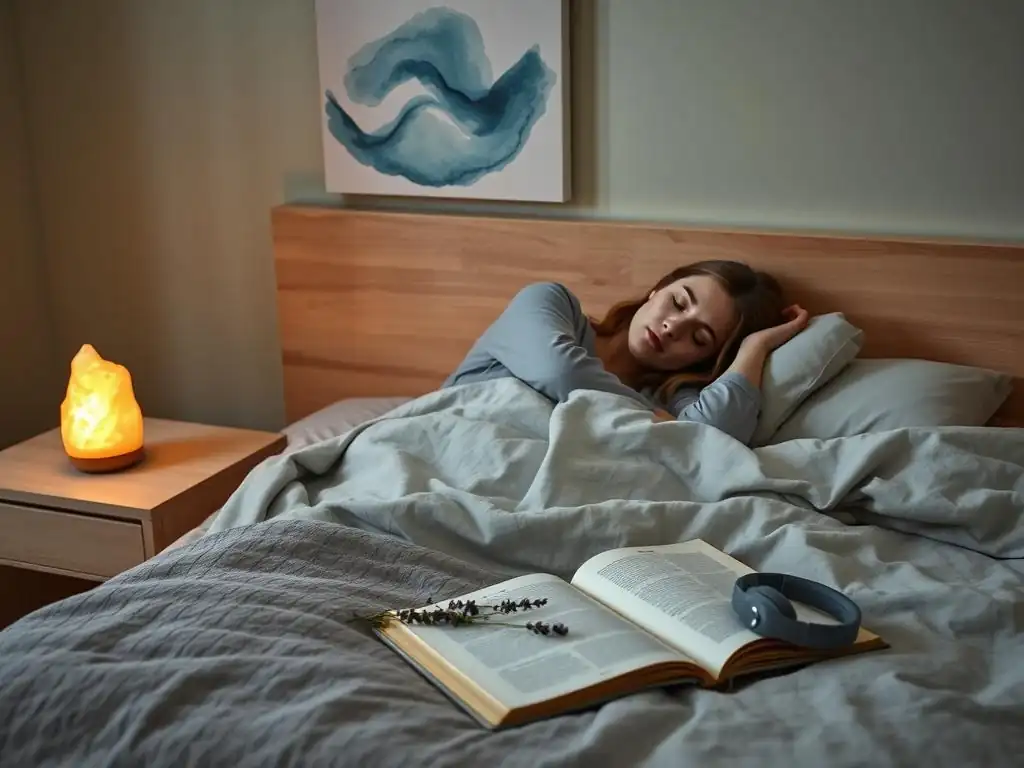
Consider the case of Sarah, a veteran who struggled with chronic nightmares related to her service. Receiving a high-quality weighted blanket as a gift significantly impacted her sleep. She reported that the deep pressure helped her feel more grounded and secure in bed, reducing the hypervigilance that often kept her awake.
Within a few weeks of consistent use, she noticed a slight decrease in the frequency of her nightmares and, more importantly, felt less panicked when she did wake up, finding it easier to return to sleep because she felt physically comforted by the blanket. This tangible PTSD nightmare relief gift became a cornerstone of her nightly routine.
Another example is Mark, who experienced nightmares after a car accident. He found that using an aromatherapy diffuser with lavender oil in his bedroom before bed helped create a calming ritual. The gentle scent signaled to his brain that it was time to relax, helping to lower his anxiety levels before sleep. While the nightmares didn't disappear immediately, he felt less resistant to going to bed and found that the soothing environment made the transition to sleep smoother. This simple, sensory-focused PTSD nightmare relief gift provided a practical way for him to proactively manage his pre-sleep anxiety.
Supporting Someone with PTSD: Beyond the Gifts
Offering Emotional Support and Understanding
While PTSD nightmare relief gifts can be helpful tools, the most valuable support you can offer someone with PTSD is your emotional presence and understanding. Listen without judgment, validate their feelings, and let them know you are there for them, especially during difficult times like struggling with nightmares. Avoid minimizing their experience or offering platitudes. Educating yourself about PTSD can help you respond with greater empathy and patience.
Being a consistent source of support means respecting their boundaries and not pressuring them to talk or engage if they are not ready. Simply offering a comforting presence or helping with daily tasks that feel overwhelming can make a significant difference. Remind them that their struggles are valid and that seeking help is a sign of strength. Your unwavering support can be a critical factor in their recovery journey.
Encouraging Professional Help and Therapy
PTSD is a complex mental health condition that typically requires professional intervention. While supportive gifts and personal efforts are valuable, they are not a substitute for evidence-based therapies like Trauma-Focused Cognitive Behavioral Therapy (TF-CBT) or Eye Movement Desensitization and Reprocessing (EMDR), which are proven effective in treating PTSD and its associated symptoms, including nightmares.
Gently encouraging the individual to seek or continue professional help is a vital part of supporting their recovery. You can offer to help them research therapists, accompany them to appointments if they wish, or simply express your belief in the benefits of therapy. Frame therapy not as a sign of weakness, but as a brave step towards healing and regaining control over their lives.
Creating a Safe and Supportive Environment
Creating a physical and emotional environment where the person feels safe is fundamental to their well-being and can indirectly help manage symptoms like nightmares. This involves ensuring their living space feels secure and predictable. It also means fostering an environment of trust and stability in your relationship with them. Avoid sudden changes in plans or behavior that could trigger their hypervigilance.
An emotionally supportive environment means being patient, understanding, and reliable. It involves celebrating small victories in their recovery and being there without judgment during setbacks. Helping to reduce daily stressors where possible and encouraging healthy routines (like a consistent sleep schedule) contribute to overall stability, which is beneficial for managing PTSD symptoms and promoting restful sleep.
Conclusion: Choosing the Right Gift for PTSD Nightmare Relief and Promoting Better Sleep
Choosing a gift for someone struggling with PTSD nightmares requires sensitivity, thoughtfulness, and a focus on promoting comfort, safety, and calm. Whether it's a weighted blanket, a calming aromatherapy set, or a simple journal, the most effective PTSD nightmare relief gifts are those tailored to the individual's specific needs and sensitivities. These gifts serve as more than just objects; they are tangible expressions of support and understanding, providing tools that can help create a more peaceful sleep environment and mitigate the distress caused by nightmares.
Ultimately, while these PTSD nightmare relief gifts can be valuable aids, they are part of a larger support system. Combining thoughtful gifts with emotional support, encouraging professional help, and fostering a safe environment offers the most comprehensive approach to helping someone manage PTSD nightmares and move towards better sleep and overall recovery. The goal is to empower the individual and provide comfort as they navigate the challenging path towards healing.
Frequently Asked Questions
What are some gift ideas that can help someone manage PTSD nightmares?
Gifts can include sensory items like weighted blankets, calming aromatherapy diffusers, or even journals to record and process dream content. These can provide comfort and a sense of control.
How can a weighted blanket help with PTSD nightmares?
The gentle pressure of a weighted blanket can promote relaxation and reduce anxiety, leading to improved sleep quality and potentially fewer nightmares by creating a feeling of safety.
Are there any aromatherapy scents that are particularly helpful for PTSD nightmare relief?
Lavender and chamomile are often recommended for their calming and sleep-inducing properties. Diffusing these scents before bed may help reduce anxiety and promote restful sleep, minimizing nightmares.
Is it safe to use self-help gifts without consulting a mental health professional?
While self-help gifts can be beneficial, they should be used as a complementary approach to professional therapy and treatment. Consulting a therapist is crucial for managing PTSD effectively.
How can a dream journal assist in managing PTSD nightmares?
Writing down dreams can help individuals process traumatic experiences and identify triggers associated with their nightmares. It can also provide valuable insights for therapy and self-reflection, leading to reduced nightmare frequency.
Final Reflection: Finding Peace in the Night: A Journey Towards PTSD Nightmare Relief
The struggle with PTSD nightmares is a pervasive and deeply personal one, impacting not only the individual but their entire support network. These nightmares are not simply bad dreams; they are a manifestation of trauma, a relentless reminder of pain that disrupts sleep, relationships, and overall well-being. Finding relief is crucial, not just for survival, but for thriving.
The journey towards managing PTSD nightmares is a testament to resilience and the power of community. It's a journey I've witnessed firsthand, both in the research for this article and in the stories shared by those bravely navigating this challenge. The search for comfort and effective coping mechanisms is ongoing, a constant evolution of self-discovery and support. The wound is the place where the Light enters you.
– Rumi. This quote beautifully encapsulates the transformative potential that lies within the struggle, reminding us that even in the darkest of nights, there is hope for healing and growth.
Now, consider your own journey. Perhaps you've found a gift mentioned here that resonates with you, or maybe this article has sparked a new avenue of exploration. Take a moment to reflect on what brings you comfort and peace. What small acts of self-care can you incorporate into your nightly routine to foster a sense of safety and calm? Remember, healing is a process, not a destination, and every step you take towards a more peaceful night is a victory worth celebrating. Embrace the journey, and know that you are not alone.
Unveil Your Peaceful Nights: Practical Steps to Better Sleep
Thanks for taking the time to explore ways to manage PTSD nightmares. We hope this article provided valuable insights and tools to help you find more restful sleep. Now, let's turn those insights into action!
- Prioritize one sleep hygiene tip: From the article, choose just one sleep improvement strategy—whether it's establishing a calming bedtime routine, adjusting your sleep environment, or trying a specific relaxation technique—and commit to implementing it tonight.
- Share your experience: Connect with others facing similar challenges. Share your thoughts and experiences on what you've found helpful in managing your nightmares – even a small victory is worth sharing!
- Explore additional resources: Consider exploring mindfulness exercises or other stress reduction strategies which might complement the methods discussed. This might include finding a local support group or meditation apps.
What small step will you take tonight to create a more peaceful night's sleep?