
Cognitive Processing Therapy (CPT) for Veterans: What to Expect


Welcome to Mind Care Guide, a safe space dedicated to your mental well-being. Facing life's challenges can feel overwhelming, especially when dealing with the lasting effects of trauma. Are you a veteran seeking effective strategies to reclaim your life and find peace? You're not alone. This guide sheds light on CPT therapy for veterans, offering a compassionate understanding of what this powerful treatment entails and how it can help you heal. Curious to learn more and discover if CPT is right for you? Let's begin.
Cognitive Processing Therapy (CPT) for Veterans: A Comprehensive Guide
- Understanding Cognitive Processing Therapy (CPT) and Its Benefits for Veterans
- Is CPT the Right Choice for You? Assessing Veteran Needs
-
What to Expect During CPT Therapy Sessions: A Veteran's Journey
- The Initial Assessment: Understanding Experiences and Goals
- Core Components of CPT: Addressing Trauma-Related Thoughts and Beliefs
- Challenging Distorted Thoughts: Cognitive Restructuring Techniques in CPT
- The Role of Written Accounts: Processing Traumatic Memories
- Skills-Building in CPT: Managing Emotions and Improving Coping Mechanisms
- CPT Exercises and Techniques: Tools for Veteran Recovery
- The Effectiveness of CPT for Veterans: Research and Outcomes
- Finding a Qualified CPT Therapist for Veterans
- Complementary Therapies and Support for Veterans Undergoing CPT
- Overcoming Challenges in CPT: Strategies for Veteran Success
- CPT and Veteran Mental Health: A Path to Healing
- Frequently Asked Questions
- Final Reflection: Finding Peace Through Understanding: The Power of CPT for Veterans
- Unlock Your Healing Journey: Next Steps with CPT
Understanding Cognitive Processing Therapy (CPT) and Its Benefits for Veterans
Post-traumatic stress disorder (PTSD) is a significant challenge for many veterans, impacting their daily lives, relationships, and overall well-being. Finding effective treatment is crucial, and Cognitive Processing Therapy (CPT) has emerged as a leading evidence-based approach specifically designed to help individuals process and recover from traumatic experiences. This therapy focuses on understanding and changing how one thinks about the trauma and its aftermath.
CPT therapy for veterans is not just about recounting events; it's about examining the thoughts and feelings connected to the trauma, particularly those that keep individuals feeling stuck or unsafe. It empowers veterans by providing tools to challenge unhelpful beliefs and regain a sense of control over their emotional responses and lives.
What is Cognitive Processing Therapy (CPT)? A Trauma-Focused Approach
Cognitive Processing Therapy is a specific type of cognitive behavioral therapy (CBT) developed to treat PTSD and other trauma-related conditions. It operates on the principle that trauma can lead to distorted thoughts and beliefs about oneself, others, and the world, which in turn maintain symptoms of PTSD. These thoughts often involve themes of safety, trust, power, control, esteem, and intimacy.
The therapy guides individuals through a structured process to identify and challenge these maladaptive thoughts. By learning to evaluate and modify inaccurate or unhelpful thinking patterns, veterans can begin to process the traumatic event in a healthier way, leading to a reduction in distressing symptoms like flashbacks, avoidance, and hyperarousal. CPT therapy for veterans is typically delivered over 12 sessions, although this can be adjusted based on individual needs.
How CPT Differs from Other Therapies for PTSD in Veterans
While several therapies are effective for PTSD, CPT therapy for veterans distinguishes itself through its primary focus on cognitive restructuring rather than detailed exposure to the traumatic memory itself. Unlike prolonged exposure therapy, which involves recounting the trauma repeatedly, CPT emphasizes identifying and challenging the thoughts about the trauma and its impact.
Another key difference lies in the structured, manualized approach of CPT, often involving specific worksheets and exercises. This provides a clear roadmap for both the therapist and the veteran throughout the treatment process. While other therapies might explore the trauma's impact, CPT specifically targets the "stuck points"—the beliefs that prevent recovery—making it a highly focused intervention for veterans struggling with the cognitive burden of trauma.
The Benefits of CPT for Veterans with PTSD, Including Reduced Anxiety and Depression
Research consistently demonstrates the significant benefits of CPT therapy for veterans. Studies conducted by the Department of Veterans Affairs (VA) and other organizations show that CPT is highly effective in reducing the core symptoms of PTSD, such as intrusive thoughts, nightmares, avoidance behaviors, and hypervigilance. Many veterans report a substantial decrease in the intensity and frequency of these symptoms after completing a course of CPT.
Beyond PTSD symptoms, CPT for veterans also yields positive outcomes for common co-occurring conditions. Veterans undergoing CPT often experience a notable reduction in symptoms of anxiety and depression, which frequently accompany PTSD. By addressing the underlying trauma-related beliefs, CPT helps improve overall emotional regulation and quality of life, enabling veterans to re-engage with activities and relationships they may have previously avoided.
Is CPT the Right Choice for You? Assessing Veteran Needs
Deciding on the right therapy is a personal journey, and it's important for veterans to understand if CPT aligns with their needs and experiences. While CPT is highly effective for many, it's not a one-size-fits-all solution. Assessing individual circumstances, the nature of the trauma, and the presence of other mental health conditions is a crucial first step in determining if CPT therapy for veterans is the most suitable path forward.
This assessment process typically involves a thorough evaluation by a mental health professional experienced in treating trauma in the veteran population. They will discuss your history, symptoms, goals, and any potential challenges that might impact therapy.
CPT is particularly well-suited for veterans who have experienced various forms of trauma, including combat-related trauma and Military Sexual Trauma (MST). The therapy's focus on processing and challenging the meaning assigned to the traumatic event makes it effective for addressing the complex thoughts and feelings associated with these experiences. For instance, veterans with combat trauma might struggle with beliefs about guilt, responsibility, or the safety of the world, while veterans with MST might grapple with issues of trust, self-blame, or feeling betrayed.
The structured nature of CPT therapy for veterans provides a sense of predictability and control, which can be beneficial for individuals whose sense of safety has been compromised by trauma. Therapists skilled in CPT can adapt the approach to address the specific nuances of different types of military trauma, helping veterans process their unique experiences in a supportive and therapeutic environment.
Common Symptoms CPT Can Help Veterans Manage: PTSD, Depression, and Anxiety
CPT therapy for veterans is primarily designed to treat the core symptoms of PTSD. These include re-experiencing symptoms (flashbacks, nightmares), avoidance behaviors (staying away from reminders of the trauma), negative changes in thoughts and mood (feeling detached, negative beliefs about self/world), and changes in reactivity and arousal (being easily startled, difficulty concentrating, sleep problems).
In addition to PTSD, CPT can significantly help manage the symptoms of depression and anxiety that often co-occur. By addressing the underlying trauma-informed beliefs, CPT helps alleviate the feelings of hopelessness, worthlessness, excessive worry, and panic that can stem from unresolved trauma. Many veterans find that as their PTSD symptoms improve, their depressive and anxious symptoms also lessen, leading to a more stable emotional state.
Considerations Before Starting CPT: Veteran-Specific Factors, Such as Co-occurring Conditions
Before starting CPT, veterans and their therapists should consider several factors. One important consideration is the presence of co-occurring conditions, such as substance use disorders, traumatic brain injury (TBI), or chronic pain. While CPT can be effective alongside treatment for these conditions, they may need to be stabilized or addressed concurrently. For example, active substance use can interfere with the cognitive work required in CPT.
Another factor is the veteran's readiness and willingness to engage with the therapeutic process, which involves confronting difficult thoughts and emotions. While CPT doesn't require detailed recounting of the trauma itself, it does involve processing the impact of the trauma, which can be challenging. A therapist experienced in CPT therapy for veterans can help assess readiness and address potential barriers to engagement.
What to Expect During CPT Therapy Sessions: A Veteran's Journey
Embarking on CPT therapy for veterans involves a structured process designed to help you understand and change your relationship with trauma-related thoughts. It's a journey that requires commitment and active participation. Knowing what to expect can help veterans feel more prepared and less anxious about starting the process.
Sessions are typically conducted weekly, either individually or in a group format, and last about 50-60 minutes. The therapy follows a clear sequence, building skills and insights over time.
The Initial Assessment: Understanding Experiences and Goals
The first few sessions of CPT therapy for veterans involve an initial assessment phase. This is where the therapist gets to know you, your military background, your experiences of trauma, and the symptoms you are currently facing. You'll discuss your goals for therapy and learn more about the CPT model and how it works.
This phase is crucial for building a therapeutic alliance and ensuring that CPT is the right fit. The therapist will explain the rationale behind the therapy, what will be expected of you, and answer any questions you might have. This initial understanding sets the stage for the work to come, helping veterans feel comfortable and informed before diving deeper into the material.
CPT therapy for veterans is built around several core components. A significant part involves learning about PTSD and how CPT can help. You'll explore the impact of trauma on beliefs about safety, trust, power, control, esteem, and intimacy. The therapy introduces the concept of "stuck points"—the thoughts and beliefs that prevent recovery.
A key component is learning to identify automatic thoughts related to the trauma. These are immediate, often negative thoughts that pop into your mind, such as "It was my fault" or "I can't trust anyone." The therapy provides tools and techniques to recognize these thoughts and understand how they influence your feelings and behaviors, setting the stage for challenging them effectively.
Challenging Distorted Thoughts: Cognitive Restructuring Techniques in CPT
A central pillar of CPT therapy for veterans is cognitive restructuring. This involves systematically examining and challenging the validity and helpfulness of trauma-related thoughts and beliefs. Using specific worksheets and guided discussions, you will learn to evaluate the evidence for and against your thoughts.
For instance, if a veteran believes, "The world is completely unsafe now," the therapist might guide them to consider times or places where they do feel safe, or evidence that contradicts this absolute belief. This process is not about convincing you that your trauma wasn't bad, but about helping you see that your current beliefs might be overly negative or inaccurate, keeping you stuck in a state of hypervigilance or avoidance.
The Role of Written Accounts: Processing Traumatic Memories

A unique aspect of CPT therapy for veterans is the use of written accounts of the traumatic experience. You will be asked to write a detailed account of the trauma and read it aloud in session, as well as read it outside of session. You may also be asked to write about the meaning of the trauma. This is not done for exposure purposes like in other therapies, but as a way to identify the thoughts and "stuck points" associated with the memory.
By writing and re-reading the account, veterans can identify specific moments or details that trigger certain thoughts or emotions. This process helps bring these thoughts to the surface where they can be examined and challenged using cognitive restructuring techniques. It provides concrete material for the therapeutic work, making the process of identifying stuck points more explicit.
Skills-Building in CPT: Managing Emotions and Improving Coping Mechanisms
CPT therapy for veterans also incorporates skills-building to help manage difficult emotions and develop healthier coping mechanisms. While the primary focus is on changing thoughts, learning practical skills is also important. This might involve learning techniques for managing anxiety or distress that arise during the process.
The therapy helps veterans move from avoidance behaviors to more adaptive ways of dealing with trauma reminders. By challenging negative beliefs and developing a more balanced perspective, veterans often find they are better equipped to handle emotional triggers and engage in activities they previously avoided, leading to improved functioning and a greater sense of freedom.
CPT Exercises and Techniques: Tools for Veteran Recovery
CPT therapy for veterans utilizes a variety of exercises and techniques designed to facilitate the process of cognitive restructuring and emotional processing. These tools are introduced and practiced both during therapy sessions and as homework assignments, reinforcing the skills learned and promoting real-world application. Active engagement with these exercises is key to achieving positive outcomes.
These techniques provide concrete ways for veterans to identify, challenge, and change the unhelpful thought patterns that maintain PTSD symptoms.
Identifying and Challenging Automatic Negative Thoughts (ANTs)
A fundamental exercise in CPT therapy for veterans is learning to identify Automatic Negative Thoughts (ANTs). These are the immediate, often distorted, thoughts that arise in response to triggers or simply throughout the day. Examples might include "I'm a failure," "No one understands," or "It's not safe to go outside." Veterans learn to become aware of these thoughts as they occur.
Once identified, the next step is to challenge these ANTs. This involves questioning their accuracy and helpfulness. Veterans learn to ask themselves: "What evidence supports this thought? ", "What evidence contradicts this thought? ", "Is there another way to look at this? ", or "Is this thought helping me or hurting me?" This systematic questioning helps weaken the hold of inaccurate thoughts.
Socratic questioning is a core technique used by therapists in CPT therapy for veterans. The therapist asks a series of open-ended questions designed to help the veteran examine their own beliefs and assumptions related to the trauma. This is not about the therapist telling the veteran what to think, but guiding them to discover alternative perspectives on their own.
For example, if a veteran believes they were entirely responsible for a negative outcome during combat, the therapist might ask questions like: "What factors were outside of your control in that situation? ", "What information did you have at the time compared to what you know now? ", or "What would you tell a fellow service member who experienced something similar?" This process encourages critical thinking and helps veterans identify cognitive distortions.
Completing Impact Statements: Examining the Effects of Trauma
Completing Impact Statements is another important exercise in CPT therapy for veterans. This involves writing about the impact the trauma has had on specific areas of your life, such as your beliefs about safety, trust, power, control, esteem, and intimacy. This exercise helps veterans articulate how their trauma has shaped their world view and identify the "stuck points" that need to be addressed.
For instance, a veteran might write about how trauma has made them feel unsafe in crowds (safety), unable to rely on others (trust), or like they have no control over their life (control). Examining these statements helps pinpoint the specific beliefs that are contributing to PTSD symptoms and provides a clear focus for the cognitive restructuring work.
Cognitive Restructuring Worksheets: Changing Unhelpful Thinking Patterns
CPT therapy for veterans heavily utilizes Cognitive Restructuring Worksheets. These structured tools guide veterans through the process of identifying a specific trauma-related thought, identifying the emotion associated with it, and then systematically evaluating the evidence for and against that thought.
A typical worksheet might have columns for "Triggering Situation," "Automatic Thought," "Emotion," "Evidence FOR the thought," "Evidence AGAINST the thought," and "Alternative/More Balanced Thought." By filling out these worksheets, veterans practice the skill of challenging their unhelpful thinking patterns, moving towards more balanced and accurate perspectives on themselves, their trauma, and the world.
The Effectiveness of CPT for Veterans: Research and Outcomes
The efficacy of CPT therapy for veterans is well-supported by a substantial body of research, particularly within the VA healthcare system. It is recognized as one of the most effective treatments for PTSD among this population and is recommended by major clinical guidelines. Understanding the research can provide veterans with confidence in the therapy's potential to facilitate recovery.
Outcomes measured in studies typically include reductions in PTSD symptom severity, improvements in daily functioning, and overall quality of life. The positive results observed in controlled trials are often mirrored in real-world clinical settings within the VA.
Studies Supporting the Efficacy of CPT for Veteran PTSD
Numerous studies have demonstrated the effectiveness of CPT therapy for veterans with PTSD. For example, large-scale randomized controlled trials conducted within the VA have shown that CPT leads to significant reductions in PTSD symptoms compared to control groups. Some studies have reported that a high percentage of veterans completing CPT achieve clinically significant symptom improvement, with figures often cited showing substantial drops in symptom severity scores.
Research also indicates that CPT is effective for veterans with complex trauma histories and those with co-occurring conditions, although outcomes may vary. The evidence base is strong enough that CPT is now considered a first-line treatment for PTSD within the VA and the Department of Defense (DoD), reflecting its proven track record in helping veterans recover.
Long-Term Benefits of CPT: Improved Functioning and Quality of Life
The benefits of CPT therapy for veterans extend beyond immediate symptom reduction. Follow-up studies have shown that the positive effects of CPT are often maintained over time, indicating long-term recovery. Veterans who complete CPT report sustained improvements in their ability to function in daily life, including work, relationships, and social activities.
By helping veterans change maladaptive beliefs and develop more adaptive coping strategies, CPT empowers them to navigate challenges more effectively even after therapy ends. This leads to an improved overall quality of life, allowing veterans to re-engage with life and pursue personal goals that may have been put on hold due to trauma symptoms.
Addressing Common Concerns About CPT Therapy and Veteran Resistance
While CPT is highly effective, it's not without its challenges, and some veterans may experience resistance or have concerns. Common concerns include the emotional difficulty of engaging with trauma-related thoughts, the writing assignments, or the fear that challenging beliefs might invalidate their experience. Some veterans might initially feel resistant to the idea that their thoughts are the problem, rather than the trauma itself.
Therapists experienced in CPT therapy for veterans are trained to address these concerns with empathy and validation. They emphasize that the goal is not to change the memory of the trauma, but to change the unhelpful beliefs that are maintaining the suffering. Addressing resistance involves building trust, explaining the rationale for each component, and tailoring the pace to the individual veteran's needs and capacity.
Finding a Qualified CPT Therapist for Veterans
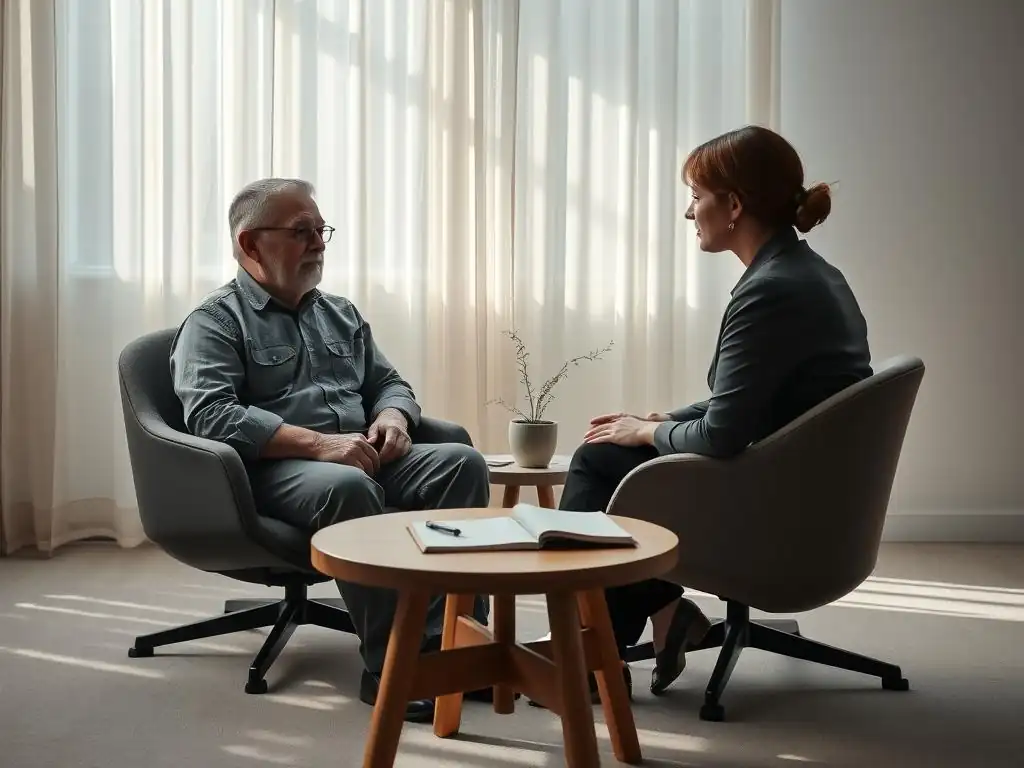
Finding the right therapist is a critical step in the journey towards recovery with CPT therapy for veterans. It's important to find a provider who is not only trained and experienced in delivering CPT but also has specific expertise or understanding of military culture and the unique challenges faced by veterans.
The VA healthcare system is a primary resource for veterans seeking mental health services, including CPT. However, qualified CPT providers can also be found in community settings.
Locating CPT Providers Experienced in Working with Veterans
The most direct route for many is through the VA. VA Medical Centers and Community-Based Outpatient Clinics (CBOCs) nationwide offer CPT therapy for veterans. You can contact your local VA facility's mental health department or primary care provider for a referral. The VA maintains a directory of services available at each location.
Outside the VA, you can search for licensed therapists (psychologists, social workers, counselors) who list CPT as a specialization and indicate experience working with veterans or military populations. Professional organizations related to PTSD or trauma may also offer therapist search tools. Websites like the Anxiety & Depression Association of America (ADAA) or the International Society for Traumatic Stress Studies (ISTSS) might have provider directories, though filtering specifically for veteran experience and CPT requires careful review of individual profiles.
Questions to Ask a Potential CPT Therapist: Ensuring a Good Fit
When seeking a CPT therapist for veterans, don't hesitate to ask questions to ensure they are a good fit. Some key questions include:
- Are you trained and certified in delivering CPT?
- How long have you been providing CPT therapy?
- What is your experience working specifically with veterans or military personnel?
- Are you familiar with military culture and the types of trauma veterans experience (e.g., combat, MST)?
- How do you typically structure CPT sessions?
- What is your approach to addressing challenges or resistance during therapy?
- How do you measure progress in CPT?
Asking these questions can help you assess the therapist's expertise and comfort level in working with the veteran population, ensuring you feel confident in their ability to guide you through CPT.
Resources for Finding Affordable CPT Treatment for Veterans Through the VA or Community Programs
The VA healthcare system provides CPT therapy for eligible veterans, often with no out-of-pocket costs depending on your eligibility status and service connection. Enrolling in VA healthcare is the first step to accessing these services.
For veterans not eligible for VA healthcare or who prefer community providers, options exist, though affordability can vary. Some community mental health centers offer sliding scale fees based on income. Non-profit organizations dedicated to veteran support may also offer referrals or financial assistance programs. Checking with your private insurance provider to understand coverage for CPT with in-network therapists is also advisable. Sometimes, therapists offer pro bono or reduced-fee services for veterans, so inquiring about this possibility is worthwhile.
Complementary Therapies and Support for Veterans Undergoing CPT
While CPT therapy for veterans is highly effective on its own, integrating complementary therapies and support systems can further enhance the recovery process. Addressing the multifaceted impact of trauma often benefits from a holistic approach that supports overall well-being alongside focused trauma processing.
Combining CPT with other forms of care and leveraging available support networks can help veterans manage stress, build resilience, and sustain gains made in therapy.
Combining CPT with Medication: A Holistic Approach
For many veterans, combining CPT therapy with medication, particularly antidepressants or anti-anxiety medications, can be a highly effective treatment strategy. Medication can help manage severe symptoms of depression or anxiety that might make it difficult to engage fully in therapy. For instance, an antidepressant might help lift mood or reduce panic, making it easier for a veteran to concentrate on the cognitive work of CPT.
This integrated approach is often managed by a treatment team involving both a therapist and a prescriber (like a psychiatrist or primary care doctor). The decision to use medication alongside CPT is made on an individual basis, considering the severity of symptoms and the veteran's specific needs and preferences.
The Importance of Peer Support: Connecting with Other Veterans
Connecting with other veterans through peer support groups can be invaluable during CPT therapy for veterans. Sharing experiences with those who have similar backgrounds can reduce feelings of isolation and provide a sense of community and understanding that is unique to the veteran experience.
Organizations like the Wounded Warrior Project, Disabled American Veterans (DAV), or local veteran centers often host peer support groups. These groups offer a safe space to discuss challenges, share coping strategies, and provide mutual encouragement. While not a substitute for professional therapy, peer support complements CPT by fostering connection and reinforcing the idea that recovery is possible and that they are not alone in their struggles.
Self-Care Strategies for Veterans During and After CPT
Engaging in self-care is essential for veterans undergoing and completing CPT therapy. Processing trauma can be emotionally demanding, and self-care helps manage stress and build resilience. Strategies can include getting sufficient sleep (aiming for 7-9 hours per night), maintaining a balanced diet, and incorporating regular physical activity, which is known to help regulate mood and reduce anxiety.
Other helpful self-care practices include mindfulness or meditation, spending time in nature, engaging in hobbies, and maintaining social connections outside of therapy. Developing a personalized self-care plan helps veterans build healthy habits that support their mental health journey and maintain the gains achieved through CPT therapy for veterans long after formal sessions have ended.
Overcoming Challenges in CPT: Strategies for Veteran Success
While CPT therapy for veterans is effective, it can also be challenging at times. Engaging with difficult thoughts and emotions related to trauma requires courage and perseverance. Recognizing potential obstacles and developing strategies to navigate them is crucial for completing the therapy and achieving successful outcomes.
Common challenges include the urge to avoid difficult topics, managing intense emotional reactions, and maintaining motivation throughout the process.
Addressing Avoidance and Resistance in Therapy
Avoidance is a hallmark symptom of PTSD, and it can manifest as resistance within CPT therapy for veterans. This might look like difficulty completing homework assignments, avoiding specific topics, or wanting to drop out of therapy when sessions feel difficult. The therapist plays a key role in helping veterans identify and work through this resistance with empathy and patience.
Strategies for addressing avoidance include openly discussing the veteran's fears and concerns about the material, reinforcing the rationale for why certain exercises are important, and celebrating small steps of progress. Therapists help veterans understand that avoidance, while understandable, ultimately maintains PTSD symptoms, and gently encourage them to lean into the discomfort to achieve lasting change.
Managing Difficult Emotions and Triggers During CPT
CPT therapy for veterans involves engaging with thoughts and memories that can evoke difficult emotions like fear, sadness, anger, or guilt, and may trigger PTSD symptoms outside of session. Learning to manage these emotions effectively is part of the therapeutic process.
Therapists teach coping strategies to use when emotions feel overwhelming, such as grounding techniques, breathing exercises, or taking short breaks. It's important for veterans to communicate with their therapist about any intense emotional reactions or increased symptoms between sessions so they can be addressed and managed within the therapeutic context. The goal is not to eliminate difficult emotions, but to learn to tolerate them and understand their connection to trauma-related thoughts.
Staying Committed to the Process: Tips for Completing CPT
Completing the full course of CPT therapy for veterans is strongly associated with better outcomes. Staying committed can be challenging, especially when facing difficult material or experiencing temporary increases in symptoms. Setting realistic expectations from the beginning is important – recovery is a process, not an overnight fix.
Tips for staying committed include reminding yourself of your therapy goals, celebrating progress along the way (no matter how small), maintaining open communication with your therapist about any difficulties, and leaning on your support system (family, friends, peer groups). Remember that the temporary discomfort is a necessary part of processing the trauma and is leading towards long-term relief and improved well-being.
CPT and Veteran Mental Health: A Path to Healing
CPT therapy for veterans represents a powerful and evidence-based pathway towards healing from the invisible wounds of trauma. By targeting the cognitive impact of traumatic experiences, CPT empowers veterans to change their relationship with their past and build a healthier future.
It is a testament to the resilience of veterans and the effectiveness of focused, evidence-based psychological treatment when tailored to their unique needs and experiences.
CPT as a Key Component of Comprehensive Veteran Mental Healthcare
CPT therapy for veterans is often a cornerstone of comprehensive mental healthcare provided within the VA and other veteran-focused programs. It is integrated alongside other services that may be needed, such as treatment for substance use, depression, anxiety, or chronic pain. This holistic approach ensures that veterans receive care that addresses all aspects of their mental and physical health.
By offering CPT, healthcare systems acknowledge the profound impact of trauma and provide veterans with access to a treatment that has been rigorously tested and proven effective specifically within their population. It is a vital tool in the broader effort to support veteran recovery and well-being.
Empowering Veterans Through Cognitive Processing Therapy
Ultimately, CPT therapy for veterans is an empowering process. It shifts the focus from being defined by the trauma to understanding and changing the beliefs that have kept its effects alive. Veterans learn that while they cannot change what happened, they can change how they think about it and how it impacts their present and future.
Through CPT, veterans gain valuable skills for identifying and challenging unhelpful thoughts, not just related to the original trauma, but applicable to future challenges as well. This cognitive flexibility and newfound perspective equip veterans with the tools they need to move forward, reclaim their lives, and build a future free from the debilitating grip of unresolved trauma.
Frequently Asked Questions
What is Cognitive Processing Therapy (CPT), and how does it help veterans?
CPT is a type of cognitive behavioral therapy specifically designed to treat Post-Traumatic Stress Disorder (PTSD). It helps veterans process traumatic memories and challenge negative thought patterns related to the trauma.
How is CPT therapy tailored for veterans?
CPT for veterans often incorporates an understanding of military culture and experiences. Therapists are trained to recognize the unique challenges faced by veterans, such as combat exposure and moral injury, adapting the therapy accordingly.
What are the potential benefits of CPT therapy for veterans?
CPT can lead to reduced PTSD symptoms, improved emotional regulation, and a greater sense of control over traumatic memories. It can also enhance overall mental well-being and functioning in daily life.
How long does CPT therapy typically last for veterans?
A standard CPT course usually involves 12 sessions, lasting approximately 50-90 minutes each. The specific duration can vary based on individual needs and the severity of PTSD symptoms.
Where can veterans access CPT therapy?
Veterans can access CPT therapy through the Department of Veterans Affairs (VA), community mental health centers, and private therapists. It's important to find a qualified and experienced CPT therapist who understands the unique needs of veterans.
Final Reflection: Finding Peace Through Understanding: The Power of CPT for Veterans
The enduring trauma experienced by many veterans demands innovative and effective treatment approaches, and Cognitive Processing Therapy (CPT) stands as a beacon of hope in this crucial area. Its ability to address the cognitive distortions and emotional avoidance that often accompany PTSD offers a powerful pathway to healing and recovery, a path that is increasingly vital in a world grappling with the long-term effects of conflict.
CPT's impact extends far beyond the individual; it ripples outwards, influencing the cultural understanding of trauma and the support systems available to veterans. The very existence of this therapy signifies a growing recognition of the complex psychological wounds of war and a commitment to providing specialized care. The greatest glory in living lies not in never falling, but in rising every time we fall.
This quote, often attributed to Nelson Mandela, perfectly encapsulates the spirit of CPT – a journey of resilience, self-discovery, and ultimately, triumph over adversity. It's a testament to the human spirit's capacity for healing and growth.
You, the reader, now possess a deeper understanding of CPT and its potential to help veterans navigate their past and build a brighter future. Consider how this knowledge might inform your interactions with veterans in your life, perhaps prompting you to offer support, understanding, or simply a listening ear. Take the time to reflect on the power of empathy and the importance of seeking professional help when needed. Let this article serve as a catalyst for continued learning and a commitment to fostering a more supportive and compassionate environment for those who have served our country.
Unlock Your Healing Journey: Next Steps with CPT
Thanks for taking the time to learn about Cognitive Processing Therapy (CPT). We hope this article provided valuable insights into this powerful approach to healing. Now it's time to take the next step toward feeling better.
- Schedule a consultation with a CPT-trained therapist: This is the most crucial step. Finding the right therapist can make all the difference in your healing process.
- Share this article with a friend or family member: Talking about your experiences and seeking support is an important part of recovery. CPT isn't a solitary journey.
- Explore additional resources on MindCareGuide.org: We have many articles and resources to support your mental wellness journey, further empowering you to take control of your healing.
Ready to begin your personalized healing journey? What's the first step you'll take to explore CPT further?