
Strengthen Family Ties: Online Courses for Communication & Connection Skills

Welcome to Mind Care Guide, a sanctuary for your mental well-being.
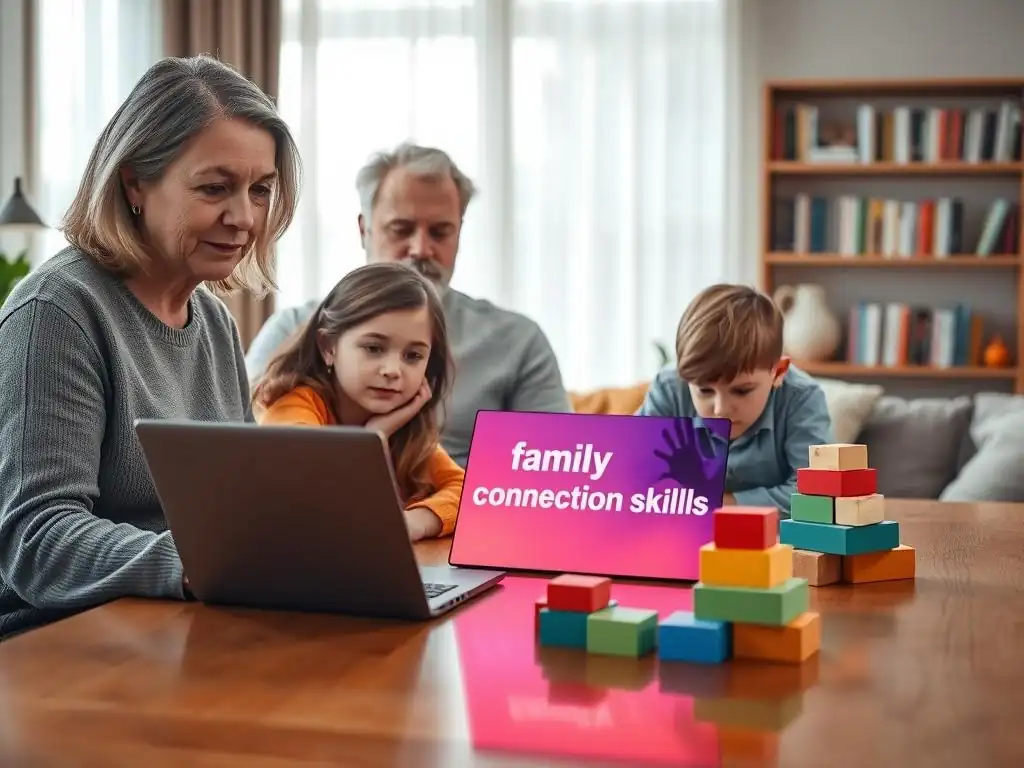
Feeling disconnected from your loved ones, especially in today's digital world? You're not alone. We understand the challenges of nurturing strong family bonds. Explore our guide to Family Communication Online Courses and discover how to bridge the gap, foster deeper connections, and create a more supportive and understanding home environment. Ready to start building a healthier, happier family dynamic?
Strengthen Family Ties: Online Courses for Communication & Connection Skills
- Why Invest in Family Communication Online Courses?
- Top Family Communication Online Courses: Our Recommendations
- Choosing the Right Family Communication Course for Your Needs
- Beyond Online Courses: Practical Tips for Improving Family Communication
- Conclusion: Invest in Your Family's Future Through Effective Communication Skills
-
Frequently Asked Questions
- What are "Family Communication Online Courses" and how can they help my family?
- What specific communication skills are typically taught in these online courses?
- Are these "Family Communication Online Courses" suitable for all family types and age groups?
- How effective are "Family Communication Online Courses" compared to in-person therapy?
- Where can I find reputable "Family Communication Online Courses" and what should I look for in a good course?
- Final Reflection: Weaving Stronger Bonds in the Digital Age
- Unleash Stronger Family Bonds Today!
Why Invest in Family Communication Online Courses?
The Crucial Role of Effective Communication in Family Well-being
Effective communication serves as the bedrock upon which strong, healthy family relationships are built. It's the channel through which love, support, and understanding flow, allowing family members to navigate challenges, celebrate successes, and foster a sense of belonging. When communication is open, honest, and empathetic, families are better equipped to handle disagreements constructively, resolve conflicts peacefully, and maintain emotional closeness even through difficult times. Research consistently shows that families with robust communication skills report higher levels of satisfaction, reduced stress, and greater resilience in the face of adversity.
Poor communication, conversely, can lead to misunderstandings, resentment, and emotional distance. Unspoken feelings, unresolved conflicts, and a lack of active listening can erode trust and create an environment where family members feel unheard or unvalued. This can manifest in various ways, from frequent arguments and tension at home to more serious issues like emotional withdrawal or strained relationships between parents and children, or among siblings. Investing in skills to improve these interactions is investing directly in the emotional health and stability of the entire family unit.
Overcoming Communication Challenges in Modern Families
Modern families face unique communication challenges influenced by busy schedules, technological distractions, and differing generational perspectives. Long work hours, extracurricular activities, and the constant pull of screens can leave limited time and energy for meaningful face-to-face interaction. Teenagers and young adults, for example, often prefer digital communication methods, which can sometimes lack the nuances of in-person conversations, leading to misinterpretations. Furthermore, blending families, navigating co-parenting arrangements, or supporting elderly parents all add layers of complexity to family dynamics and require adaptable communication strategies.
These evolving challenges highlight the need for accessible and flexible solutions for improving family communication. Traditional family therapy or in-person workshops, while valuable, may not always fit into hectic modern lives. This is where family communication online courses offer a practical alternative. They provide structured learning opportunities that families can engage with on their own schedule, from the comfort of their home, making it easier to acquire essential skills like active listening, empathetic responding, and conflict resolution despite time constraints and geographical distances.
Benefits of Taking Family Communication Online Courses
Enrolling in family communication online courses offers numerous advantages for families seeking to enhance their connections. One primary benefit is flexibility; courses can be accessed anytime, anywhere, allowing families to learn at their own pace and integrate lessons into their busy routines. This accessibility removes common barriers like scheduling conflicts or travel time. Online platforms often utilize diverse learning formats, including video lectures, interactive exercises, quizzes, and discussion forums, catering to different learning styles and keeping participants engaged.
Beyond convenience, these online courses for family communication provide structured, expert-led content that equips individuals and families with practical, evidence-based tools. Participants can learn specific techniques for managing anger, expressing needs clearly, setting healthy boundaries, and fostering mutual respect. For instance, a course might dedicate modules specifically to understanding nonverbal cues or practicing reflective listening. This focused skill development empowers families to tackle specific issues they face, whether it's improving parent-child conversations, reducing sibling rivalry, or strengthening marital communication, ultimately leading to a more harmonious and connected family life.
Top Family Communication Online Courses: Our Recommendations

1. "Communication for Connection" by Mindful Communication - A Deep Dive
Course Overview: Building Empathy and Active Listening through Mindful Practices
The "Communication for Connection" course focuses on integrating principles of mindfulness into everyday family interactions. The core philosophy centers on being fully present during conversations, cultivating empathy, and practicing deep, active listening without judgment. It moves beyond just what is said to how it is said and how it is received, emphasizing the emotional landscape of communication. Participants learn to recognize their own emotional triggers and responses, allowing for more conscious and less reactive communication, which is crucial for navigating sensitive family topics.
This course is designed to help families slow down their interactions and truly connect on an emotional level. It provides frameworks for understanding different communication styles within a family and bridging potential gaps. For example, a module might explore how a parent's stress impacts their communication with a child, or how sibling dynamics can be improved through compassionate listening. The emphasis is on creating a safe space for all family members to express themselves and feel heard, fostering a deeper sense of connection and belonging.
Key Features: Guided Meditations, Role-Playing Exercises, and Personalized Feedback
A standout feature of this course is its incorporation of guided mindfulness meditations specifically tailored for improving communication. These exercises help participants build skills in presence and emotional regulation, which are foundational to effective interaction. The course also utilizes realistic role-playing scenarios, allowing families or individual members to practice new communication techniques in a simulated environment before applying them to real-life situations. For instance, one exercise might simulate a teenager expressing frustration and guide the parent on how to respond mindfully.
Furthermore, the course structure often includes opportunities for personalized feedback, either through submitted assignments reviewed by instructors or via community forums where participants can share experiences and receive guidance. This personalized element helps tailor the learning to the specific needs of each family unit. Access to downloadable workbooks and practice sheets reinforces the lessons learned in the video modules, providing tangible tools that families can return to over time. The combination of theoretical knowledge, practical application through role-play, and reflective practice via mindfulness distinguishes this offering among family communication online courses.
Pricing and Subscription Options: Is it Worth the Investment?
Pricing for "Communication for Connection" is typically offered through a tiered subscription model or a one-time purchase for lifetime access. A common structure might include a monthly subscription around $40-$60, offering access to core modules and community forums, or an annual plan at a discounted rate, perhaps $400-$500. A premium tier, potentially priced higher, might include live Q&A sessions with instructors or more in-depth personalized feedback opportunities. While seemingly a significant investment, consider the long-term costs of unresolved family conflict, which can impact mental health, relationships, and even physical well-being.
Comparing this to the cost of multiple family therapy sessions, which can range from $100-$250+ per session, a comprehensive online course offers a potentially more cost-effective way to gain foundational communication skills. The value lies not just in the content but in the accessibility and ability for all family members (depending on course design) to engage with the material together or individually. For families committed to improving their emotional connection and reducing stress through better communication, the structured, expert-led content and practical tools provided can represent a worthwhile investment in their collective well-being.
Who is This Course Best For? Families Seeking Deeper Emotional Bonds and Stress Reduction
This course is particularly well-suited for families who feel a disconnect despite loving each other, where conversations often feel superficial or quickly escalate into arguments. It's ideal for those interested in exploring the emotional and psychological aspects of communication and are open to incorporating mindfulness practices into their daily lives. Families dealing with stress that impacts their interactions, perhaps due to work, external pressures, or internal dynamics, will find the stress reduction techniques integrated into the communication strategies highly beneficial.
It's also a great fit for parents who want to model empathetic and mindful communication for their children, helping the next generation build stronger interpersonal skills. While it can benefit families facing significant conflict, its gentle, presence-focused approach makes it especially effective for families proactively seeking to deepen their understanding of one another, enhance their emotional intelligence, and build a more peaceful and connected home environment before crises arise. Its focus on empathy and active listening makes it a strong contender among family communication online courses for fostering genuine connection.
Affiliate Opportunity: Promote Mindful Communication's Course and Earn
Partner with Mindful Communication to promote their "Communication for Connection" course. Share the benefits of mindful communication for families with your audience and earn commissions on successful referrals.
2. "Bringing Baby Home" by The Gottman Institute - For New Parents
Course Overview: Preparing for the Impact of a New Baby on Your Relationship
The "Bringing Baby Home" program, developed by world-renowned relationship experts Drs. John and Julie Gottman, is specifically designed to help expectant and new parents navigate the profound changes that a baby brings to their relationship. Based on over 40 years of research on thousands of couples, the course addresses the common challenges couples face during this transition, such as sleep deprivation, financial stress, and shifts in roles and responsibilities, all of which can significantly impact communication and intimacy. The core goal is to equip parents with tools to maintain a strong, loving partnership while adjusting to parenthood.
The online version of this program translates the successful in-person workshop into an accessible digital format. It covers crucial topics like understanding the emotional needs of infants, co-parenting effectively as a team, managing conflict in healthy ways, and preserving intimacy amidst the demands of new parenthood. The program's foundation is built on the Gottman Method, which emphasizes friendship, managing conflict, and creating shared meaning within the relationship. It provides a preventative framework to help couples not just survive but thrive during one of life's most challenging yet rewarding periods.
Key Features: Evidence-Based Strategies for Conflict Resolution, Co-Parenting, and Maintaining Intimacy
A major strength of "Bringing Baby Home" is its reliance on extensive, longitudinal research. The course provides specific, evidence-based techniques for handling common marital conflicts that arise after a baby's arrival, such as disagreements over childcare philosophies or division of labor. Participants learn the Gottmans' proven methods like the "Four Horsemen" (criticism, contempt, defensiveness, stonewalling) and their antidotes, as well as techniques for repairing communication after arguments.
The program also offers practical guidance on forming a strong co-parenting team, emphasizing mutual respect and support in raising their child. Modules dedicated to maintaining intimacy acknowledge the physical and emotional changes new parents experience and provide strategies for staying connected emotionally and physically. The course includes video presentations, interactive exercises, and printable handouts, making the research-backed content practical and applicable to daily life. The focus on specific, actionable tools makes it a highly recommended option among family communication online courses for couples entering parenthood.
Pricing and Subscription Options: Investing in Your Family's Future
The online version of The Gottman Institute's "Bringing Baby Home" is typically offered as a one-time purchase, often priced in the range of $150-$250. This price point grants couples access to all course materials for a specified period, such as one year, allowing them to revisit modules as needed during the first year of their baby's life. Considering the average cost of couples counseling sessions, which can easily exceed the course price for just one or two sessions, this program represents a significant upfront investment in preventative relationship care.
While the cost might seem high compared to some general communication courses, it's important to view it as an investment specifically targeted at a critical and challenging life transition. The potential return on this investment is a stronger, more resilient partnership better equipped to handle the stresses of parenthood, which can positively impact not only the couple's well-being but also the healthy development of their child. For expectant or new parents, it's a targeted and evidence-backed resource among family communication online courses.
Who is This Course Best For? Expecting or New Parents Navigating the Challenges of Parenthood
This course is explicitly designed for couples who are expecting a baby or have recently welcomed one into their lives (typically within the first year). It's ideal for parents who want to proactively strengthen their relationship before or as they encounter the stressors of new parenthood. It's particularly beneficial for couples who may already be experiencing increased tension or conflict since the baby arrived and are looking for research-backed strategies to reconnect and function more effectively as a team.
Couples who appreciate data-driven approaches and are looking for concrete tools rather than just theoretical concepts will find the Gottman Method's foundation appealing. It's also suitable for parents who may not have the time or resources for in-person workshops or therapy but are committed to working on their relationship together. While not a substitute for therapy in cases of severe relationship distress, it serves as an excellent preventative measure and skill-building resource for the common challenges faced by new families, making it a highly relevant option among family communication online courses.
Affiliate Opportunity: Help New Parents Thrive and Earn Commissions
Partner with The Gottman Institute to promote the "Bringing Baby Home" online program. Connect new and expecting parents with research-proven tools to strengthen their relationship and earn commissions on sales.
3. "Nonviolent Communication (NVC) for Families" by Center for Nonviolent Communication
Course Overview: Fostering Understanding and Respect Through NVC Principles
The "Nonviolent Communication (NVC) for Families" course, based on the work of Dr. Marshall B. Rosenberg, introduces participants to the transformative principles of NVC, specifically tailored for family dynamics. NVC is a communication process that helps people connect with themselves and others in a way that allows compassion to flourish. It focuses on four key components: Observations (stating facts without judgment), Feelings (identifying and expressing emotions), Needs (connecting feelings to universal human needs), and Requests (asking clearly for what you need without demanding).
Applying NVC in a family context helps shift interactions away from blame, criticism, and demands towards empathy, understanding, and collaboration. The course teaches family members how to express themselves honestly and authentically while simultaneously listening deeply to others with compassion. This approach is particularly effective in resolving conflicts by focusing on the underlying needs of each person involved, rather than getting stuck in positions or judgments. It aims to create a family environment where everyone feels safe to be vulnerable and where connection is prioritized over being "right."
Key Features: Practical Tools for Expressing Needs, Resolving Conflicts Peacefully, and Building Compassion
A core feature of the NVC for Families course is the provision of practical, step-by-step tools for implementing the four components of NVC in real-life family situations. Participants learn how to translate common judgmental language ("You always leave your toys everywhere!") into NVC observations and feelings ("When I see toys on the floor [Observation], I feel frustrated [Feeling]"). They then learn to connect this to a need ("...because I need order and ease of movement in our home [Need]") and make a clear, actionable request ("Would you be willing to put your toys in the box before dinner? [Request]").
The course includes exercises and examples specifically relevant to parent-child communication, sibling interactions, and communication between partners. It teaches skills for empathetic listening, even when hearing difficult messages, and strategies for navigating power dynamics within the family using NVC principles. Role-playing exercises, guided reflections, and potentially community practice groups (depending on the specific course offering) help solidify the learning. This focus on practical application makes it a powerful tool among family communication online courses for fostering peace and understanding.
Pricing and Subscription Options: A Valuable Investment in Family Harmony
Pricing for NVC online courses can vary widely depending on the provider, the depth of the course, and whether it includes live interaction. Courses specifically focused on families might range from $100 for a foundational self-paced program to $500 or more for a comprehensive course with live practice sessions or coaching.
Some providers offer subscription models, perhaps $20-$50 per month, granting access to a library of NVC resources and practice groups. Considering the potential cost of ongoing conflict within a family – impacting emotional well-being, relationships, and potentially leading to therapy or counseling – the investment in learning NVC can be seen as highly valuable.
While the initial cost might require consideration, the skills learned through NVC are lifelong and applicable in all relationships, not just within the family. The ability to de-escalate conflict, understand underlying needs, and communicate with compassion can fundamentally change family dynamics. For families struggling with frequent arguments, misunderstandings, or emotional disconnection, the structured learning provided by an NVC course offers a powerful alternative or complement to traditional interventions, making it a worthwhile expenditure among family communication online courses.
Who is This Course Best For? Families Seeking to Reduce Conflict, Improve Communication, and Deepen Understanding
This course is particularly beneficial for families experiencing frequent conflict, miscommunication, or a lack of emotional connection. It's ideal for parents who want to move away from punitive or demanding communication styles towards a more collaborative and respectful approach. Families with teenagers or young adults who want to foster open dialogue and understanding will find NVC principles especially helpful in navigating these complex relationships.
It's also a great fit for families who value empathy, compassion, and mutual respect and are looking for a structured framework to embody these values in their daily interactions. While NVC can be challenging to learn and apply consistently at first, families committed to practicing the principles will find it transformative. It's suitable for anyone who believes that understanding and meeting the needs of all family members is key to harmony, positioning it as a significant option among family communication online courses for building a peaceful home.
Affiliate Opportunity: Share the Power of NVC and Earn
Partner with a Center for Nonviolent Communication provider to promote their "NVC for Families" online course. Help families learn skills for peaceful communication and earn commissions.
4. "Active Listening: The Foundation of Strong Relationships" by Udemy
Course Overview: Develop Active Listening Skills and Empathy for Enhanced Family Bonds
The "Active Listening: The Foundation of Strong Relationships" course available on platforms like Udemy focuses specifically on developing one of the most critical components of effective communication: active listening. This skill involves not just hearing the words someone says, but fully concentrating on, understanding, responding to, and remembering what is being said. In a family context, active listening means truly paying attention when a child shares their day, when a partner expresses a concern, or when a sibling voices their feelings, making them feel genuinely heard and valued.
The course breaks down active listening into manageable techniques, moving beyond simply nodding along. It covers aspects like paying attention to nonverbal cues, asking clarifying questions, summarizing and paraphrasing to ensure understanding, and responding empathetically without interrupting or formulating a response prematurely. The goal is to help participants become better listeners within their families, thereby fostering deeper trust, reducing misunderstandings, and strengthening emotional connections.
Key Features: Learn to listen without judgment, understand each family member's perspective, and respond effectively
Key features typically include video lectures explaining the principles of active listening, often with demonstrations of effective and ineffective listening. The course provides specific exercises designed to help participants practice focusing their attention, managing distractions, and controlling the urge to interrupt or offer unsolicited advice. A significant emphasis is placed on listening without judgment, creating a safe space for family members to share openly.
Participants learn how to identify the underlying emotions and needs being expressed, even when the words used are difficult or critical. The course offers strategies for responding in ways that validate the speaker's feelings and encourage further sharing, using phrases like "It sounds like you're feeling..." or "So, if I understand correctly, you're saying...". Quizzes and practical assignments might be included to reinforce learning and encourage application of the skills in real family conversations. This focused approach makes it a valuable, accessible option within the landscape of family communication online courses.
Pricing and Subscription Options: Affordable Solution to Enhance Your Communication
Courses on platforms like Udemy are often very affordably priced, frequently ranging from $15 to $100, especially during promotional sales. This one-time purchase model provides lifetime access to the course content, allowing individuals or families to revisit the material whenever needed. Compared to the cost of more comprehensive programs or therapy, a focused active listening course is a low-cost entry point for families looking to improve a fundamental communication skill.
While it may not cover the breadth of topics found in a comprehensive NVC or Gottman course, the focused nature on active listening makes it a highly accessible and budget-friendly option. For families where members feel unheard or where conversations often break down due to poor listening, this specific skill development can yield significant positive changes. Its affordability makes it an attractive starting point for exploring family communication online courses.
Who is This Course Best For? Families with Teenagers or Young Adults Seeking to Improve Understanding
This course is excellent for any individual family member who recognizes the need to improve their listening skills, but it can be particularly beneficial for parents communicating with teenagers or young adults. Active listening is crucial for navigating the challenges of adolescence, helping parents stay connected and understand their children's evolving perspectives without immediately jumping to advice or judgment.
It's also suitable for couples who feel they talk at each other rather than with each other, or for families where misunderstandings are common because people aren't truly hearing one another. Anyone seeking to build stronger empathy and create a more supportive communication environment within their family will benefit. Its focused, practical approach makes it a great standalone skill-builder or a valuable supplement to other online courses for family communication.
Affiliate Opportunity: Help Families Improve Their Communication Skills and Earn Commissions
Partner with Udemy to promote the "Active Listening: The Foundation of Strong Relationships" course. Help individuals and families build stronger connections through better listening and earn commissions on enrollments.
Choosing the Right Family Communication Course for Your Needs
Assessing Your Family's Communication Style and Challenges
Before diving into the world of family communication online courses, take some time to honestly assess your family's current communication patterns and identify the specific challenges you face. Are conversations often dominated by one or two people? Do disagreements quickly escalate into shouting matches or cold silences? Do family members feel comfortable expressing their true feelings, or is there a tendency to hide emotions to avoid conflict? Consider common triggers for conflict in your family – are they related to chores, money, discipline, or something else?
Think about the age range of family members who will potentially participate or be impacted by your learning. Communication strategies effective with young children differ significantly from those used with teenagers or adult siblings. Reflect on past attempts to improve communication – what worked, and what didn't? Understanding the root causes and manifestations of your family's communication struggles will help you pinpoint which type of course content (e.g., conflict resolution, empathetic listening, NVC principles) will be most relevant and beneficial.
Key Factors to Consider: Time Commitment, Budget, Learning Style, and Specific Family Needs
When selecting from the many online courses for family communication, several practical factors should guide your decision. First, consider the time commitment required. Some courses are self-paced and can be completed in a few hours or days, while others are more intensive, spanning several weeks with regular practice exercises. Assess how much time your family realistically has to dedicate to learning.
Next, evaluate your budget. As discussed, prices vary significantly, from under $50 for a focused skill course to several hundred dollars for a comprehensive program. Determine what you can comfortably invest. Also, think about learning style. Do you prefer video lectures, reading materials, interactive quizzes, or live practice sessions? Choose a course format that aligns with how you and your family members learn best. Finally, prioritize specific family needs. If conflict is the main issue, look for courses strong in conflict resolution. If emotional distance is the problem, seek courses focused on empathy and connection.
Comparing Course Content, Instructor Expertise, and User Reviews
Once you've narrowed down your options based on your needs and practical factors, delve into comparing the details of potential family communication online courses. Carefully review the course syllabus or outline to understand the specific topics covered and ensure they align with the challenges you identified. Look into the credentials and experience of the instructors; are they licensed therapists, renowned researchers, or certified communication trainers? Their expertise can significantly impact the quality of the content and guidance provided.
Finally, pay close attention to user reviews and testimonials. While individual experiences vary, reviews can offer insights into the course's effectiveness, the clarity of instruction, the helpfulness of the exercises, and the overall satisfaction of previous participants. Look for feedback that speaks to the course's impact on family relationships. Comparing these elements will help you make an informed decision and choose the online family communication program most likely to benefit your unique family dynamic.
Beyond Online Courses: Practical Tips for Improving Family Communication

Creating a Safe and Supportive Communication Environment
Improving family communication goes beyond structured learning; it requires conscious effort to cultivate a nurturing environment where everyone feels safe to speak openly and honestly. This means establishing ground rules for communication, such as "one person speaks at a time," "no name-calling or yelling," and "respect everyone's feelings, even if you don't agree." Designate specific times and spaces for important conversations, free from distractions like phones or television.
Crucially, demonstrate vulnerability and empathy yourself. Share your own feelings and experiences appropriately, showing your family that it's okay to be open. When a family member shares something difficult, respond with compassion and understanding rather than immediate problem-solving or judgment. Ensure that even when discussing disagreements, the underlying message is one of unconditional love and support. A safe environment is foundational for any of the skills learned in family communication online courses to take root.
Practicing Active Listening and Empathy
Active listening and empathy are skills that require ongoing practice. Make a conscious effort during daily interactions to truly listen when a family member is speaking. Put down your phone, make eye contact, and focus on understanding their perspective. Reflect back what you've heard to ensure accuracy ("So, it sounds like you're really upset because...").
Practice empathy by trying to understand the feelings and needs behind what is being said, even if you don't agree with the words or actions. Ask open-ended questions that encourage deeper sharing, such as "How did that make you feel?" or "What were you hoping would happen?" Regularly incorporating these practices into everyday conversations, not just during planned discussions, helps make them natural parts of your family's communication style, reinforcing the lessons from any online courses for family communication.
Setting Aside Dedicated Family Time for Meaningful Conversations
In today's busy world, intentionality is key to fostering strong family ties. Schedule regular, dedicated time for the family to connect without the pressure of addressing specific problems. This could be during family meals, a weekly game night, or a designated "check-in" time. Use this time for meaningful conversations that go beyond logistics and scheduling.
Ask open-ended questions about everyone's day, their highs and lows, their thoughts and feelings. Encourage sharing and create a space where everyone gets a chance to speak and be heard. These regular, low-pressure interactions build a foundation of trust and openness that makes it easier to navigate more challenging conversations when they arise. Consistency in setting aside this time is a practical application that complements the skills learned in family communication online courses.
Conclusion: Invest in Your Family's Future Through Effective Communication Skills
Recap of the Best Family Communication Online Courses
Investing in effective communication skills is one of the most valuable gifts you can give your family. We've explored how family communication online courses offer accessible and flexible pathways to acquiring these essential abilities. Courses like "Communication for Connection" emphasize mindfulness and emotional connection, while The Gottman Institute's "Bringing Baby Home" provides evidence-based strategies specifically for new parents.
The Center for Nonviolent Communication offers a transformative framework for peaceful conflict resolution, and focused courses like "Active Listening" on platforms like Udemy provide targeted skill development at an affordable price point. Each offers unique strengths, catering to different family needs and learning preferences within the realm of online courses for family communication.
The Long-Term Benefits of Strong Family Ties
The benefits of investing time and effort into strengthening family communication extend far beyond reducing arguments. Families with strong communication skills experience deeper emotional bonds, increased trust, and a greater sense of security and belonging among all members. They are more resilient in facing life's inevitable challenges, supporting one another through difficult transitions, and celebrating shared joys. Children raised in environments with open, empathetic communication often develop better social skills, emotional intelligence, and healthier relationships throughout their lives. The positive ripple effects of improved family communication are profound and long-lasting.
Start Building Stronger Connections Today!
Improving family communication is an ongoing journey, not a destination. Taking a family communication online course can provide the foundational knowledge, practical tools, and structured practice needed to make significant progress. Coupled with intentional daily efforts to create a safe environment, practice active listening, and dedicate time for connection, families can cultivate relationships that are not only resilient but also deeply fulfilling. Don't wait for communication breakdowns to become crises. Explore the options available among family communication online courses and take the first step towards building stronger, more connected family ties today.
Frequently Asked Questions
What are "Family Communication Online Courses" and how can they help my family?
These courses are designed to improve communication skills within families. They provide practical tools and techniques to foster understanding and strengthen relationships.
What specific communication skills are typically taught in these online courses?
Courses often cover active listening, conflict resolution, effective expression of emotions, and understanding different communication styles to build stronger family bonds.
Are these "Family Communication Online Courses" suitable for all family types and age groups?
While some courses are general, many are tailored for specific family structures or age groups, such as families with teenagers or blended families, ensuring relevant content.
How effective are "Family Communication Online Courses" compared to in-person therapy?
Online courses offer convenience and accessibility, making them a great starting point. For more complex issues, in-person therapy might be a better option.
Where can I find reputable "Family Communication Online Courses" and what should I look for in a good course?
Look for courses offered by qualified professionals with positive reviews. Consider the course content, format, and whether it aligns with your family's specific needs and goals.
Final Reflection: Weaving Stronger Bonds in the Digital Age
The erosion of meaningful family connection in our hyper-connected world is a pervasive issue, demanding innovative solutions. While technology often contributes to the problem, ironically, it also offers powerful tools to combat it. This article explored the burgeoning field of online courses designed to equip families with the communication and connection skills needed to thrive, highlighting the accessibility and flexibility these resources provide.
The impact of improved family communication extends far beyond the immediate family unit; it ripples outwards, influencing societal well-being. Stronger families contribute to stronger communities, fostering resilience and empathy. As the saying goes, The family is the first essential cell of human society.
This simple truth underscores the profound importance of investing in the skills that build healthy family relationships, especially in a time when so many external pressures threaten to fracture those bonds. My own experience in facilitating family workshops has reinforced this, witnessing firsthand the transformative power of intentional communication.
Now, consider your own family dynamics. What small steps can you take today to nurture deeper connections? Perhaps it's enrolling in an online course together, scheduling regular family meetings focused on open dialogue, or simply making a conscious effort to put away your phones and truly listen during dinner. The journey towards stronger family ties begins with a single, deliberate action. Embrace the opportunity to learn, grow, and build a legacy of love and understanding within your family. The rewards are immeasurable.
Unleash Stronger Family Bonds Today!
Thanks for taking the time to explore ways to improve communication and connection within your family. We hope you found valuable insights into strengthening those vital relationships! Now, let's put that knowledge into action.
Here are a few ways to get started:
- Enroll in our free introductory course: Dive deeper into practical communication techniques designed to foster understanding and empathy within your family. This course offers a unique, step-by-step approach to resolving conflict and building closer bonds.
- Share this article with a loved one: Start a conversation about family connection and encourage collaborative learning with those closest to you.
- Join our online community forum: Connect with other families working towards stronger relationships, share your experiences, and get inspired by others’ success stories.
Ready to cultivate a deeper, more meaningful connection with your family? What small step will you take today to foster a more loving and supportive home environment?