
Yoga for Anxiety: How Movement and Mindfulness Reduce Symptoms Evidence Explained

Welcome to Mind Care Guide, a sanctuary for your mental well-being.
Feeling overwhelmed by anxiety? You're not alone. We understand the challenges. In this guide, we delve into a powerful tool for finding calm: yoga. Discover the evidence-backed ways yoga can reduce anxiety symptoms, offering a path toward greater peace and resilience. Curious to learn how movement and mindfulness can transform your experience? Let's explore together.
- Yoga for Anxiety: How Movement and Mindfulness Reduce Symptoms - Evidence Explained | Mind Care Guide
- Yoga's Benefits for Anxiety: Exploring the Evidence
- Specific Yoga Poses for Anxiety Relief: A Practical Guide
- Creating a Yoga Practice for Anxiety: Tips and Considerations
- Beyond Poses: Other Aspects of Yoga for Anxiety
- Combining Yoga with Other Anxiety Management Techniques
- Potential Risks and Precautions of Yoga for Anxiety
- Conclusion: Embracing Yoga for Enhanced Mental Well-being and Anxiety Reduction
-
Frequently Asked Questions
- How does yoga help reduce anxiety symptoms?
- What specific types of yoga are most effective for anxiety?
- How often should I practice yoga to see a reduction in anxiety?
- Is yoga a replacement for professional mental health treatment?
- What are some simple yoga poses I can try at home to manage anxiety?
- Final Reflection: Finding Calm in the Chaos: Yoga's Enduring Power
- Unroll Your Mat and Unwind: Start Your Anxiety-Reducing Yoga Journey Today!
Yoga for Anxiety: How Movement and Mindfulness Reduce Symptoms - Evidence Explained | Mind Care Guide
What is Anxiety? A Brief Overview
Anxiety is a natural human emotion characterized by feelings of worry, nervousness, or unease. While occasional anxiety is a normal response to stress, chronic or excessive anxiety can significantly impact daily life, affecting physical health, relationships, and overall mental well-being. It can manifest in various forms, from generalized anxiety disorder (GAD) and panic disorder to social anxiety and specific phobias. Understanding the nature of anxiety is the first step toward finding effective strategies to manage its symptoms.
The experience of anxiety is highly personal but often includes both psychological and physical symptoms. Psychologically, individuals might experience persistent worrying, difficulty concentrating, irritability, or a sense of impending doom. Physically, symptoms can include a racing heart, sweating, trembling, shortness of breath, digestive issues, and muscle tension. These symptoms can create a cycle where physical discomfort fuels mental worry, making it challenging to break free from the anxious state. Finding ways to interrupt this cycle is key to improving quality of life.
The Connection Between Anxiety and the Body
The mind and body are intrinsically linked, and this connection is particularly evident in the experience of anxiety. When the brain perceives a threat, whether real or imagined, it triggers the body's stress response, often referred to as the "fight or flight" response. This involves the release of stress hormones like cortisol and adrenaline, leading to physiological changes such as increased heart rate, rapid breathing, and tense muscles. Prolonged exposure to this stress response can have detrimental effects on physical health, contributing to issues like high blood pressure, weakened immune function, and chronic pain.
Chronic anxiety keeps the nervous system in a state of heightened alert. This constant state of arousal means the body struggles to return to a relaxed state, impacting sleep, digestion, and overall energy levels. The physical sensations of anxiety, such as a tight chest or butterflies in the stomach, are direct manifestations of this physiological response. Addressing the physical component of anxiety through practices like yoga can therefore be a powerful way to help calm the nervous system and reduce the intensity of both physical and mental symptoms.
Why Consider Yoga for Anxiety Relief?
Yoga is an ancient practice that combines physical postures (asanas), breathing techniques (pranayama), and meditation or relaxation. Unlike some forms of exercise that might increase arousal, many styles of yoga focus on slow, deliberate movements and deep breathing, specifically designed to calm the mind and body. This makes yoga a compelling complementary approach for individuals seeking to reduce anxiety symptoms naturally. It offers a holistic pathway, addressing not just the mental aspect but also the physical manifestations of stress and worry.
Considering yoga to reduce anxiety symptoms is appealing because it provides practical tools that can be used anytime, anywhere. Regular practice builds resilience, helping the nervous system become less reactive to stressors over time. Many find that the focus required during yoga practice pulls their attention away from anxious thoughts, grounding them in the present moment. Furthermore, the physical activity involved can help release pent-up tension in the muscles, which is a common symptom of chronic anxiety.
Yoga's Benefits for Anxiety: Exploring the Evidence
Scientific Studies on Yoga and Anxiety Reduction
Numerous scientific studies have investigated the effectiveness of yoga in reducing anxiety symptoms. Research published in journals like the Journal of Alternative and Complementary Medicine and the Journal of Anxiety Disorders has consistently shown that regular yoga practice can lead to significant improvements in anxiety levels. For instance, a meta-analysis published in 2018, which combined data from multiple randomized controlled trials, concluded that yoga interventions resulted in a moderate to large reduction in anxiety scores among participants compared to control groups.
Specific studies have demonstrated tangible benefits. For example, an 8-week study involving adults with generalized anxiety disorder found that those who participated in weekly yoga sessions experienced a notable decrease in worry and physical anxiety symptoms, often reporting a reduction of 20% or more in their scores on standardized anxiety questionnaires. Another study focusing on college students during stressful periods reported that even a single yoga session could reduce immediate feelings of anxiety and tension. This growing body of evidence supports the use of yoga reduce anxiety symptoms as part of a comprehensive mental wellness strategy.
How Yoga Impacts the Nervous System
One of the primary ways yoga helps reduce anxiety symptoms is by positively influencing the autonomic nervous system (ANS). The ANS controls involuntary bodily functions like heart rate, breathing, and digestion, and it has two main branches: the sympathetic (responsible for the "fight or flight" response) and the parasympathetic (responsible for the "rest and digest" state). Chronic anxiety is associated with an overactive sympathetic nervous system and an underactive parasympathetic nervous system. Yoga, particularly through slow movements and deep breathing, activates the parasympathetic nervous system.
This activation helps to counteract the stress response. Studies using biofeedback have shown that yoga practitioners often exhibit increased heart rate variability (HRV), which is a marker of a well-functioning ANS and resilience to stress. Furthermore, research has indicated that regular yoga can help lower levels of stress hormones like cortisol. By promoting a shift towards parasympathetic dominance, yoga helps to calm the body, reduce physiological arousal, and thereby mitigate the physical symptoms associated with anxiety. This neurological impact is a key mechanism explaining why yoga benefits anxiety relief.
The Role of Mindfulness in Reducing Anxiety Symptoms
Mindfulness is a core component of most yoga practices, involving bringing one's attention to the present moment without judgment. For individuals struggling with anxiety, whose minds often dwell on past worries or future fears, cultivating present-moment awareness can be profoundly helpful. By focusing on the sensations of the body in poses, the rhythm of the breath, or simply the feeling of the mat beneath them, practitioners learn to observe their thoughts and feelings without getting swept away by them. This detachment from anxious thought patterns is a powerful tool.
Through consistent practice, the mindfulness aspect of yoga helps individuals develop greater self-awareness regarding their anxiety triggers and responses. This awareness allows for a more conscious choice in how to react to anxious thoughts rather than automatically becoming overwhelmed. Learning to simply notice anxiety without getting entangled in it can significantly reduce its power. Integrating mindfulness into yoga practice teaches the mind to find stillness amidst internal turbulence, directly contributing to a reduction in the intensity and frequency of anxiety symptoms.
Specific Yoga Poses for Anxiety Relief: A Practical Guide
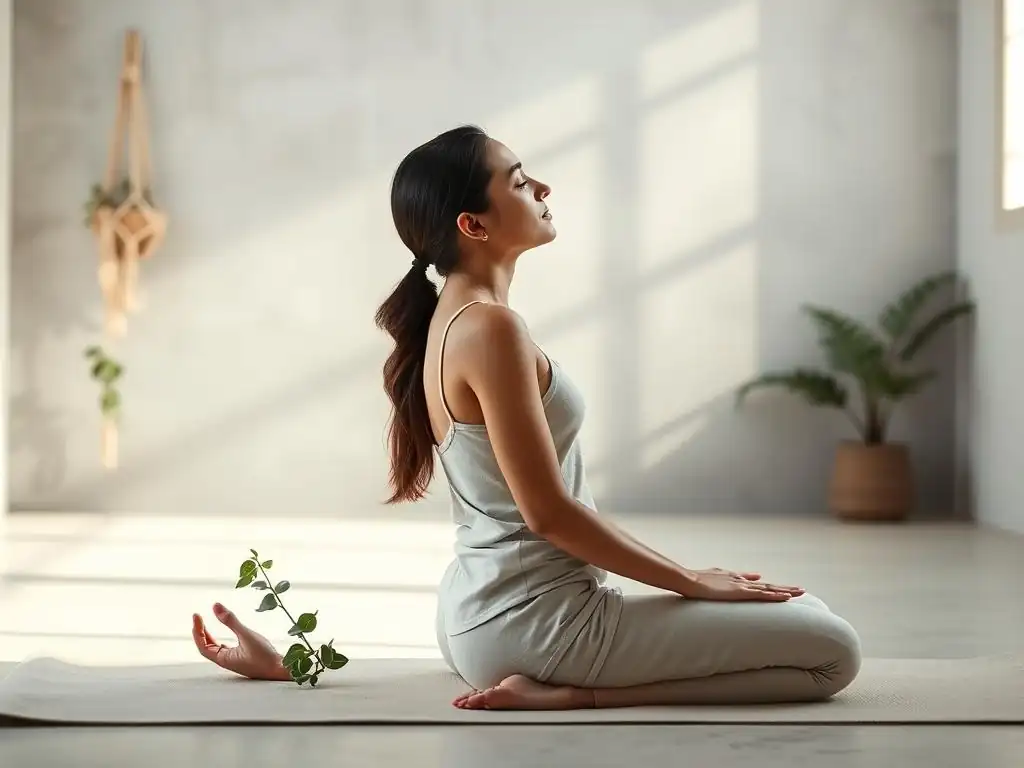
Gentle Yoga Poses for Calming the Mind and Body
Gentle yoga poses are ideal for beginners or those experiencing heightened anxiety, focusing on relaxation and grounding. These poses encourage introspection and release physical tension.
Child's Pose (Balasana): Relieving Stress and Tension
Child's Pose is a resting pose that provides a sense of comfort and security. To practice, kneel on the floor, bring your big toes to touch, and widen your knees about hip-width apart. Fold forward, resting your torso between your thighs. Extend your arms forward or rest them alongside your body, palms facing down. Rest your forehead on the floor or a block. This pose gently stretches the back and hips while allowing the body to fully surrender and relax, making it excellent for relieving both physical and mental tension associated with stress and anxiety.
Holding Child's Pose for several minutes encourages deep relaxation and introspection. The gentle compression of the abdomen can also aid digestion, which is often affected by anxiety. By bringing the forehead to the ground, it promotes a sense of grounding and helps to quiet a busy mind. It's a safe haven pose that you can return to whenever you feel overwhelmed or need a moment of calm.
Corpse Pose (Savasana): Promoting Relaxation and Stillness
Corpse Pose, or Savasana, is typically practiced at the end of a yoga session and is crucial for integrating the benefits of the practice. Lie flat on your back with your legs extended, letting your feet fall open naturally. Rest your arms alongside your body, palms facing up. Close your eyes and allow your body to become heavy, releasing any residual tension. The goal is complete physical and mental stillness, observing thoughts and sensations without judgment.
Despite its apparent simplicity, Savasana can be challenging as it requires the mind to be still. However, it is profoundly restorative for the nervous system. By allowing the body to fully relax, the heart rate slows, breathing deepens, and the parasympathetic nervous system is fully engaged. Practicing Savasana regularly teaches the body and mind how to achieve deep relaxation, which is a vital skill for managing anxiety and reducing symptoms.
Legs-Up-the-Wall Pose (Viparita Karani): Easing Anxiety and Fatigue
Legs-Up-the-Wall Pose is a gentle inversion that can be incredibly calming and restorative, particularly beneficial for easing anxiety and fatigue. Sit with one hip against a wall, then swing your legs up the wall as you lie back on the floor, adjusting your body so your hips are close to the wall. Rest your arms out to the sides or on your belly. Support your hips with a bolster or folded blanket if desired.
This pose helps to calm the nervous system by promoting relaxation and reducing stress. The gentle inversion encourages blood flow towards the upper body and head, which can be soothing. It also helps to alleviate swelling in the legs and feet and can ease tension in the lower back. Holding Viparita Karani for 5-15 minutes allows the body to deeply relax, providing a sense of ease and helping to reduce anxiety symptoms.
Yoga Poses for Grounding and Stability
Grounding poses help to anchor you in the present moment, providing a sense of stability and security when anxiety makes you feel scattered or unsteady.
Mountain Pose (Tadasana): Establishing a Foundation of Calm
Mountain Pose is the foundational standing pose in yoga, simple yet powerful for cultivating grounding and presence. Stand with your feet together or hip-width apart. Distribute your weight evenly through all four corners of your feet. Lengthen your spine, lift your chest, and relax your shoulders down. Let your arms hang naturally by your sides or bring your palms together at your heart center. Close your eyes or soften your gaze.
Tadasana helps to establish a connection with the earth, providing a feeling of stability and balance. By focusing on your posture and the sensation of your feet on the ground, you bring your awareness to the present moment, which helps to quiet anxious thoughts. This pose cultivates a sense of strength and stillness from the ground up, reinforcing the feeling of being rooted and secure.
Warrior II Pose (Virabhadra II): Building Confidence and Stability
Warrior II is a strong standing pose that builds confidence and provides a sense of grounded stability. From a standing position, step one foot back about 3-4 feet, turning the back foot parallel to the back edge of your mat. Bend your front knee over your ankle, ensuring your front thigh is parallel to the floor if possible. Extend your arms out to the sides at shoulder height, palms facing down. Gaze over your front fingertips.
This pose requires focus and physical strength, which can help distract from anxious rumination. The wide stance and rooted feet provide a strong foundation, symbolizing inner stability. Holding Warrior II cultivates a sense of empowerment and steadiness, helping to counteract feelings of helplessness or instability often associated with anxiety. It builds physical and mental resilience.
Breathing Exercises (Pranayama) for Anxiety Management
Pranayama, or breath control techniques, are incredibly effective tools for managing anxiety, directly impacting the nervous system.
Deep Belly Breathing (Diaphragmatic Breathing): Calming the Nervous System
Deep belly breathing is one of the most fundamental and effective techniques for calming the nervous system. Sit or lie down comfortably. Place one hand on your chest and the other on your belly. Inhale deeply through your nose, allowing your belly to expand like a balloon. Exhale slowly through your mouth or nose, feeling your belly flatten. The hand on your chest should remain relatively still, indicating that you are breathing into your diaphragm, not just your upper chest.
This type of breathing stimulates the vagus nerve, which is a key component of the parasympathetic nervous system. By slowing down and deepening the breath, you signal to your brain that you are safe and relaxed, counteracting the "fight or flight" response. Practicing deep belly breathing for just a few minutes can significantly reduce heart rate and blood pressure, providing immediate relief from acute anxiety symptoms.
Box Breathing: Reducing Stress and Improving Focus
Box breathing is a simple yet powerful technique for reducing stress and improving focus, excellent for managing anxiety. Sit comfortably with a straight spine. Inhale slowly through your nose for a count of four. Hold your breath for a count of four. Exhale slowly through your nose for a count of four. Hold your breath for a count of four before inhaling again. Repeat this cycle for several minutes.
This rhythmic breathing pattern helps to regulate the breath and calm the nervous system. The equal counts provide a structure that occupies the mind, pulling attention away from anxious thoughts. Box breathing can be used anytime, anywhere, offering a quick way to regain control and reduce feelings of overwhelm. Regular practice can help to build resilience to stress over time.
Creating a Yoga Practice for Anxiety: Tips and Considerations
Setting Up Your Yoga Space for Optimal Relaxation
Creating a dedicated and calming space for your yoga practice can significantly enhance its benefits for anxiety relief. Choose a quiet area in your home where you won't be easily interrupted. Ensure the space is tidy and free from clutter, as visual chaos can contribute to mental distraction. The temperature should be comfortable – not too hot or too cold. Consider using soft, dim lighting, perhaps with a salt lamp or gentle lamp, rather than harsh overhead lights.
Adding elements that promote relaxation can further enhance your space. This might include a comfortable mat, a blanket for Savasana, and props like blocks or bolsters for support in poses. Some people find gentle background music or the use of calming essential oils (like lavender or chamomile diffused) helpful. The goal is to create an environment that feels safe, peaceful, and conducive to turning your attention inward and focusing on how yoga reduce anxiety symptoms for you.
How to Choose the Right Yoga Style for Anxiety
Not all yoga styles are equally suited for managing anxiety, especially when starting out. More vigorous styles like Vinyasa, Ashtanga, or Bikram might be too stimulating for some individuals experiencing high anxiety. For beginners or those focused on calming the nervous system, gentler styles are often recommended. Hatha yoga, which typically involves holding poses for longer periods with a focus on alignment and breath, can be very grounding.
Restorative yoga is specifically designed for deep relaxation, using props to support the body in comfortable poses held for extended durations. This style is excellent for activating the parasympathetic nervous system. Yin yoga, which involves holding passive stretches for several minutes to target deep connective tissues, can also be calming and help release stored tension. Exploring different gentle styles can help you find the approach that best supports your goal to use yoga reduce anxiety symptoms.
Integrating Mindfulness into Your Yoga Practice
While mindfulness is often inherent in yoga, actively cultivating it can deepen the practice's impact on anxiety. During poses, pay attention to the physical sensations in your body – the stretch, the strength, the grounding. When your mind wanders (which it inevitably will), gently guide your attention back to the breath or the physical sensations without judgment. See if you can observe thoughts and feelings as they arise without getting caught up in them.
Focusing on the breath is a primary way to integrate mindfulness. Notice the inhale and exhale, the rise and fall of your chest or belly. Use the breath as an anchor to the present moment. Even during challenging poses, try to maintain a steady, calm breath. This conscious attention trains the mind to be present and less reactive, reinforcing the ability of yoga reduce anxiety symptoms by cultivating inner calm and awareness.
Starting Slow: Gradual Progression for Beginners
If you are new to yoga, especially when using it to manage anxiety, it's crucial to start slowly and gently. Don't feel pressured to perform complex poses or keep up with others if you attend a class. Begin with basic poses and breathing techniques, focusing on building awareness of your body and breath. Even 10-15 minutes of simple practice daily can be beneficial. Consistency is more important than duration or intensity in the beginning.
Listen intently to your body and respect its limits. Avoid pushing yourself into pain or discomfort, as this can create stress rather than reduce it. If a pose feels challenging or triggers anxiety, modify it or rest in Child's Pose or Savasana. The goal is to create a positive and nurturing experience, helping you build a sustainable practice where yoga benefits anxiety relief rather than adding pressure.
Listening to Your Body: Avoiding Overexertion
Paying close attention to your body's signals is paramount when practicing yoga for anxiety. Anxiety can sometimes manifest as physical tension or fatigue, and it's important not to mistake these sensations for the desire to push harder. If you feel lightheaded, dizzy, or experience sharp pain, ease out of the pose immediately. Rest whenever you need to, even if it's not part of the planned sequence.
Overexertion, whether physical or mental, can actually increase stress and counteract the anxiety-reducing benefits of yoga. Be mindful of your energy levels on any given day and adjust your practice accordingly. Some days might call for a more dynamic flow, while others may require gentle stretches and extended Savasana. Honoring your body's needs fosters self-compassion, an important aspect of managing anxiety. This intuitive approach helps ensure your yoga practice truly helps you reduce anxiety symptoms effectively.
Beyond Poses: Other Aspects of Yoga for Anxiety
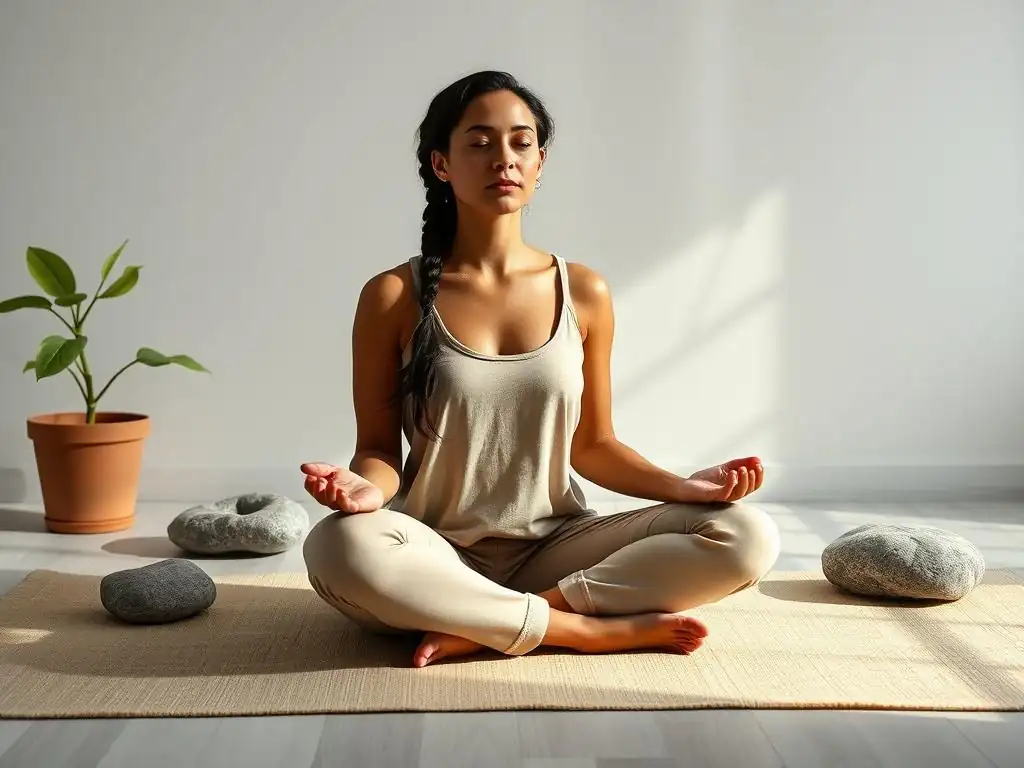
Meditation and Its Role in Anxiety Management
Meditation is often integrated into yoga practice and is a powerful tool in its own right for managing anxiety. While yoga uses movement and breath to prepare the body and mind for stillness, meditation focuses directly on training attention and awareness. Simple seated meditation, walking meditation, or body scan meditation can help individuals observe their thoughts and feelings without judgment, reducing the tendency to ruminate on worries.
Regular meditation practice has been shown in studies to alter brain structure and function in ways that reduce reactivity to stress and enhance emotional regulation. For someone with anxiety, learning to sit with uncomfortable feelings in a non-reactive way cultivated through meditation can significantly reduce their power. Combined with the physical practice of yoga, meditation provides a comprehensive approach to calming the mind and helping yoga reduce anxiety symptoms effectively.
Yoga Nidra: Deep Relaxation for Anxiety Relief
Yoga Nidra, often translated as "yogic sleep," is a state of conscious deep relaxation. It is typically practiced lying down comfortably, guided by an instructor or recording. During Yoga Nidra, the practitioner is guided through various levels of relaxation, moving awareness through different parts of the body, breath, feelings, and images, while remaining awake and aware. It's a profound practice for releasing deep-seated tension and stress.
Research suggests that Yoga Nidra can significantly reduce anxiety and improve sleep quality. It works by systematically relaxing the physical body, calming the emotional state, and quieting the mind. The state achieved during Yoga Nidra is said to be deeply restorative, similar to the restorative benefits of sleep but with heightened awareness. Incorporating Yoga Nidra into a weekly routine can provide significant relief from chronic anxiety, offering a sanctuary of profound rest.
The Importance of Self-Compassion in Your Yoga Journey
Practicing self-compassion is a vital, though often overlooked, aspect of using yoga for anxiety. Anxiety often comes with self-criticism, judgment, and feelings of inadequacy. Approaching your yoga practice with kindness and understanding towards yourself is crucial. This means acknowledging your limitations without judgment, celebrating small progress, and not getting discouraged by challenges.
Self-compassion involves treating yourself with the same kindness and care you would offer a friend who is struggling. When you notice self-critical thoughts arising during practice, acknowledge them without believing them and gently redirect your attention back to your breath or body. Embracing self-compassion makes your yoga practice a nurturing and supportive experience, reinforcing the positive effects of yoga reduce anxiety symptoms by fostering a kinder relationship with yourself.
Combining Yoga with Other Anxiety Management Techniques
Yoga and Therapy: A Complementary Approach
Combining yoga with psychotherapy, such as Cognitive Behavioral Therapy (CBT) or Acceptance and Commitment Therapy (ACT), can create a powerful synergy for managing anxiety. Therapy provides tools for understanding the root causes of anxiety, challenging negative thought patterns, and developing coping strategies. Yoga complements this by addressing the physical and nervous system components of anxiety, helping to regulate the body's stress response and build tolerance for uncomfortable physical sensations.
While therapy works significantly on the cognitive and emotional levels, yoga helps ground those learnings in the body. For example, someone learning to challenge anxious thoughts in therapy might use the grounding techniques learned in yoga to manage the physical discomfort those thoughts sometimes trigger. Together, yoga and therapy offer a holistic approach, addressing both the mental landscape and the physical experience of anxiety, making it easier to reduce anxiety symptoms comprehensively.
Yoga and Medication: Understanding the Interactions
For some individuals, medication is a necessary part of managing severe anxiety. Yoga can be a valuable complementary practice alongside prescribed medication, but it is essential to discuss this with your healthcare provider. Yoga is not a substitute for medical treatment, and changes to medication should only be made under professional guidance.
Yoga can potentially enhance the effectiveness of medication by reducing overall stress levels and promoting better sleep and well-being. It can also provide coping tools for managing breakthrough anxiety or side effects. However, certain physical limitations or conditions requiring medication might necessitate modifications to your yoga practice. Open communication with your doctor and yoga instructor ensures that your combined approach to using yoga reduce anxiety symptoms is safe and effective.
The Role of Lifestyle Factors in Supporting Anxiety Relief Through Yoga
Yoga is most effective when integrated into a lifestyle that supports overall mental well-being. This includes prioritizing sufficient sleep (aiming for 7-9 hours per night), maintaining a balanced diet rich in whole foods, and engaging in regular physical activity beyond yoga. Limiting caffeine and alcohol intake, which can exacerbate anxiety symptoms, is also beneficial.
Building a strong social support network and incorporating stress-reducing activities you enjoy, such as spending time in nature or pursuing hobbies, further enhances the ability of yoga to help reduce anxiety symptoms. Viewing yoga not just as a standalone exercise but as part of a broader commitment to self-care significantly amplifies its positive impact on anxiety management.
Potential Risks and Precautions of Yoga for Anxiety
When to Consult a Healthcare Professional
While yoga is generally safe, it's crucial to consult a healthcare professional before starting a new practice, especially if you have a diagnosed anxiety disorder, other mental health conditions, or any physical health issues. A doctor can help determine if yoga is appropriate for your specific situation and discuss how it can fit into your overall treatment plan.
Seeking professional advice is particularly important if your anxiety is severe, interferes significantly with daily life, or if you are experiencing panic attacks. Yoga can be a powerful tool, but it is not a substitute for professional medical or psychological treatment. Your healthcare provider can offer guidance on how to safely incorporate yoga to reduce anxiety symptoms alongside other necessary interventions.
Modifications for Physical Limitations
Anxiety can sometimes be accompanied by physical symptoms like muscle tension, fatigue, or even chronic pain. Existing physical conditions can also impact your ability to practice certain yoga poses. It is essential to be aware of any physical limitations and learn how to modify poses to suit your body's needs. Using props like blocks, blankets, and straps can make poses more accessible and comfortable.
Working with a qualified yoga instructor who has experience teaching individuals with anxiety or physical limitations can be very helpful. They can provide personalized modifications and ensure you are practicing safely. The goal is for yoga to be a supportive and healing experience, not one that causes physical discomfort or exacerbates existing issues. Adapting the practice ensures you can continue to use yoga reduce anxiety symptoms safely over time.
Safe Yoga Practices for Anxiety
Practicing yoga safely for anxiety involves more than just physical modifications; it also means creating a mentally safe environment. Choose a yoga style and instructor that makes you feel comfortable and supported. Avoid overly competitive or fast-paced classes if they trigger stress. Focus on listening to your body rather than trying to achieve perfect poses.
Be mindful of your emotional state during practice. If a pose brings up strong emotions or triggers anxiety, it's okay to back off, rest, or choose a different pose. Cultivate a non-judgmental attitude towards yourself and your practice. Remember that the aim is not performance but self-care and finding tools that help you reduce anxiety symptoms and foster inner peace. Prioritizing safety and comfort ensures a positive and beneficial experience.
Conclusion: Embracing Yoga for Enhanced Mental Well-being and Anxiety Reduction
The Long-Term Benefits of Regular Yoga Practice for Anxiety
Embracing a regular yoga practice offers profound long-term benefits for managing anxiety and enhancing overall mental well-being. Consistency is key; even short, regular sessions can build resilience over time. As you continue to practice, you may notice a significant reduction in the frequency and intensity of your anxiety symptoms. The tools learned on the mat – deep breathing, mindfulness, and physical release – become accessible resources you can draw upon in daily life when faced with stressors.
Beyond symptom reduction, regular yoga fosters a deeper connection with yourself. It cultivates self-awareness, allowing you to recognize the early signs of anxiety and respond proactively. It builds self-compassion, helping you navigate challenges with greater kindness towards yourself. Over time, yoga helps to re-regulate the nervous system, promoting a state of greater calm and balance. This sustained practice of yoga reduce anxiety symptoms not only provides relief but also empowers you to live with greater presence, peace, and emotional resilience.
Frequently Asked Questions
How does yoga help reduce anxiety symptoms?
Yoga helps reduce anxiety symptoms through a combination of physical postures (asanas), breathing techniques (pranayama), and meditation. These practices work together to calm the nervous system, reduce stress hormones, and increase feelings of relaxation.
What specific types of yoga are most effective for anxiety?
While all yoga can be beneficial, styles that emphasize slow, deliberate movements and mindfulness are often recommended for anxiety. Examples include Hatha, Restorative, and Yin yoga. These focus on present moment awareness.
How often should I practice yoga to see a reduction in anxiety?
Consistency is key. Aim for at least 3-4 times per week, even if it's just for short sessions of 15-20 minutes. Regular practice can lead to noticeable improvements in anxiety levels.
Is yoga a replacement for professional mental health treatment?
No, yoga is a complementary therapy and should not replace professional mental health treatment. It can be a valuable tool alongside therapy and/or medication, but it's important to consult with a mental health professional for personalized care.
What are some simple yoga poses I can try at home to manage anxiety?
Begin with accessible poses like Child's Pose, Legs-Up-The-Wall Pose, and Corpse Pose (Savasana). These postures promote relaxation and can be easily incorporated into a daily routine.
Final Reflection: Finding Calm in the Chaos: Yoga's Enduring Power
The pervasive anxiety of modern life demands effective coping mechanisms, and the evidence overwhelmingly supports yoga as a powerful tool in reducing symptoms. This isn't just a fleeting trend; it's a testament to the enduring wisdom of integrating mind and body practices to navigate the complexities of our daily existence. The research presented clearly demonstrates yoga's ability to alleviate anxiety, offering a tangible path towards a calmer, more centered self.
The impact of yoga extends far beyond individual stress reduction; it's reshaping our cultural understanding of mental wellness. We are increasingly recognizing the limitations of purely pharmaceutical approaches and embracing holistic methods that address the root causes of anxiety. This shift is profoundly encouraging. The body benefits from movement, and the mind benefits from stillness.
This simple truth, often overlooked in our fast-paced world, lies at the heart of yoga's effectiveness. It's a reminder that we are not merely minds inhabiting bodies, but integrated beings who thrive when both aspects are nurtured.
Consider the ways you can incorporate yoga into your own life. Perhaps it's a daily five-minute breathing exercise, a weekly class, or simply a conscious effort to bring mindful movement into your routine. Don't underestimate the power of small, consistent steps. You deserve the peace and clarity that yoga can offer. Embrace this ancient practice, not as a quick fix, but as a lifelong journey towards a more balanced and resilient you. Begin your journey today; your future self will thank you.
Unroll Your Mat and Unwind: Start Your Anxiety-Reducing Yoga Journey Today!
Thanks for taking the time to explore the powerful connection between yoga and anxiety relief. We hope you found the evidence presented insightful and empowering. Now it's time to put that knowledge into practice!
Here's how you can begin your journey to a calmer, more centered you:
- Begin your personalized yoga practice: Start with a short, guided session focused on breathwork and gentle stretches. Even 10 minutes can make a difference!
- Share your experience: Connect with our community on social media and share your thoughts and progress. Let's build a supportive network for managing anxiety.
- Explore different yoga styles: Experiment to find the practice that best suits your needs and preferences. Consider restorative yoga for deep relaxation or vinyasa for a more energetic flow.
Ready to embrace a calmer, more mindful you? What’s one small step you’ll take towards incorporating yoga into your daily routine?